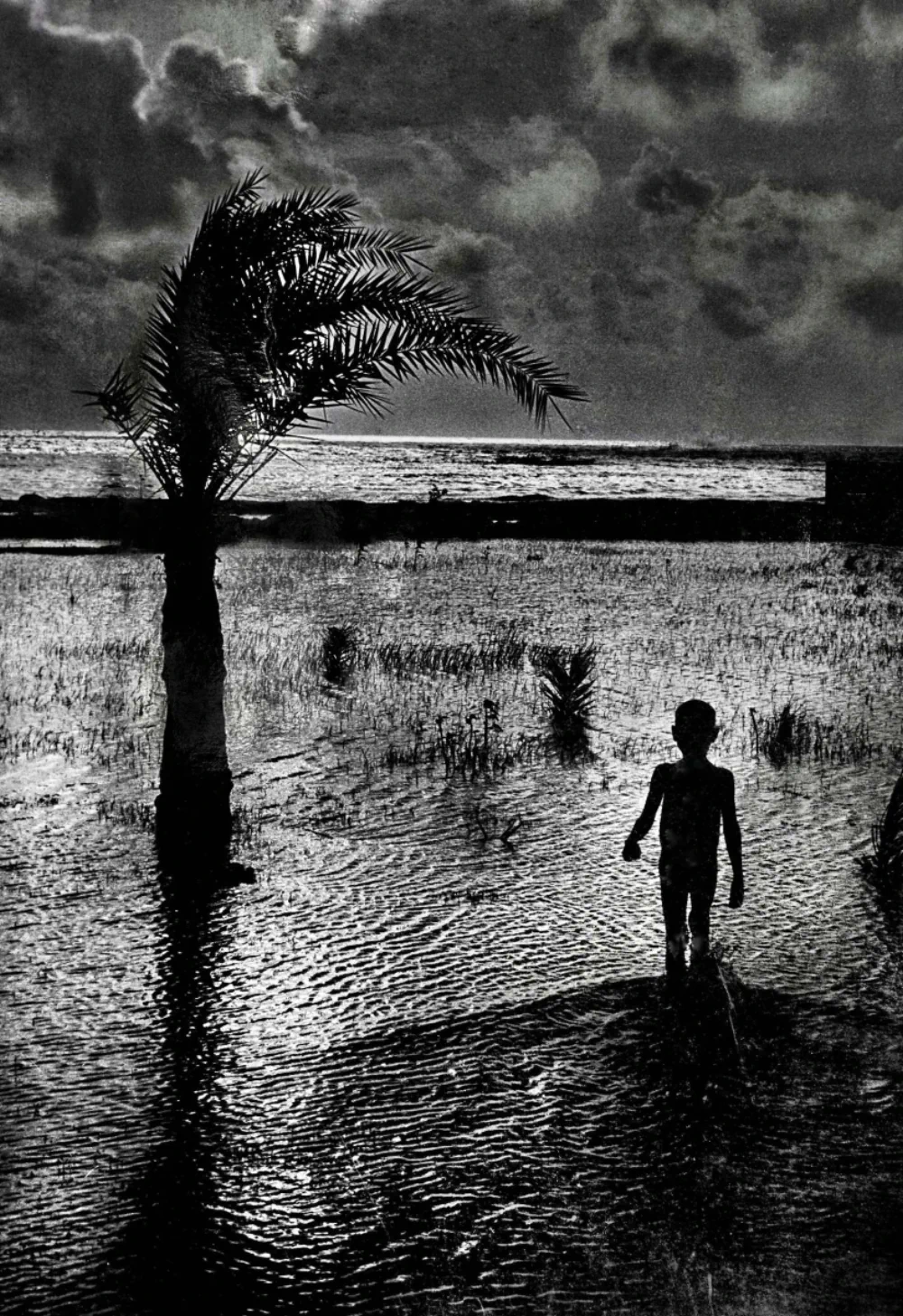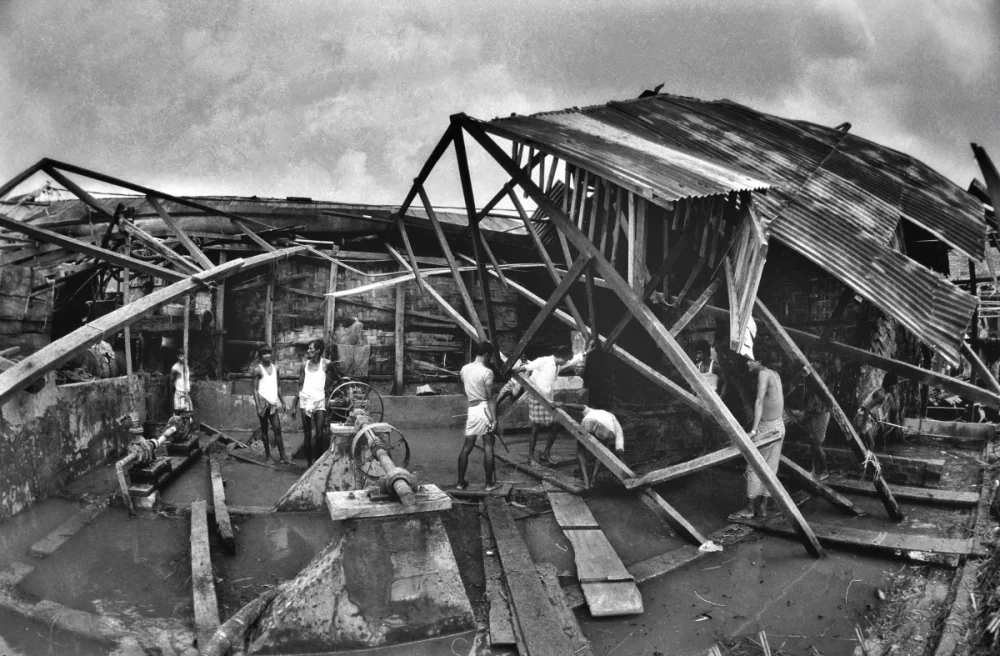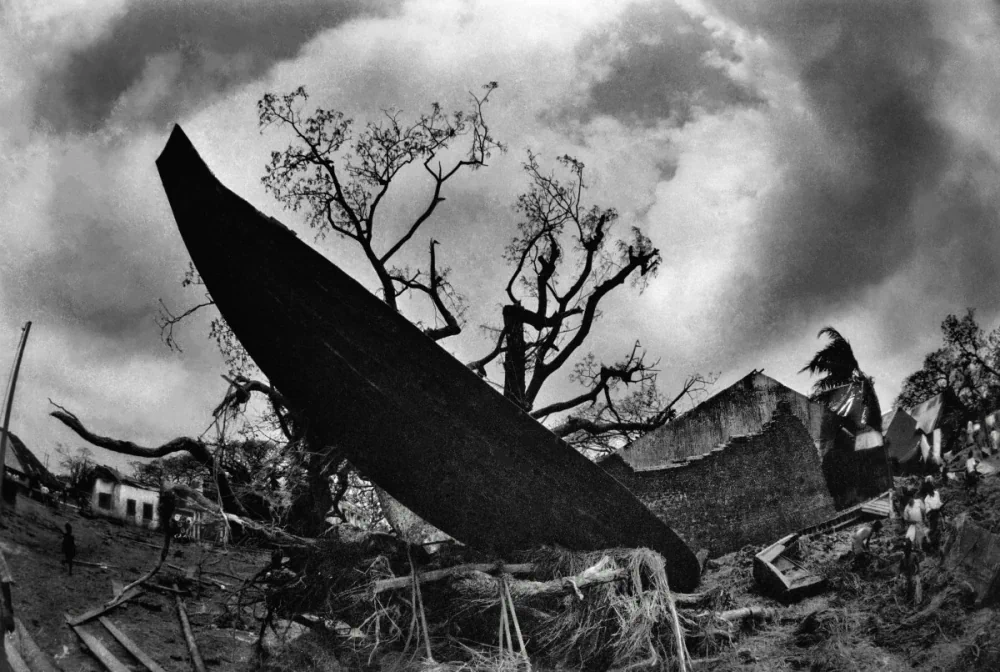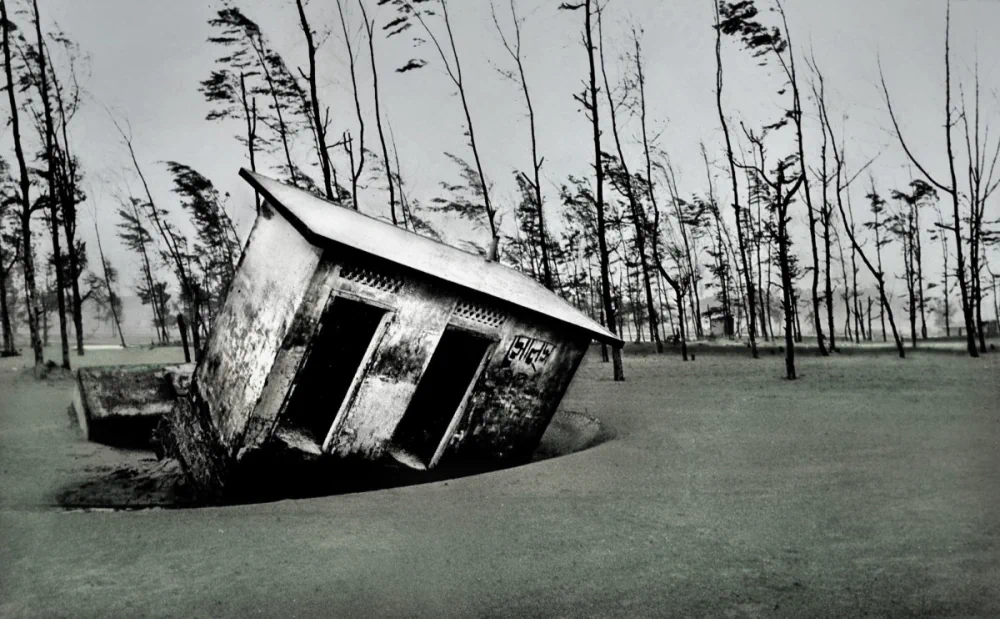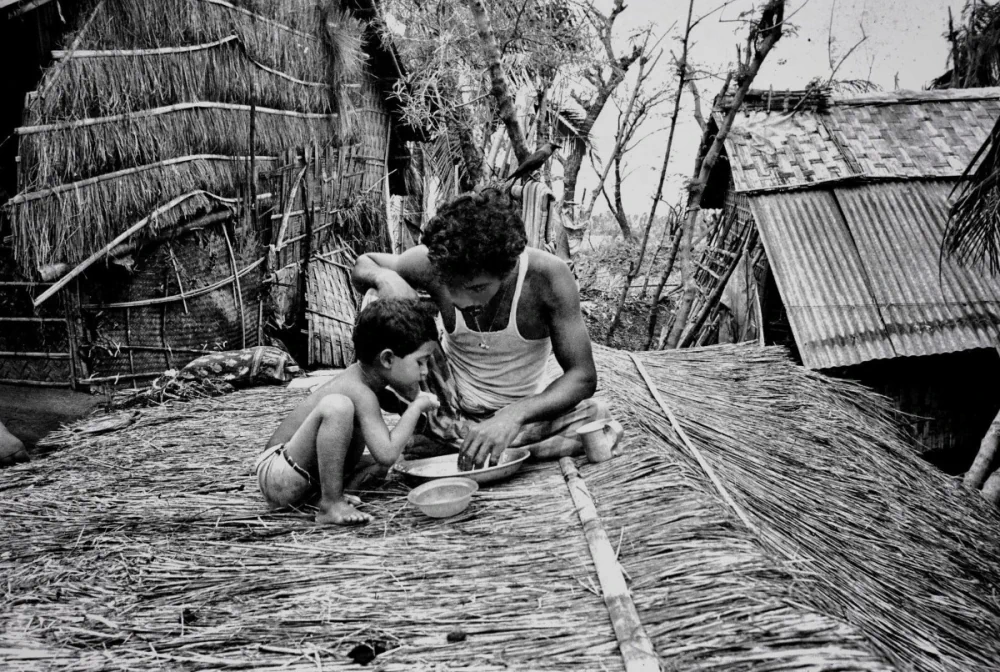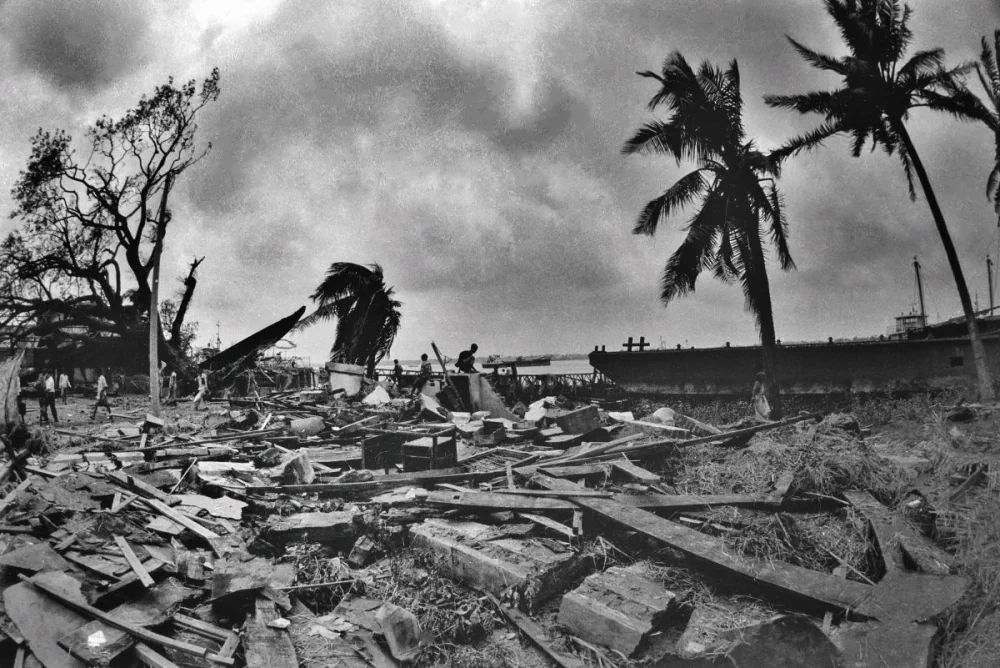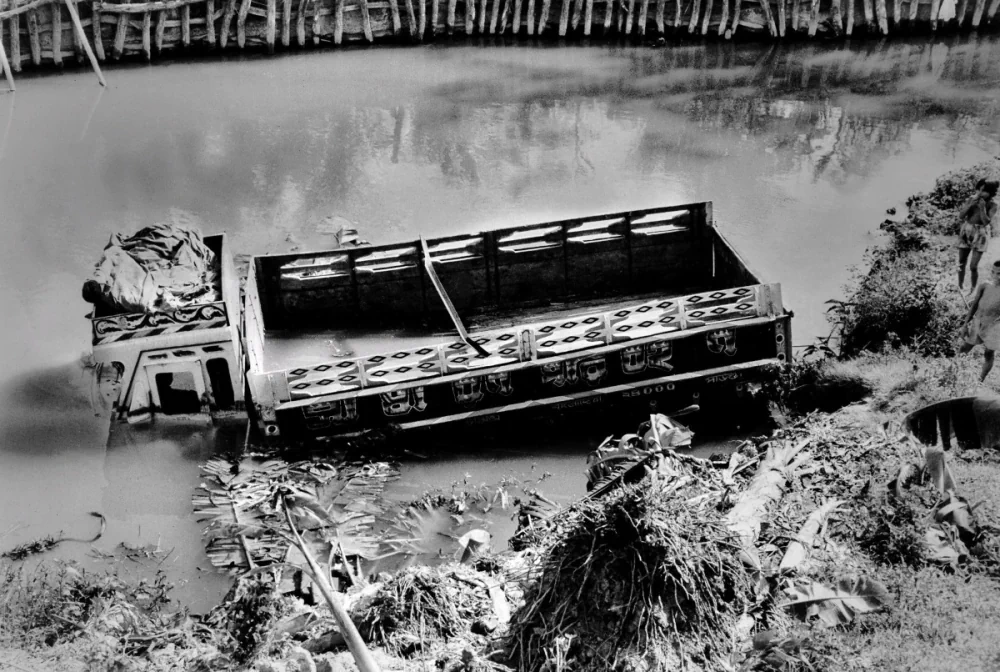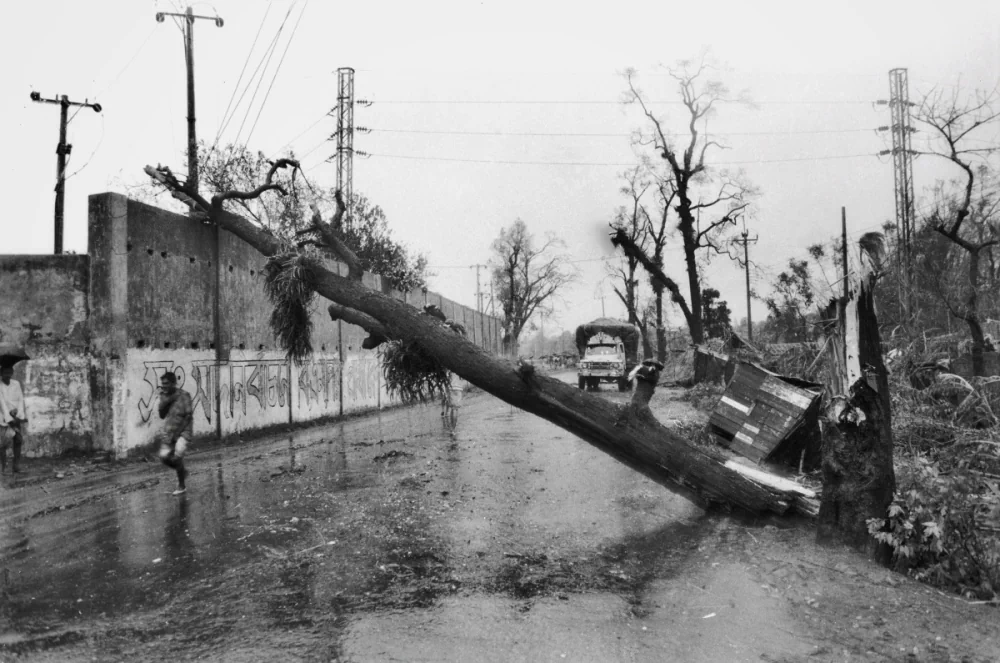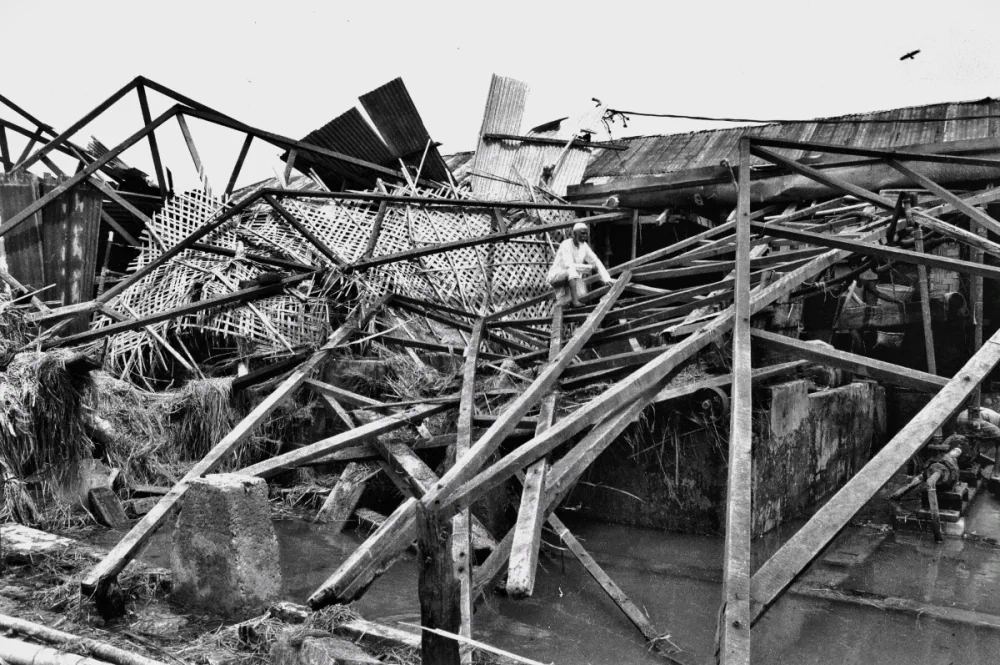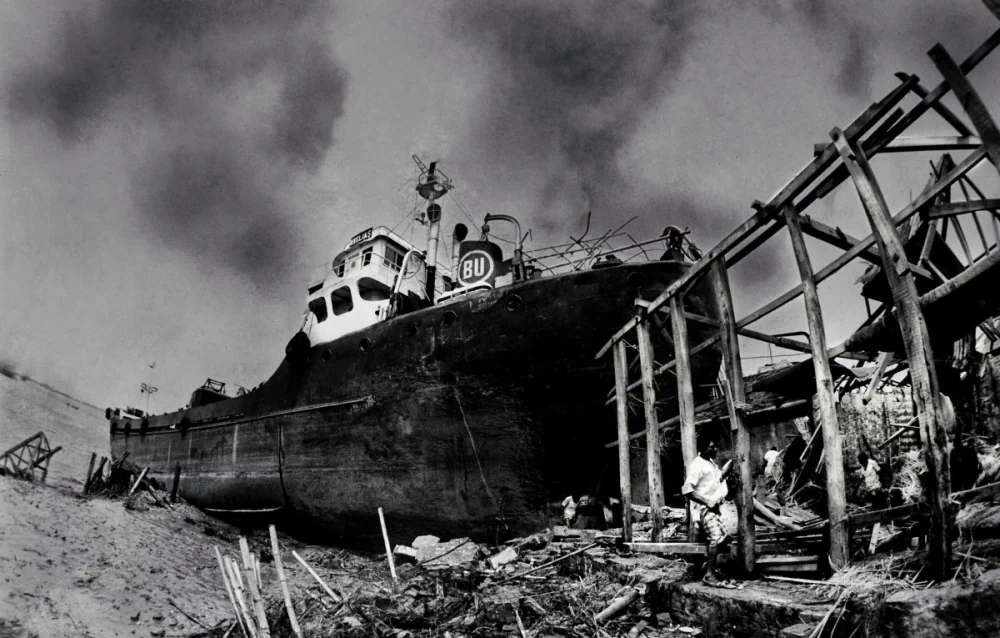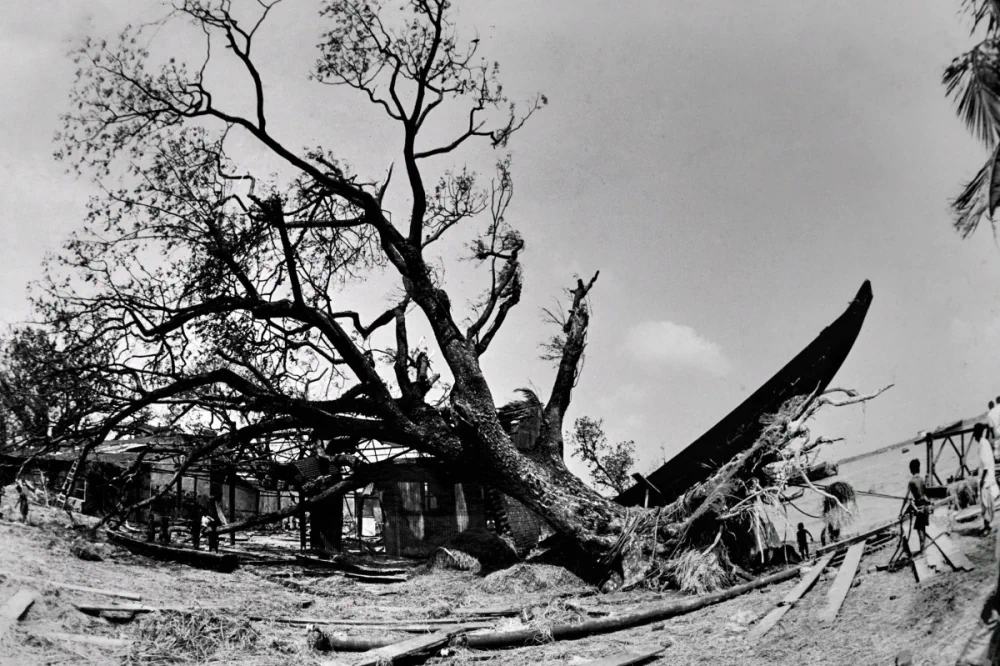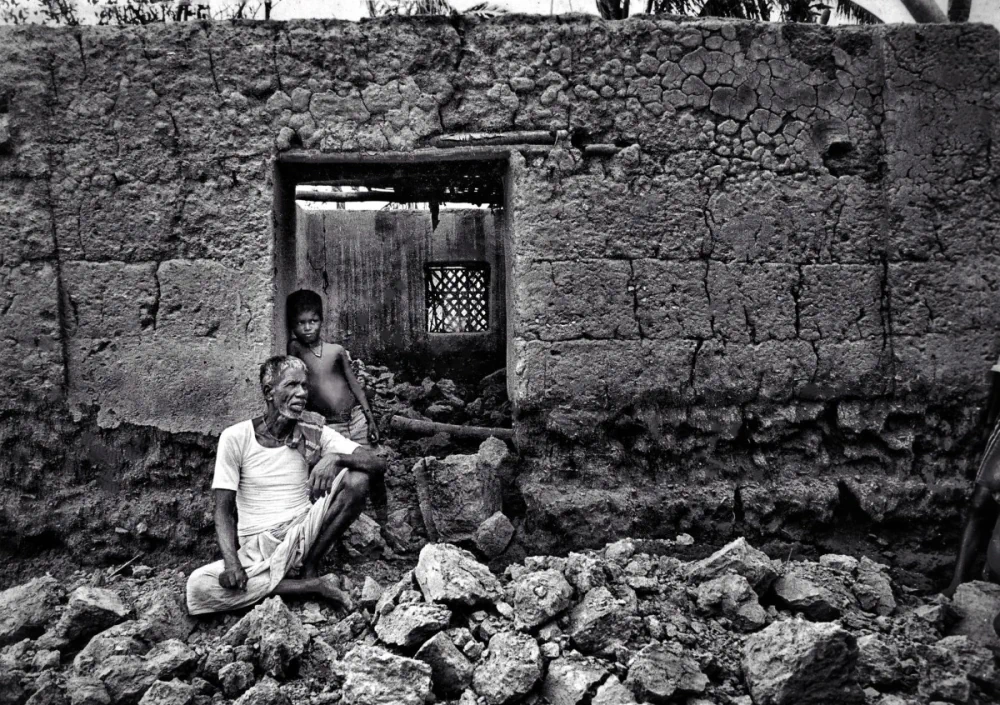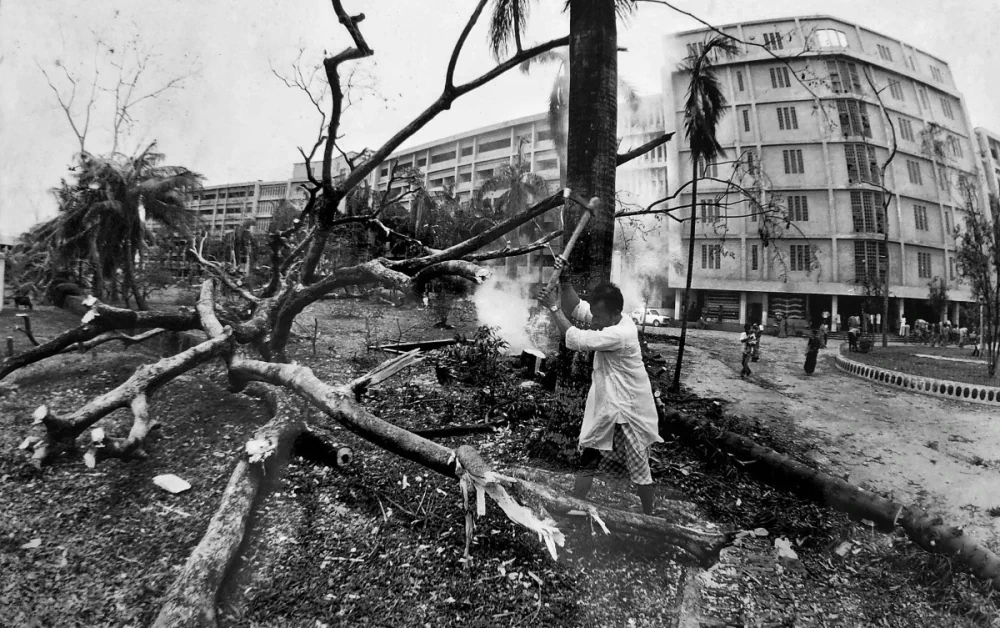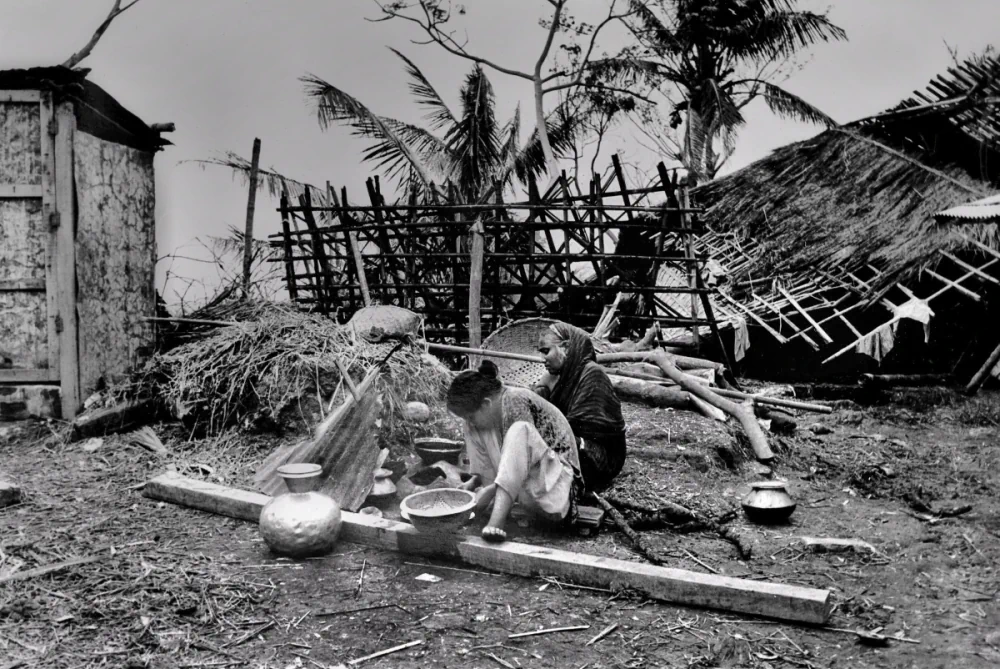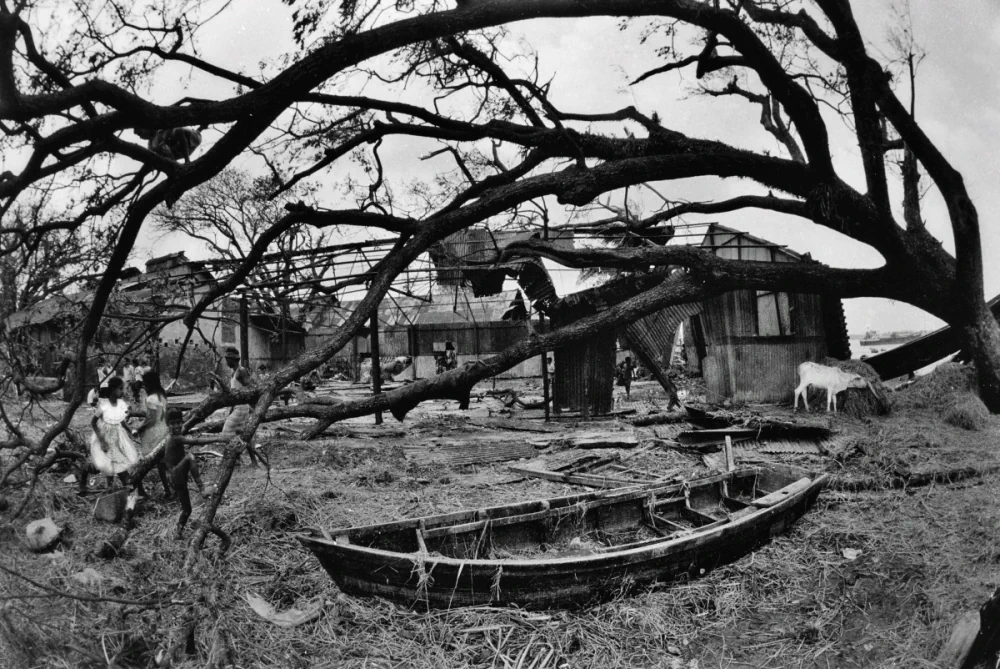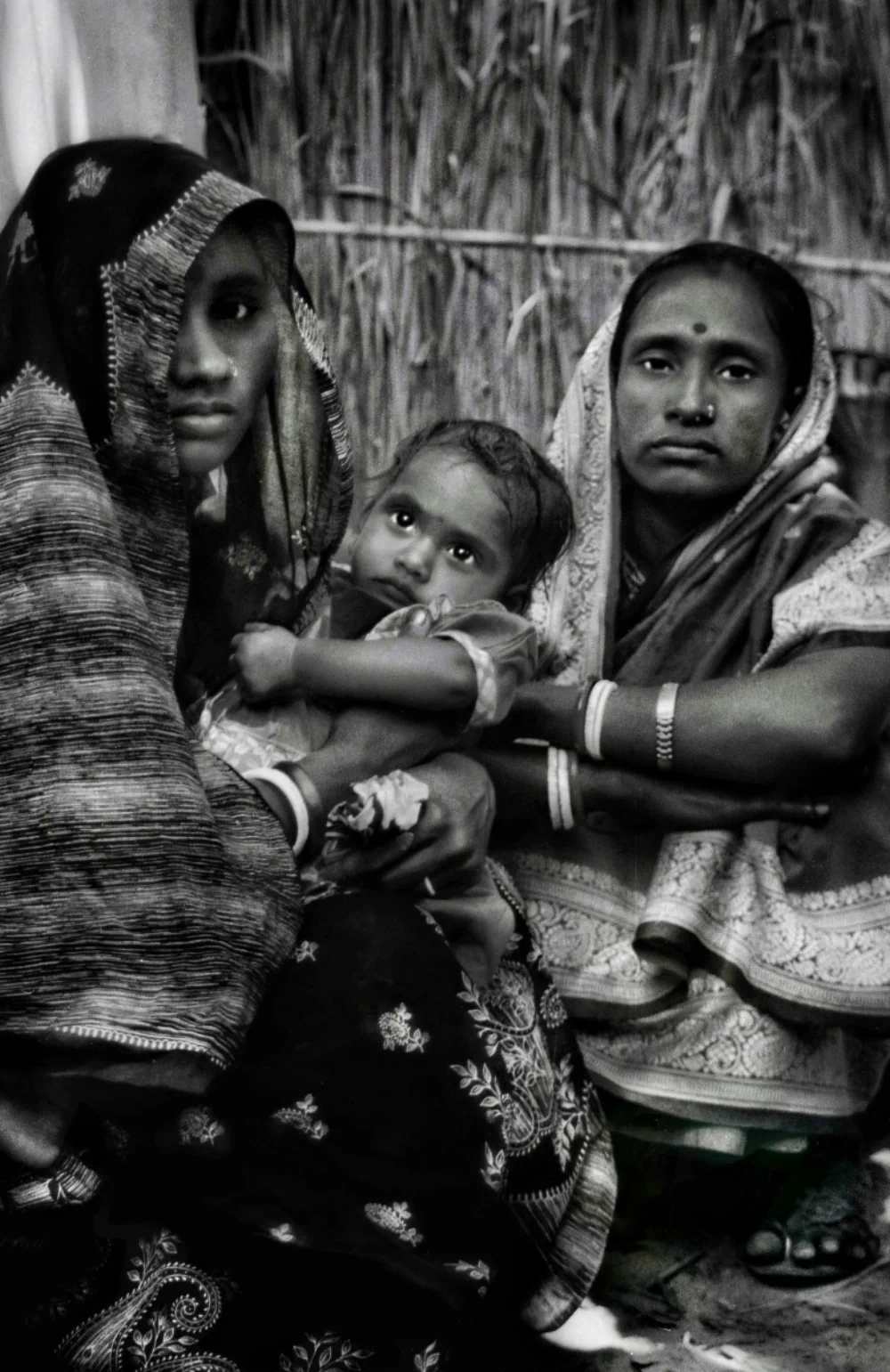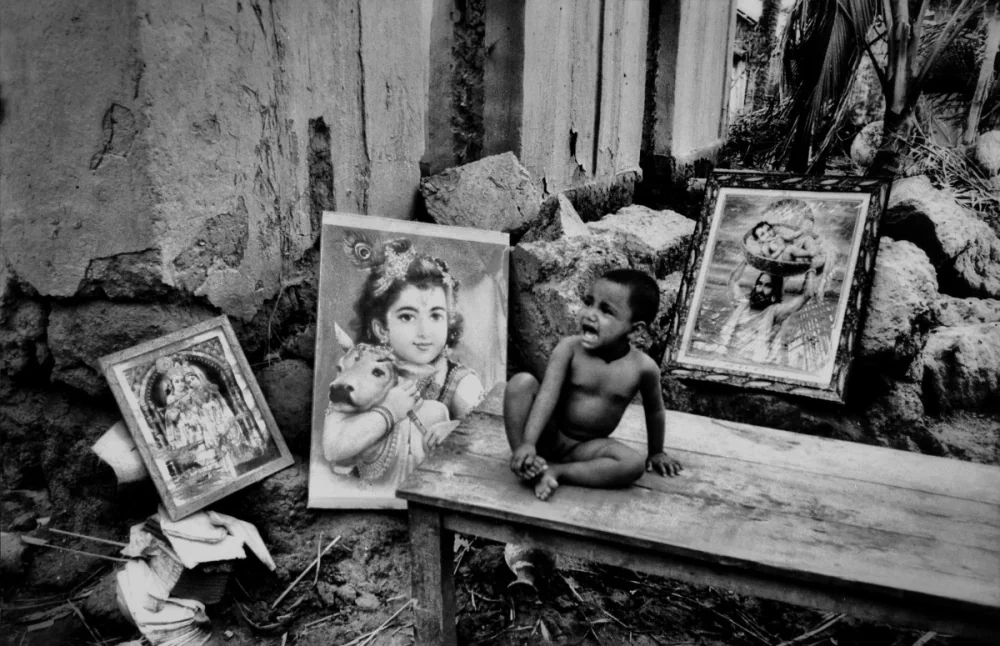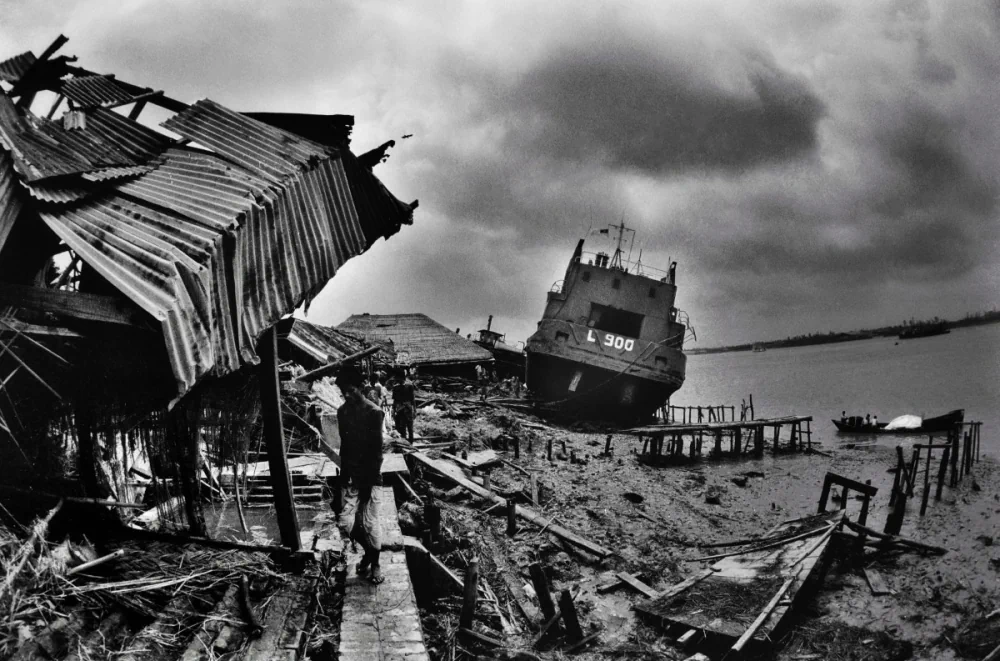


On 29 April 1991, when Cyclone Gorky struck the coastal belt of Chattogram, I was a 21-year-old second-year medical student.
The storm had formed just days earlier in the Bay of Bengal, on 24 April, before intensifying into a Category 5–equivalent cyclone, with winds reaching up to 260 km/h.
When it made landfall, it brought with it a storm surge rising over 20 feet, swallowing entire coastal settlements.
I went there with a relief team, carrying medicines. I also carried a camera.
At that time, I did not know how to photograph a disaster. I had no understanding of visual ethics, narrative, or the responsibility of documenting history. What I had was instinct. What I had was emotion. I photographed what I saw and what I felt, in the only way I knew.
For a month, I moved through broken villages across Banshkhali, Anowara, Chakaria, Pekua, and Moheshkhali—places where the scale of loss was almost beyond comprehension. The cyclone had already taken more than 138,000 lives, making it one of the deadliest ever recorded. Millions were left homeless. Homes, boats, and entire infrastructures had collapsed under the force of wind and water, leaving behind an economic loss estimated at around 1.7 billion USD.
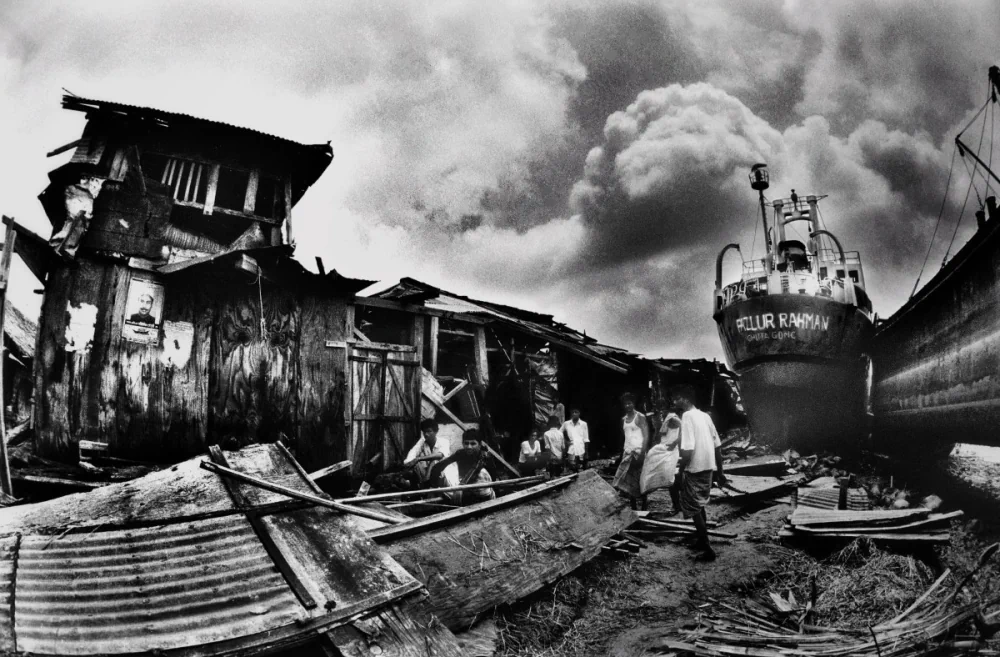
What remained was silence.
An unsettling, heavy silence that settled over everything.
I exposed more than a hundred rolls of film, trying to hold on to moments that felt too heavy to trust to memory alone.
In October 1991, those photographs were exhibited in the swimming pool lobby of Hotel Agrabad. Then life moved forward. Now, 35 years later, I look at these photographs differently. They are not just records of a disaster. They are traces of a young man learning to see—learning to witness grief, responsibility, and history without fully understanding any of them.
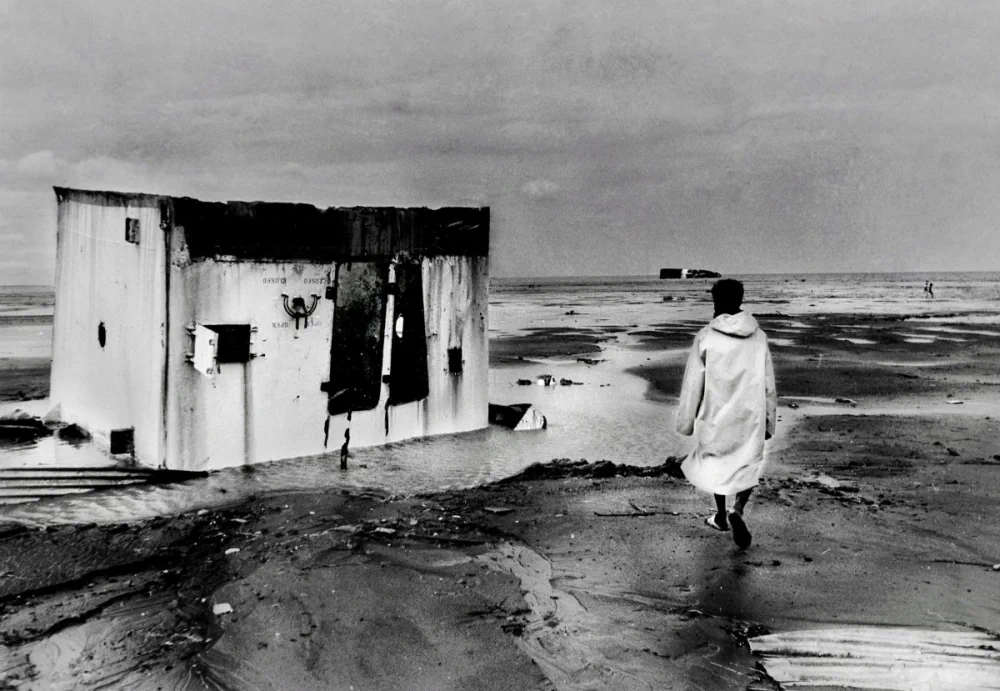
Now I am sharing these images again. Not to reopen wounds, but to remember resilience. To honor the lives that rebuilt from salt and silence. And perhaps, to reconnect with that 21-year-old who believed that photographs could hold truth.
It is raw. It is imperfect. It is honest.
About Ibrahim Iqbal
Ibrahim Iqbal born on 9 October 1970 in Chittagong, Bangladesh. Chemical pathologist and self-taught photographer.
He began his career in 1988, discovering a passion that had previously been unknown to him. He completed his MBBS at Chittagong Medical College in 1996 and later obtained an MD (Doctor of Medicine in Clinical Biochemistry) from Bangabandhu Sheikh Mujib Medical University (BSMMU), Bangladesh, in 2005.
He has won more than 350 awards in national and international photo contests, including a Gold Medal in the 6th National Photo Contest in 1996; Grand Prize (Colour Portfolio) in the 7th National Shilpakala Academy Photo Contest in 1999; Gold Medal in the Asahi Shimbun International Photo Contest, Japan, in 2000; 3rd Prize in the Nikon International Photo Contest, Japan, in 1998; FIAP Bronze Medal (Portfolio) in the Zagreb International Photo Contest, Croatia, in 2004; Rakal Gold Medal in the International Photo Contest, Serbia, in 2002; GPU Gold in Emotion and Human Relation – Odessos International Photo Contest, Bulgaria, in 2017; Best Image Award in Photojournalism – Odessos International Photo Contest, Bulgaria, in 2017; PSA Bronze Medal from the Huangbai International Photo Exhibition and Festival, China, in 2018; NYPA Gold Medal from the New York Photo Fair 2020, USA; Category Winner (First Prize) in IPA 2024, USA; and the Monovision Photography Awards, UK, in 2021, among others. His work has been exhibited nationally and internationally, and his projects have been featured in exhibitions, publications, and public platforms, including international festivals and academic spaces.
More than 3,000 photographs have been exhibited worldwide. He has held eight solo exhibitions and participated in three group exhibitions in Dhaka, Chittagong, and other parts of the world. He has been invited three times to the MASTER’S SHOW organized by the Romania Photographic Society at the National Museum of Romania, where only 50 master photographers from around the globe are selected to exhibit their work. In 2022, he was invited as a guest photographer at the Xposure International Photography Festival in the UAE to showcase his long-term project on hospitals, and he also served as a jury member. More than 300 of his photographs have been published in national and international catalogues, calendars, journals, books, and newspapers.
His photographs are part of collections including the India International Photographic Council (historical archive, India), Banque Indosuez Dhaka (Bangladesh), the National Theatre of Târgu Mureș (Romania), Imperial Hospital (Bangladesh), and Apollo Hospitals Dhaka (Bangladesh).
He was awarded the Artist FIAP (AFIAP) distinction by the Fédération Internationale de l’Art Photographique (Luxembourg) in 1996. He received the Honorary Fellowship (Hon. FBPS) from the Bangladesh Photographic Society in 2023 and the Honorary Distinction (Hon. CPE) from the Câmpina Photographic Exhibition Society, Romania. He is also a member of the Global Advisory Board for the Public Health Photo Contest (PHPC) organized by Gonoshasthaya Kendra and GonoBishwabidyalya.
He has served as a jury member in several national and international photo contests and prestigious photography clubs. He continues to develop long-term projects exploring time, memory, and cultural identity, including an ongoing body of work on life in the United States. For him, photography is not only about images; it is about preserving what would otherwise fade.
He currently serves as Chief Consultant in the Department of Laboratory Medicine at P2P Health Care, Bangladesh, while also working as a freelance photographer.
Book
He published his first monograph based on his long-term project Hospital in 2022. The book includes images spanning 20 years, from 2000 to 2020.