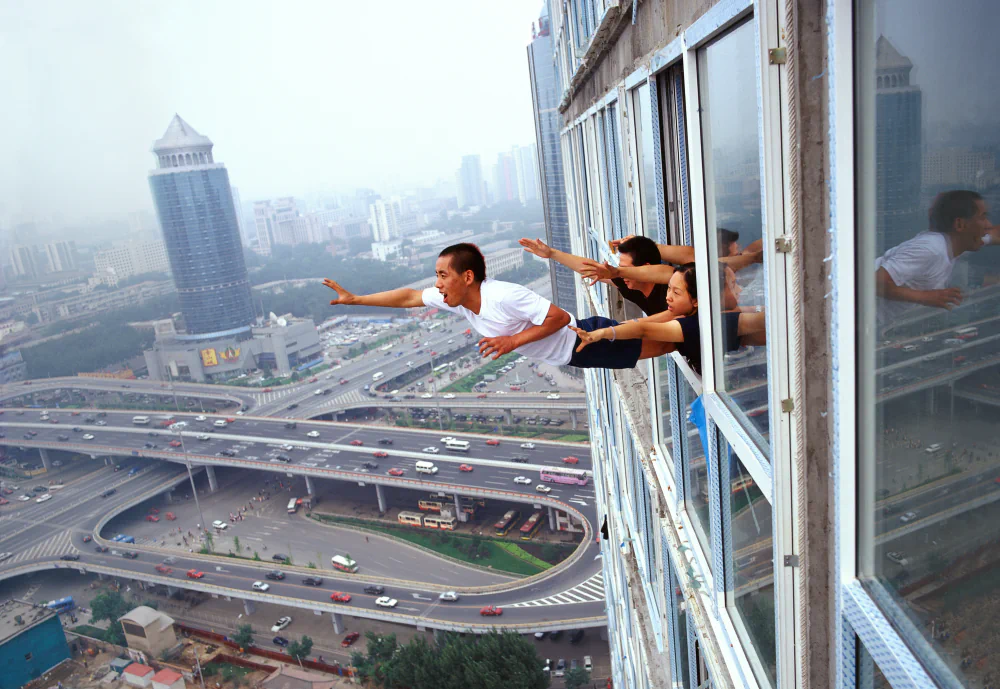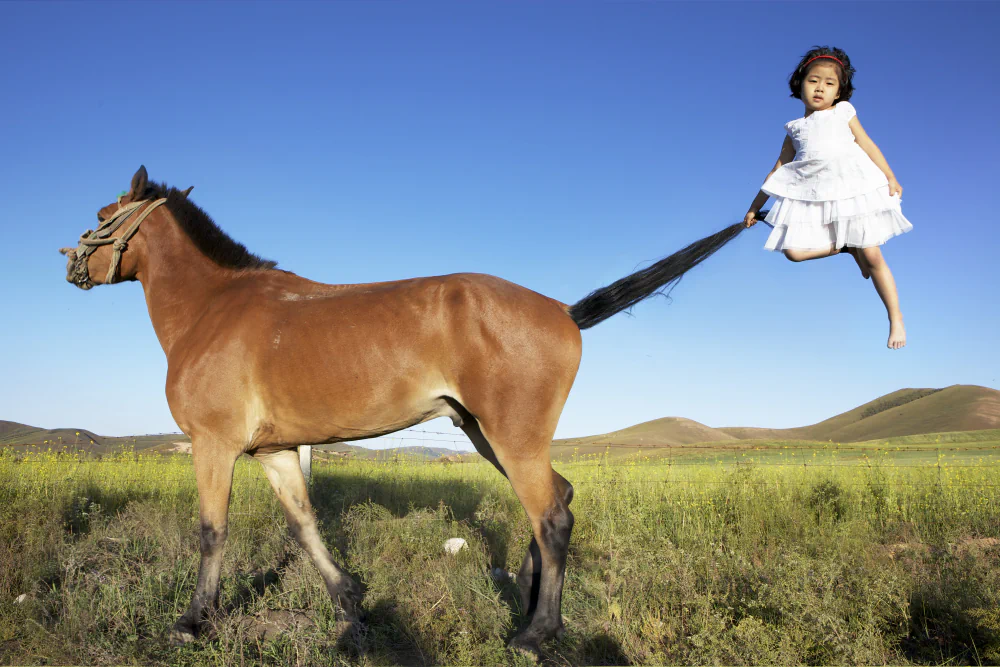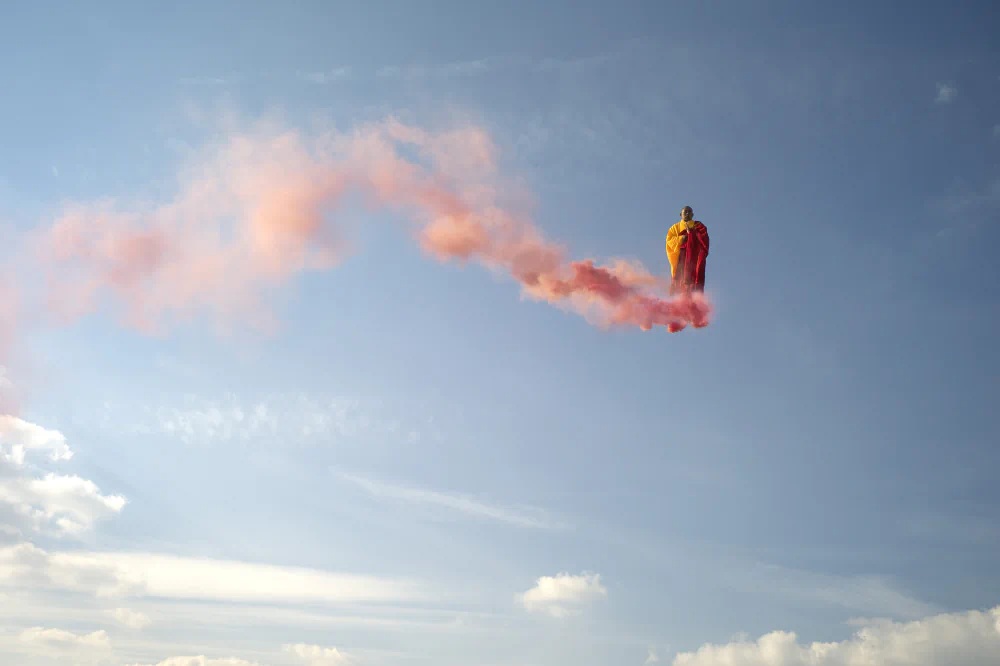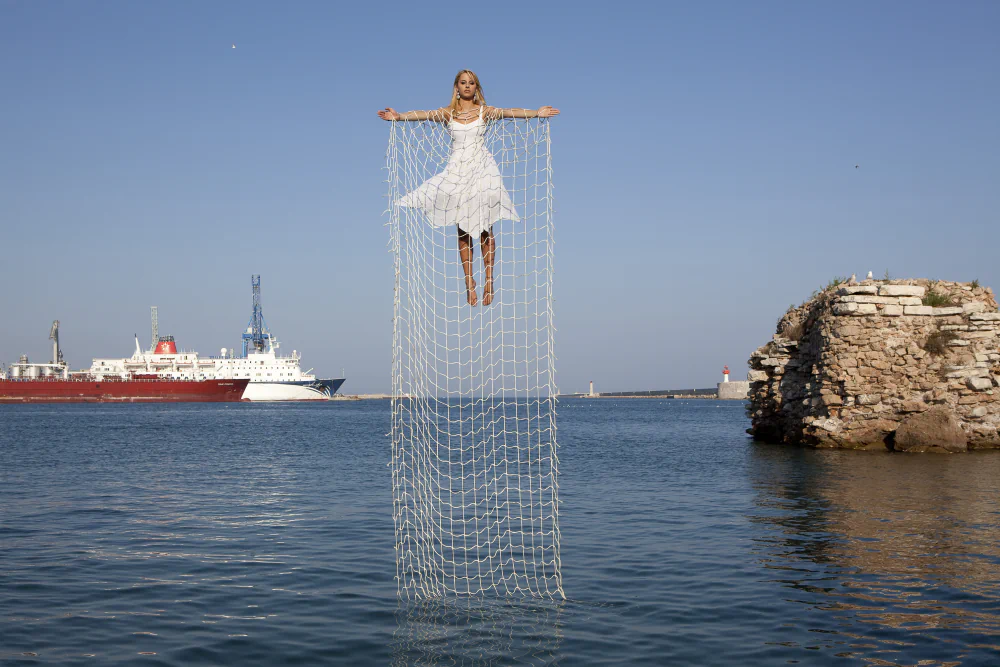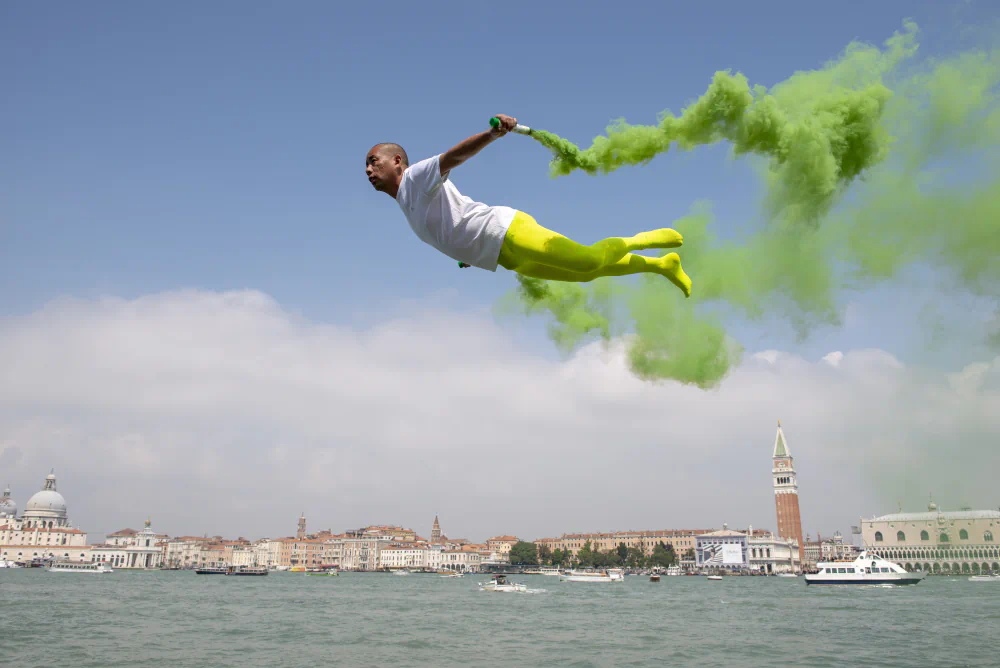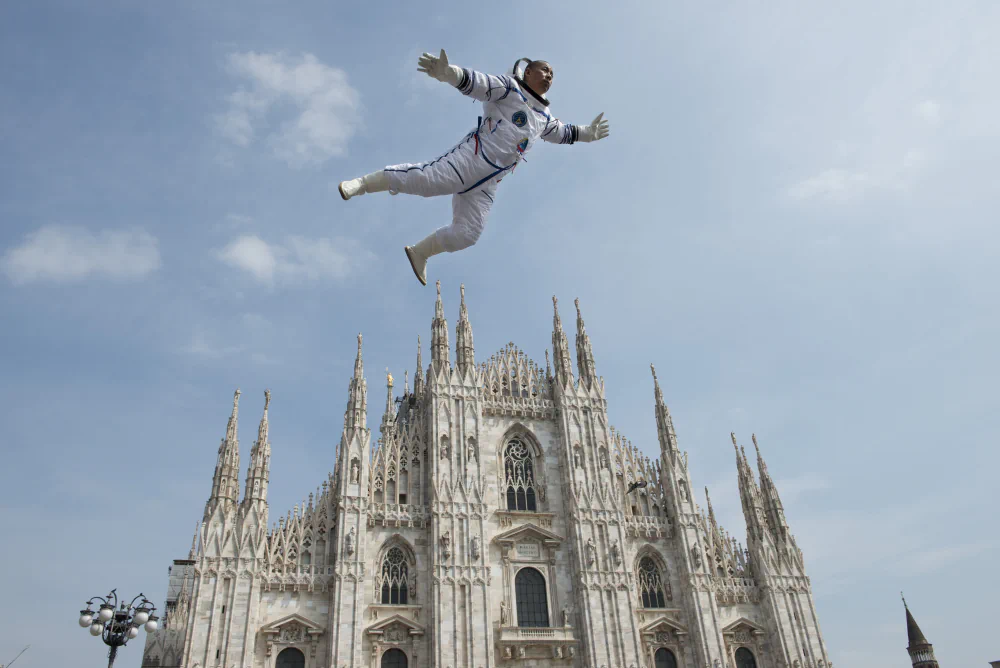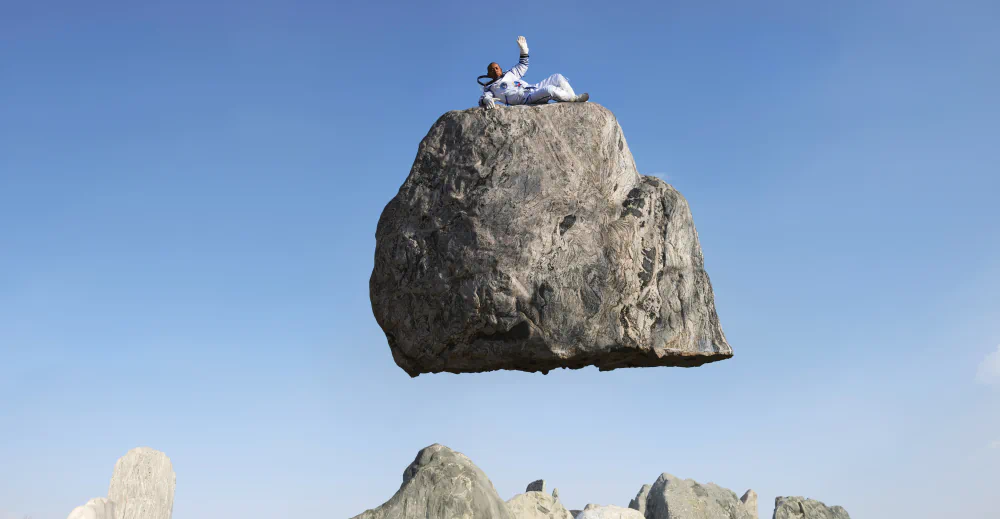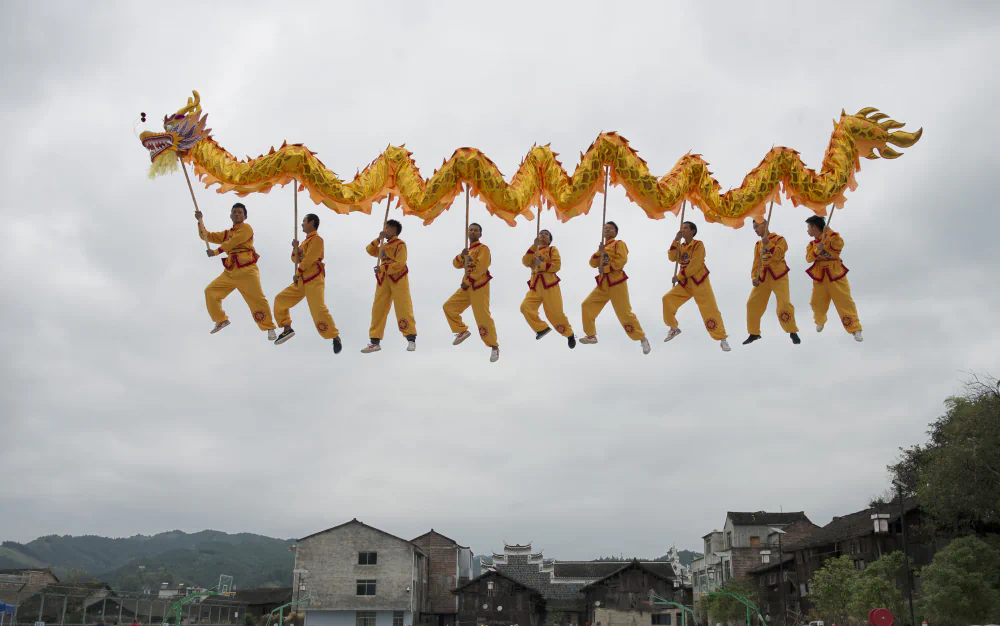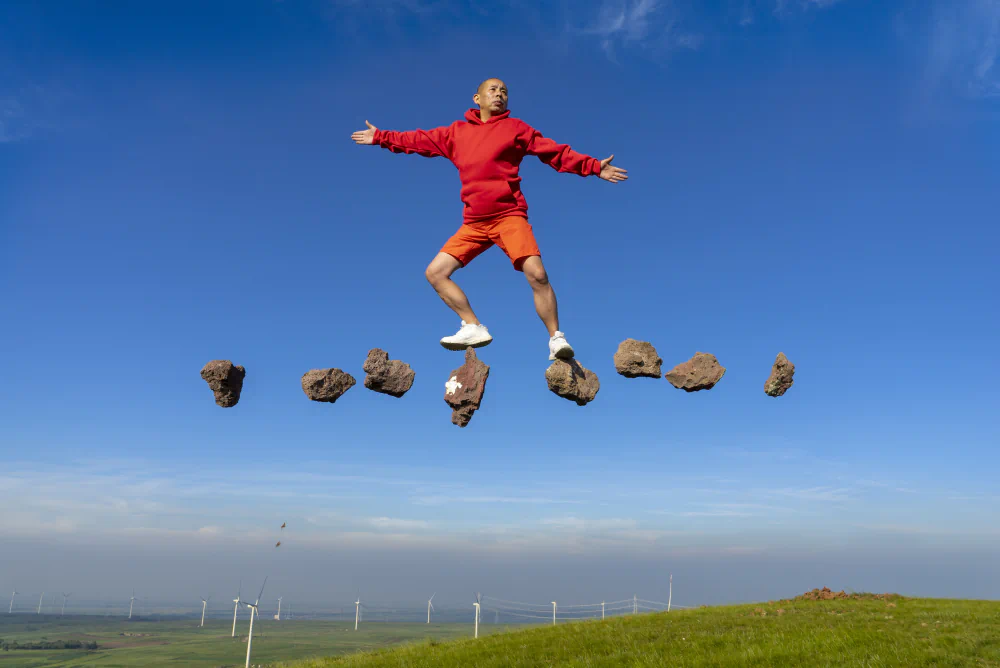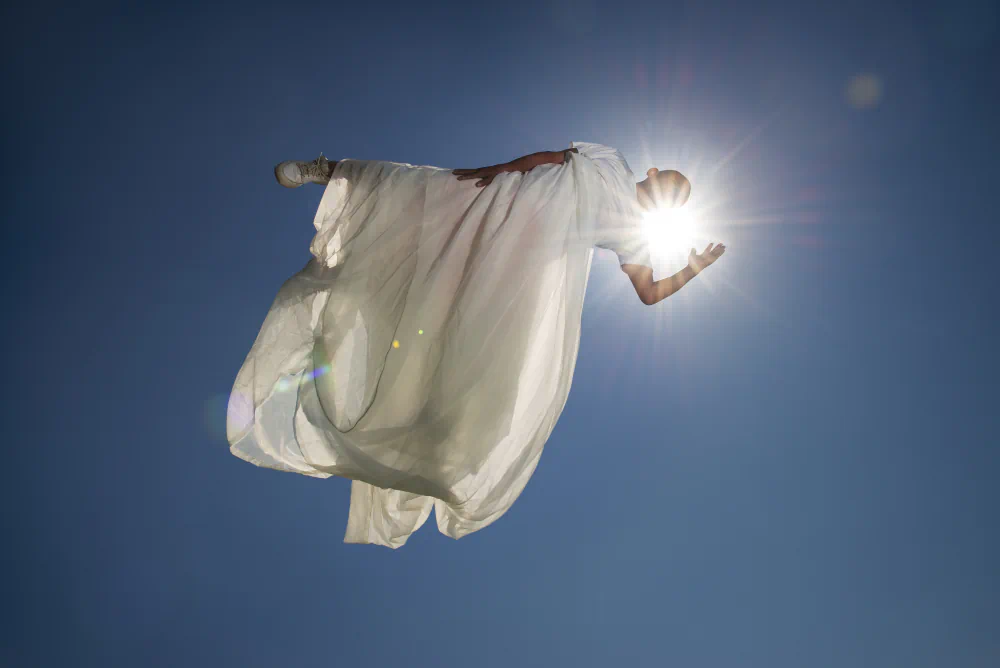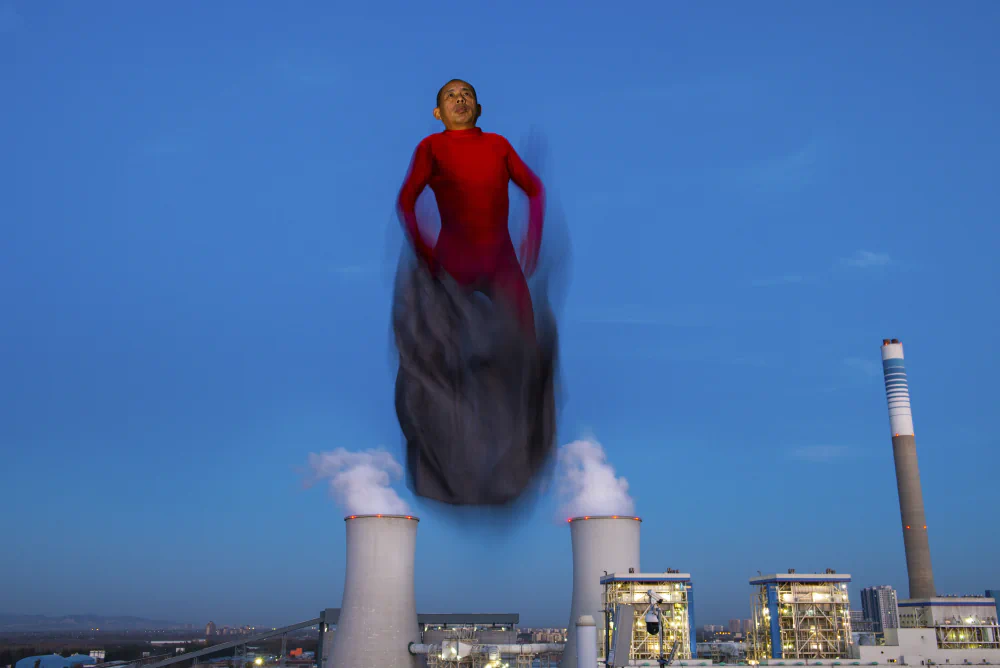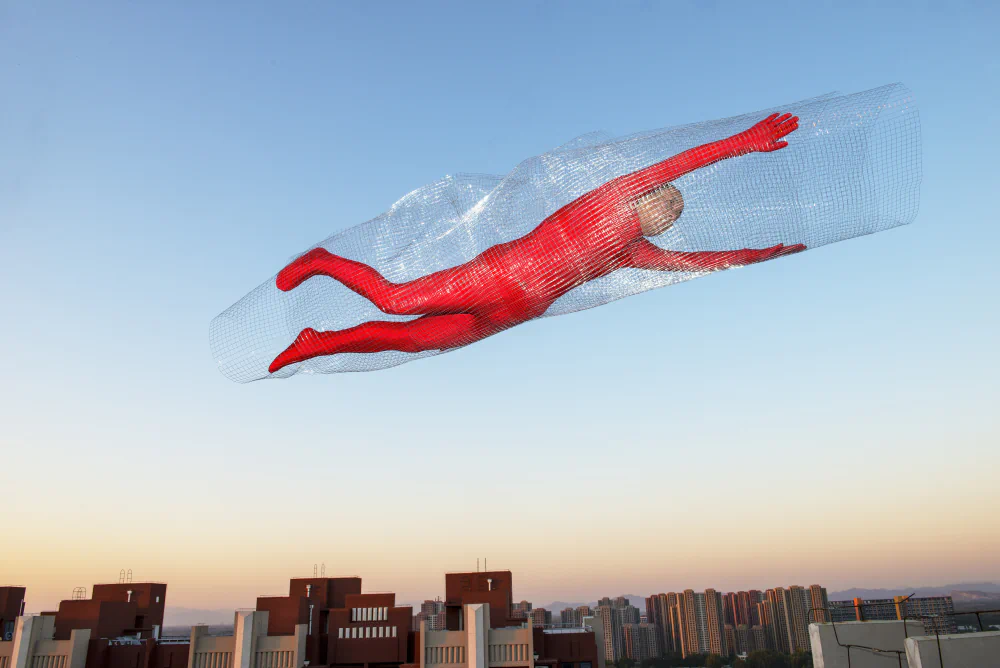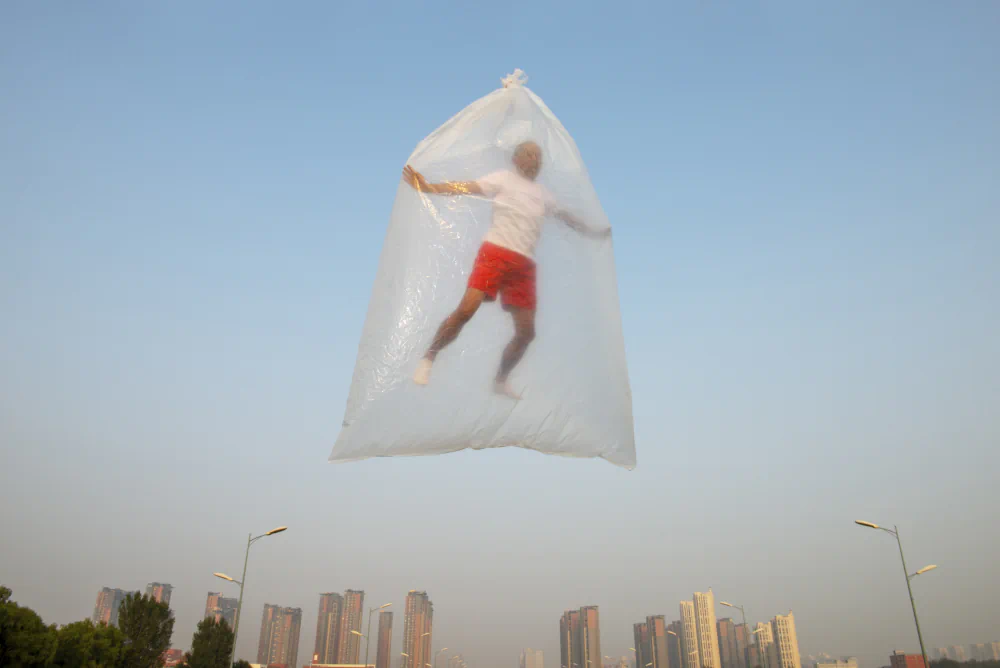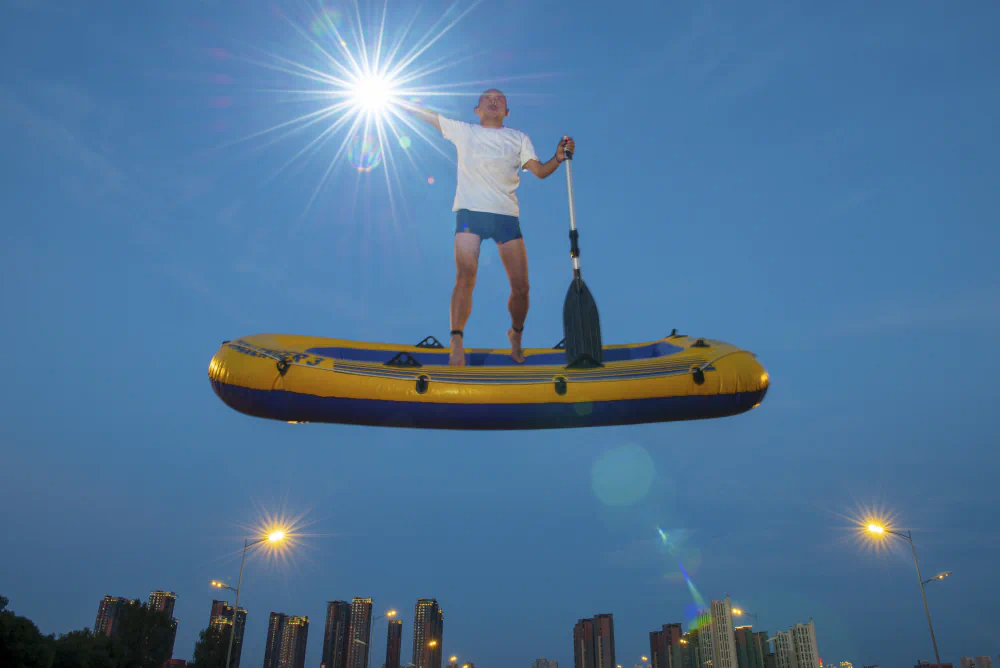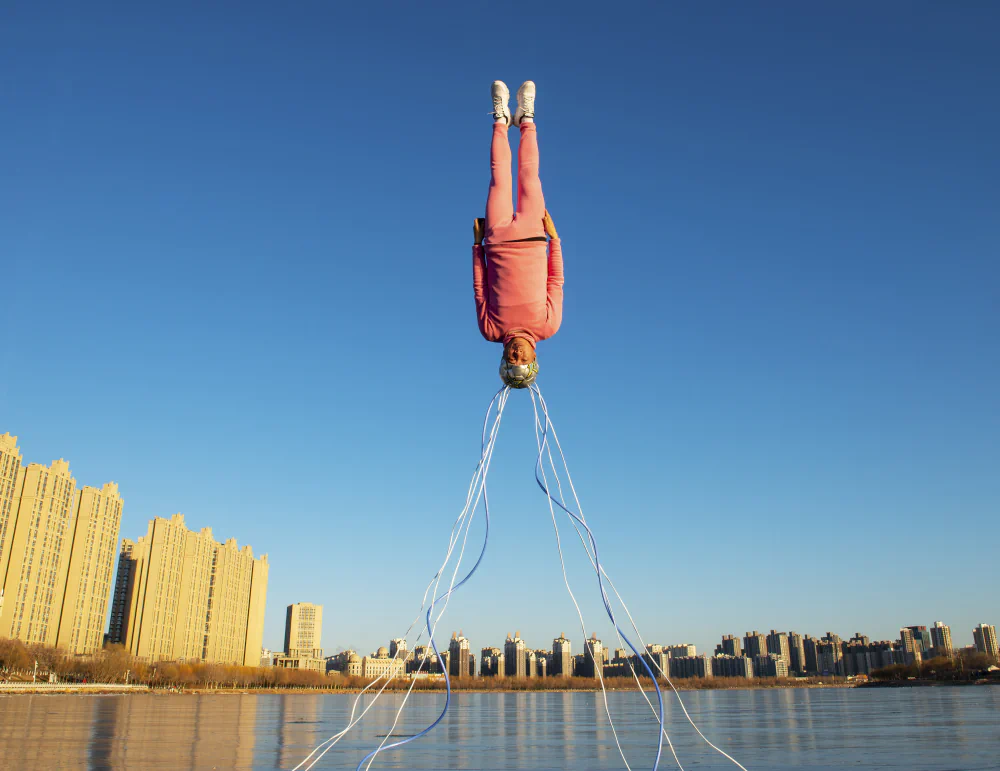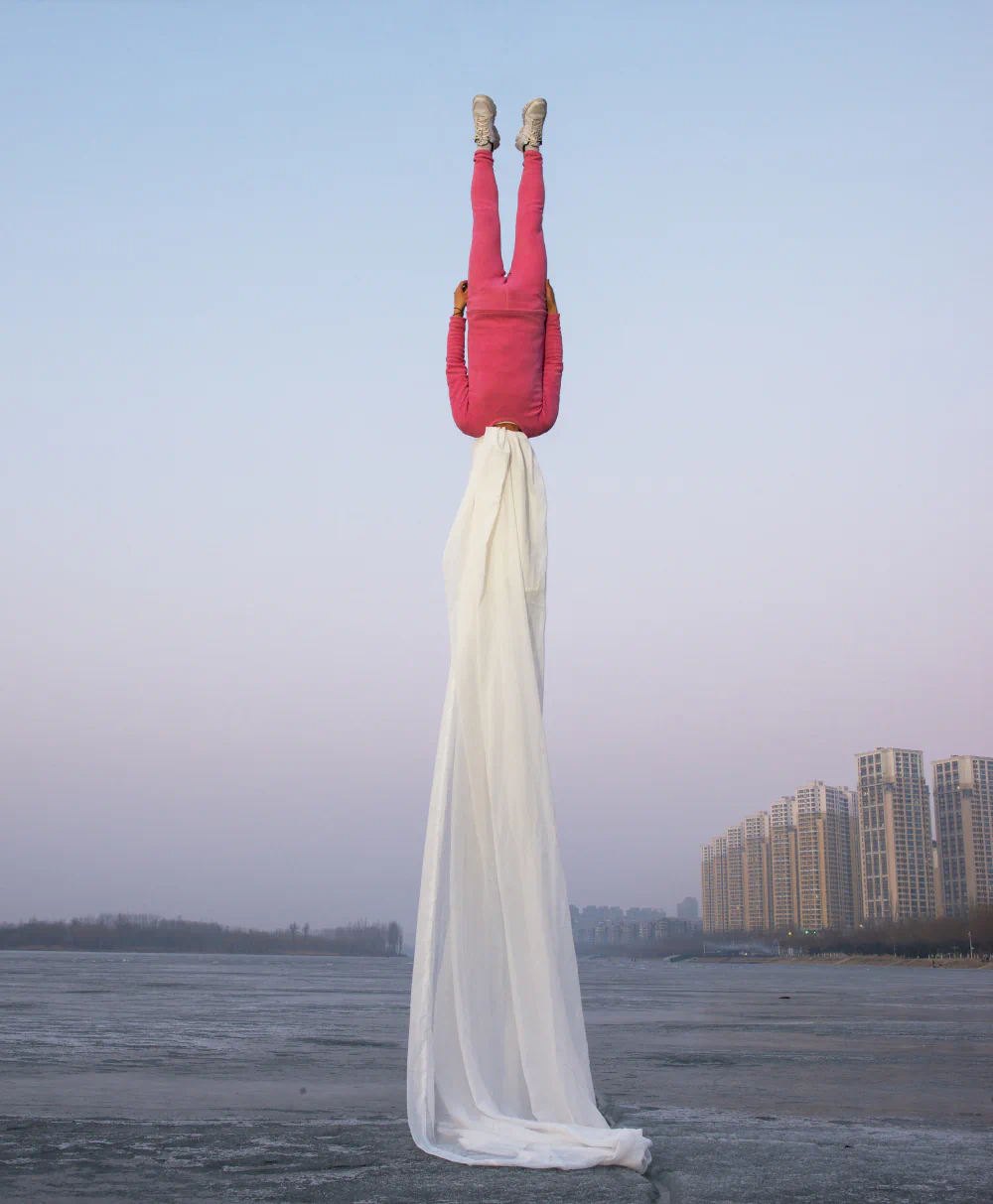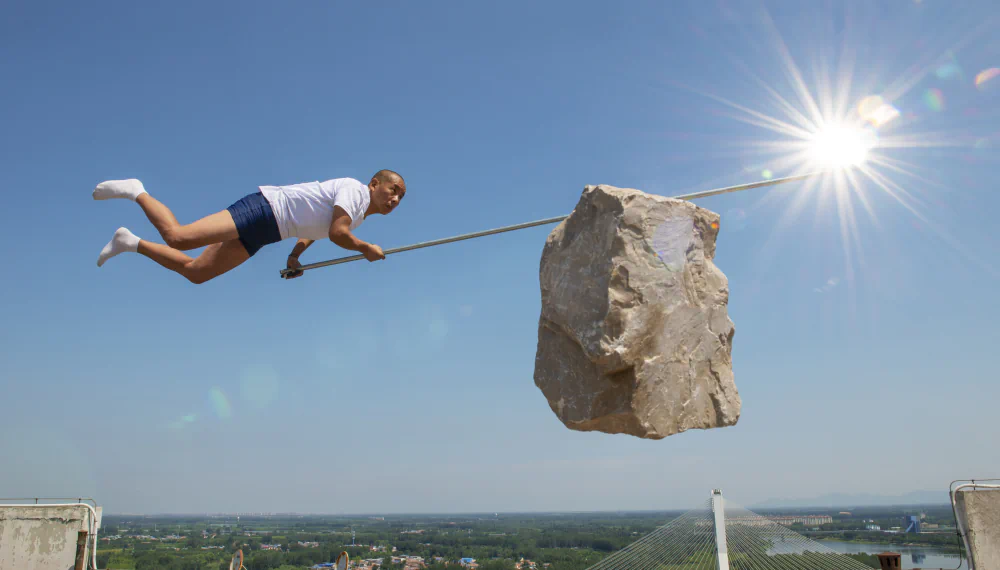

My artistic practice uses high-altitude technologies as a medium to allow the physical body to break free from the shackles of gravity and achieve free flight in the air.
This is not merely a visual expression, but a concrete exploration and philosophical response to the cultural concept of transhumanist art in the intelligent age.
The core of transhumanist art lies in redefining the existential boundaries of “humanity.” The advent of the intelligent age has transformed technology from a simple tool into a cultural carrier that reshapes human perception and transcends the limitations of the biological body. Conditioned by algorithms, confined by physical space, and deprived of authentic bodily perception by digitized virtual experiences, humanity finds in “flight” an artistic breakthrough against such a circumscribed mode of existence. It subverts the human fatalism of being bound by gravity on a philosophical level, allowing the body to become a direct extension of the spirit and completing an ontological leap from the “biological human” to the “transhuman” between heaven and earth.
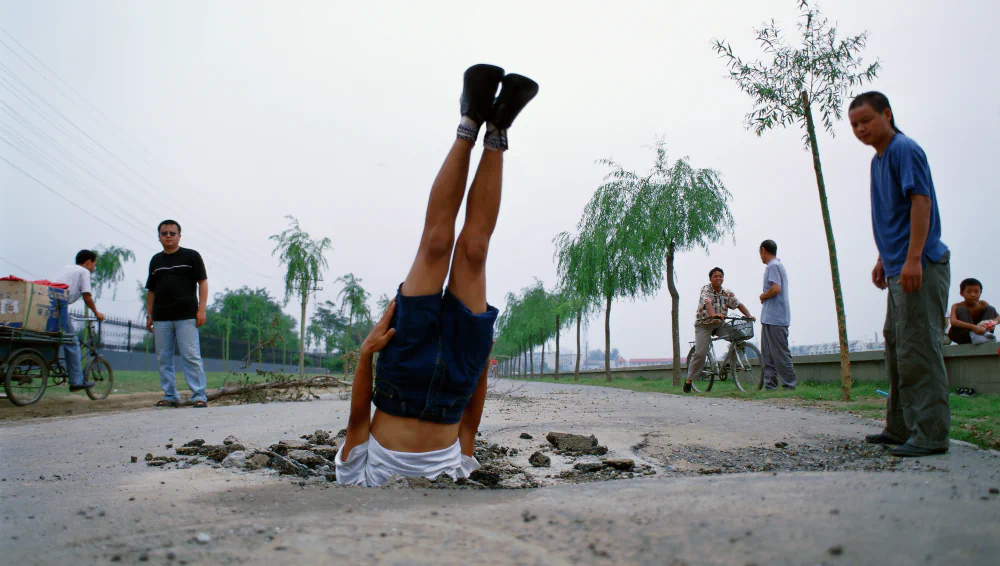
The aerial flight pursued in this work is a freedom born of the symbiosis between the physical body and technology, not an unrealistic fantasy detached from reality. Tools such as wire stunts, cranes, and helicopters serve merely as the means through which this freedom is materialized; at its core is the empowerment of humans, through intelligent technology, to actively take control of their own existential form and achieve the synchronous transcendence of both spirit and body. This form of flight stands in stark contrast to the disembodied experiences of the virtual world. Amid high-altitude airflow, bodily perception is genuine and the experience of freedom is tangible. This embodied freedom constitutes the most valuable cultural core of transhumanist art: technology does not replace humanity, but endows it with the potential to surpass itself, transforming freedom into a lived and experiential reality.
From this perspective, transhumanist art in the intelligent age is fundamentally a cultural reflection on the future of humanity. The imagery of flight has long represented humanity’s enduring pursuit of freedom and transcendence, and intelligent technology has transformed this pursuit from myth and imagination into a concrete artistic practice. When humans stretch, levitate, and soar through the air, what is explored extends far beyond flight itself. It is an inquiry into how humanity, through the symbiosis of technology and humanism, can transcend biological limitations and realize a dual freedom of spirit and existence. This is the cultural value of transhumanist art and the original intention behind this artistic practice centered on flight: to enable humans in the intelligent age to redefine freedom and rediscover their infinite potential through art.