
Ewa Sho Presents The Porters of Kilimanjaro – Work Behind the Summit

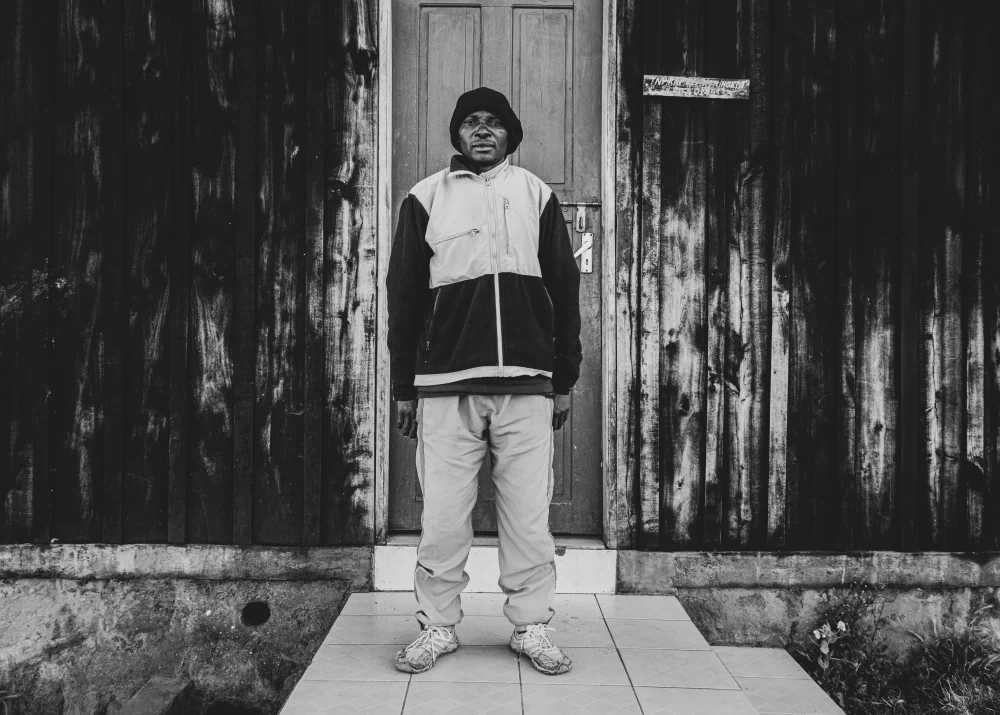
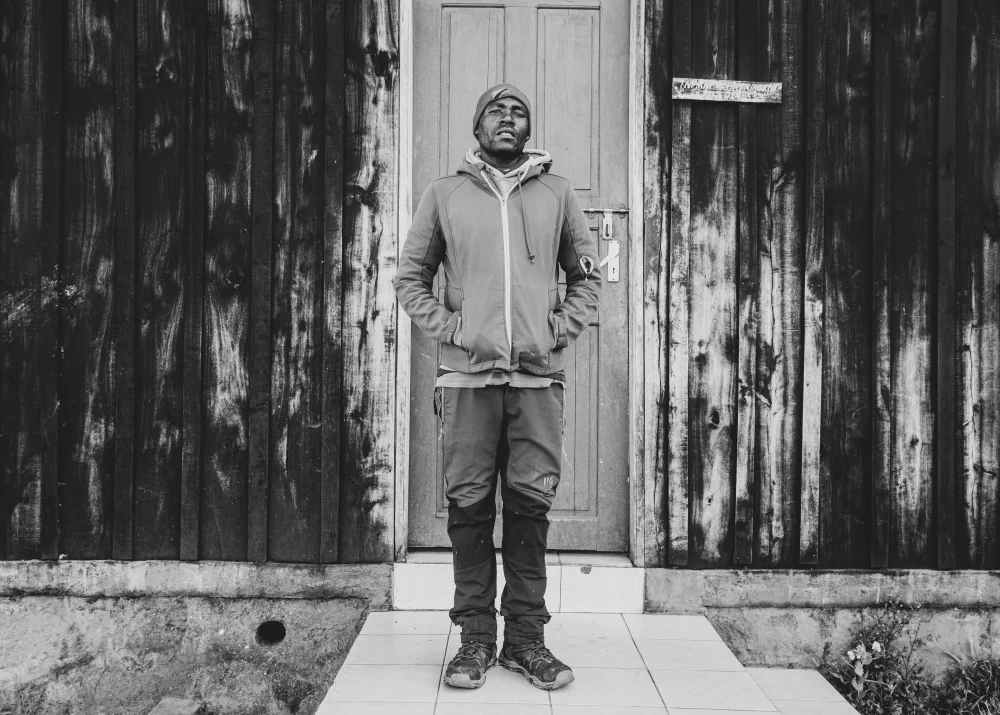
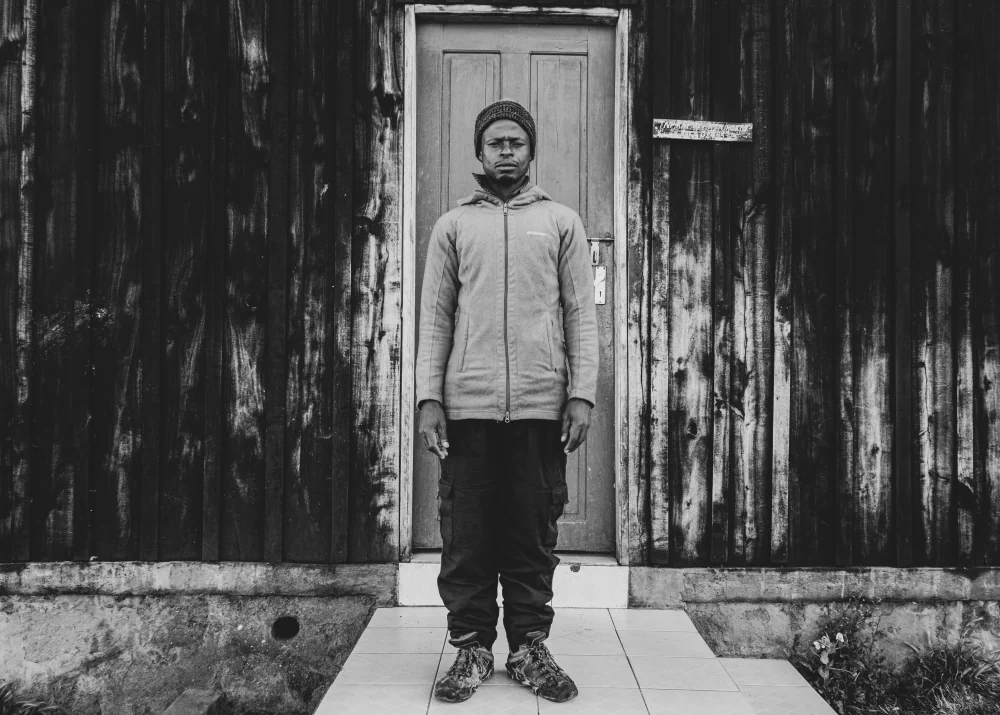
The Porters of Kilimanjaro is a photography project dedicated to the work of the people without whom reaching Africa’s highest peak — Uhuru Peak (5,895 m a.s.l.) — would not be possible. Every ascent of Kilimanjaro relies on the labor of local support teams: guides, cooks, and porters.
Feb 18, 2026

The Porters of Kilimanjaro is a photography project dedicated to the work of the people without whom reaching Africa’s highest peak — Uhuru Peak (5,895 m a.s.l.) — would not be possible.

Every ascent of Kilimanjaro relies on the labor of local support teams: guides, cooks, and porters.

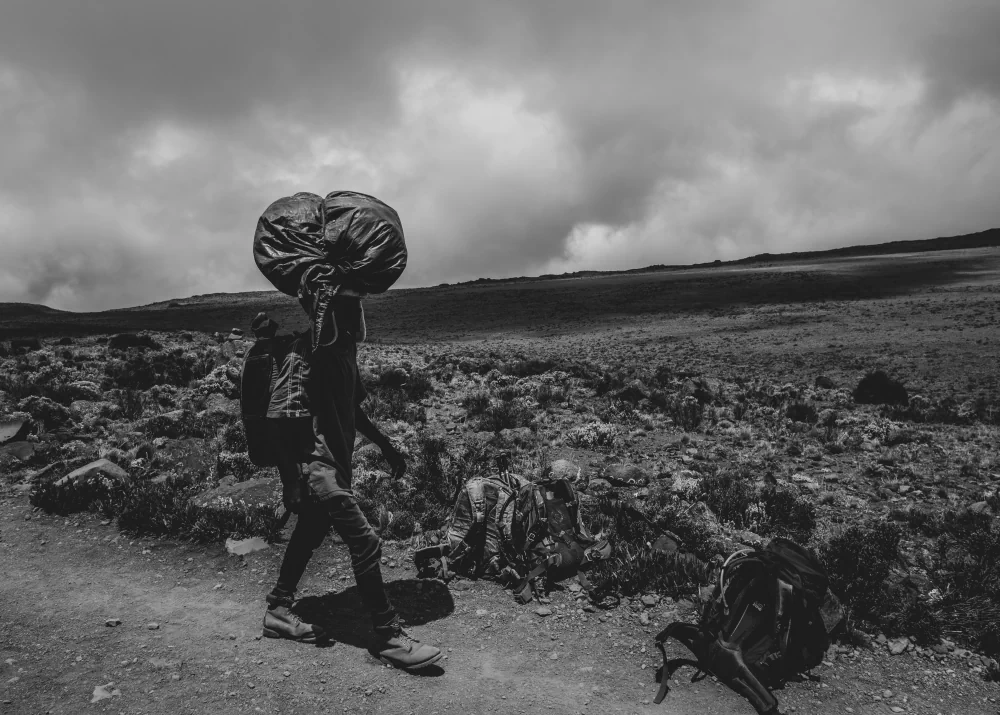
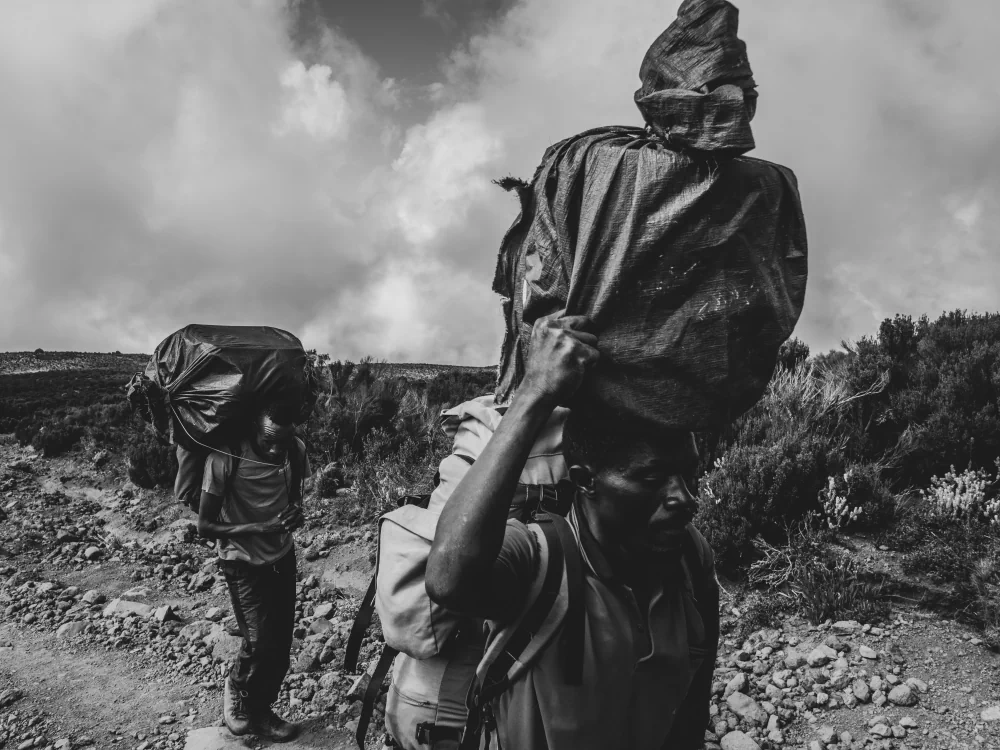
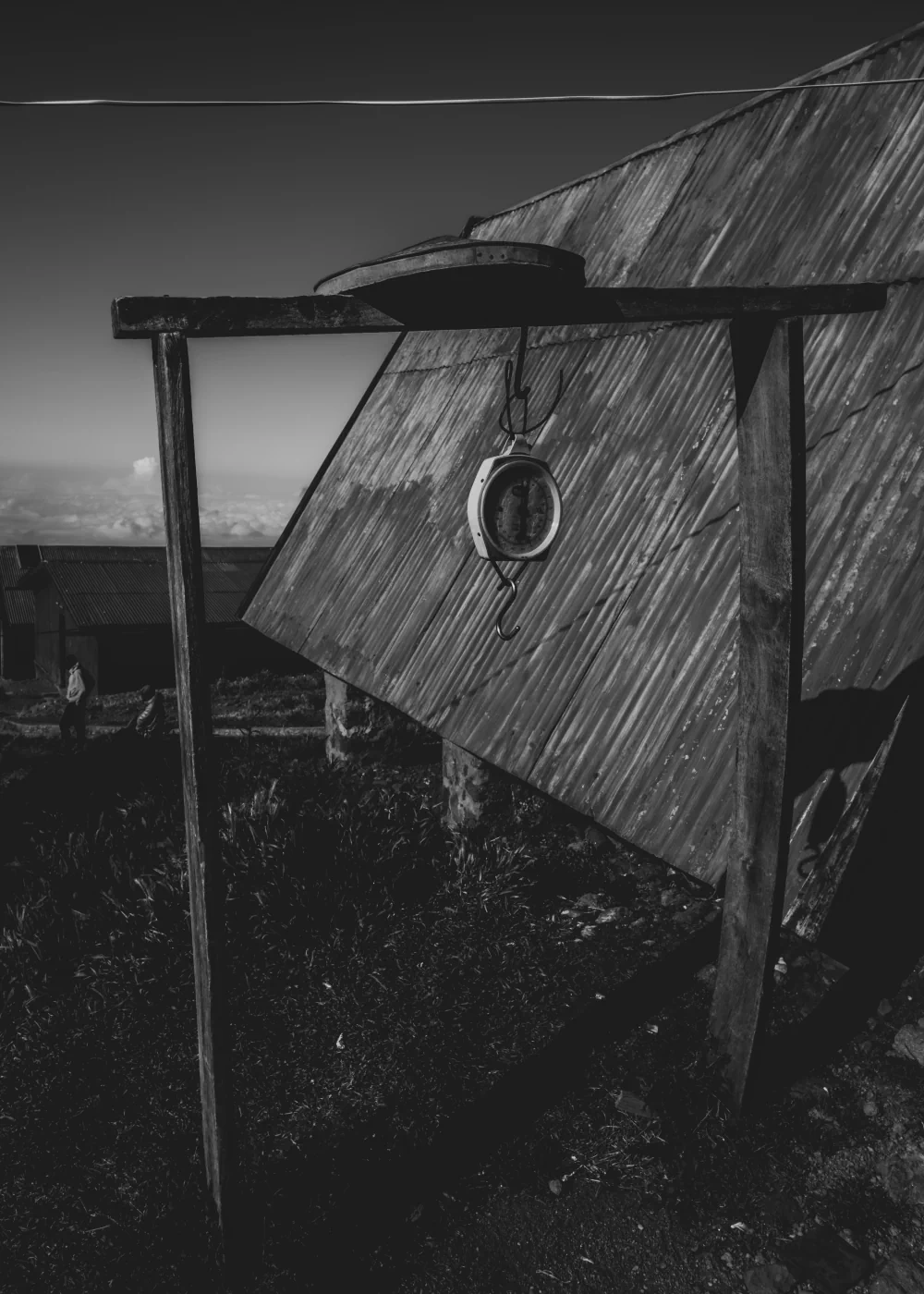
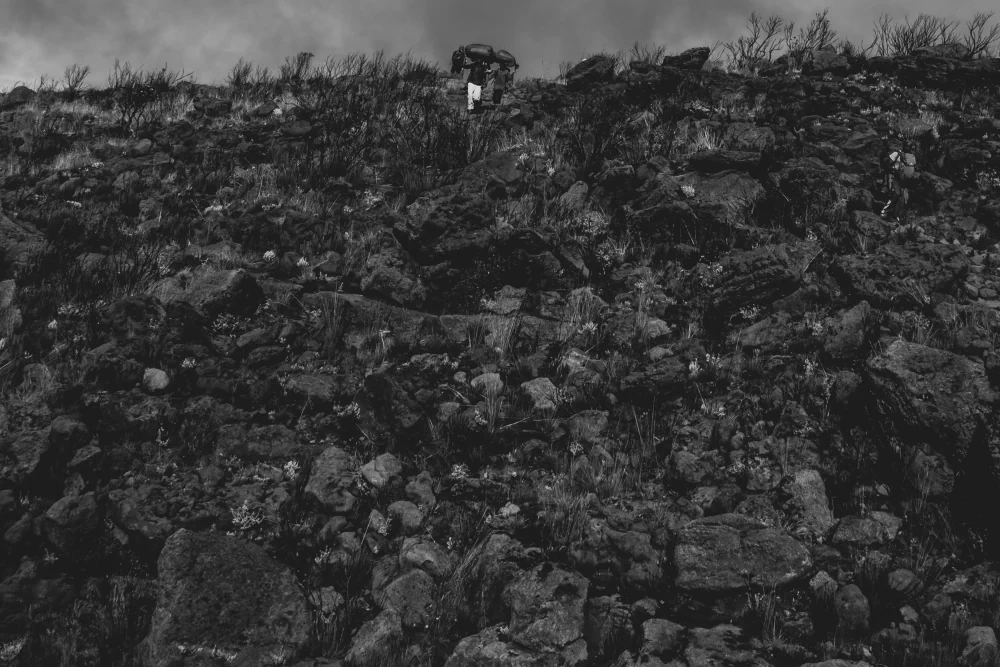
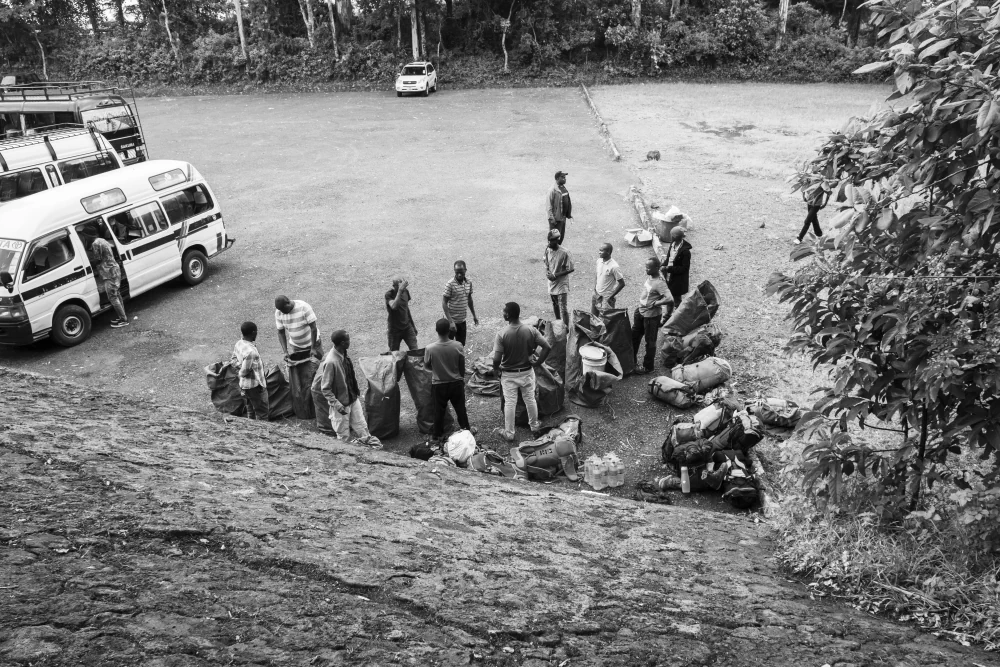
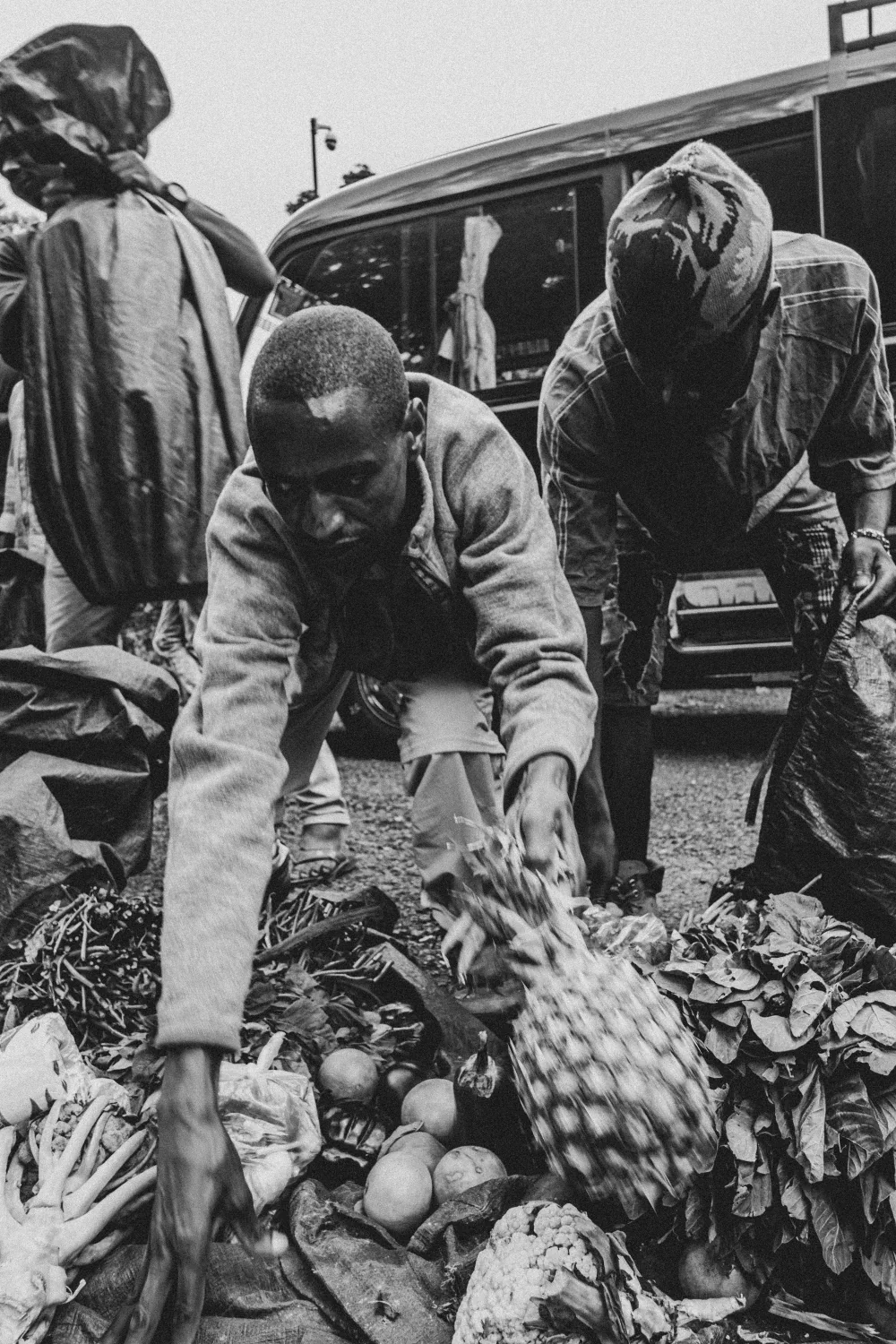
The project documents the everyday reality of porters, who form the foundation of the entire high-altitude tourism system on the mountain. They carry equipment, food supplies, and camp infrastructure, enabling climbers to acclimatize over several days and reach the summit safely.

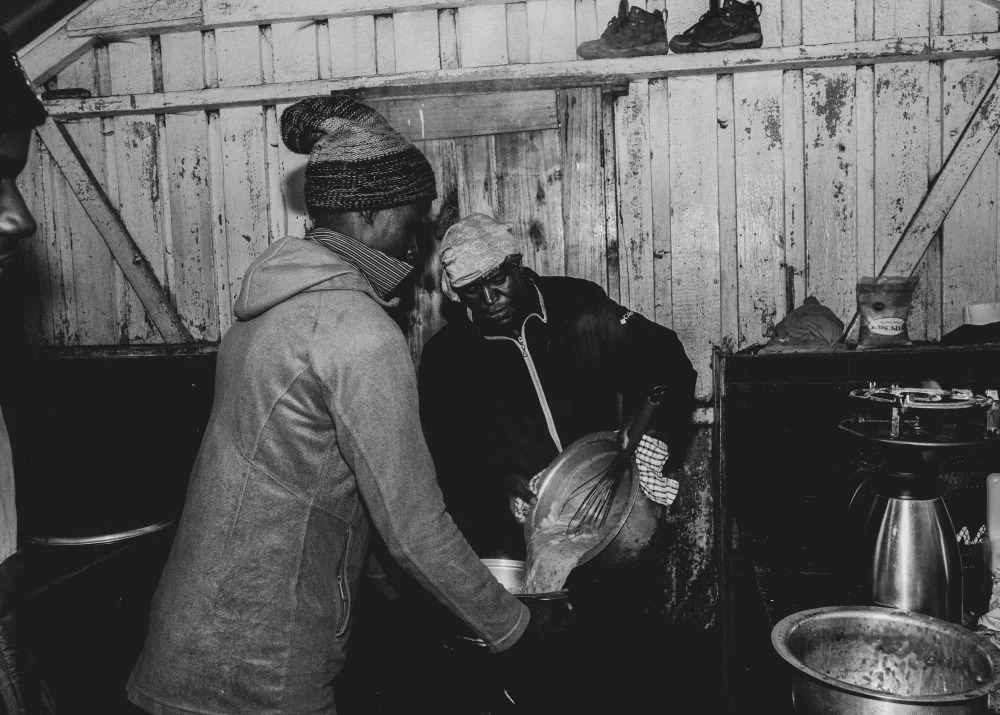
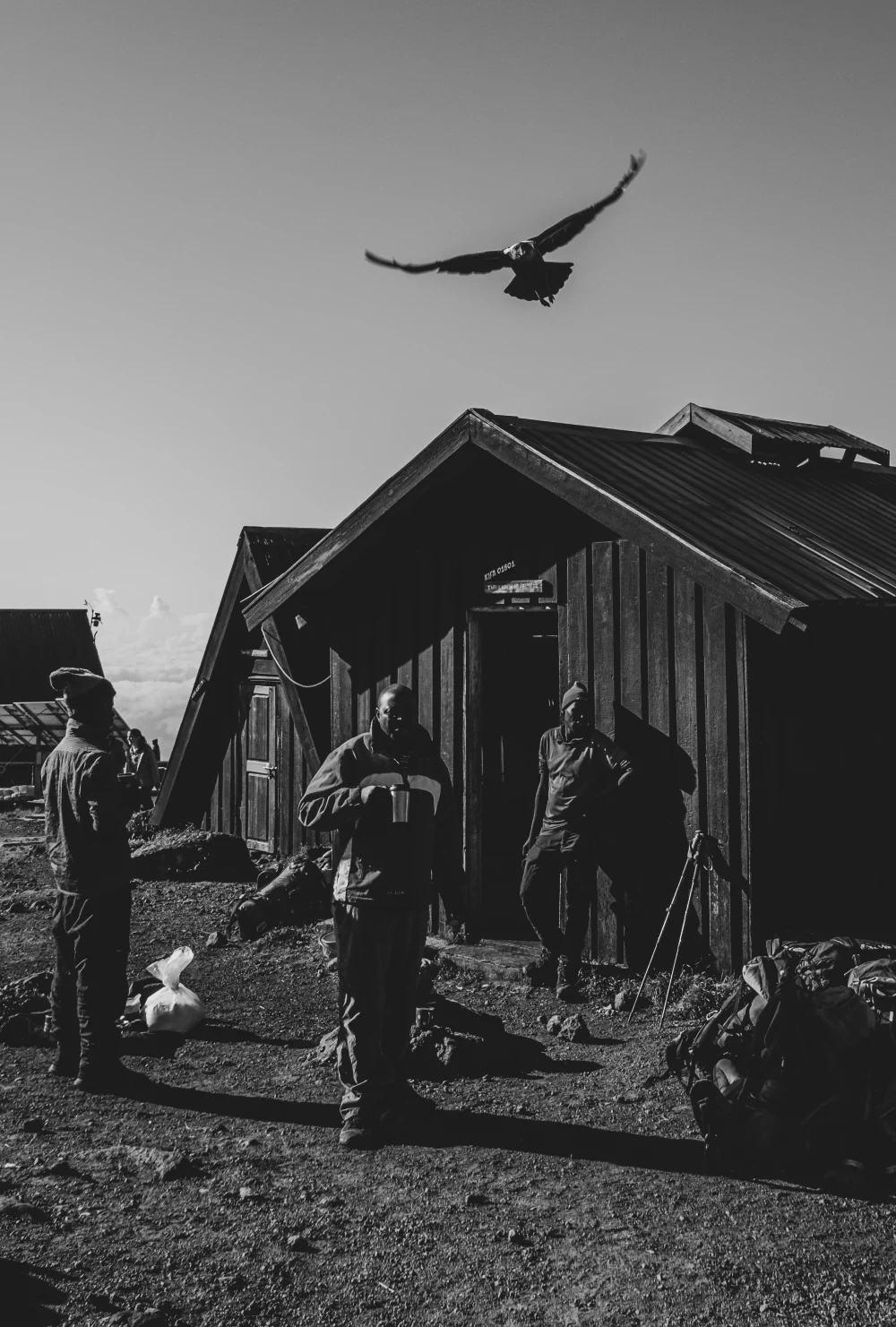
Access to Mount Kilimanjaro is regulated by the National Park authorities and is permitted only with a licensed guide. A standard expedition team consists of a lead guide, an assistant guide, a cook, and porters — typically two to four per climber. Depending on the chosen route, the ascent takes between five and ten days.

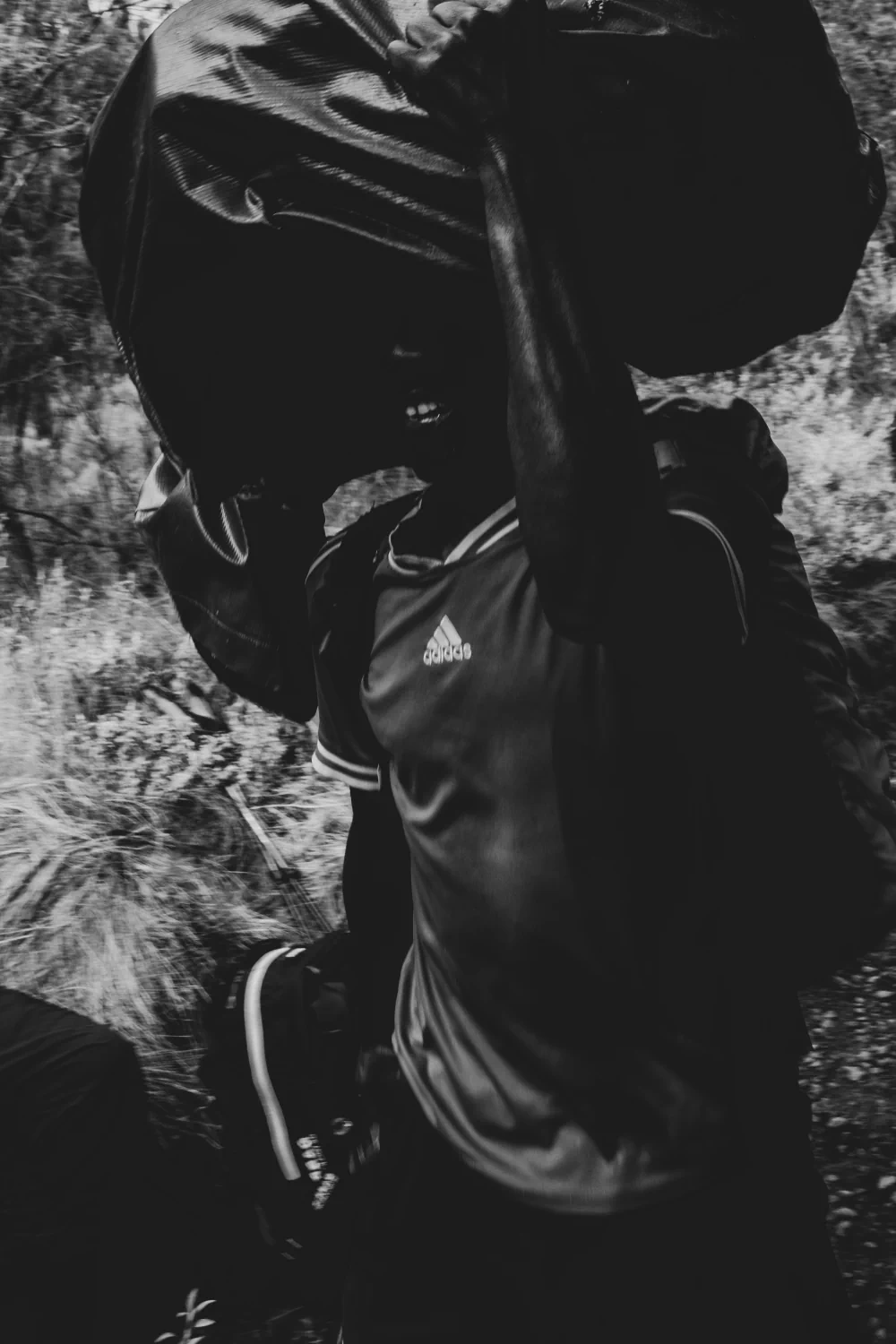
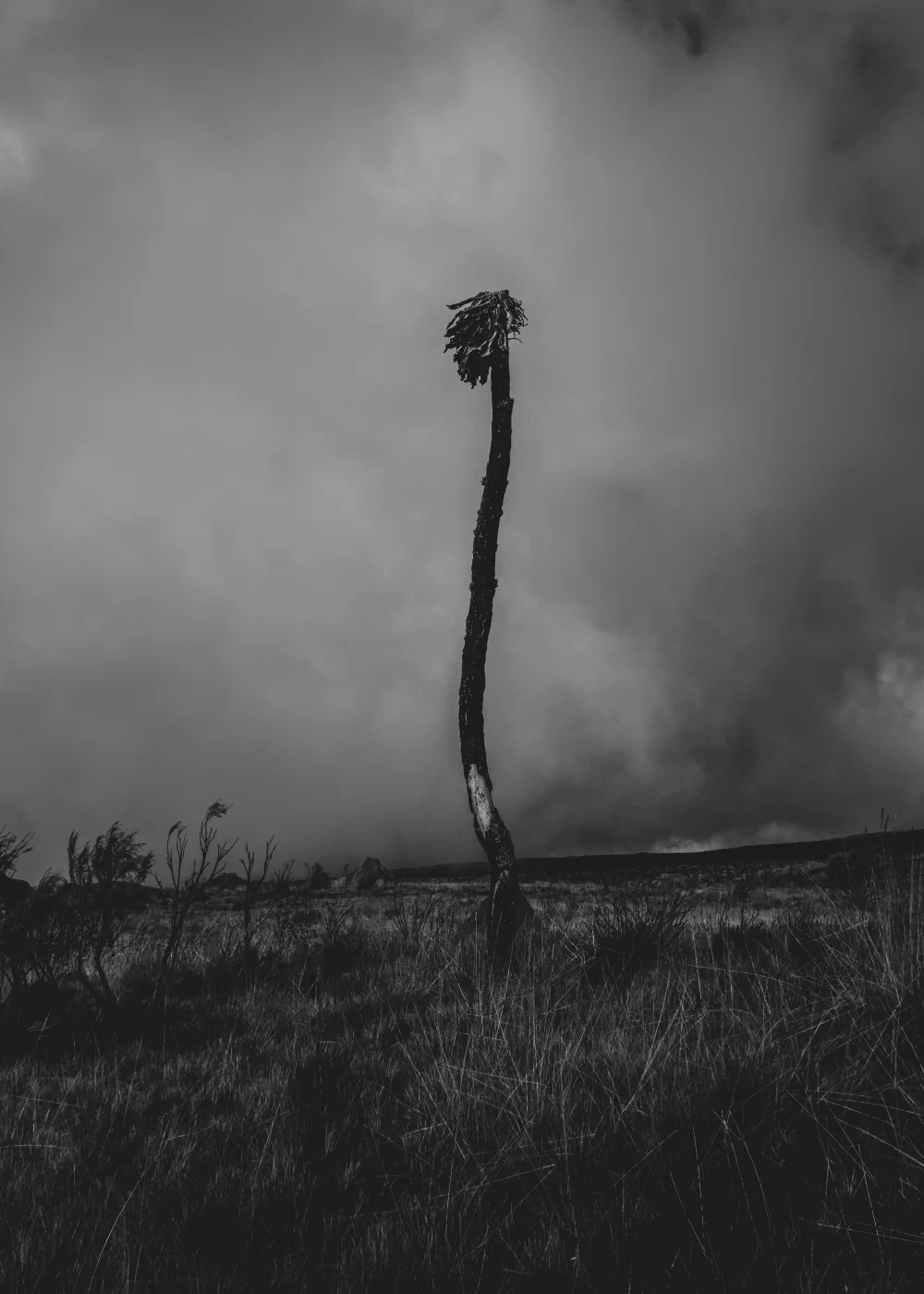
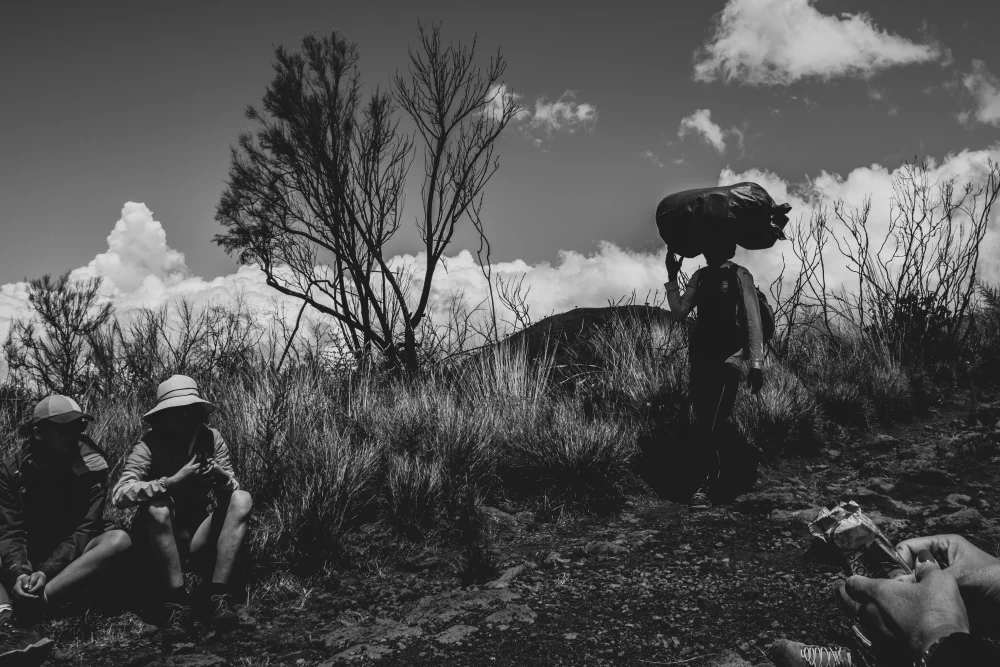
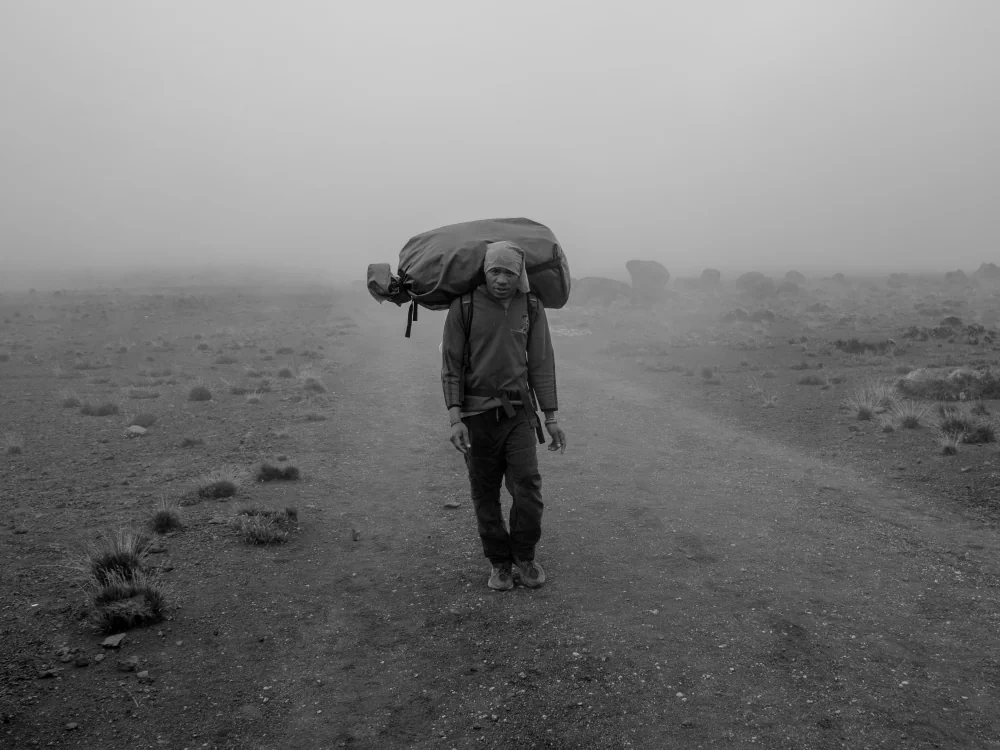
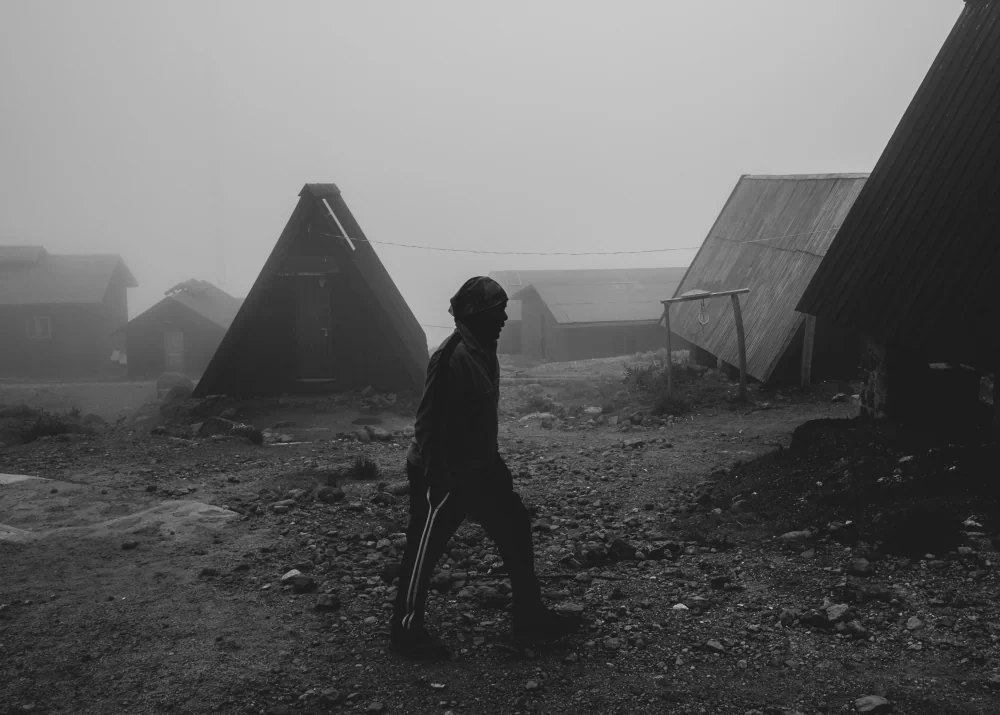
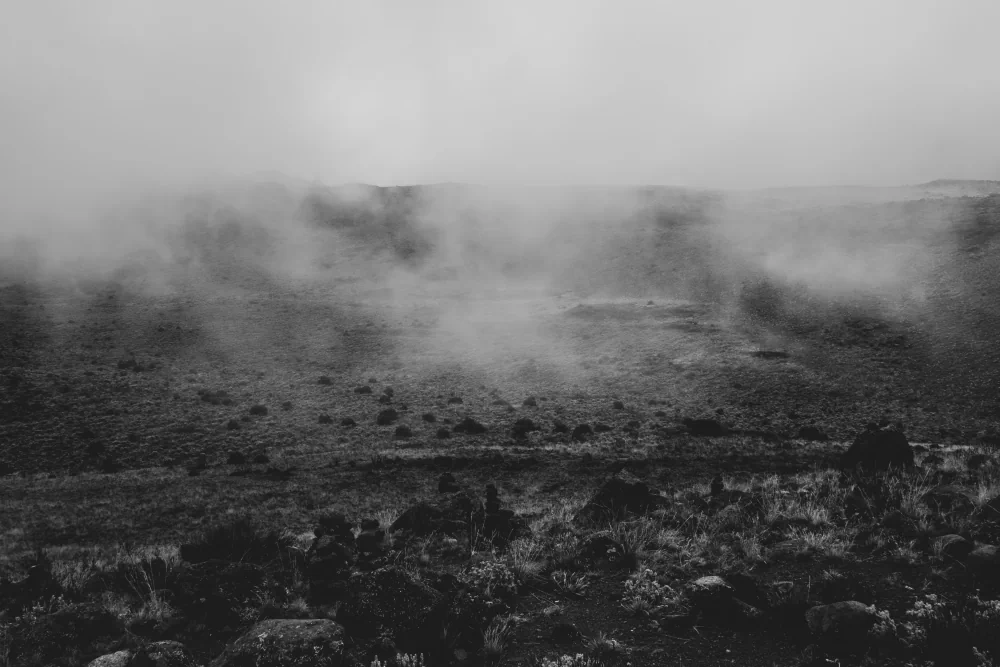
Porters move daily between camps, often covering the same sections of the trail repeatedly. They carry loads of up to 20 kilograms while passing through multiple climate zones — from humid rainforest, through heath and alpine terrain, to near-subarctic conditions close to the summit. Their workday begins early in the morning and ends upon reaching the next camp, where they set up tents, organize logistical support, and secure equipment.

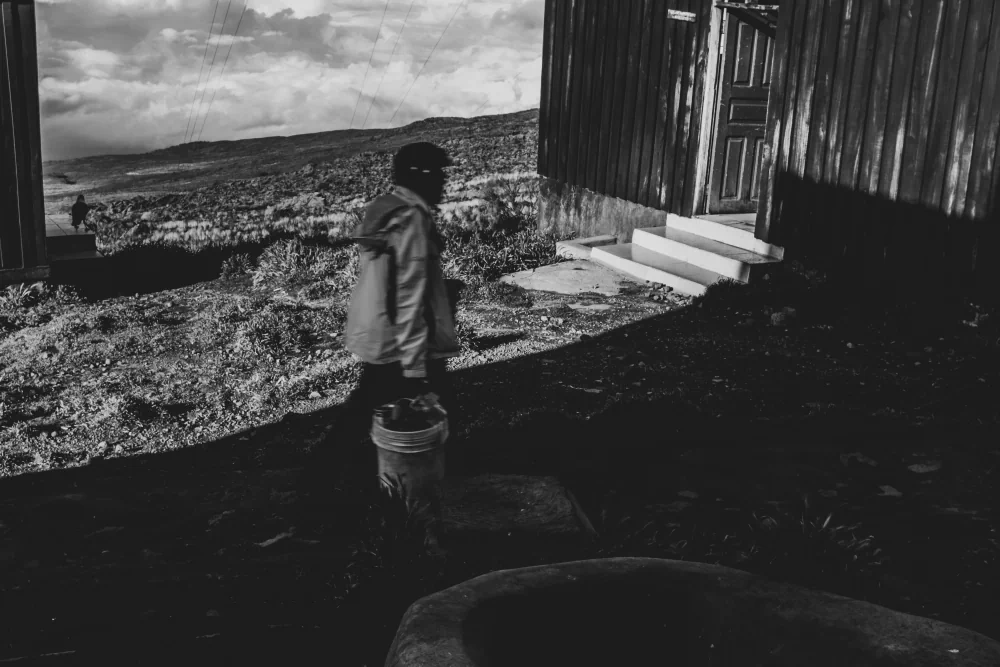
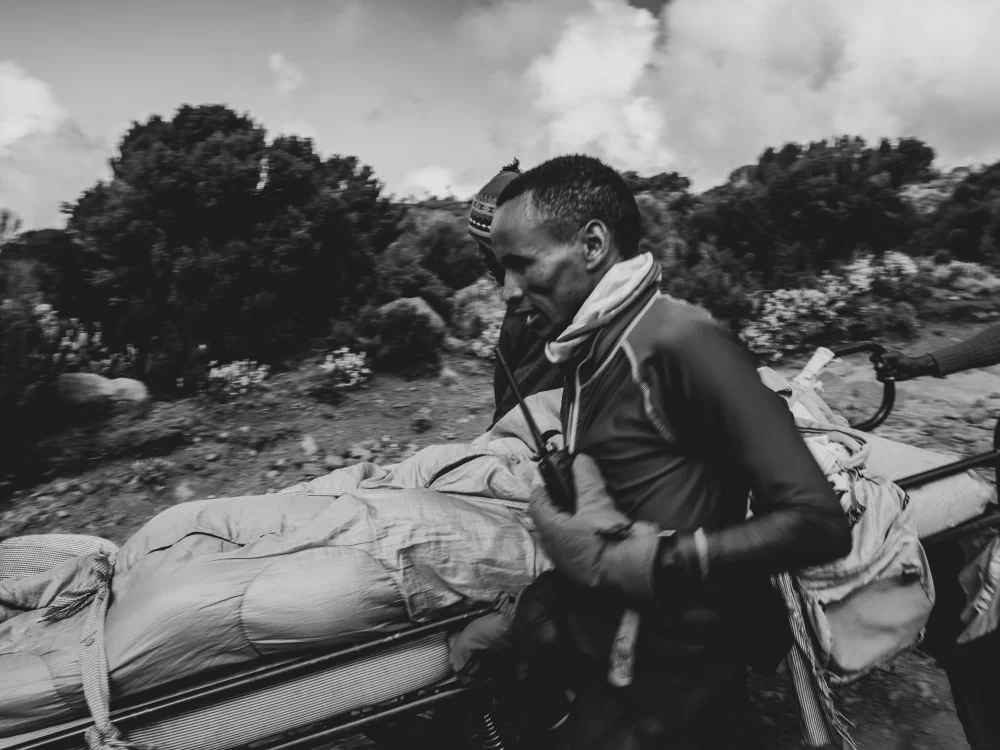
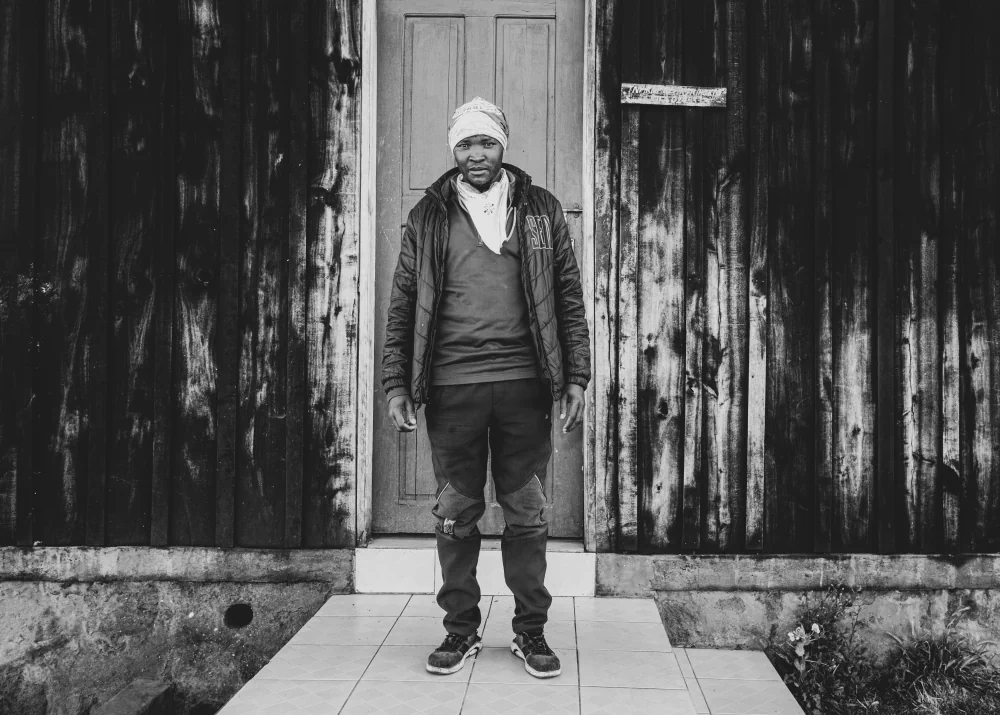
The photographs were taken during the expedition, in the natural conditions of the porters’ work. The project is based on observation, focusing on gestures, daily rhythm, and the relationship between the human body, the landscape, and the weight that must be carried.

The Porters of Kilimanjaro is a document of people who usually remain outside the main narrative of high-altitude expeditions. It portrays labor that is repetitive, physically demanding, and essential, yet often unseen. It records a system in which one person’s dream is made possible through the sustained effort of many bodies, day after day, along the same path.

About Ewa Sho

Ewa Sho is a photographer based in Warsaw, Poland. She holds a Master’s degree in Political Science and International Relations from the Institution of Higher Learning for Humanities and Journalism in Poznań, Poland, and completed postgraduate studies in photography at the Warsaw School of Photography.

Her work stems from a deep curiosity about human nature, identity, and the socio-political conditions that shape individual experience. She approaches photography as a tool for reflection and storytelling, a way of observing a world in which the personal and the collective intertwine in complex and often subtle ways.

Alongside her commercial practice, she develops long-term personal projects focused on documentary, reportage, and street photography. Her interests center on themes of social transformation, historical traces, and the everyday lives of people within changing cultural landscapes.

Her photographs have been presented in solo and group exhibitions and published in print and online media. She continually seeks out spaces, both physical and conceptual, where photography becomes a form of dialogue between the personal and the collective. [Official Website]
Follow what’s new in the Dodho community. Join the newsletter »

https://www.dodho.com/wp-content/uploads/2025/12/ban12.webp
https://www.dodho.com/wp-content/uploads/2026/01/awardsp.webp