
The term epiphany originally referred to a moment of divine insight—a sudden, luminous break in the ordinary fabric of existence through which something transcendent becomes visible.
Over time, its secular usage gained prominence, particularly through the works of Irish novelist James Joyce.
Joyce used the concept as a literary device in his short story collection Dubliners (1914), defining it as “a sudden spiritual manifestation, whether from some object, scene, event, or memorable phase of the mind—the manifestation being out of proportion to the significance or strictly logical relevance of whatever produces it.” In his stories, protagonists experience sudden realizations that redefine their self-perception and social awareness. A gesture, a phrase overheard on a Dublin street, the quality of light falling through a window—these become vessels for revelation, moments when the veil of habit lifts and characters glimpse something essential about themselves or the human condition.
What Joyce captured in literary form, however, was not an invention but a rediscovery. The hunger for epiphanic experience runs deep in the human spirit, threading through millennia of religious practice and philosophical inquiry. The ancient mystery religions of Greece and the Near East—the Eleusinian Mysteries, the cults of Dionysus and Mithras—were structured entirely around the promise of such revelation. Initiates underwent elaborate rituals of purification, fasting, and symbolic death precisely to prepare themselves for a moment of sacred disclosure, when the divine would manifest itself to mortal eyes. These were not mere ceremonies but transformative encounters; those who emerged from the inner sanctum were understood to be fundamentally changed, having witnessed something that ordinary language could not contain.
The climax of these ancient rites was often termed epopteia—the act of “seeing” or beholding. Initiates moved from darkness to light, from ignorance to knowledge. These rituals persisted for centuries because they satisfied a deep psychological craving: the need to close the gap between the mortal and the divine, and to find a “Eureka” moment—much like Archimedes—when the world suddenly makes sense. Whether through scientific discovery or spiritual trance, the epiphany is the mechanism by which humanity advances its understanding of reality.
Why do epiphanies matter so profoundly to us? Perhaps because they offer what everyday consciousness cannot: a rupture in time, a moment when past and future collapse into an eternal present and meaning floods the world.
In an existence often characterized by routine, fragmentation, and the gradual erosion of wonder, the epiphanic moment restores wholeness. It reminds us that beneath the surface of things lies a depth we can sometimes touch. This is why such experiences have been romanticized as the driving force behind groundbreaking discoveries in science and technology.
In the Christian tradition, this concept is elevated to a cosmic scale. Epiphany (Theophania) is not merely an internal realization but an external, historical revelation of Christ as the Son of God. Celebrated on January 6, it commemorates the Baptism in the River Jordan. As Christ emerged from the waters, the heavens opened, the Spirit descended like a dove, and a voice proclaimed him the beloved Son. This was theophany in its most literal sense: God made visible, the invisible rendered manifest through water, light, and voice.
Here, the symbolism is potent: water, often representing chaos, depth, and the unknown in human psychology, is sanctified. The descent of the Spirit is the ultimate “manifestation,” proving that the divine can intersect with the physical world. It is the archetype of all lesser epiphanies—the moment the veil is torn away.
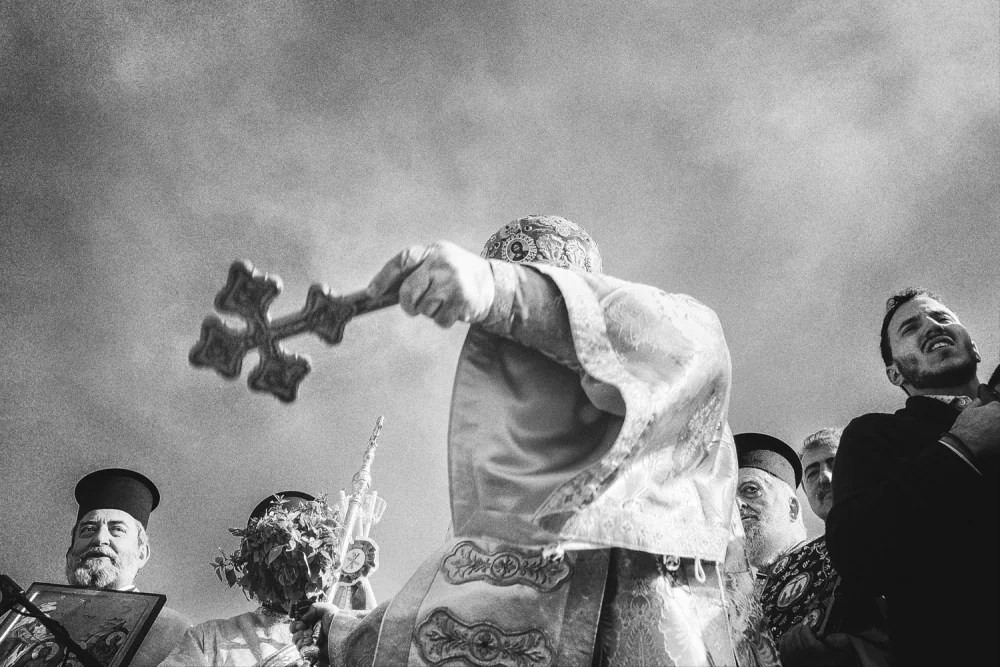
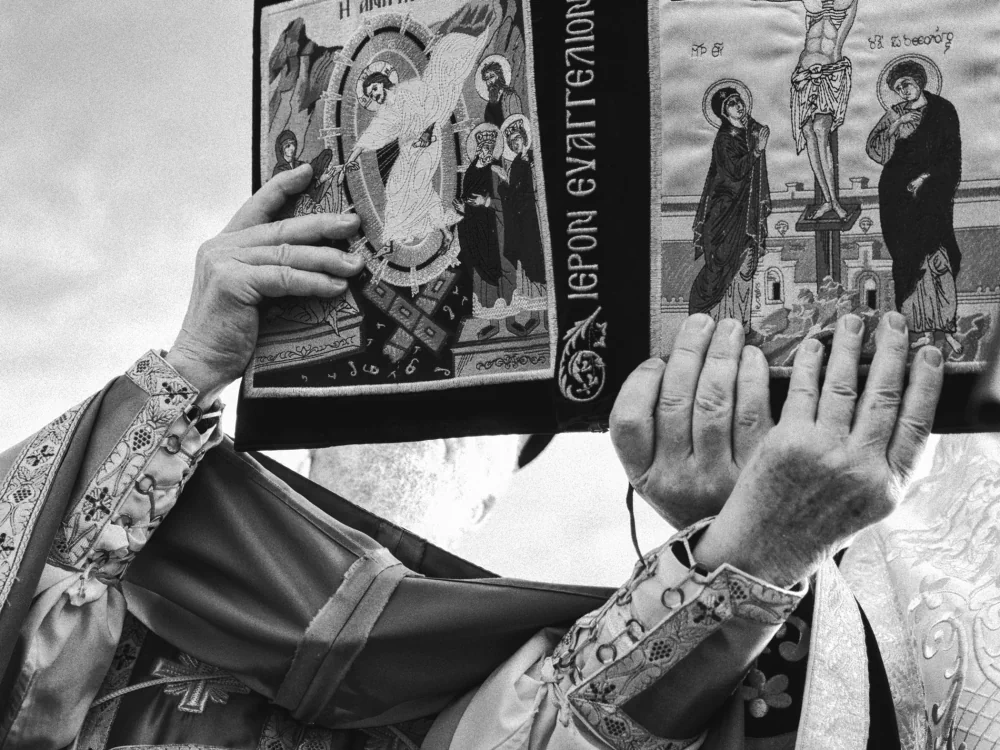
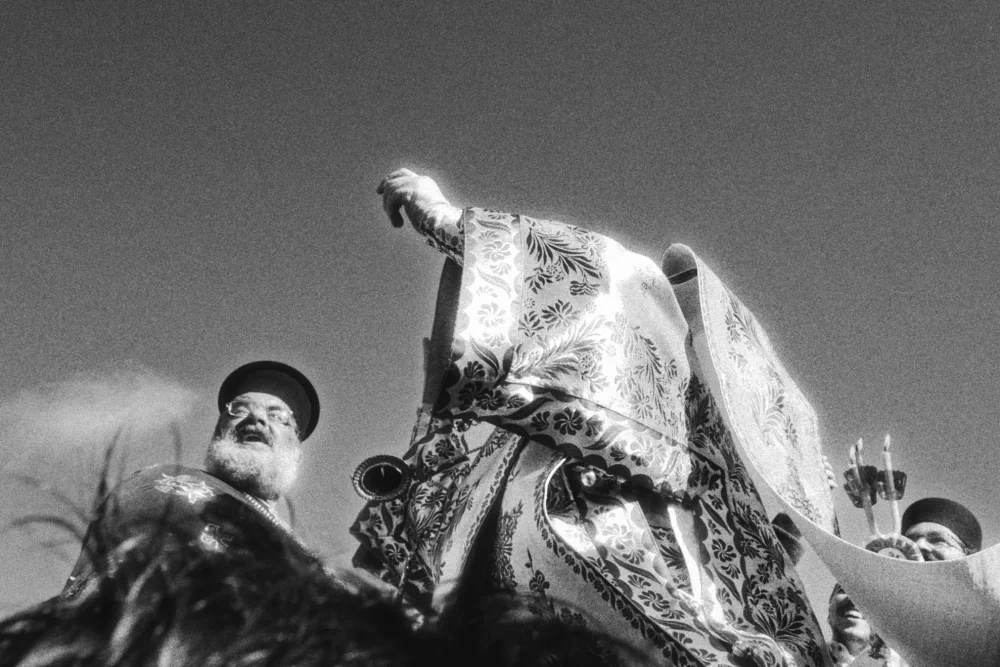
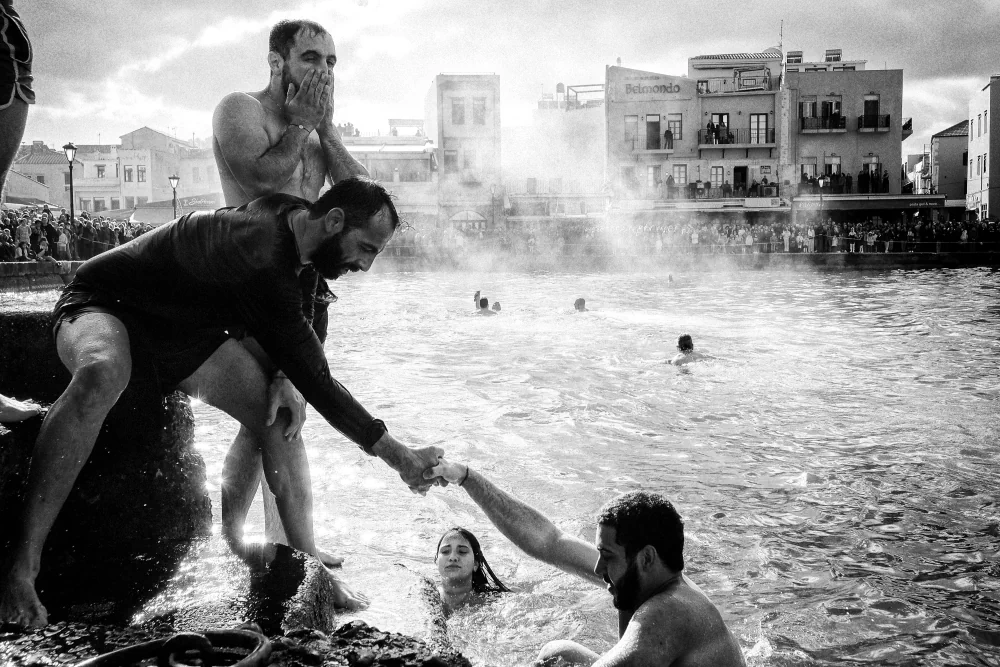
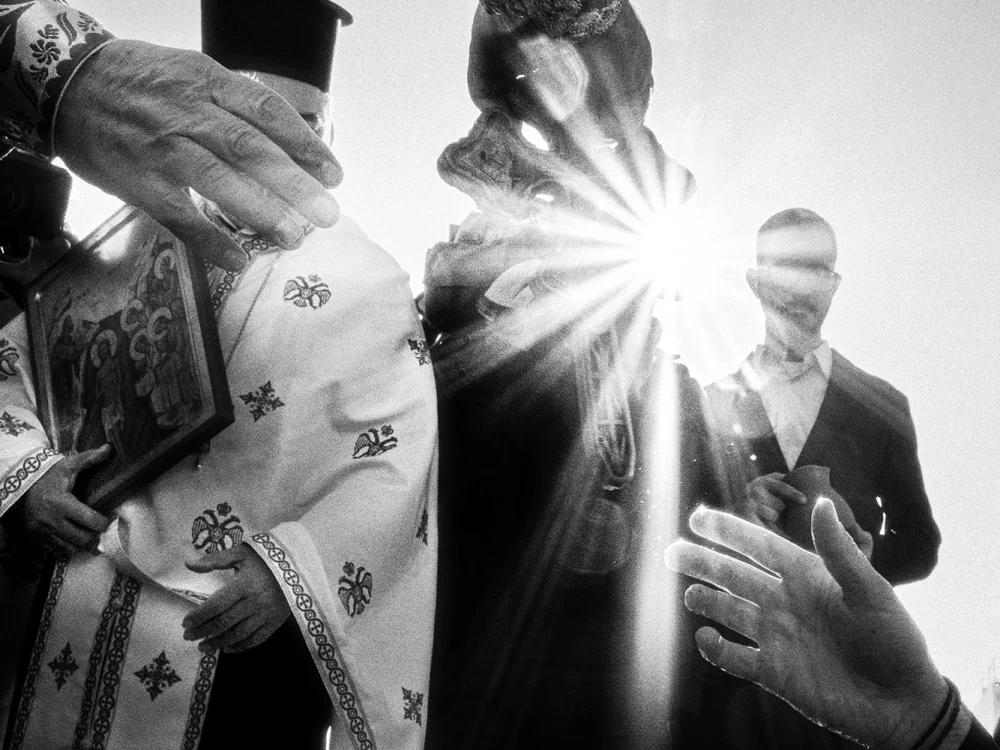
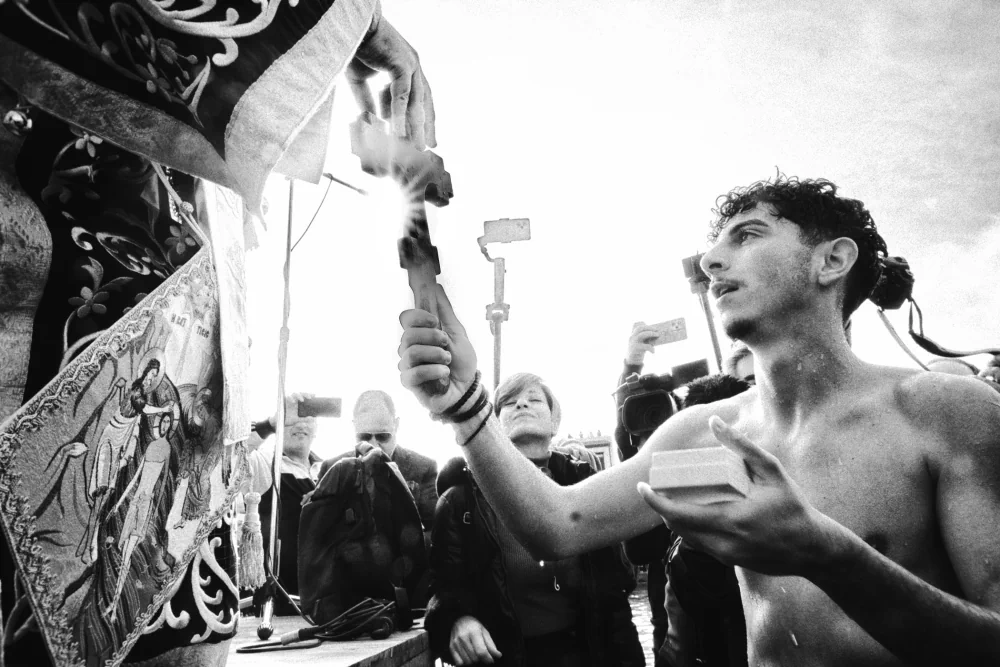
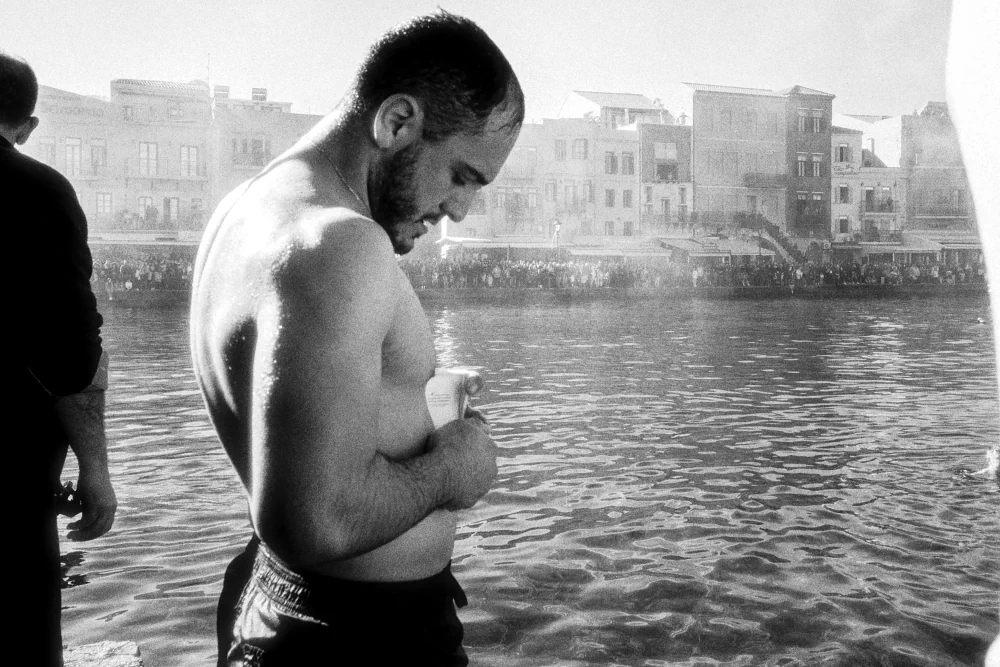
In Greece, Epiphany—known as Theophania—carries this ancient weight into living practice. Throughout the country, communities gather at harbors, rivers, and shorelines to witness the Blessing of the Waters, a ritual that reenacts and renews the baptismal moment. This tradition is also vivid in Chania, Crete, where hundreds of citizens assemble each year at the Old Harbor beneath the shadow of the Venetian lighthouse. Here, where the mountains of Crete meet the Cretan Sea, the sacred and the communal intertwine.
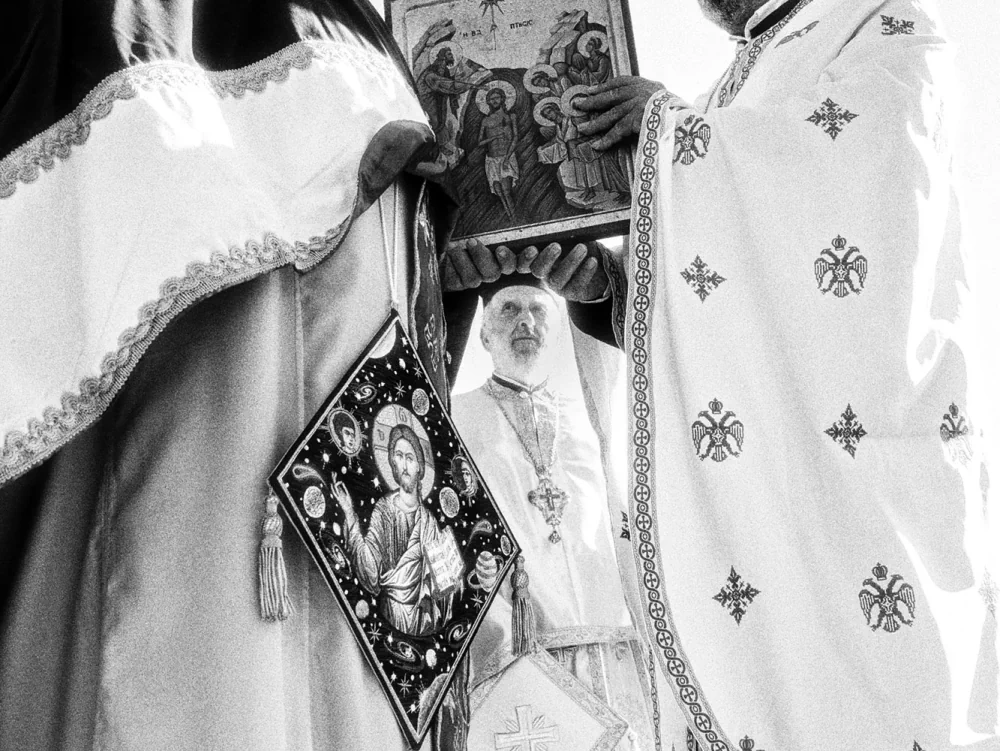
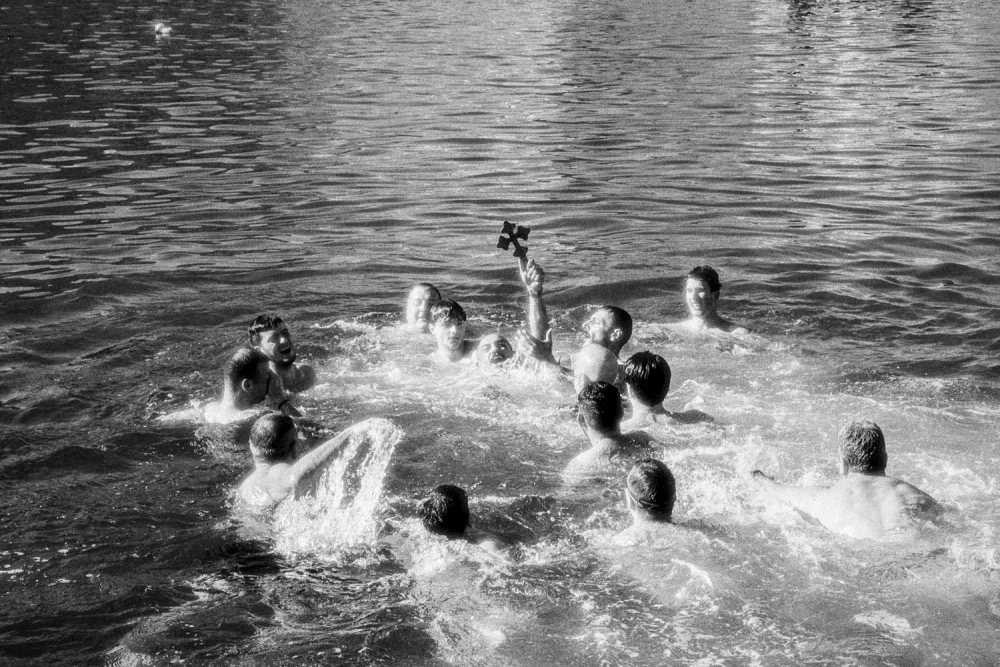
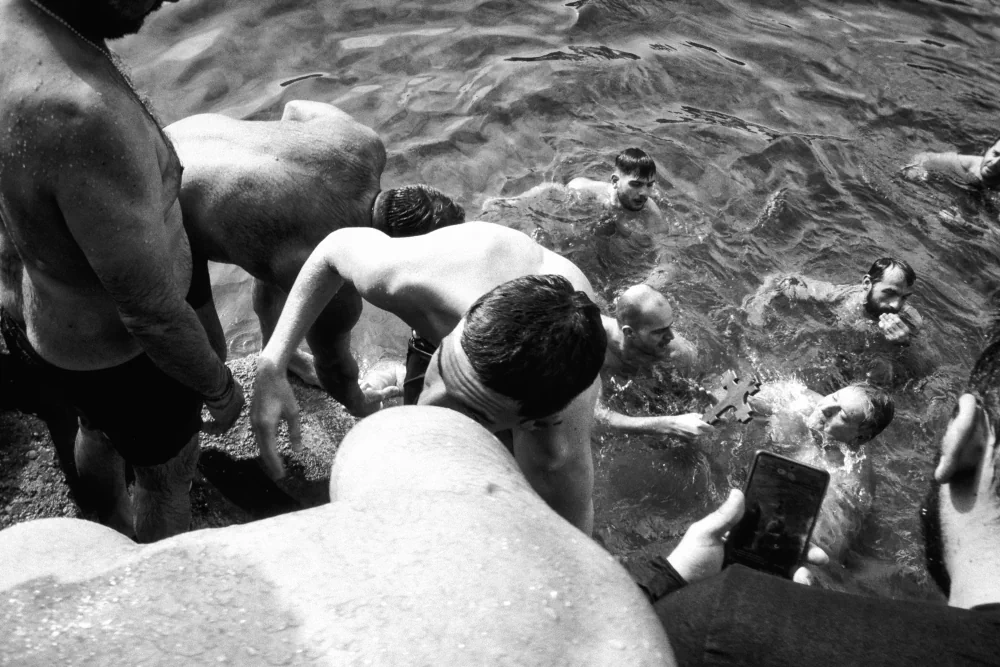
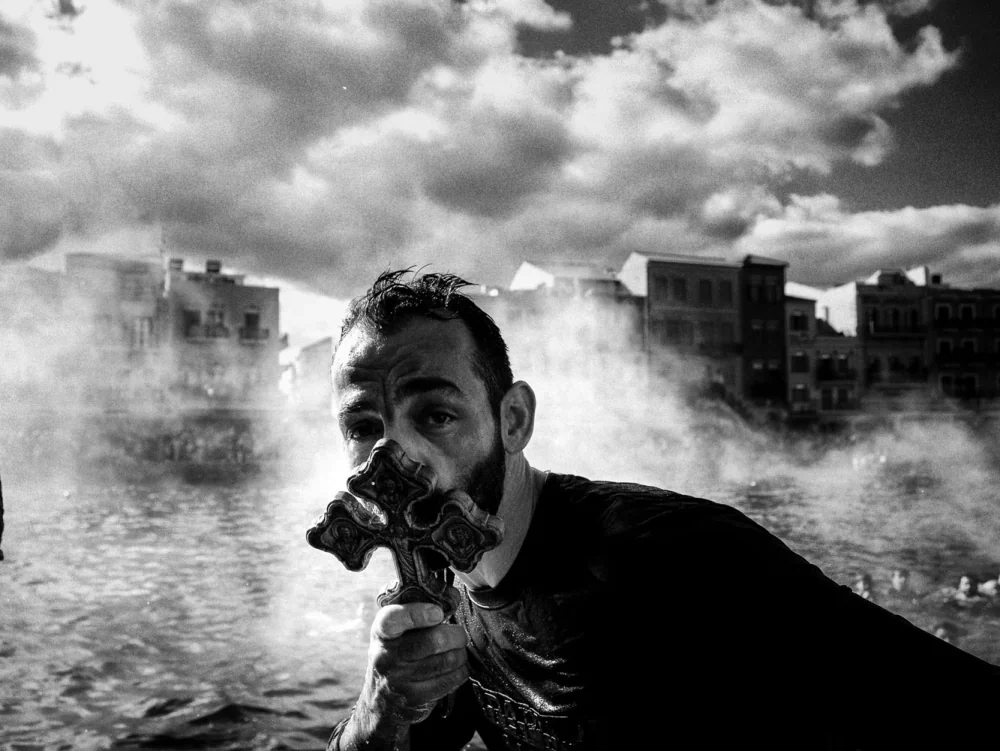
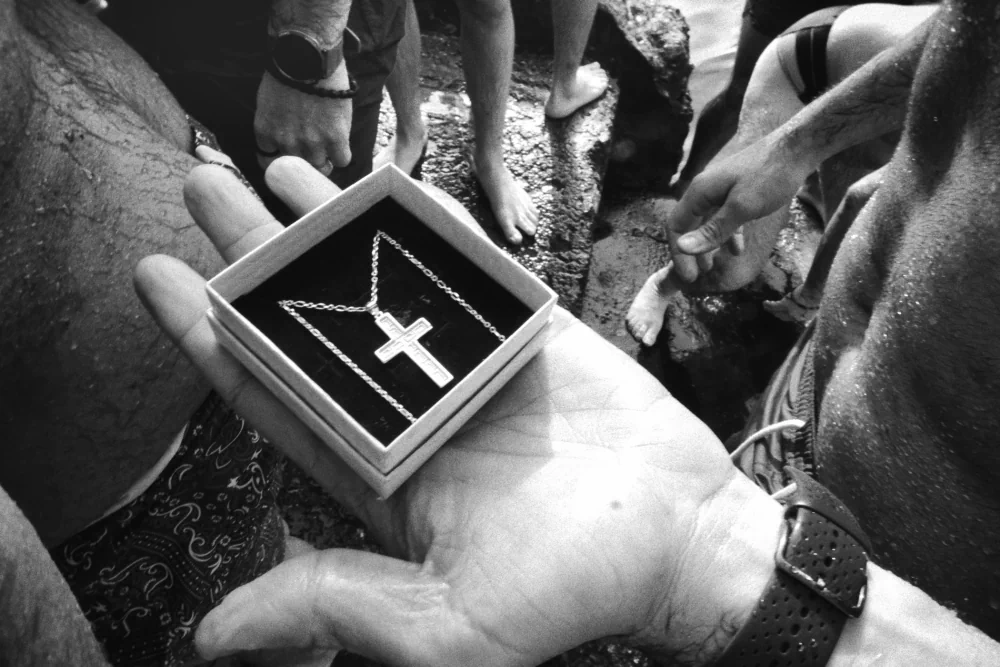
The ceremony reaches its climax when young men, known as Voutihtades, dive into the cold January waters to retrieve a cross thrown by the priest. This act symbolizes the Baptism of Jesus and is deeply rooted in faith. The diver who successfully retrieves the cross receives a blessing from the priest, often accompanied by a small symbolic gift. Beyond the material reward, many believe that catching the cross brings divine favor for the year ahead.
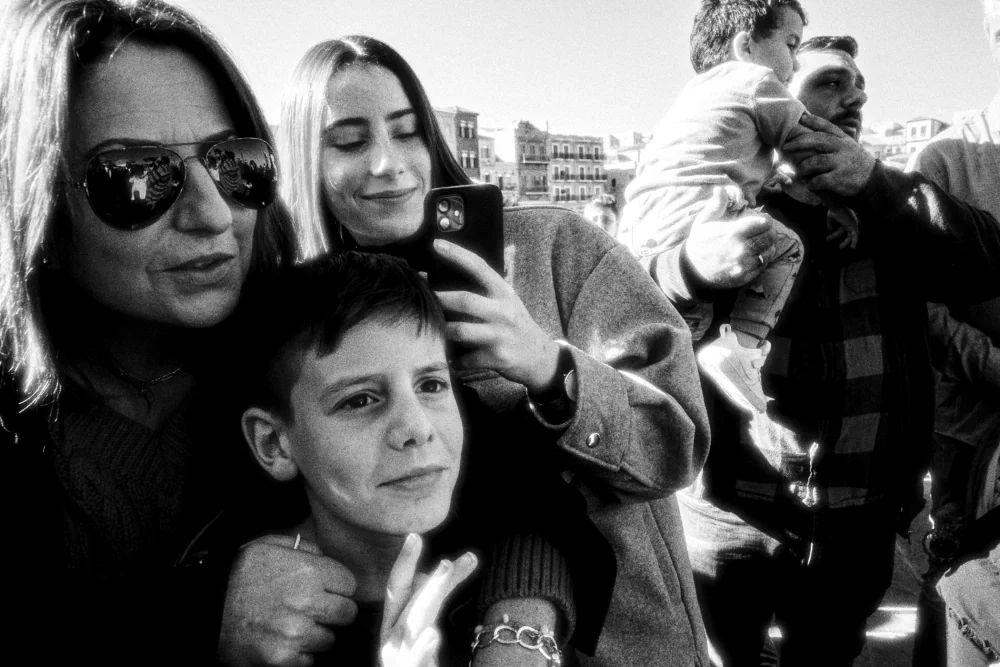
The event is met with cheers from onlookers, who celebrate the courage and devotion of the divers. Those who brave the cold waters are admired as brave and virtuous individuals, embodying qualities cherished by the community.
Epiphany in Chania is more than a religious event—it is a vibrant cultural tradition that continues to unite people in faith and celebration, a living reminder that the human spirit still seeks, and sometimes finds, those moments when light breaks through darkness, when a rupture in time is possible.
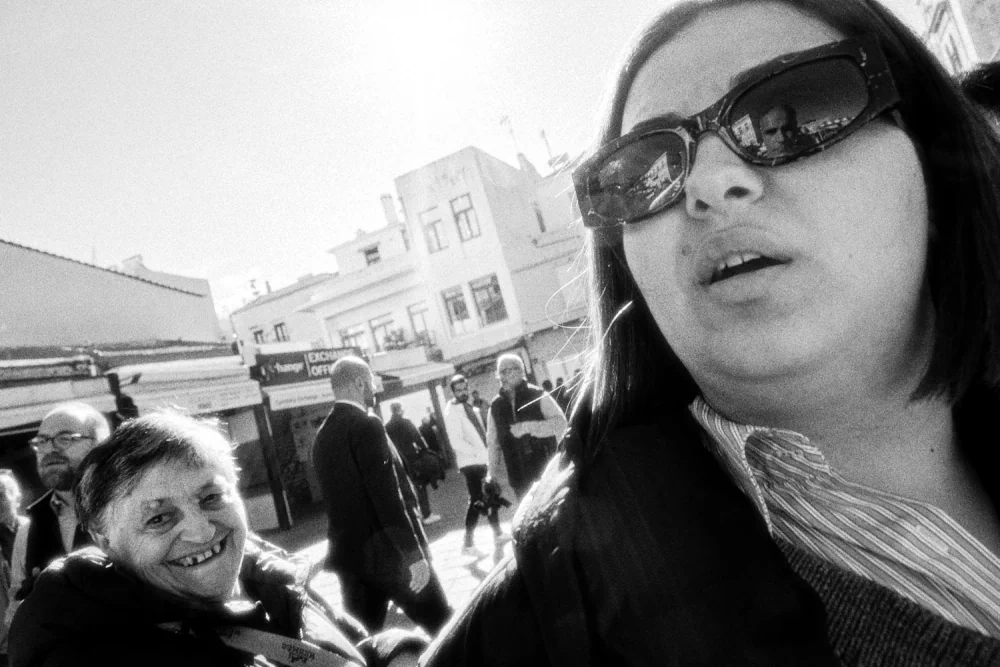
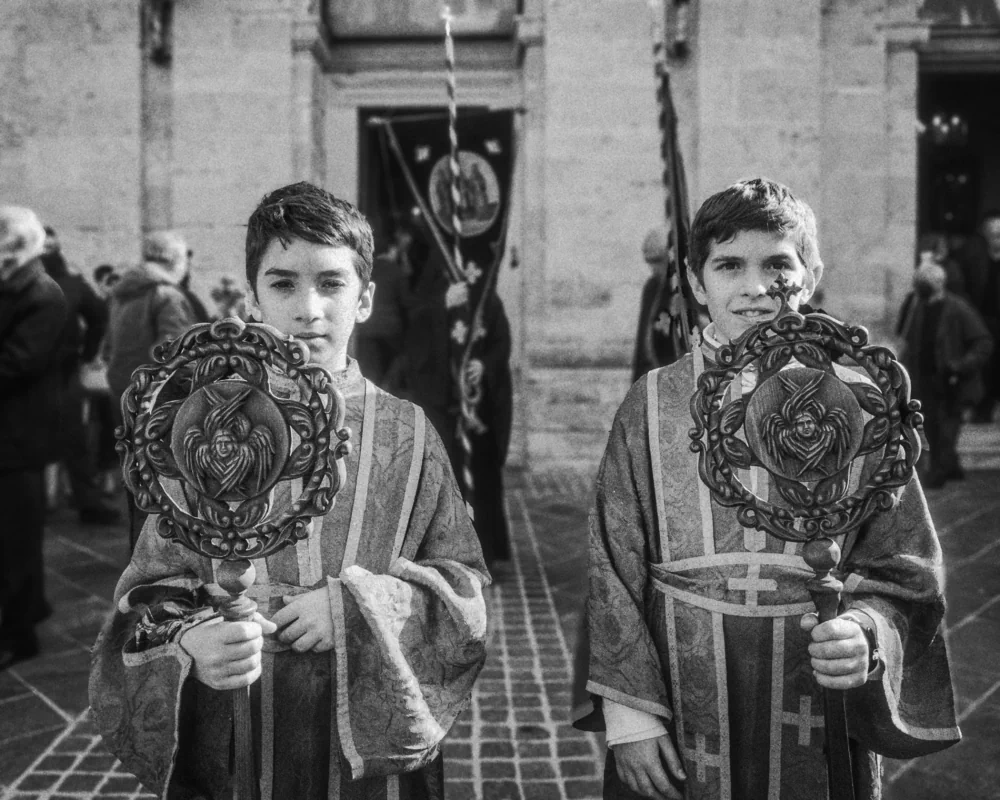
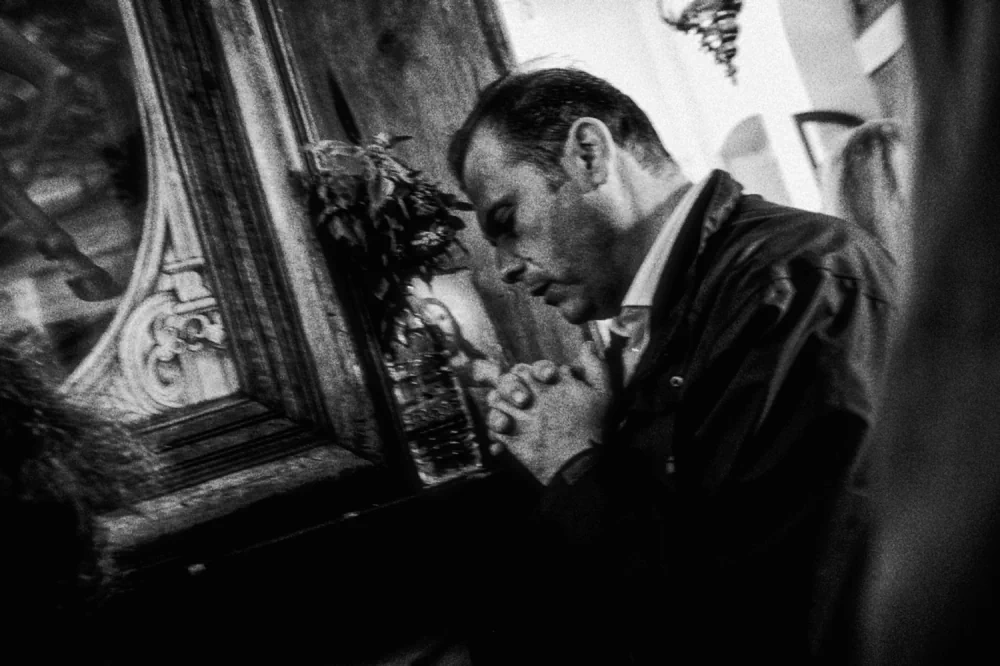
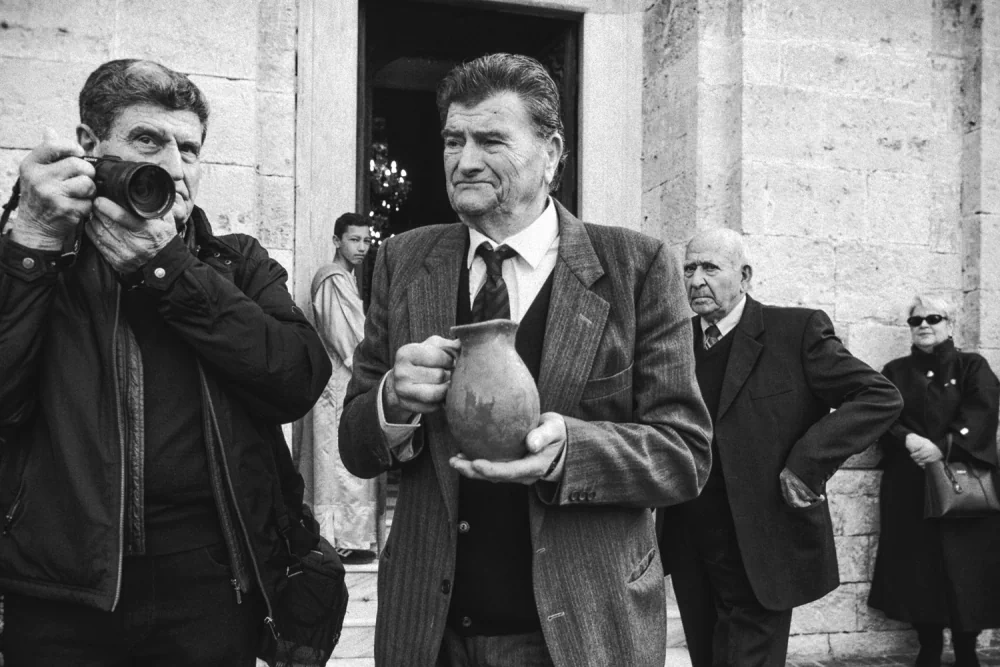
The following photographs I took capture the spirit of the Epiphany celebrations at the Old Harbor of Chania.