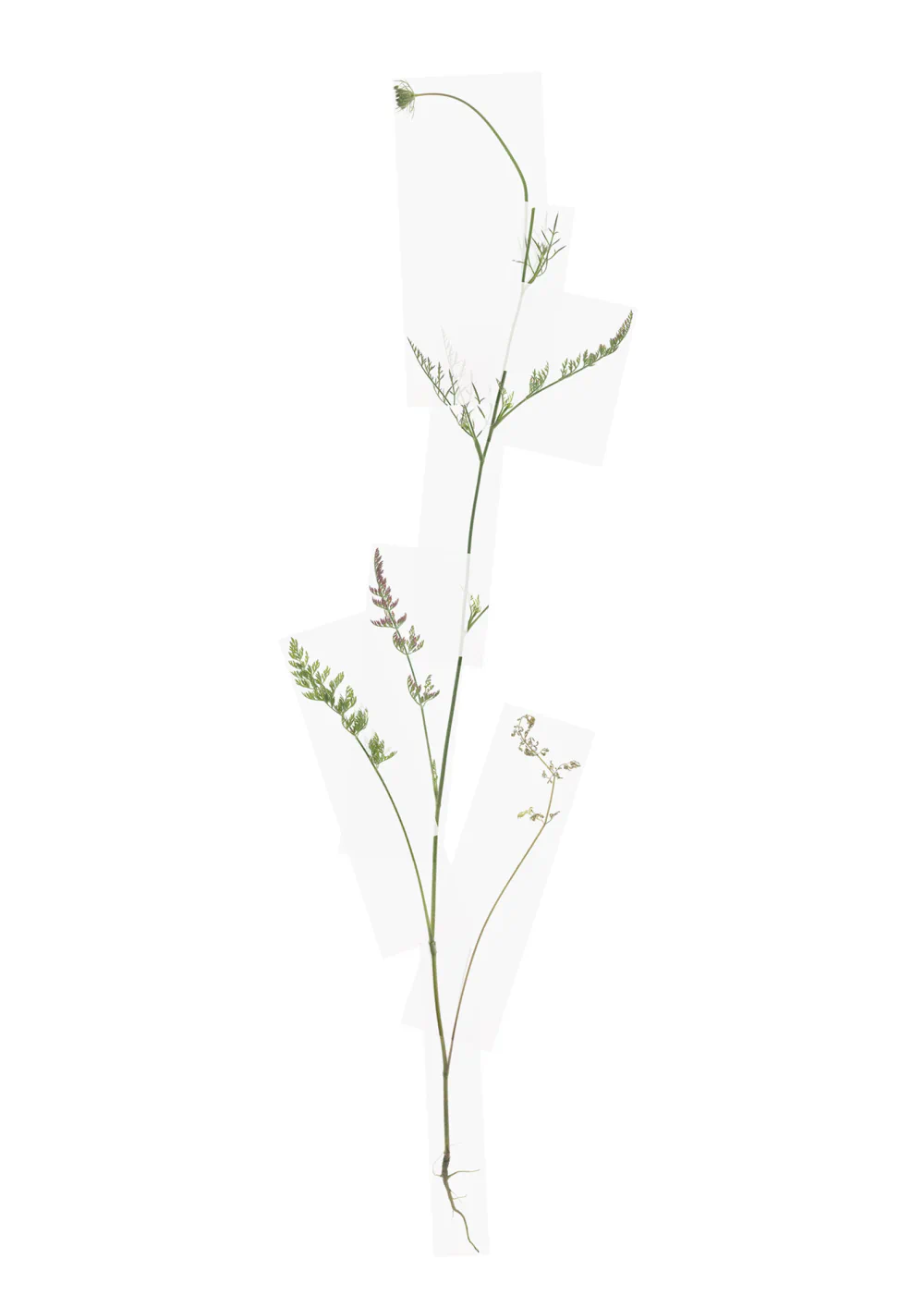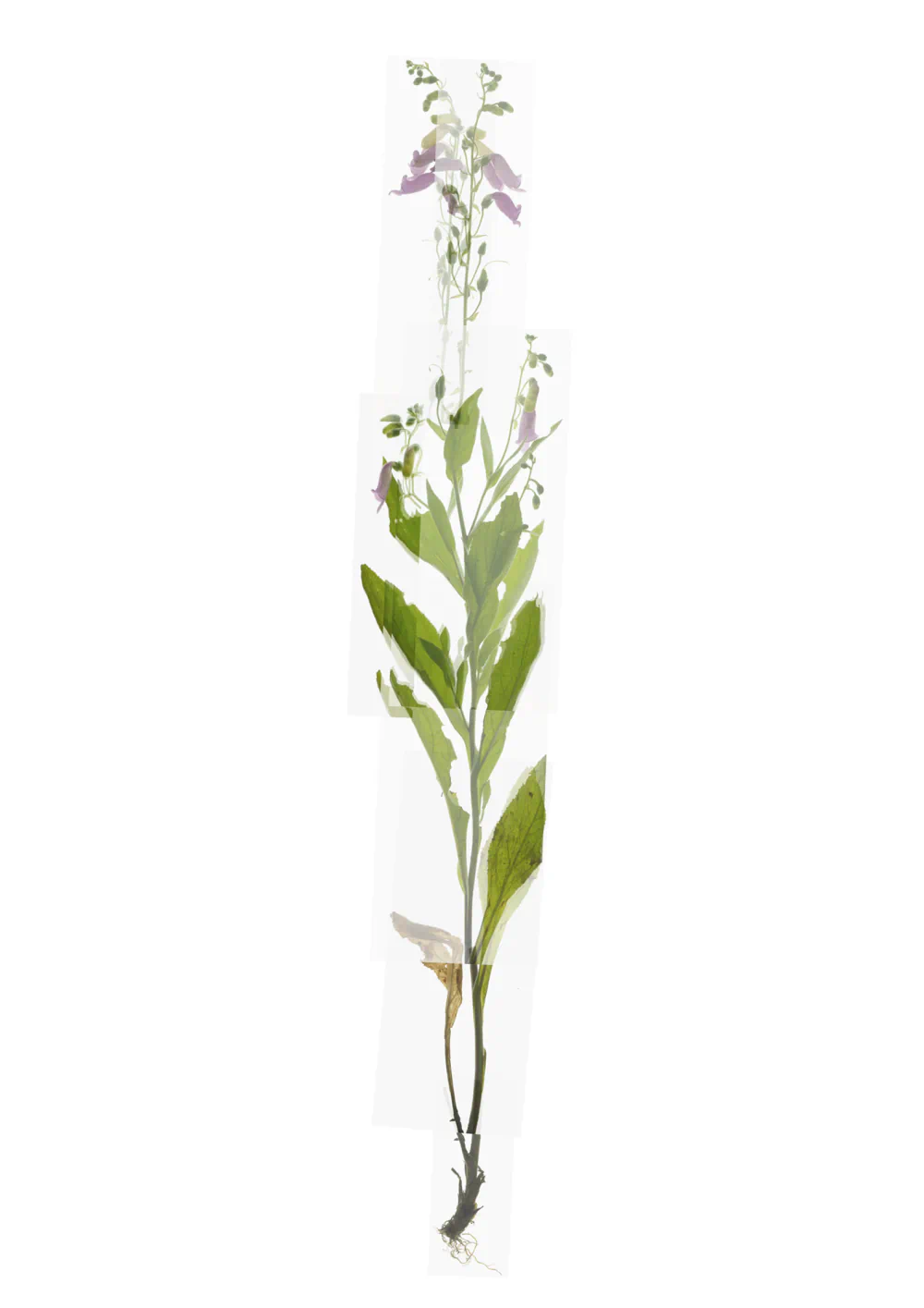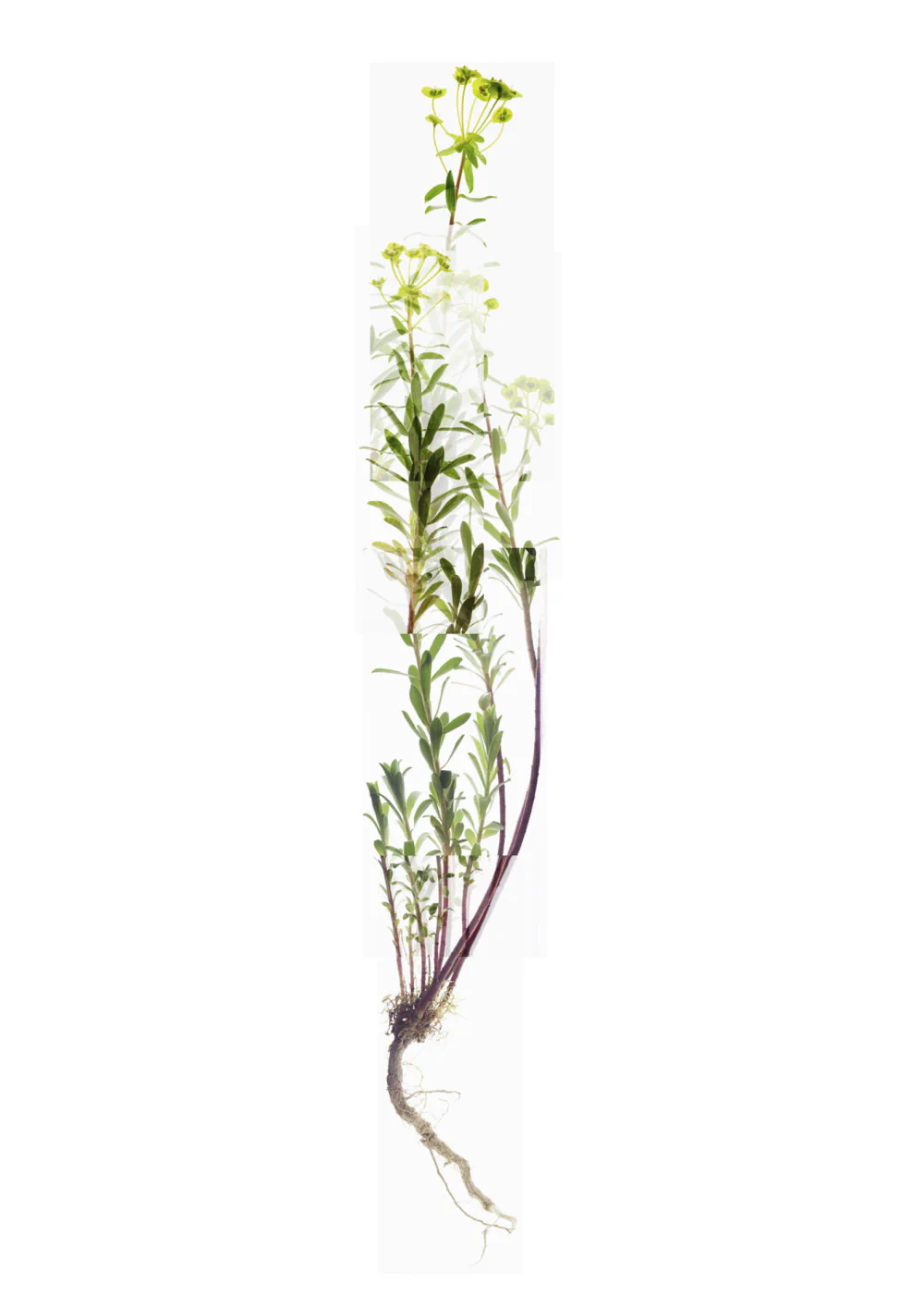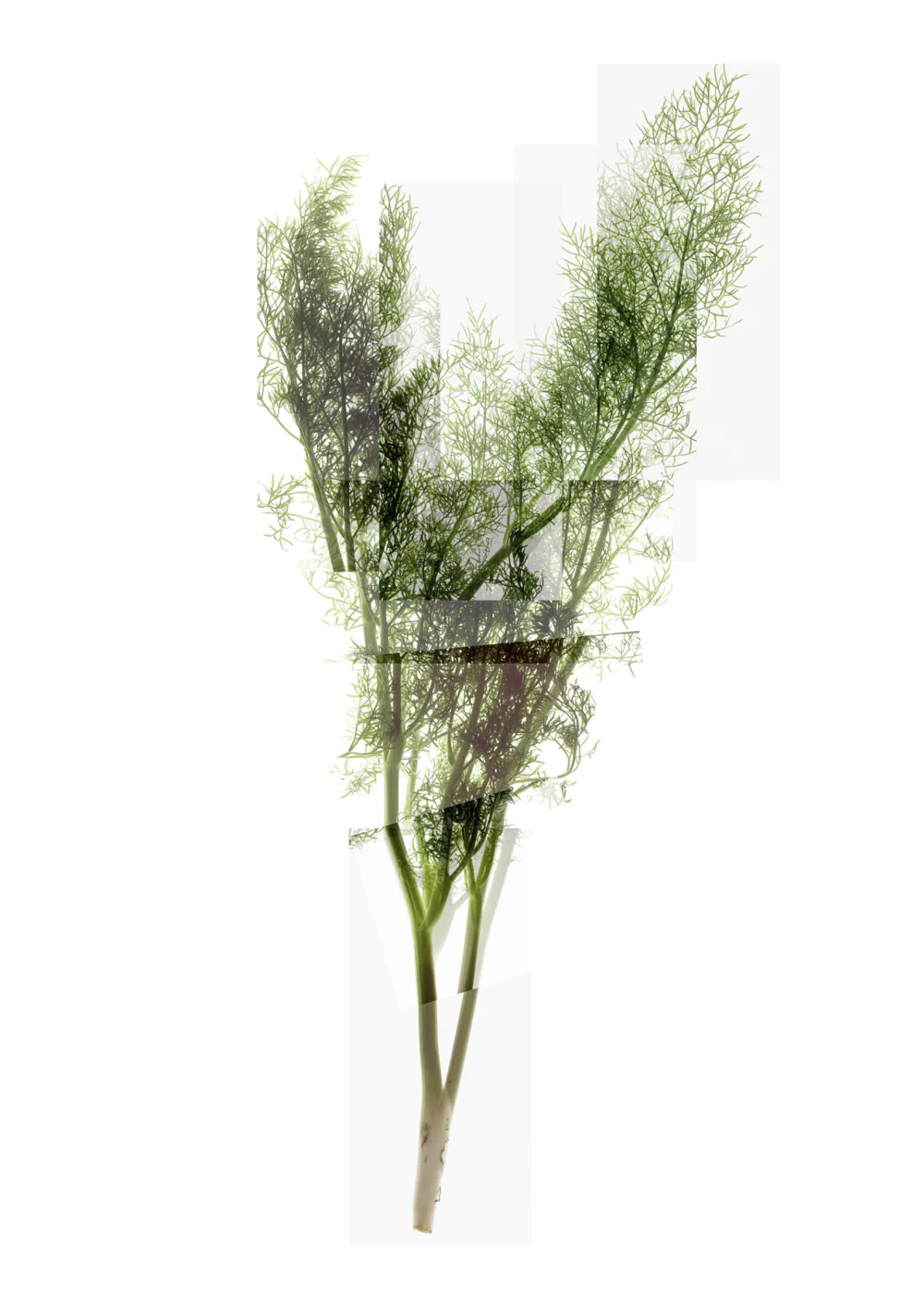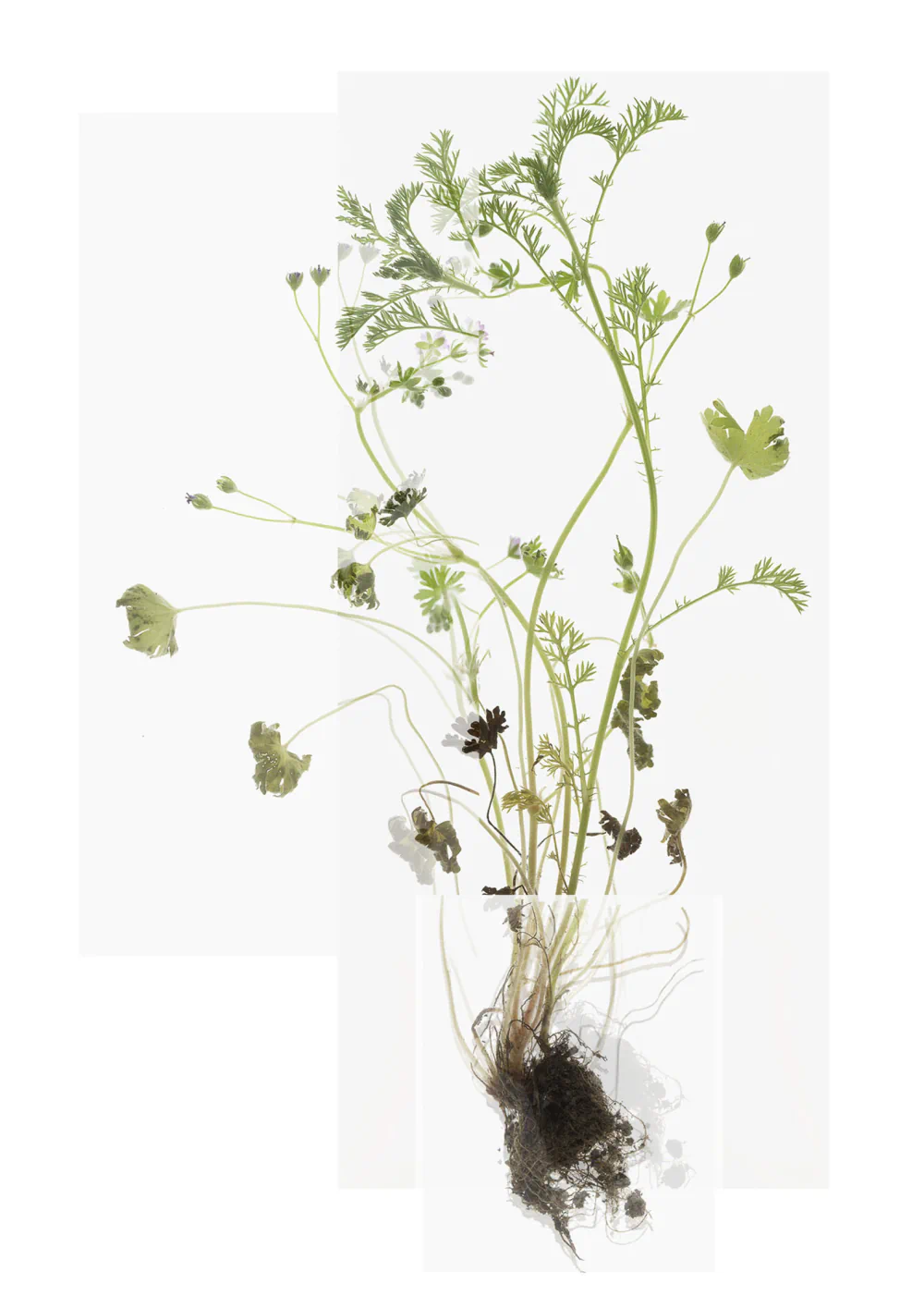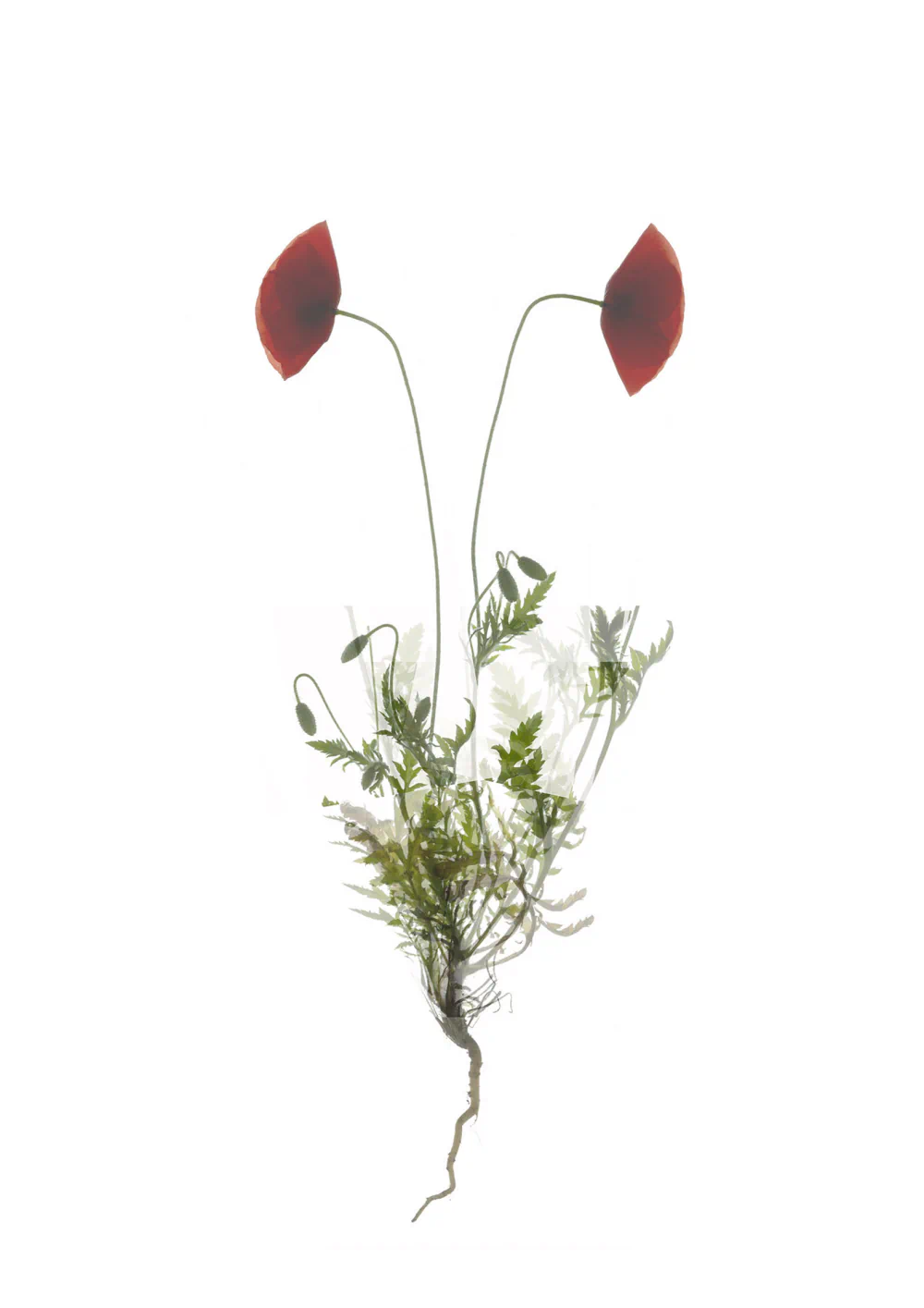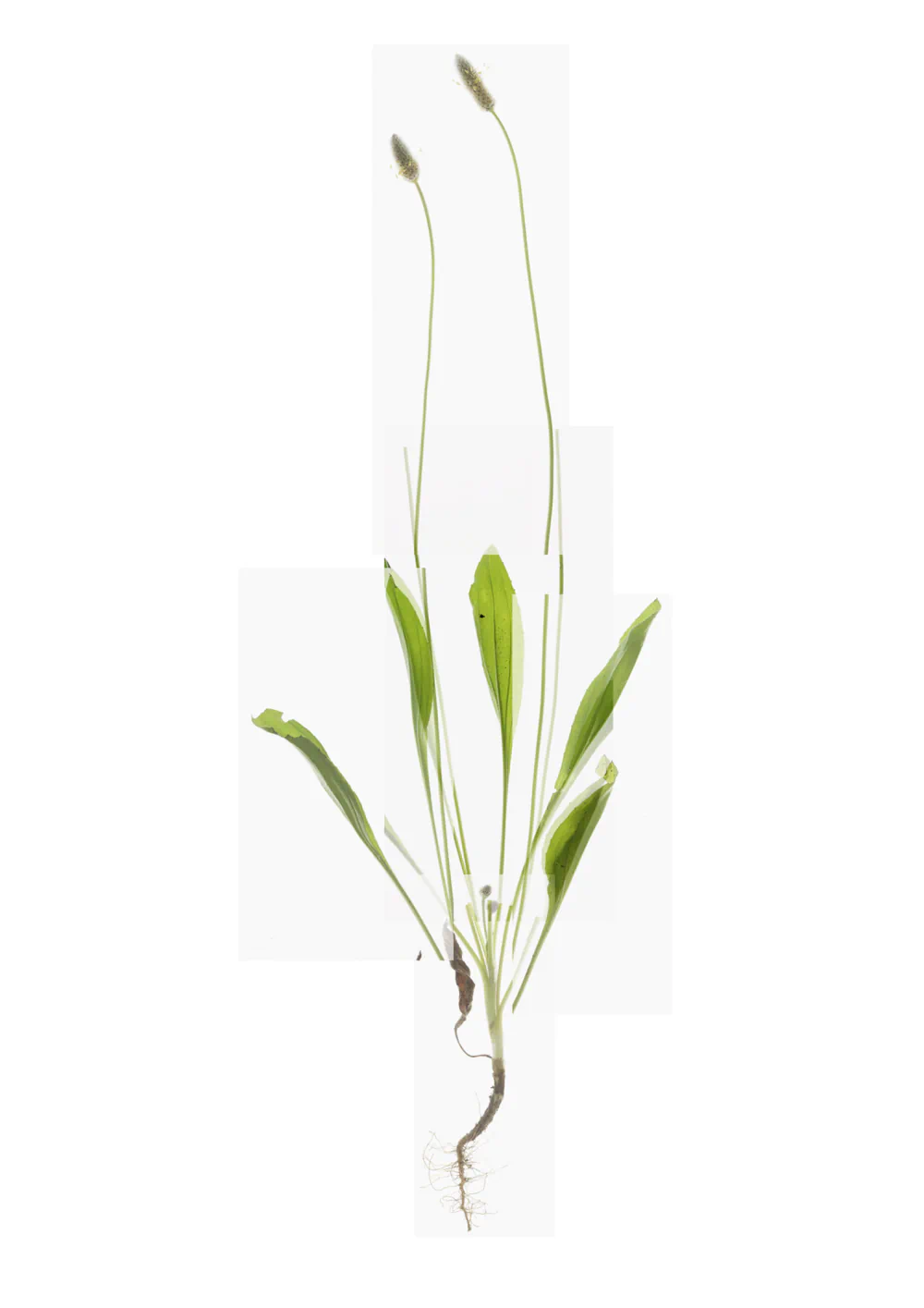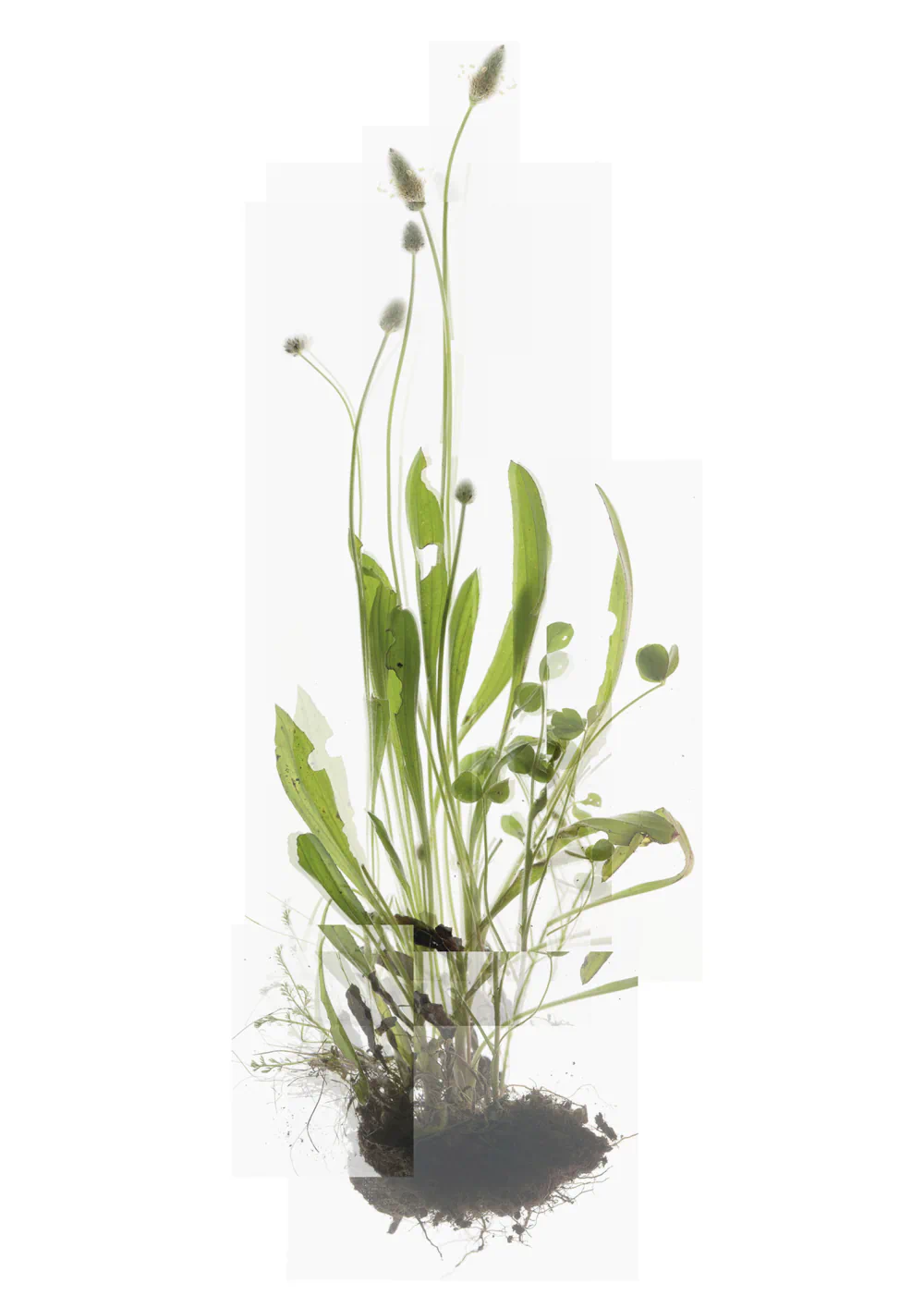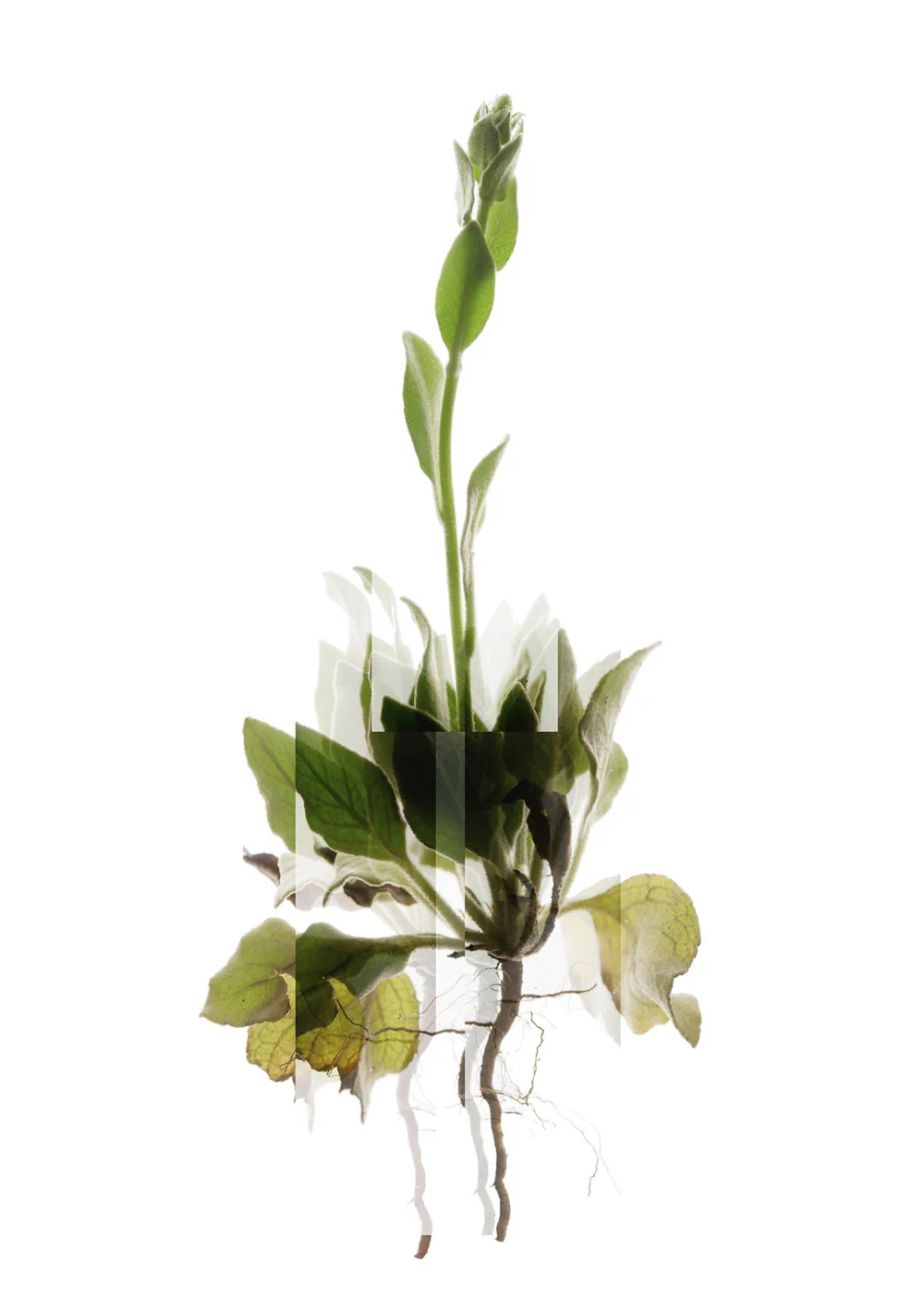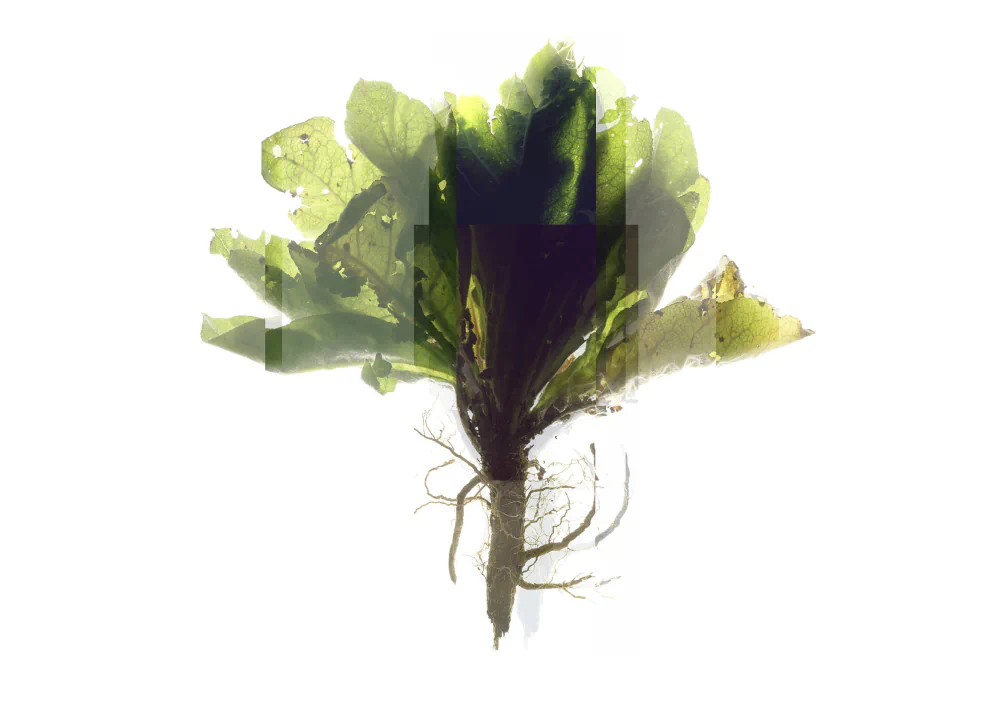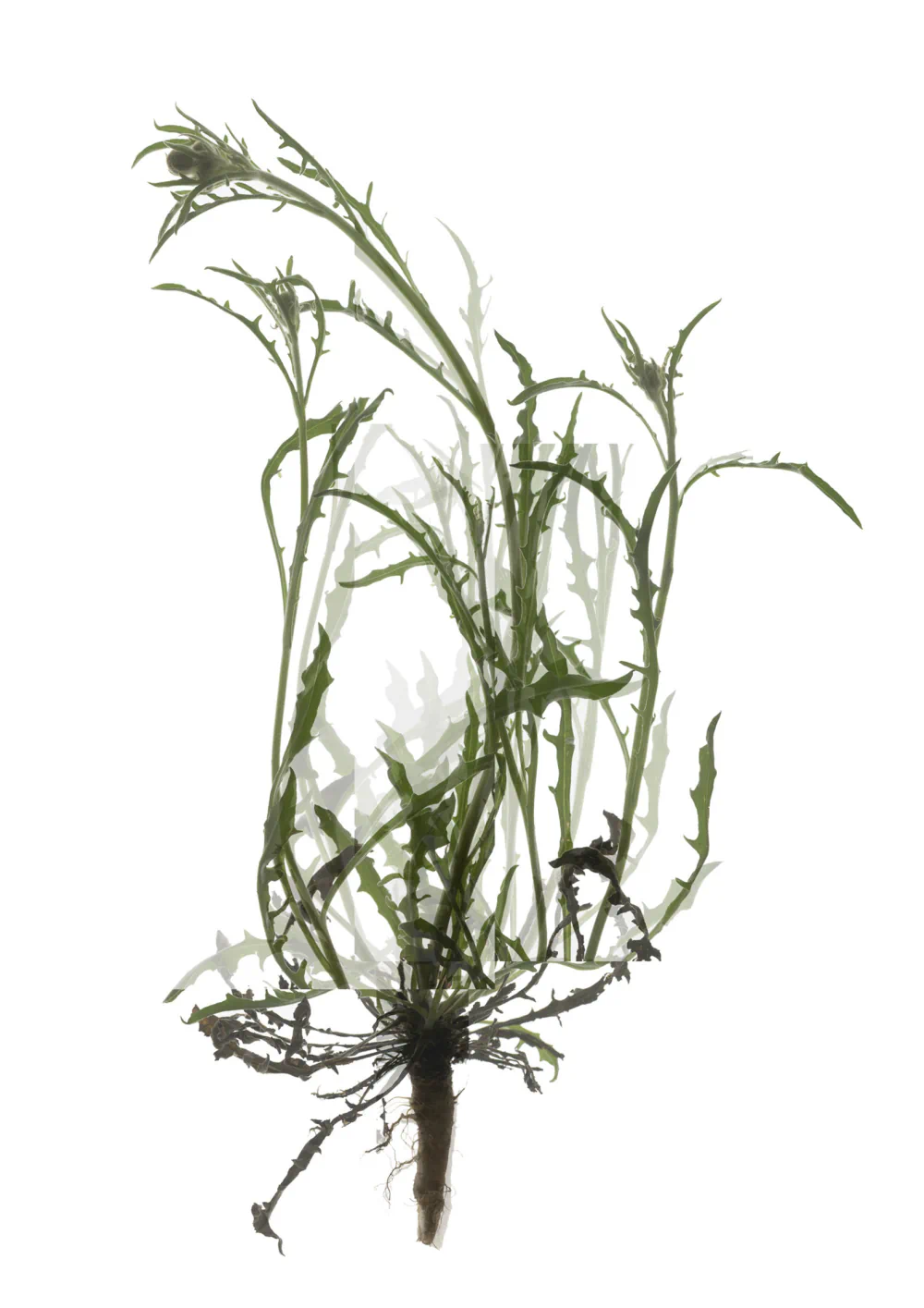


The Clastic Herbarium occupies a zone of friction between scientific taxonomy and the instability of the contemporary image.
Far from the illustrated herbarium tradition—which seeks to fix, classify, and preserve—this body of photographs introduces a logic of fragmentation that destabilizes the documentary status of botanical representation.
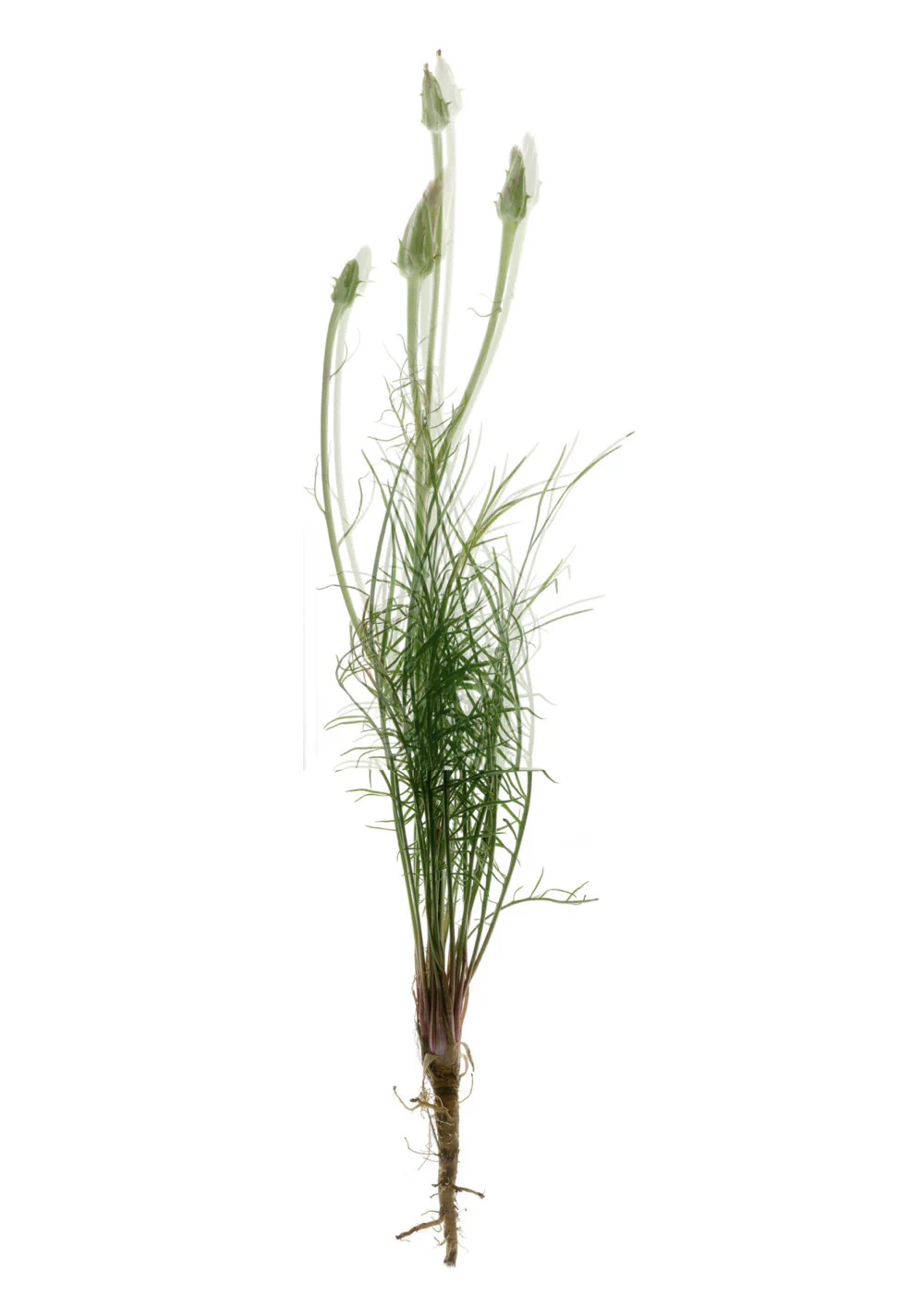
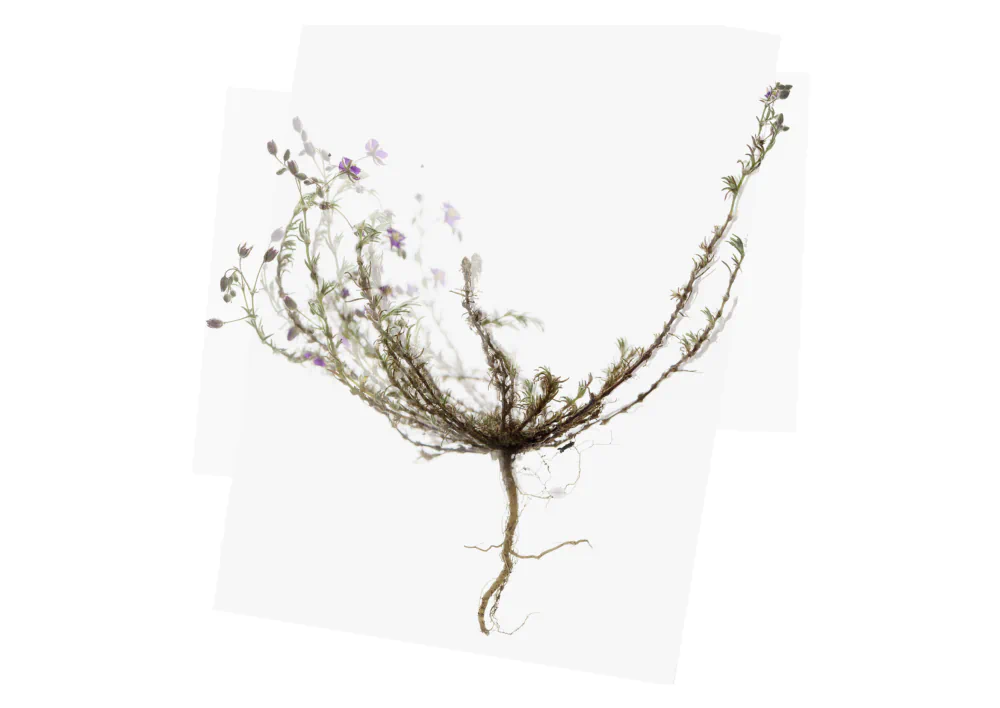
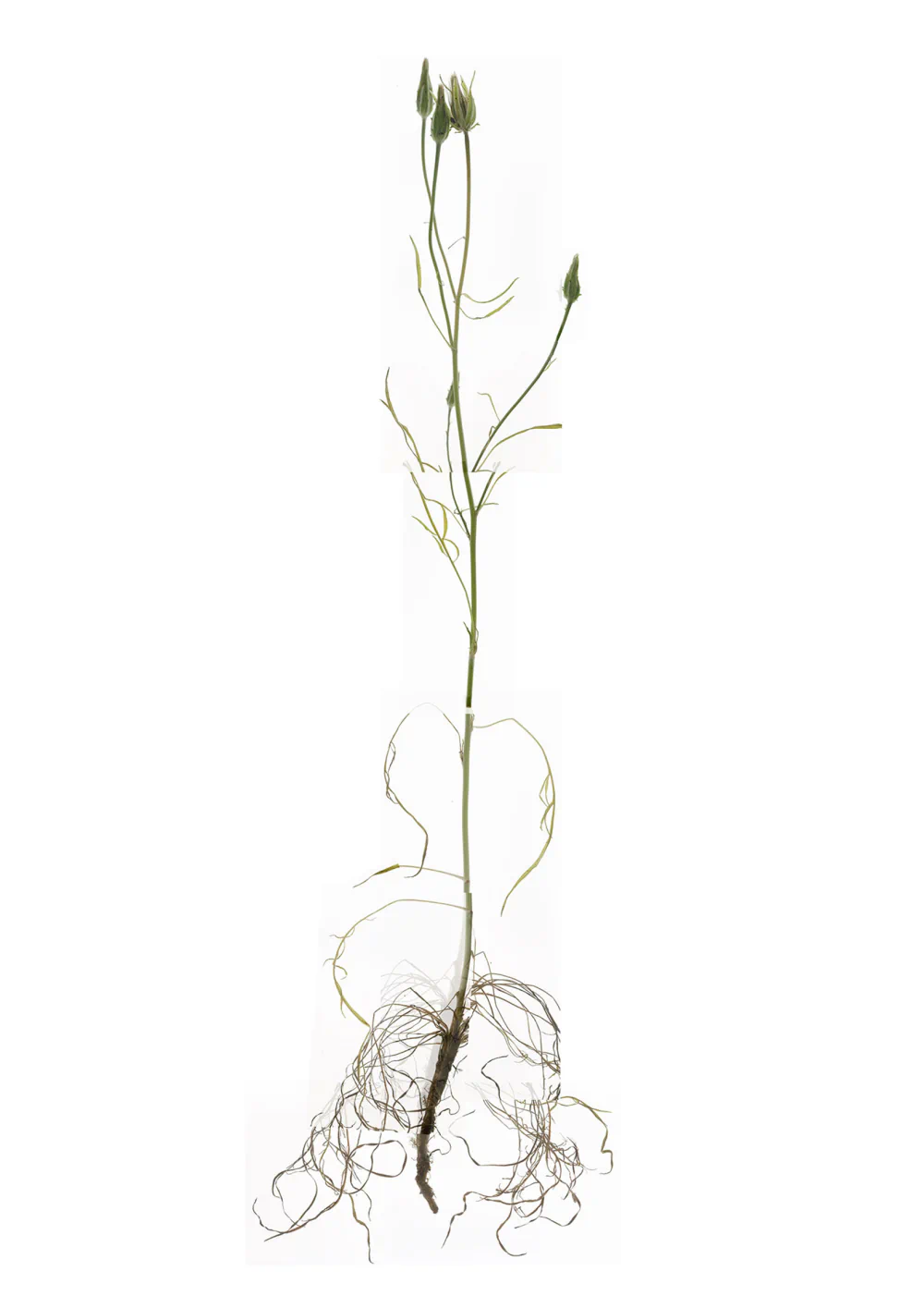
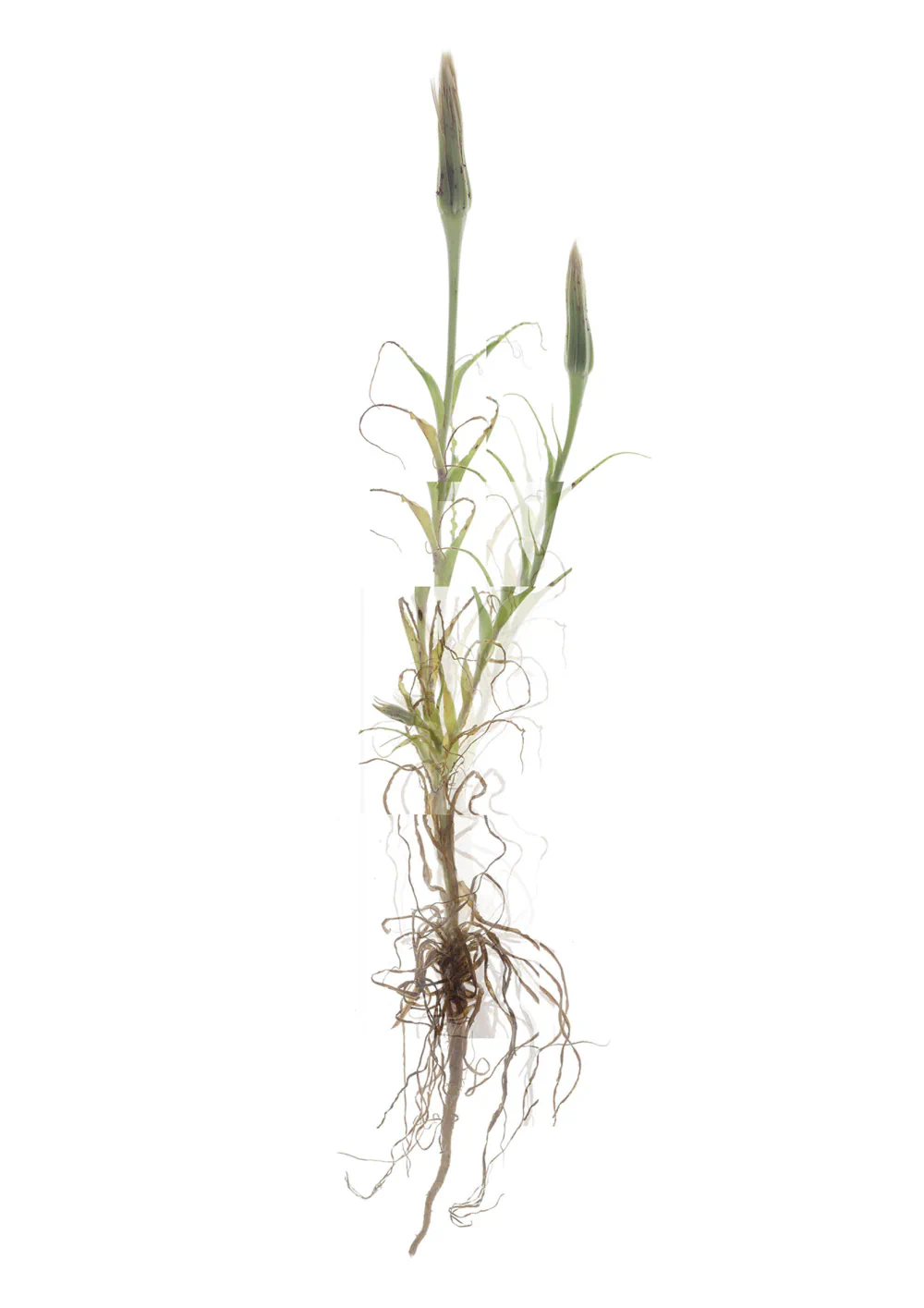
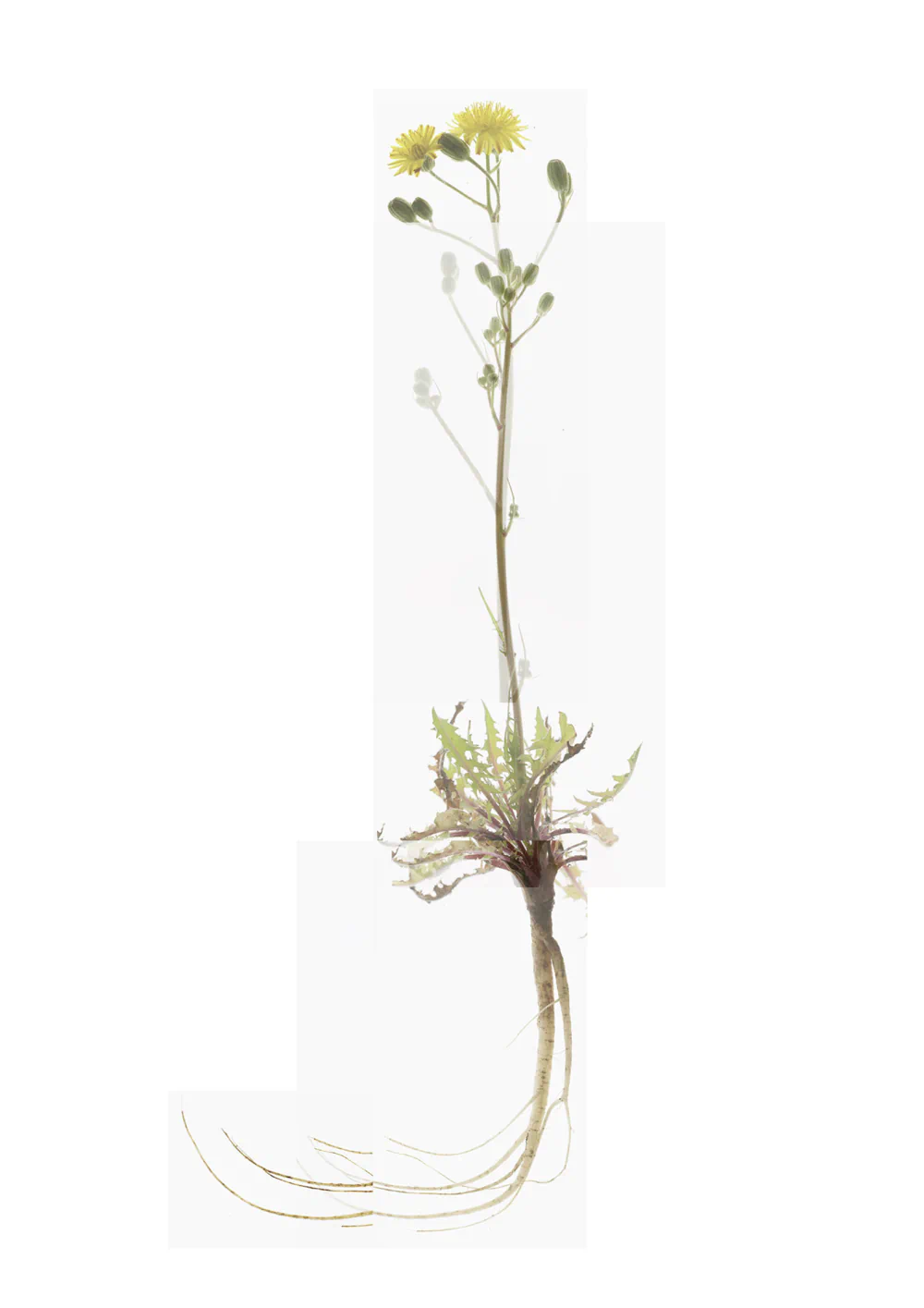
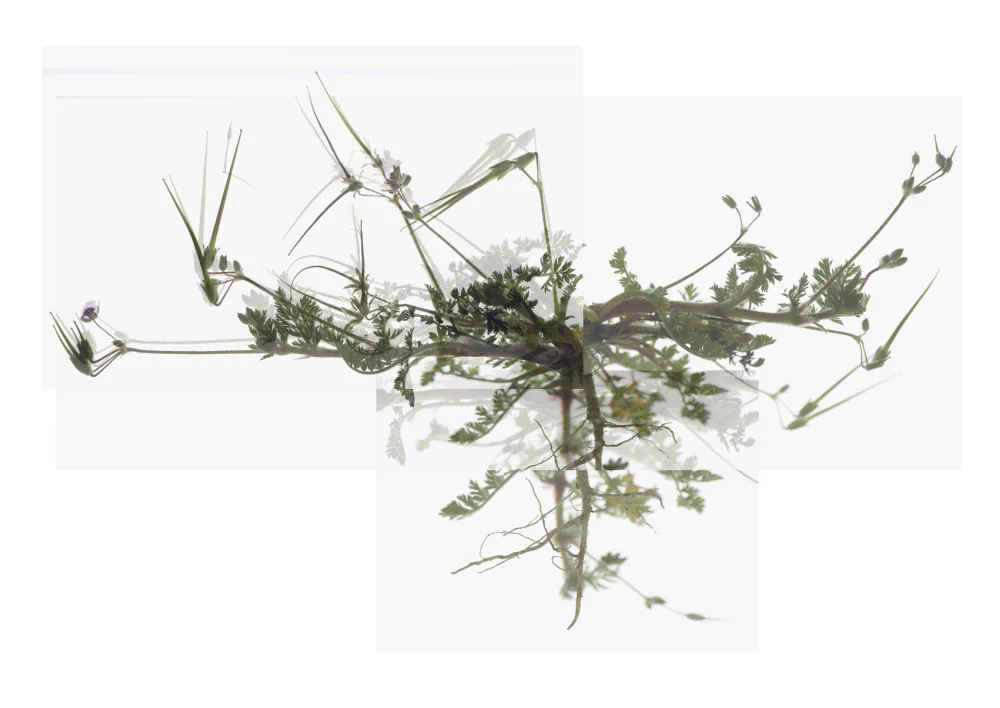
The specimens, removed from their ecological context, are subjected to a process of visual disaggregation that does not destroy form but reconfigures it.
The term “clastic,” derived from geology, refers to that which has been fragmented, eroded, or sedimented through processes of rupture. This notion is transposed here into the realm of the image as a methodology: each plant appears as an assemblage of visual strata, where morphological continuity is interrupted by displacements, transparencies, and overlaps. Photography ceases to operate as a stable index of the real (Barthes, 1980) and instead becomes a field of operations in which time, perception, and matter intertwine.
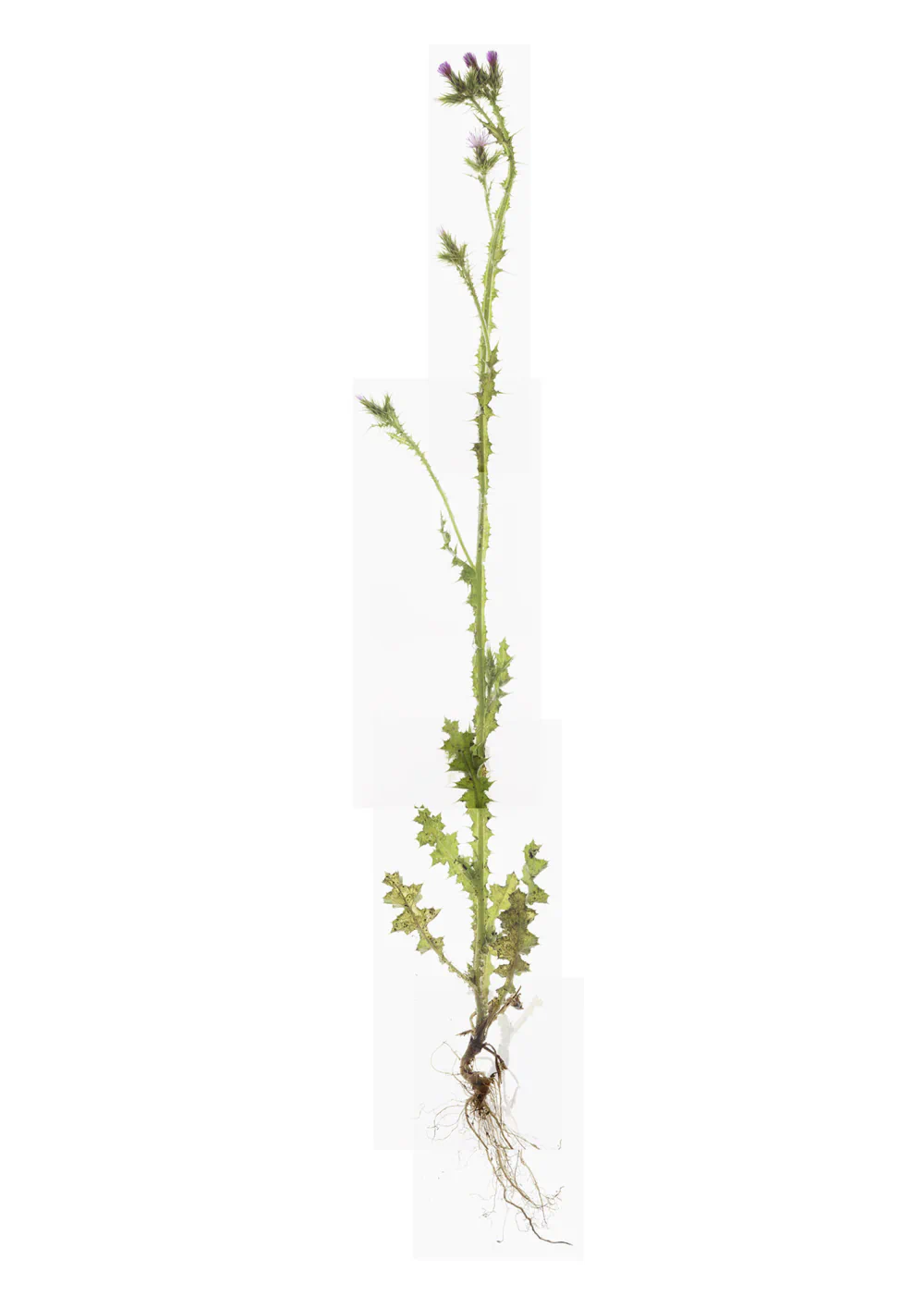
Formally, the images articulate a tension between clarity and dissolution. On the one hand, the analytical vocation of the record is evident: stems, leaves, roots, and reproductive structures are rendered with almost scientific precision, recalling the traditions of botanical illustration and archival photography. On the other hand, the superimposition of layers introduces an expanded temporality, where multiple moments of capture seem to coexist on a single surface. This strategy aligns the work with contemporary practices that question the linearity of photographic time (Batchen, 2004), as well as with visual models akin to tomography or scanning, in which the object is revealed as a sum of cuts and sections.
In this sense, the Clastic Herbarium does not merely document vegetal form; it exposes the processes through which the image itself is constructed. Fragmentation functions as a visual deconstruction in Derridean terms (Derrida, 1967), whereby the unity of the sign is displaced to reveal its internal fissures. The plant ceases to be a closed object and becomes an open system, traversed by multiple readings: biological, aesthetic, and symbolic.
Moreover, the isolation of specimens against a neutral background evokes scientific and museographic dispositifs—the cabinet of curiosities, the display case, the archive—yet their apparent objectivity is subverted by the structural instability of the image. Rather than fixing life, these photographs suggest its transience, its becoming. What is presented is not so much a specimen as a process: growth, decay, and mutation.
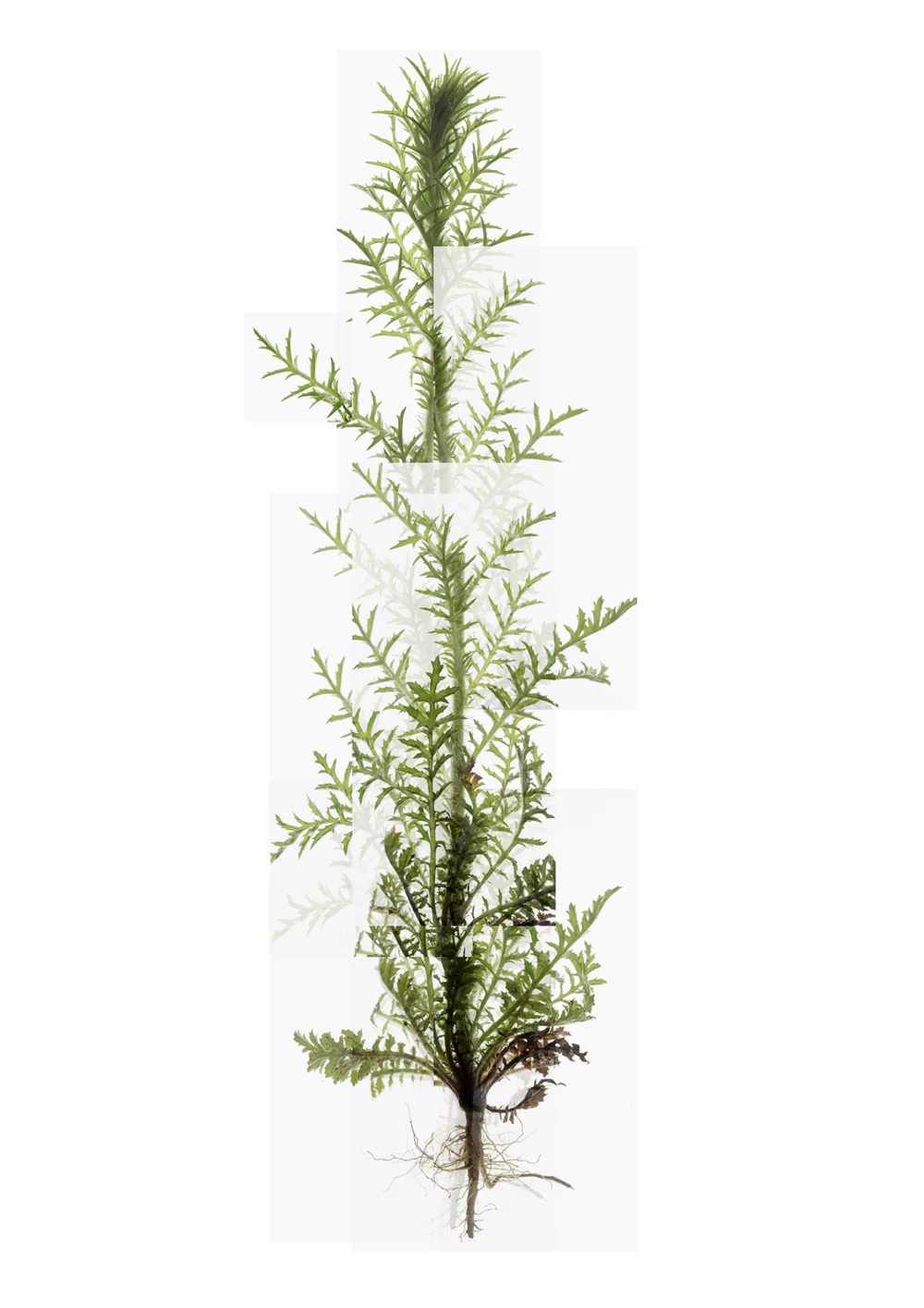
From a conceptual perspective, the project engages with a tradition that understands nature not as a static system but as a dynamic network of relations (Ingold, 2011). Visual fragmentation may thus be read as a metaphor for the contemporary condition of knowledge itself: partial, situated, and in constant revision. Instead of offering a closed totality, the Clastic Herbarium proposes an epistemology of incompleteness, where each image functions simultaneously as evidence and as a question.
Ultimately, this work displaces the herbarium from its conservative function toward a critical dimension. If the classical herbarium aspired to preserve the memory of the living through fixation, the Clastic Herbarium acknowledges the impossibility of such absolute fixation and transforms the image into a space of productive instability. The plant is no longer merely an object of study, but a surface of inscription where the tensions between nature, representation, and time become visible.
References
Barthes, R. (1980). La chambre claire: Note sur la photographie. Gallimard.
Batchen, G. (2004). Forget me not: Photography and remembrance. Princeton Architectural Press.
Derrida, J. (1967). De la grammatologie. Les Éditions de Minuit.
Ingold, T. (2011). Being alive: Essays on movement, knowledge and description. Routledge.
Technical Note of Clastic Herbarium
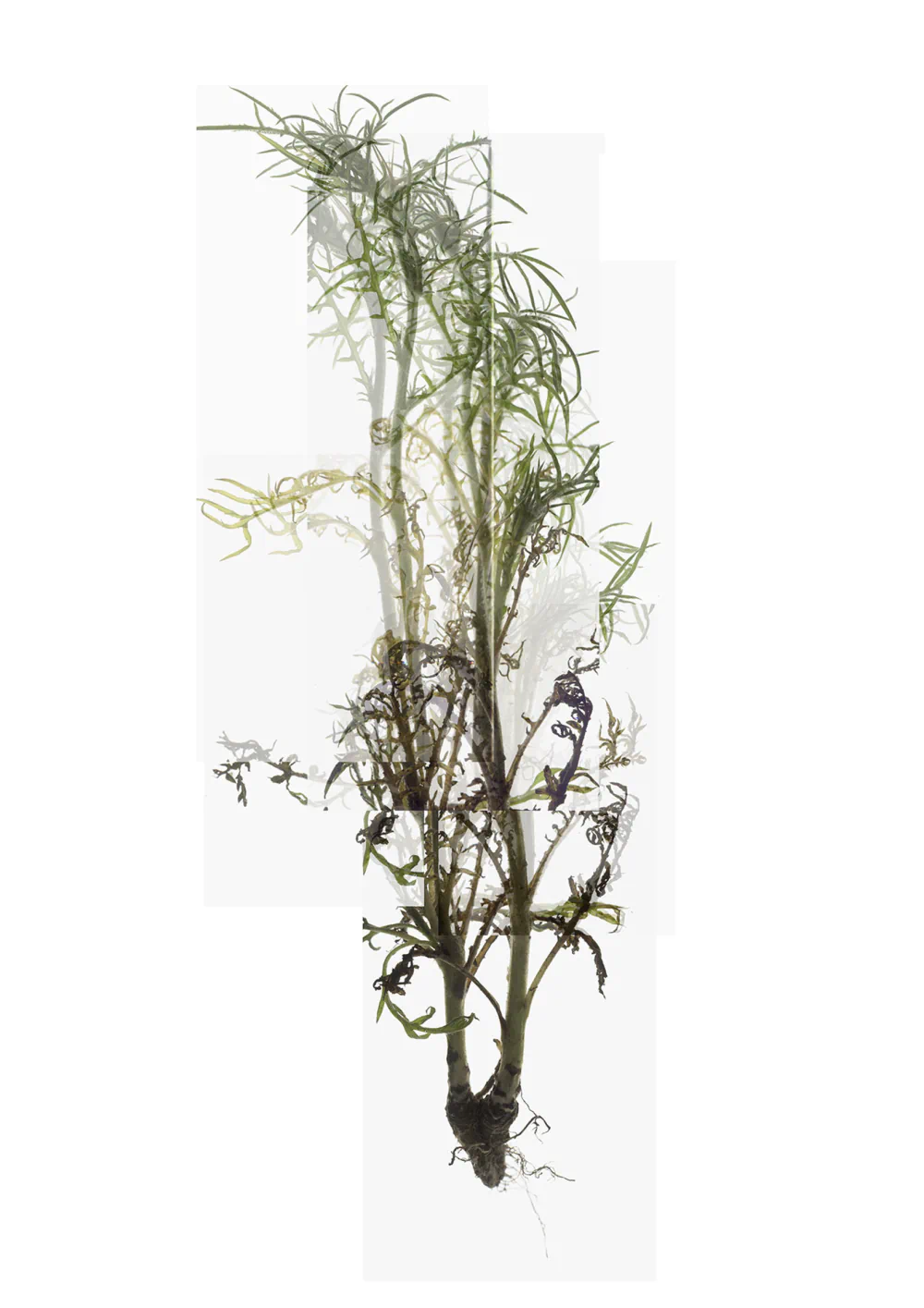
Clastic Herbarium is developed through a hybrid imaging process that combines flatbed scanning (scannography) with alternative fine art printing techniques. The project adopts the scanner not merely as a recording device, but as an optical system capable of generating images through direct contact and sequential capture.
The specimens—freshly collected botanical samples—are arranged directly onto the surface of a flatbed scanner. This contact-based methodology eliminates the conventional camera apparatus and replaces it with a linear sensor that records the object progressively, line by line. During the scanning process, slight, intentional movements of the plant material are introduced, producing temporal displacements, overlaps, and fragmentations within a single image. This technique allows the construction of a layered visual field in which multiple states of the specimen coexist, generating the characteristic “clastic” structure of the series.
Lighting is intrinsic to the scanner system itself, providing direct and uniform illumination that enhances fine structural details such as root systems and epidermal textures. The absence of directional shadows contributes to an analytical, quasi-scientific rendering, while the induced distortions disrupt the expectation of objective documentation.
Post-production is kept to a minimum and is primarily focused on tonal adjustment and color calibration, ensuring fidelity to the original vegetal material while preserving the visual complexity generated during scanning.
The final images are printed using high-resolution inkjet technology with archival pigment-based inks. This choice guarantees long-term stability, chromatic depth, and resistance to fading, aligning with museum-grade conservation standards.
A key aspect of the project lies in the use of Japanese paper, specifically Bunkoshi (96 g/m²), selected for its fibrous structure, translucency, and capacity to interact with ink in a materially sensitive way. Prior to printing, each sheet undergoes a manual priming process, applying a coating that adapts the absorbent surface of the washi paper to the requirements of inkjet printing. This intervention allows for precise ink fixation while preserving the tactile and organic qualities of the support.
The works are produced in a format of 24 × 33 cm, a scale that reinforces the intimate and specimen-like character of the images while maintaining a balance between detail visibility and objecthood.
Through this combination of scannographic capture and materially informed printing processes, Clastic Herbarium establishes a dialogue between digital imaging technologies and traditional supports, situating the work at the intersection of scientific observation, experimental photography, and contemporary fine art practice.
About Luis Castelo
Luis Castelo is a Doctor of Fine Arts and Associate Professor of Photography at the Faculty of Fine Arts of the Complutense University of Madrid (UCM). His professional trajectory unfolds at the intersection of artistic practice, academic research, and higher education, with a sustained focus on the dialogue between art, science, and nature.
His photographic work has been exhibited extensively in Spain and internationally and is held in significant public and private collections, including the Photography Collection of the City Council of Alcobendas, the International Museum of Electrography (Cuenca), the Royal Botanical Garden of Madrid, the Museo Nacional Centro de Arte Reina Sofía, and the Museum of Contemporary Art of Madrid.
Castelo’s work has been presented in diverse institutional contexts such as the Royal Botanical Garden of Madrid, PhotoEspaña (Galería Astarté), The Photographers’ Gallery, and the Lishui Photography Biennale (China). Across these exhibitions, his practice demonstrates a rigorous engagement with themes of biodiversity, memory, scientific imagery, and the epistemological limits of photographic representation. Recent projects—including Extinción (Badajoz, 2024), Horizonte de sucesos (Murcia, 2022), 50 fotografías con historia (itinerant exhibition, 2019–2024), and Jardines imaginarios (Paris, 2020)—reflect his ongoing investigation into the porous boundaries between documentary photography and speculative construction, where empirical observation intersects with conceptual inquiry.
Beyond his artistic production, Castelo has played an active role as a curator and researcher in projects addressing the intersections of art, heritage, and scientific knowledge. Notable curatorial initiatives include Herbarios imaginados (Madrid, 2020) and Zoologías (Madrid, 2012), developed in collaboration with the UCM research group IMPACT: Imagen, Patrimonio, Arte, Conservación y Tecnología, of which he is a member. His work frequently engages with institutions linked to scientific collections and natural history, reinforcing a research-based artistic methodology.
He has lectured widely in Spain and abroad, including at the École Nationale Supérieure de la Photographie (Arles), the National University of Colombia, and the Jorge Tadeo Lozano University (Bogotá), among other academic institutions, contributing to international discourse on photography, visual culture, and art–science practices.
As an author and scholar, Castelo has published several influential books on photography, including Aprender fotografía, Del ruido al arte, and La imagen fotográfica—works that address aesthetic theory, technical processes, and the conceptual dimensions of photographic practice. His publications reflect a consistent commitment to bridging artistic experimentation with methodological and theoretical rigor.
Characterized by precision, conceptual density, and contemplative composition, Castelo’s images explore tensions between the ephemeral and the archival, the organic and the constructed, and the microscopic and the cosmic. His practice situates photography not merely as a medium of representation but as a critical tool for rethinking the relationships between image, knowledge, and ecological consciousness.
Through his combined roles as artist, researcher, and educator, Luis Castelo has contributed significantly to contemporary photographic discourse, shaping new generations of artists while expanding the theoretical and institutional frameworks within which photography operates. [Official Website]