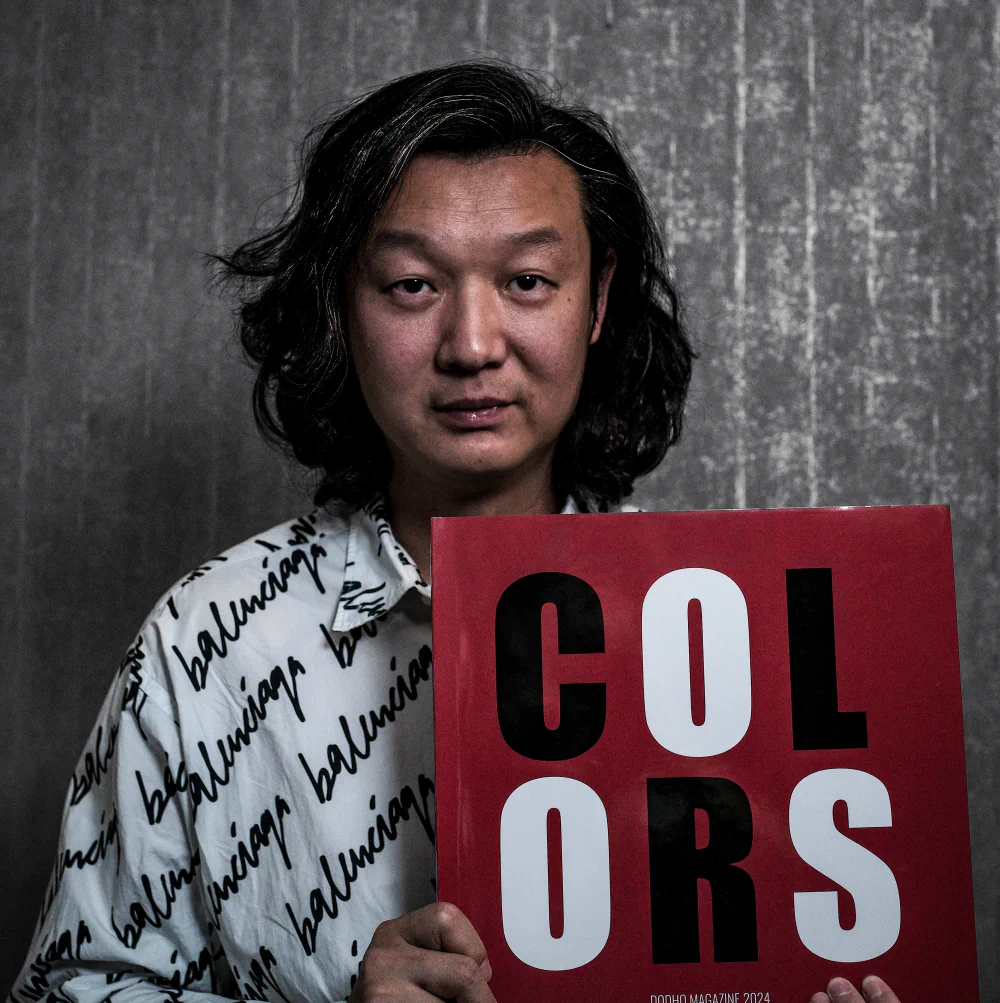
Chris Yan, born in Beijing in 1981, is a photographer and Creative Director whose practice moves between commercial design and personal image-making.
After studying art and design at the Communication University of China, he built a solid career within leading international agencies, working with global brands and earning more than 60 creative awards. In 2013, he founded his own company, expanding his work across advertising, branding, and visual direction.
At the same time, he developed a strong photographic practice focused on human and street photography, gradually shaping a more personal language. Over the past decade, he has photographed extensively across different countries, refining a body of work that has been widely recognized in international platforms and awards. His images have been featured by institutions such as Leica LFI Gallery and PhotoVogue, and exhibited in cities including Milan, London, and Buenos Aires.
In this conversation, he reflects on the intersection between commercial and personal work, the evolution of his photographic voice, and the challenges of creating in today’s visual landscape.
You were born in Beijing and come from a background in design and advertising. How did the shift toward a more personal photographic practice happen?
My passion for photography began at 19, when I received a film Olympus from my father. I later tried many digital cameras. After graduation, I worked in advertising and design, while keeping photography as a hobby. My interest grew after 2013, but I only took photos on trips. Until I bought a Leica in 2022. It totally changed my perception and shooting style, and I finally fell in love with street photography.
You worked at agencies like Dentsu, JWT, and Leo Burnett. What did that period give you visually and conceptually?
Working at top agencies deeply shaped my visual taste and creative thinking. I got to work with high-end brands including BMW, Nestlé and Canon, their strict standards for design and visuals trained my aesthetic judgment and professional skills. Every link from strategy to execution was highly polished, which helped me build a solid visual foundation. Meanwhile, I collaborated with outstanding directors, photographers and production teams. Learning from these professionals greatly improved my overall creative ability.
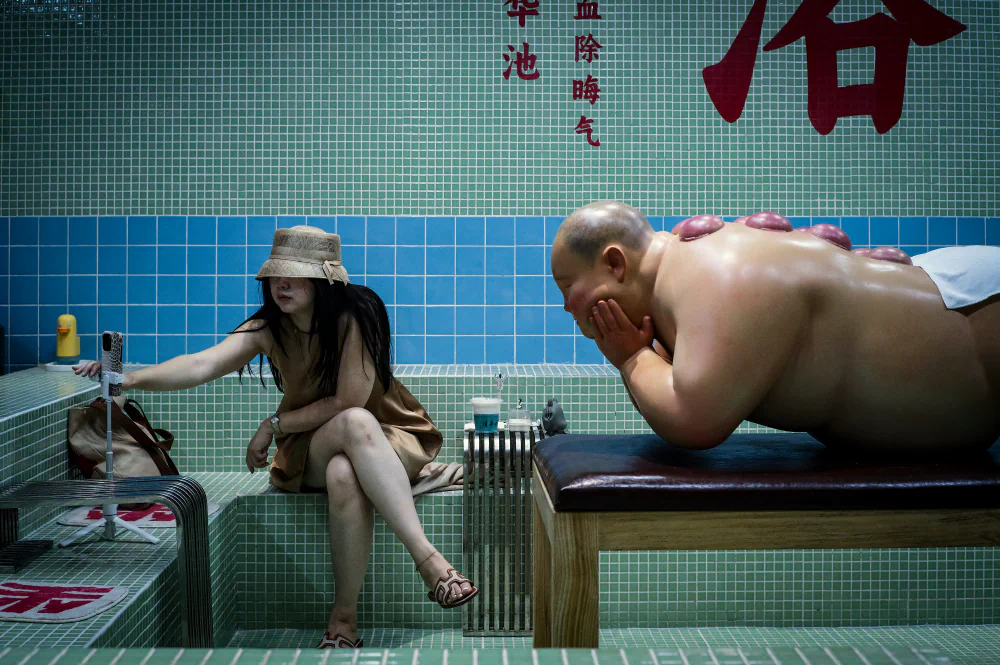
As a creative director, you have worked with major brands. How does that commercial language coexist with your more personal photography?
To be honest, I don’t seek to integrate the visual language of commercial work with my personal photography. I always keep the two completely separate. When working on commercial projects, my goal is to help clients achieve their business objectives. There are always numerous constraints: the tone must align with the brand identity, the style needs to maintain brand consistency, and the content has to resonate with audiences. In this process, personal preference takes a back seat. By contrast, my personal photography stems purely from passion. I shoot what interests me, with far greater freedom.
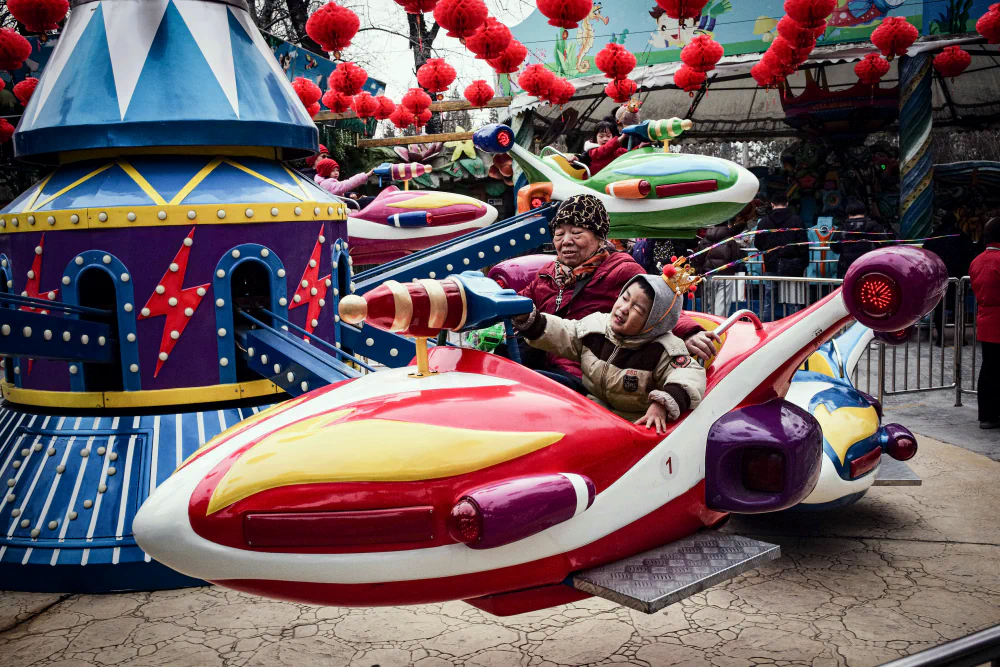
In 2013, you founded your own company. What were you looking for at that moment that you could not find within agencies?
In traditional agencies, work was often restricted by clients, teamwork processes and fixed brand frameworks. I wanted greater creative freedom, more control over my work direction, and the chance to arrange my creation rhythm independently. I hoped to break away from single commercial demands and leave enough time and space for my personal photography.
Your photographic work focuses on human and street photography. What draws you to that space?
I am deeply drawn to human and street photography because it captures real, unfiltered everyday life. The streets are full of genuine emotions, subtle moments and diverse human stories that feel raw and authentic. Unlike commercial shooting with fixed scripts, street photography is full of uncertainty and surprise. It allows me to observe people, cities and social details with a calm perspective. For me, this kind of quiet record of ordinary life is the most touching and lasting form of photography.
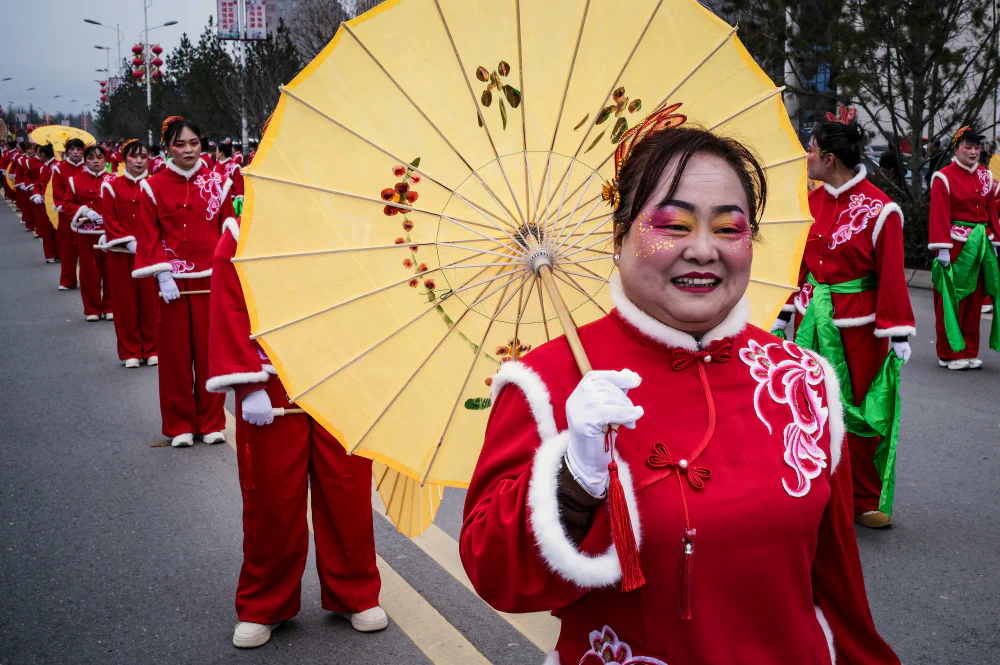
How does your background as a creative influence the way you construct an image on the street?
My background in creativity and design has subtly influenced my street photography. I’ve gradually built a better sense of composition, light, color and framing. When shooting on the street, I can quickly assess a scene’s layout, balance and visual rhythm. Compared with straightforward documentary photography, I try to frame scenes more thoughtfully to keep my images clean and visually gentle. Besides, years of commercial work have helped me develop sharper observation, allowing me to notice and capture fleeting decisive moments in daily life.
You have photographed across different countries over the years. How does your perspective shift when working in different cultural contexts?
Shooting in different countries has broadened my perspective. Each culture has its own lifestyle and unique vibe. In new environments, I slow down and observe with an open mind. My vision grows softer and more inclusive. I no longer judge by a single standard, but focus on local stories and emotions. Diverse cultures enrich my work and bring more depth to my street photography.
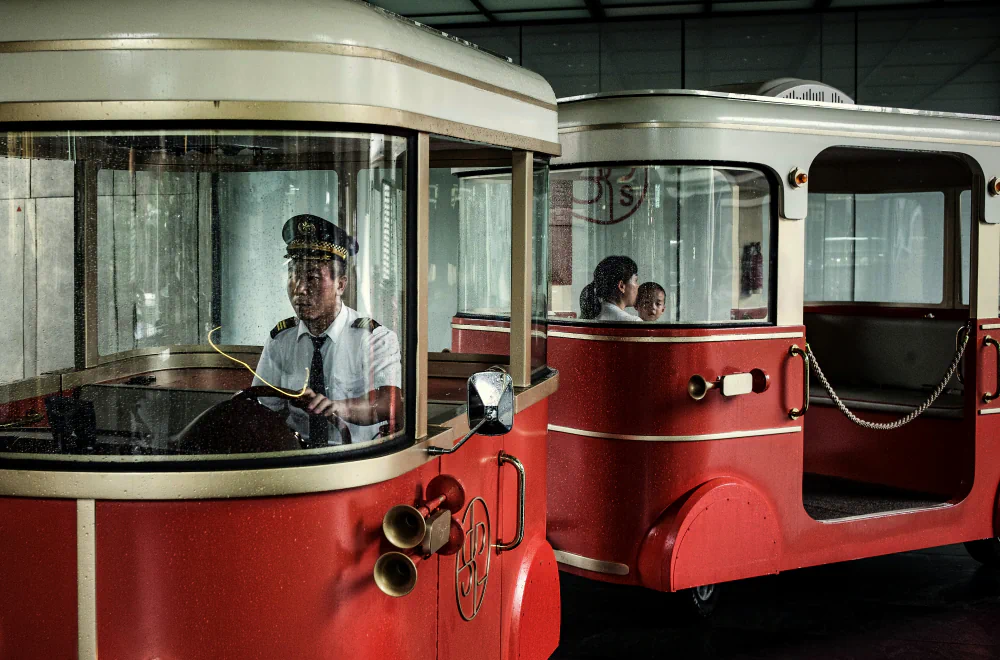
Your work has been recognized in platforms such as Leica LFI Gallery and PhotoVogue. What does that kind of recognition mean to you?
This recognition means a lot to me. It is sincere affirmation of my personal photography and visual style. It also brings me great encouragement, letting me know my observations and emotions can resonate with more people. Besides, it pushes me to keep creating and explore street photography with more depth.
You have received numerous international awards. How do they affect—or not—your daily practice?
Awards are great encouragement and recognition of my work, but they don’t change my daily creative rhythm. I never shoot just for awards. For me, street photography is still a personal way to record life and express my feelings. I keep shooting with the same passion and focus on capturing genuine moments in everyday life.
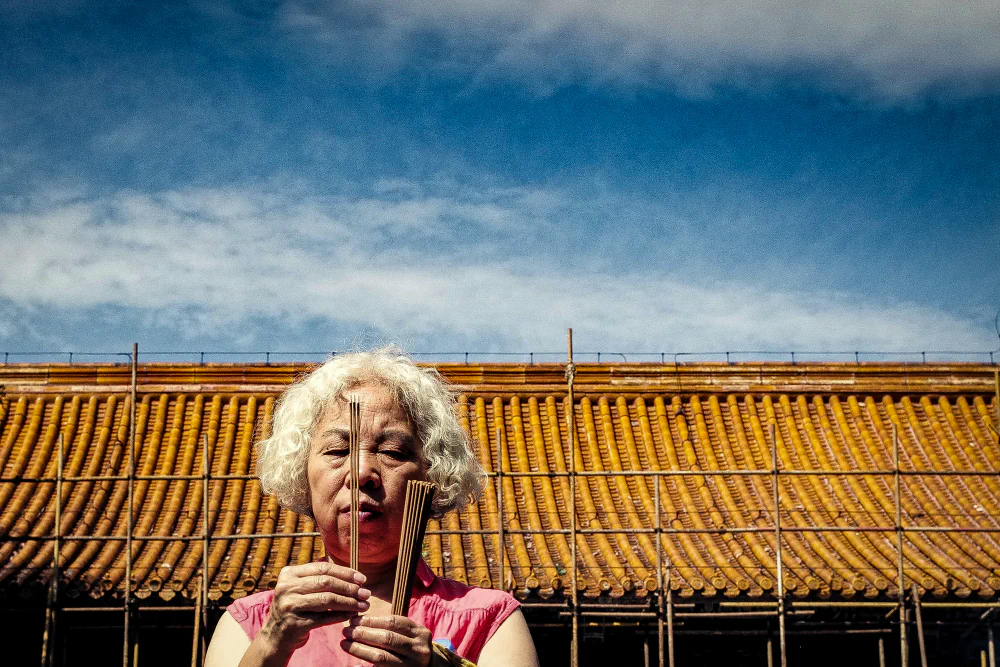
What do you look for in an image today that perhaps was not important to you ten years ago?
Today, I value true emotion and subtle human warmth in my photos, something I overlooked ten years ago. Back then, I focused more on composition and visual skills. Now, I prioritize authentic stories, inner moods and quiet details behind each scene. I hope my images can convey deeper feelings and leave lasting resonance.
How do you see the evolution of street photography in an increasingly saturated visual world?
In today’s oversaturated visual world, street photography has become more accessible yet highly competitive. Technical skills are no longer enough. I believe genuine emotion, unique perspective and personal storytelling are what make work stand out. As visuals keep flooding our lives, street photography needs more depth and quiet observation to touch people and stay meaningful.
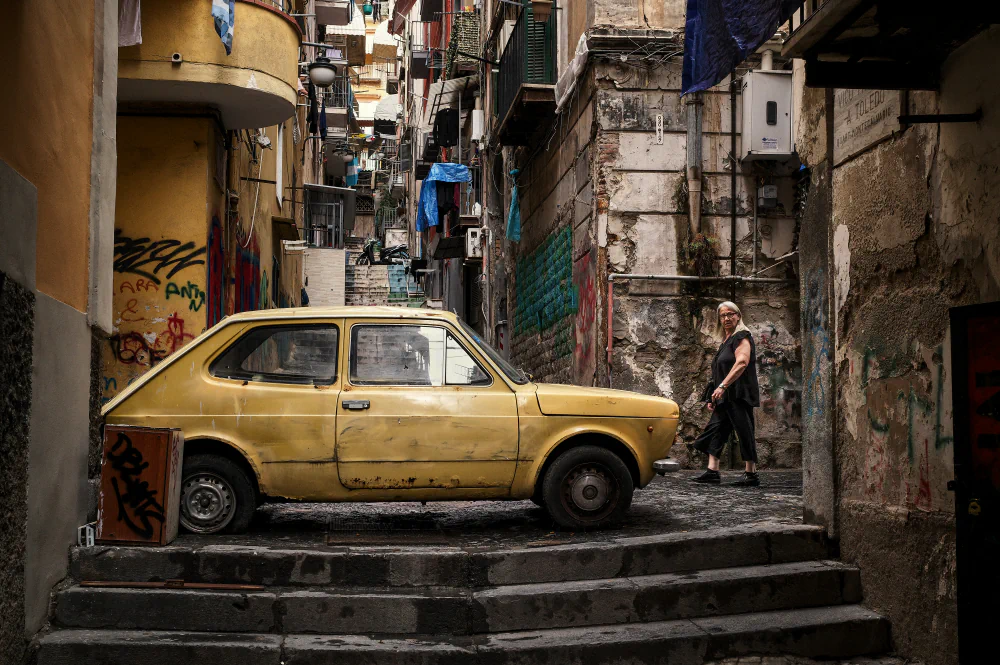
Do you think the photographer’s eye still makes a difference in this context?
Absolutely. Even with endless images online, a unique photographer’s eye still matters the most. Technical tools are widely available, but sensitive observation, personal taste and emotional insight cannot be replaced. It is the photographer’s unique perspective that turns ordinary scenes into meaningful, touching photographs.
What role do editorial and curatorial platforms play today in a photographer’s trajectory?
Editorial and curatorial platforms are vital for photographers. They offer valuable exposure, help showcase personal styles, and connect creators with wider audiences and industry professionals. They also bring professional feedback, inspire new ideas, and push photographers to grow steadily in their long-term career.
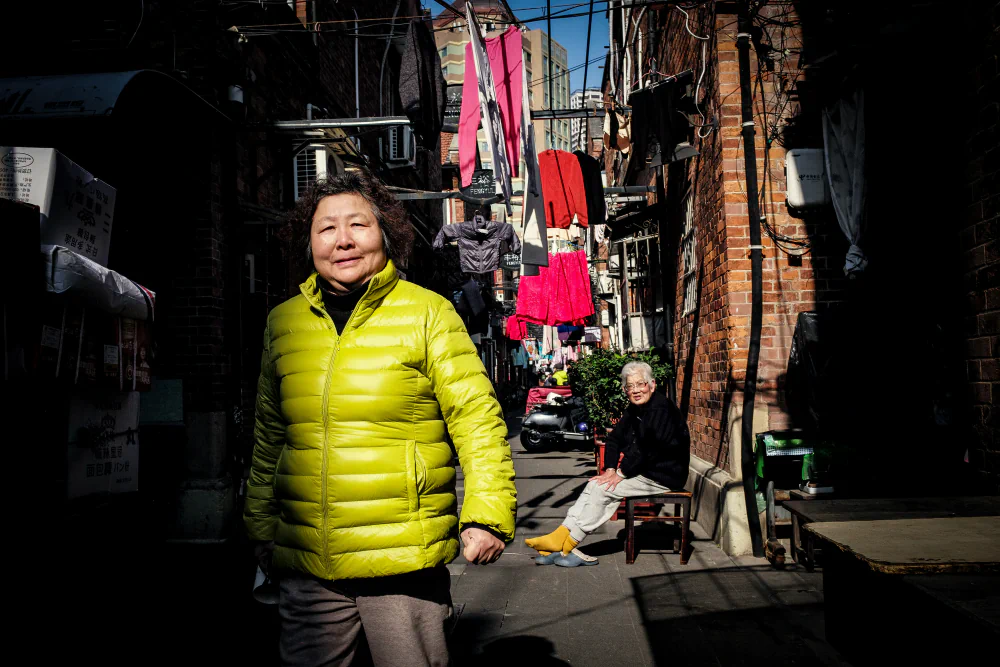
After years balancing commercial and personal work, what still challenges you creatively?
Balancing commercial demands and personal creativity remains my biggest challenge. Commercial work requires clear communication and fixed styles, while personal street photography needs pure self-expression. It is always difficult to keep my individual vision intact amid tight schedules and various client needs. Besides, I constantly push myself to avoid repetition and create more heartfelt, unique work.
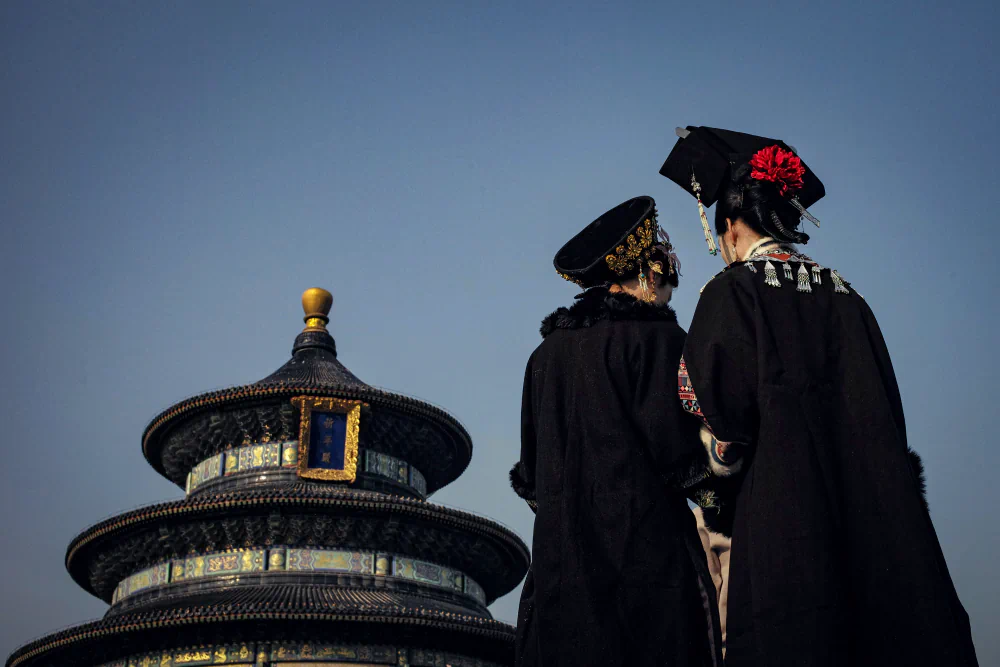
Looking ahead, what interests you most to explore in this next stage of your work?
Moving forward, I hope to explore delicate human emotions and diverse cultures through street photography. I plan to slow down and capture subtle everyday moments, documenting the connection between people and cities. I also have two new long-term projects that I will spend the next few years completing.