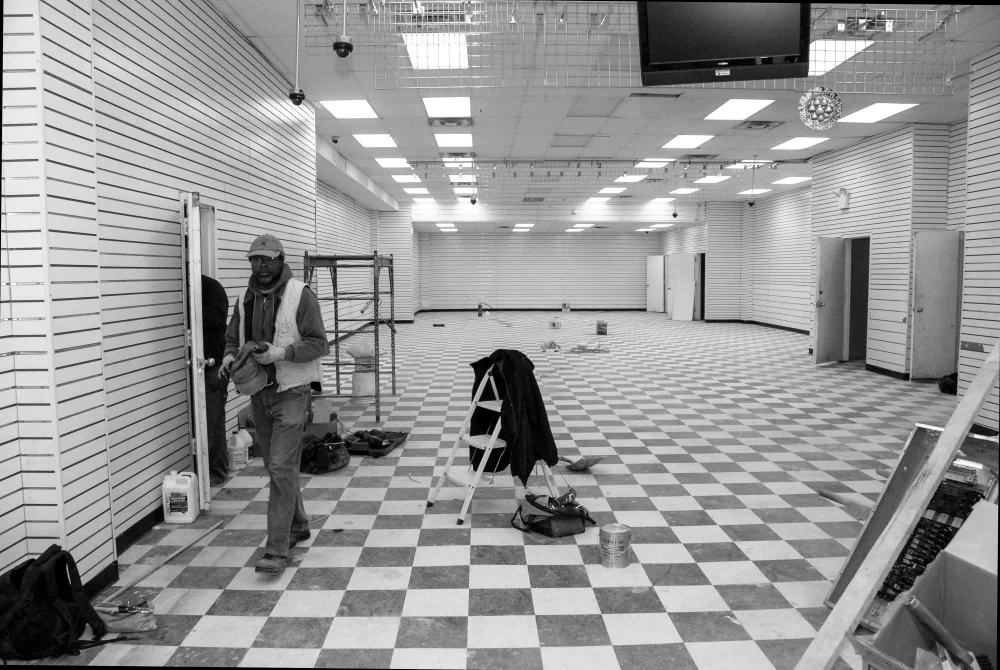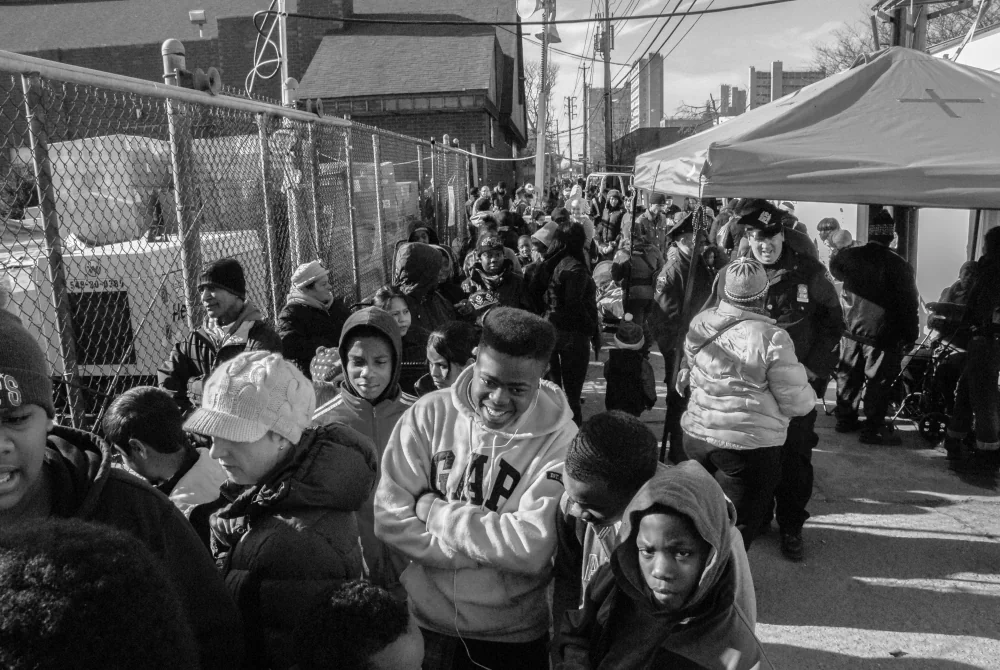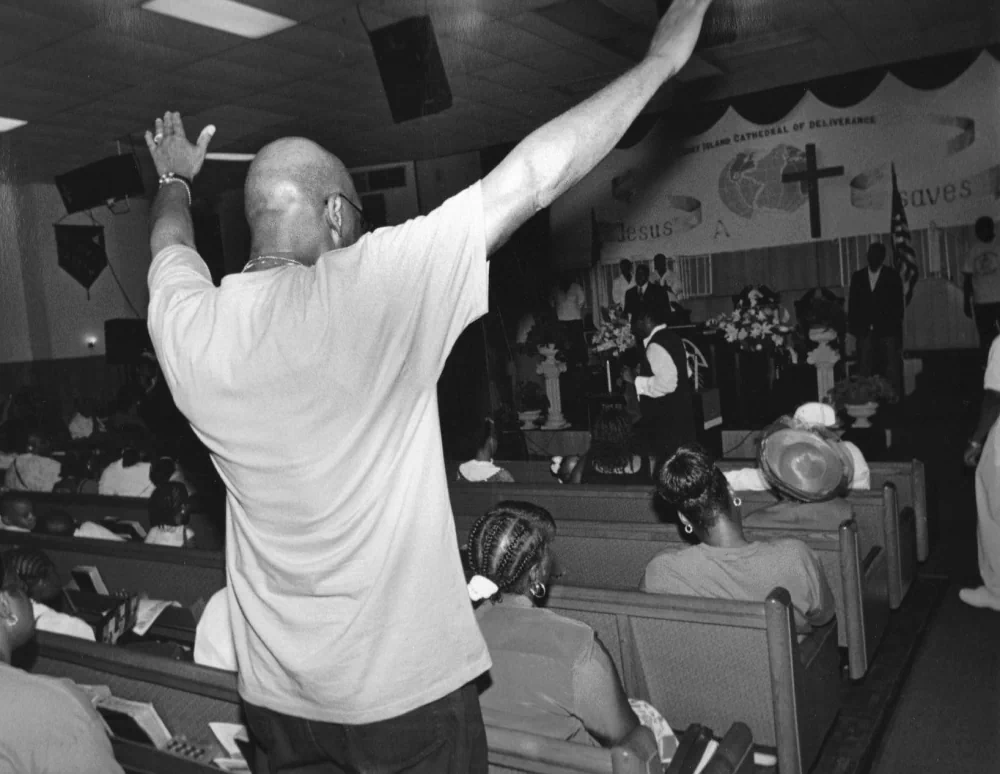


In the summer of 1990, Steve Hoffman began to use his camera in a completely different way.
Until then, photography had only been something occasional for him, limited to vacations, holidays, and family moments.
He had never considered it an important part of his life, nor did he imagine it could eventually become such a meaningful form of expression.
That same summer, he started working in Manhattan and commuting every day from Long Island into the city on the Long Island Rail Road. Each morning and evening he passed through Penn Station, and what he encountered there deeply affected him. The number of homeless people sleeping in the station, sitting along the corridors, or living on the streets nearby was overwhelming. It was impossible to ignore. Day after day, he saw the same faces, the same exhaustion, the same invisible lives moving through one of the busiest places in New York.
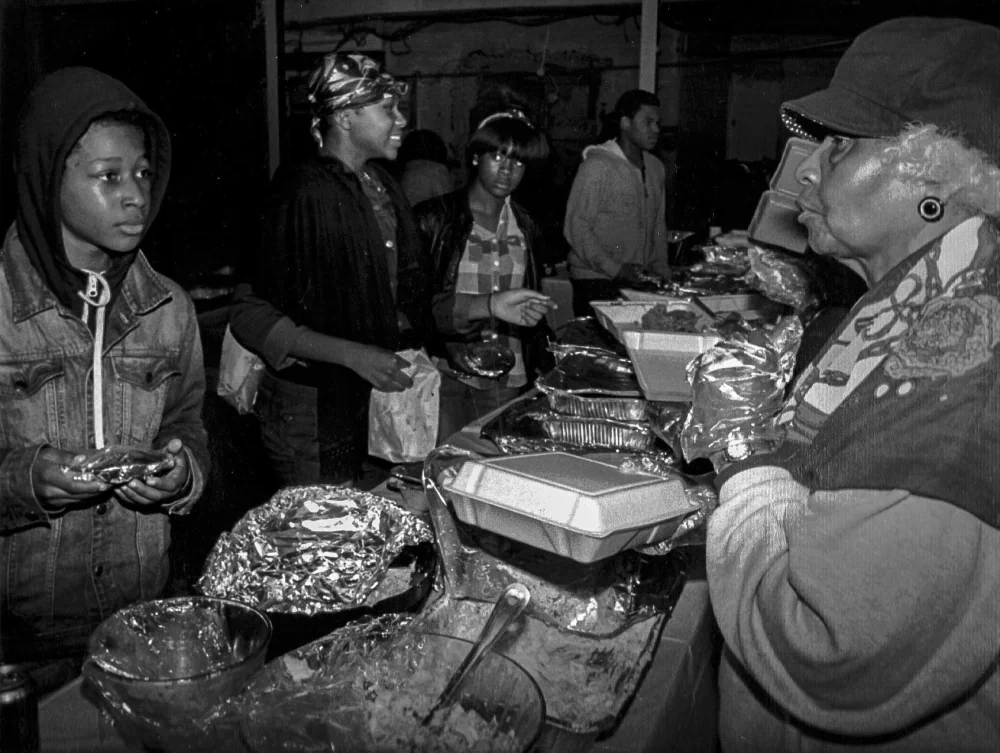
After several months of witnessing this reality, he realized that simply observing it was no longer enough. He felt the need to do something more direct and personal. Eventually, he joined an organization called the Coalition for the Homeless. Together with several other volunteers, he helped drive a truck into Lower Manhattan at night to distribute food to homeless people at designated locations. The experience changed the way he saw the city and the people living within it. It also changed the way he understood photography.
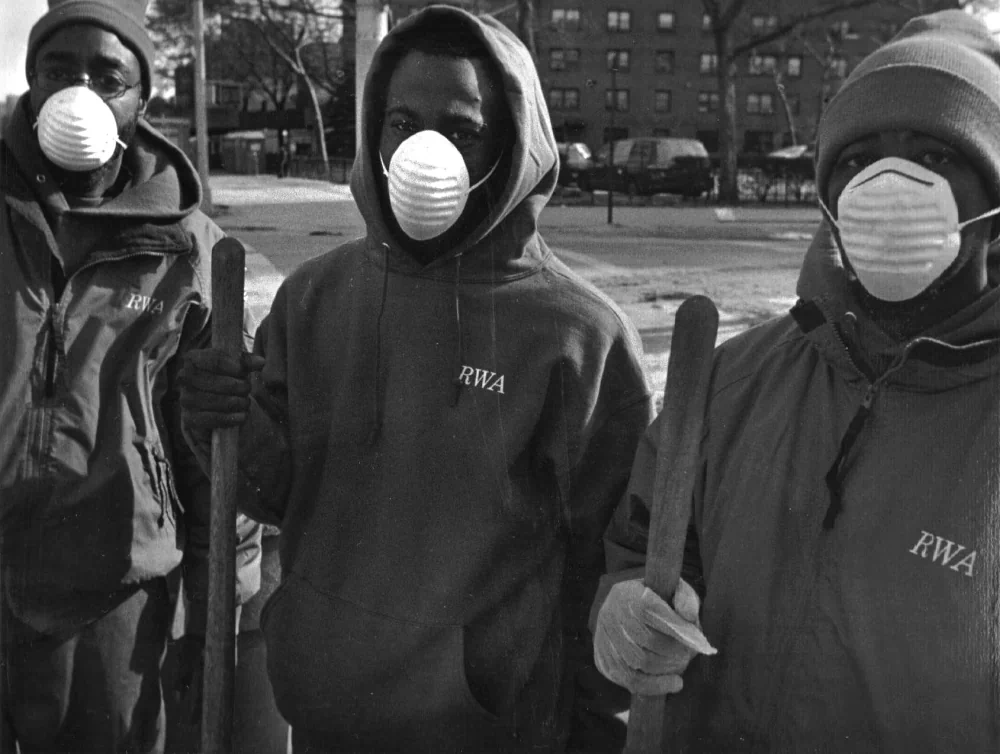
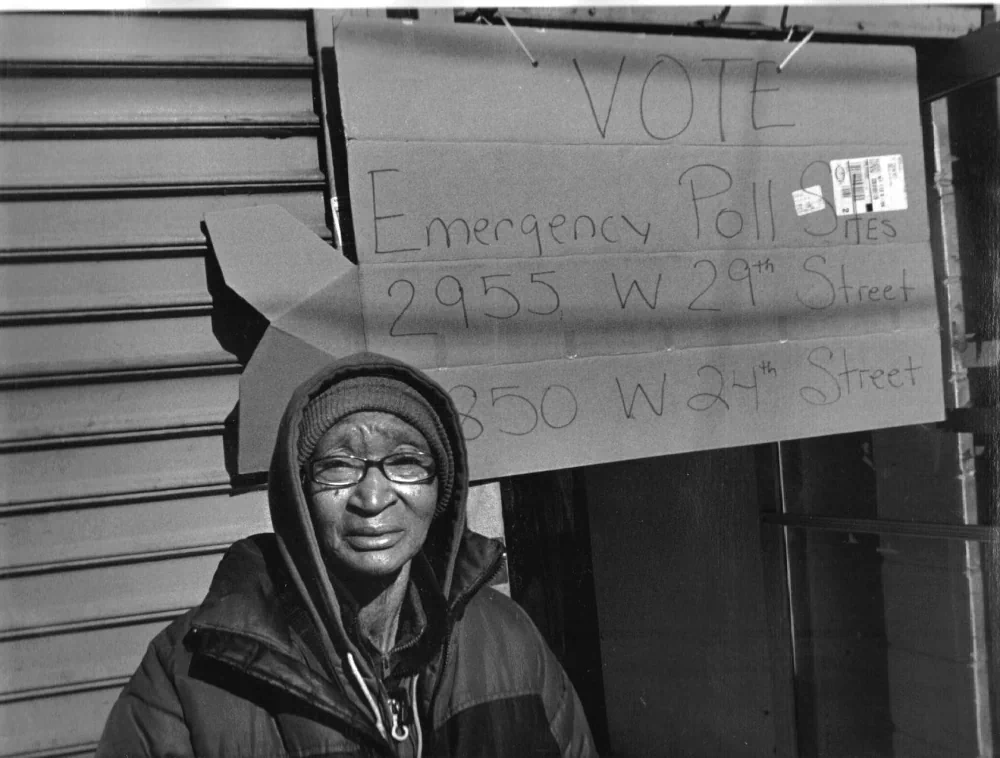
After some time volunteering, he began bringing his camera with him on Thursday nights. With permission, he slowly started photographing the people they were helping. Gaining that permission was not easy. Many people were understandably hesitant to be photographed, especially by someone they did not know. He quickly learned something that would stay with him throughout every photographic project he pursued afterward: trust takes a long time to build, and it cannot be rushed. People need to feel respected before they allow themselves to be seen. The relationship always comes before the photograph.
To thank the people who agreed to let him photograph them, he later returned with prints of their portraits and gave each person a copy of their picture. That gesture helped create a connection and reinforced the idea that photography was not only about taking images, but also about sharing something with the people in front of the camera.
At that point, however, he had no real technical experience in photography. The pictures he was making did not match what he was feeling or trying to express. He became increasingly frustrated with the limitations of his work and realized that if he wanted to continue, he needed to learn properly. He decided to enroll in courses at the International Center of Photography, where he studied both camera technique and the process of developing and printing photographs in the darkroom.
This was an entirely new world for him. During school and college, he had focused mostly on science and history and had never developed much interest in the arts. Photography introduced him to a different way of thinking and seeing. It pushed him to become more observant, more patient, and more aware of small human moments that he might previously have overlooked.
As he continued studying, he also began visiting galleries and museums regularly to look at photographs and understand what made an image powerful. Seeing the work of other photographers helped train his eye. Slowly, he began to notice changes in the way he looked at light, composition, and people. More importantly, he started to understand that photography was not only about documenting reality, but also about communicating emotion, presence, and experience. Over time, his work improved, and so did his confidence behind the camera.
What began almost accidentally during those nights volunteering in Manhattan gradually became something central to his life. Photography gave him a way to connect with people, to observe the world more carefully, and to express ideas and emotions that he could not easily articulate otherwise. Today, Hoffman considers photography to be one of the most important parts of his life. [Official Website]