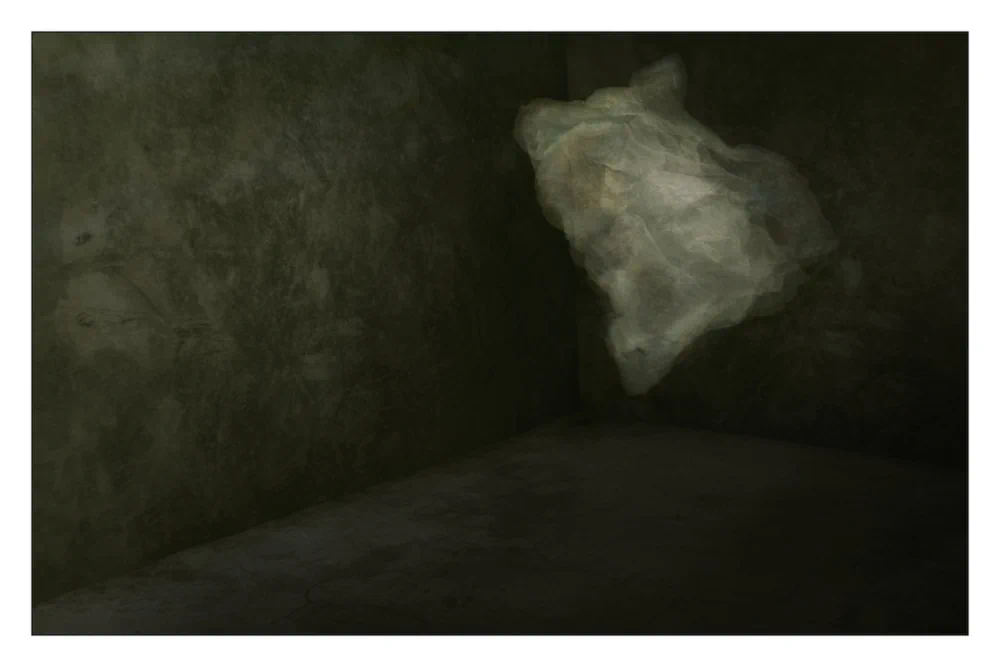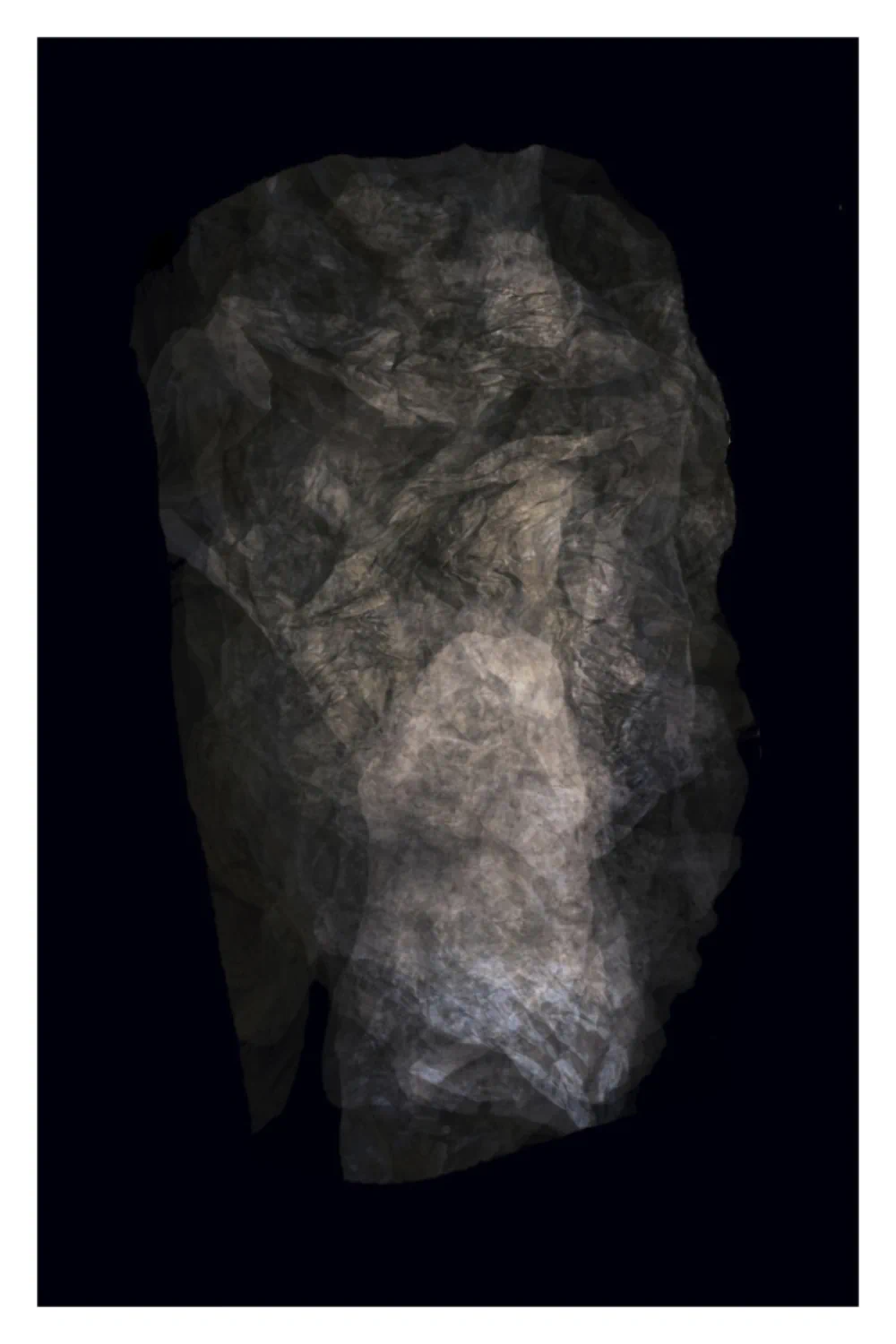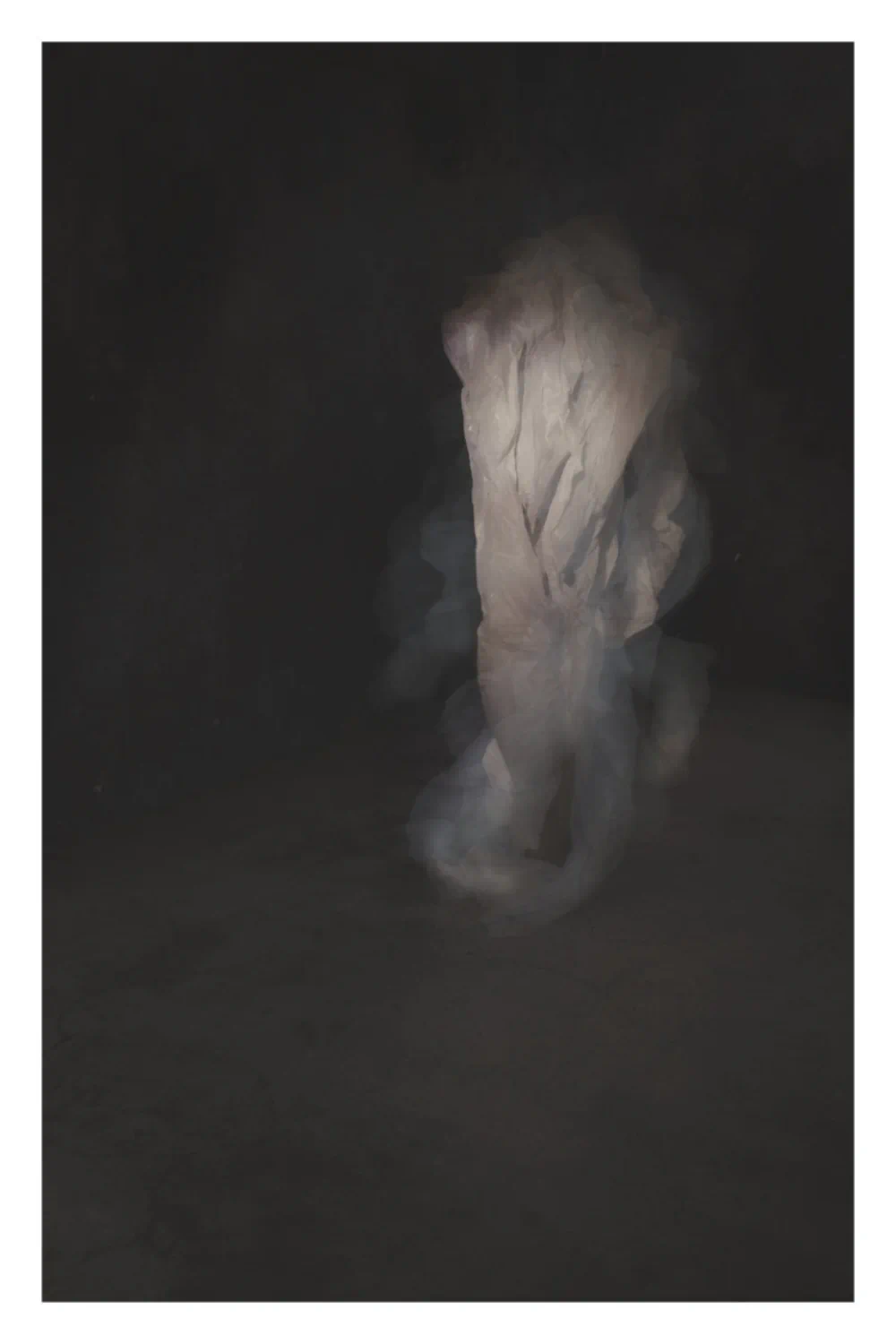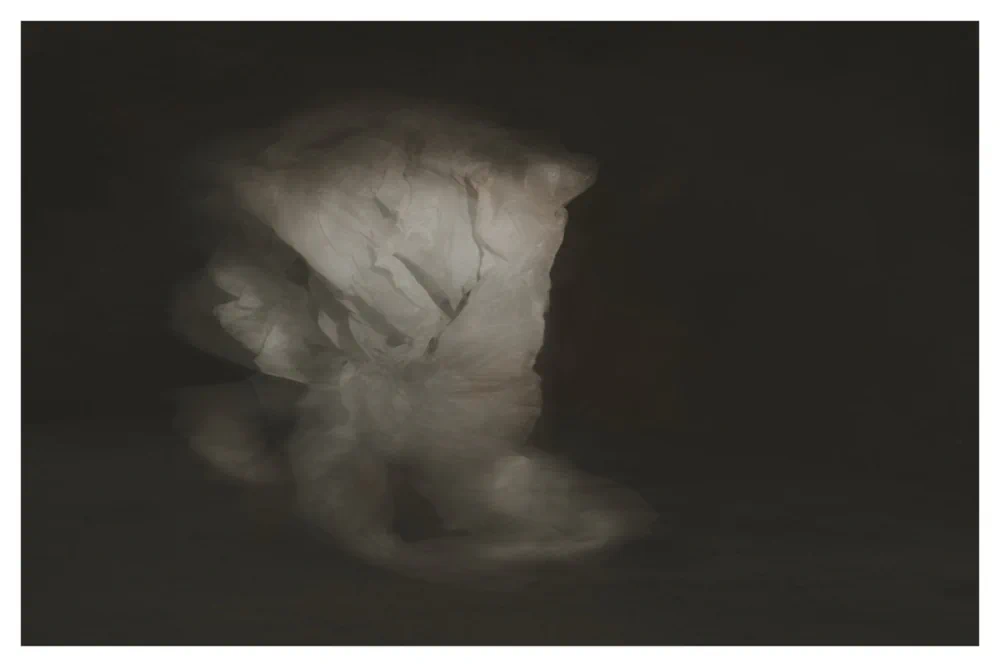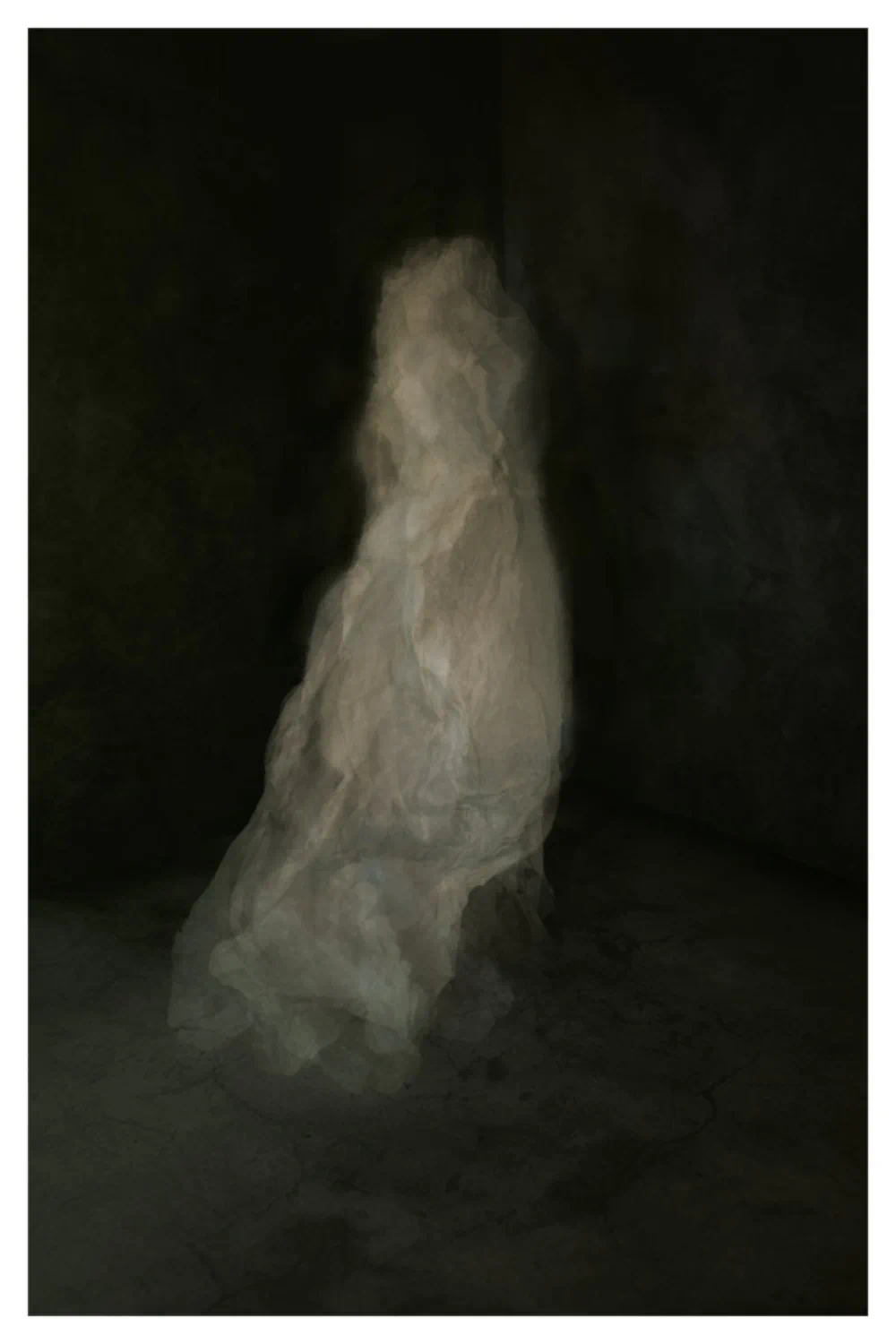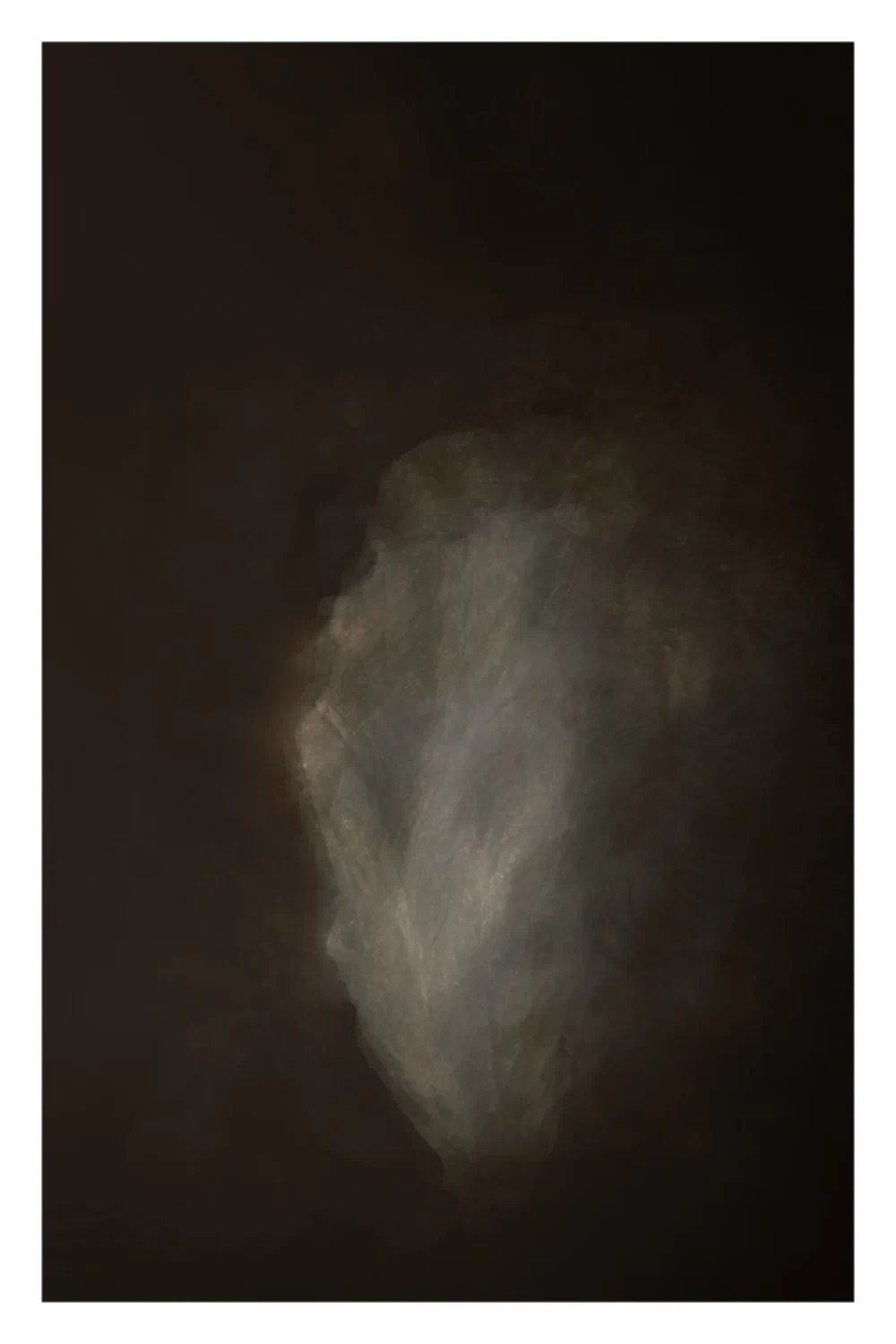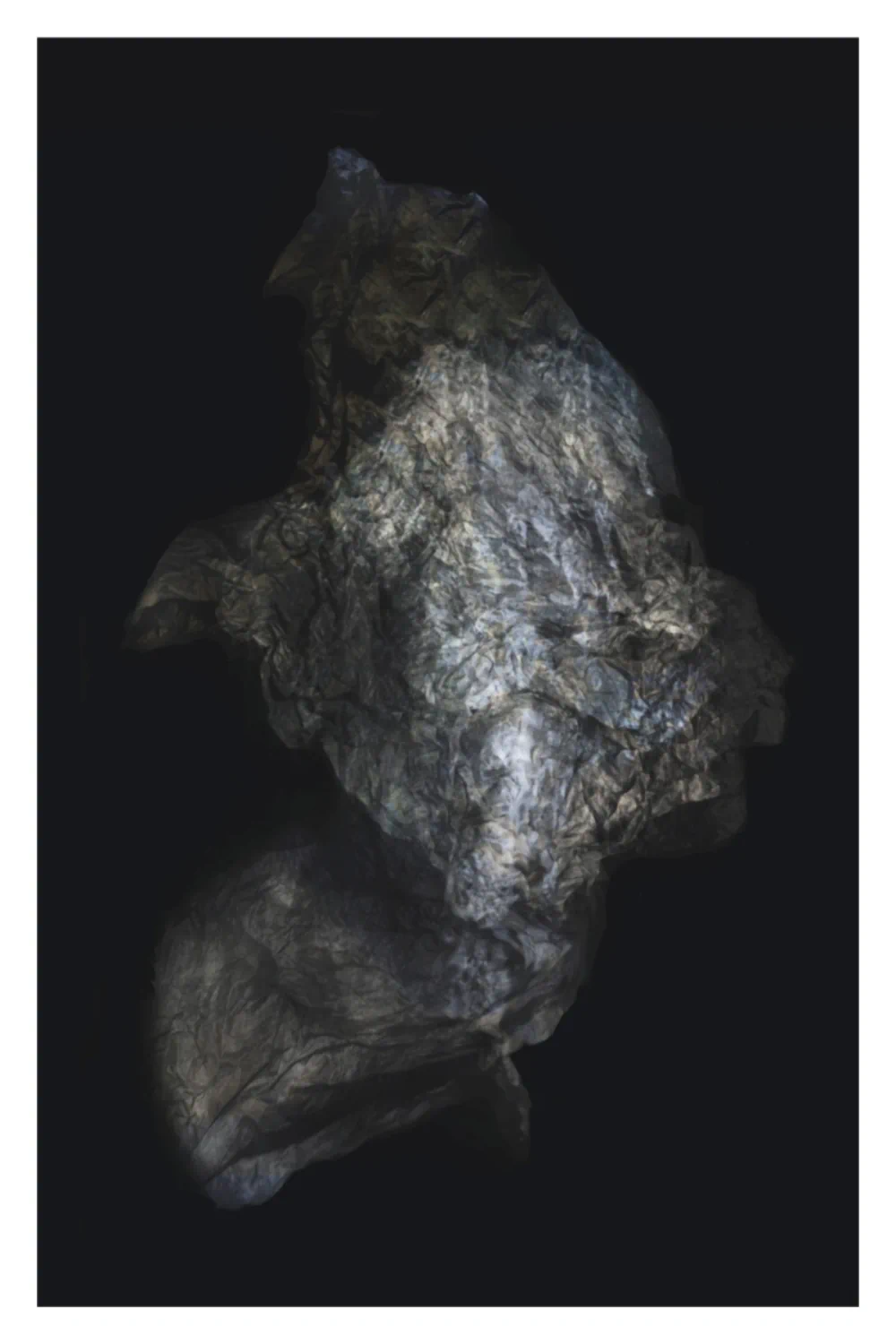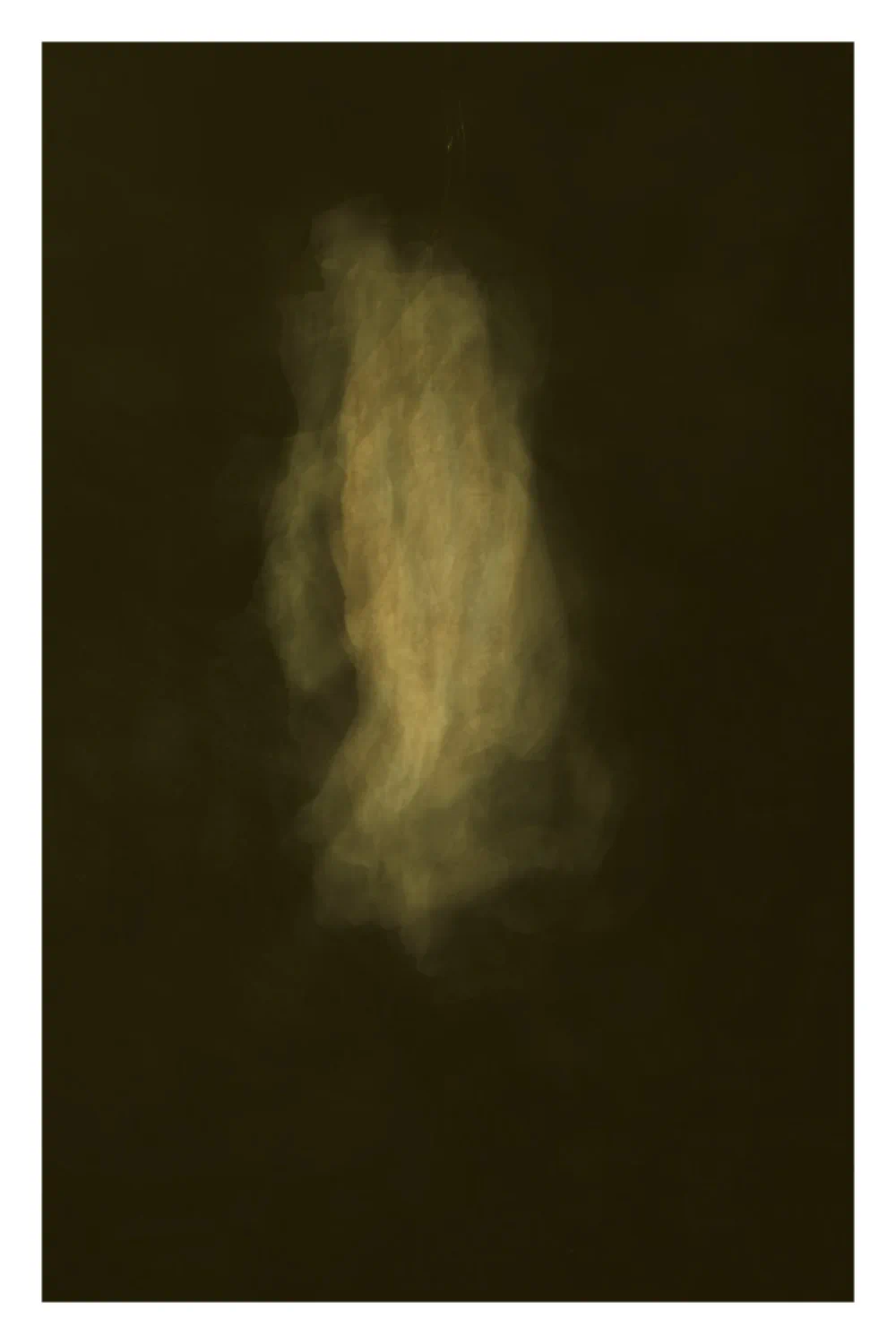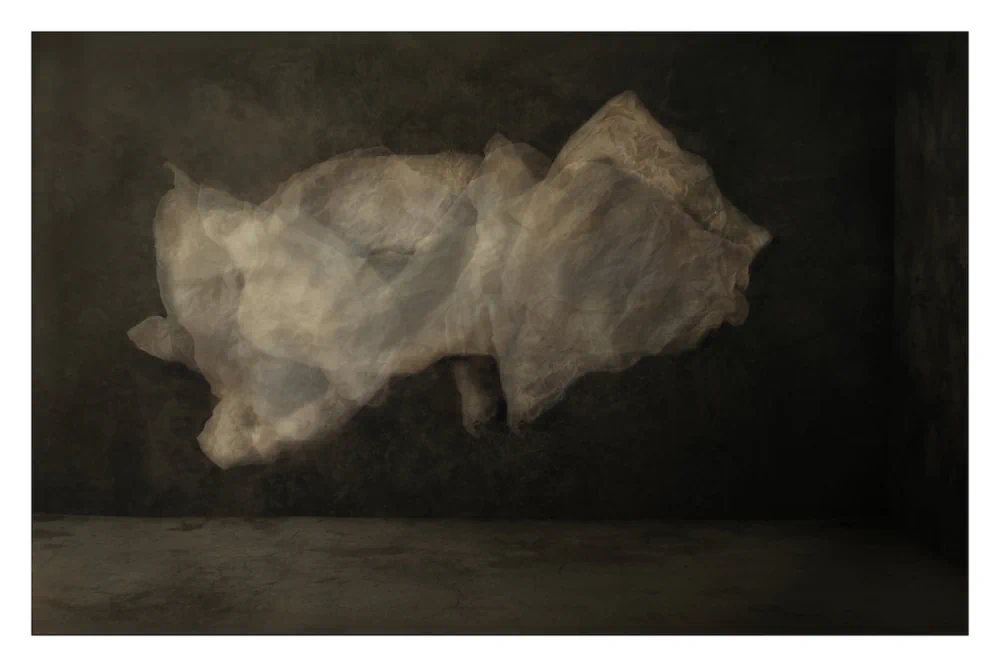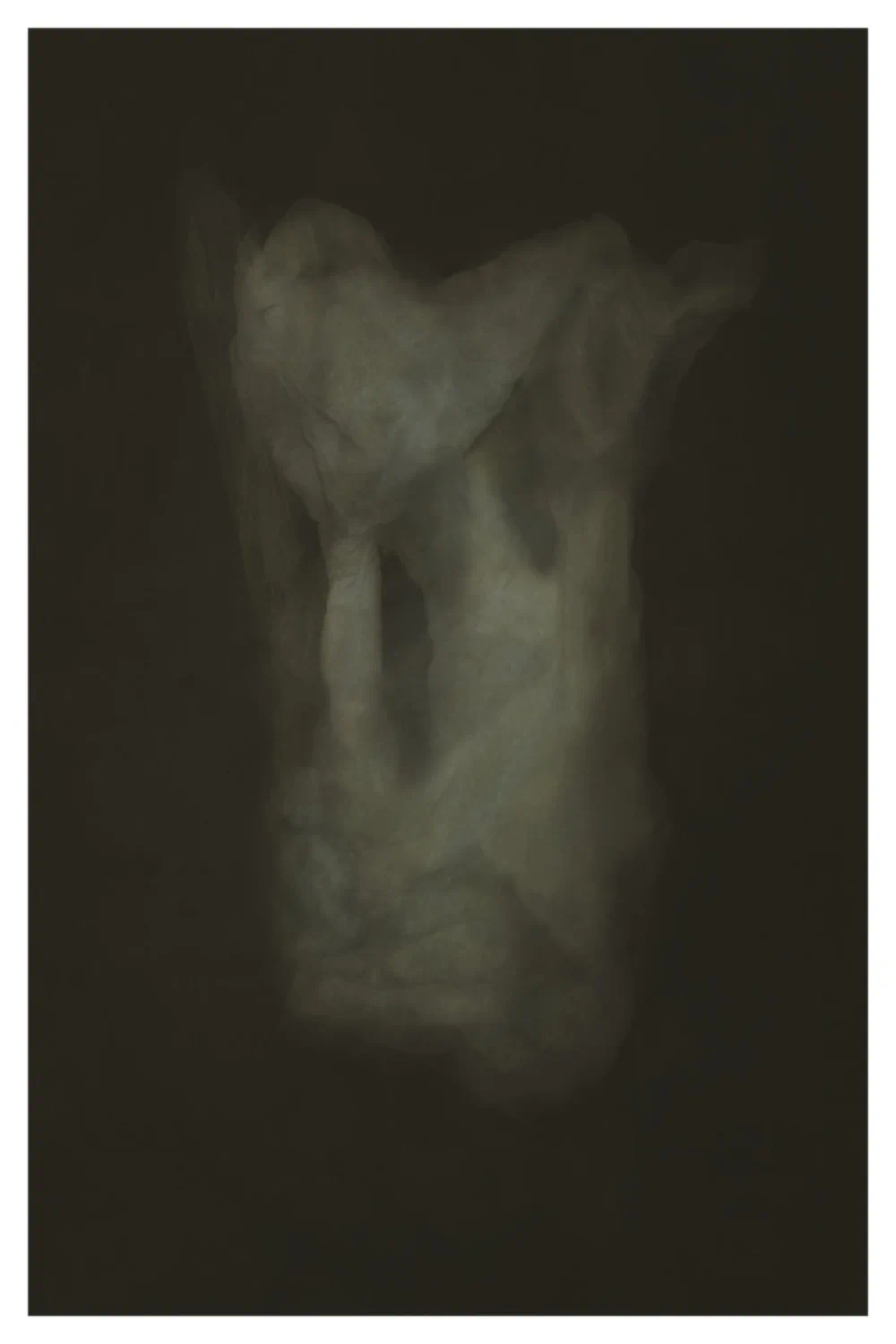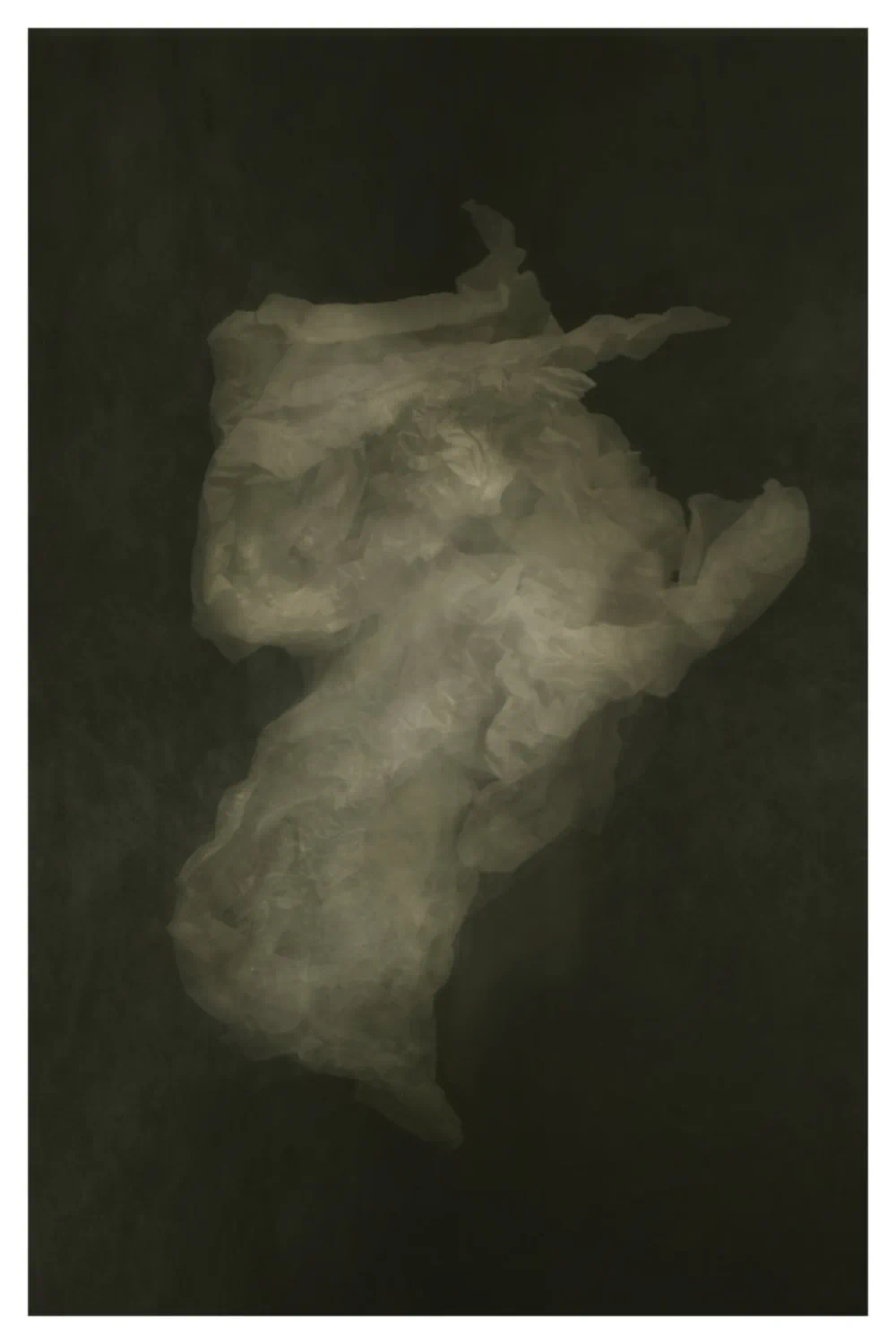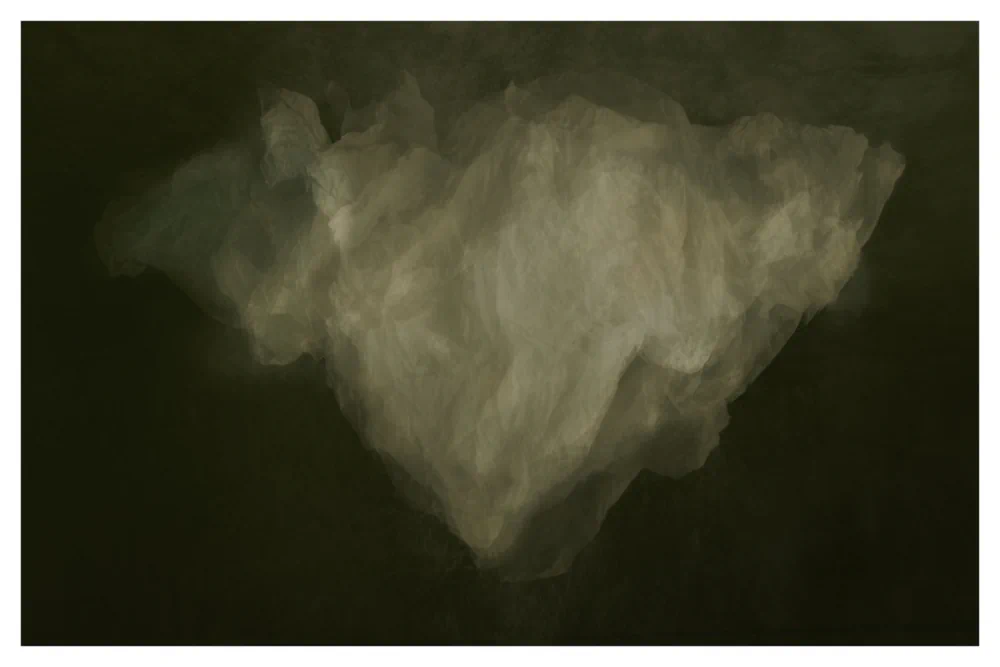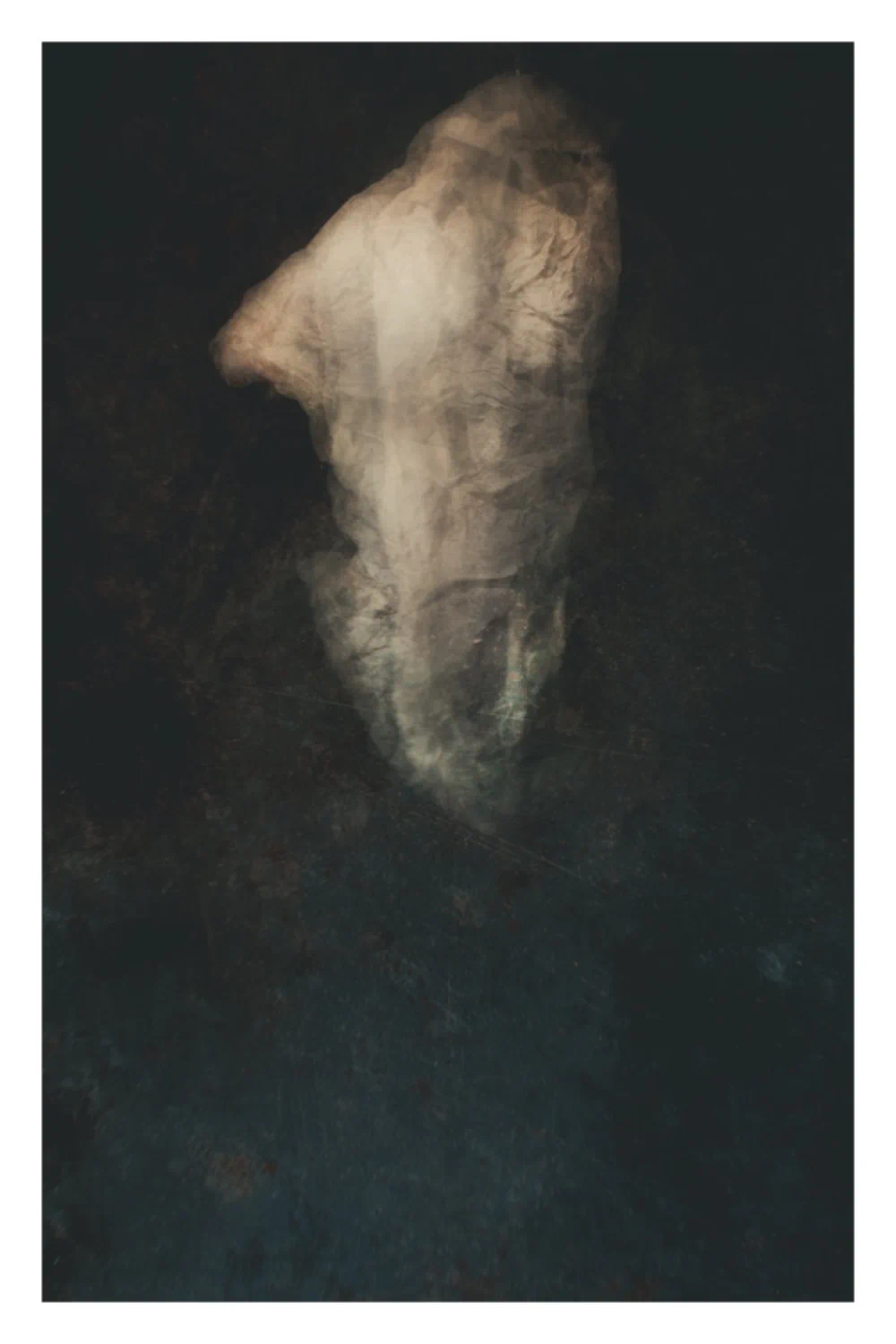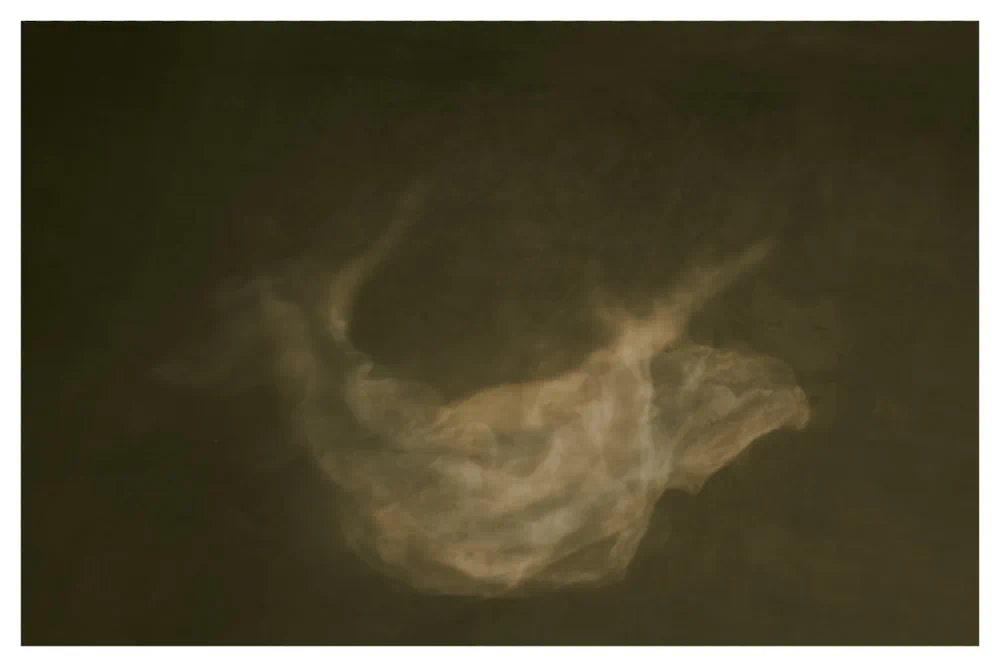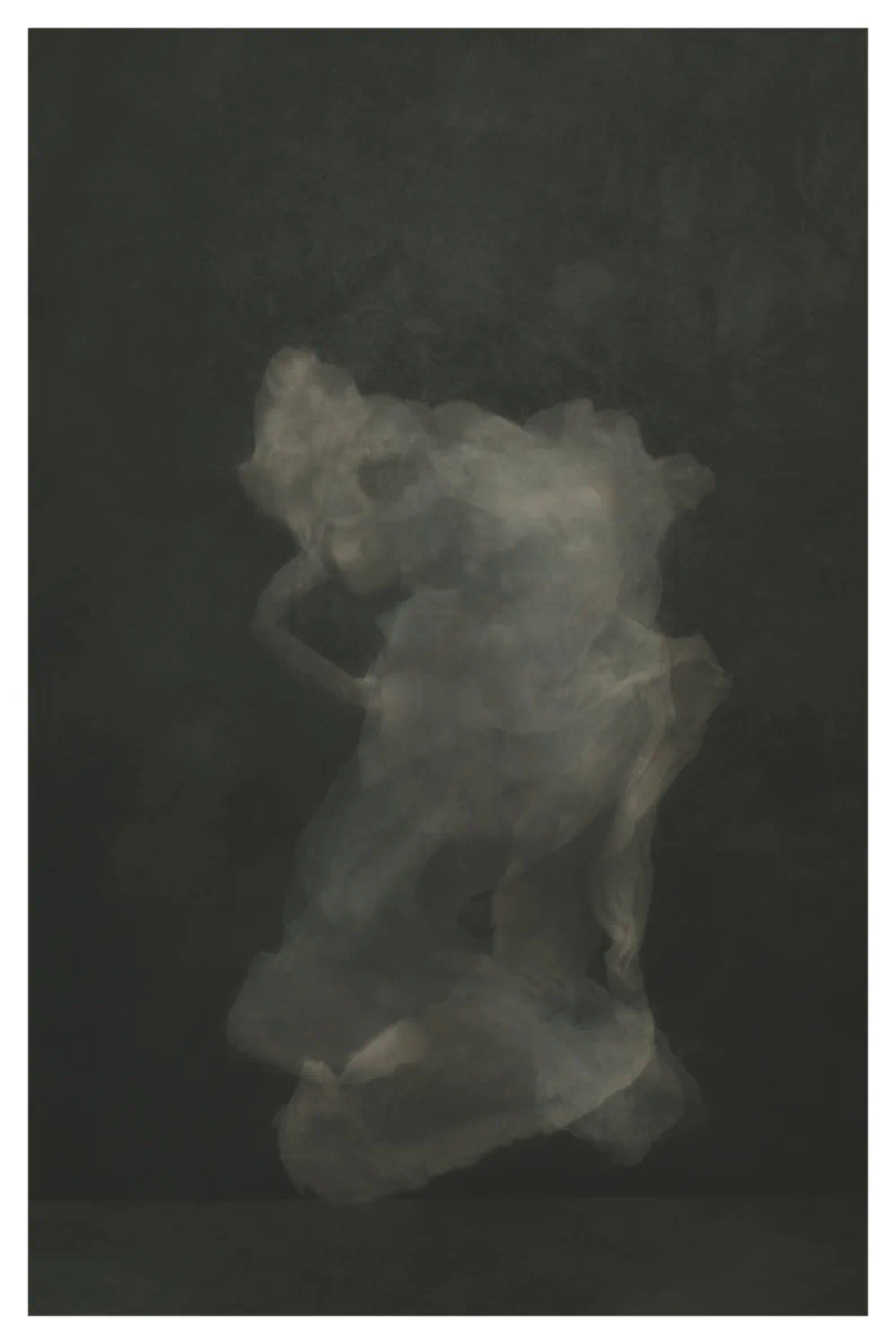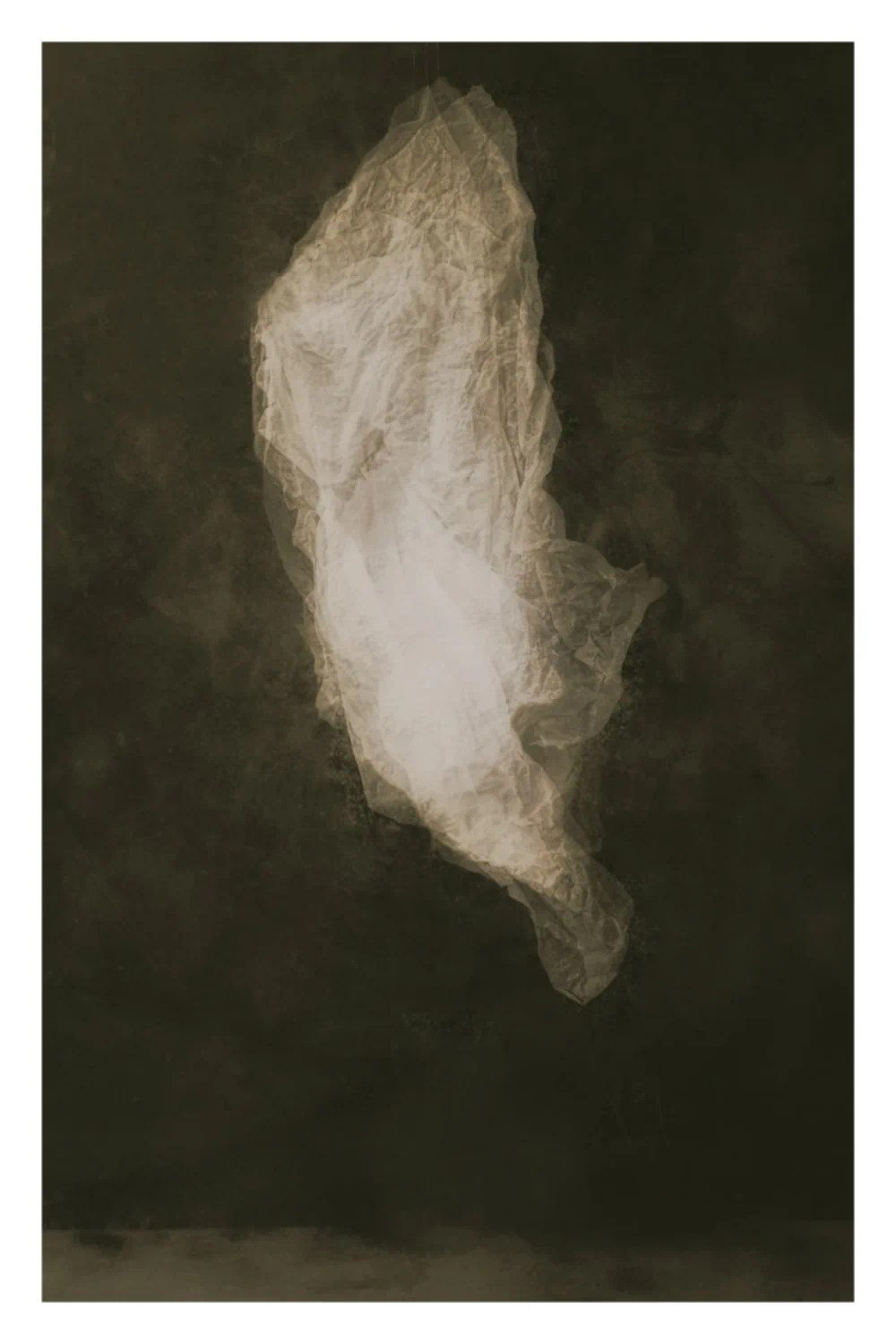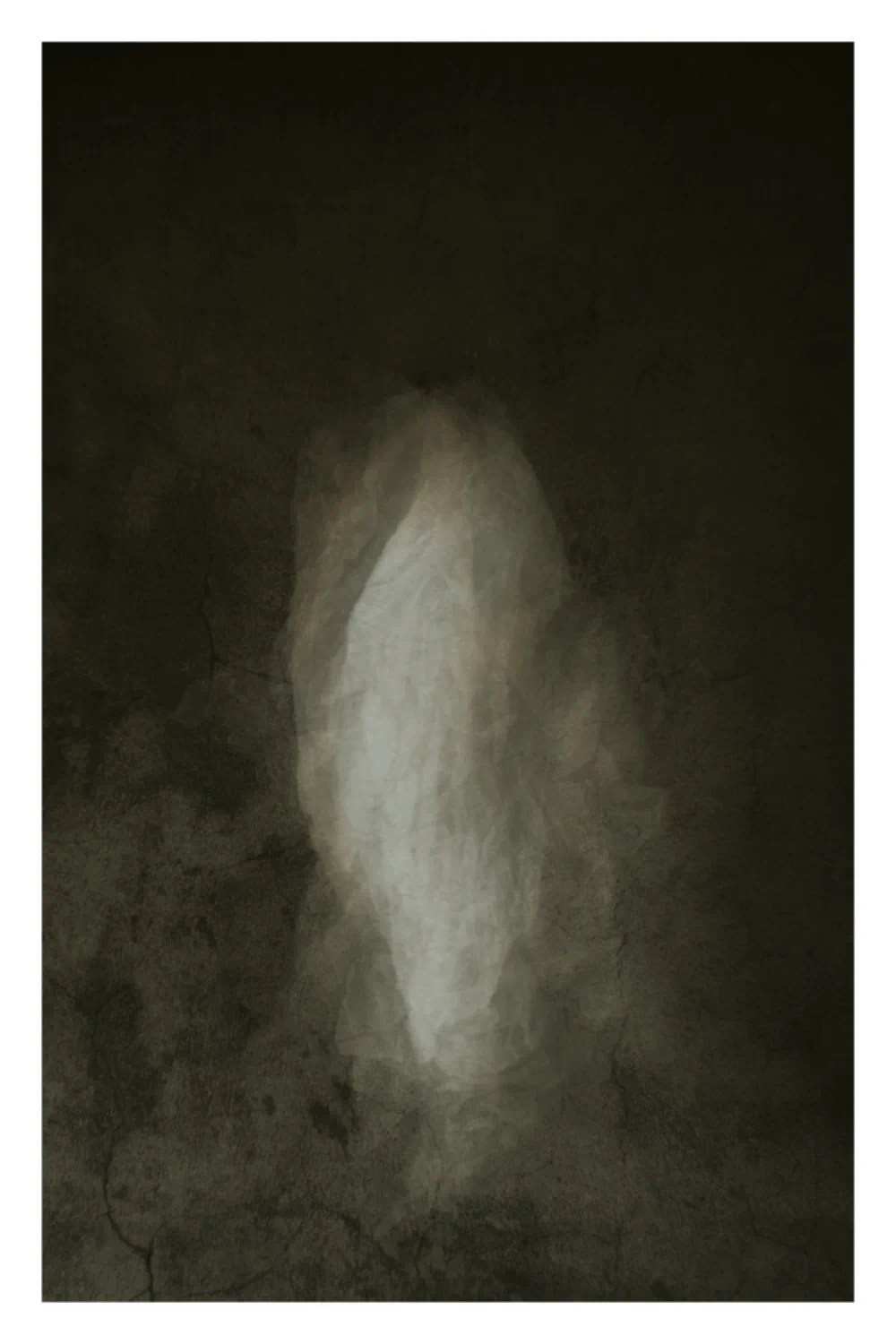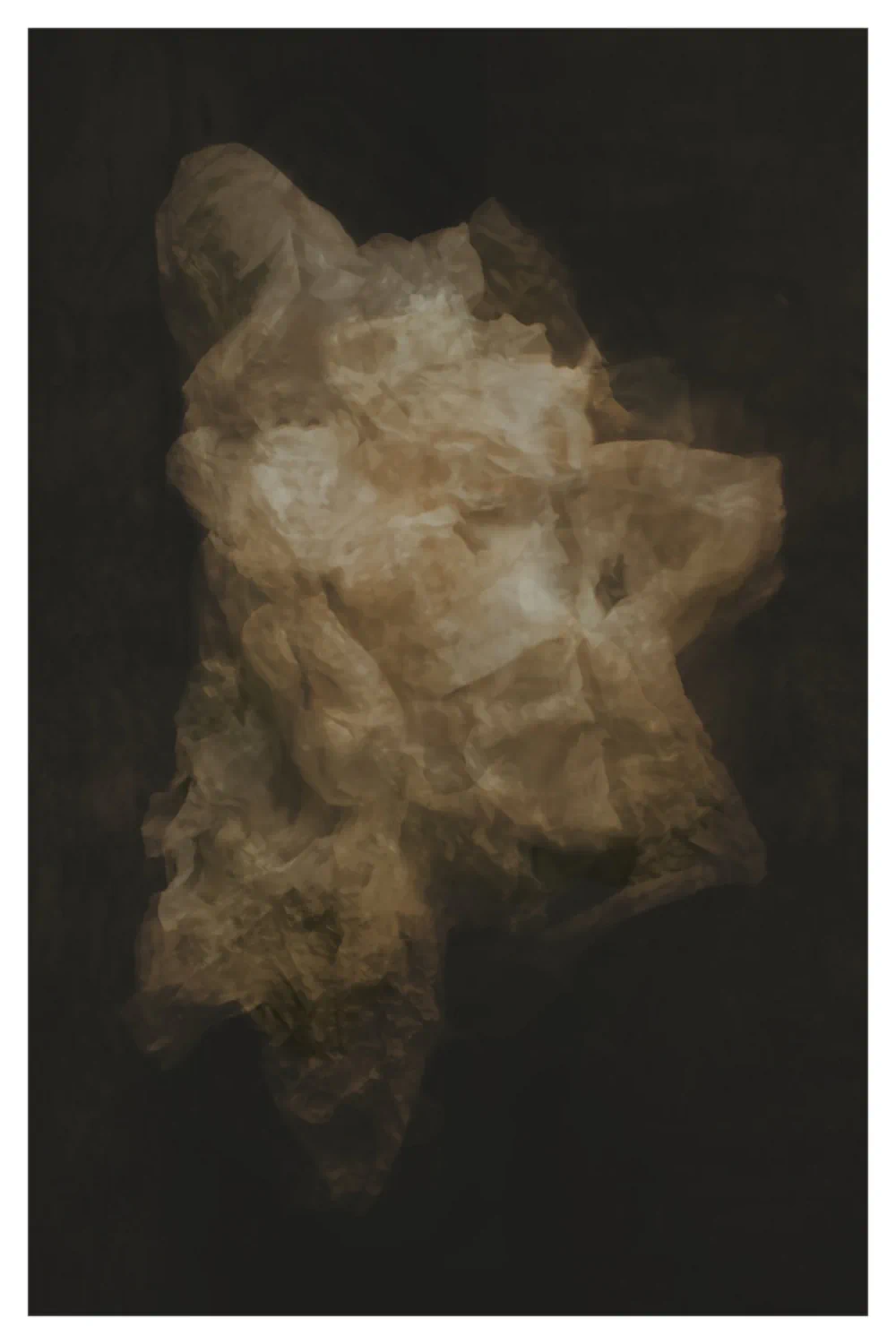


Abyssal Saints is a series of multiple-exposure, light-painted photographs that explore the liminal spaces where emotion, trauma, and autistic perception, his own way of sensing and processing the world, begin to take shape.
These images emerge from a place where the senses do not simply receive information but actively construct meaning, often in ways that feel intangible, distorted, or just beyond articulation.
By treating the camera as he would any other artist’s tool, be it a brush, pencil, or chisel, and by using long, multiple exposures while manually “painting” with light, he allows gestures, layers, interruptions, and repetitions to accumulate within a single frame. This layering disrupts the expectation of the camera as a tool for capturing a singular, objective moment and becomes a means for him to manifest what he cannot express in other ways.
In these works, he attempts to reveal internal states that resist language yet exert a profound influence over perception and behaviour. The forms that appear are not fixed or fully knowable. They shift and blur, continually struggling to achieve a stable state of being, simultaneously recognisable and alien.
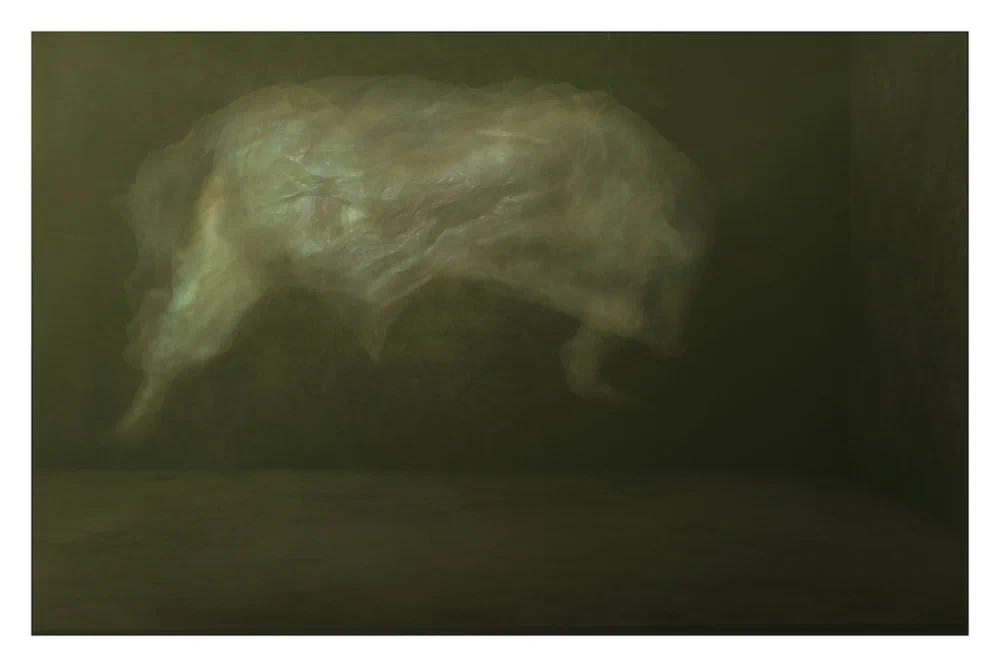
The associations he applies to these manifestations, such as saints, lost or false prophets, raise questions that sit at the core of the series: what are these presences that seem to inhabit us? Are they echoes of past experiences, manifestations of trauma, or protective or destructive constructs shaped by the mind? Should they be listened to, trusted, rejected, or integrated? And what does it mean when the boundary between the self and these “prophets” begins to dissolve?
For him, autistic perception plays a significant role in shaping these images. Sensory input can feel heightened, fragmented, and often overwhelming, while emotional experiences frequently manifest, often unbidden, as intense physical sensations. The work does not attempt to explain this condition but rather to translate it into a visual language that reflects its intensity, ambiguity, and capacity for disorientation, fear, and insight.
The darkness surrounding these forms is not simply a backdrop but an abyssal, benthic space in which these presences are created, emerge, twist, and struggle for form before receding. It suggests endless depth without offering clarity, inviting viewers to project their own interpretations and emotional responses. In this way, the images function less as representations and more as encounters, moments of recognition, discomfort, or reflection that unfold differently for each viewer.
Ultimately, Abyssal Saints is an attempt to give shape to the ungraspable. It addresses the forces that move through us, quietly or violently, without ever fully revealing themselves. By bringing these forces into a visual field, he creates a space where they can be acknowledged, questioned, and, perhaps, momentarily held.