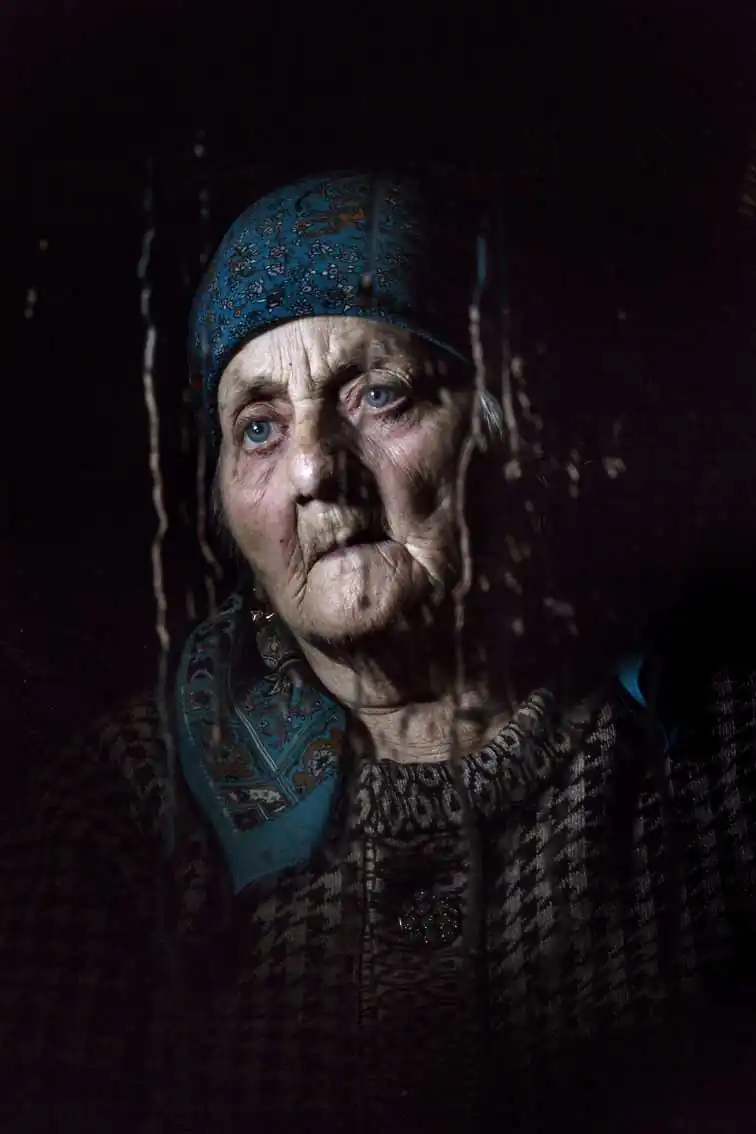


The Ordeal, 70 Years on: Last Witnesses of Stalin’s Mass Exile by Dmitri Beliakov

Josef Stalin deported the Ingush people to Siberia and Central Asia from their homes in Russia's North Caucasus in 1944. The Soviet dictator inflicted such harrowing displacements upon a number ethnic minorities deemed suspicious during the Second World War.
Jul 1, 2015
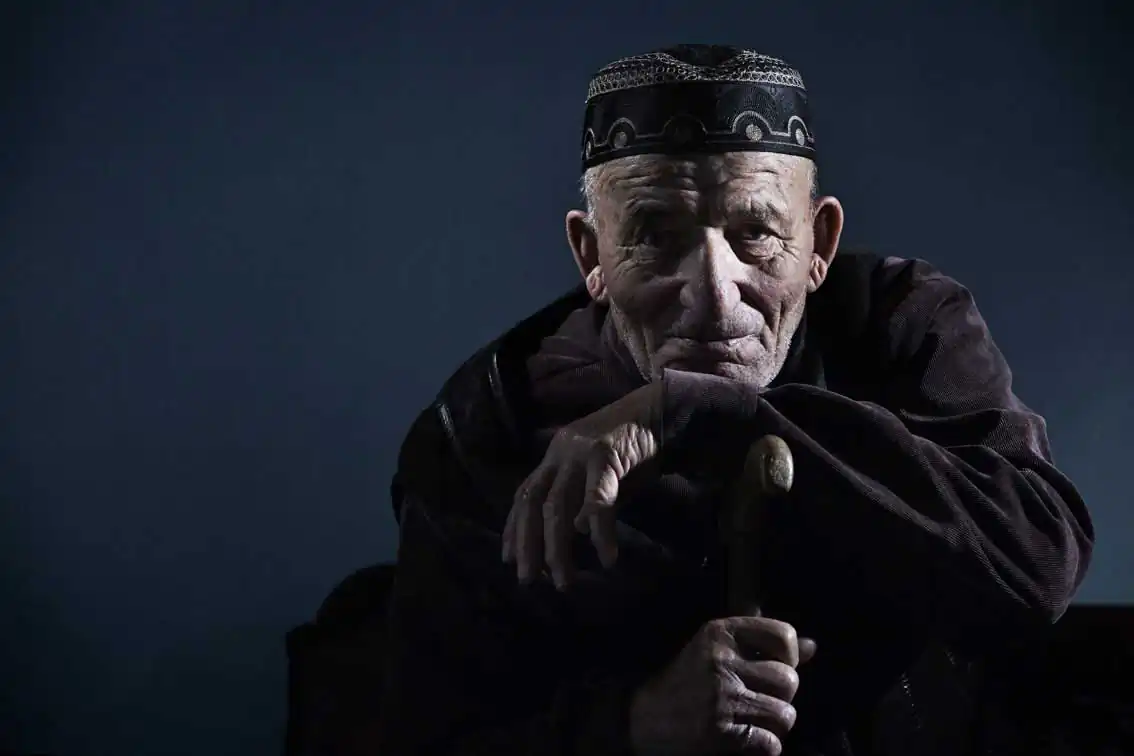
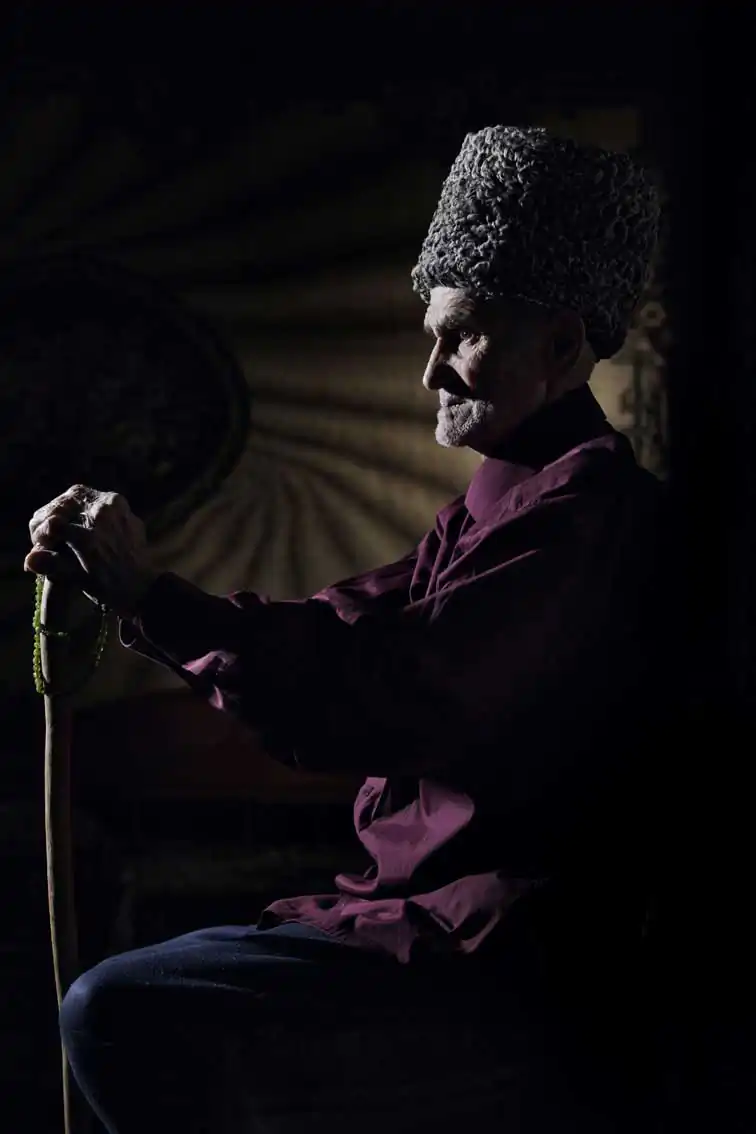
Ingush Mukhtar Yevloyev, 78 in exile began to work at the age of 8 as a cattleman.

Josef Stalin deported the Ingush people to Siberia and Central Asia from their homes in Russia’s North Caucasus in 1944. The Soviet dictator inflicted such harrowing displacements upon a number ethnic minorities deemed suspicious during the Second World War.

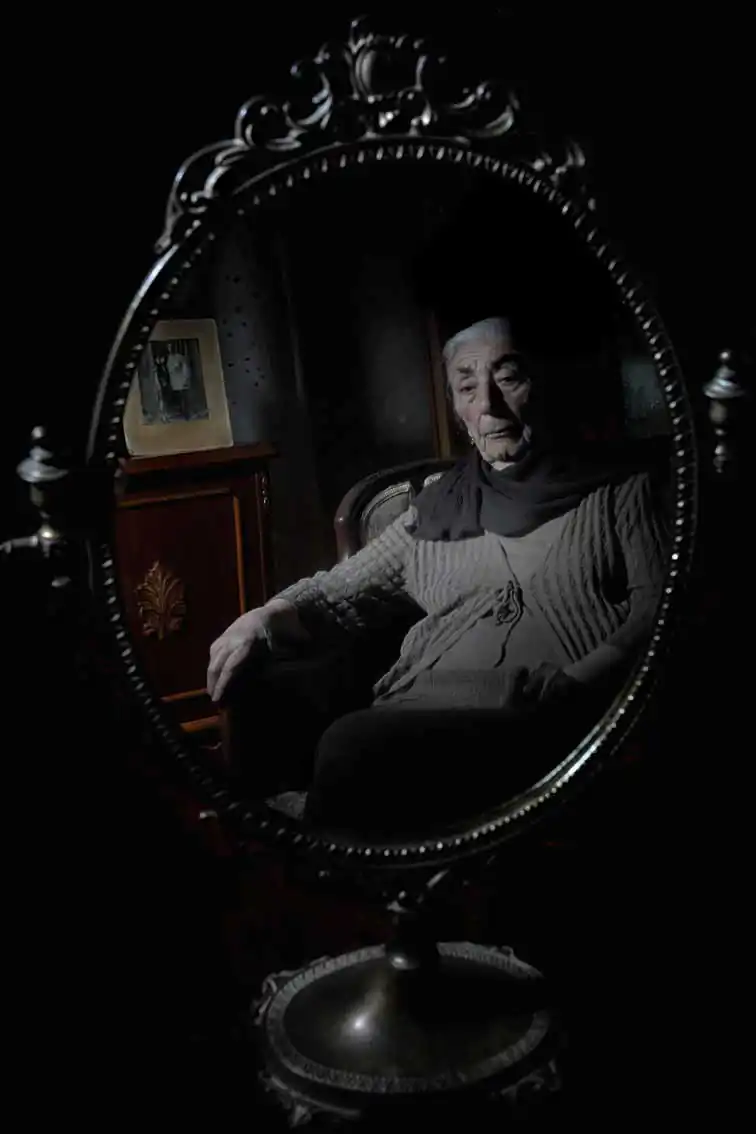
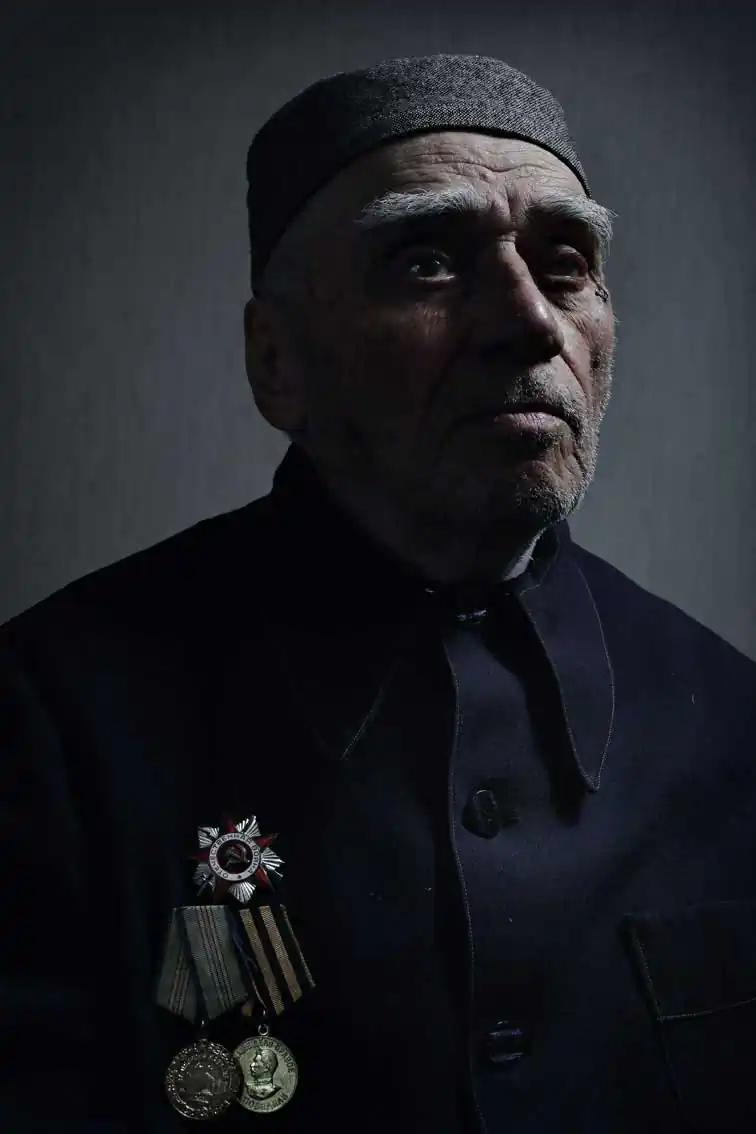
My quest to document the last remaining survivors of the Ingush deportation was driven by a sense of time slipping away — the witnesses to this tragedy were disappearing, the last chance to preserve their memory was upon us. Working alongside Taissa Isayeva, a well-known Chechen human rights activist, I tracked down survivors of the deportation, interviewed them and took their portraits.

The project proved difficult. Without any sponsorship, I was trying to cobble together money while working on the portraits on my own. I traveled all across the Caucasus — Chechnya, Dagestan, Ingushetia, North Ossetia — until finally I managed to get a big break. Through Svetlana Gannushkina, a well-known Russian migrant rights activist, I made contact with Yunusbek Yukurov, the head of the republic, who recognized the historical importance of the project and agreed to provide sponsorship.

Through that support, we managed to complete the project and display the portraits at a large exhibition in Magas, the capital of Ingushetia, in February of 2014. Later, the same exhibition was displayed at the State Gulag Museum in Moscow. This year, the project won first place for “print feature story editing” at the Pictures of the Year International competition and second honorable mention for “magazine personality profile or lifestyle story” at the NPPA Best of Photojournalism Awards. The project has been promoted by the Russian Reporter magazine
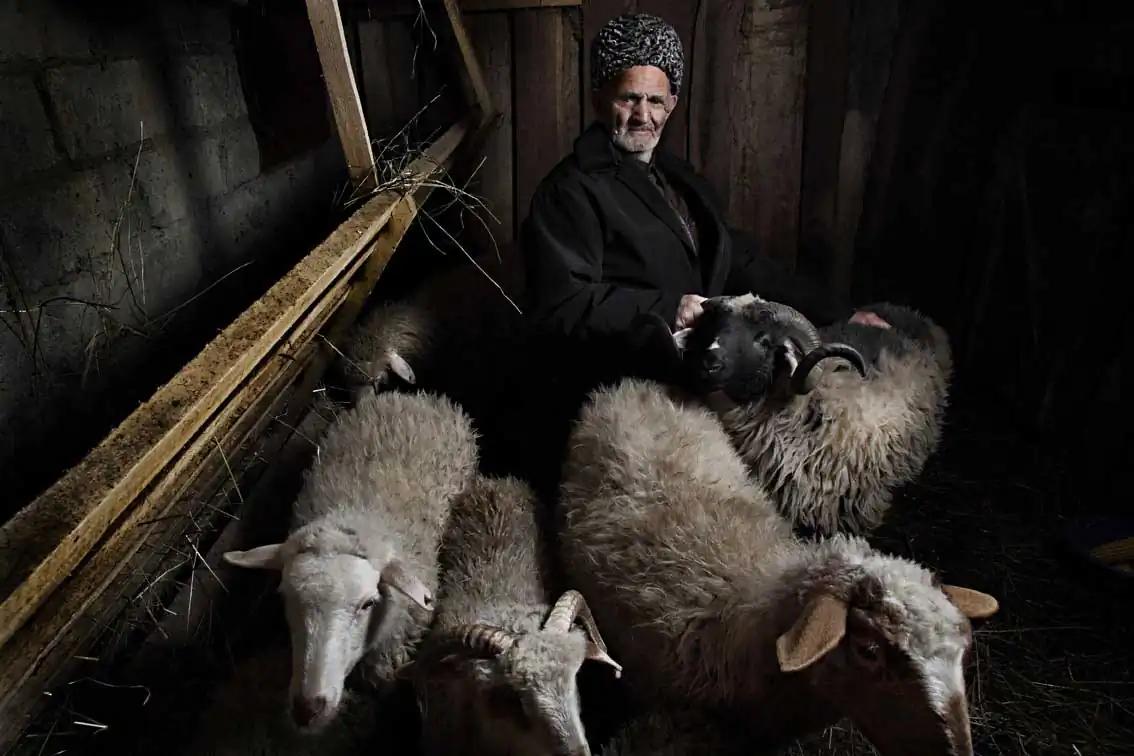
Ingush Mukhtar Yevloyev, 78 in exile began to work at the age of 8 as a cattleman.
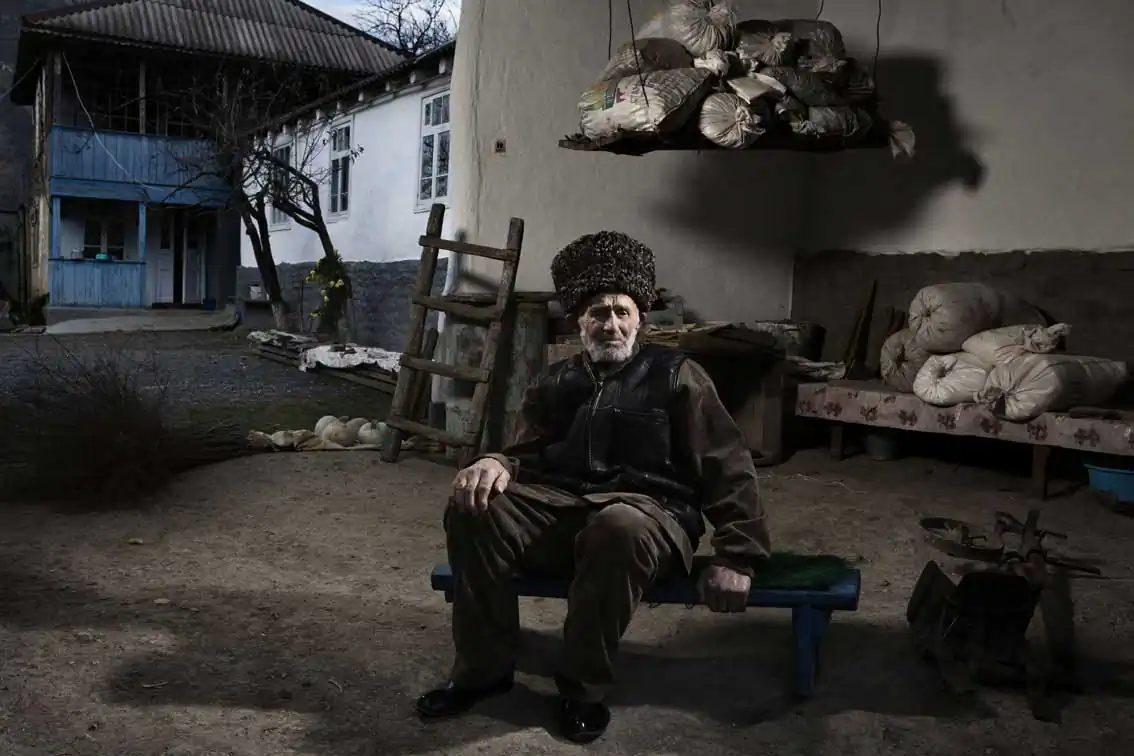
Chechen, Amin Dovtukayev, 89 years seen inside of the smith house, built by his grandfather.

I had to survive. I combined my self-budgeted work on this project with big and small works and jobs coming from big and small clients… December of 2013 I have been finally very very lucky: the Head of Ingushetiya autonomous republic Yunusbek Yevkurov recognised the historical importance of my project and agreed to sponsor it upon seeing the portraits samples. I have managed to attract his attention by asking an award-winning & internationally recognised, Russian human rights activist Mrs Svetlana Gannushkina to apply to Mr Yevkurov and tell him about my project…

In result we’ve managed to complete the project and run a big exhibition in Magas, capital of Ingushetiya February of 2014. In 6 months same exhibition was exhibited in Moscow State Museum of GULAG. In 2015 my project has won two awards: POY (Pictures of the Year) Print Feature Story Editing/ Magazine, 1st Place (shared with Russian Reporter Magazine) and NPPA Best of Photojournalism, Honorable Mentioning 2nd Place/Magazine Personality Profile or Lifestyle Story (shared with Russian Reporter Magazine). The project has been promoted by the Russian Reporter Magazine and by the BBC News World Service website [Official Website]
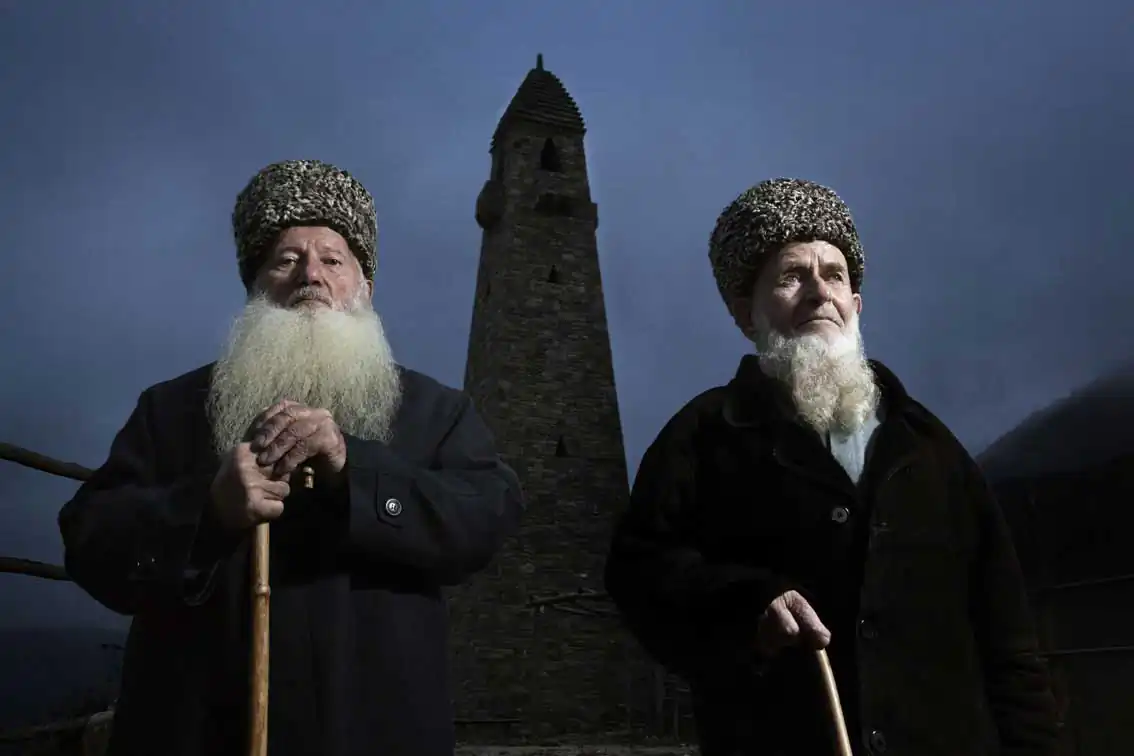
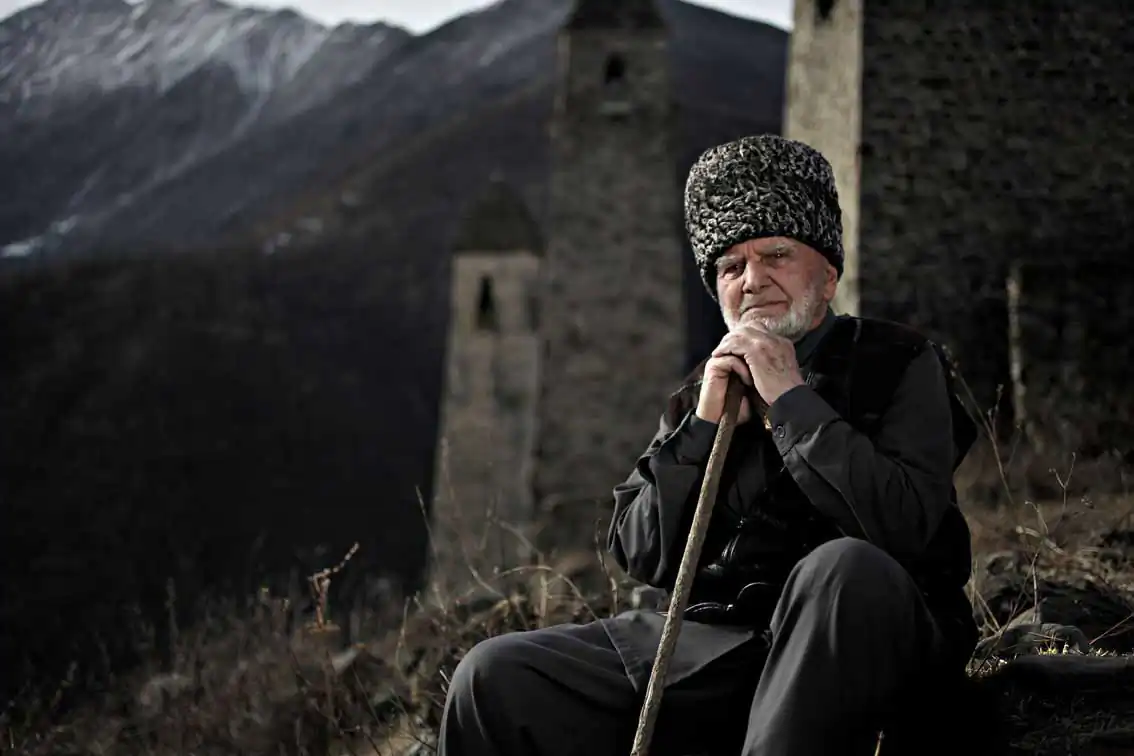
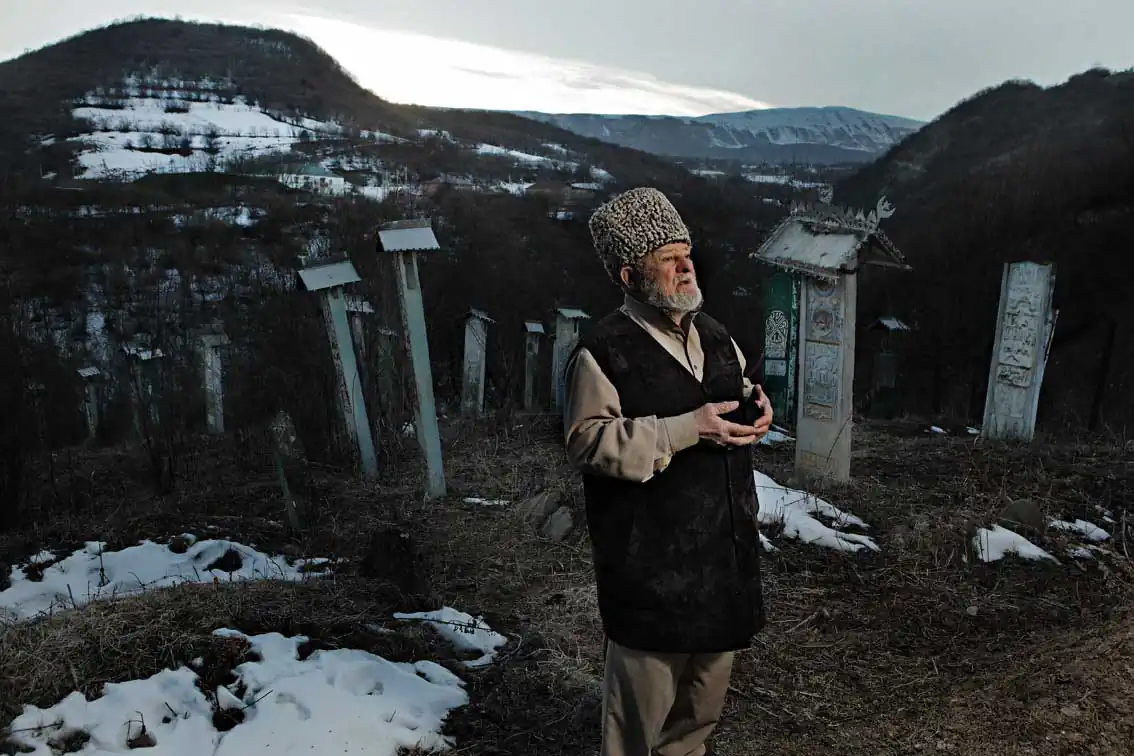
Two elders of Vedeno highland region in Chechnya pose by the ancestry tower, ruined by the Soviets and rebuilt anew upon their return from exile.
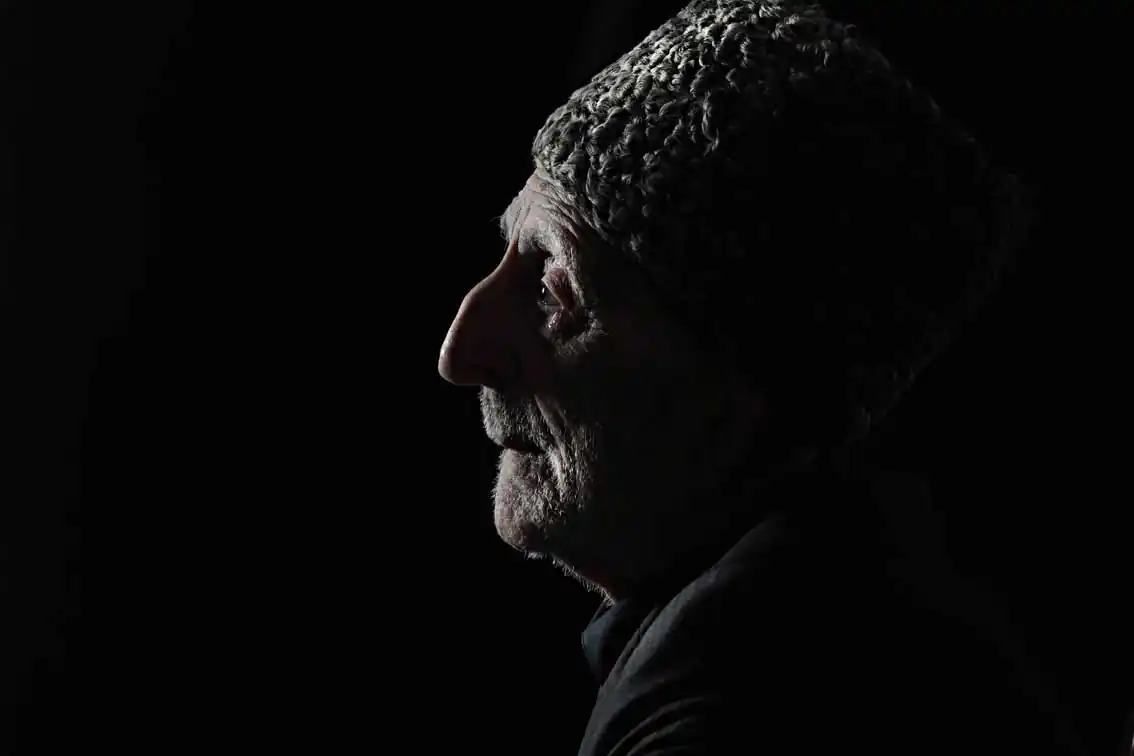
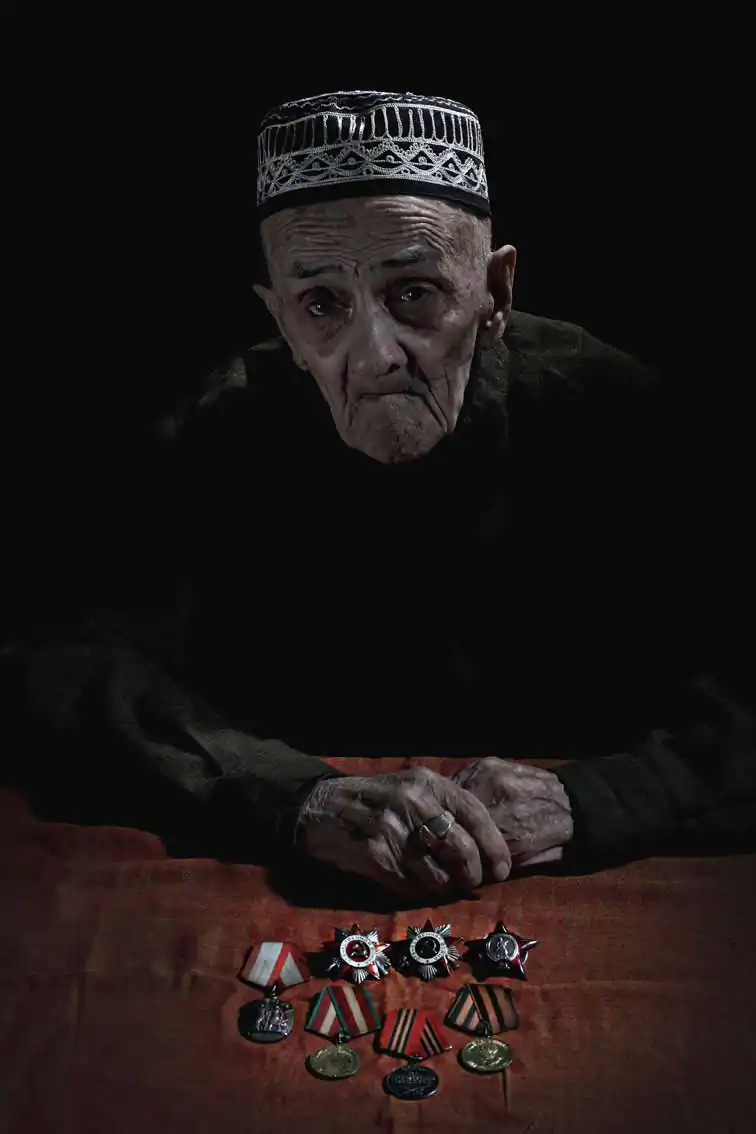
Ingush Khusein Esmurziyev, 100, used to fight Nazis 1941-44, but according to Stalin's order was recalled from frontline and sent with his family to the Central Asia.
Ingush Khusein Esmurziyev, 100, used to fight Nazis 1941-44, but according to Stalin’s order was recalled from frontline and sent with his family to the Central Asia.

Last Witnesses of Stalin’s Mass Exile Last Witnesses of Stalin’s Mass Exile Last Witnesses of Stalin’s Mass Exile Last Witnesses of Stalin’s Mass Exile Last Witnesses of Stalin’s Mass Exile Last Witnesses of Stalin’s Mass Exile

Follow what’s new in the Dodho community. Join the newsletter »
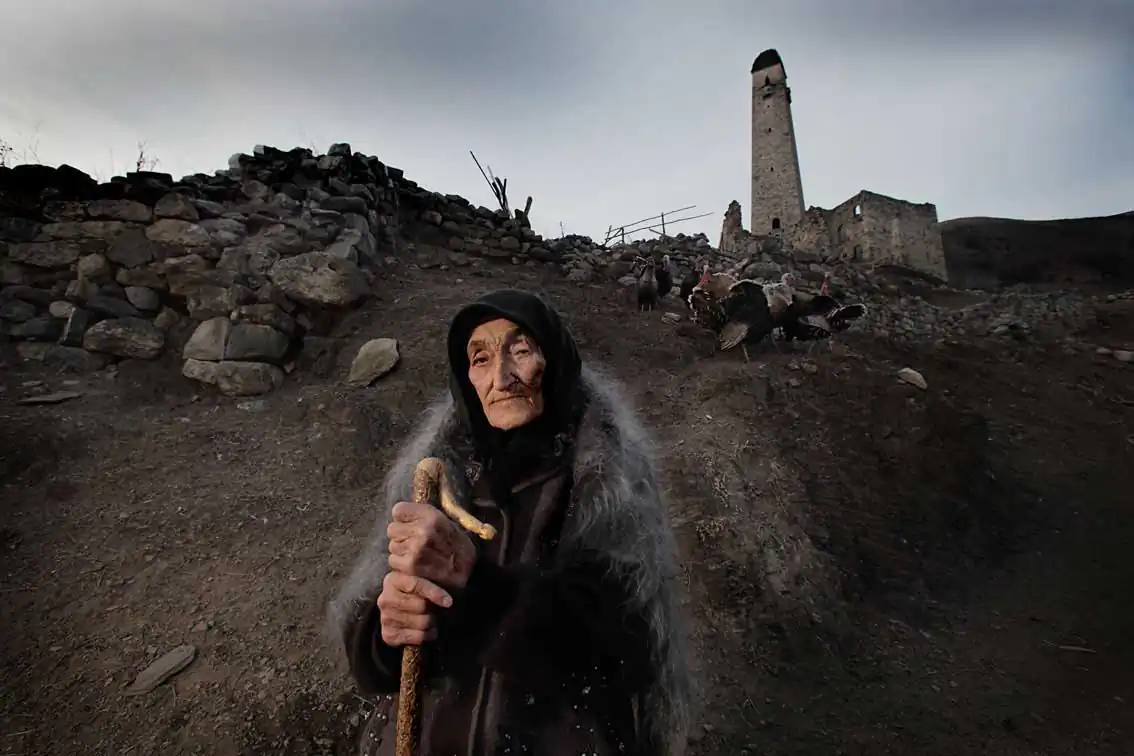
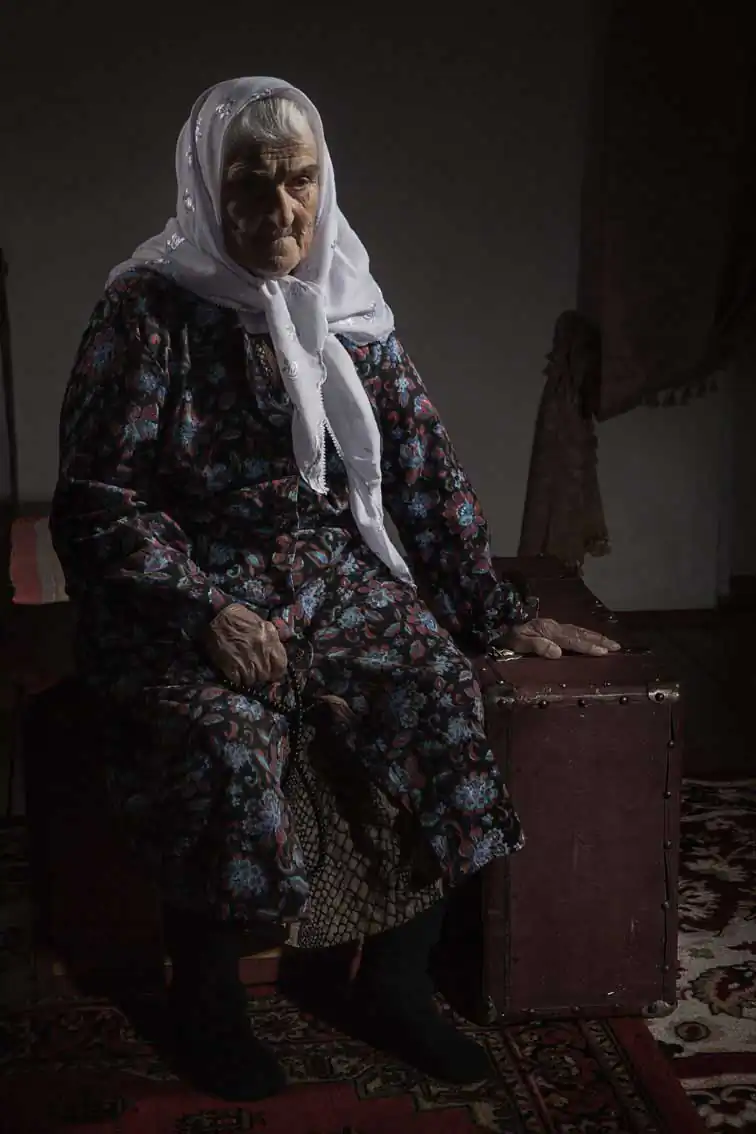
Ingush Tovsari Chakhkiyeva, 101 years poses beside the house she was deported from and where to she has come back from exile.
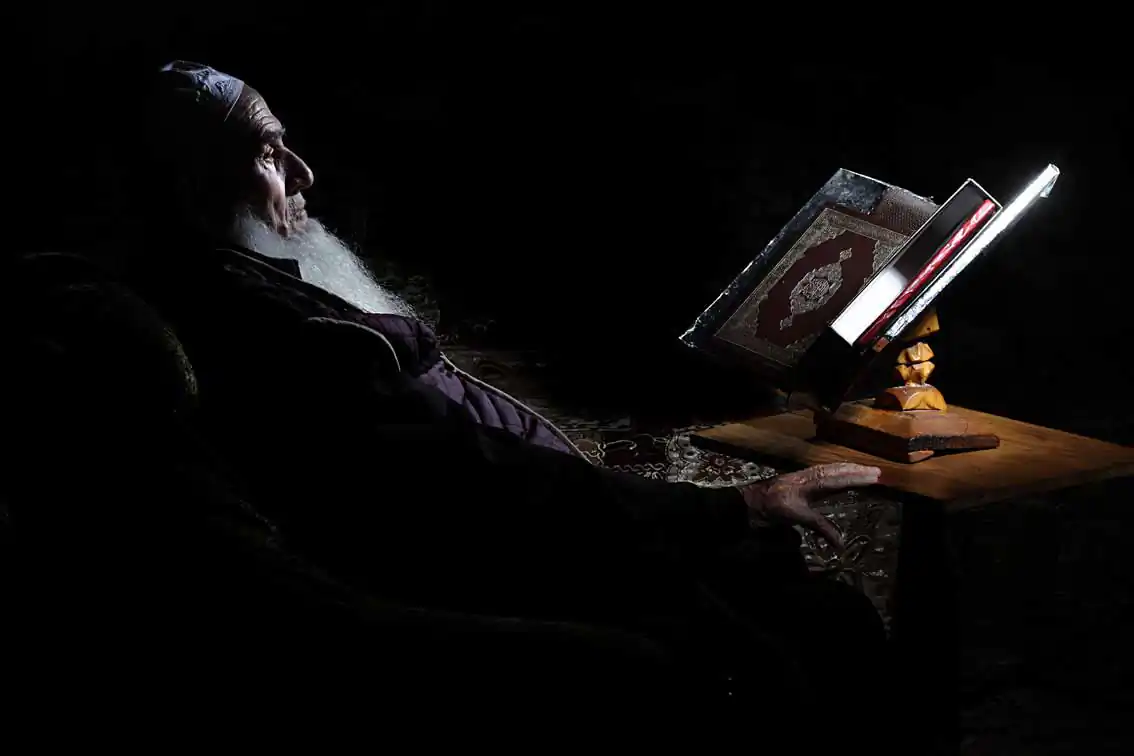
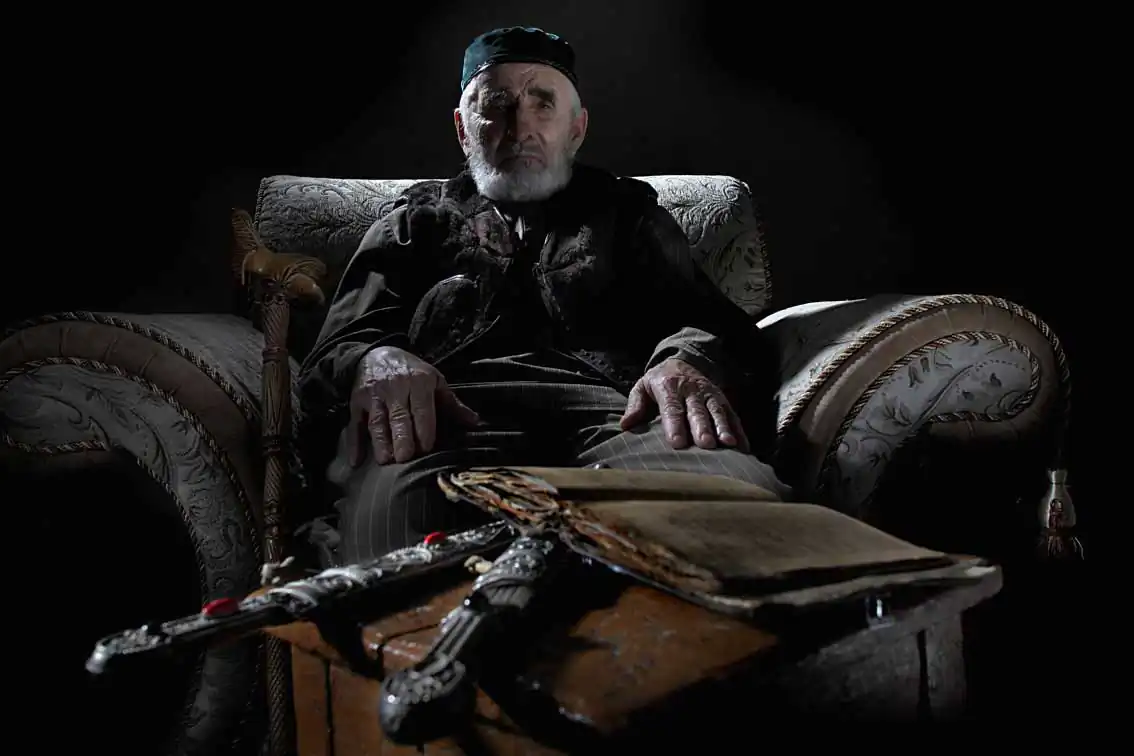
Ingush Isa Khashiyev, 80 years, poses with 100-years-old Koran and 116-years-old daggers, decorated with silver and precious stones, owned by his father and grandfather. Both relics were carefully hidden from the Soviets inside of mattresses through the course of exile.

Last Witnesses of Stalin’s Mass Exile Last Witnesses of Stalin’s Mass Exile Last Witnesses of Stalin’s Mass Exile

Chechen, Aina Akuieva, 91 years went through exile and upon arrival home lived happily in Grozny, but has lost her flat in bombardment of 1996, 1st Chechen war. She is seen in her only 6 sq meter property at the refugee compound in Chechnya.
https://www.dodho.com/wp-content/uploads/2025/12/ban12.webp
https://www.dodho.com/wp-content/uploads/2026/01/awardsp.webp