

Joaquín Gómez Sastre’s Rapa das Bestas: The Ancient Festival of Sabucedo

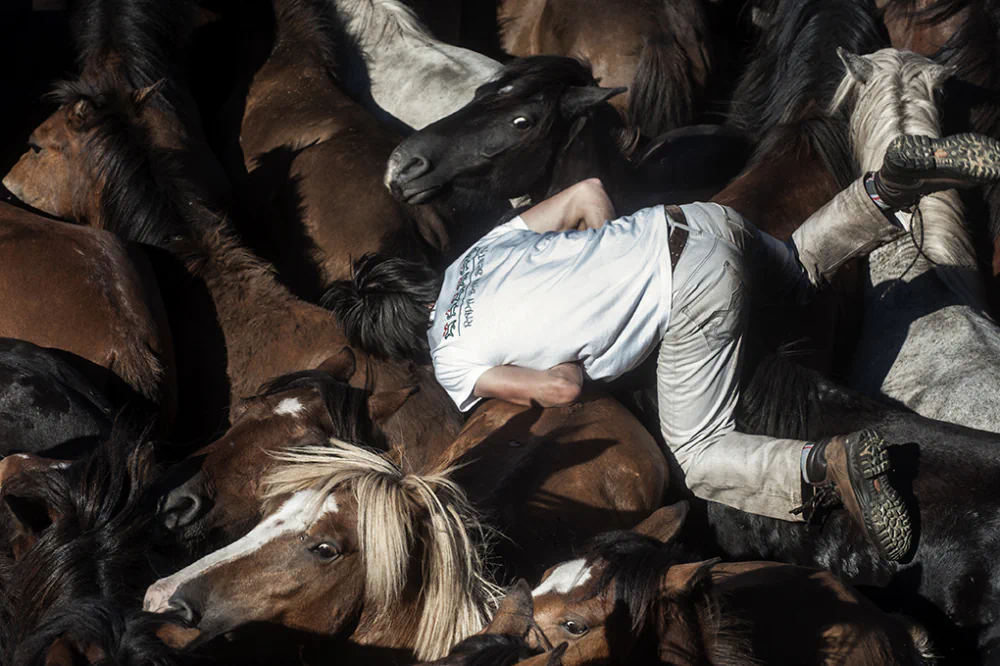
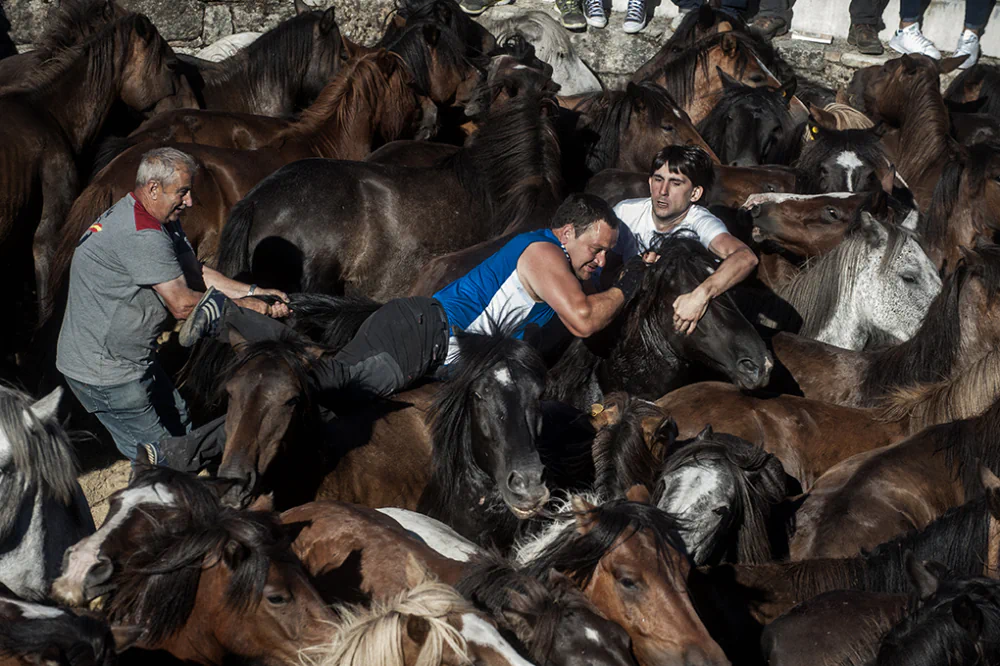
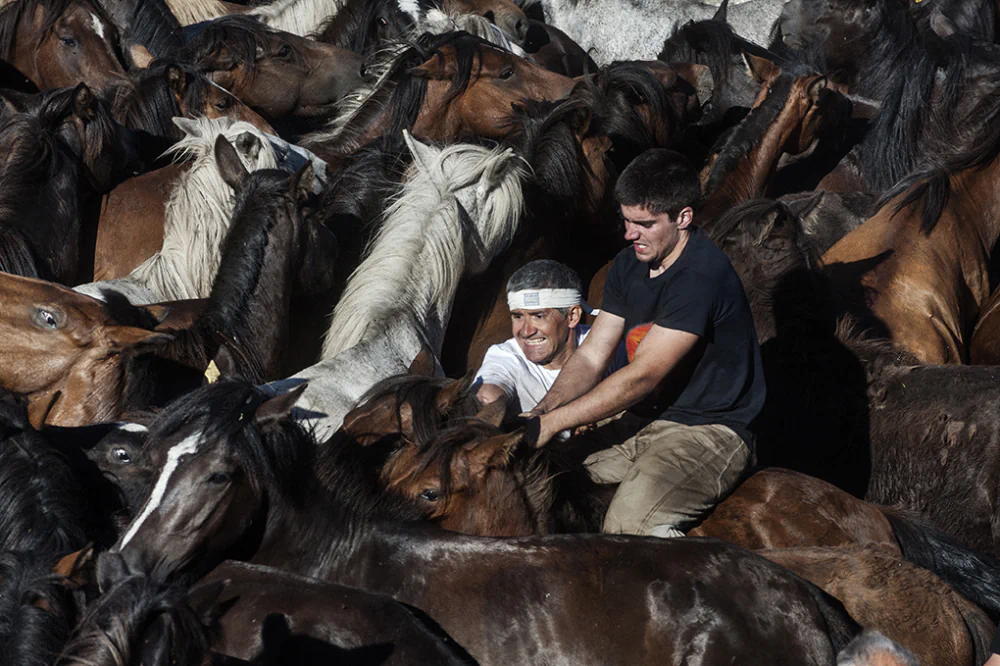
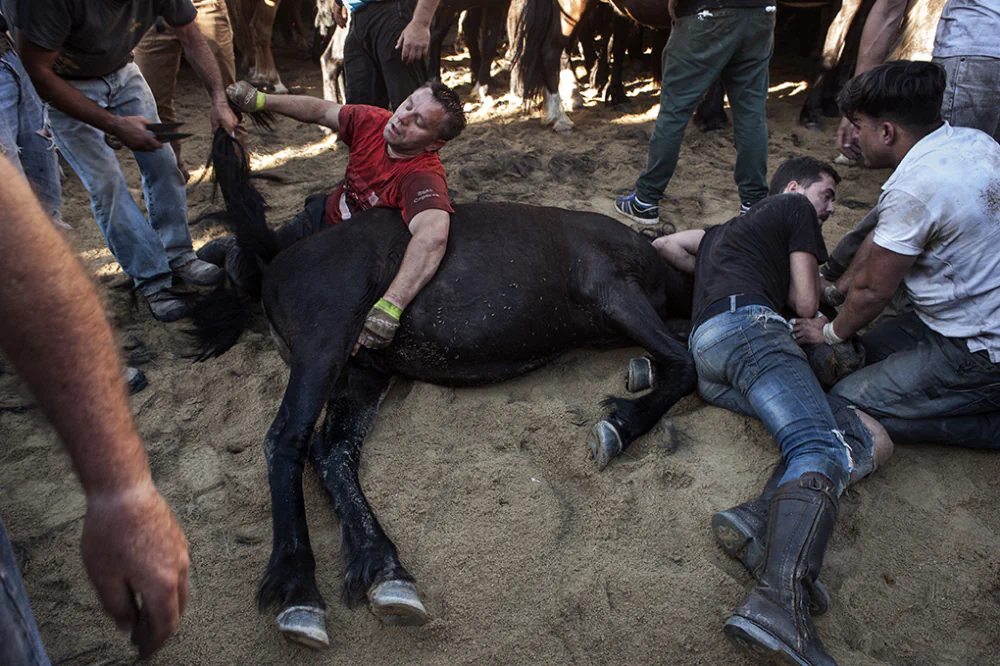
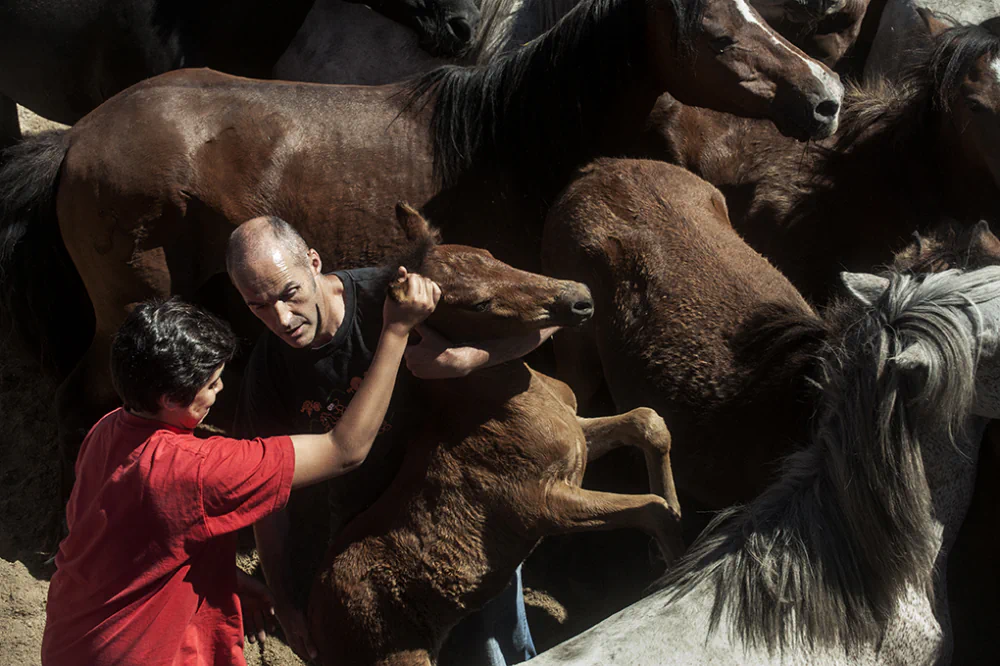
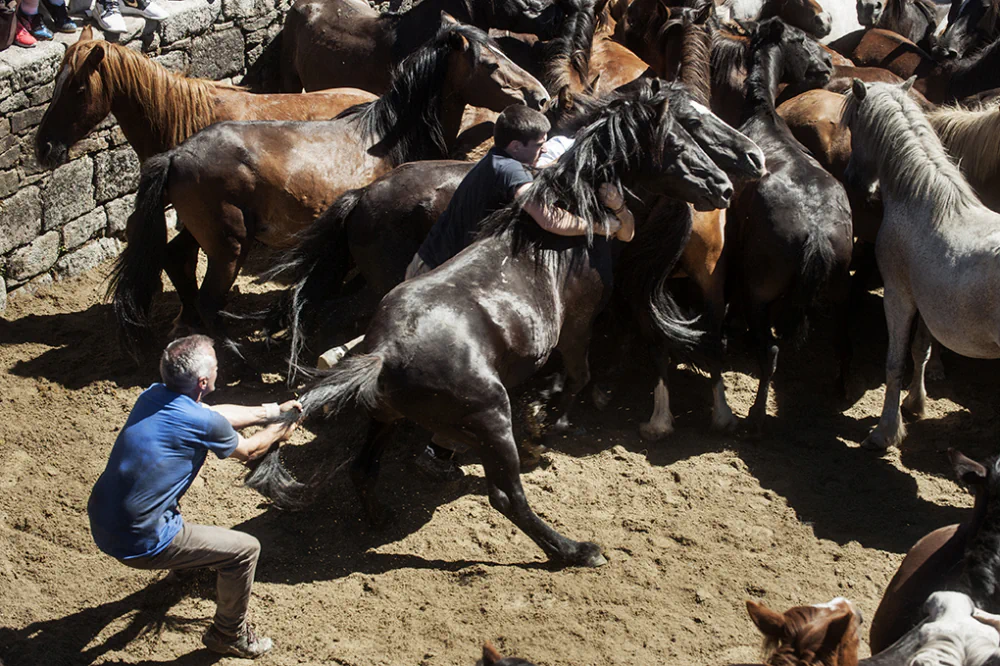
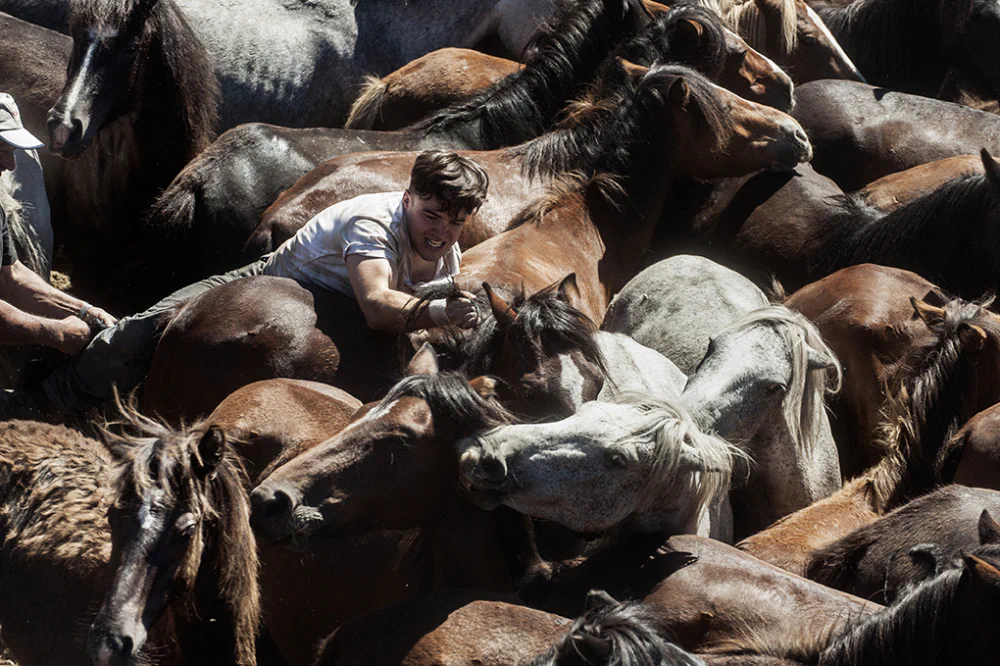
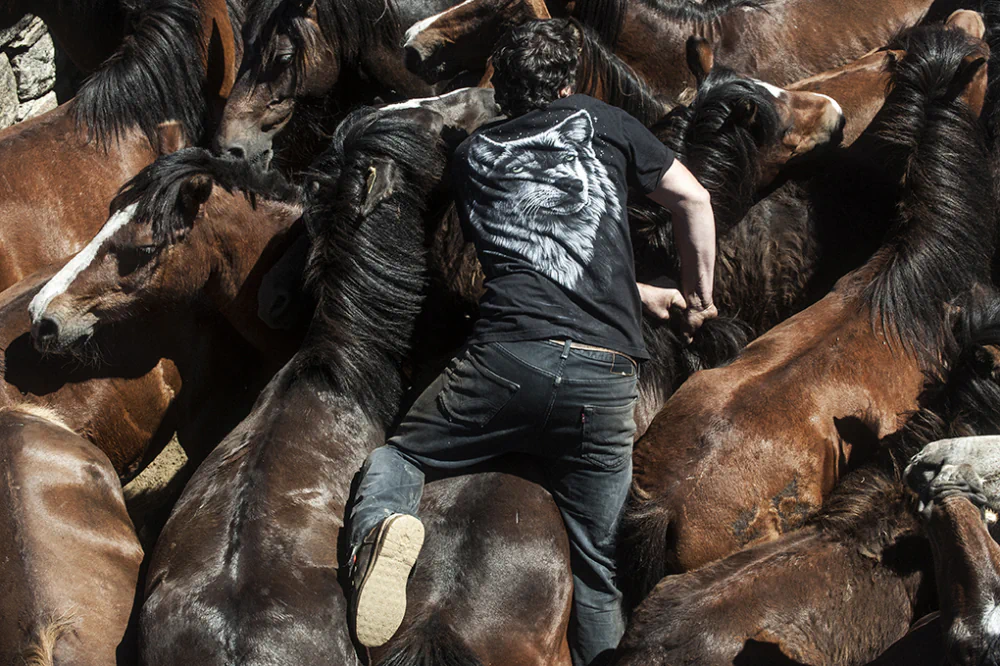
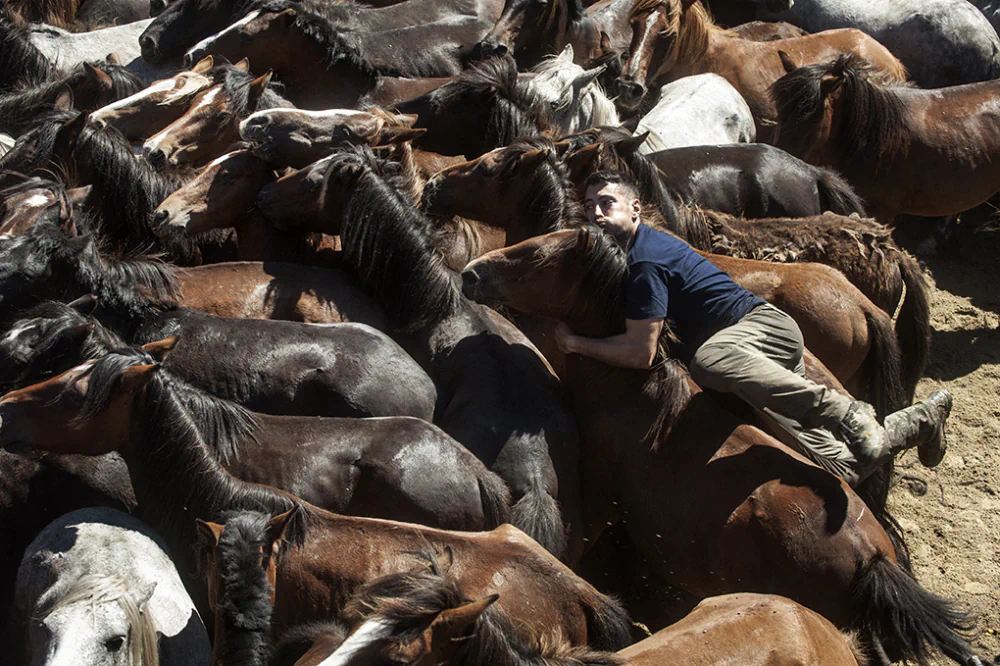
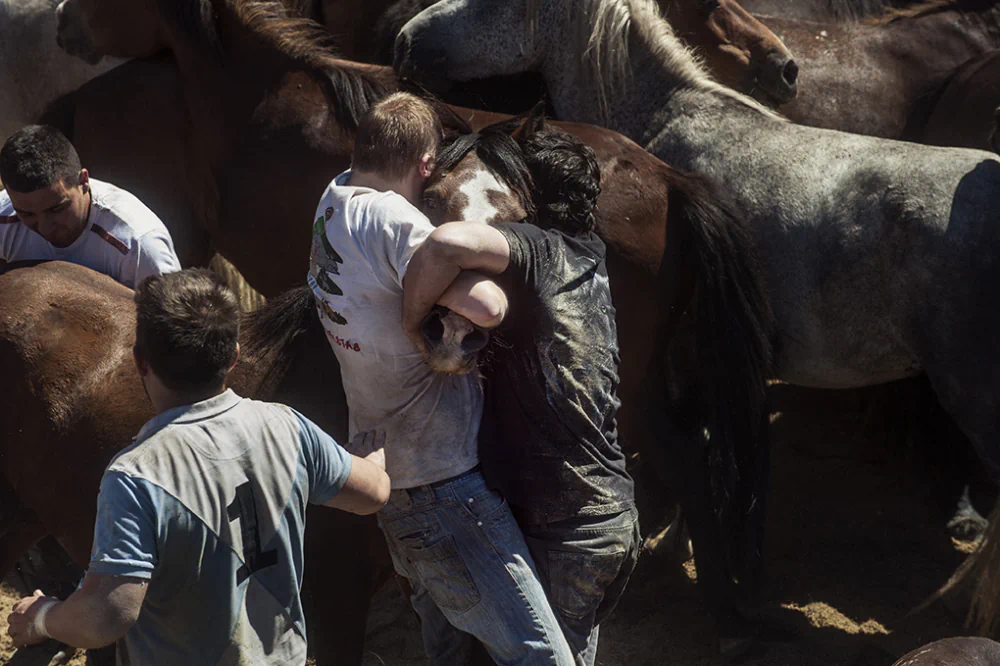
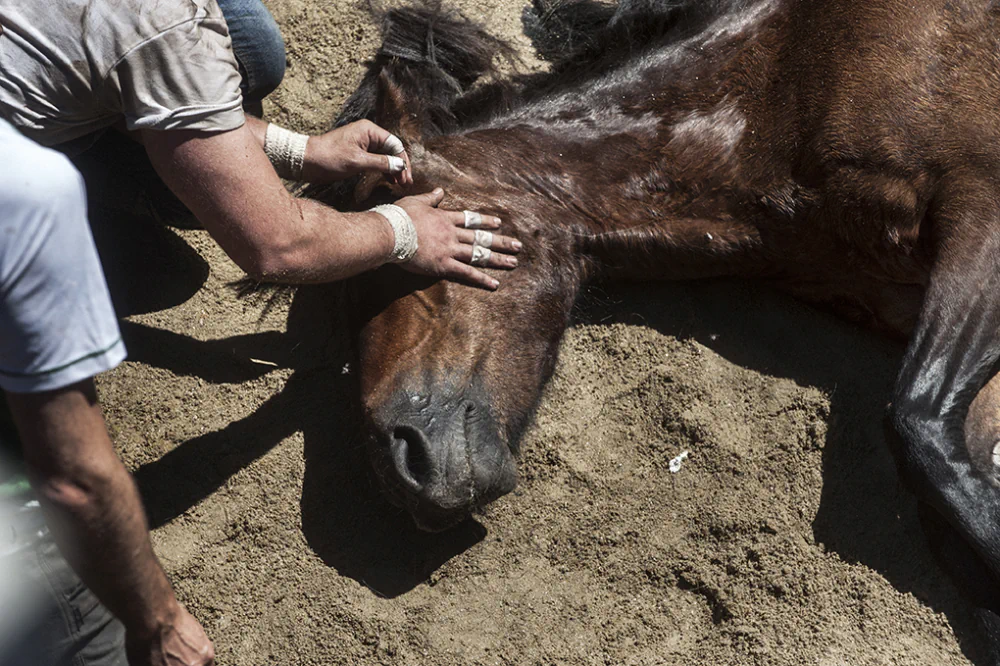
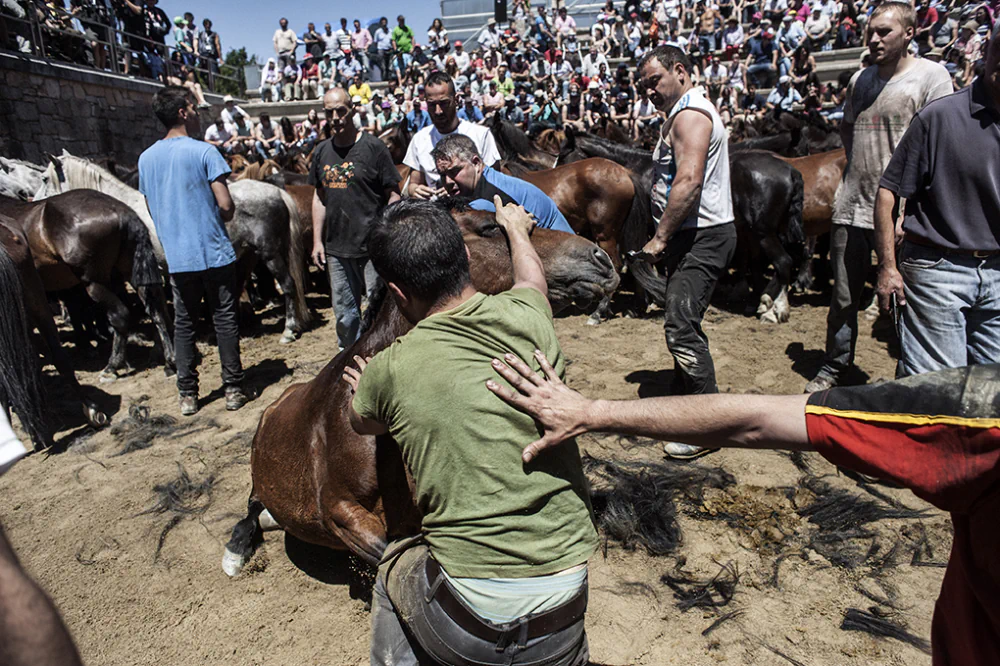
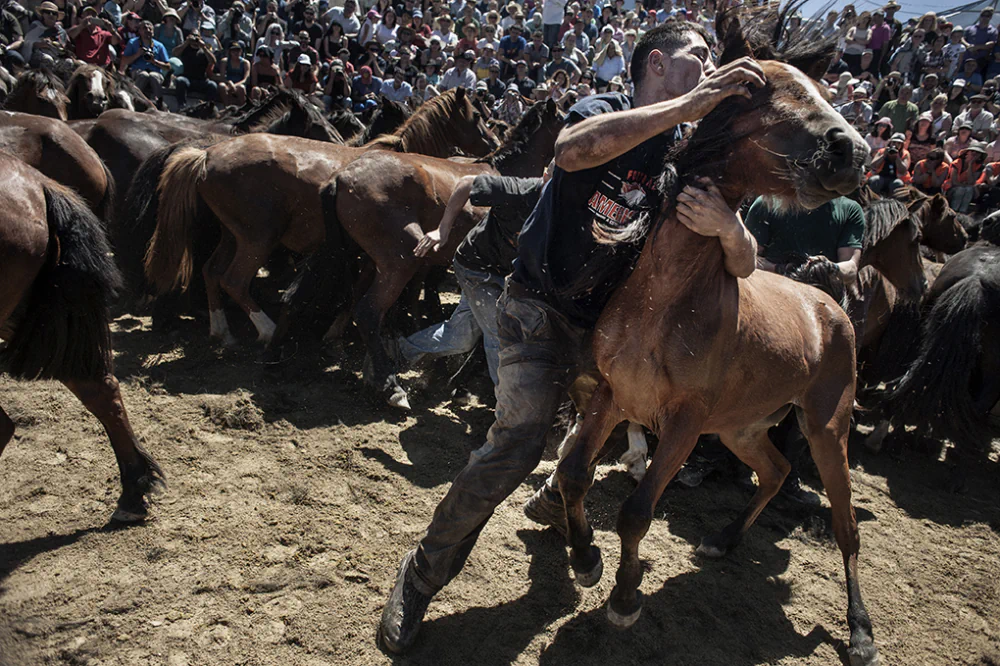
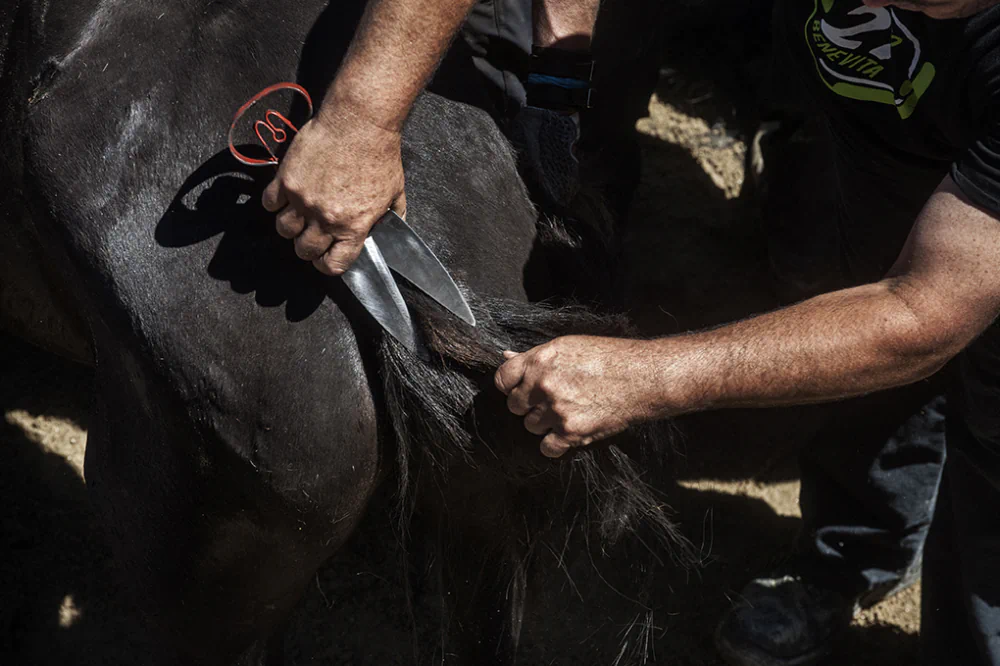
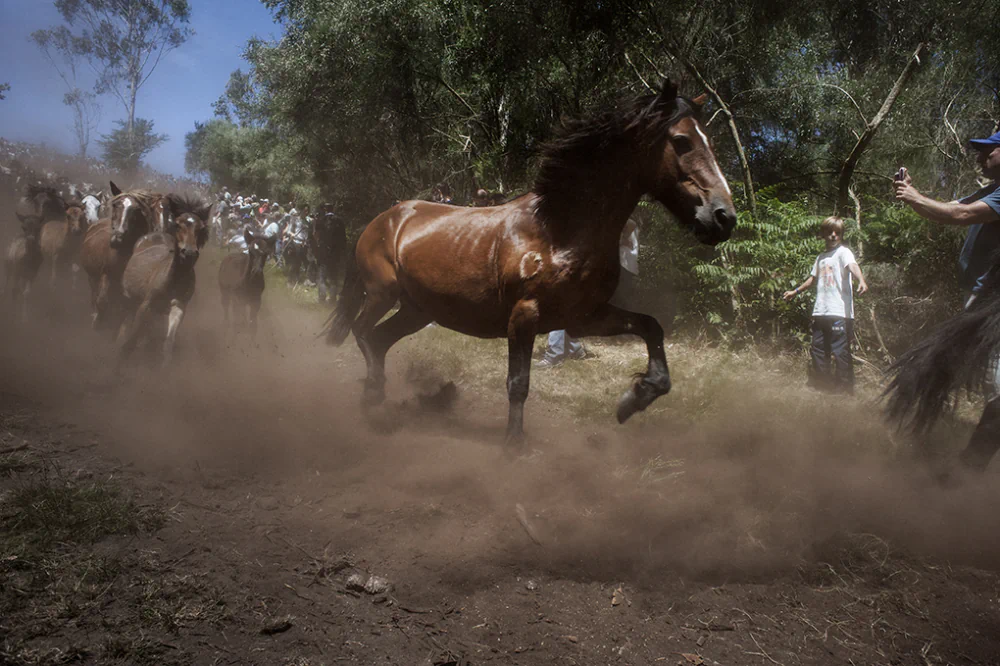
Rapa das Bestas of Sabucedo is a cultural and traditional festival centered around the cutting of horses’ manes, a practice that takes place in the curros — enclosed spaces where the horses are gathered.
May 15, 2026

Rapa das Bestas of Sabucedo is a cultural and traditional festival centered around the cutting of horses’ manes, a practice that takes place in the curros — enclosed spaces where the horses are gathered.

The festival is held every year in Sabucedo over three days: the first Saturday, Sunday, and Monday of July.

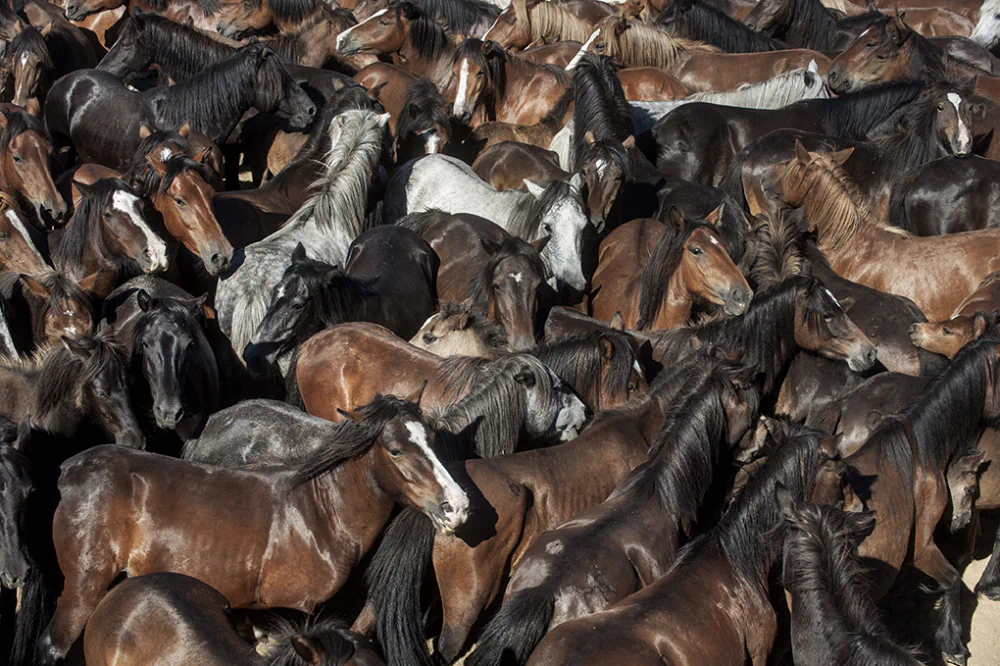
More than 600 horses live freely in the surrounding mountains, divided into fourteen herds. The females are known as mares, while the males are called garañones (stallions).

Like other traditional curros, the celebration involves gathering the horses from the mountains, bringing them into the enclosure, trimming their manes, and identifying them, today through the use of microchips. However, the Rapa das Bestas of Sabucedo is considered the most renowned of these events and is distinguished by several unique characteristics.

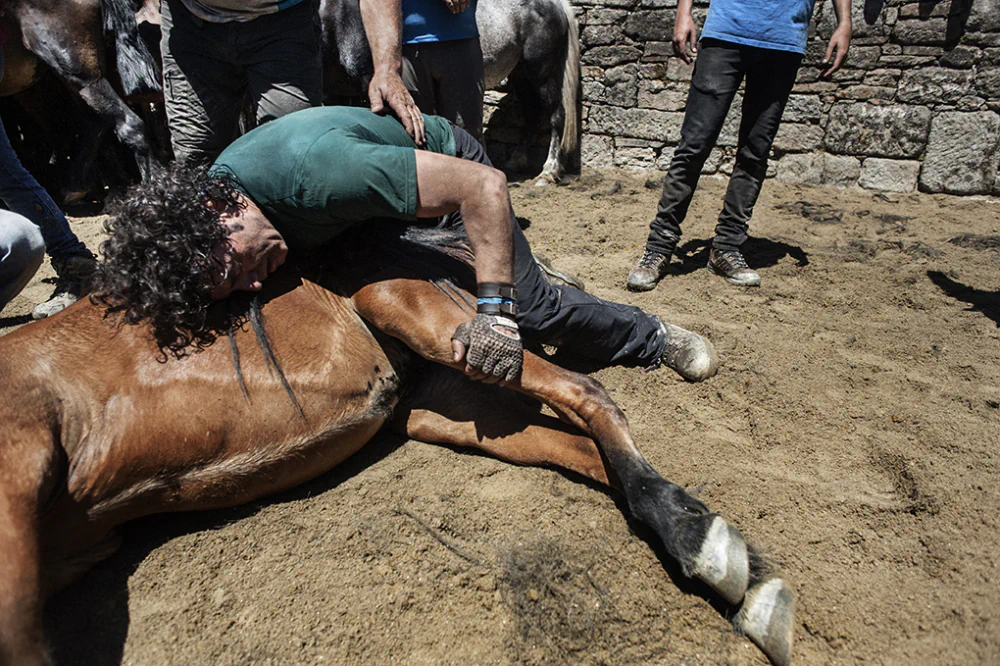
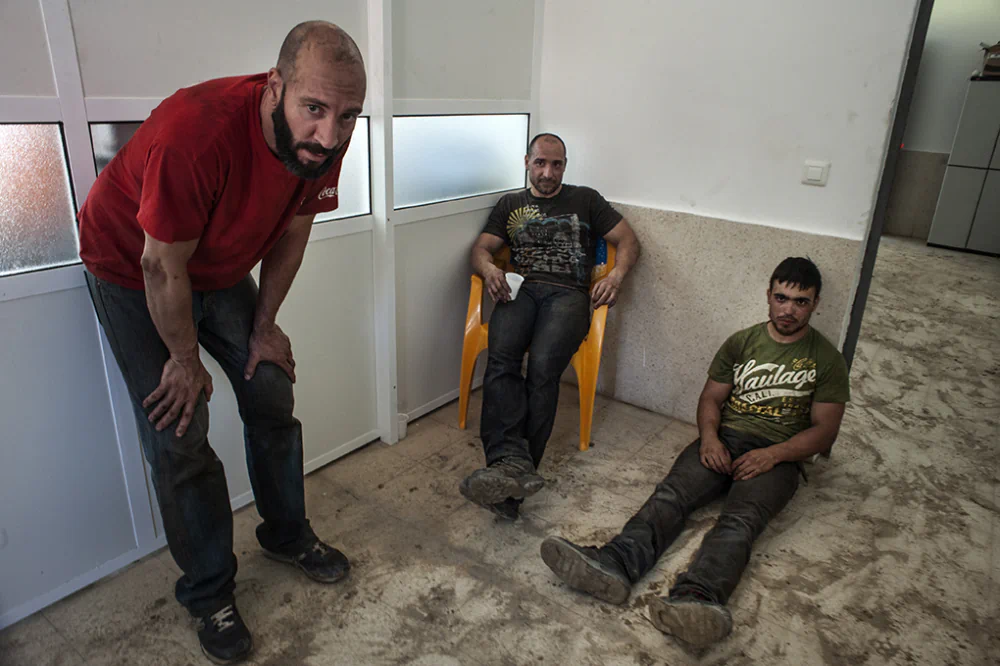
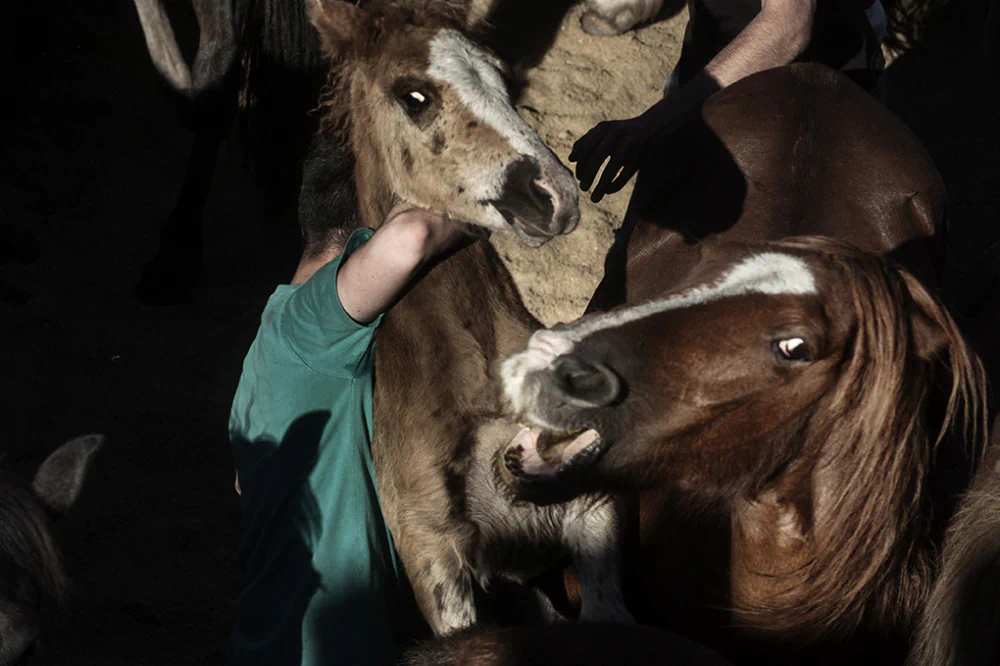
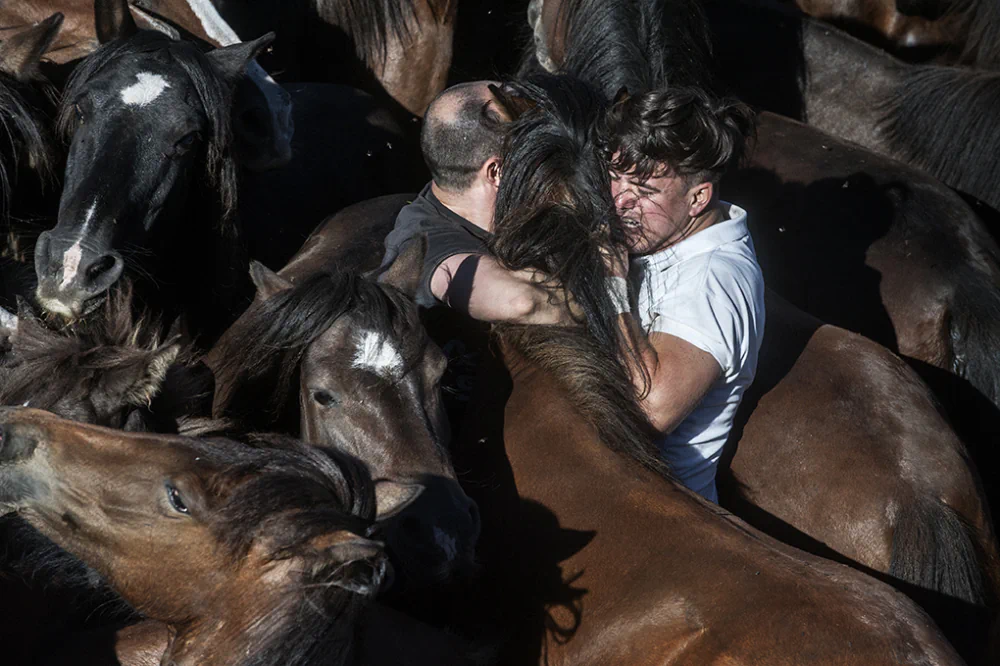
The most significant difference is that no ropes, sticks, or restraining devices are used to control the animals. The aloitadores — the individuals responsible for holding the mares and stallions during the process — rely solely on their skill, strength, and physical ability to manage the horses.

Follow what’s new in the Dodho community. Join the newsletter »

Another defining aspect of the festival is the Bajada, the gathering and guiding of the horses down from the mountains into Sabucedo. This event is considered an essential part of the celebration itself and involves the participation of hundreds of people.
About Joaquín Gómez Sastre
Joaquín Gómez Sastre began working as a freelance photographer in the mid-1990s, focusing on social documentary work and press photography, a field in which he continues to work today.
Throughout his career, he has collaborated with numerous local and national newspapers, news agencies, and magazines. Between 2015 and 2019, he curated the project Click, Cantabrian Photojournalism, an exhibition featuring the work of many press photographers from Cantabria, Spain, who were working with both local and international media outlets. The project was also published annually in book form.

Gómez Sastre has participated in more than twenty solo and group exhibitions and has received over fifty national and international photography awards and distinctions. Among these recognitions are the 7th International Digital Biennial Photojournalism APHOTOREPORTER 2025, a Gold Medal in the Wild Life (Single) category at the FOTO SLOVO AWARD 2024, a Gold Medal in the Photojournalism category awarded by Nordiska Förbundet För Fotografi at the 7th Kouvola Salon in Finland, recognition at the 15th FINLAND INTERNATIONAL DIGITAL CIRCUIT 2023, and a Gold Medal in the Spot News (Single) category at Life Press Photo 2021 in Ukraine. [Official Website]

https://www.dodho.com/wp-content/uploads/2026/03/ban12-copiasss.webp
https://www.dodho.com/wp-content/uploads/2026/04/awardspMONO.webp