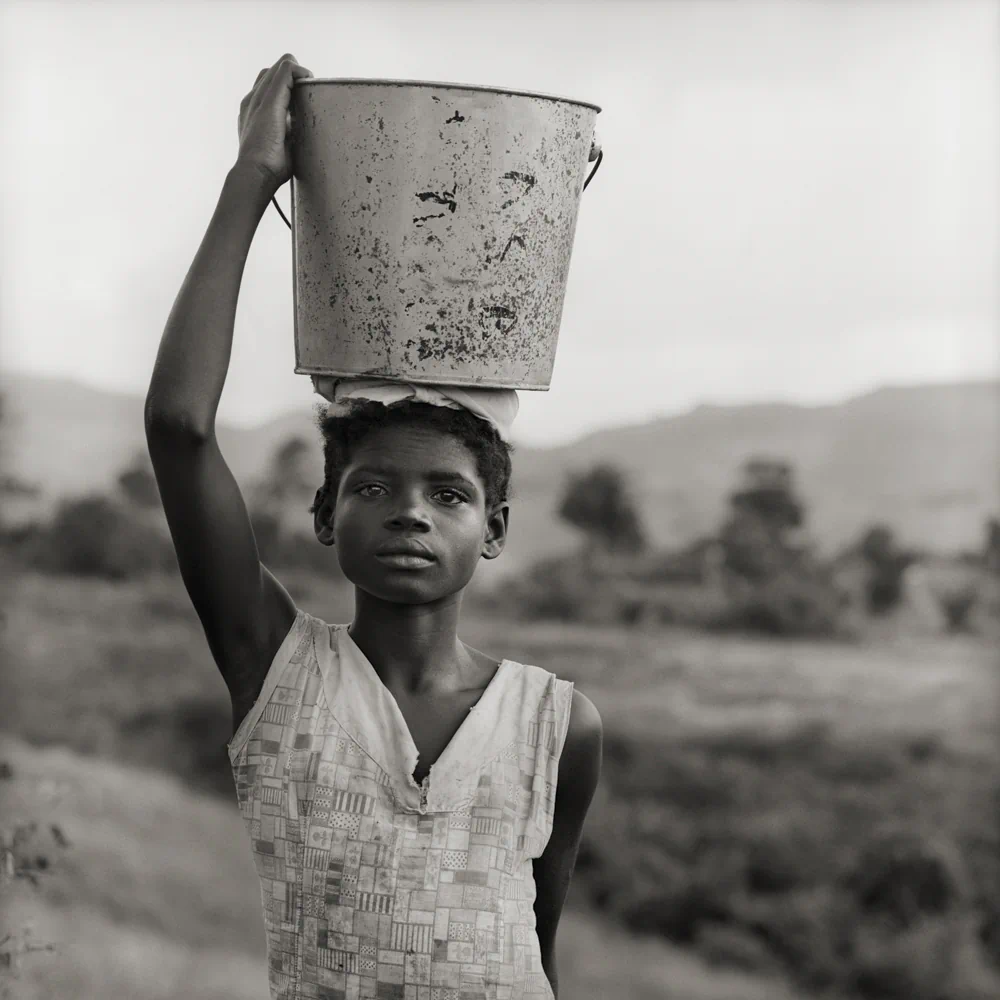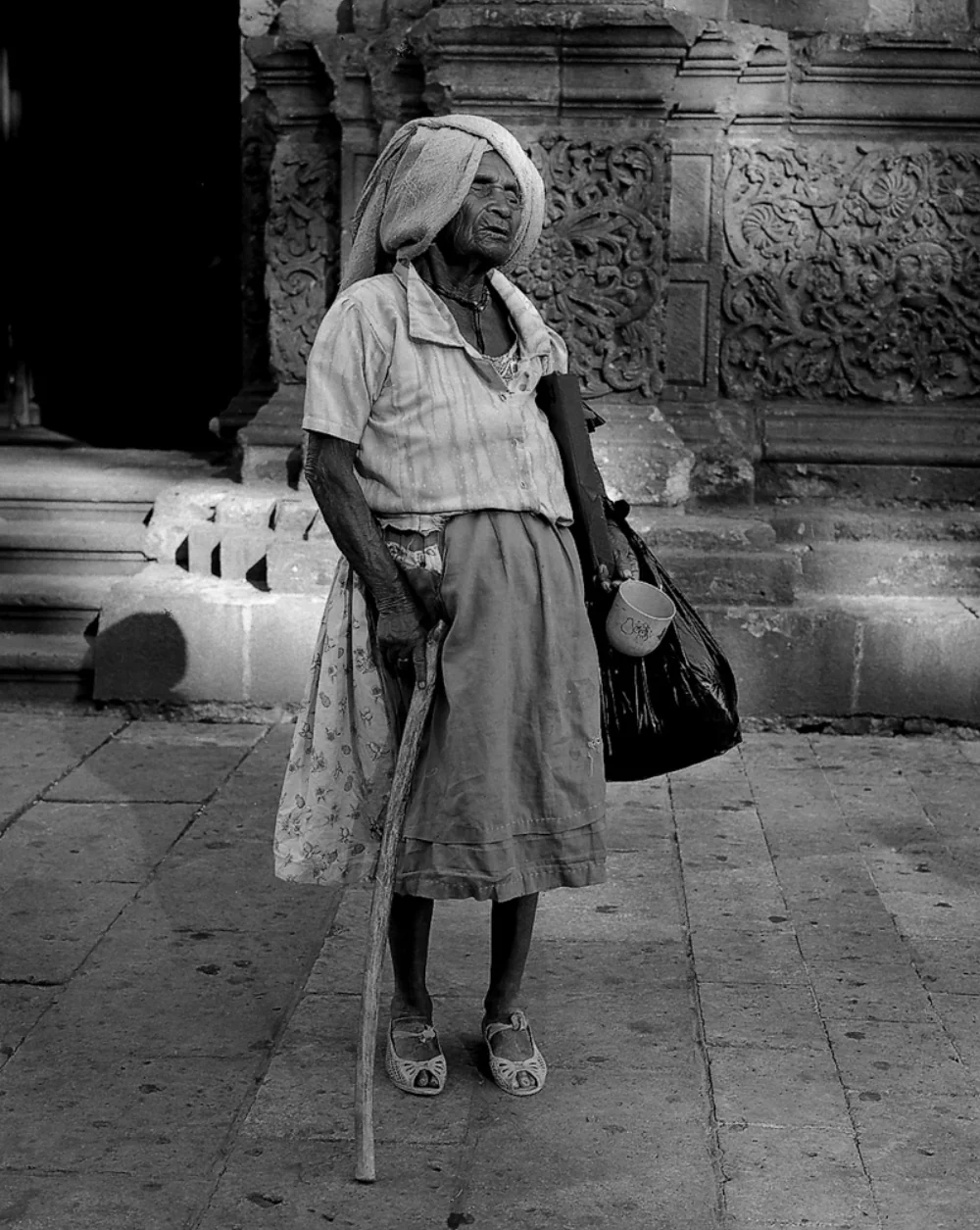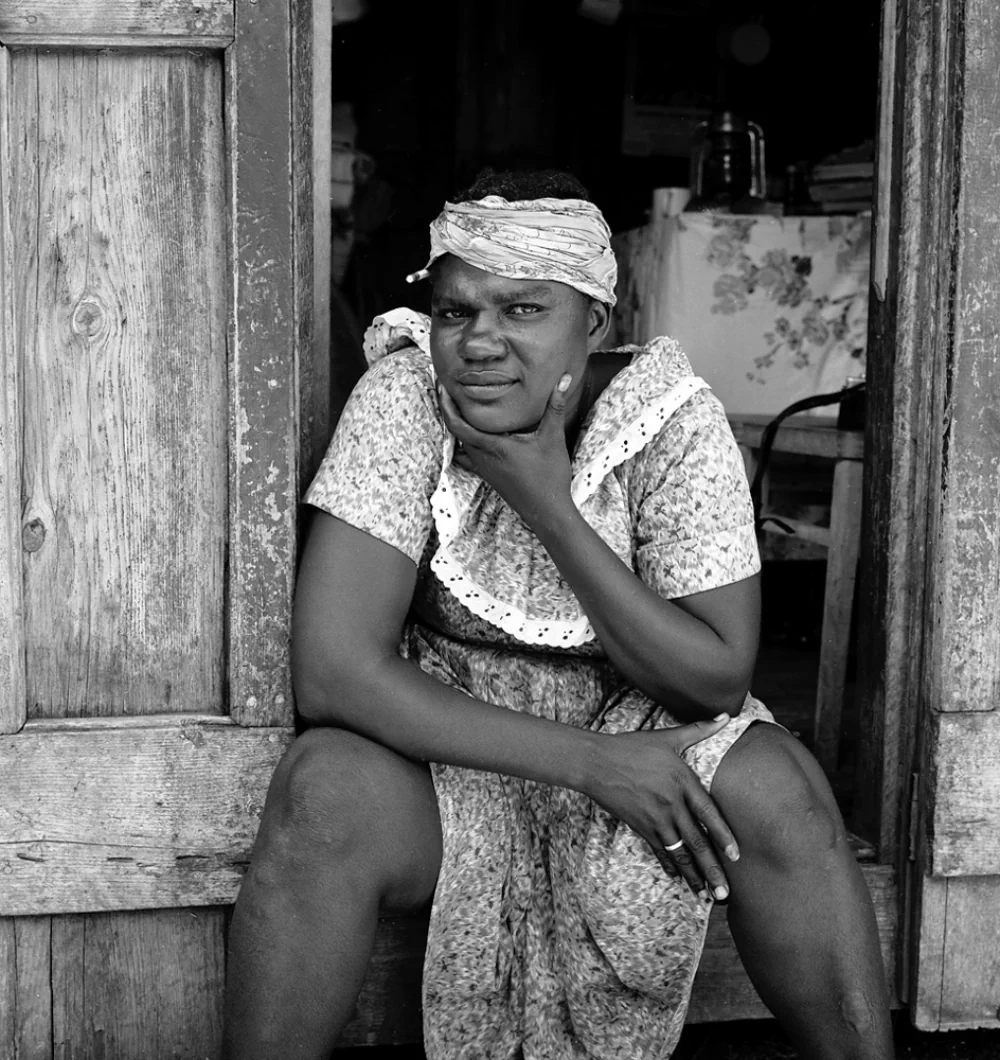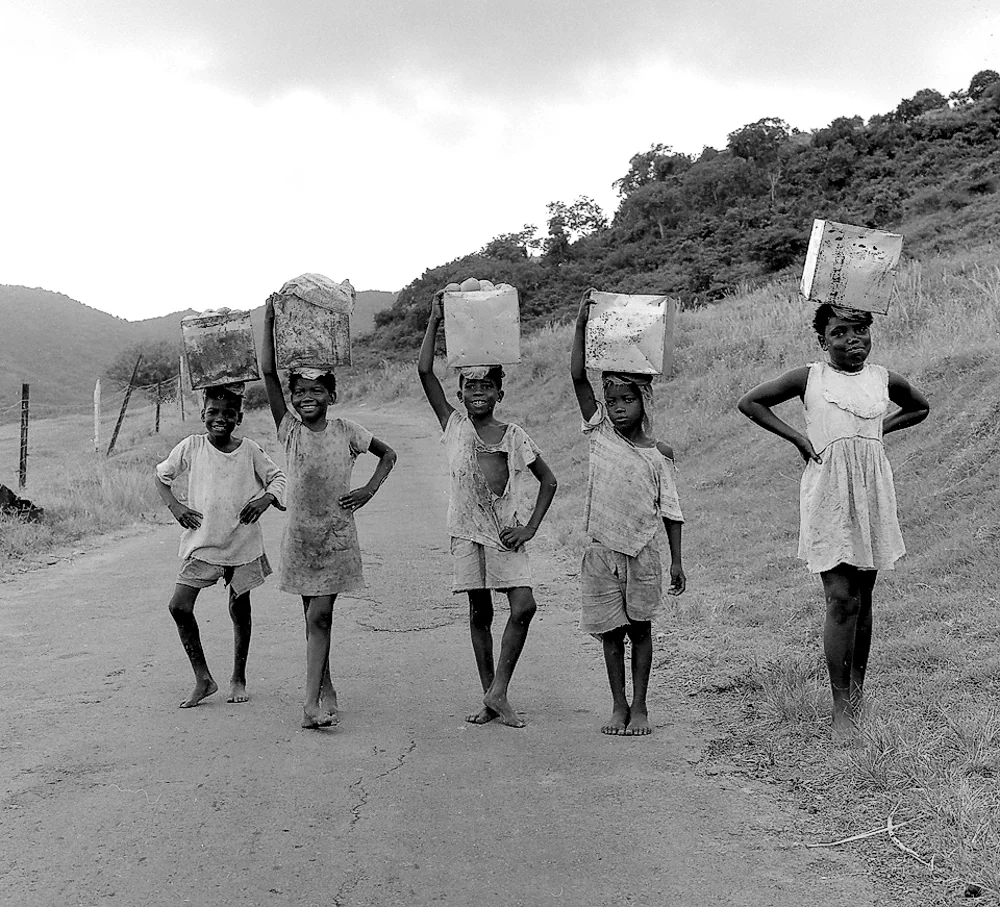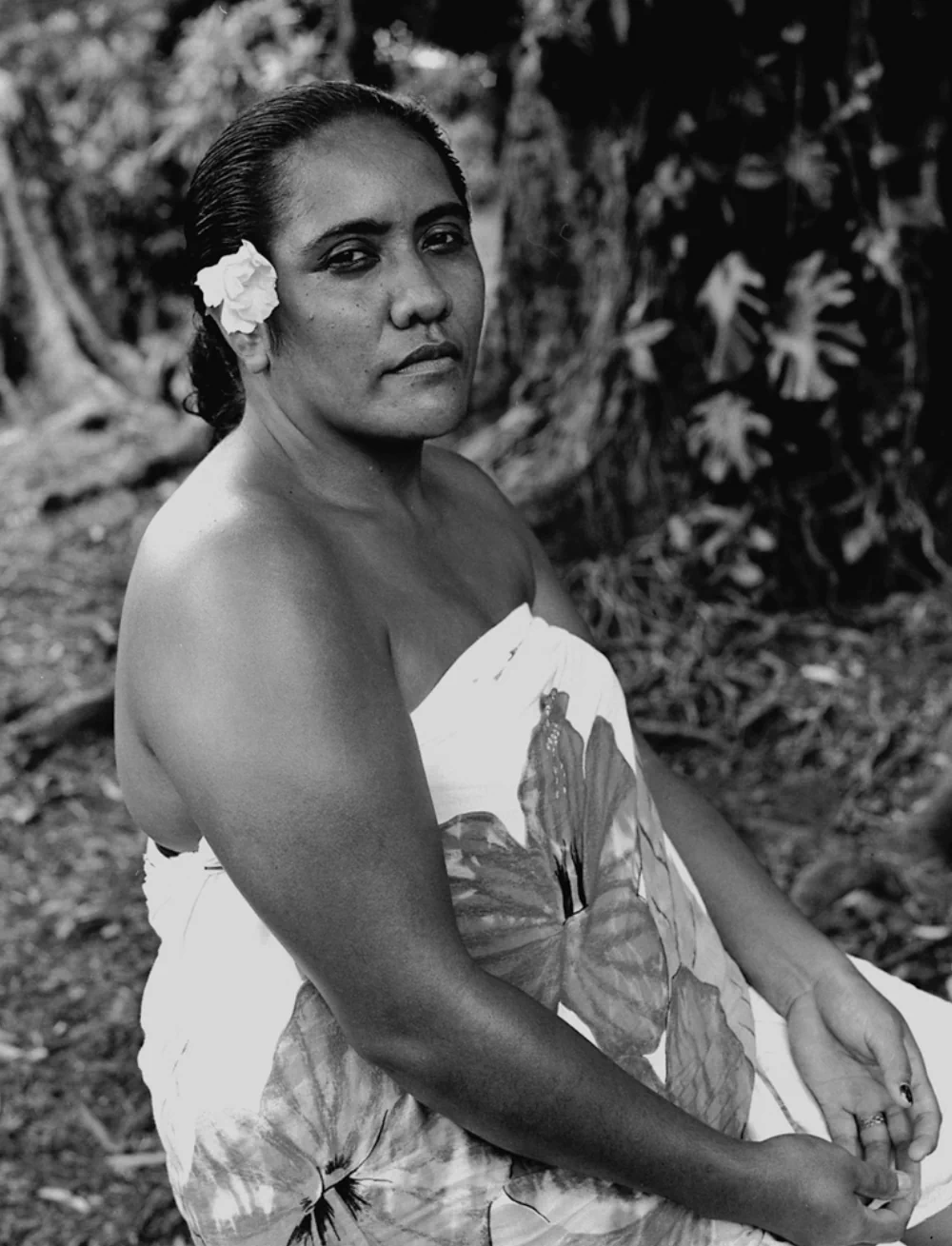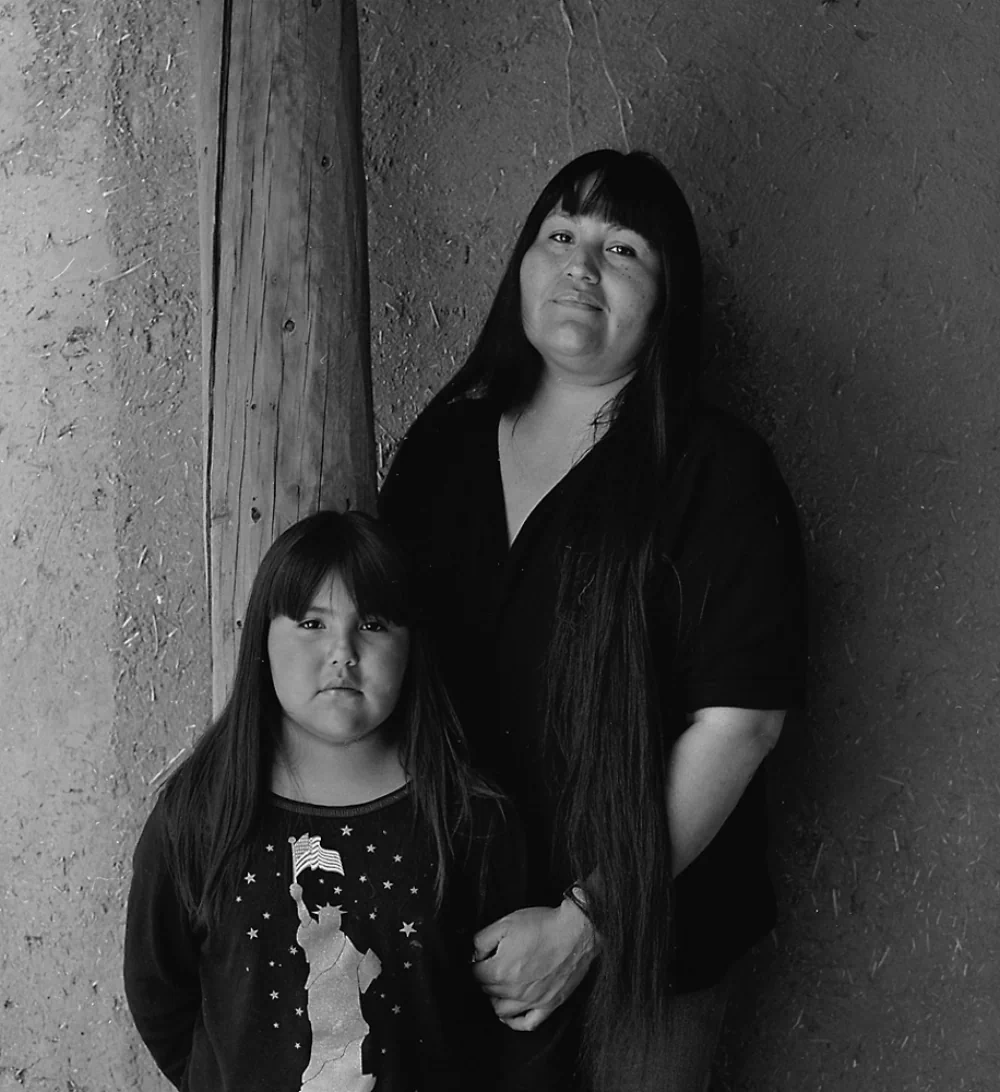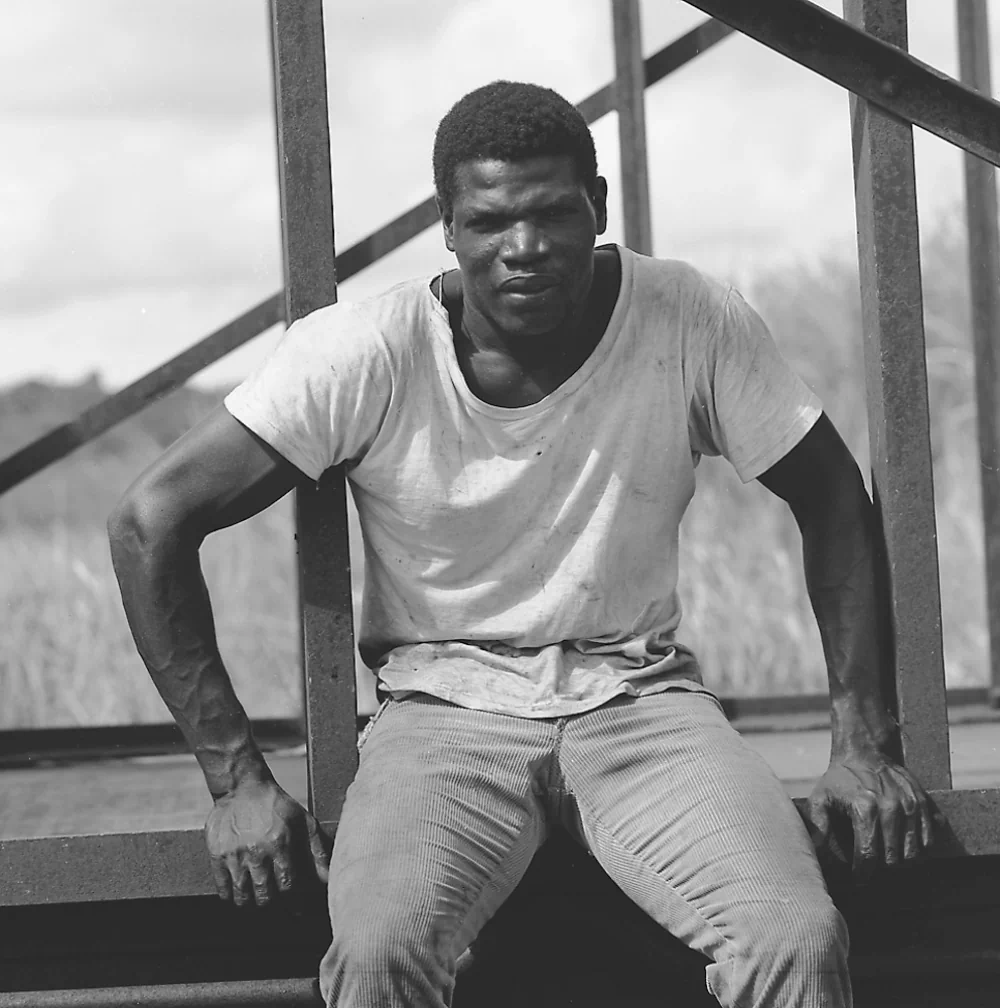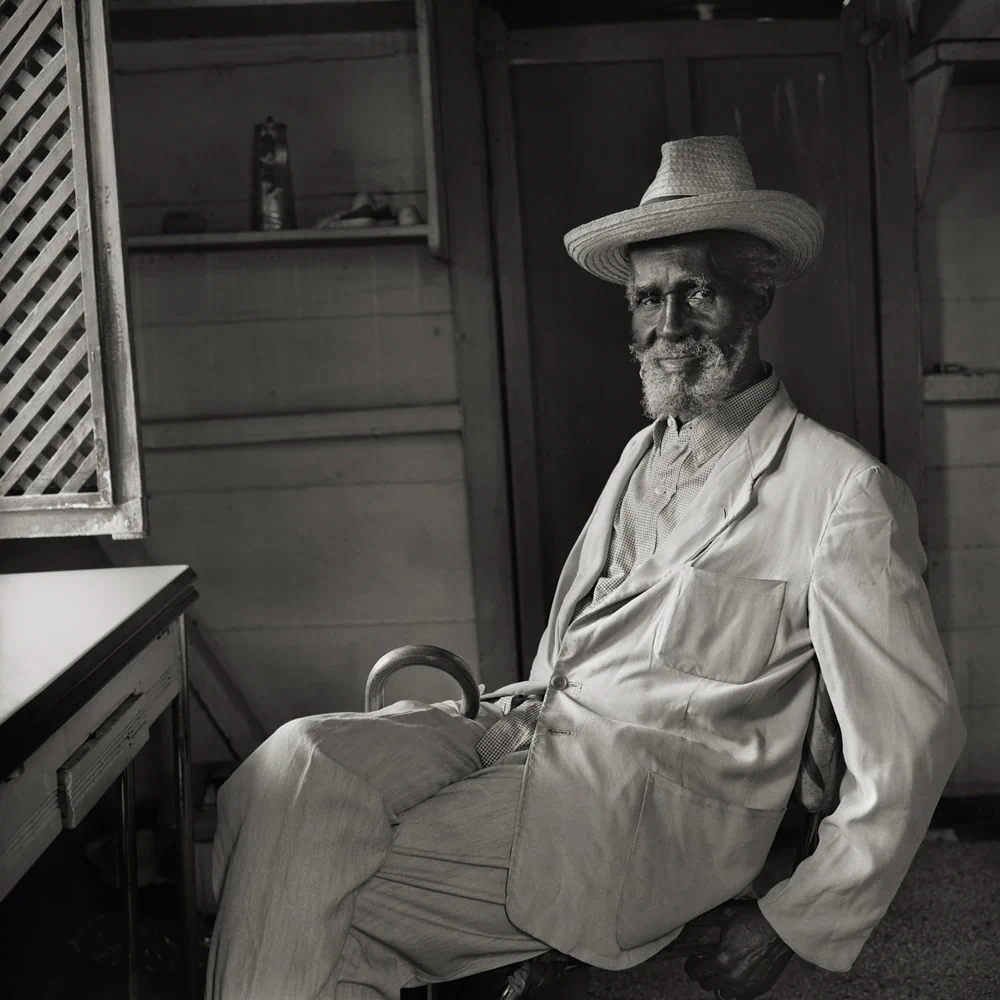

“The endless fascination of these people for me lies in what I call their inward power. It is part of the elusive secret that hides in everyone, and it has been my life’s work to try to capture it on film.”
Yousuf Karsh
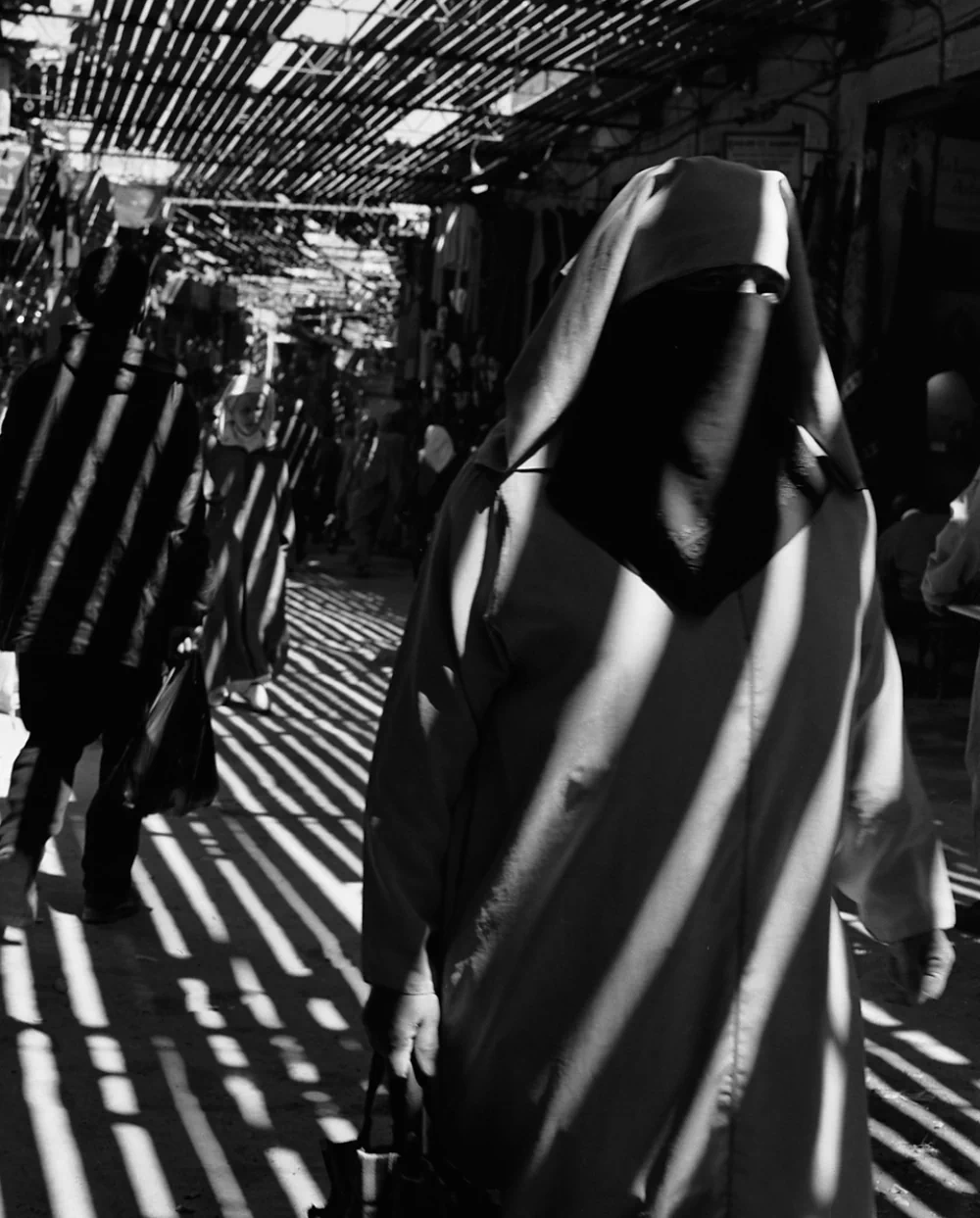
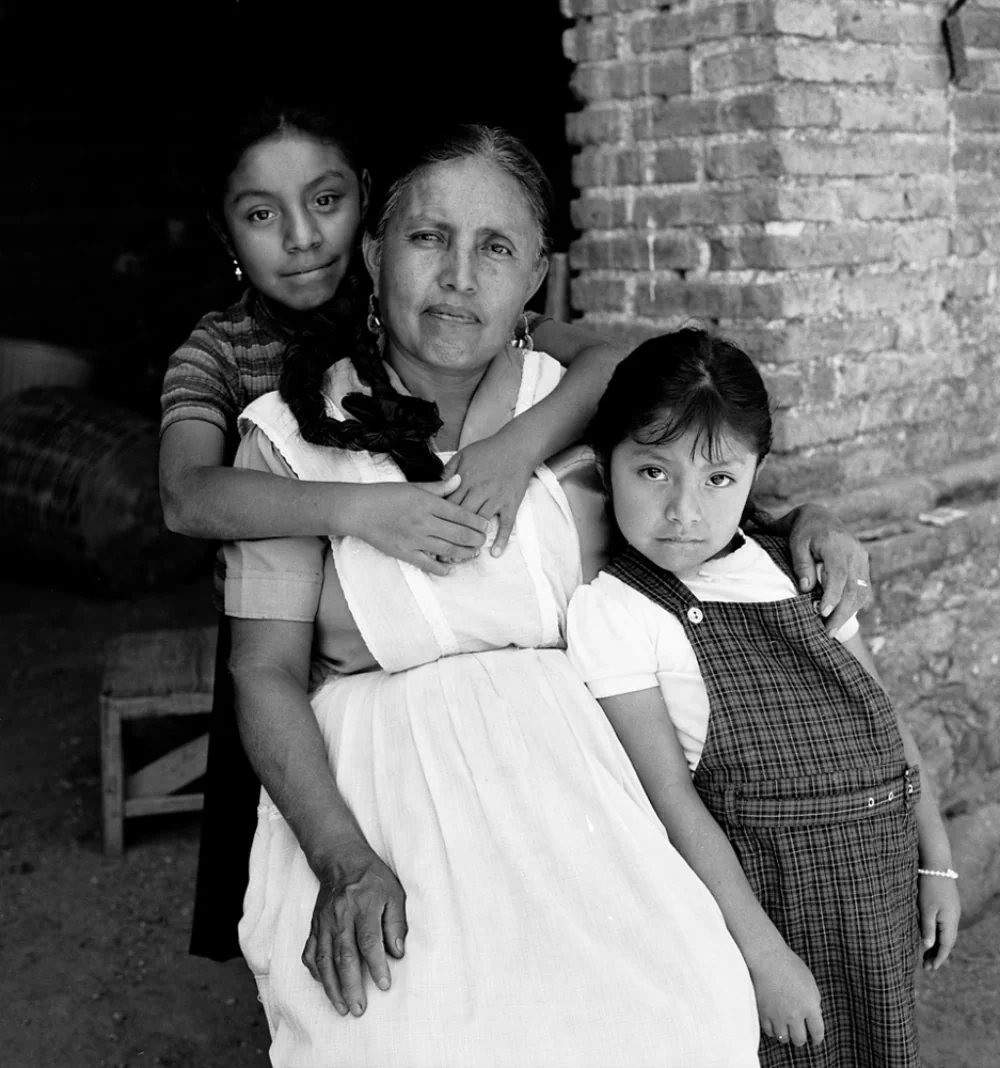
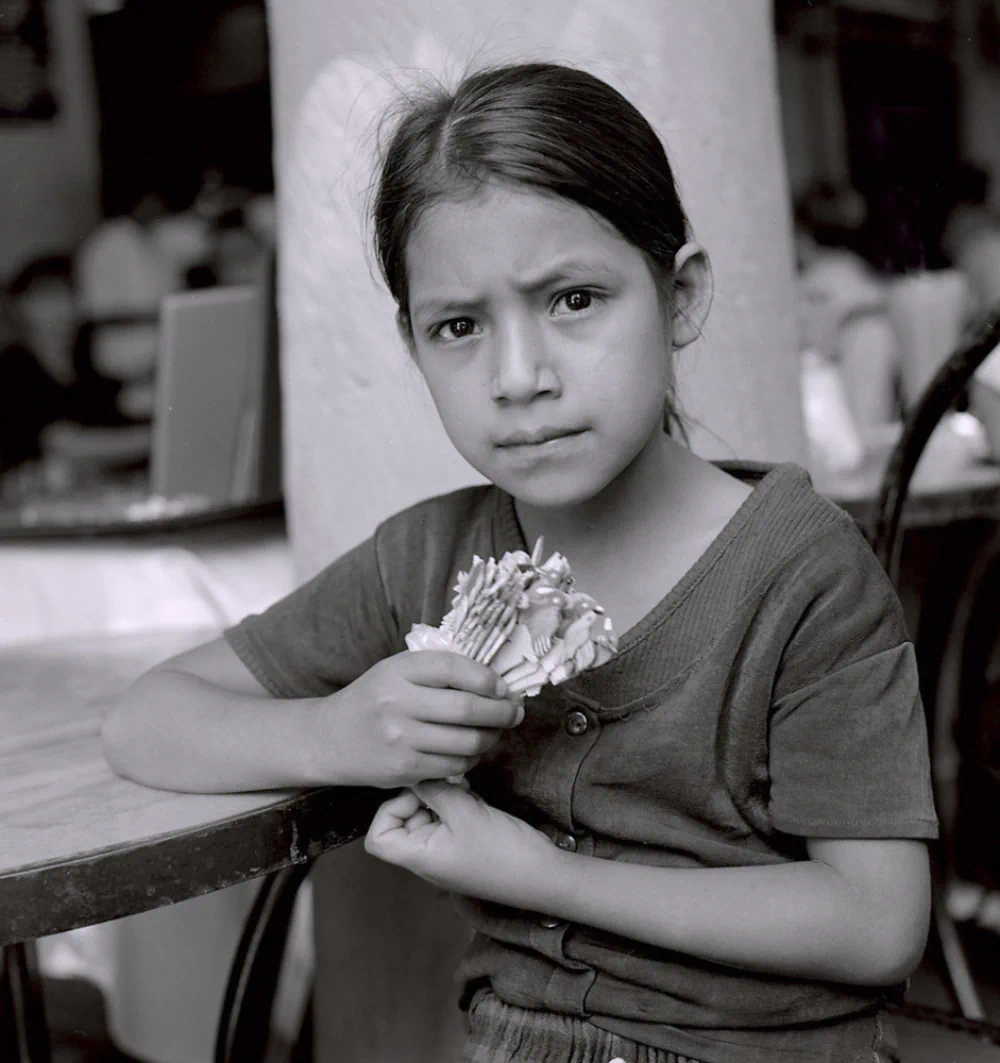
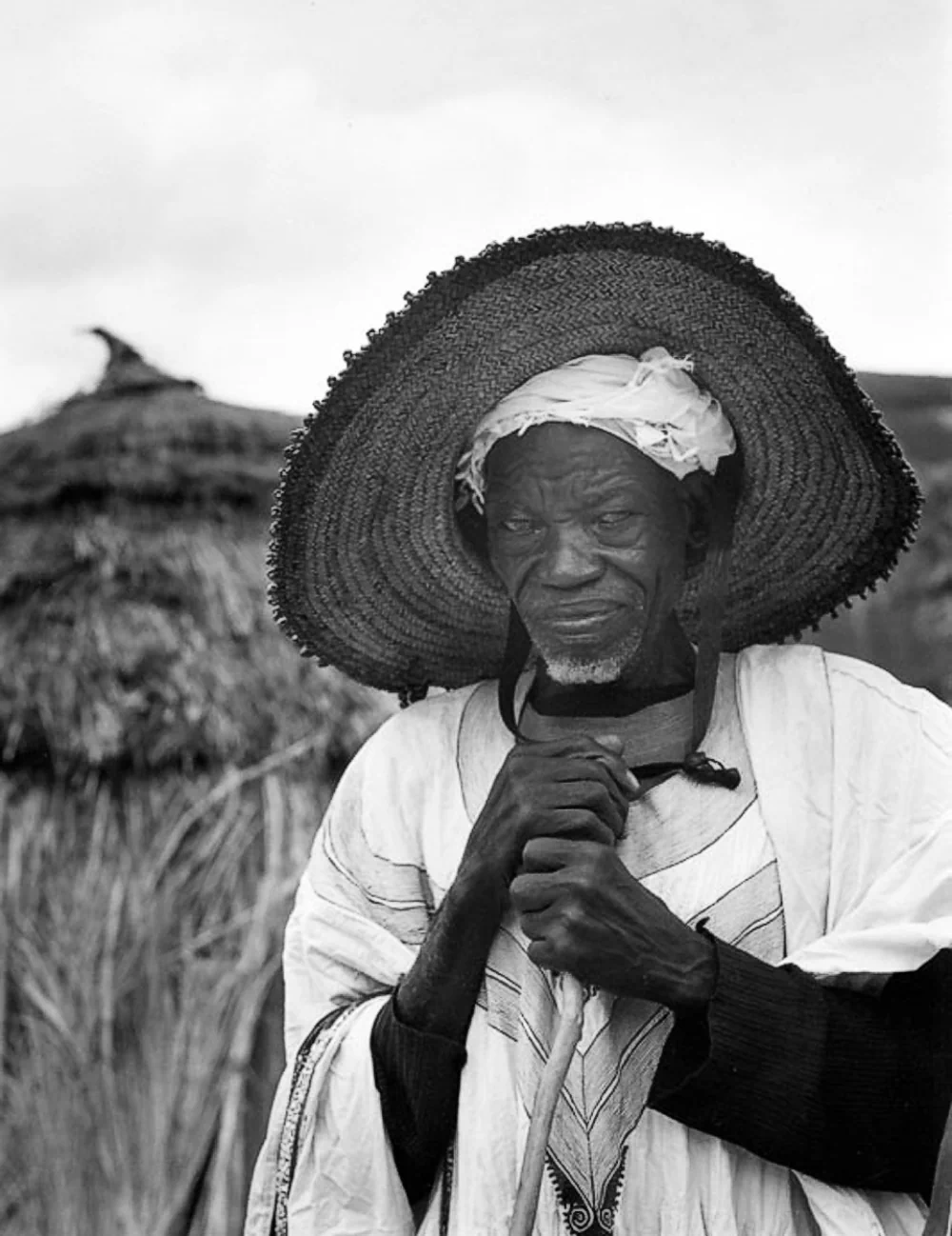
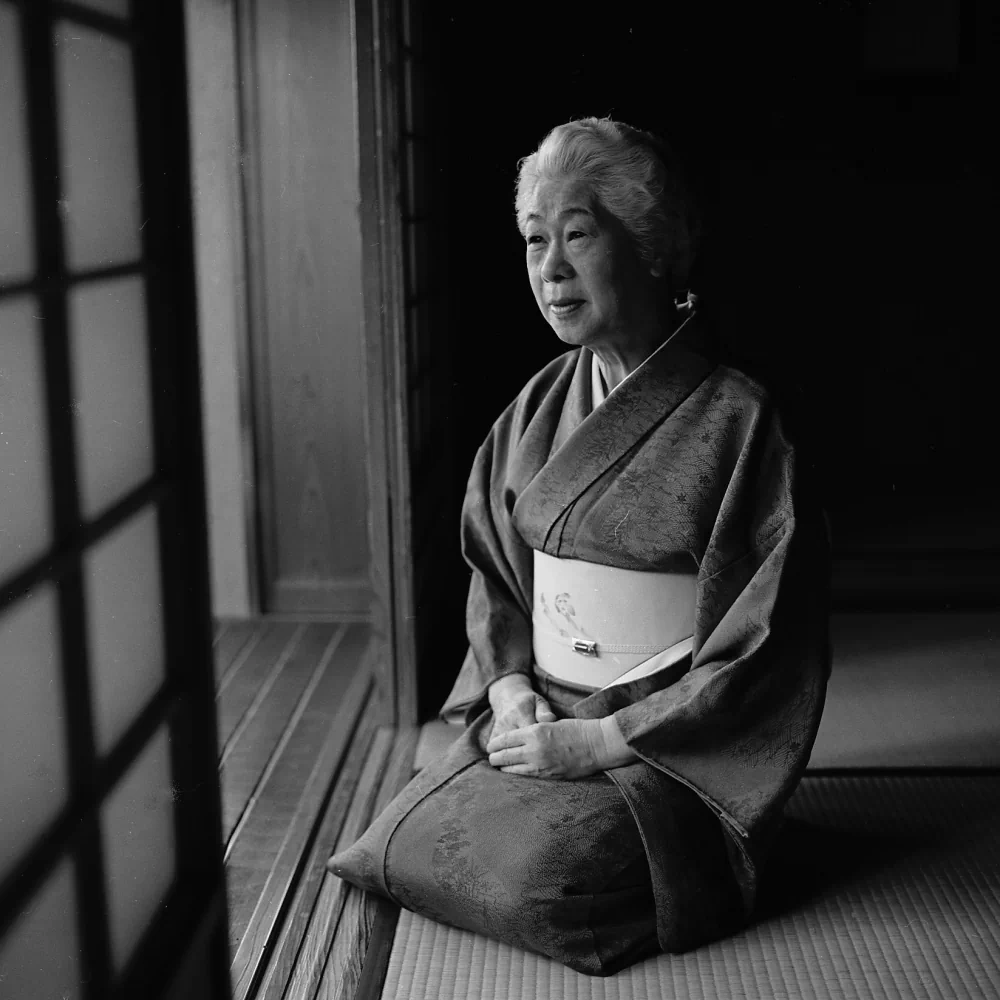
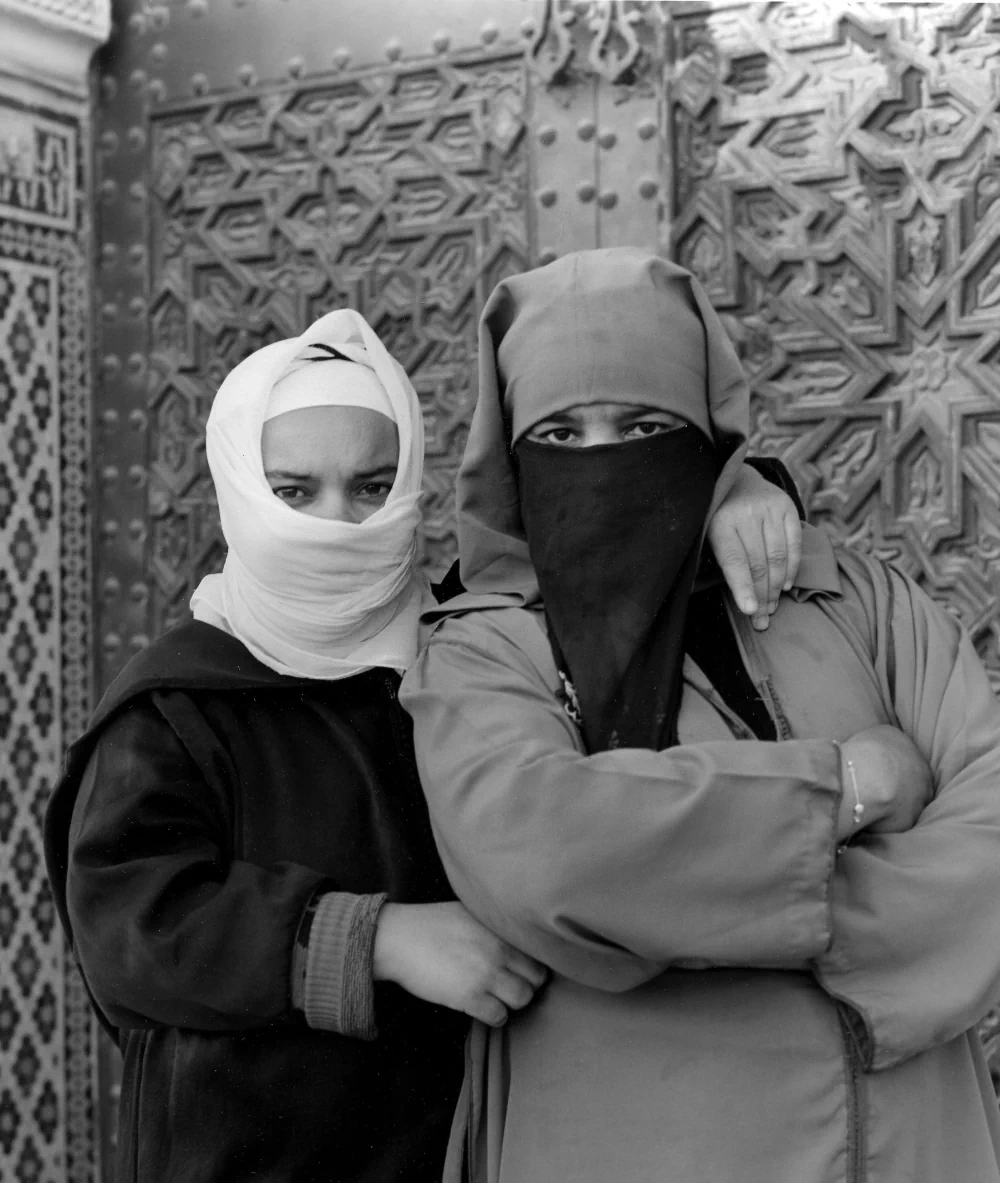
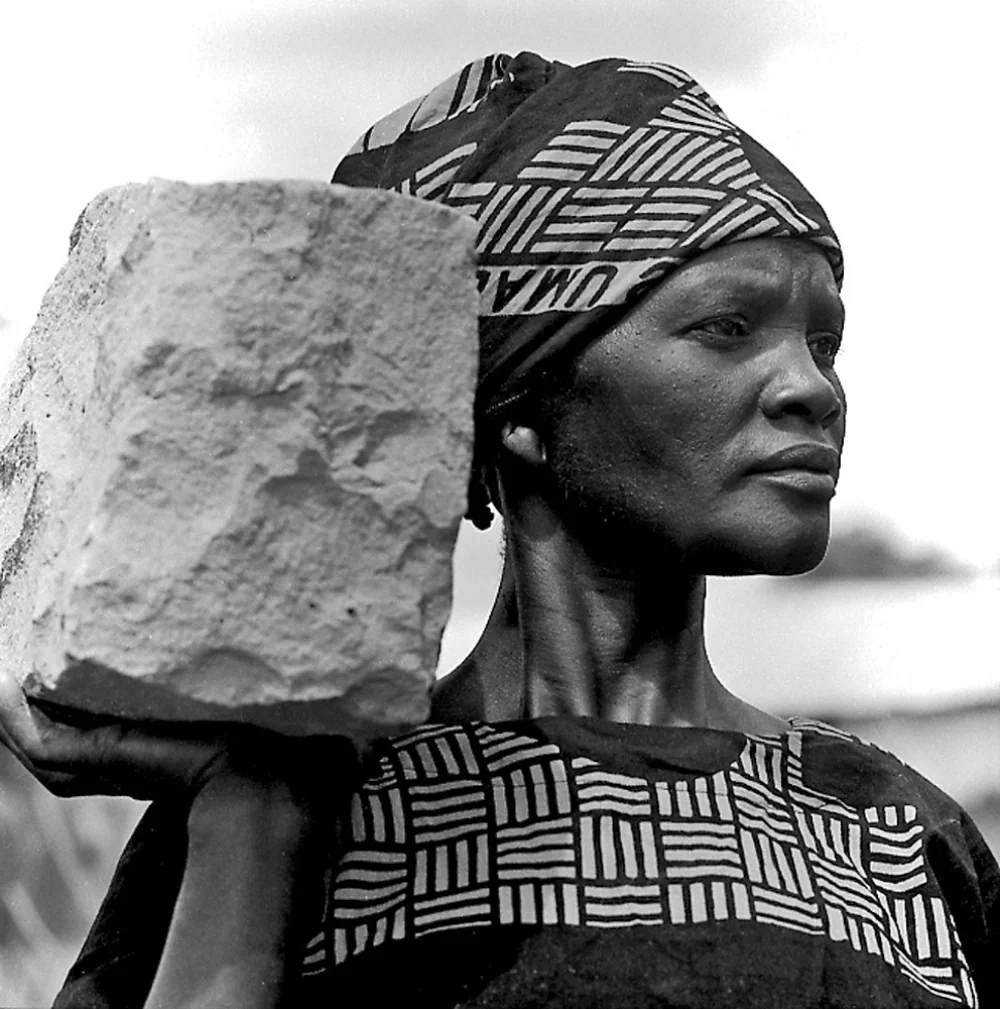
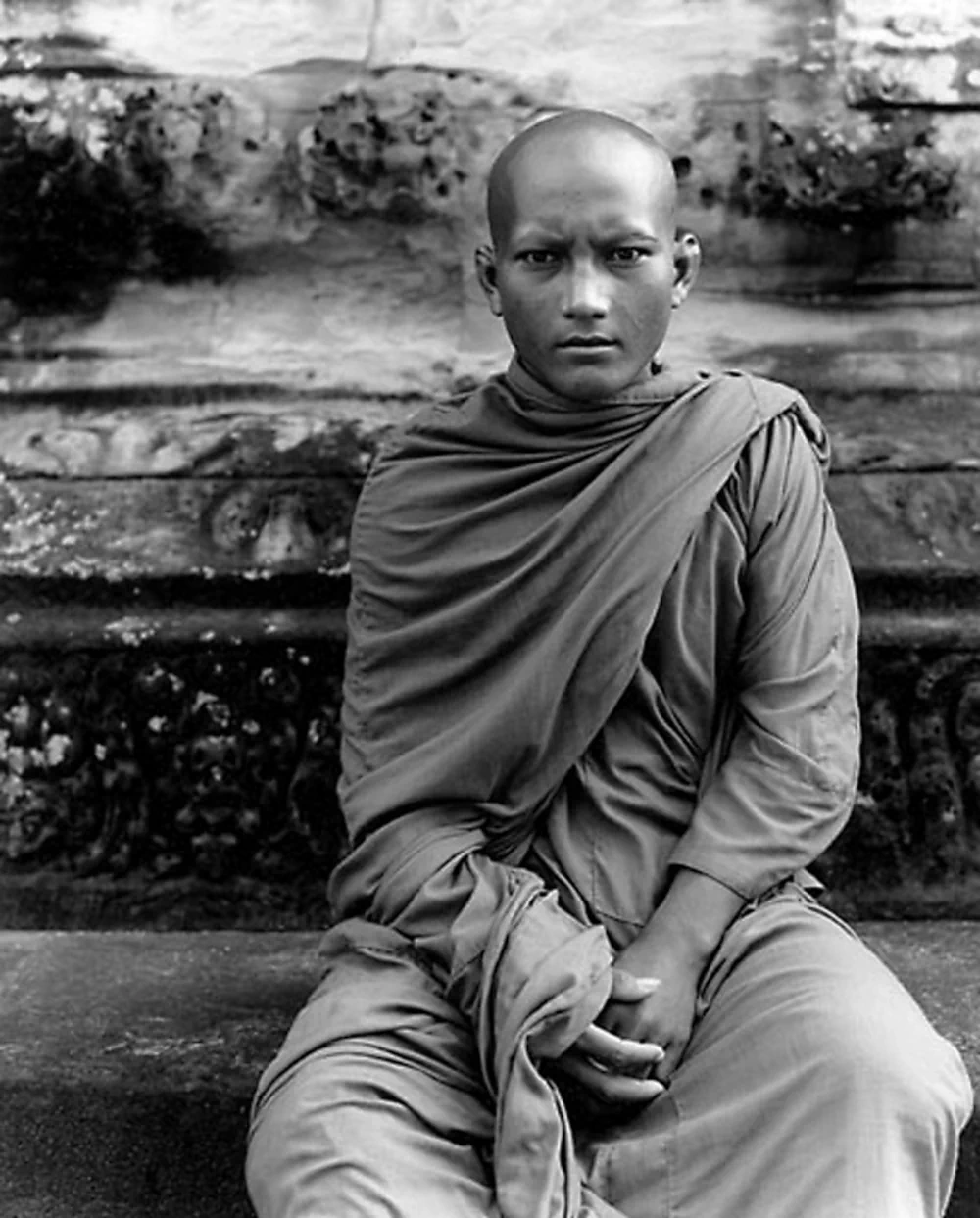
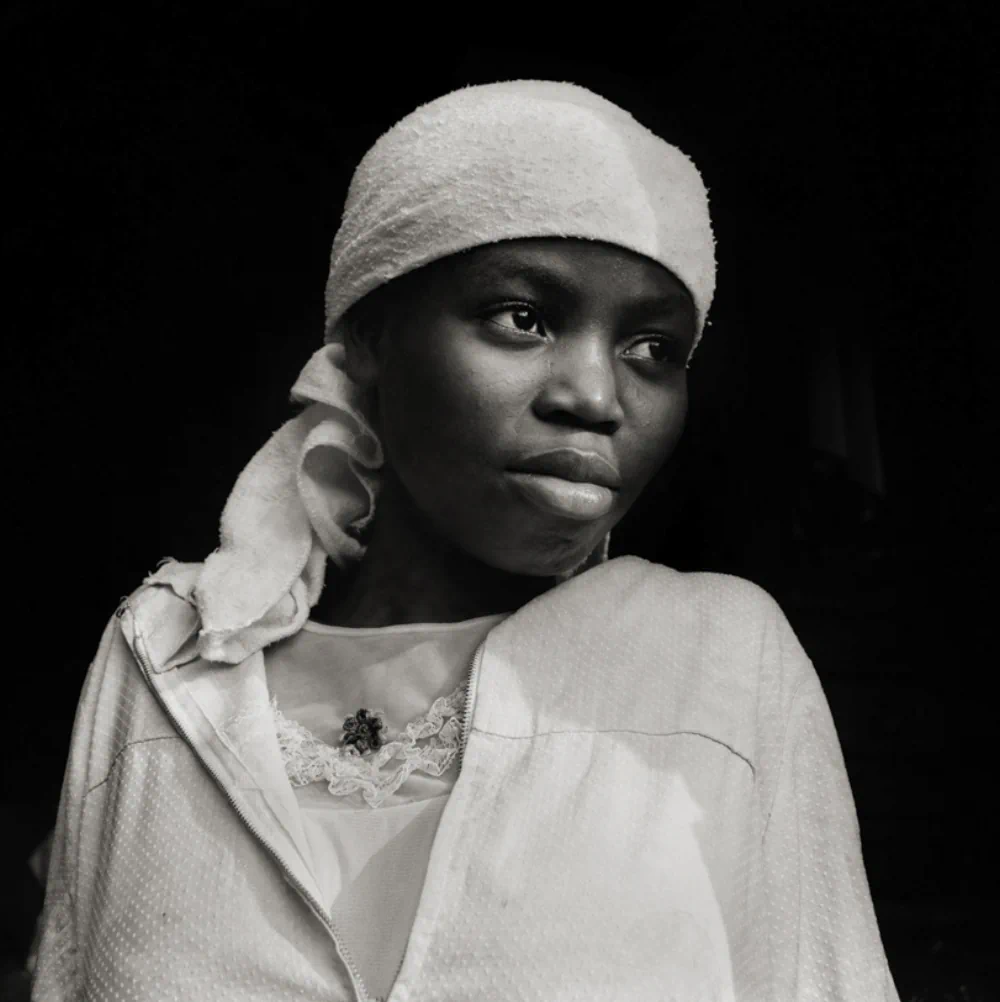
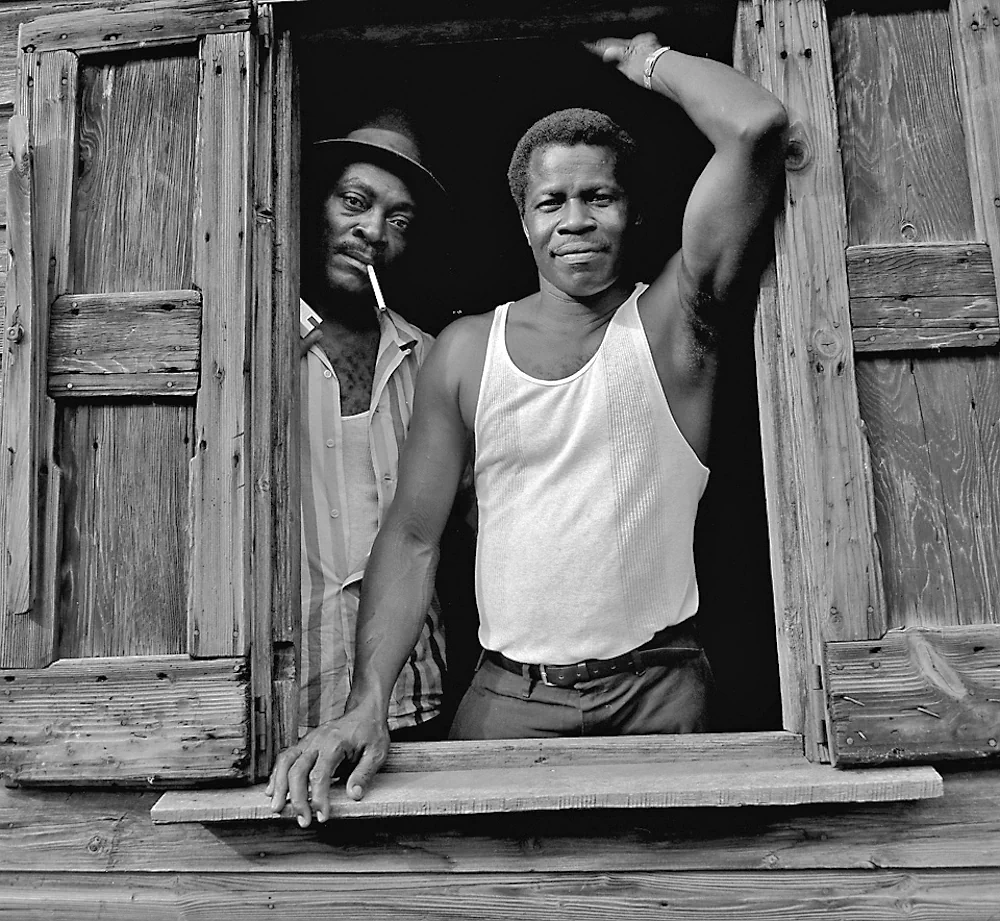
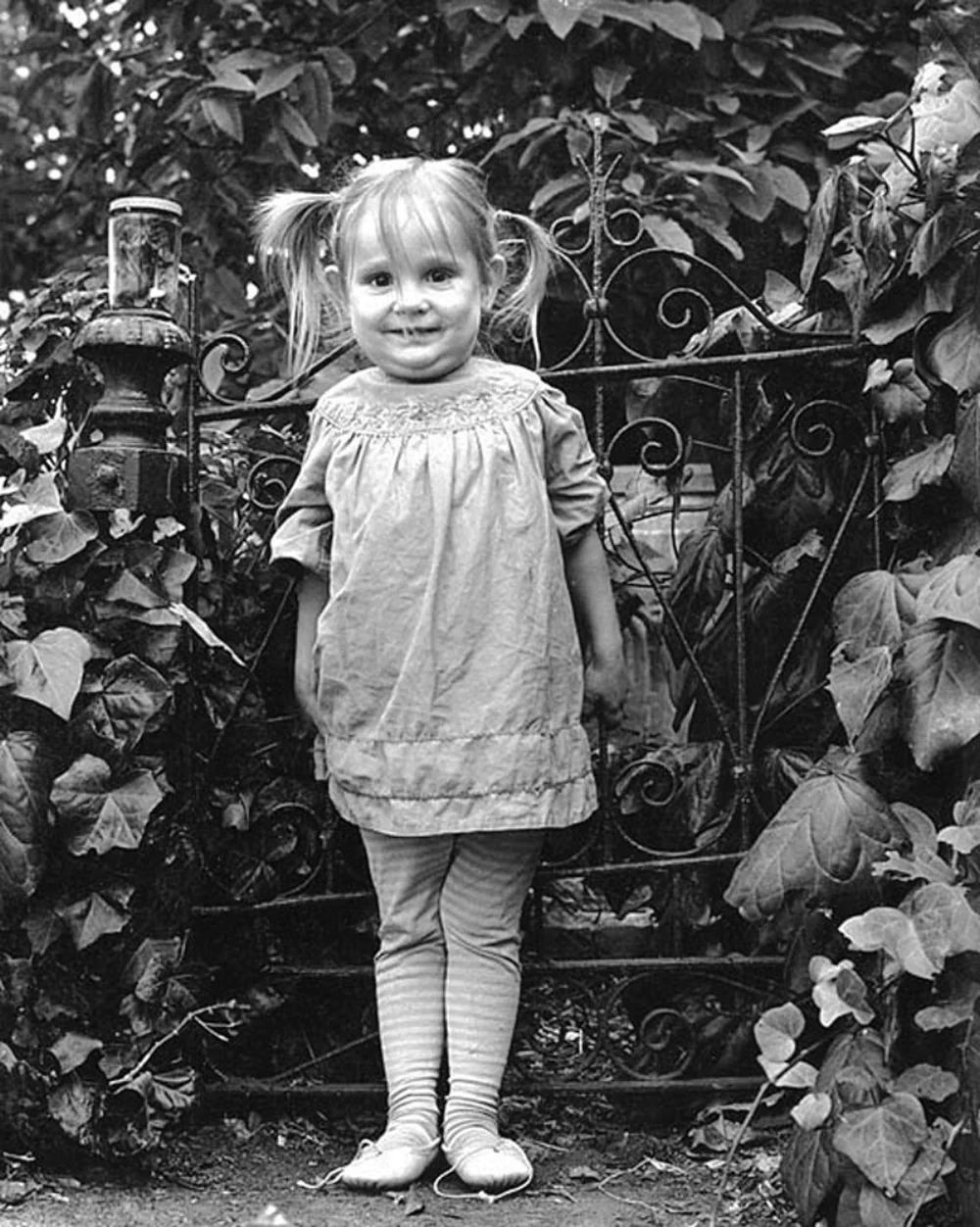
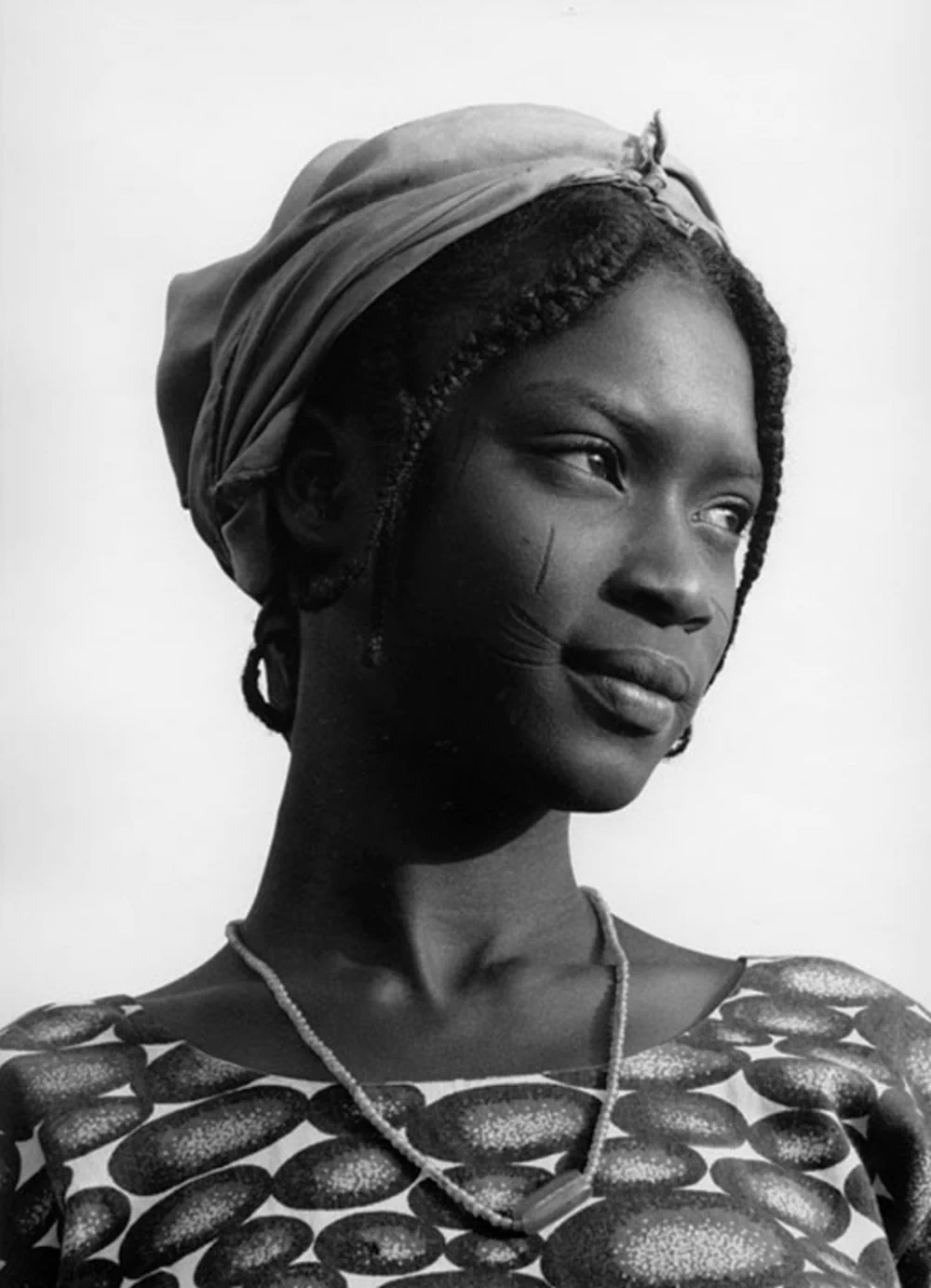
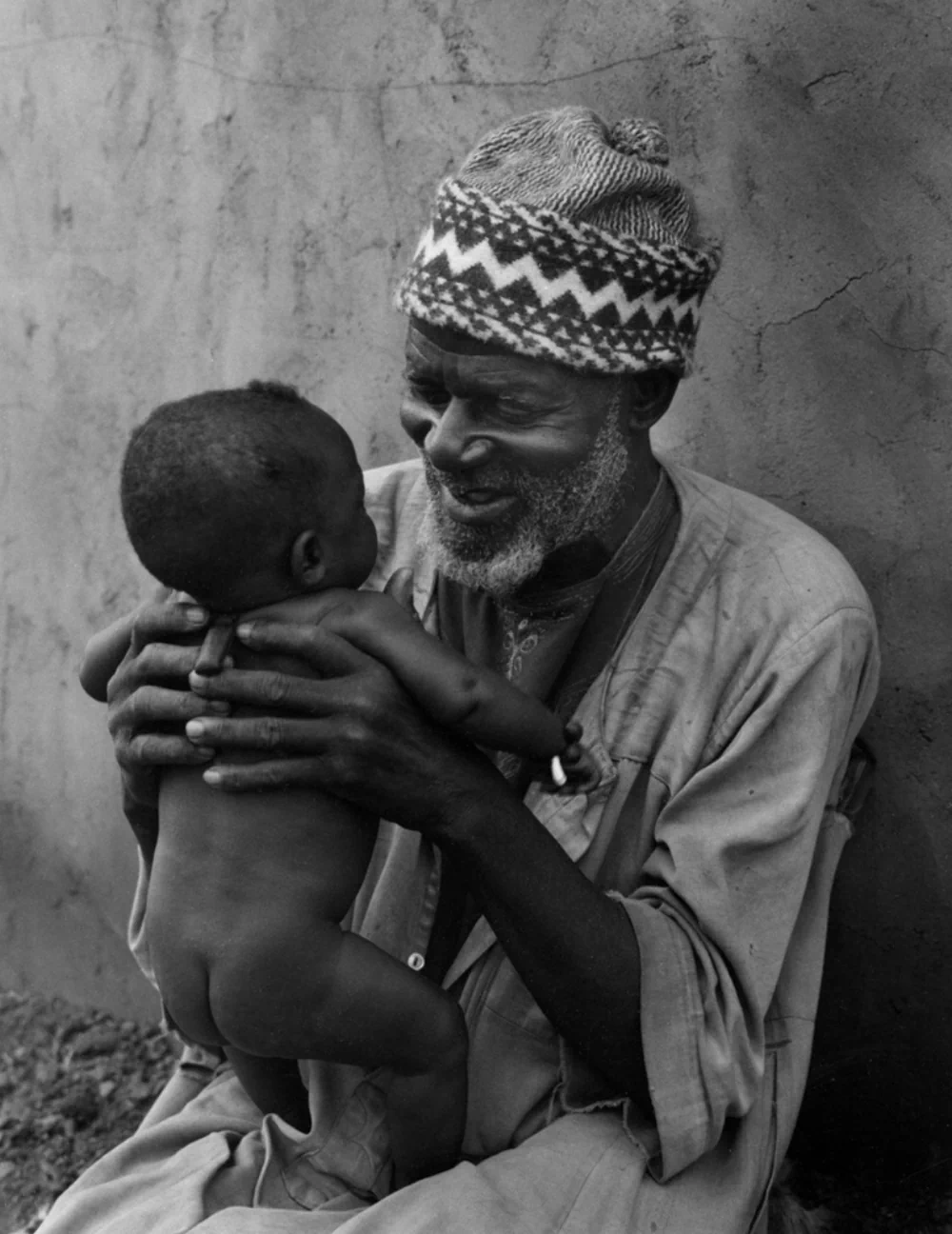
Margo Davis has devoted her life to photographing people from cultures different from her own, driven by a profound fascination with humanity, identity, and emotional presence.
Born in New York City, Davis moved with her family to the Connecticut shoreline at the age of two and spent her childhood immersed in nature and creativity. Her education at The Thomas School emphasized a holistic approach that combined intellectual rigor with artistic and personal development. Students attended morning assemblies accompanied by Bach chorales before studying Latin, French, biology, and history, while afternoons were dedicated to field hockey and theatrical productions such as The Crucible performed outdoors. The school’s proximity to New York City also allowed frequent visits to museums and theater productions, creating an educational experience far removed from conventional school culture.
A defining moment came in 1955, when her parents took her and her sister to see The Family of Man at Museum of Modern Art. Curated by Edward Steichen, the landmark exhibition featured 500 photographs from approximately 70 countries and explored the shared experiences of humanity. Davis was deeply moved by both the universality of human life and the diversity of expression represented in the images.
Her studies later continued at Bennington College, where education focused on balancing intellectual discipline with character development. During her junior year abroad in Paris at Sorbonne University between 1963 and 1964, she experienced the turning point that would define her photographic career. Frustrated by traditional French literature lectures delivered in overheated lecture halls designed to induce sleep at eight in the morning, she abandoned the classroom and wandered through the streets of Paris with her first camera, a Zeiss Ikon rangefinder. Guided by a Catalonian art student from the École des Beaux-Arts, she learned to explore, observe, and develop film, discovering photography as a form of “painting with light.”
Captivated by the medium, Davis returned home and built a darkroom in the basement of her family home in Connecticut. She spent the summer photographing her surroundings, developing negatives, and making prints. She later transferred her credits to University of California, Berkeley for her final year of college in 1965. Immersed in the student darkroom, she gradually left French literature behind and began carving a career in the arts. At the same time, the Free Speech Movement unfolded directly outside her darkroom door.
During her time at Berkeley, Davis met a PhD candidate from Antigua and Barbuda. After marrying in 1968, the couple returned to Antigua every summer to visit his family. These experiences marked the beginning of her journey as a humanistic photographer deeply engaged with cultural diversity, portraiture, and the expressive possibilities of natural light.
As French photography historian Jean-Claude Lemagny observed in the foreword to her book ANTIGUA, the term “humanist photography,” often overused or misapplied, finds authentic meaning in Davis’s work, not only in Antigua but throughout the many regions she photographed around the world.
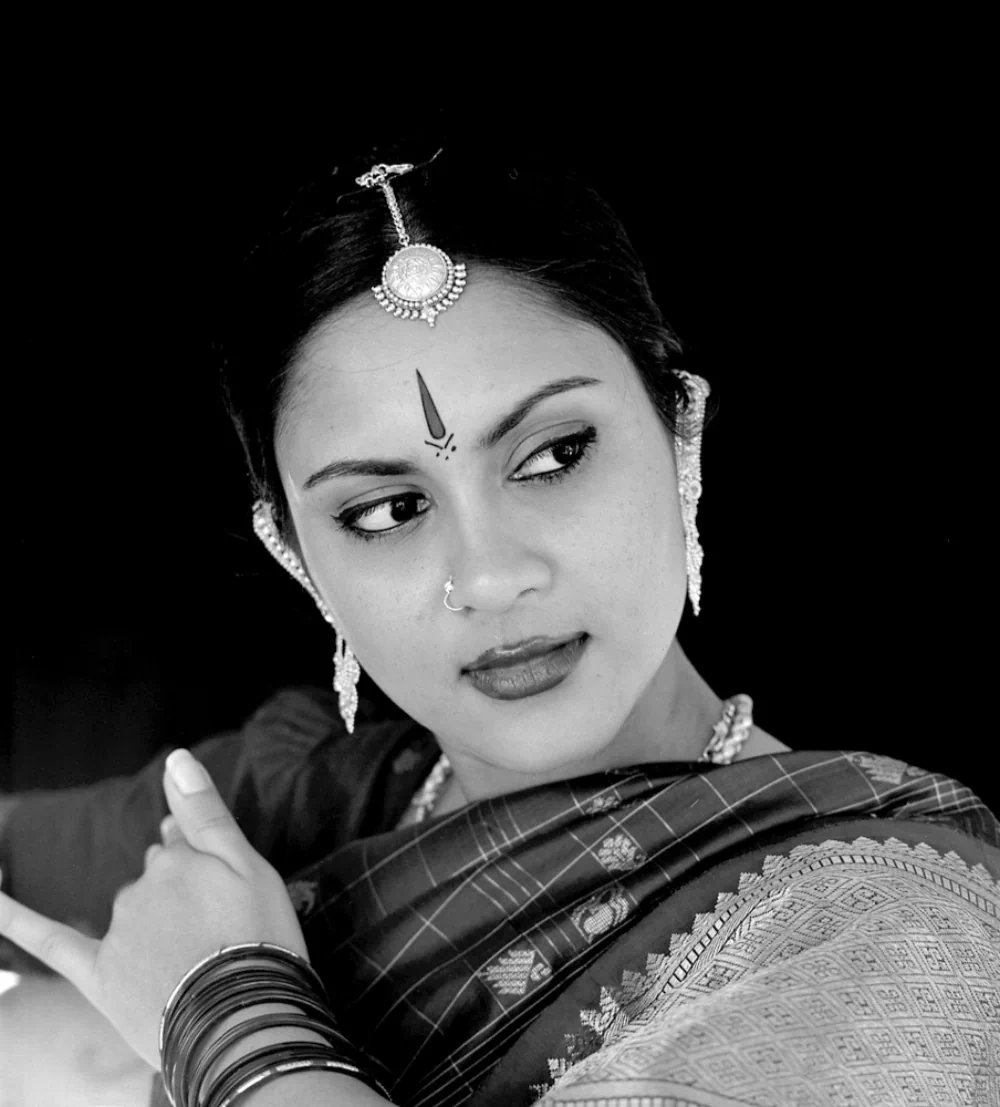
Over the years, Davis studied with influential photographers such as Dave Bohn, Ruth Bernhard, and Minor White. She later exhibited alongside artists including Imogen Cunningham and Bernhard herself. Her travels through Mexico, France, Italy, Antigua, and Africa were photographed primarily using Rolleiflex and Hasselblad medium-format cameras, chosen for the tonal richness and sharpness produced by larger negatives. Davis became deeply committed to traditional darkroom craftsmanship, embracing techniques such as the Zone System and selenium toning, which transformed the warm tones of Portriga Rapid paper into luminous lavender-tinted prints.
The photographs she created in Antigua between 1967 and 1973 resulted in two books, while her work in Nigeria and Kenya between 1980 and 1985 inspired her to expand her exploration of the African diaspora worldwide. Her ongoing fascination with photographing faces from every inhabited continent ultimately led to the publication of UNDER ONE SKY by Stanford University Press in 2004.
Throughout her career, Davis has viewed artistic practice as a means of understanding deeper truths about identity, experience, and personal evolution. Her photographs reflect not only cultural observation but also an enduring search for empathy, meaning, and human connection across the many places and faces she encountered throughout the world.