

I am a conceptual landscape photographer who focuses on the environment to express my respect for nature.
One of the aspects of photography that I find most compelling is understanding what drives photographers to dedicate their time and energy to particular projects, and how, over time, the creative process transforms those projects into something deeply personal.
As a former research scientist, I pay close attention to details, questioning their meaning and importance within the environment. Over the last five years, much of my work has been created near my home in northwest Connecticut, where I am surrounded by thousands of acres of beautiful natural parks. Daily walks through these landscapes have become a true solace for the soul.
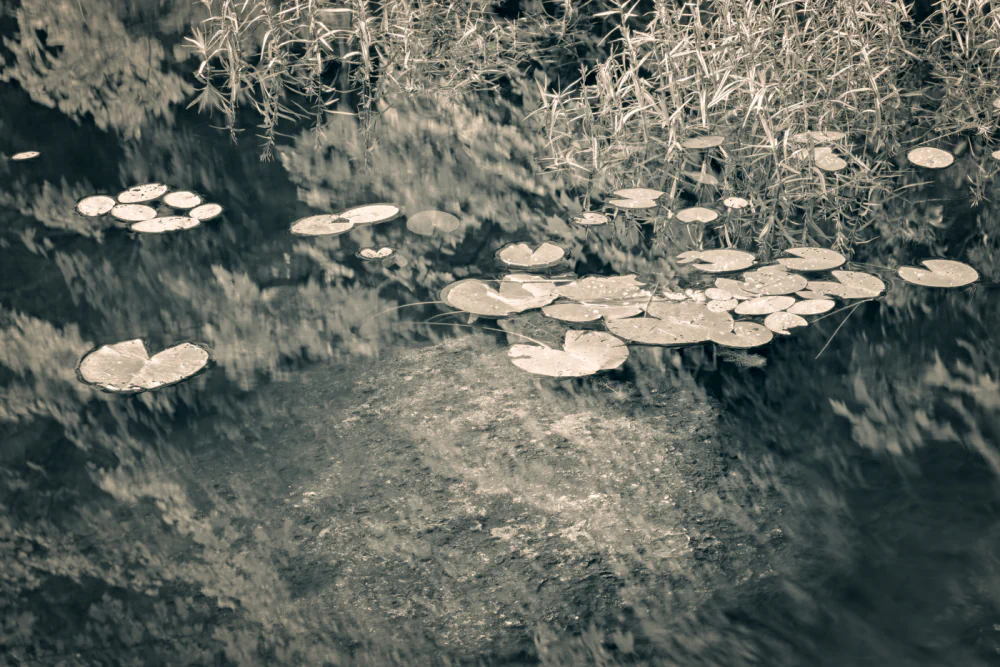
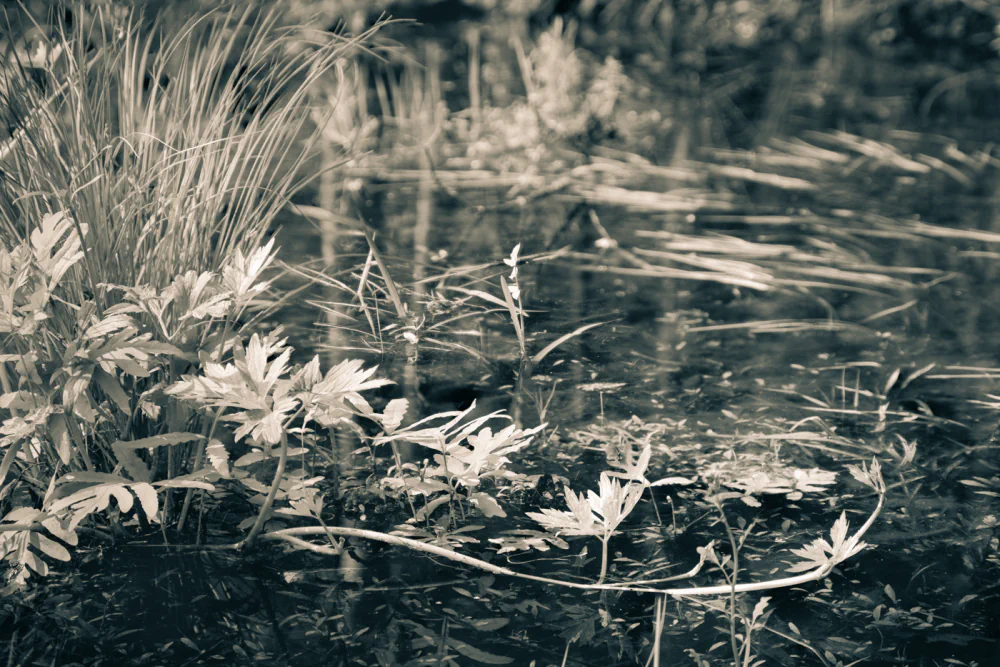
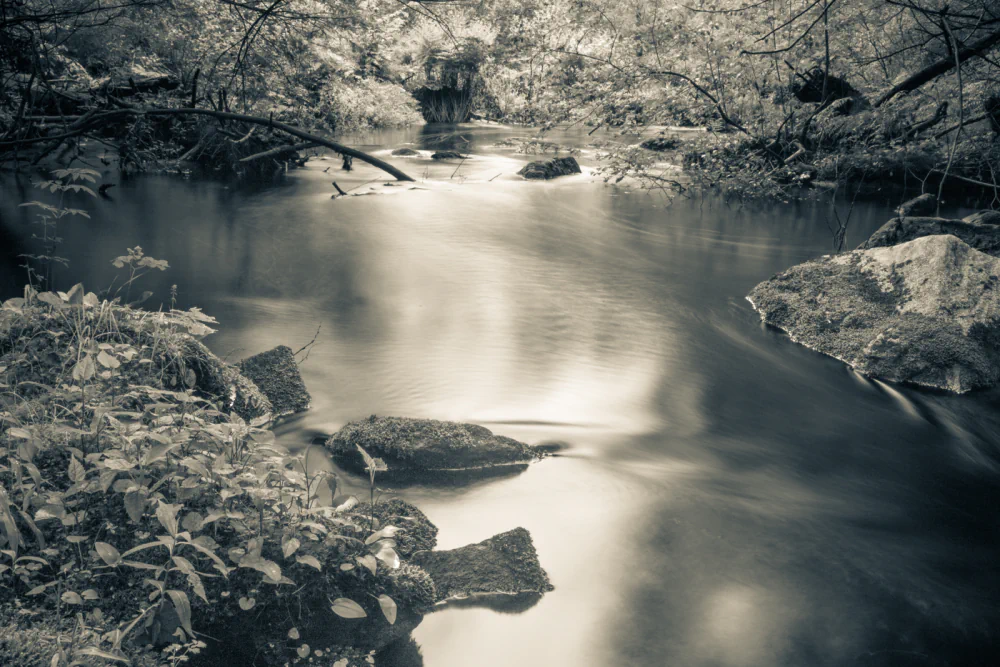
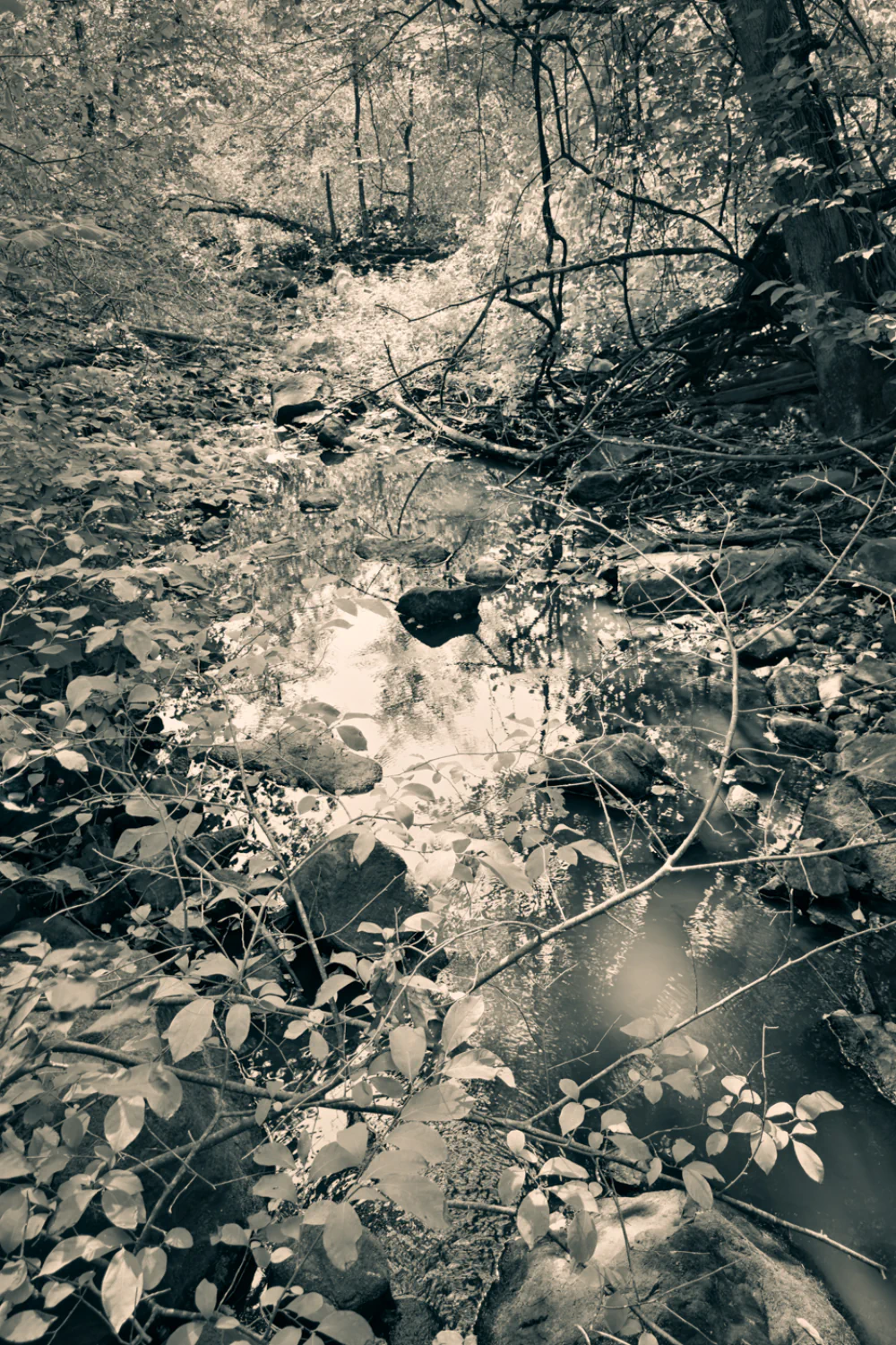
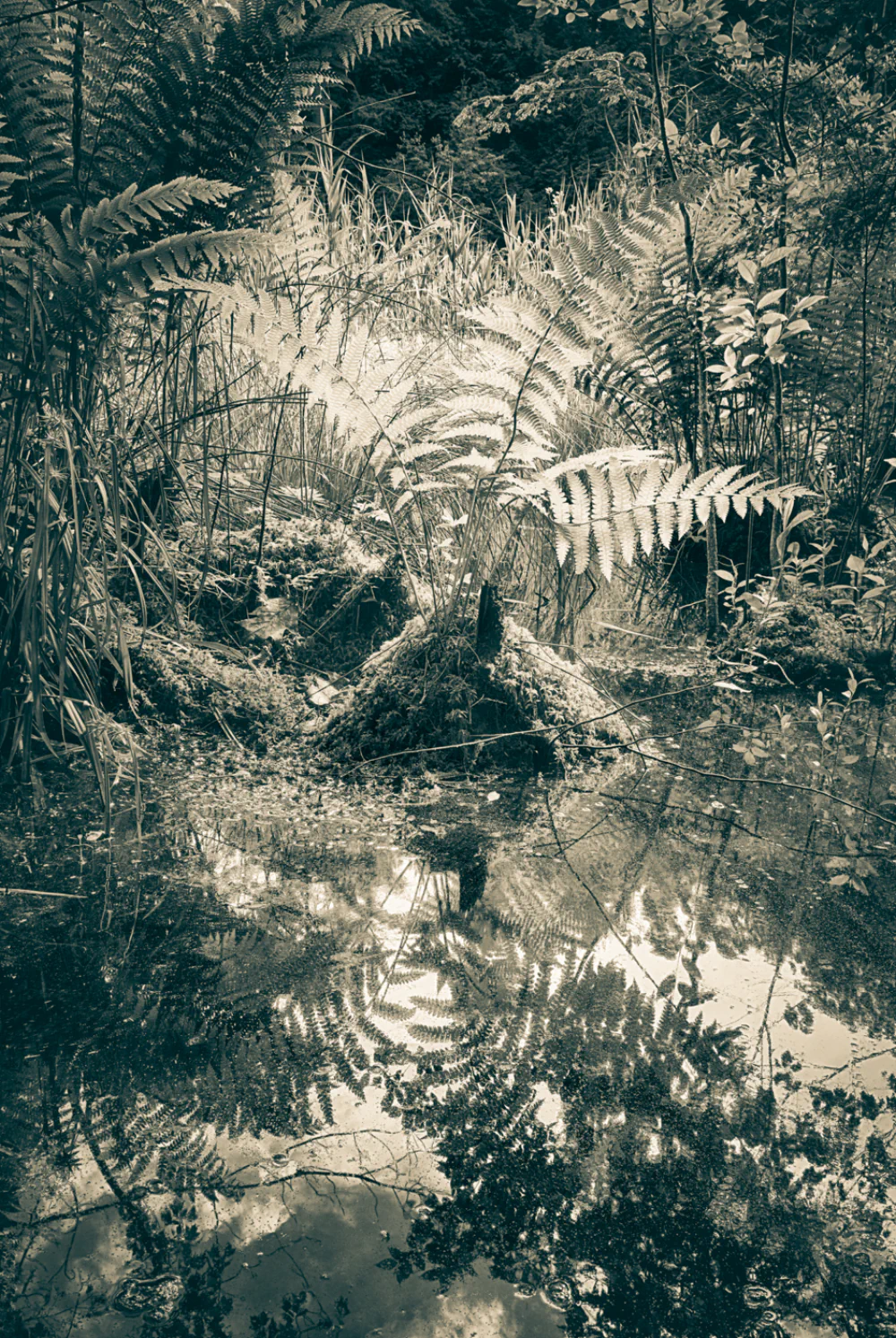
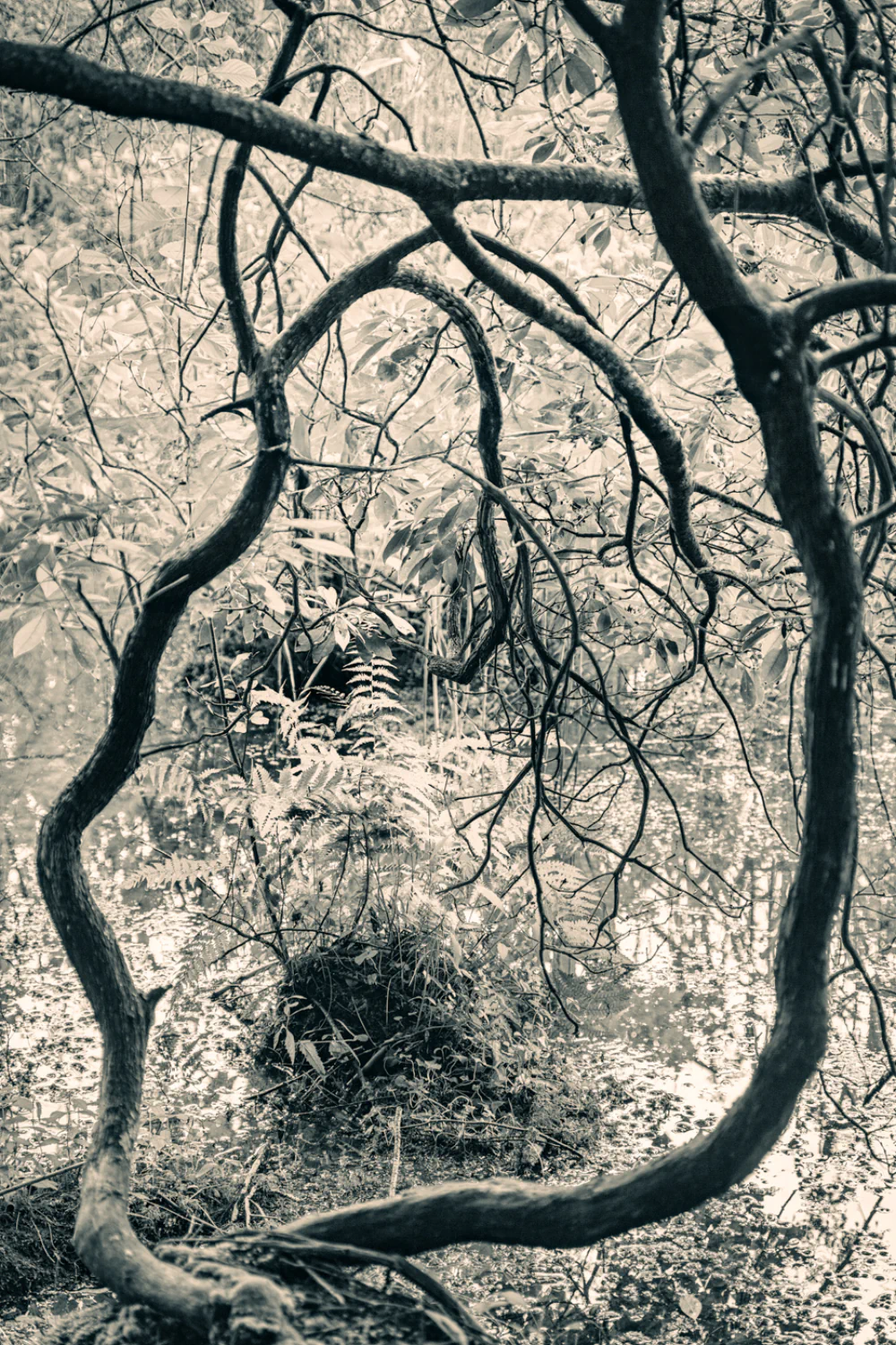
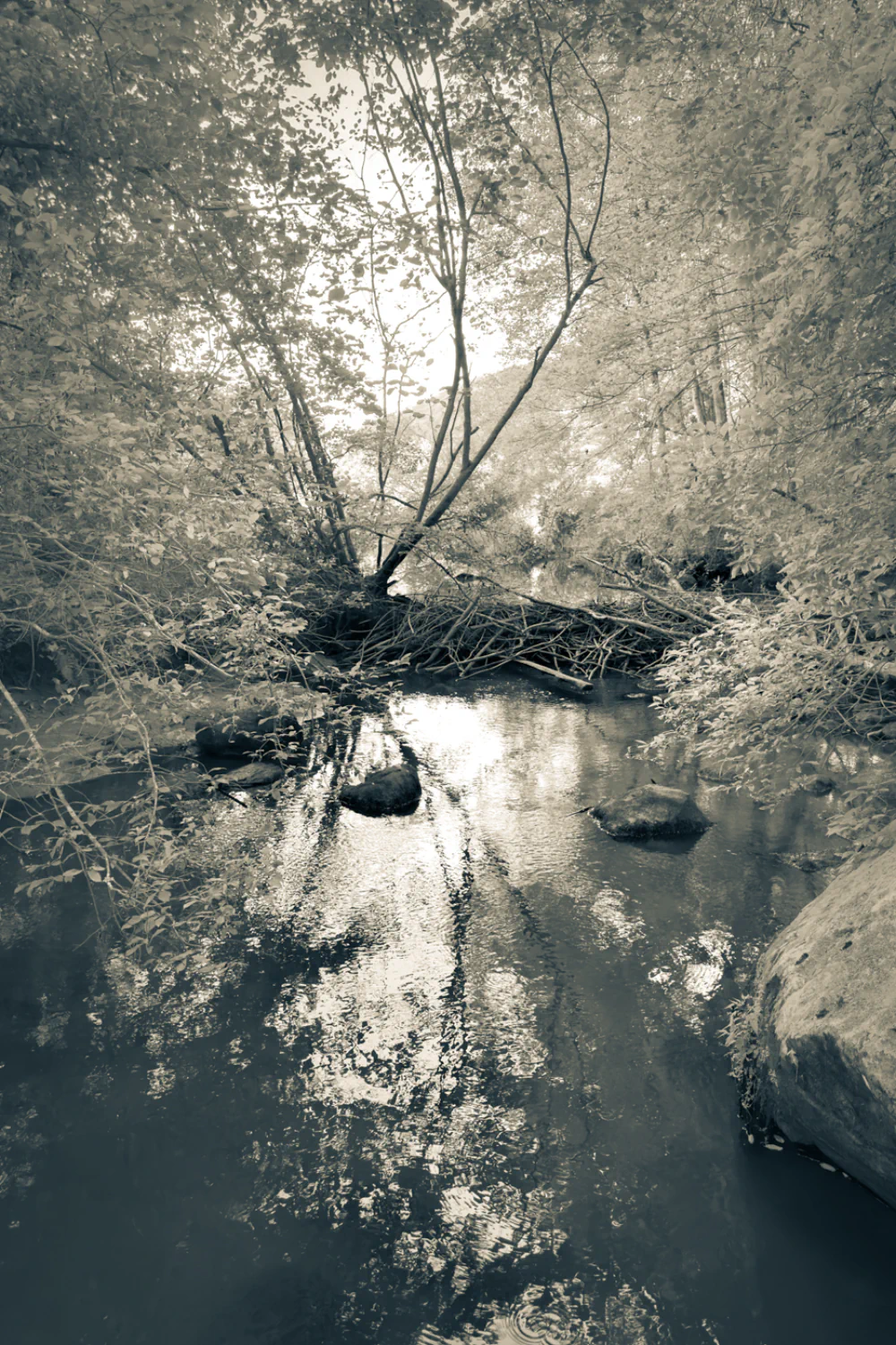
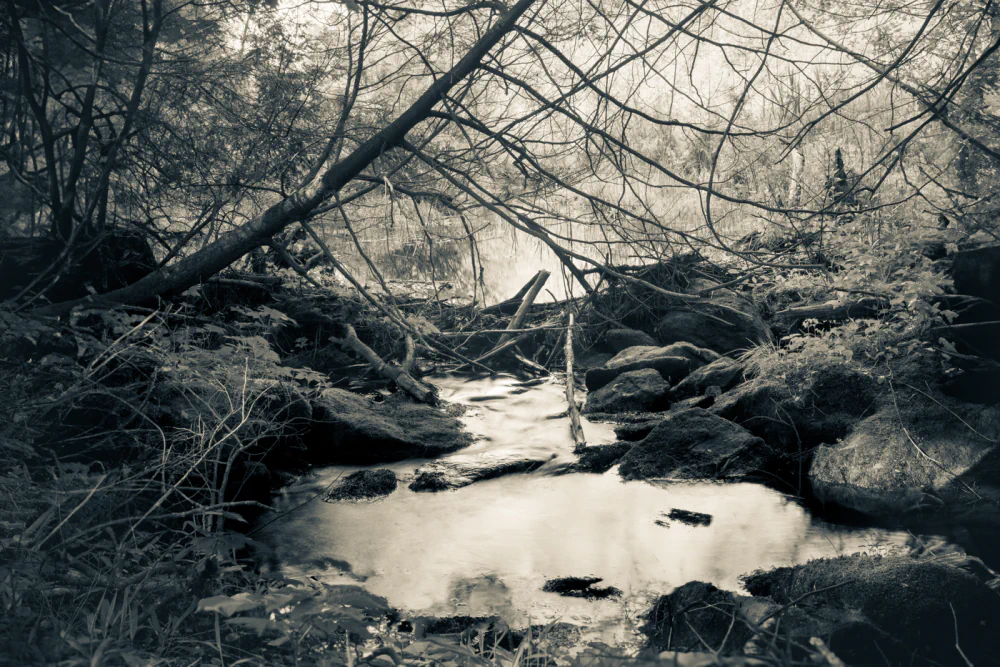
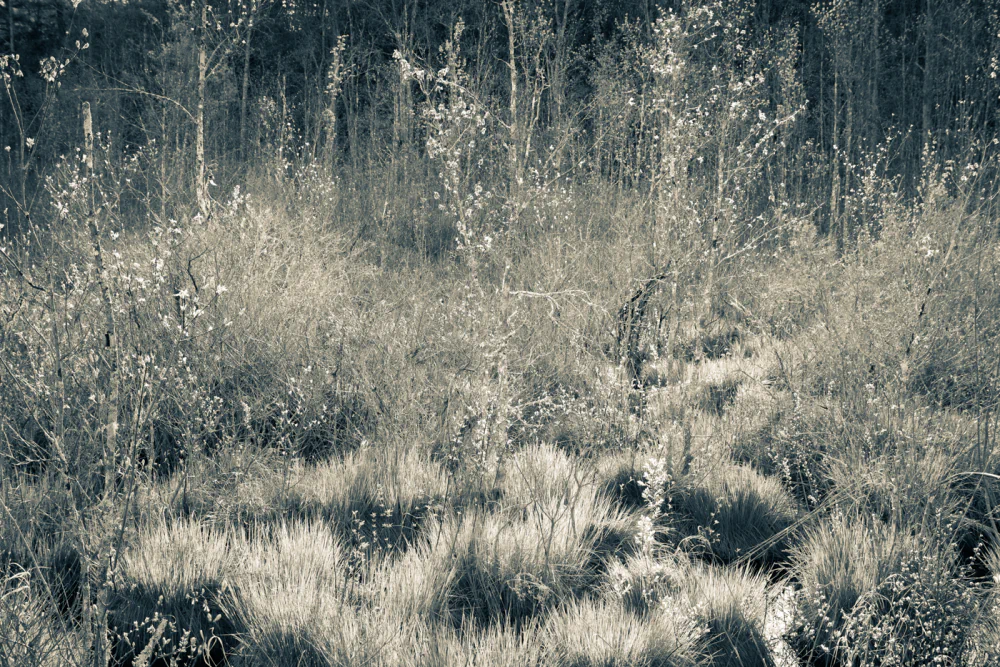
Within these woodlands lie hundreds of beaver bogs. I was drawn to this habitat partly because I spent much of my childhood around similar environments in Maine. By damming streams, beavers create swampy habitats, making them a keystone species responsible for sustaining the moist ecosystems upon which the flora and fauna of the bog depend. Because these low-lying wetlands are so saturated, they remain largely inaccessible. Since the streams follow the natural topography of the land, many of these bogs are believed to have existed, largely unchanged, for hundreds or even thousands of years. Wearing fishing waders, I have ventured into these isolated, undisturbed, and timeless places, allowing me to experience a beaver’s-eye view of their habitat.
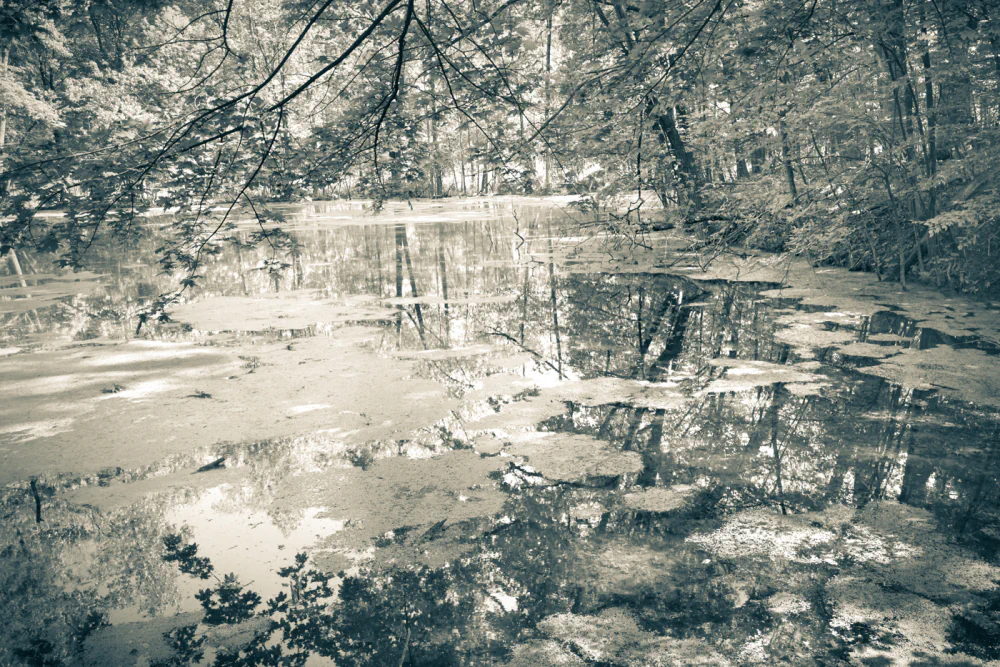
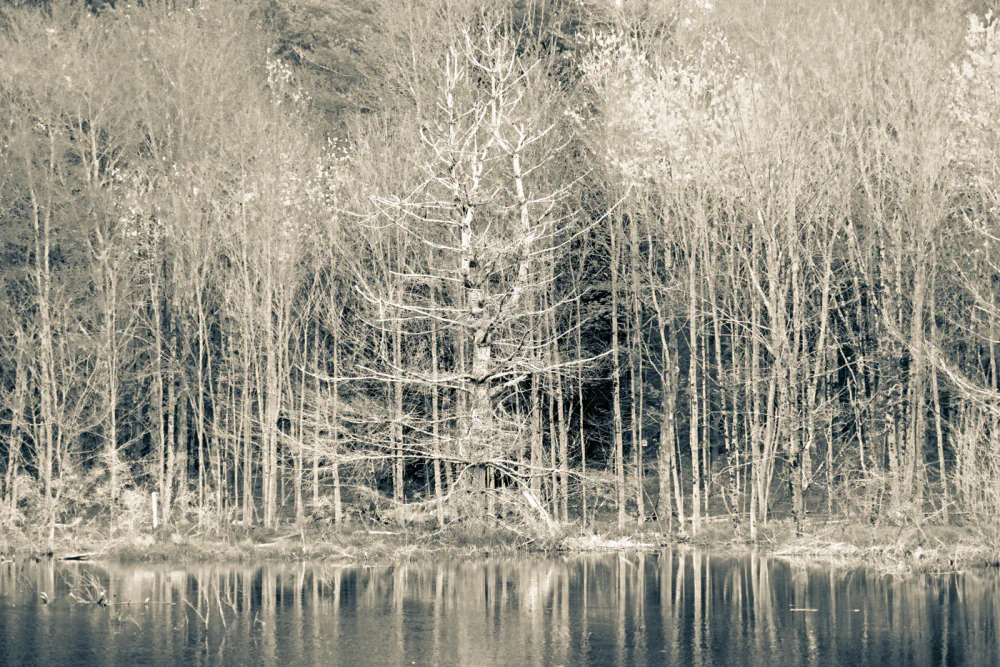
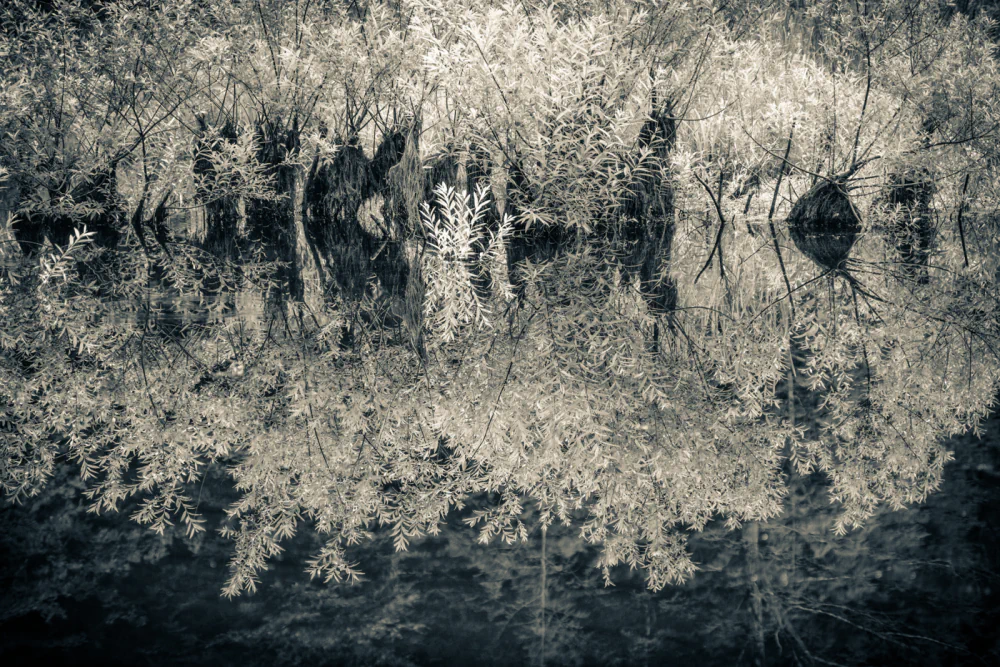
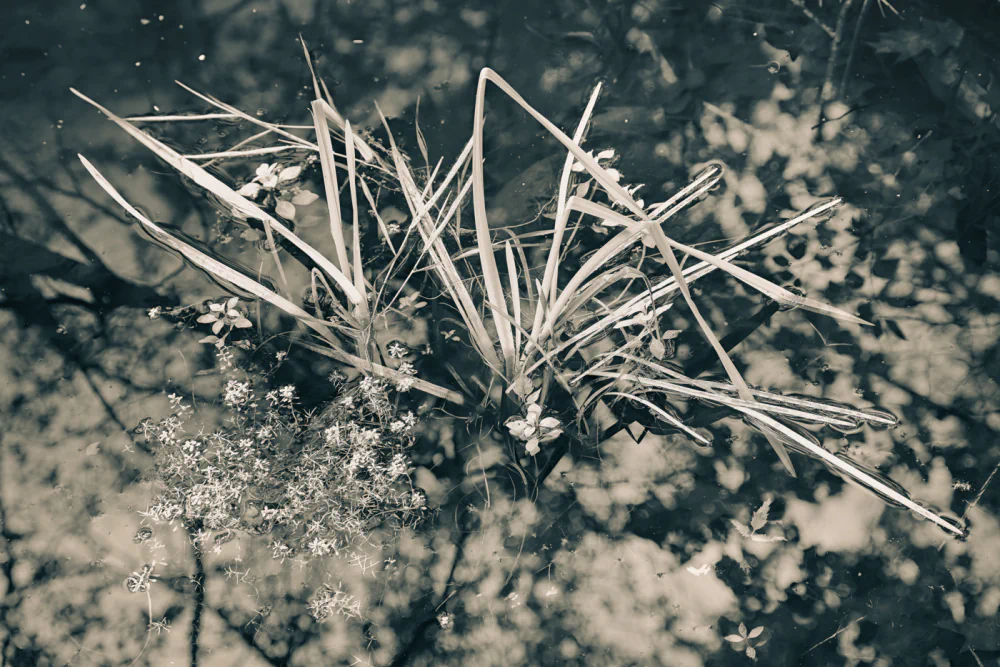
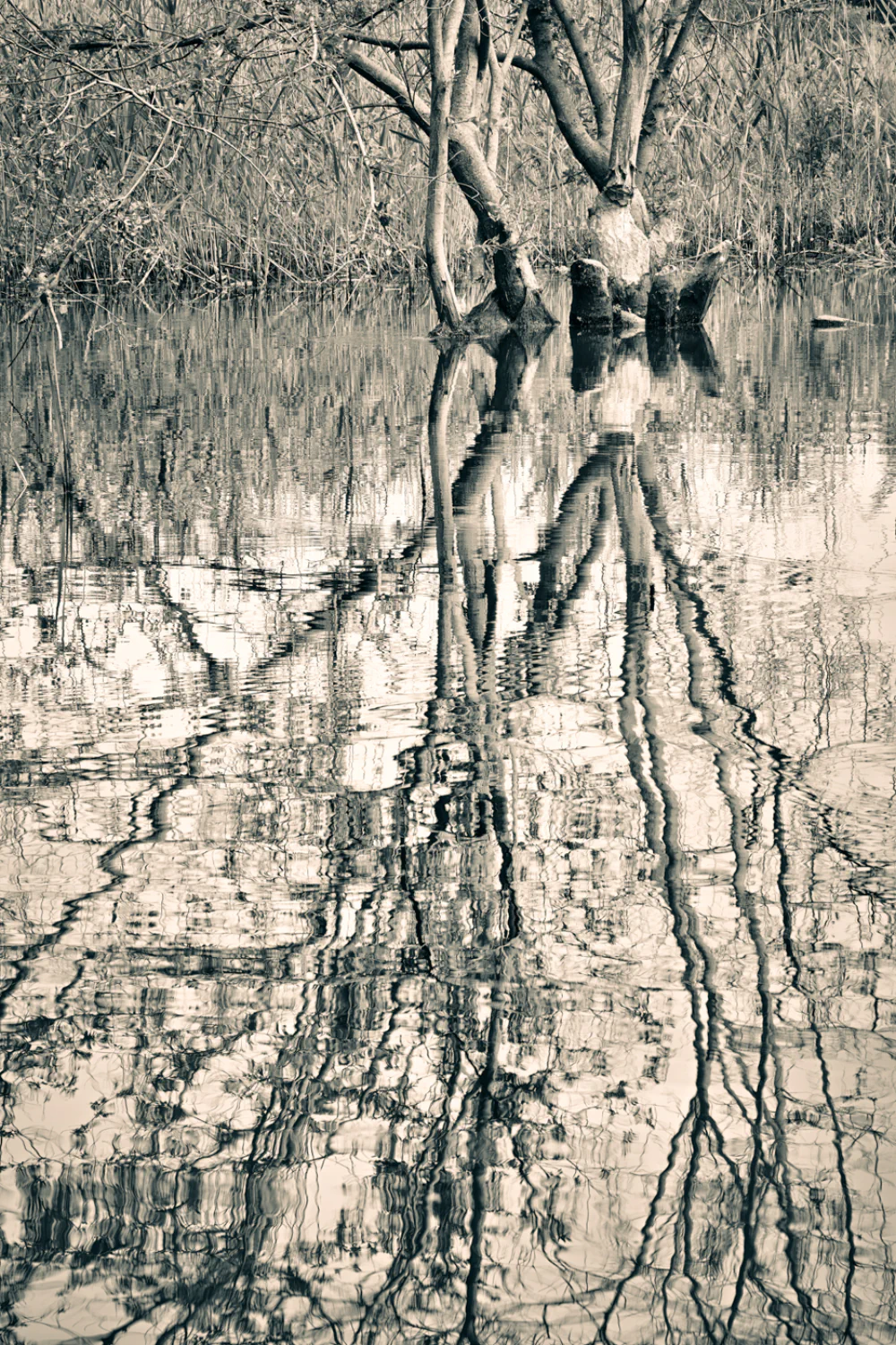
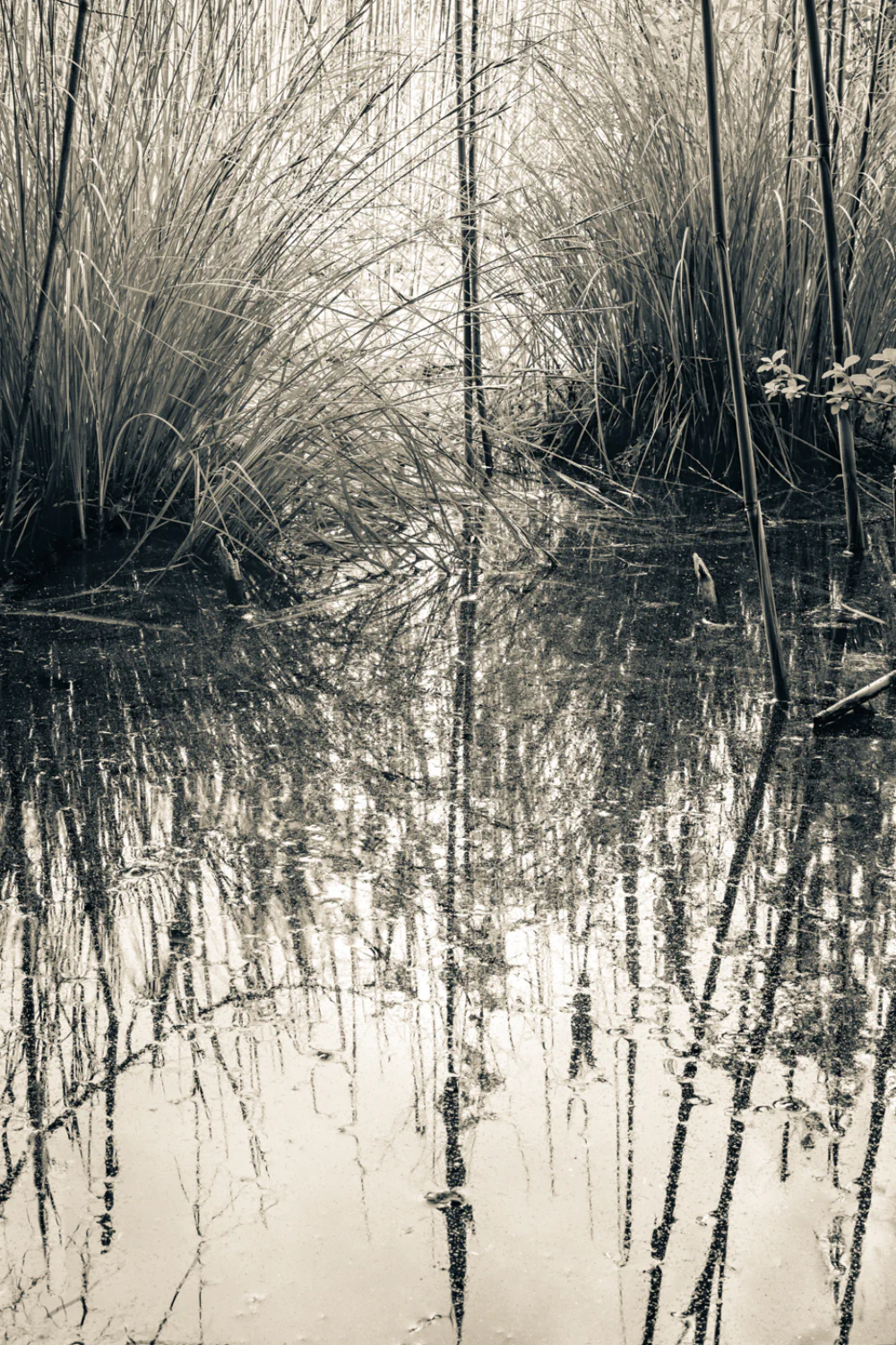
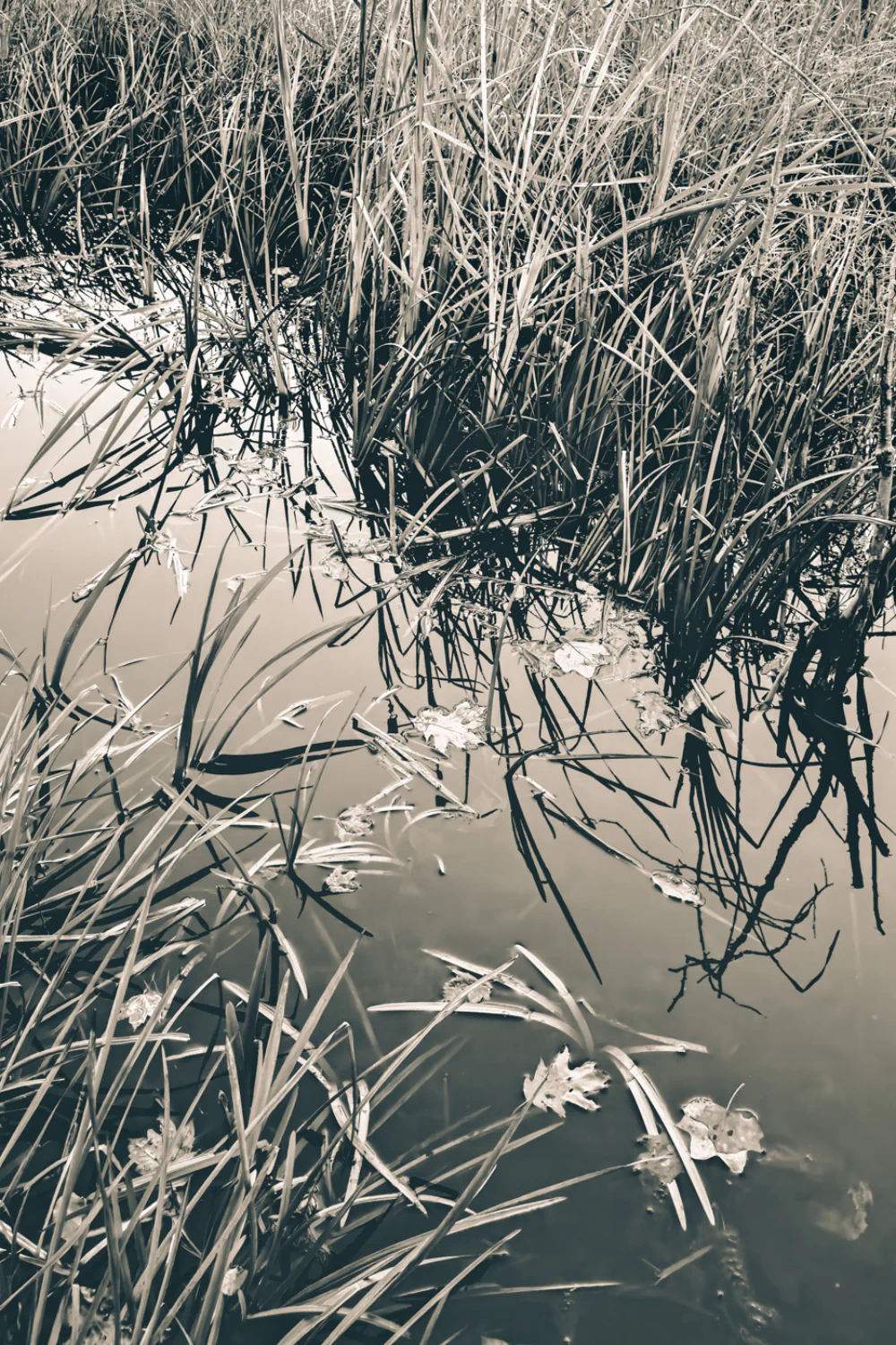
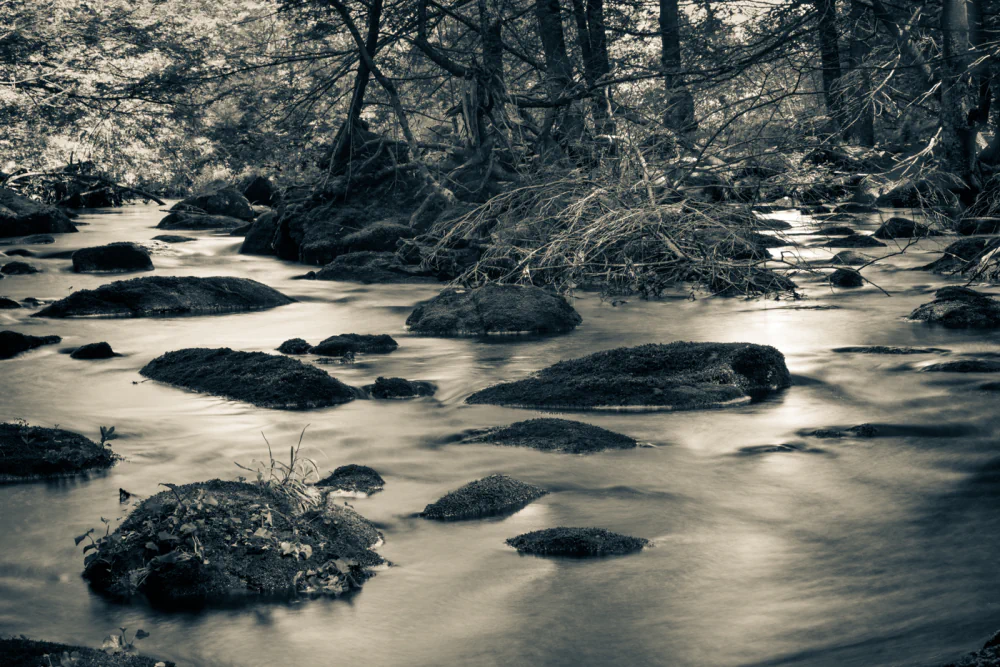
I describe it this way because one of my favorite approaches to photographic projects is to seek a novel perspective while making images—sometimes imagining the viewpoint of an animal, as in this case; a plant, as in my projects on maguey agaves in Mexico; or even an inanimate object, such as the boat hulls in my Waterline projects. Early in this series, I learned that beavers have poor visual acuity and perceive only the blue-to-yellow range of the visible spectrum. I quickly decided to create the images within this duotone palette and immediately discovered that this approach emphasized the cool shadows and warm highlights that define the environment. Many of the photographs contain watery reflections, and these colors effectively reinforce their strong contrasts. The palette also removes the green tones that would otherwise dominate the landscape. Another advantage of retaining a subtle amount of color in what might otherwise be black-and-white images is that color enhances the definition of form. The photographs in this collection depict quiet locations that I find both beautiful and intriguing, often featuring unusual plants, fallen logs, or currents that create strong compositions.
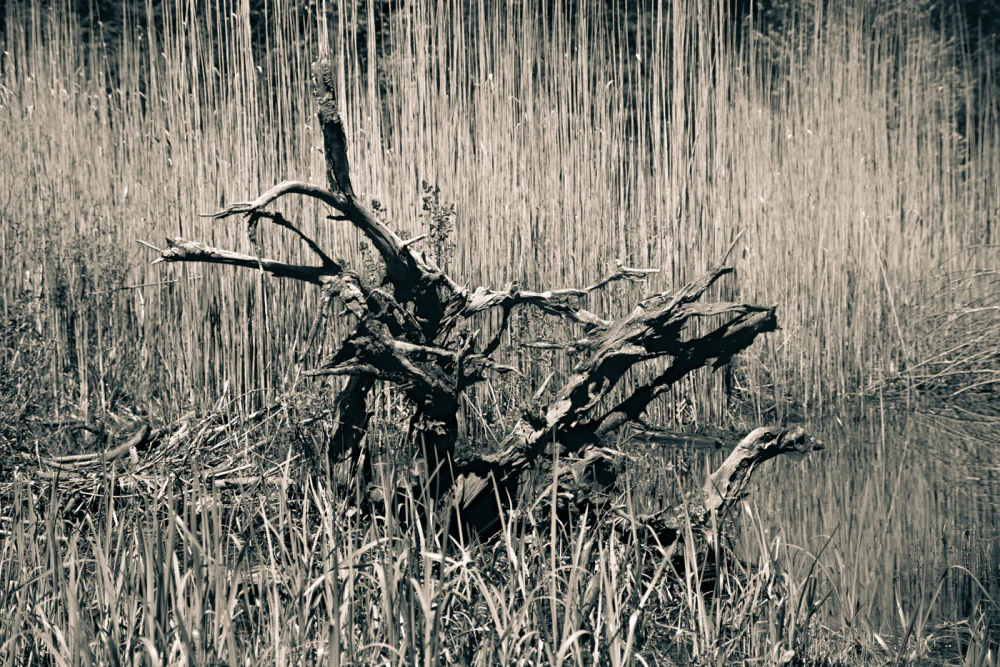
There is also a documentary aspect to these photographs. For example, the reeds forming the strong vertical patterns behind a decaying tree are Phragmites australis (Image 6). Along with the warming climate, this invasive species is rapidly drying many wetlands, including these swamps. This transformation has had a profound impact, displacing beavers and disrupting much of the natural habitat they have maintained for centuries.
Ansel Adams once said, “The response to natural beauty is one of the foundations of the environmental movement.” Our role as photographers in supporting that movement is to reveal beauty in new and unexpected places around us.
When considering how to present these images, I chose to produce digital inkjet prints on lightweight translucent vellum and, in this most recent series, on extremely thin Japanese gampi tissue. The paper is backed with metallic leaf, creating printed images that capture ambient light and help recreate the high-contrast illumination found within the bogs. As the surrounding light changes, the highlights within the prints shift as well, echoing the constantly changing light of nature. Unlike prints on opaque paper, the highlights in these works extend the dynamic range of the image. I refer to this effect as “analog” high dynamic range (HDR). The printing paper is so delicate that the works are displayed suspended within a shallow embossed recess in heavyweight etching paper, which also functions as a mat (Image 19). The fragility of the prints is intended to evoke the fragility of the environment itself. Unfortunately, online reproductions cannot fully convey either the delicacy or the luminous quality of the physical prints.
Prints from this series will be exhibited in two solo shows later this year at Five Points Gallery (August 7 – September 19, 2026) and Soho Photo Gallery (November 4 – November 28, 2026).
- Adams, A. (1975). The Role of the Artist in Conservation. Berkeley, California: University of California, College of Natural Resources, Department of Forestry & Conservation.