The swordfish fishermen of Scilla represent one of the most vivid and fascinating examples of how human labor can be deeply intertwined with the history, culture, and identity of a region.
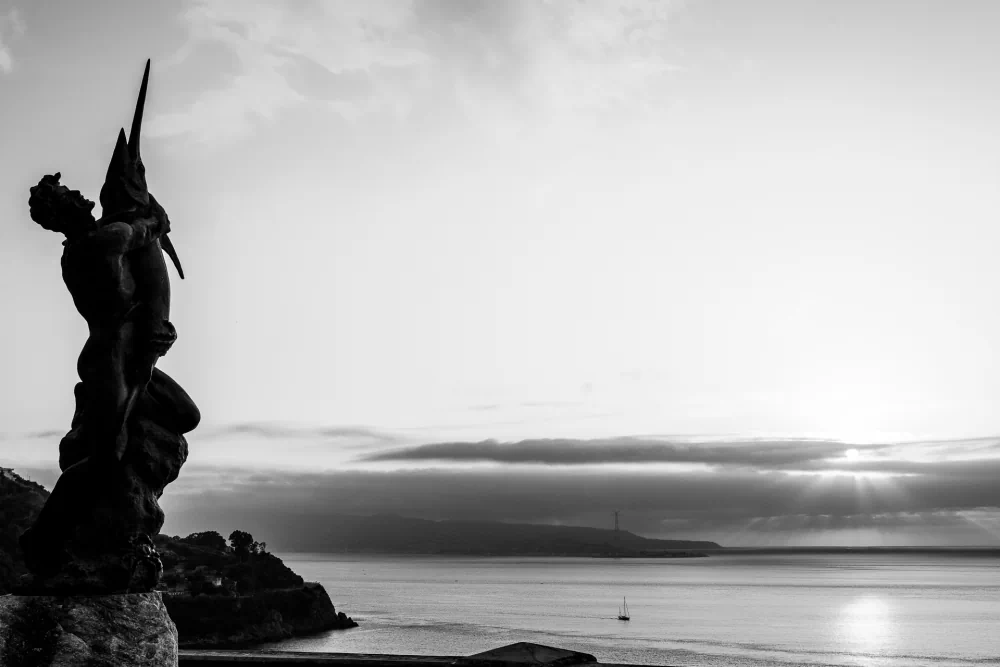
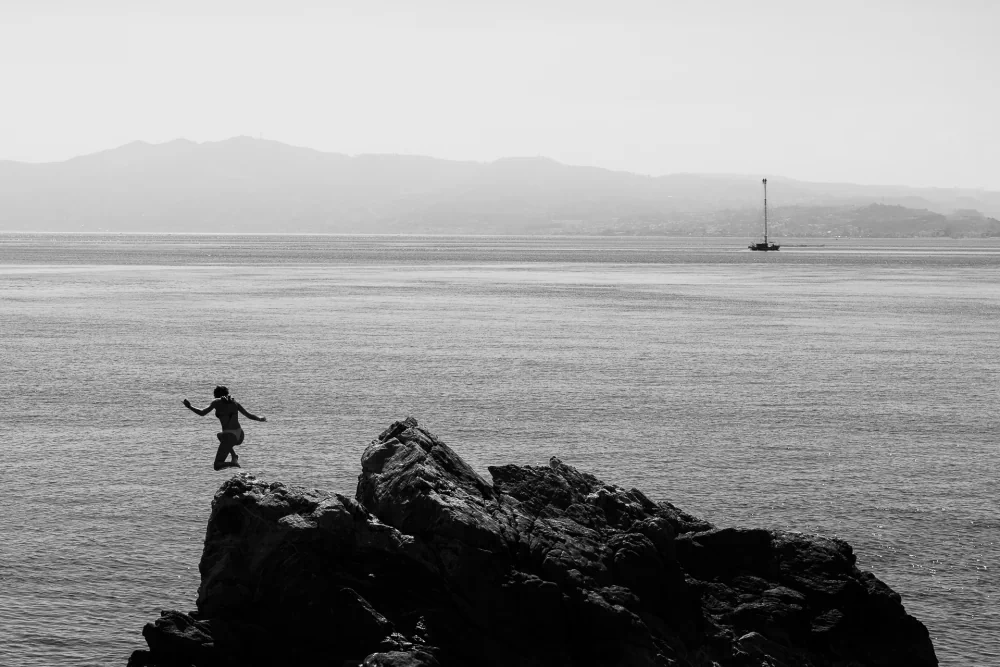
Located on the Calabrian coast, overlooking the Strait of Messina, Scilla has for centuries been a place where the sea is not just a backdrop, but a true existential dimension.
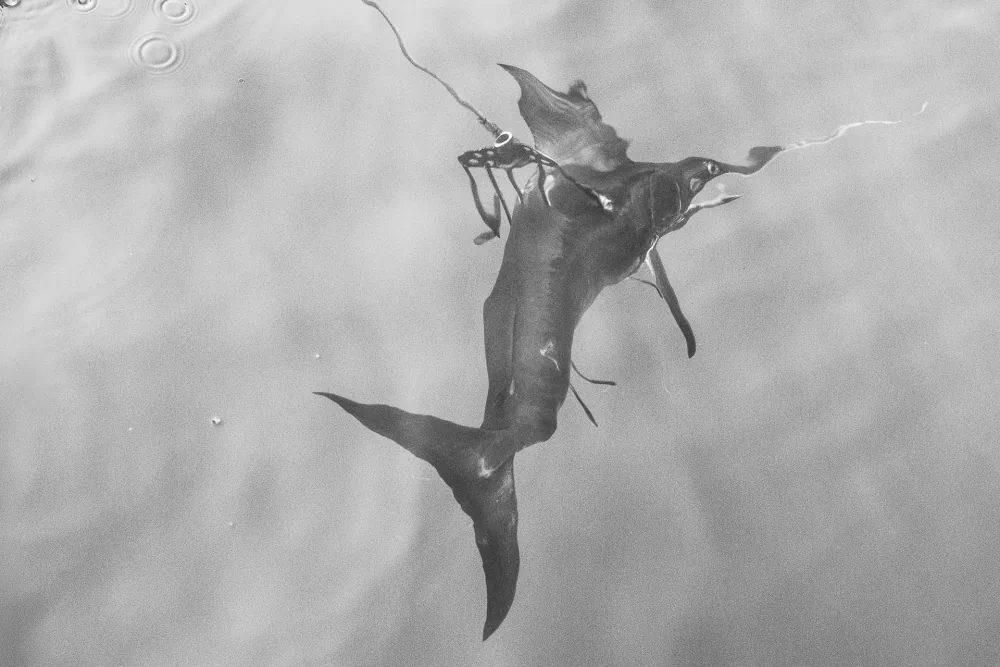
In this context, swordfish fishing is not simply an economic activity: it is an ancient craft, passed down from generation to generation, built on sacrifice, knowledge, and extraordinary resilience.
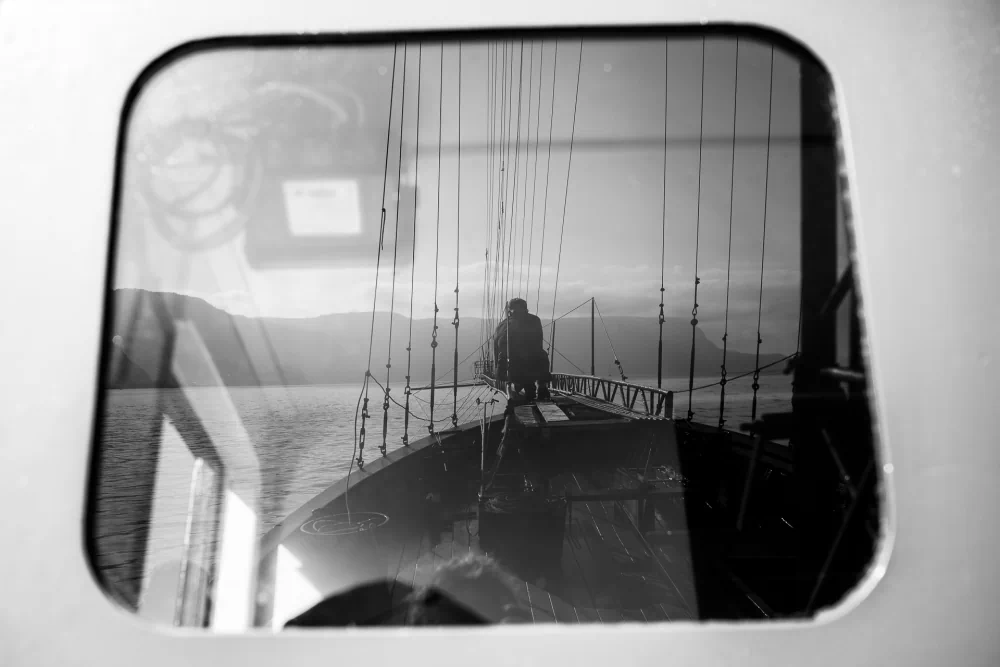
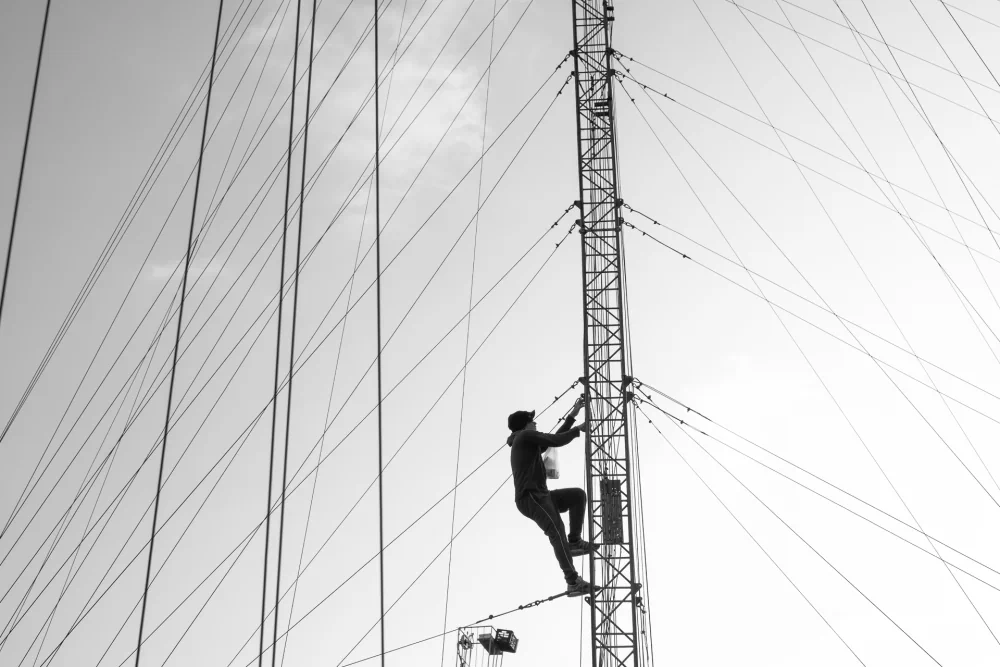
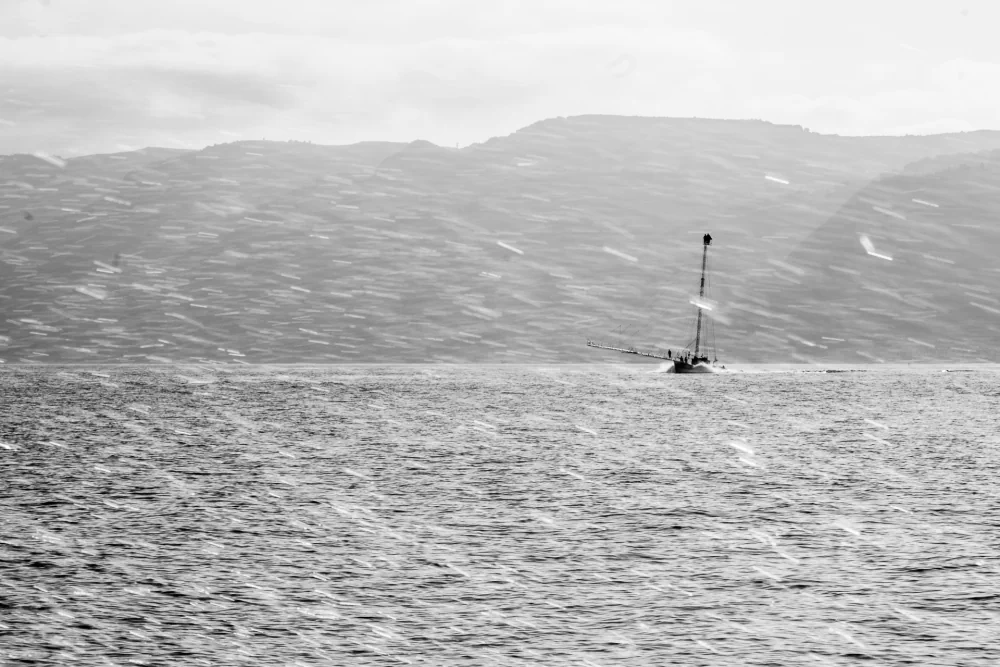
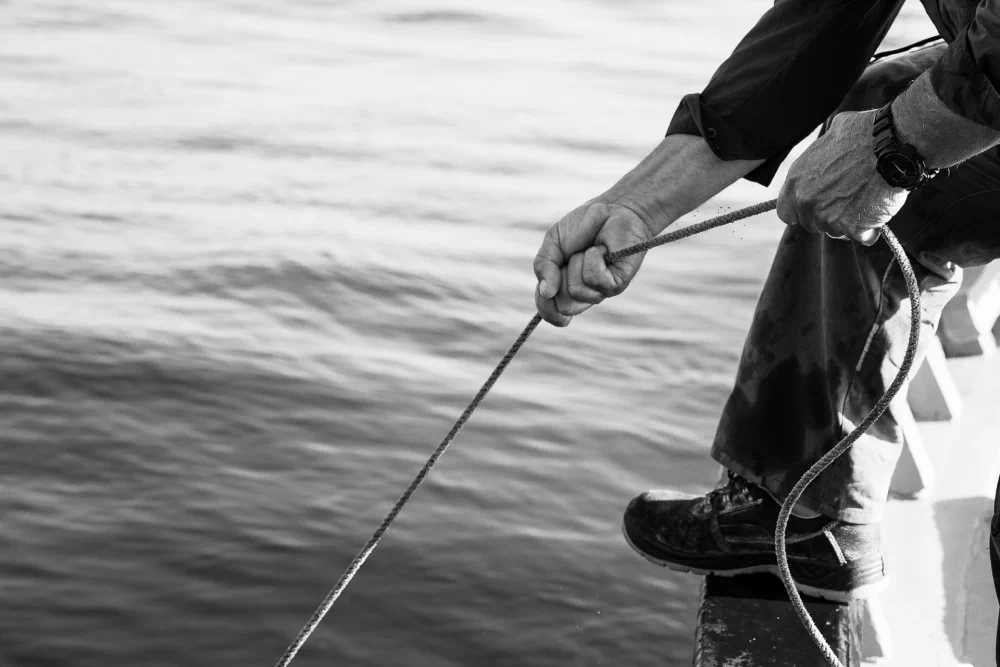
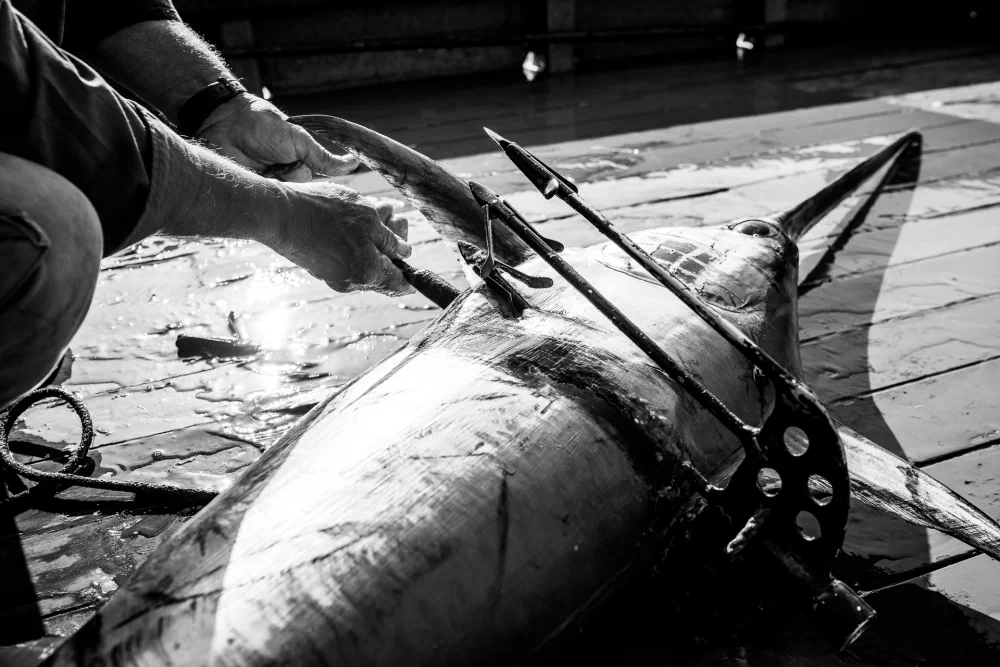
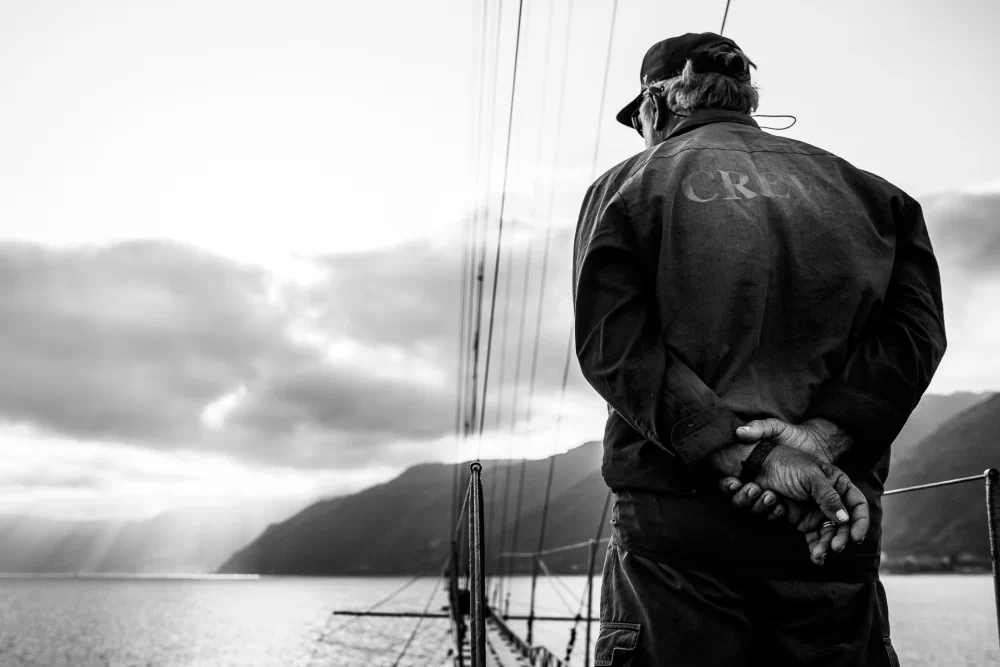
The so-called “spadare,” or boats used for swordfish fishing, are iconic elements of this tradition. Long, slender, and equipped with a distinctive gangway extending out to sea, they embody a fishing technique with roots dating back to ancient times. This is not industrial or mechanized fishing, but rather an activity that requires manual skill, alertness, and an almost symbiotic relationship with the marine environment. Indeed, the fisherman does more than simply cast nets: he observes, waits, and interprets the movements of the water and wind, seeking the right moment to act.
This wisdom is not learned from books, but is passed down within families. Fathers, grandfathers, and uncles teach younger generations not only fishing techniques, but also respect for the sea, patience, and the ability to face difficulties. From an early age, children grow up with the sound of the waves and the stories of their ancestors’ exploits, developing a sense of belonging that goes beyond the craft itself. Becoming a swordfish fisherman in Scilla means becoming part of a community, sharing values, and facing daily challenges together.
Among these challenges, the most evident is physical and mental fatigue. Days begin at dawn and often last until sunset, under the scorching sun or the unpredictable winds of the Strait. The sea is never entirely predictable: it can be generous, but also hostile. It requires constant attention and a remarkable ability to adapt. In this sense, the work of the fishermen of Scilla is a clear example of endurance—endurance in the face of environmental conditions, accumulated fatigue, and uncertainty of outcome. Alongside endurance, however, lies resilience, an even deeper quality.
Being resilient means not only enduring difficulties, but transforming them into experience and growth. The fishermen of Scilla have navigated major changes: the introduction of new regulations, competition from industrial fishing, and broader economic and social transformations. Yet despite everything, this tradition continues to live on—not as something static, but as something capable of adapting without losing its essence.
Resilience is also reflected in the relationship with failure. Not every trip to sea results in a catch, and this is an integral part of the profession. Accepting uncertainty, returning home empty-handed, and setting out again the next day with the same determination is perhaps one of the most important lessons this work teaches. In an era where immediate results are often expected, swordfish fishing in Scilla reminds us of the value of perseverance and trust.
Another significant aspect is the connection between tradition and cultural identity. The spadare are not just tools of labor, but symbols of a collective history. They tell of a past that continues to live in the present, of a community that resists standardization and proudly defends its roots. In recent years, tourism has also begun to recognize the value of this tradition, helping to give it new visibility. However, there is a risk that an authentic craft could become a mere attraction. It is therefore essential that family tradition remains the beating heart of this activity.
In conclusion, the spadare of Scilla represent much more than a fishing technique: they are an extraordinary example of how an ancient craft can survive over time thanks to the strength of tradition, family heritage, and the ability to adapt to challenges. They reflect the values of endurance and resilience, understood not only as the ability to withstand hardship, but as the will to continue, to preserve, and to reinvent. In a rapidly changing world, stories like that of the fishermen of Scilla remind us of the importance of staying rooted, without renouncing the possibility of evolution.