
He first encountered Wonder Valley in 2014 when his band got a gig at the Palms Restaurant, the “bar at the end of the universe.”
Between the guillotine on the back patio, the communal living-room atmosphere of the bar, and a drunken Marine tickling a scorpion on the front porch, he knew they had stumbled into something special.
Two years later, as he and his wife were driving back to Oakland after playing the Palms again as a duo, they got stuck behind a troop convoy. Rather than sit in traffic for an hour, they decided to explore some of the “land for sale” options that kept appearing along the highway. By the time they got home, they had bought five acres, sight unseen.
Why five acres, specifically? The answer lies in the unique history of Wonder Valley, one of the last places in the “lower 48” to be homesteaded. Originally, U.S. homesteading required agricultural development on 160-acre plots, which was extremely difficult in the Mojave Desert. The Small Tracts Act of 1938 reduced the lot size to five acres and the improvement requirement to a small cabin, making desert settlement more accessible—especially for World War I veterans seeking relief from tuberculosis and mustard gas exposure. After World War II, demand for these parcels increased, and Colonel E. B. Moore began helping prospective homesteaders find land and file claims. In 1955, Ed Ainsworth published a pamphlet titled Five Acres of Heaven, combining a history of the homesteading movement with a promotional pitch for Moore’s efforts, written in richly expressive prose:
“And out there in the vast American desert a new spirit dwells. It is the multiplied heartbeat of humanity… Every lung that breathes in the fragrant air, every eye that dwells upon the long sweep of arroyo, plain, and mountain and moves to the azure sky of day and the glittering stars of night, every intake of the heartening odors of sage and the murmuring breeze is symbolic of a boon enjoyed by untold thousands. The American desert waited long and patiently for its ultimate magnificent destiny… It is finding it now.”
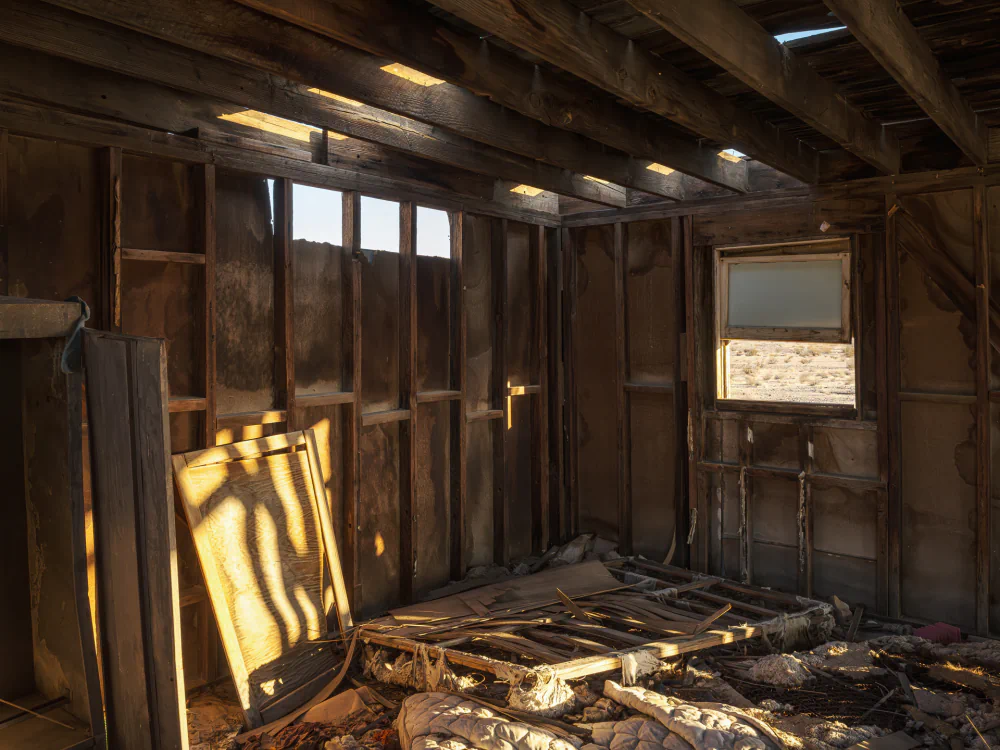
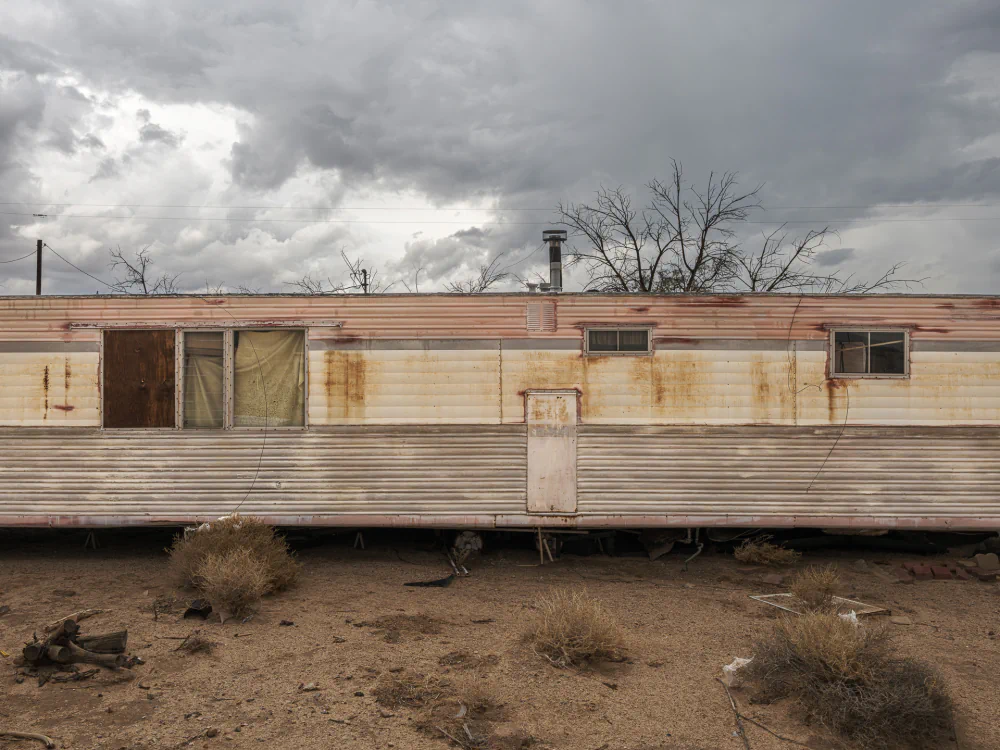
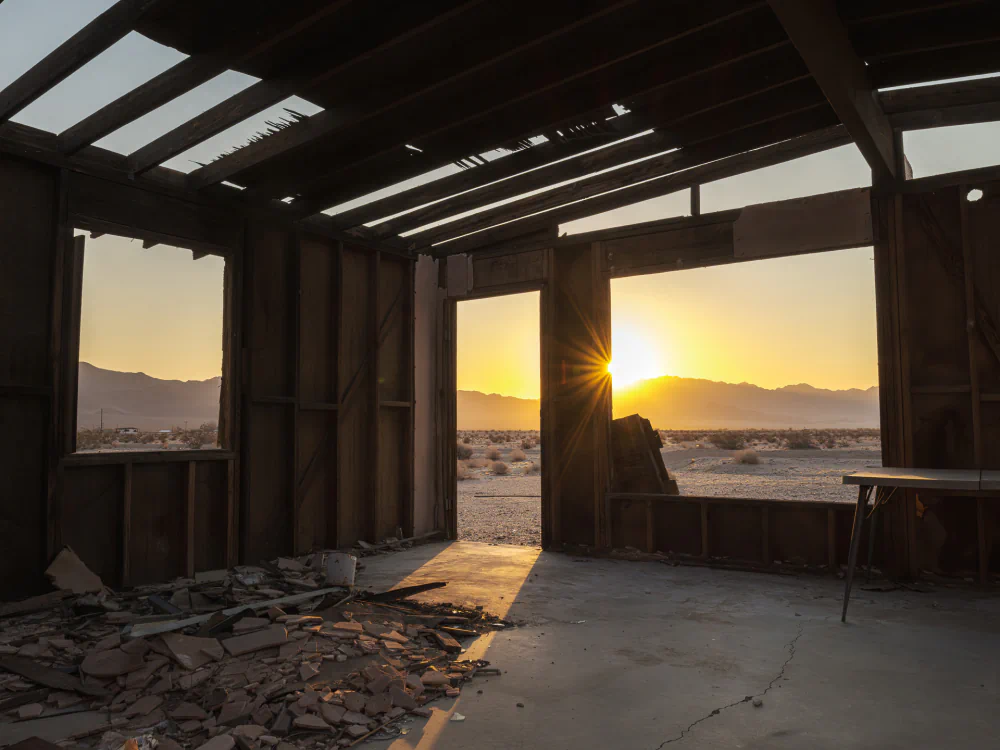
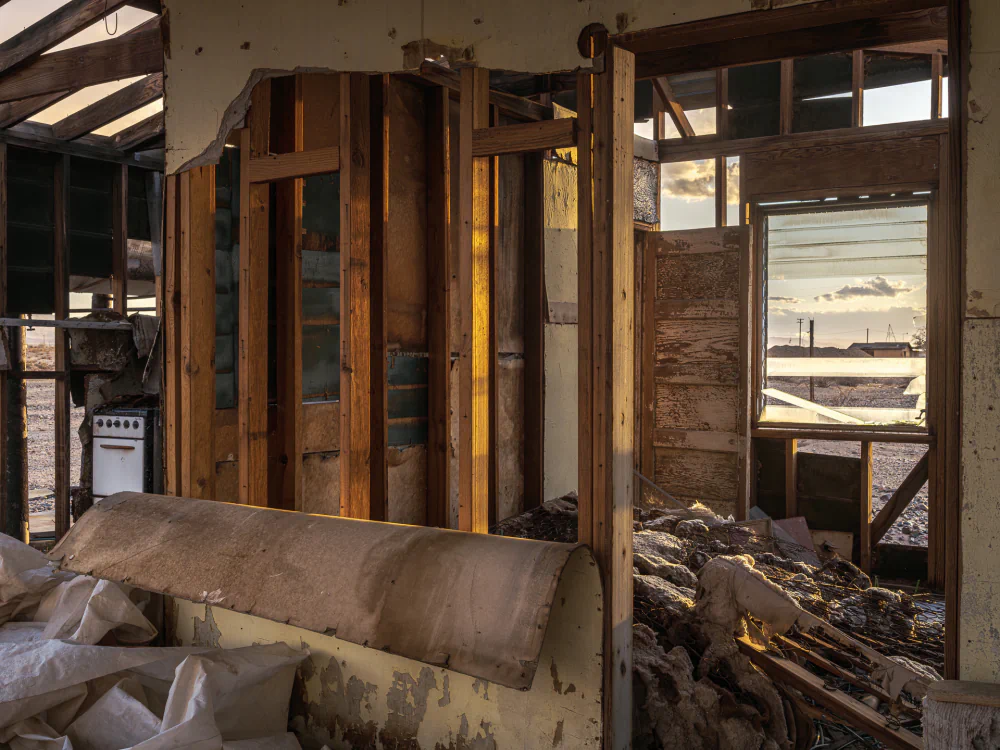
At this point, homesteading in the Twentynine Palms area reached its peak, and hundreds of so-called “jackrabbit” cabins were built. These structures were typically only as large as necessary to establish a homestead claim—around 150 square feet.
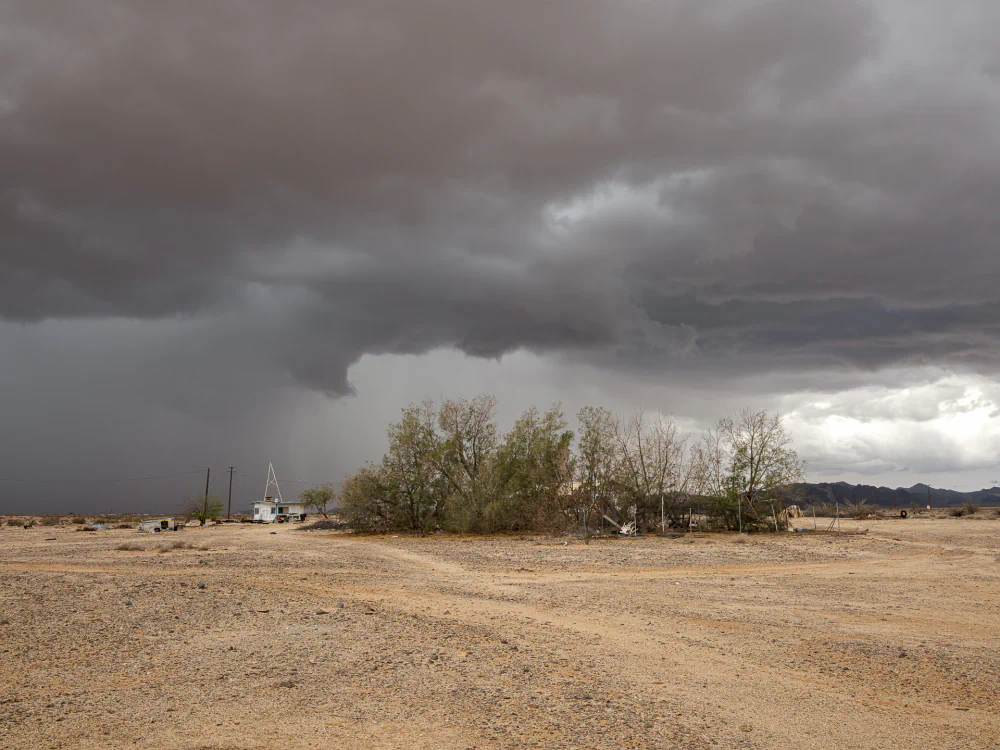
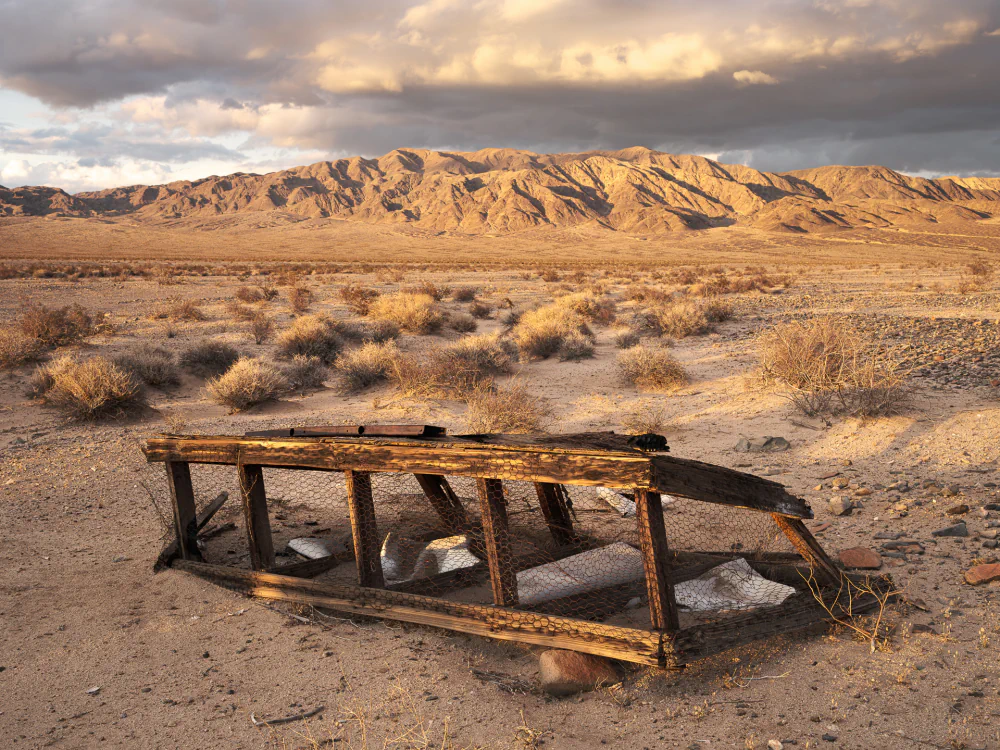
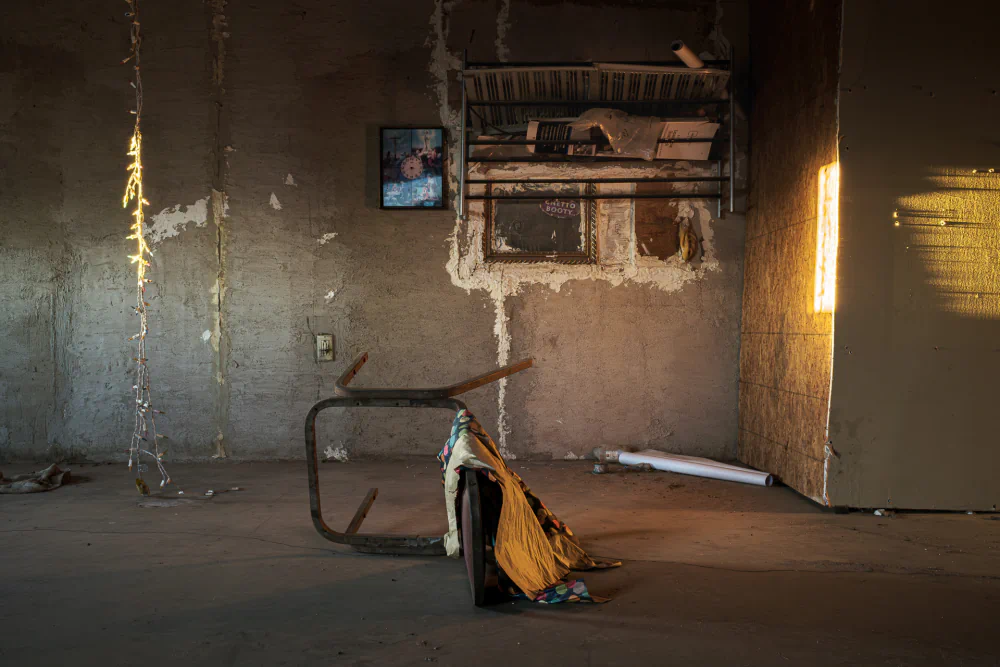
However, for many settlers, life in Wonder Valley proved too difficult. Water service never arrived, leaving residents with the options of truck delivery or an expensive and potentially unreliable well. As people abandoned the area, their cabins fell into disuse and eventually into ruin, often passed on after death to heirs who lacked interest in them—or were unaware of their existence. These skeletal remains still dot the landscape of Wonder Valley.
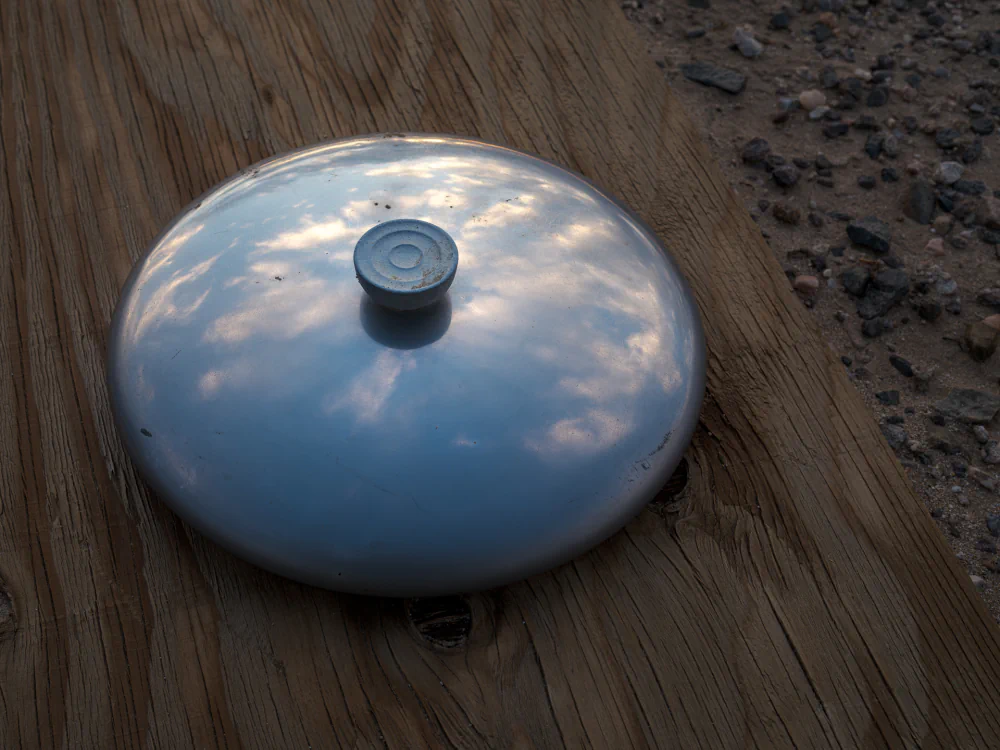
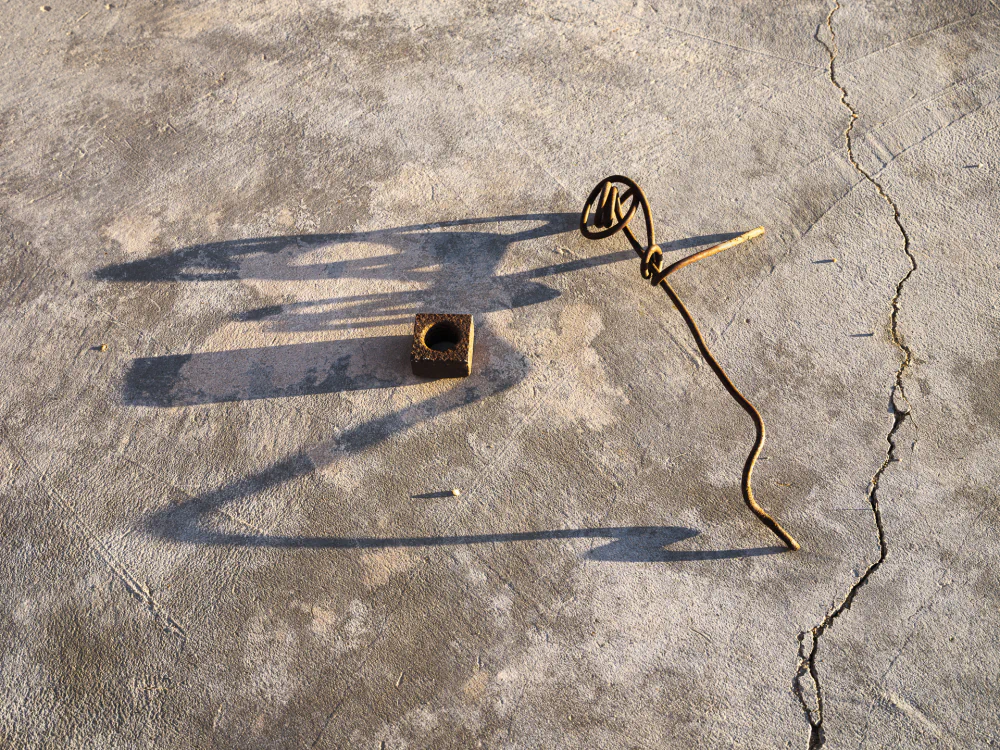
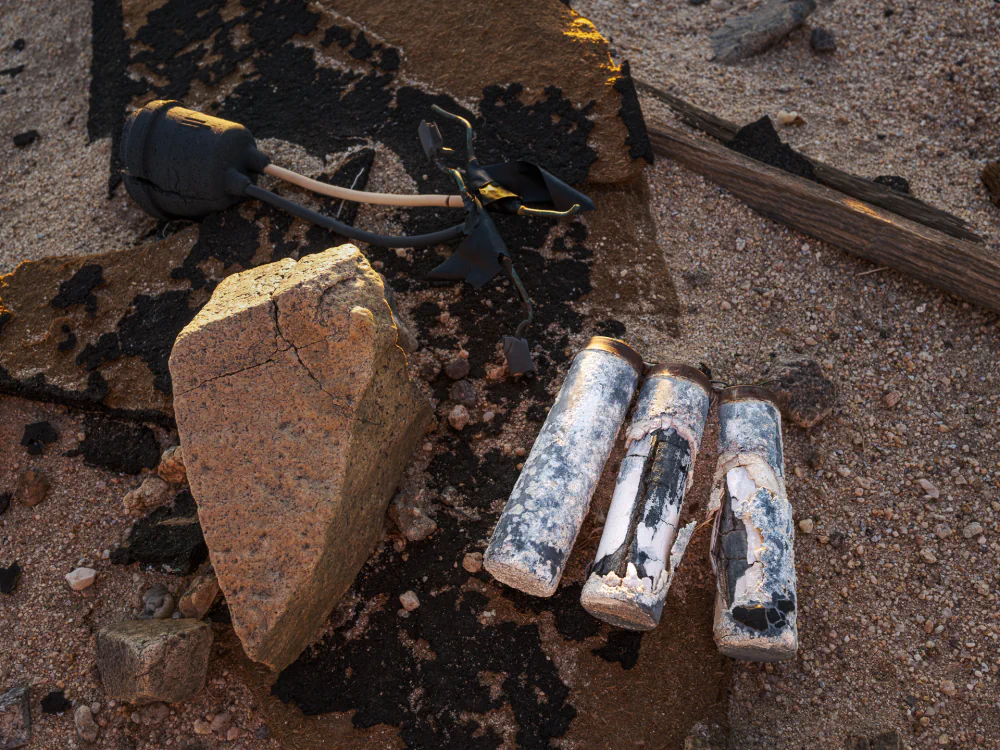
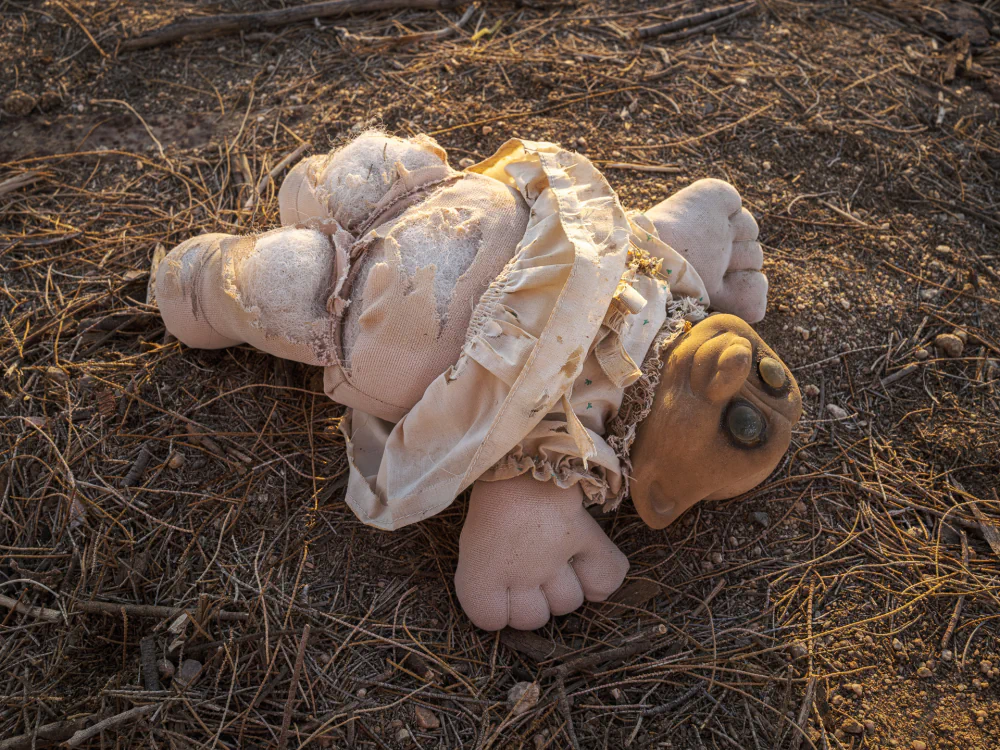
In December 2024, he and his wife moved to Wonder Valley full-time. His photographic practice has always centered on documenting the place where he lives, and he began to explore the abandoned cabins, discarded domestic objects, and improvised middens in earnest, capturing them both in detail and within the stark desert landscape and its distinctive light. He titled the resulting body of work Five Acres of Heaven, after Moore and Ainsworth’s publication. Their vision endures—though perhaps not quite in the form they had imagined.

About Tim Walters
Tim Walters is a photographer, musician, and digital artist, as well as a former contestant on Jeopardy!. He humorously describes himself as a “Jeopardy! loser” and hopes, one day, to become a real live boy. [Official Website]