
The cult of Santa Muerte, or “Holy Death,” has evolved into one of Mexico’s most significant and fastest-growing folk religious movements, with millions of devotees.
Though still officially rejected by the Catholic Church, Santa Muerte devotion has surged since the early 2000s, emerging from private household altars into highly visible public rituals.
Tepito, a tough, densely populated neighborhood near Mexico City’s historic center, has become the spiritual heart of the movement.
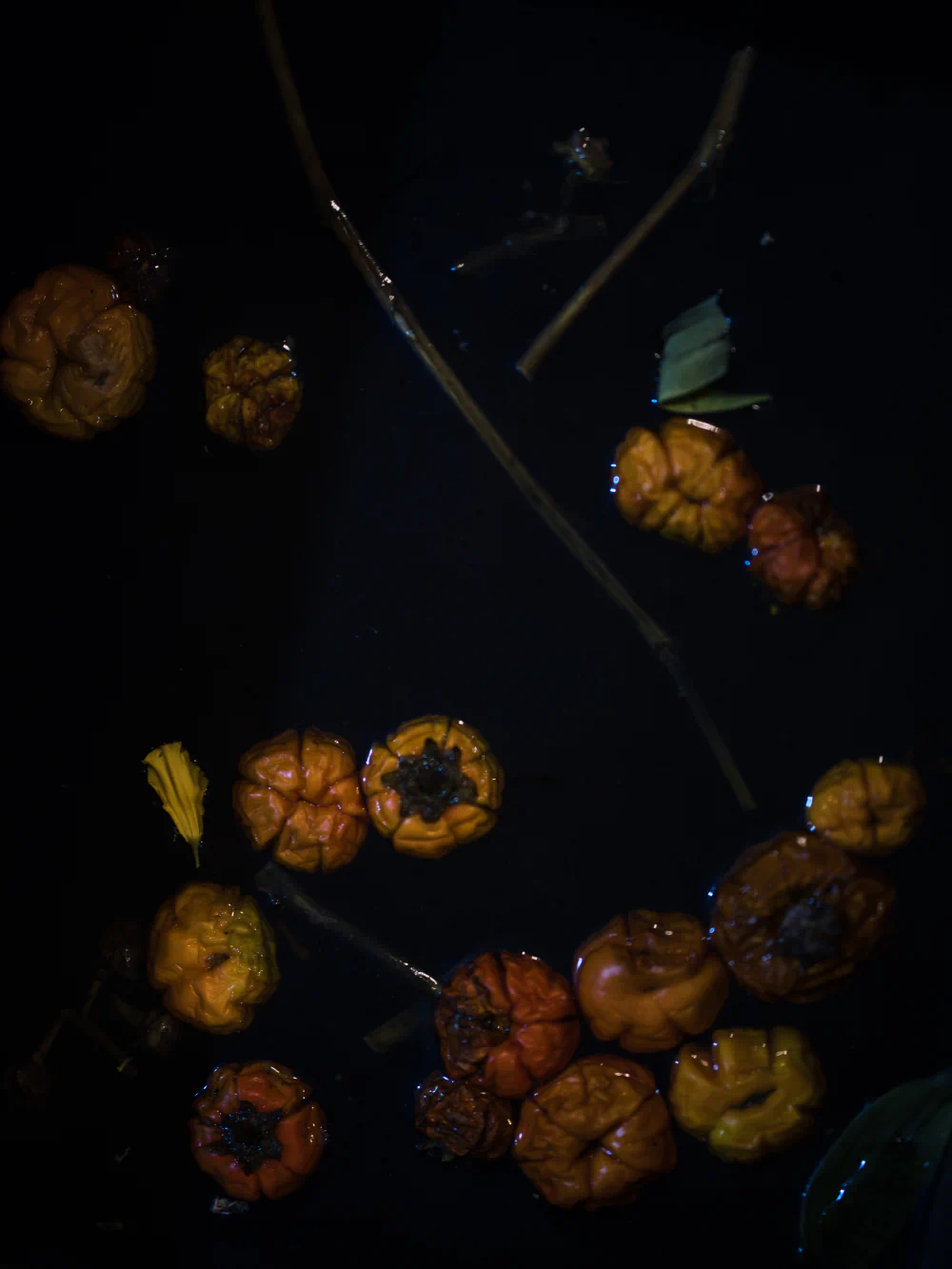
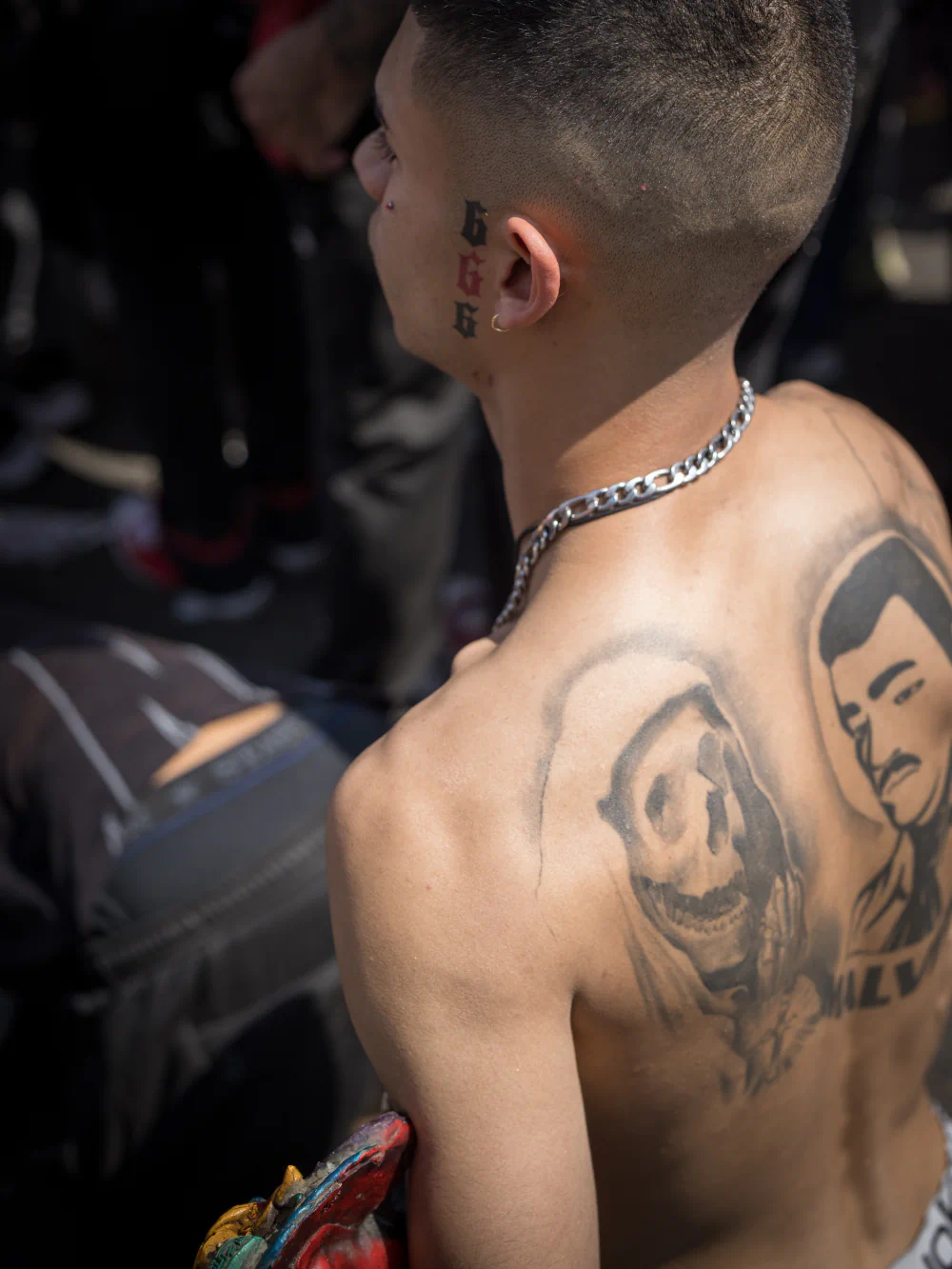
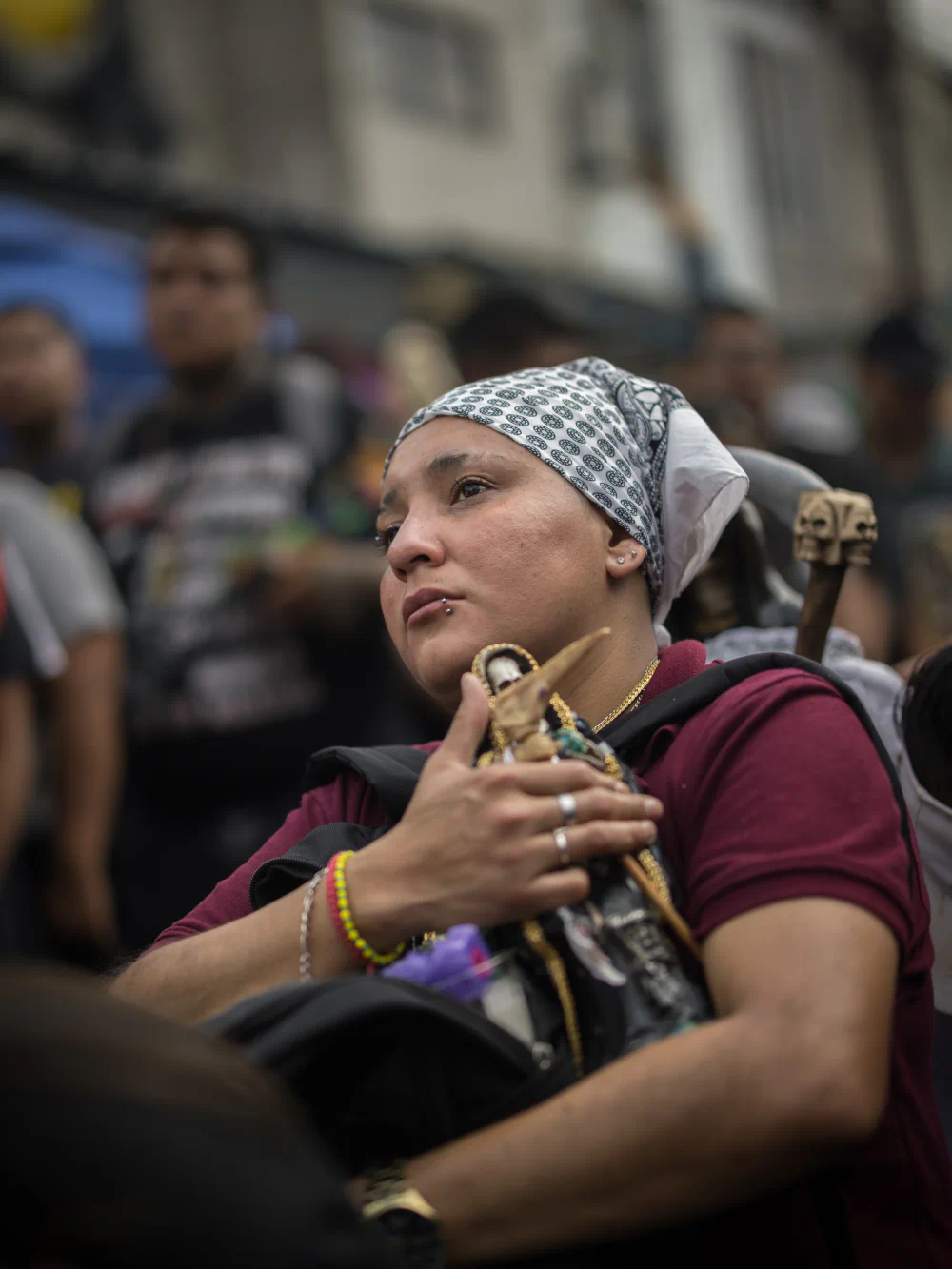
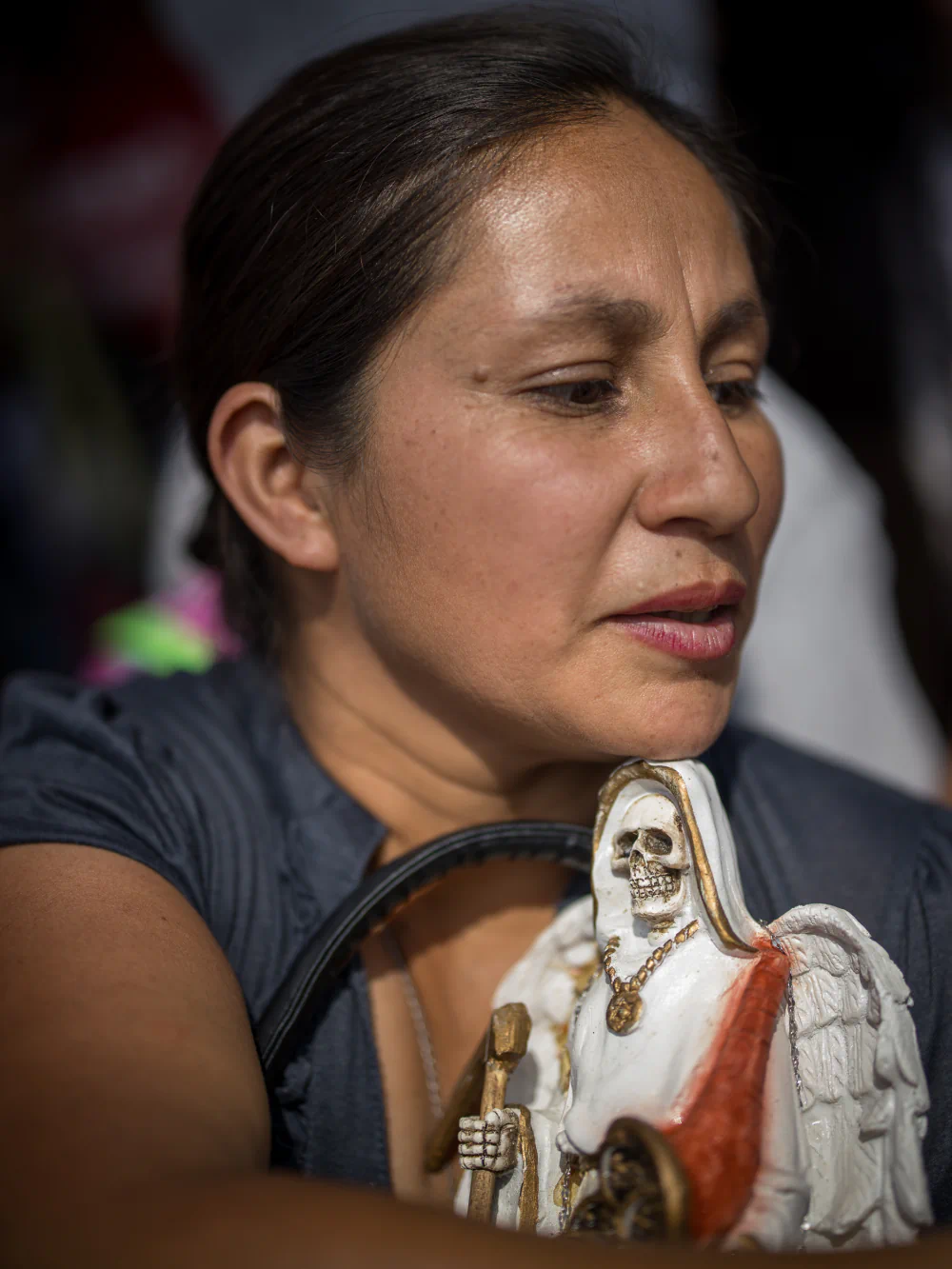
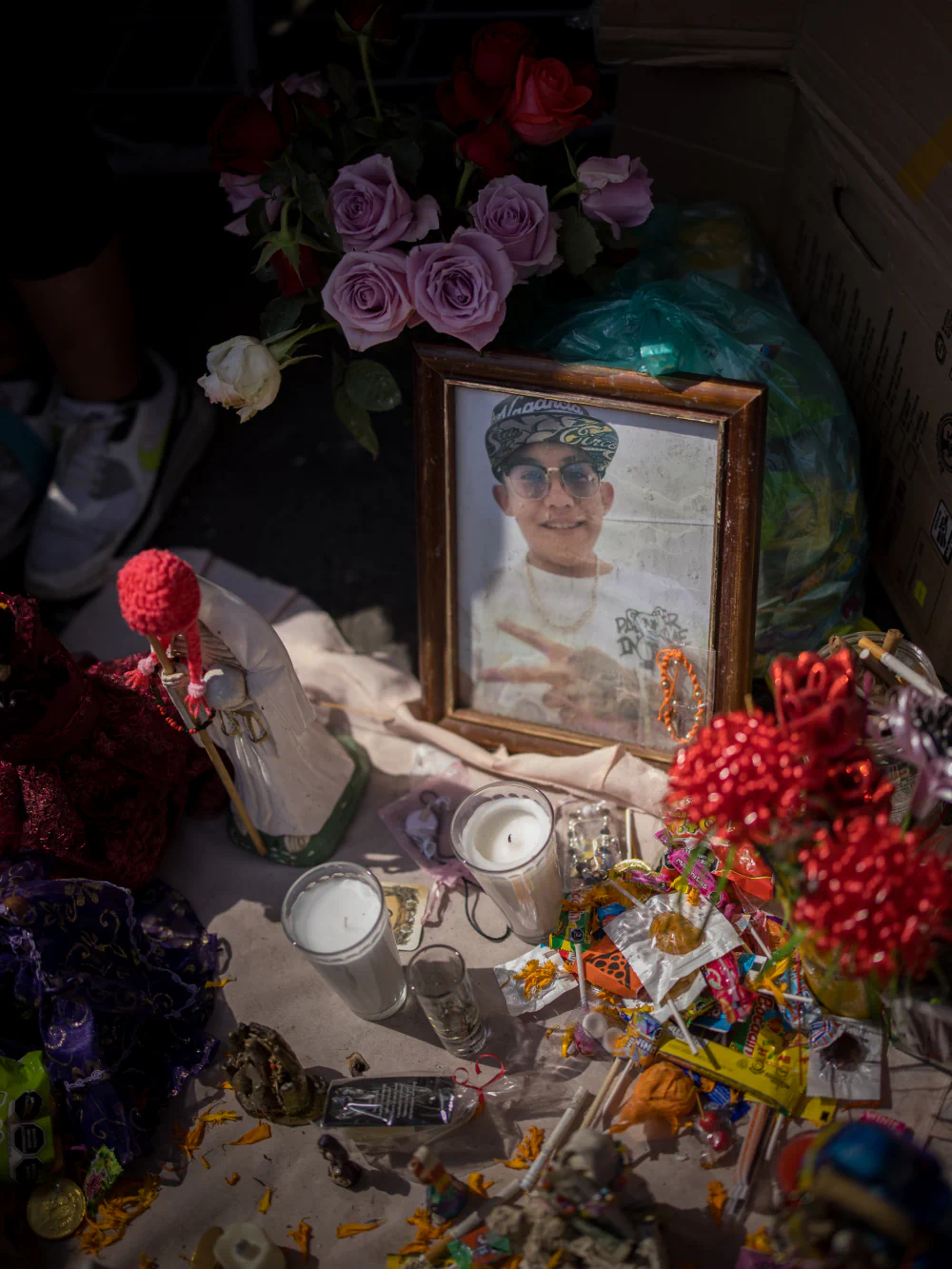
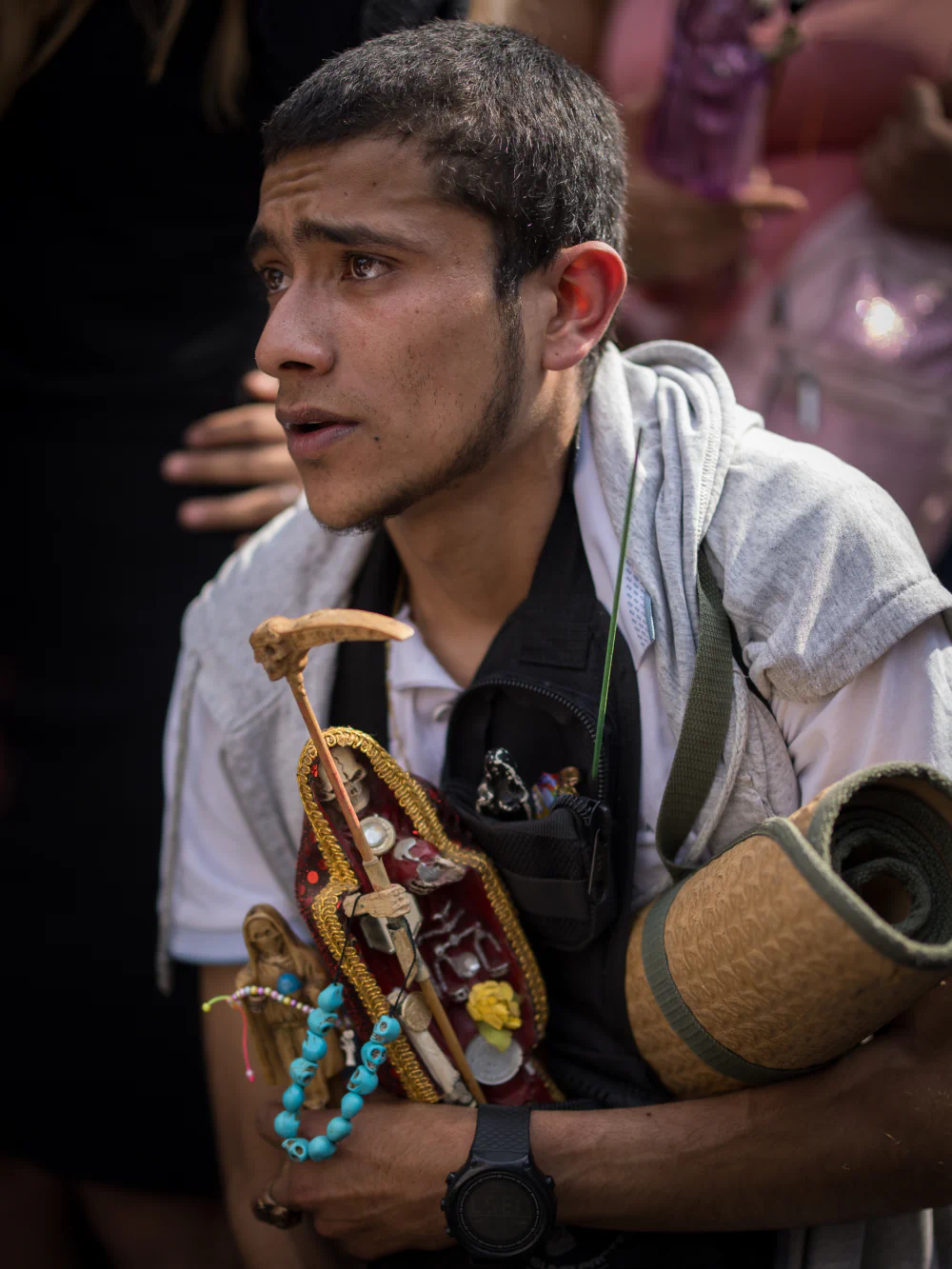
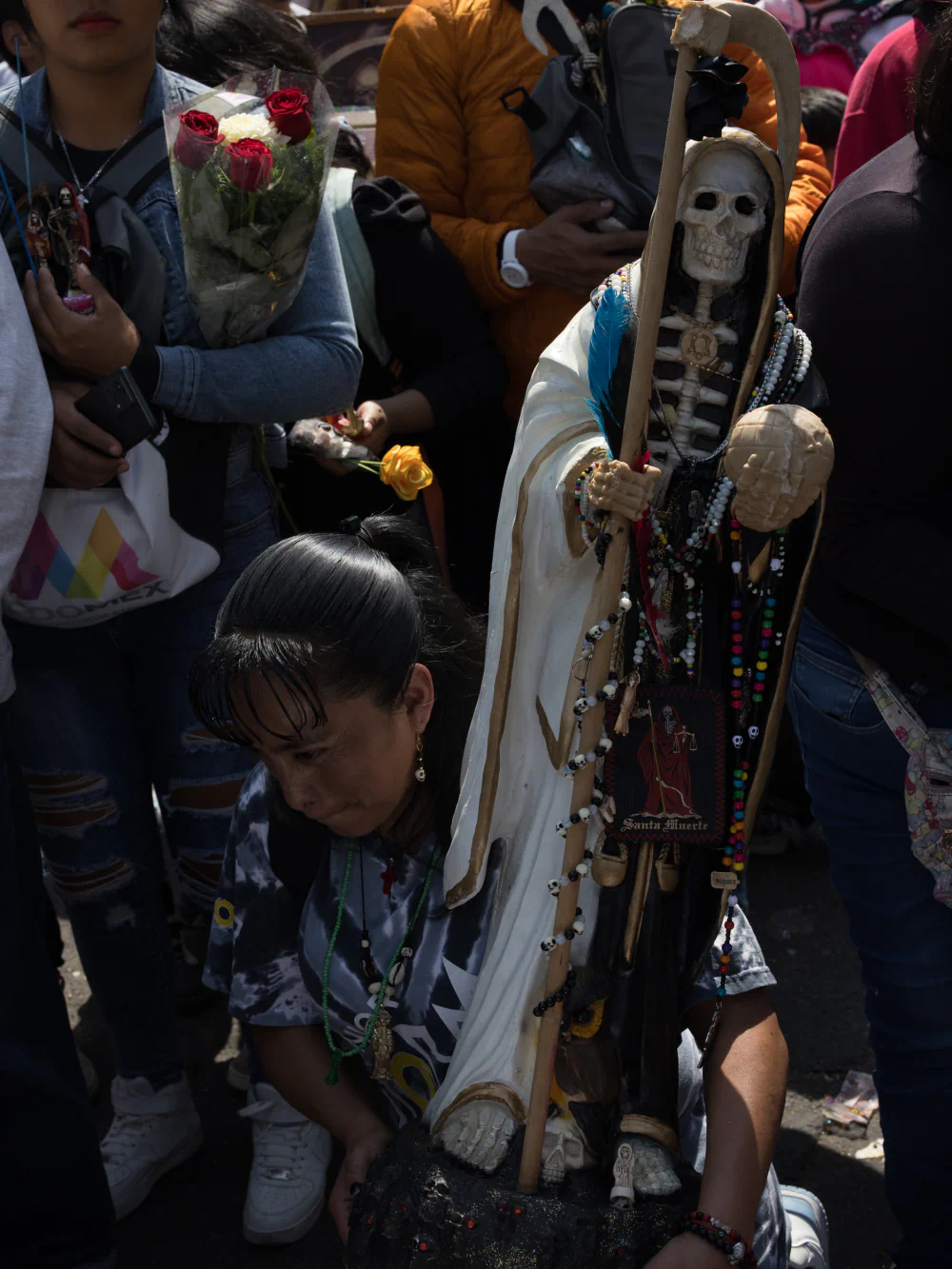
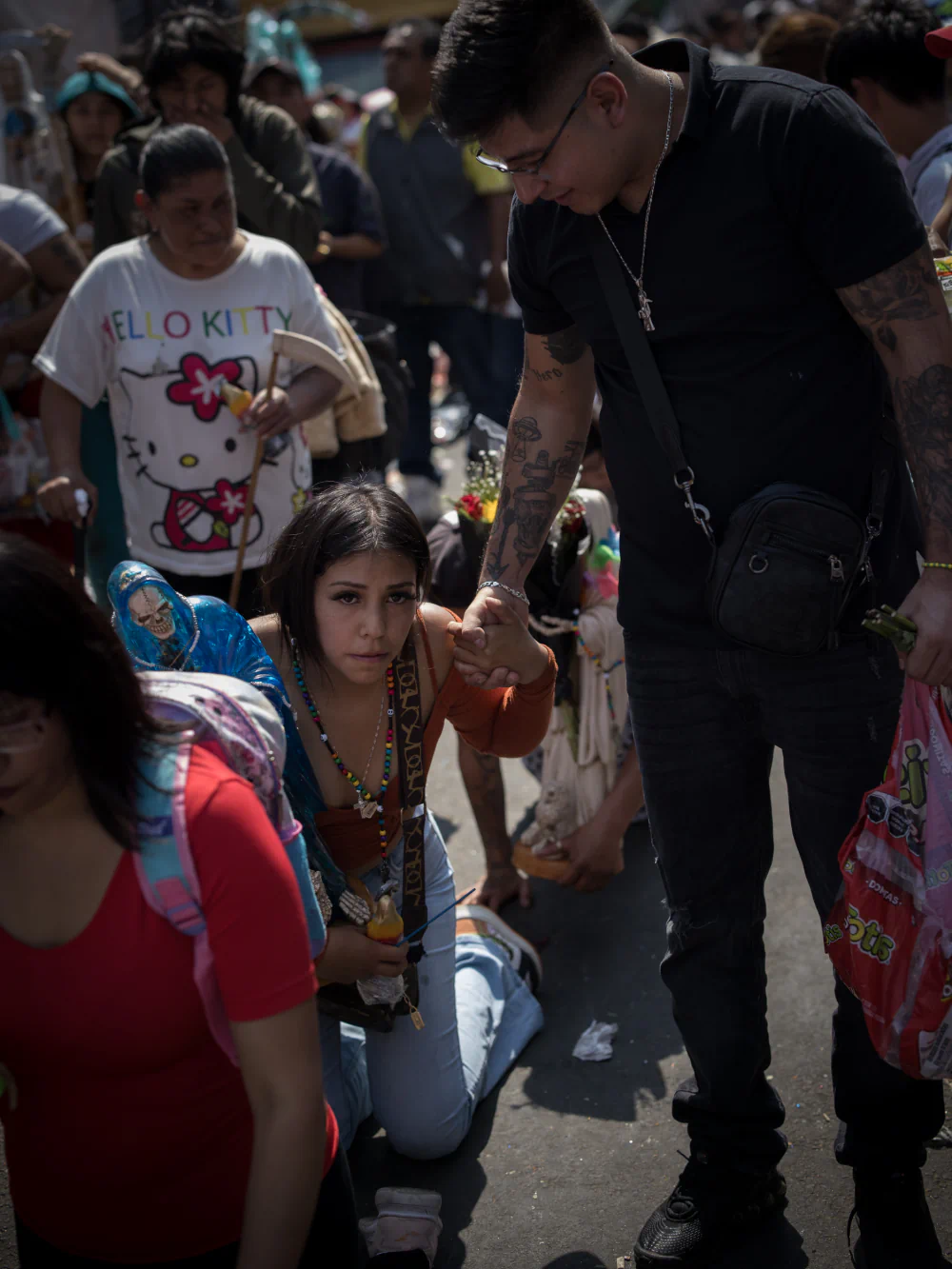
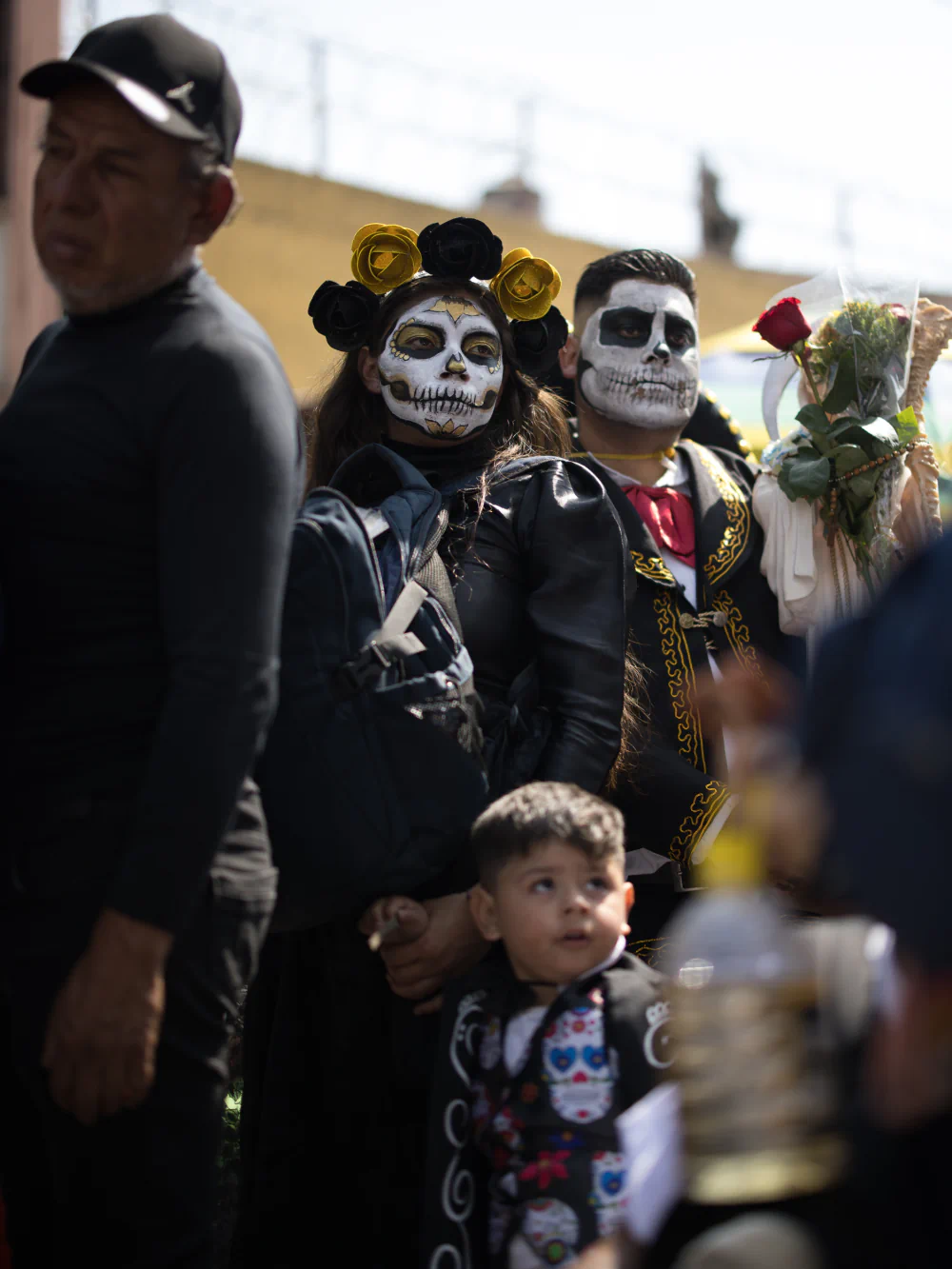
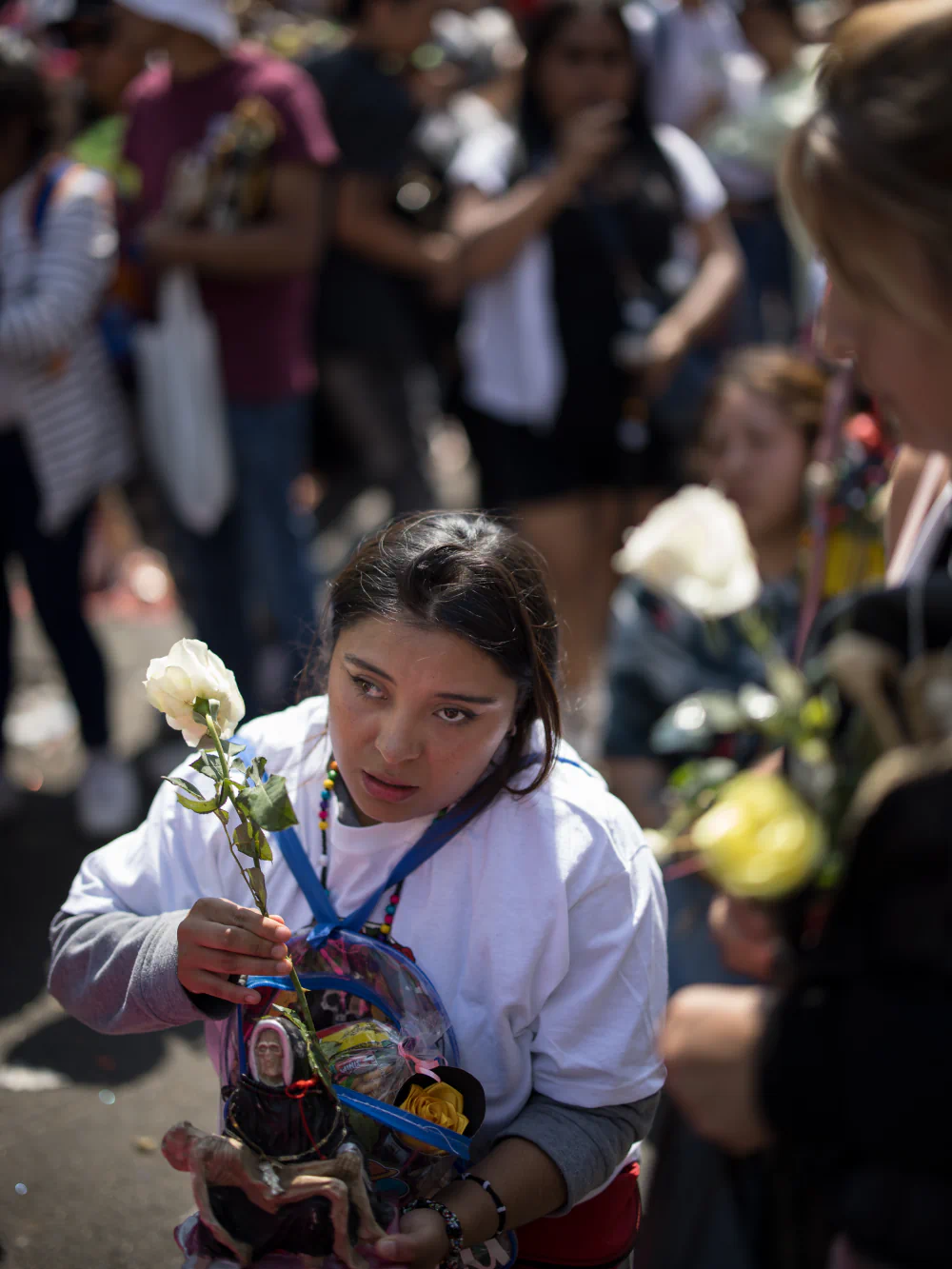
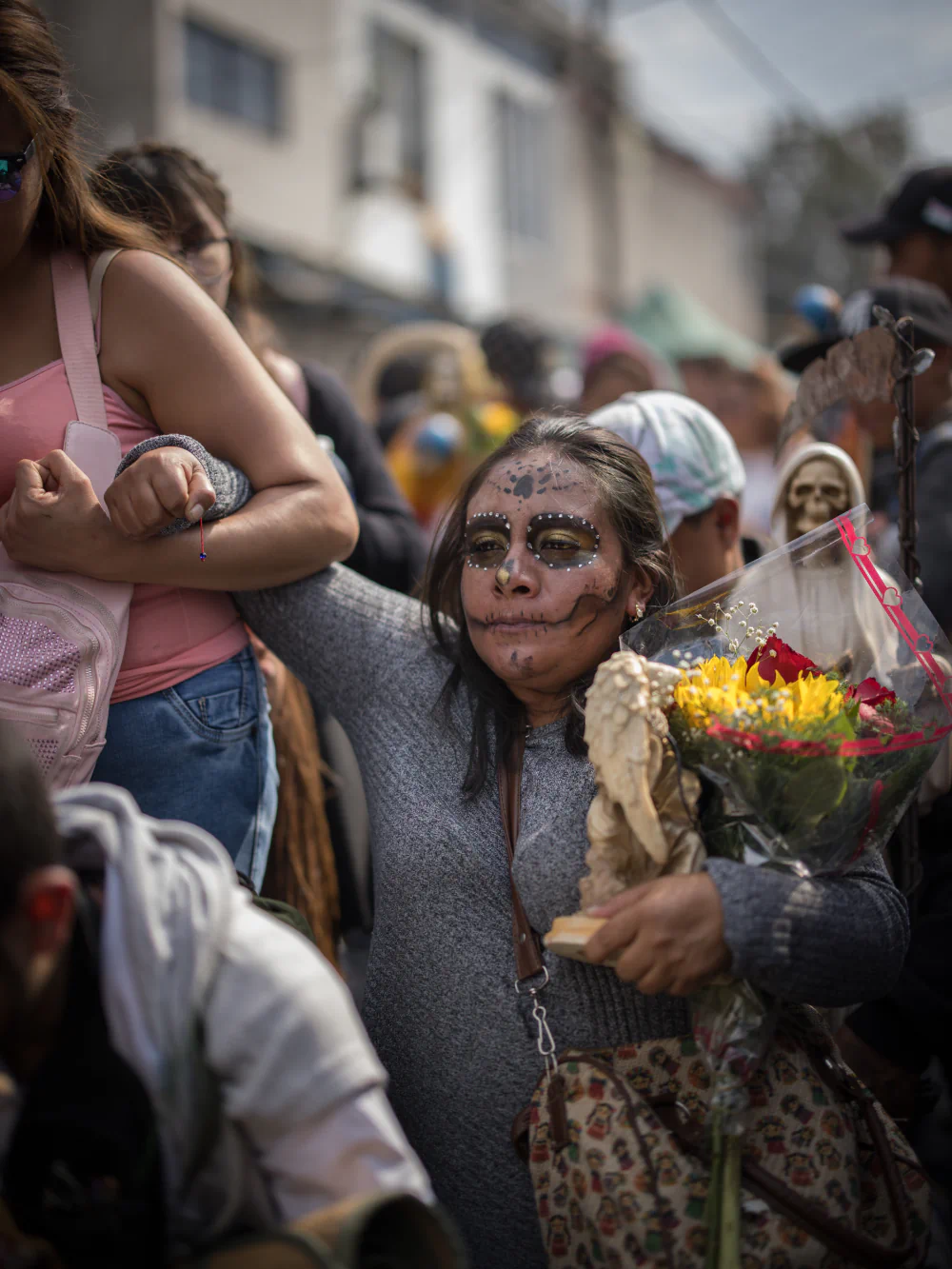
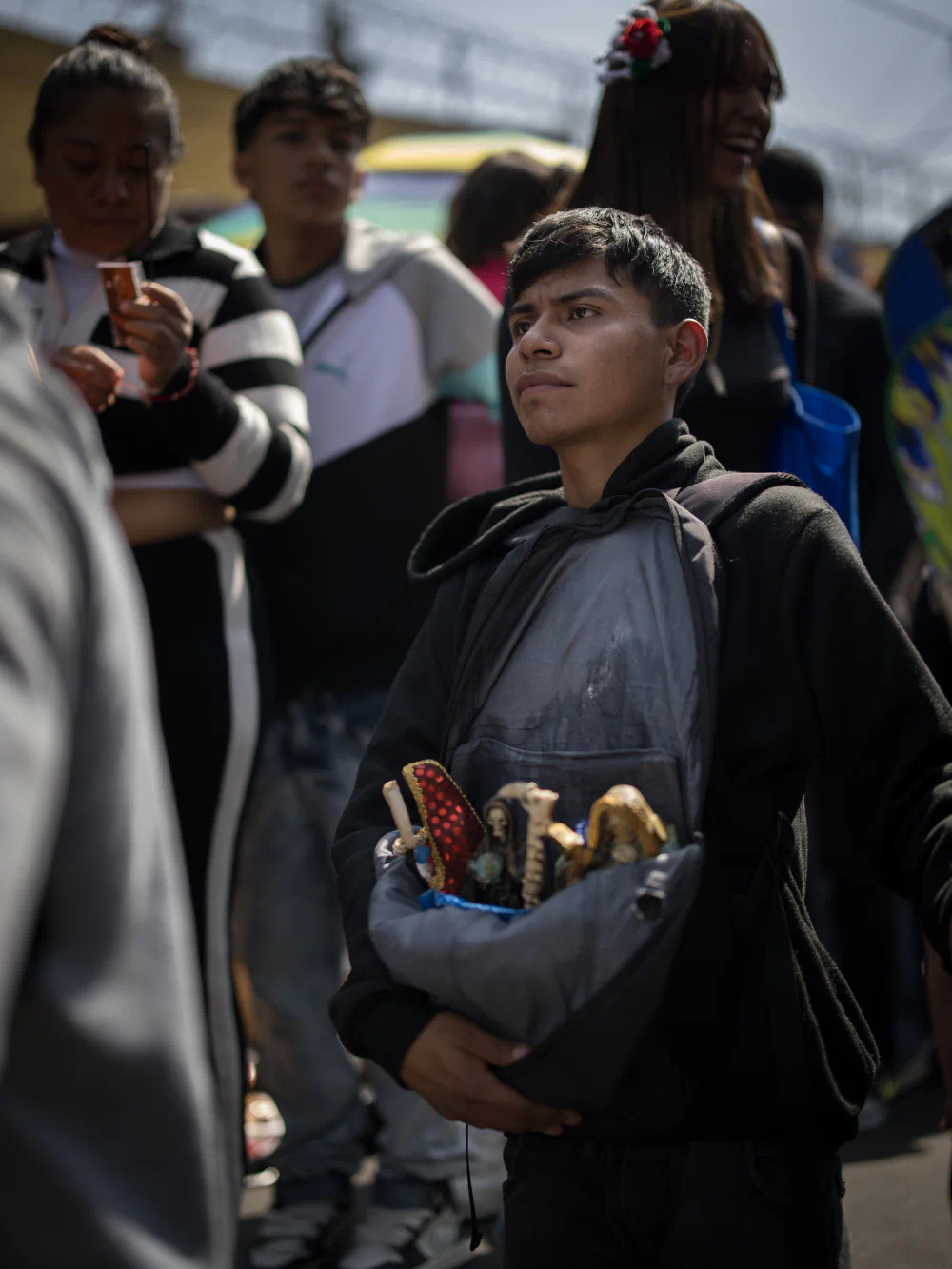
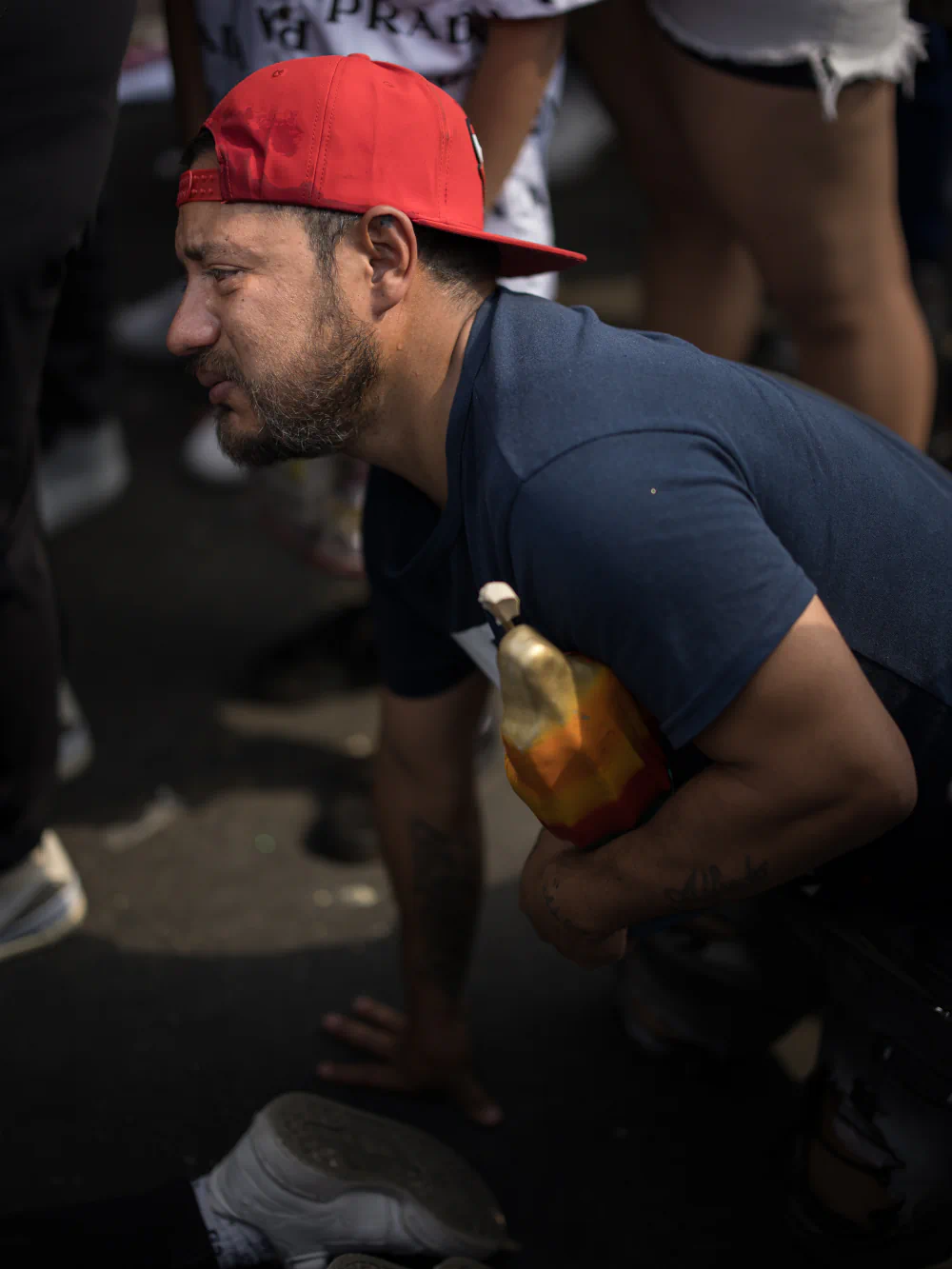
On November 1st, when much of the rest of the country is celebrating the Day of the Dead, thousands of devotees of Santa Muerte gather on Alfarería Street for the Santa Muerte Rosary. Worshippers crawl on their hands and knees to her altar, carrying statues of the saint and offerings of flowers, tobacco, alcohol, candles, and marijuana smoke as gestures of gratitude or pleas for protection and renewal.
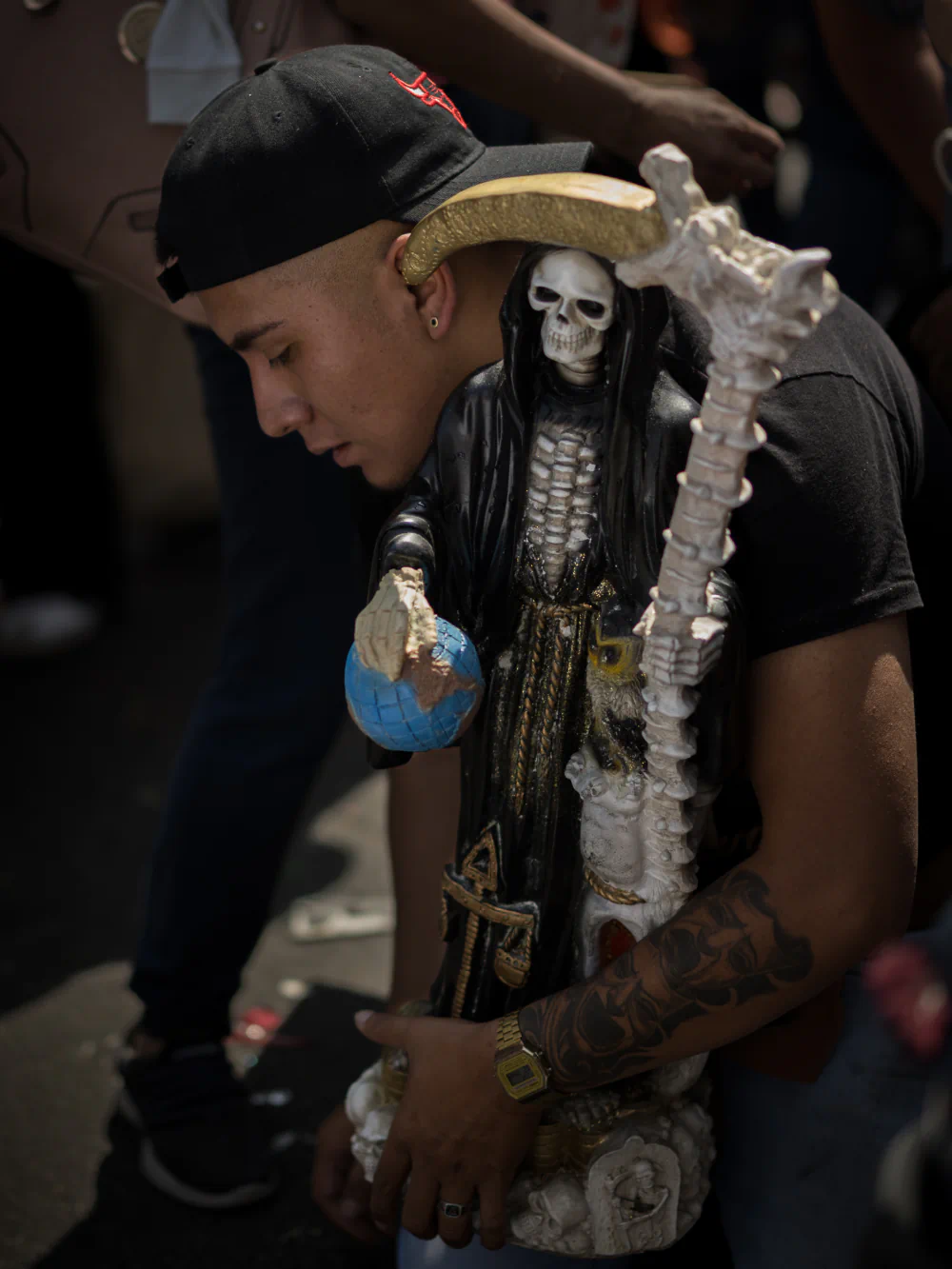
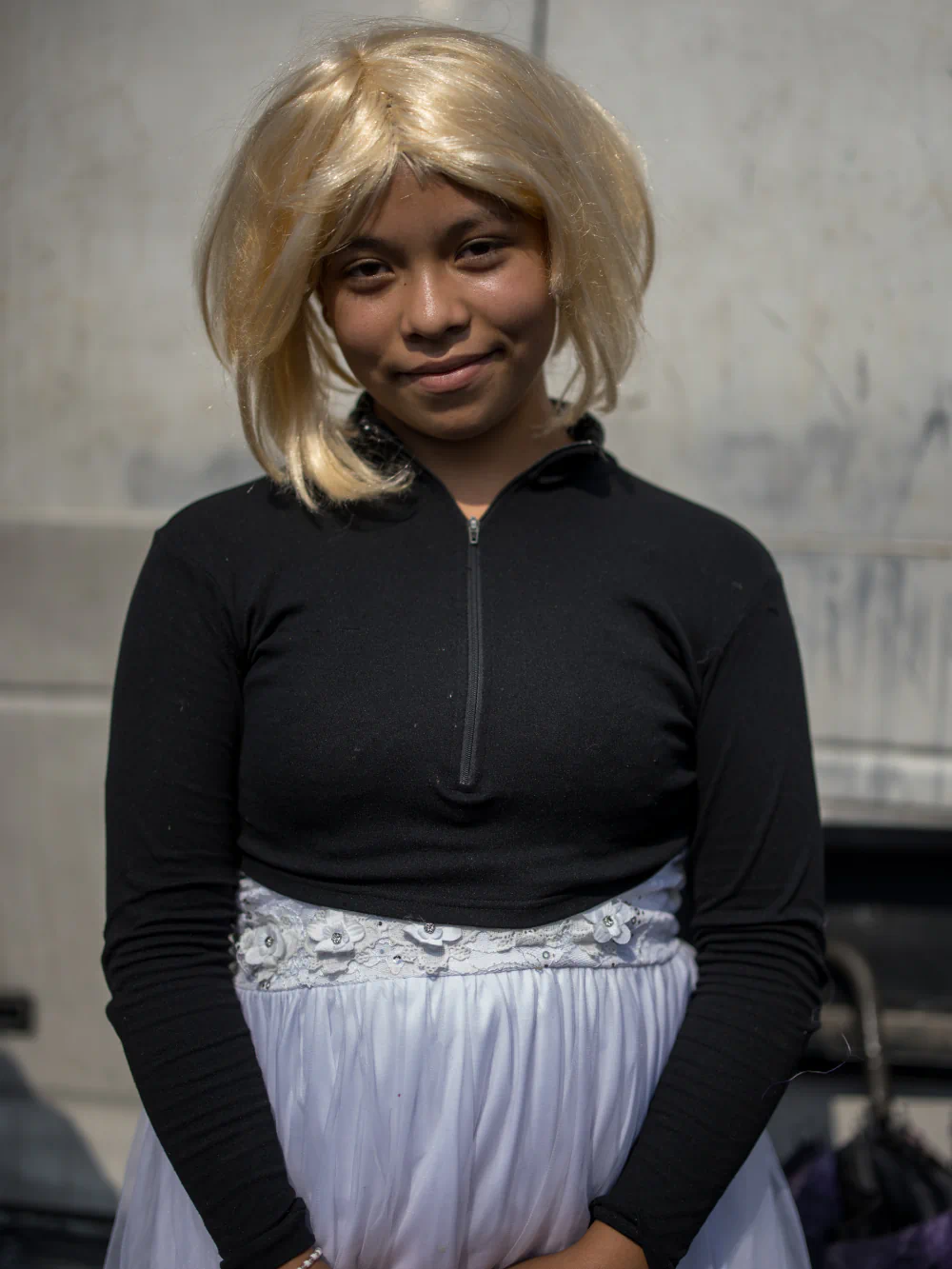
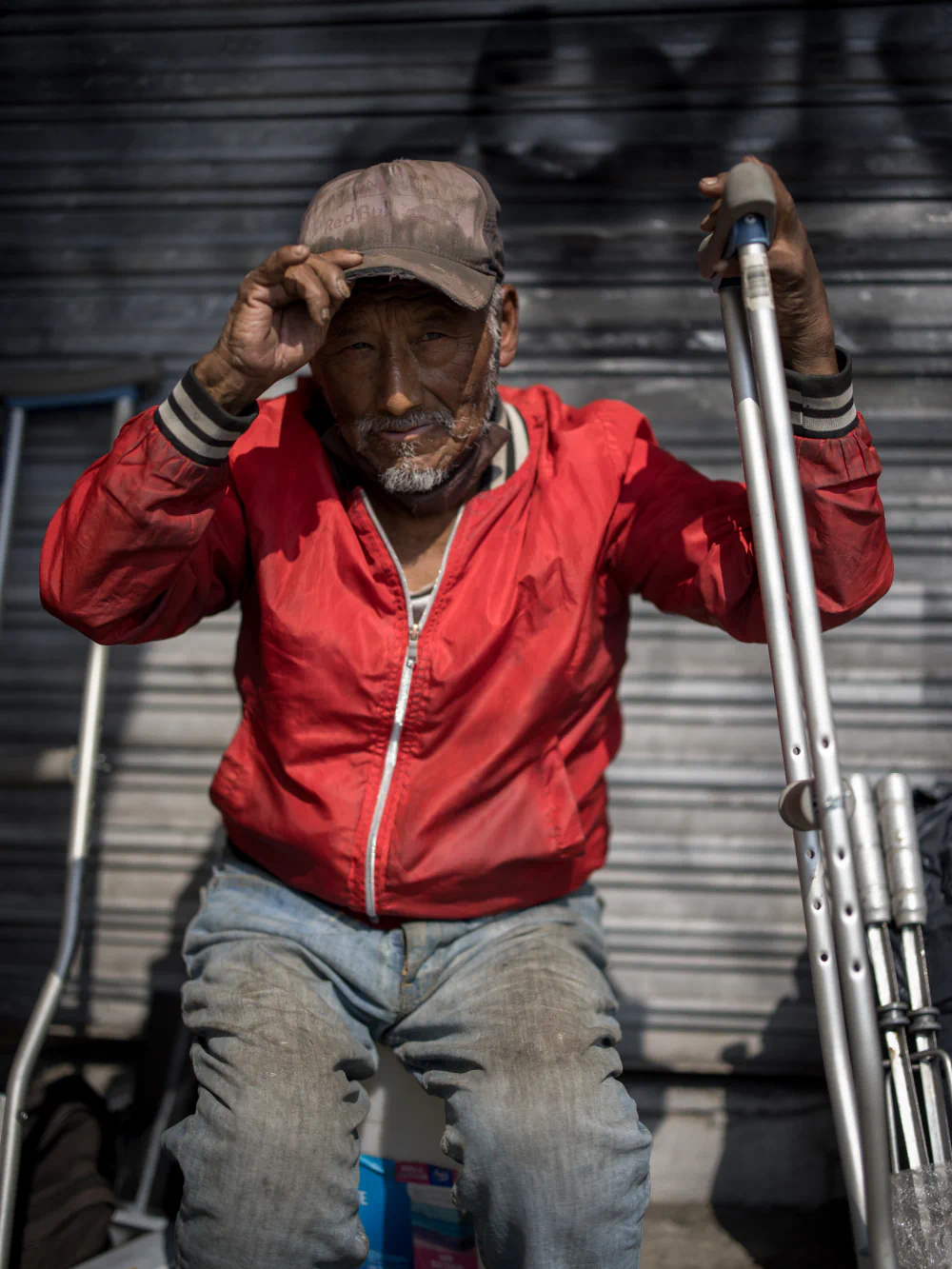
Depicted as a female skeleton, often dressed as a bride and holding a globe and scythe, Santa Muerte embodies both death and protection. Though often described as a “patron saint of criminals,” her association with illicit worlds is more complex. While some individuals involved in crime do pray to her for protection, she is far from exclusive to them. Her followers describe her as a nonjudgmental, inclusive saint, welcoming those who feel excluded from traditional institutions: the poor, the sick, drug addicts, former prisoners, migrants, LGBTQ+ people, workers in the informal economy, and others living at society’s margins.
Many devotees identify with mainstream religious traditions, yet feel there is no place for them within rigid structures that judge their identities, livelihoods, or past actions. For many, devotion to Santa Muerte becomes a pathway toward redemption, stability, or the hope of change.
Santa Muerte blends pre-Columbian death-goddess traditions with Catholic symbolism, forming a belief system that resonates deeply in a country where death has long been ritualized, especially during Day of the Dead festivities.
Despite Tepito’s harsh reputation, the atmosphere during these celebrations is strikingly warm, communal, and deeply devoted.