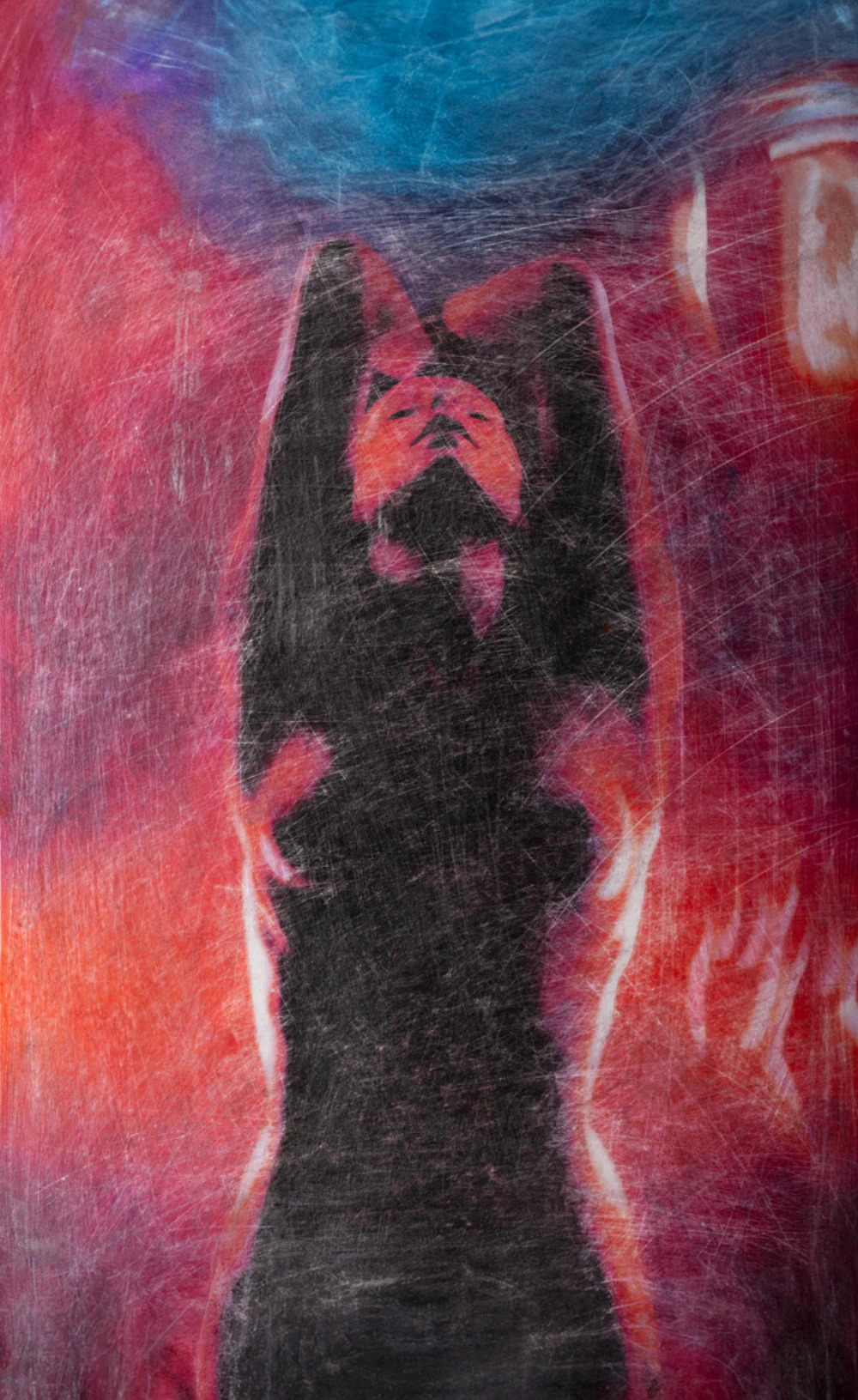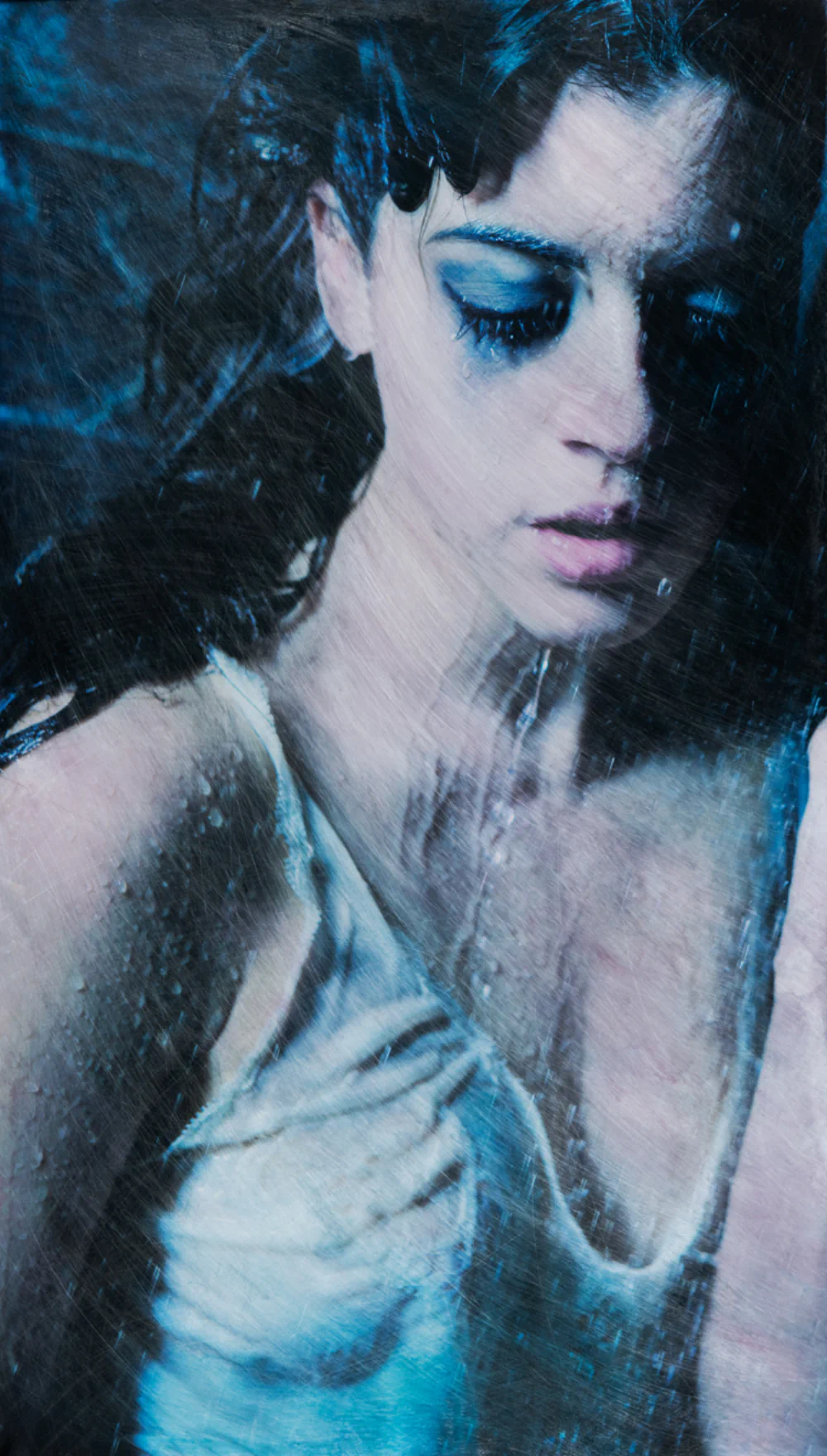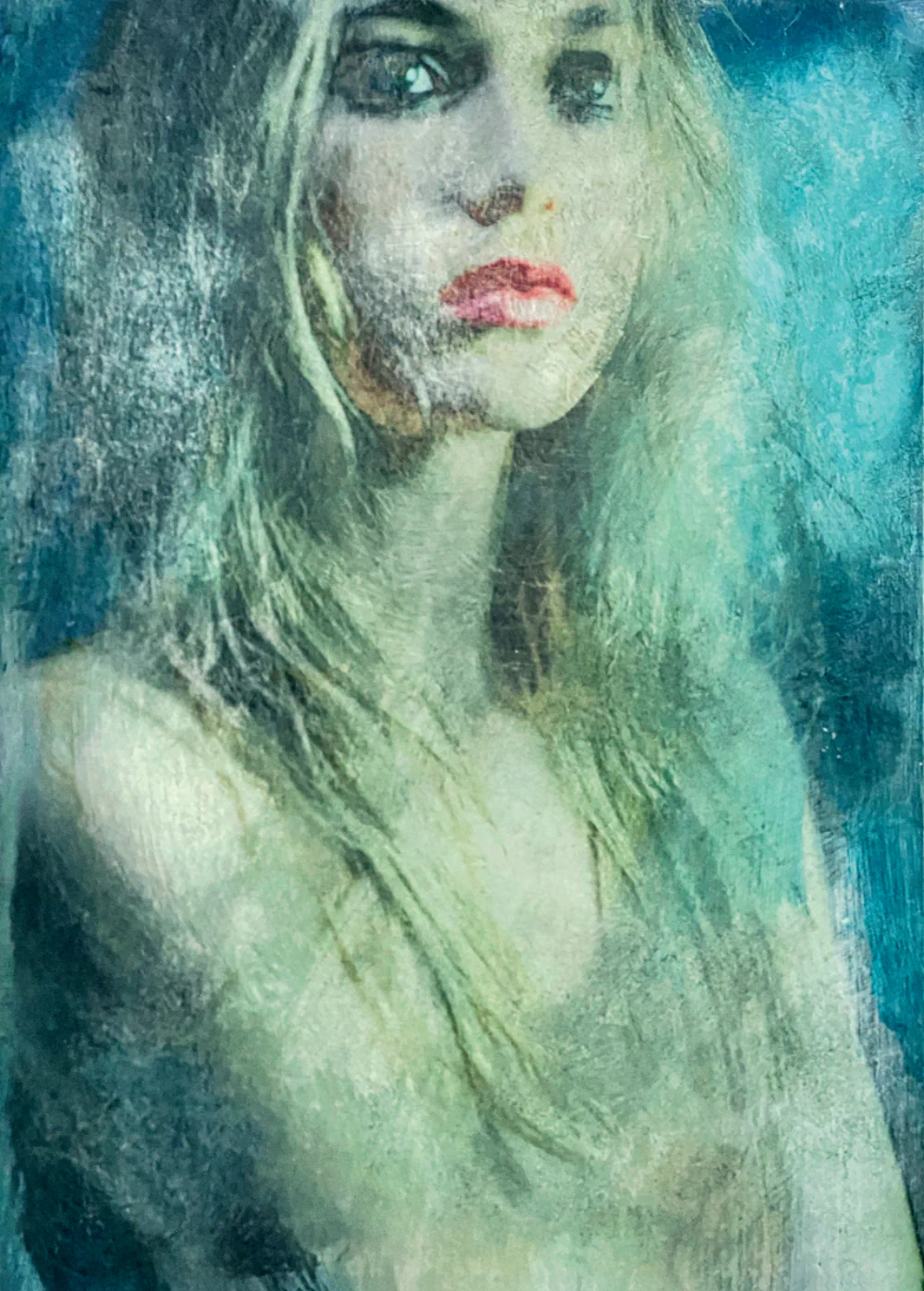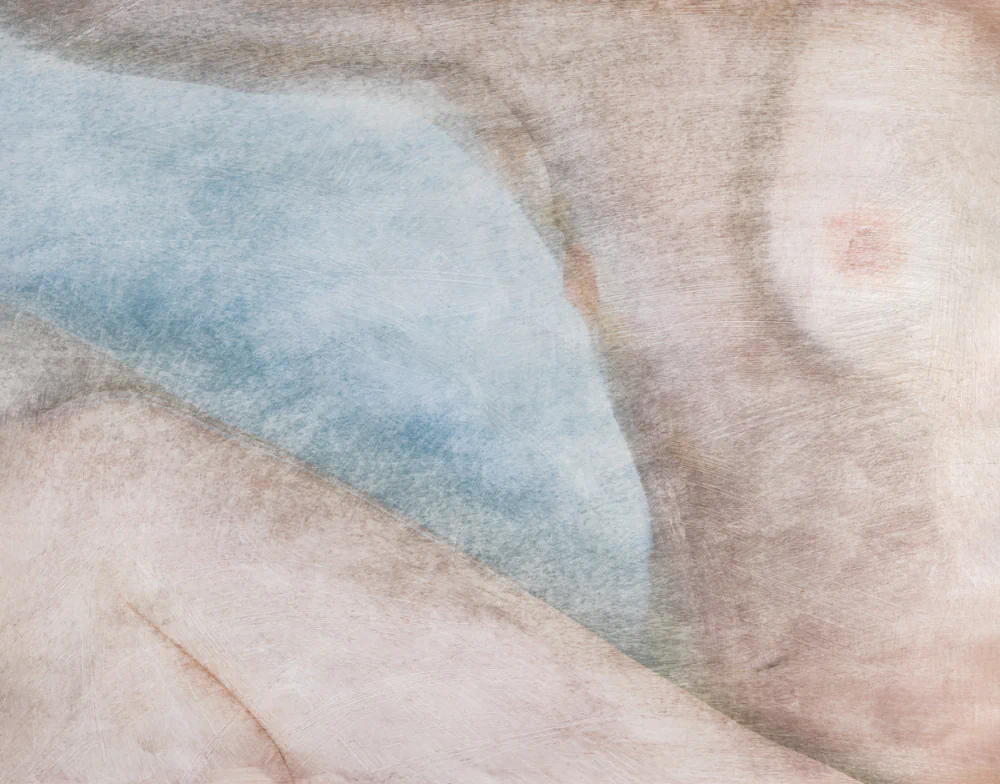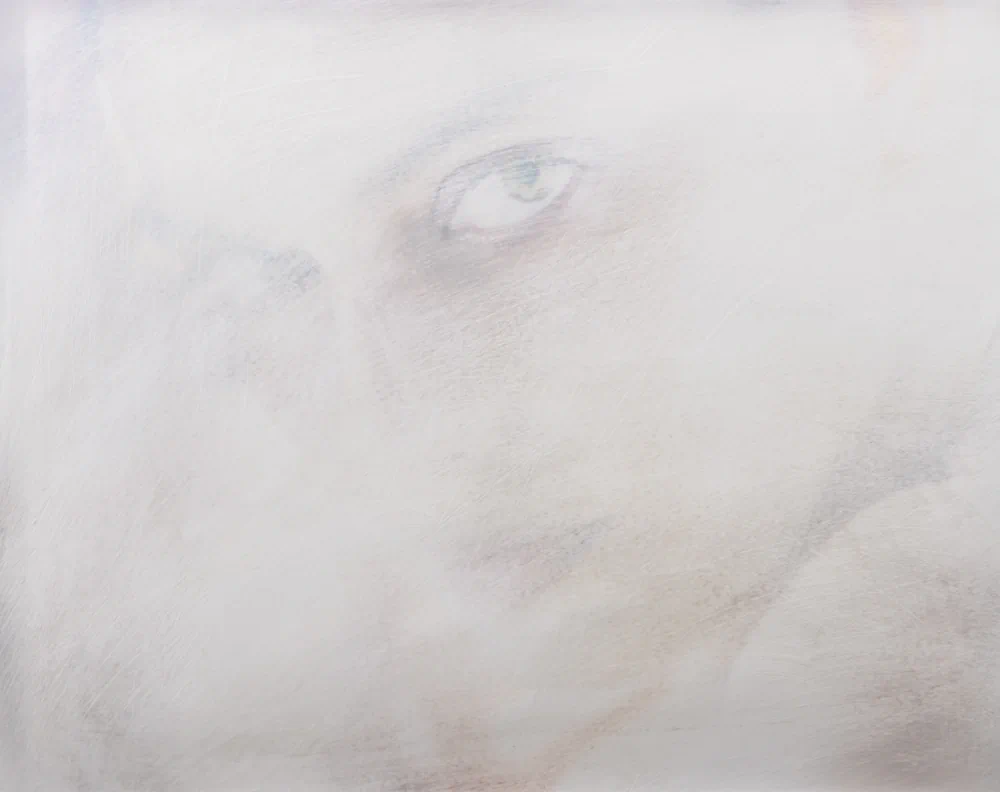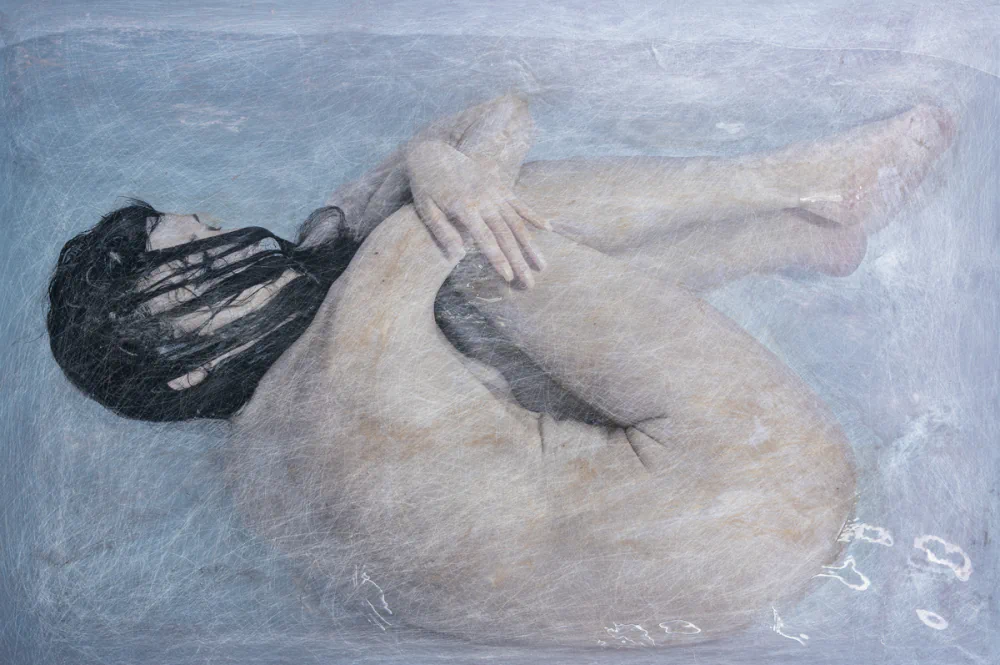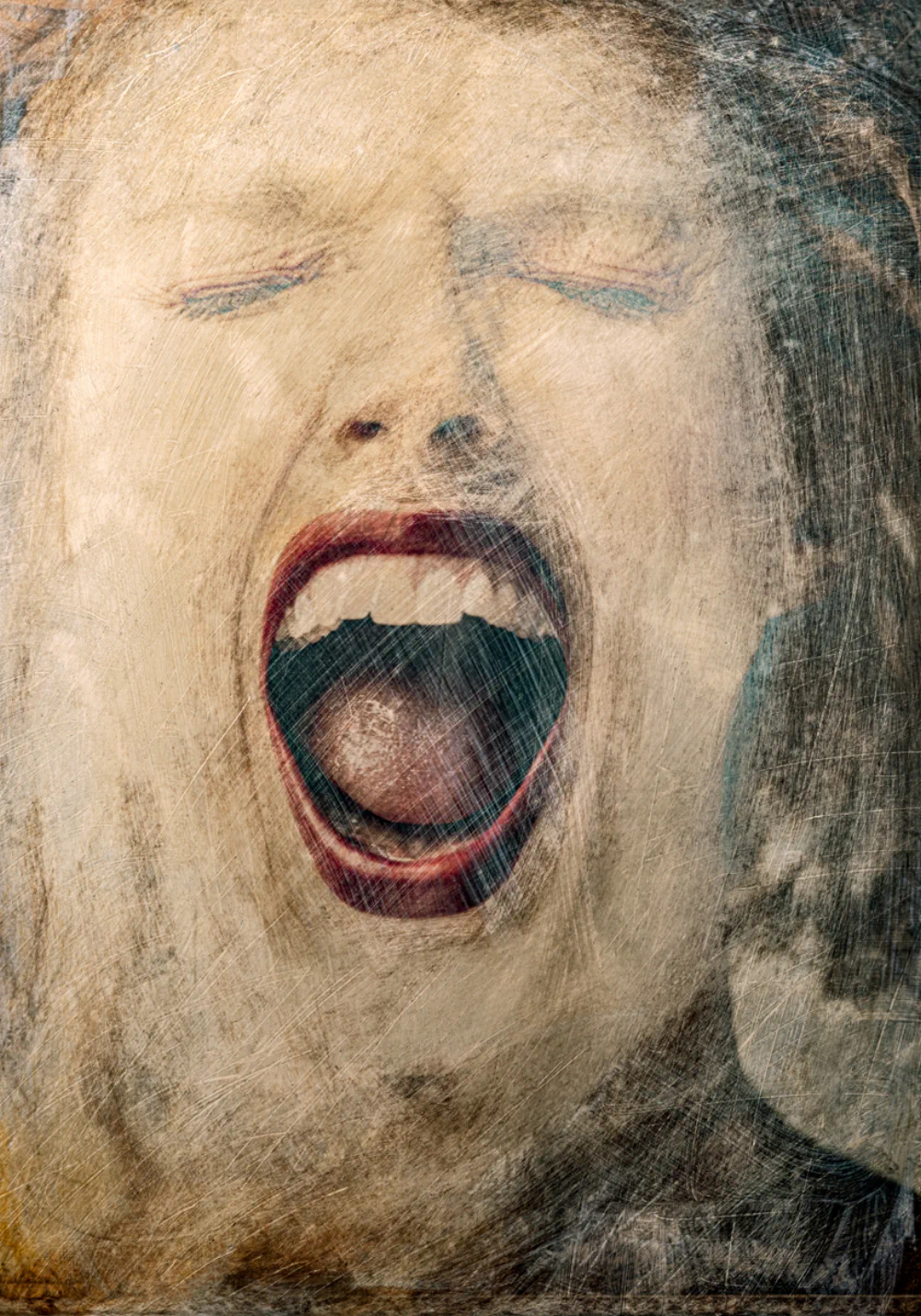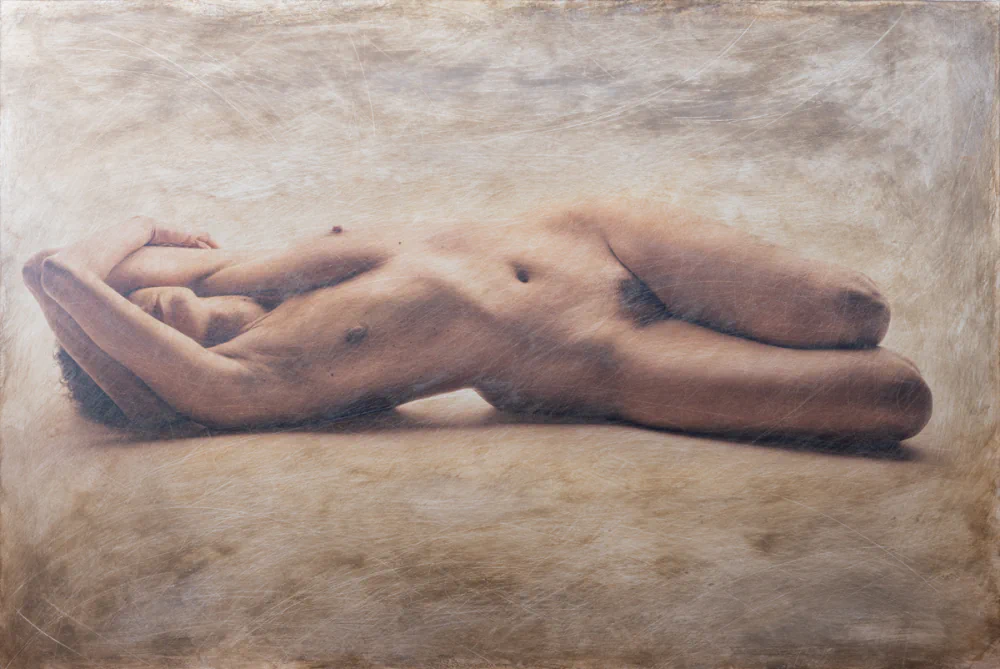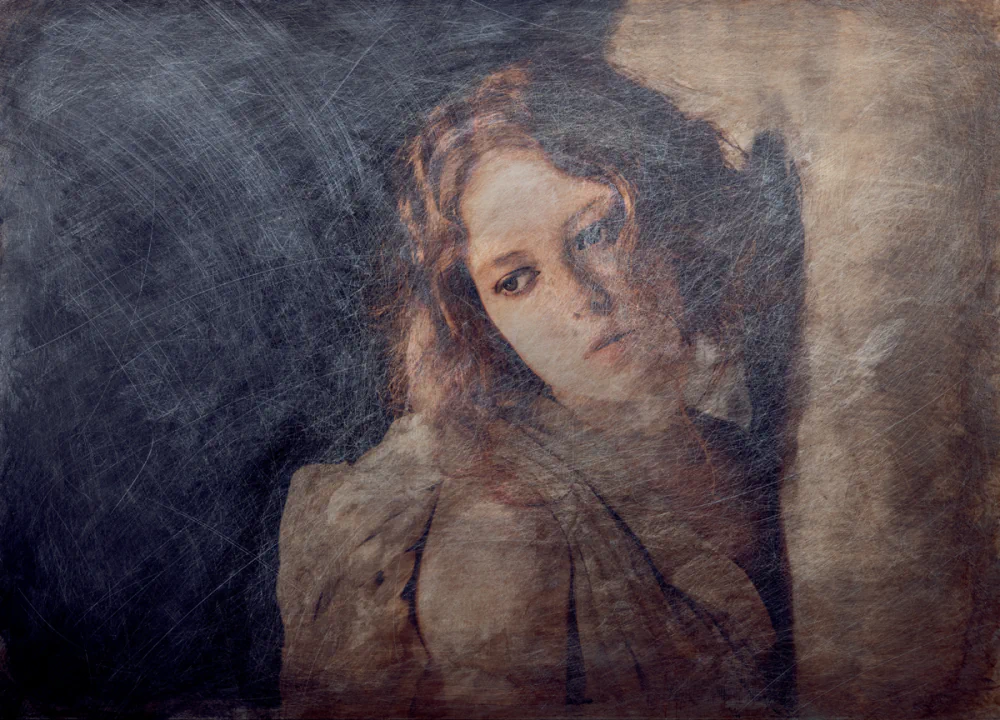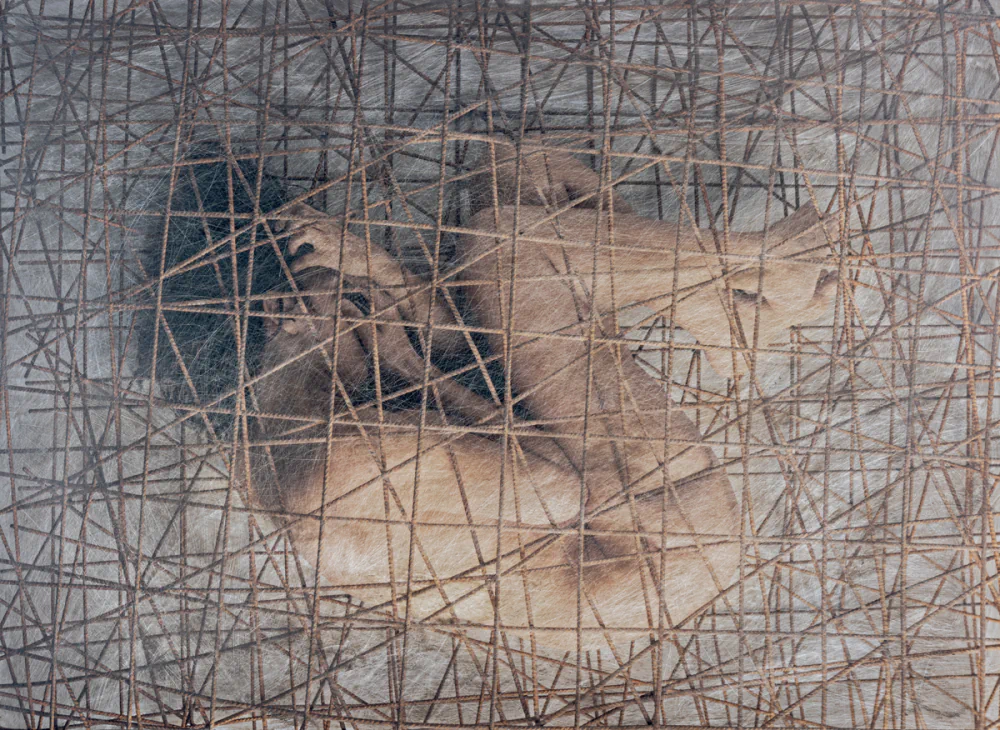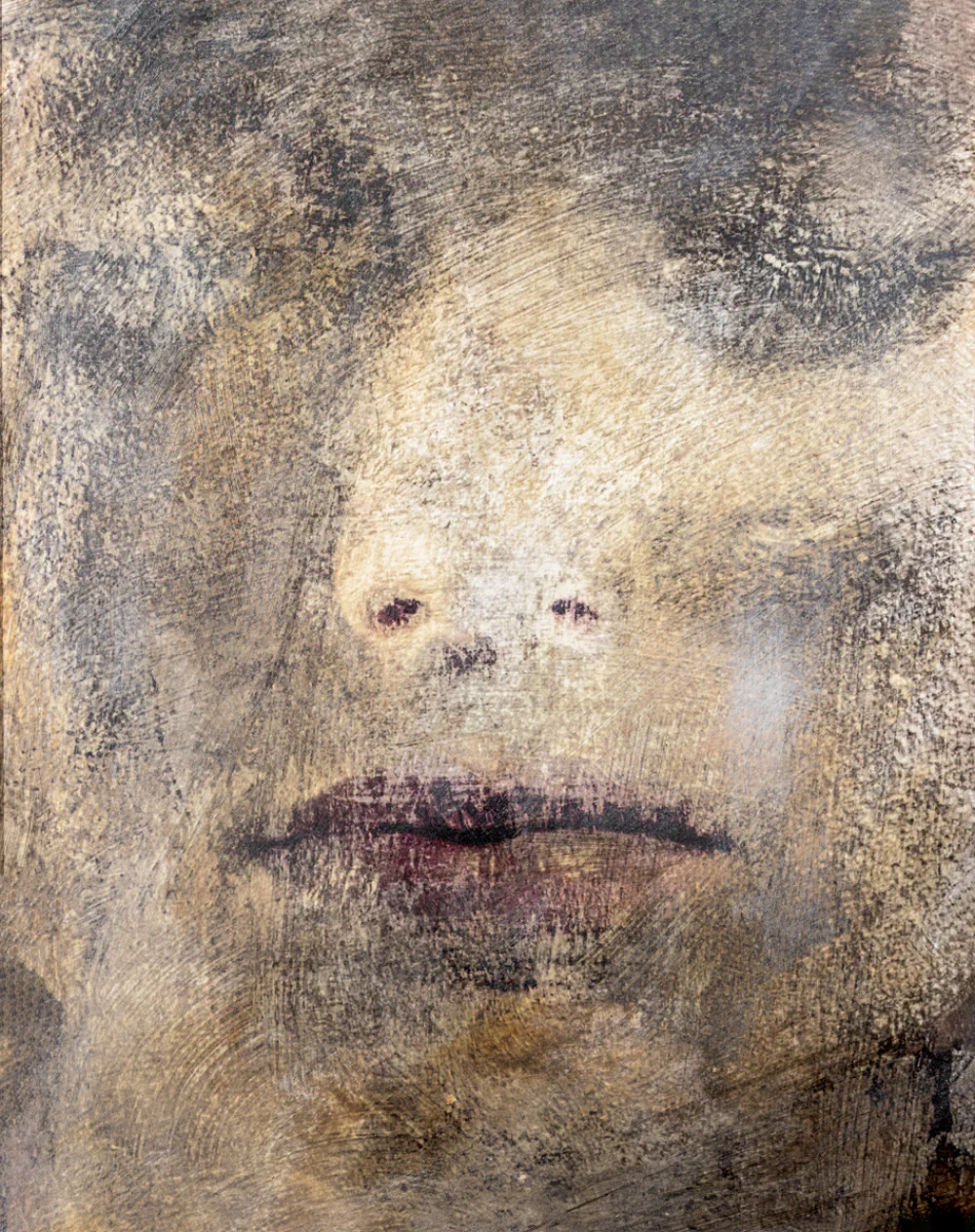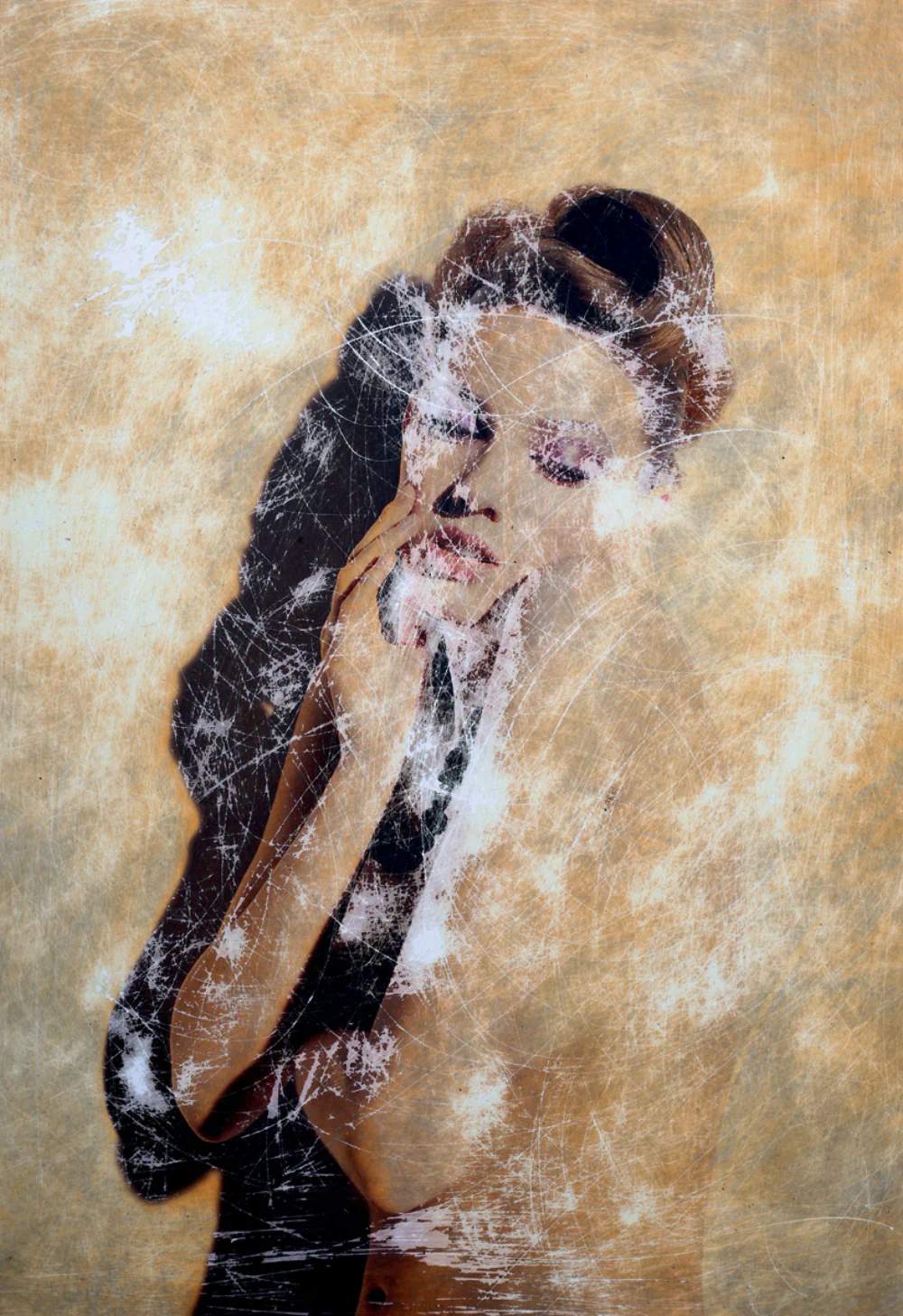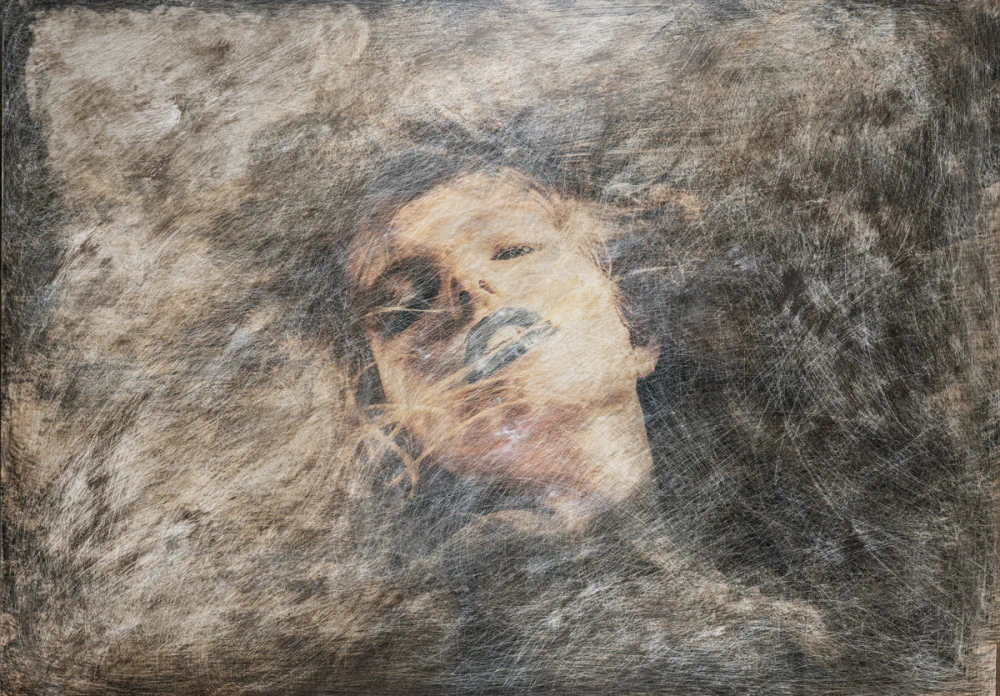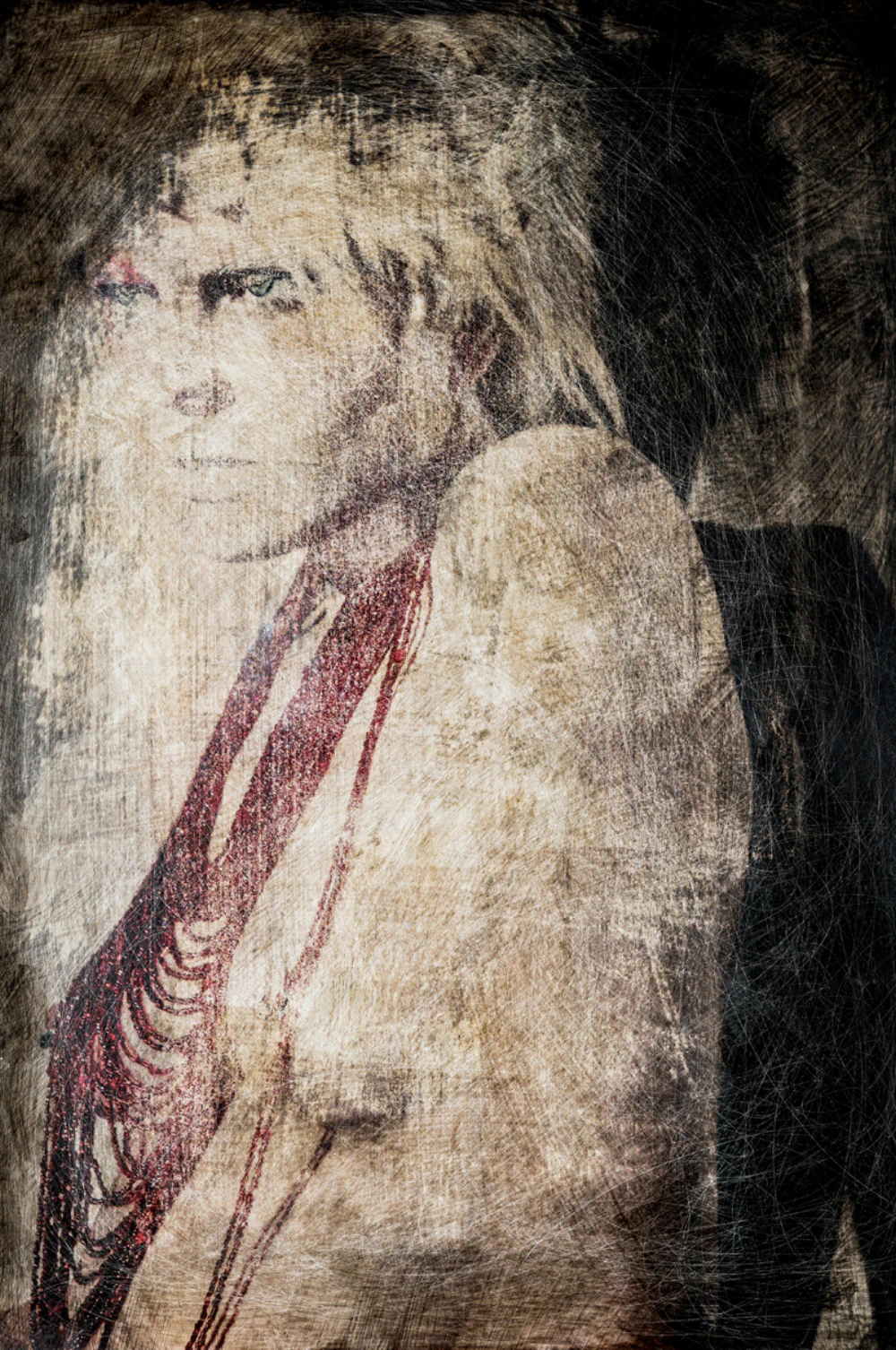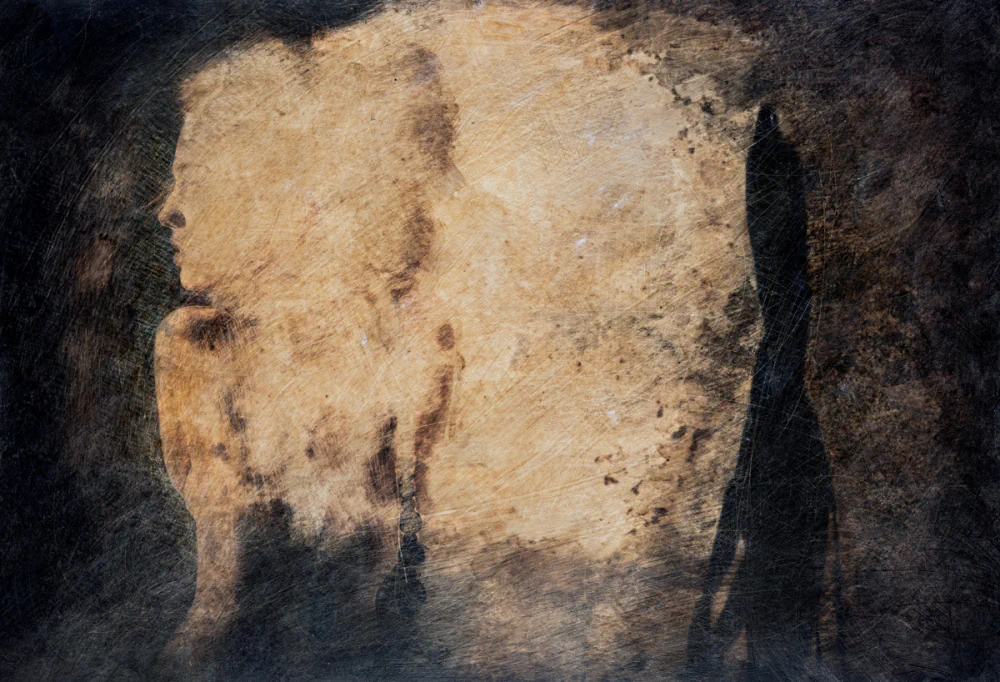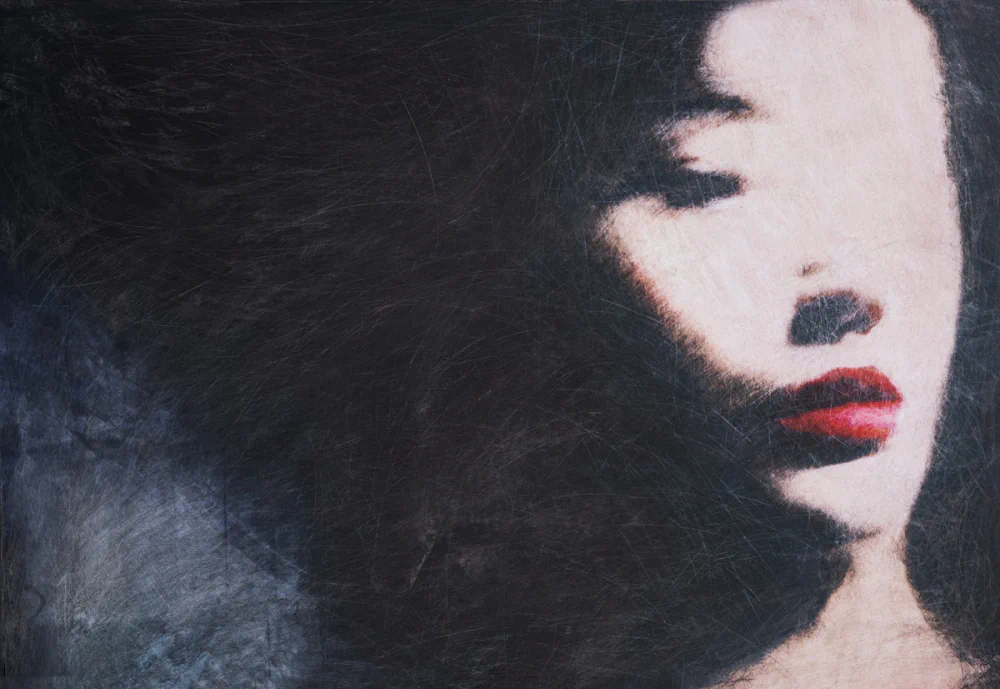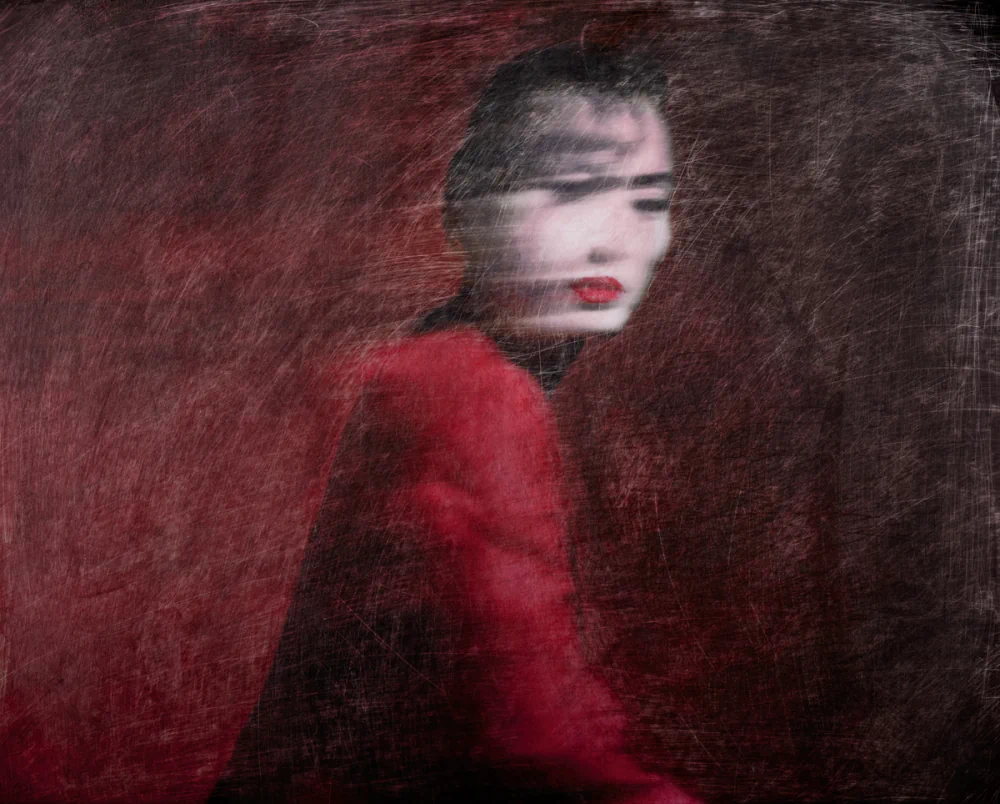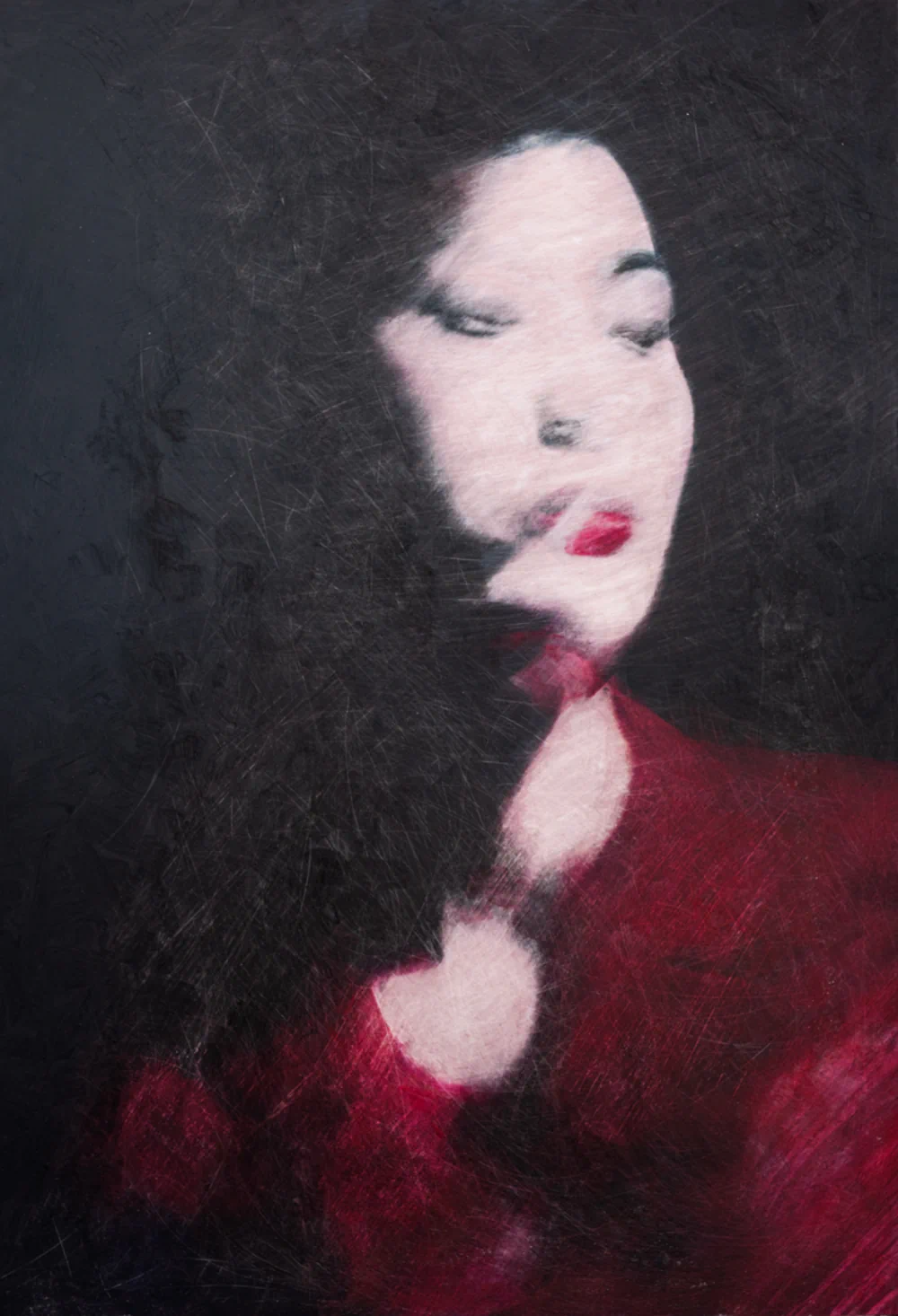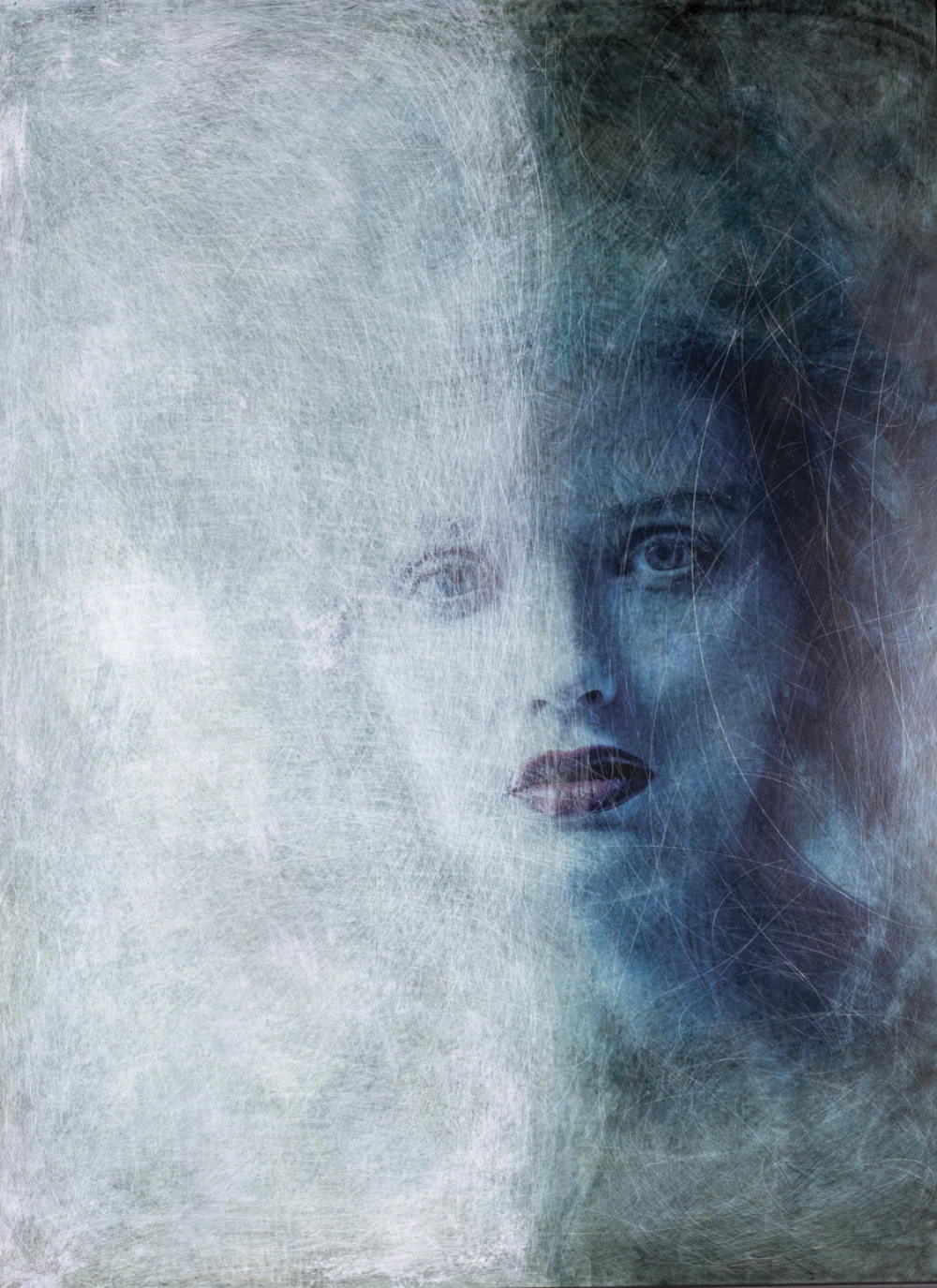


The Beauty and the Bane investigates the fragility and transience of aesthetics, inviting the viewer to question what is conventionally perceived as beautiful.
The images, originally conceived by the artist as commercial advertising shots, undergo a process of radical transformation that alters their chromatic qualities, surfaces, and textures through the use of oils, paints, plaster, and abrasive materials.
This process results in the creation of unrepeatable works, removed from any logic of replication.
Each intervention arises from an entirely manual practice that reaffirms the value of the artisanal gesture and imperfection as defining marks of authenticity. In this sense, the creative process also stands as a deliberate stance against a contemporary culture driven by homogenization and standardization. The project further engages in a critical reflection on the normalization of bodies according to unrealistic and identity-less models. Here, by contrast, beauty is not smoothed but traversed, incised, and brought into crisis. The mark that wounds does not destroy, but reveals: every scratch strips away the superfluous and, in subtracting, adds meaning. The surface opens, allowing a more authentic and stratified dimension to emerge.
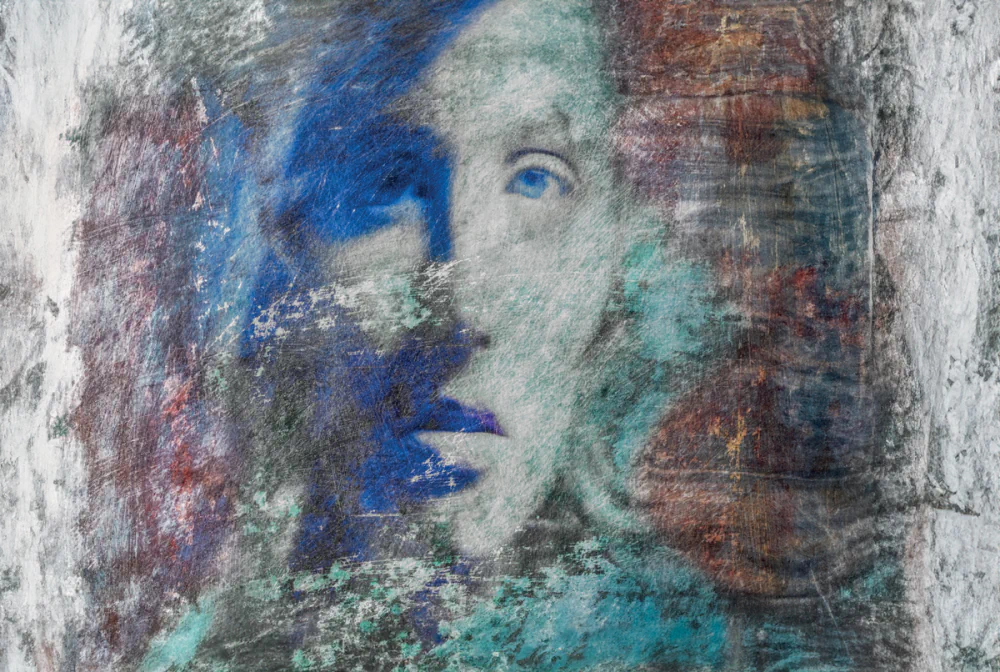
At the core of this research lies the concept of Photomorphia, understood as a process of visual metamorphosis achieved through direct and material intervention on the photographic image. This transformation does not merely alter the formal appearance of the work, but acts upon the viewer’s perception itself, prompting a deeper inquiry into the power of the image and its capacity to generate new meanings. Photomorphia thus emerges as an autonomous language, capable of deconstructing the traditional aesthetic function of photography and activating a more profound and conscious relationship with the observer.
The project ultimately reveals how the notion of beauty is constructed, malleable, and often imposed, encouraging viewers to move beyond the surface, to recognize value in imperfection and fracture, and suggesting that it is precisely in the disruption of apparent equilibrium that beauty can regenerate and disclose its most authentic essence.