
The Last Guardians of the Forest Luciana Trappolino: The Baka and Their Disappearing World

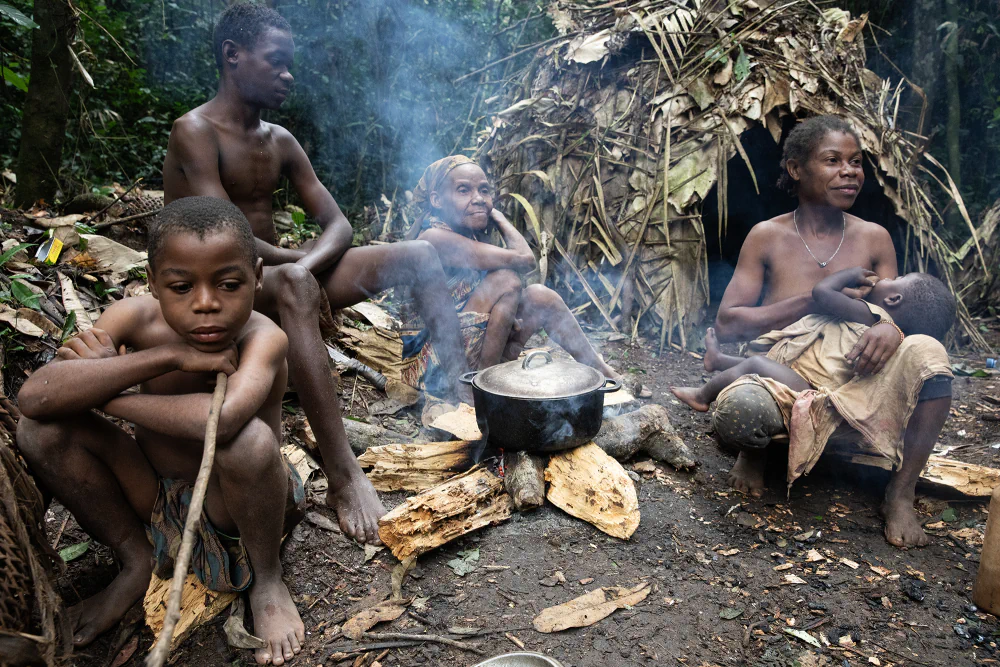
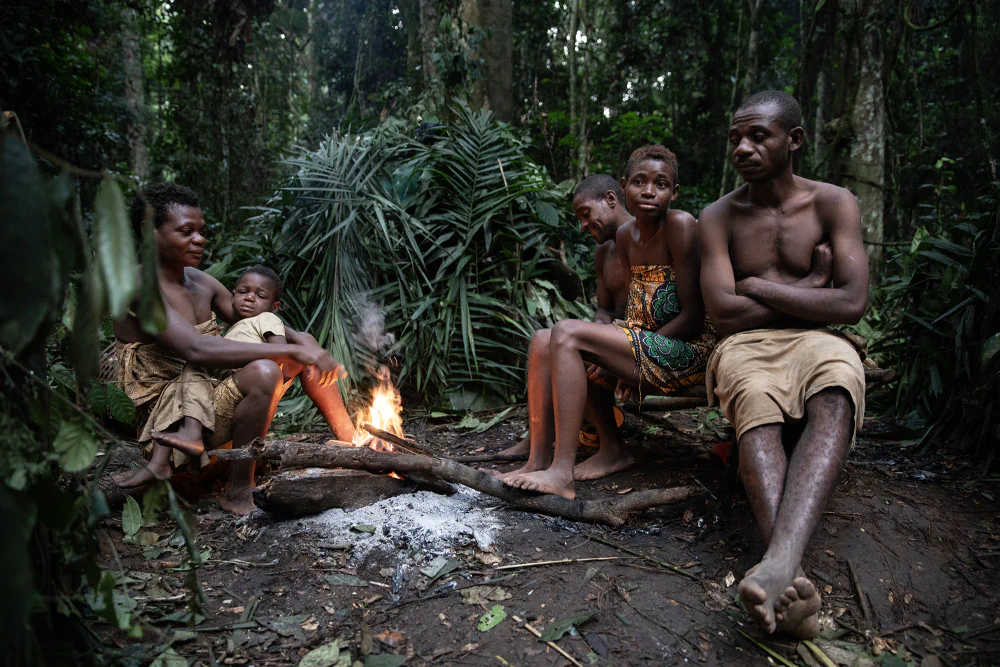
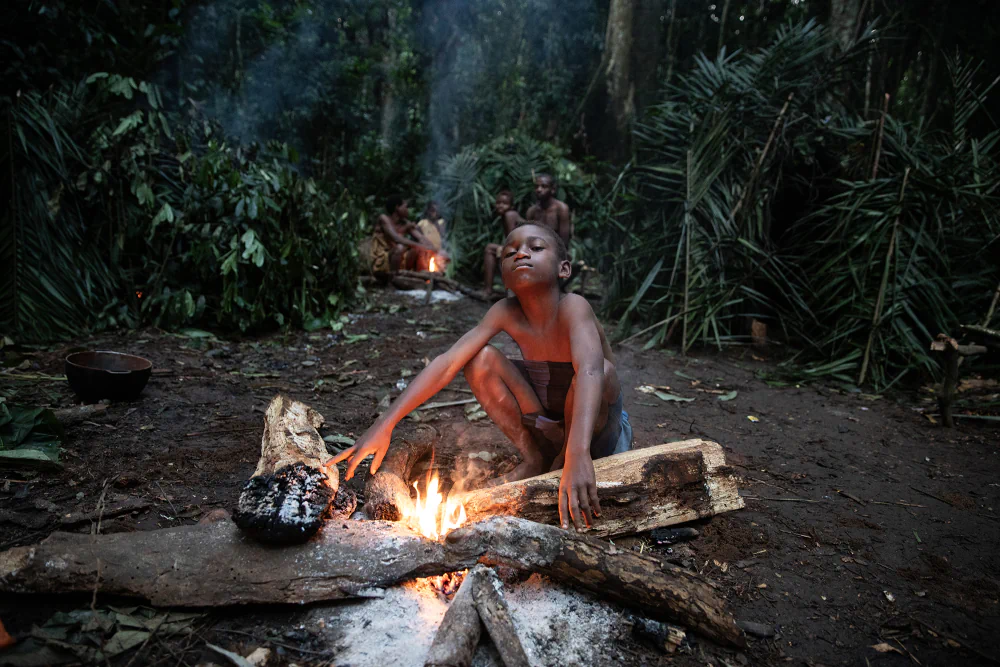
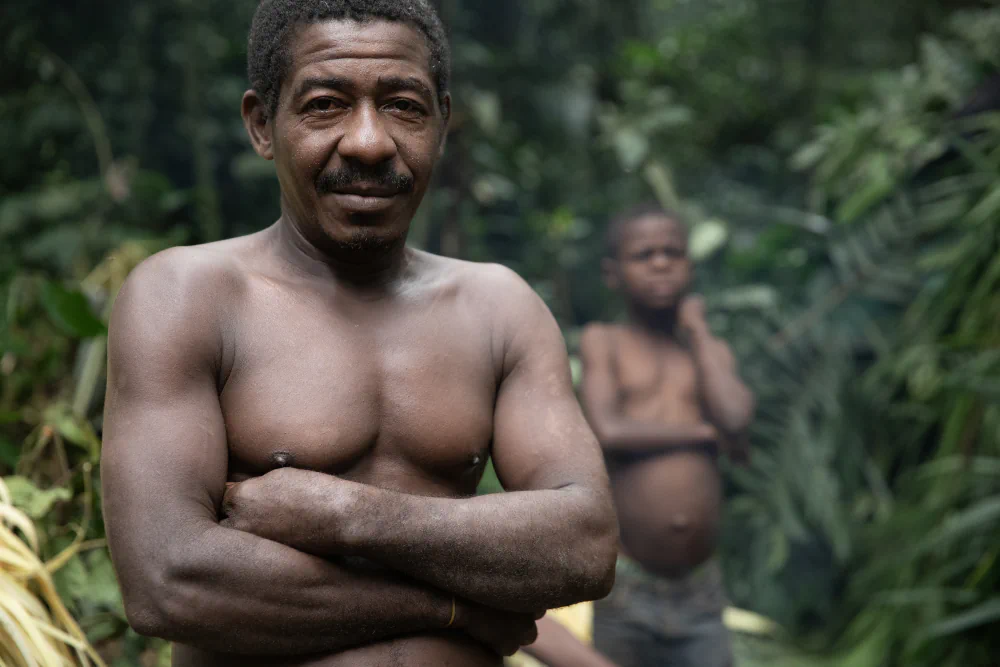
In a clearing in the heart of the equatorial forest of Cameroon lives one of the last groups of Baka Pygmies, one of Africa's oldest peoples. Their organization is centered around the family or small communities, where important decisions are made collectively, eliminating the need for a specific leader, although the eldest member remains a key point of reference.
Apr 3, 2026

In a clearing in the heart of the equatorial forest of Cameroon lives one of the last groups of Baka Pygmies, one of Africa’s oldest peoples.

Their organization is centered around the family or small communities, where important decisions are made collectively, eliminating the need for a specific leader, although the eldest member remains a key point of reference.

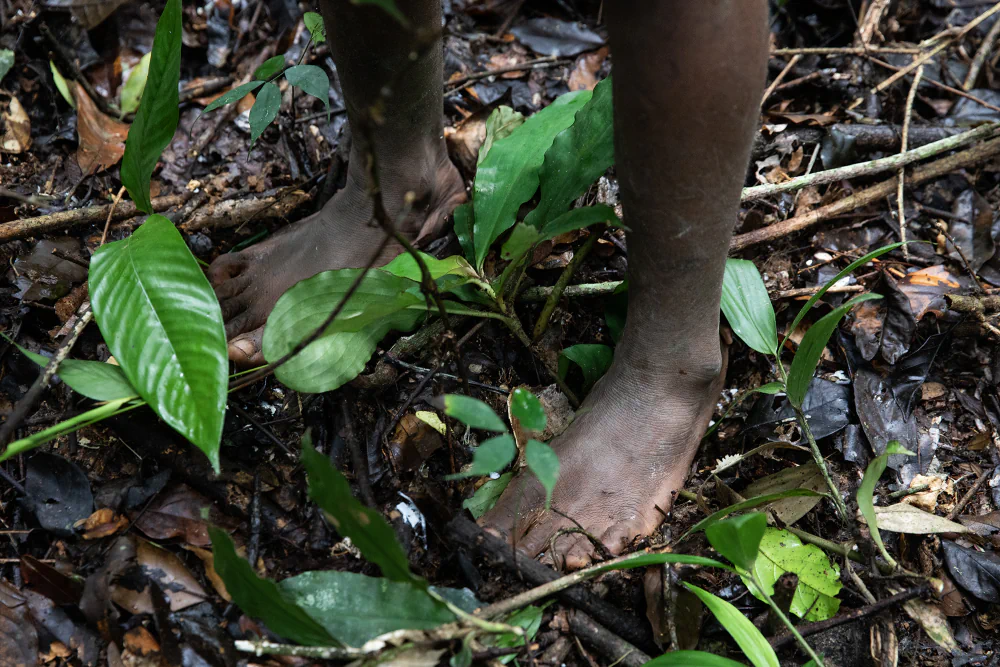
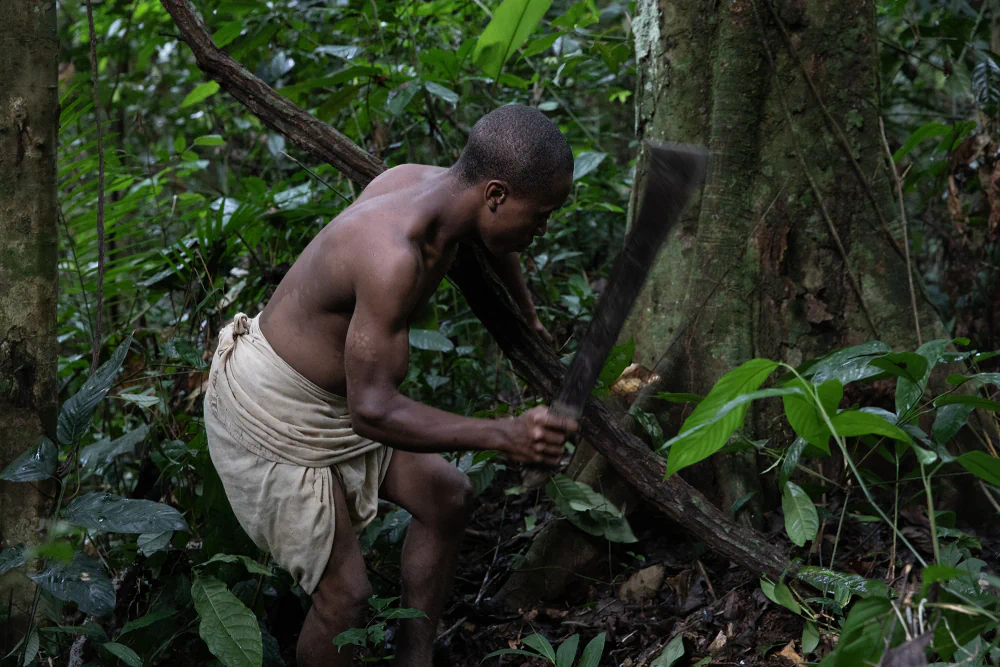
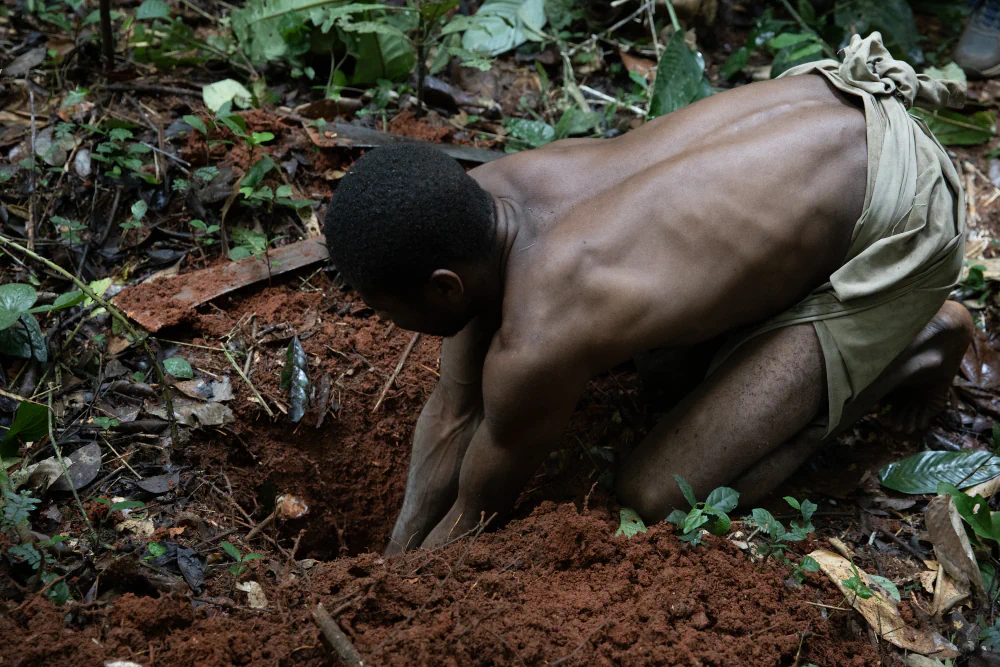
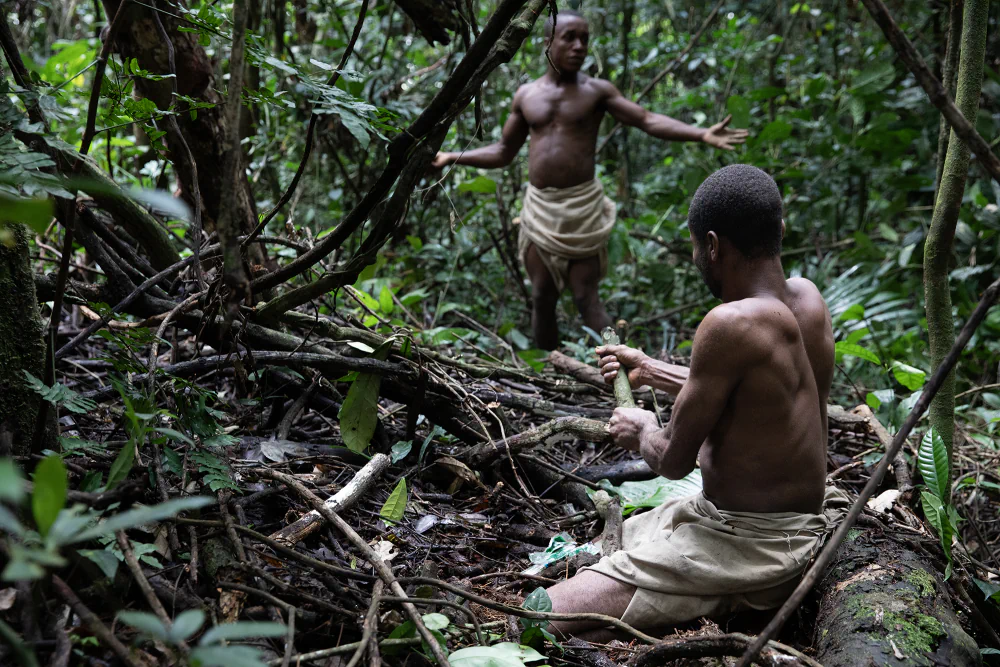
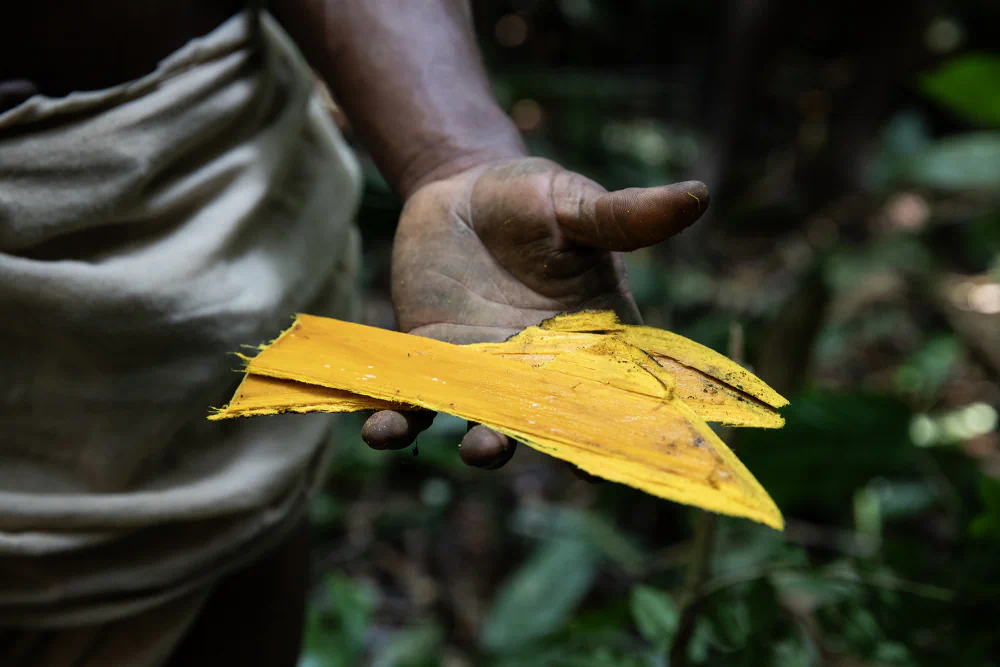
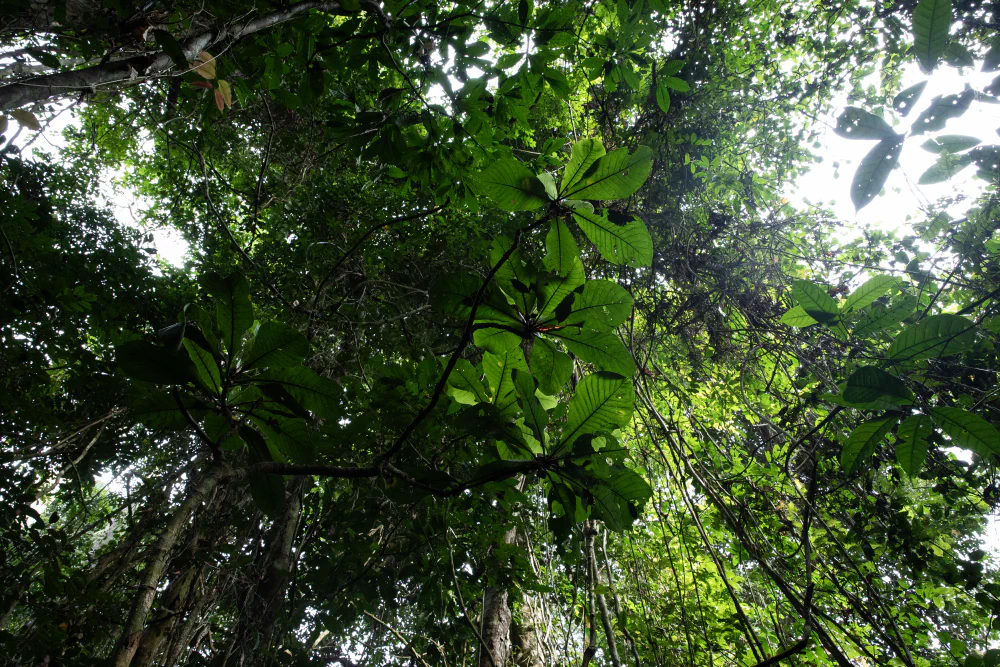
Living in perfect harmony with the surrounding environment and its resources, the Baka have survived for millennia by hunting with arrows and traps and gathering fruits and medicinal plants provided by the forest, fully respecting it and safeguarding its biodiversity.

Follow what’s new in the Dodho community. Join the newsletter »

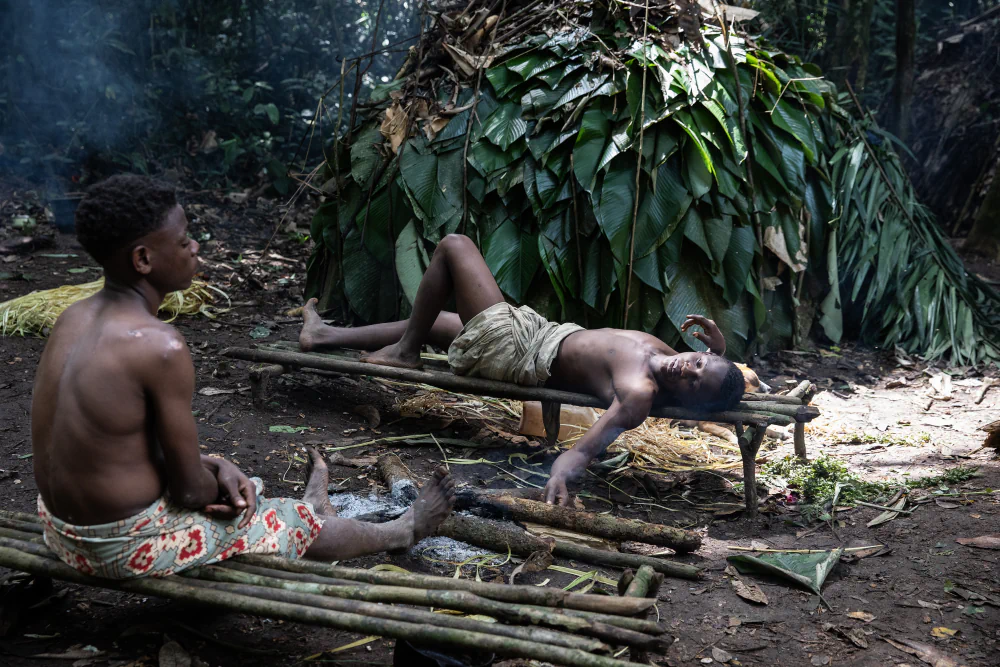
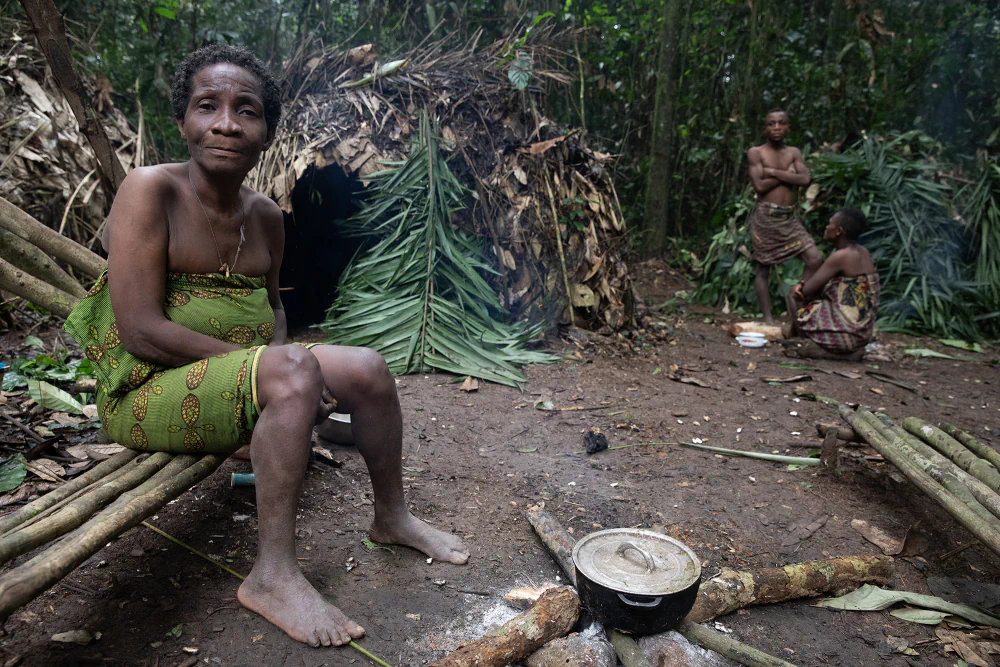
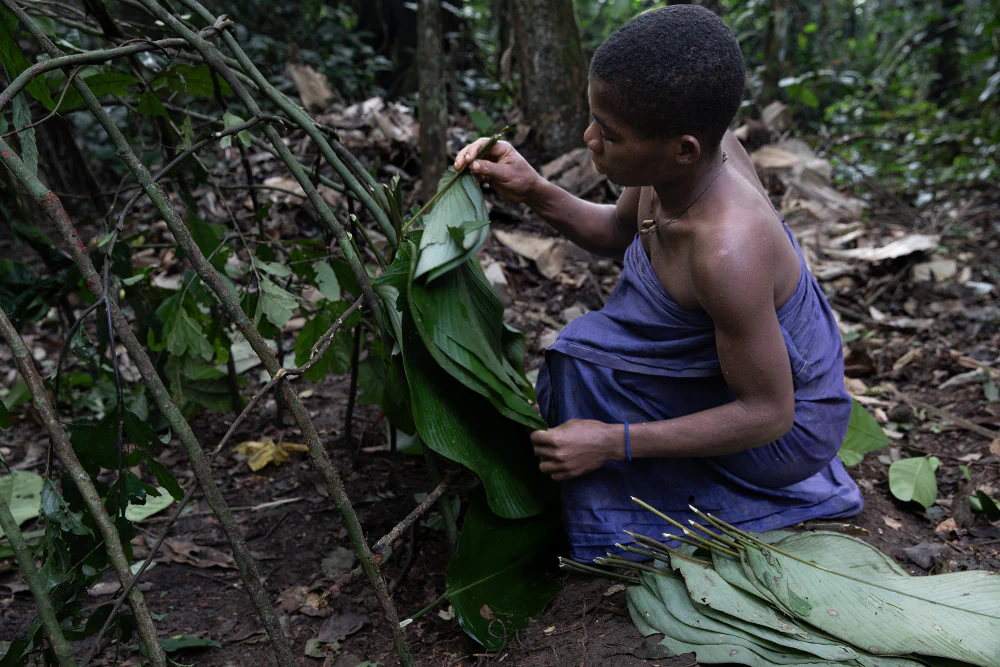
Constantly on the move in search of fresh food, they travel within the forest, building temporary shelters made of woven branches and leaves and living a simple life, with minimal clothing, few cooking utensils, and basic hunting tools.
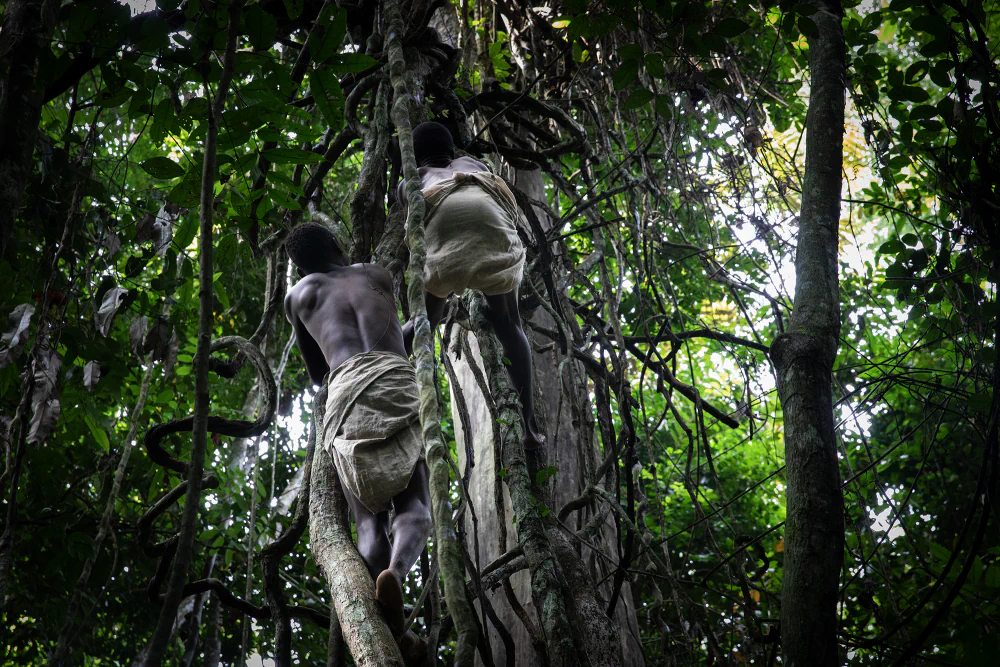
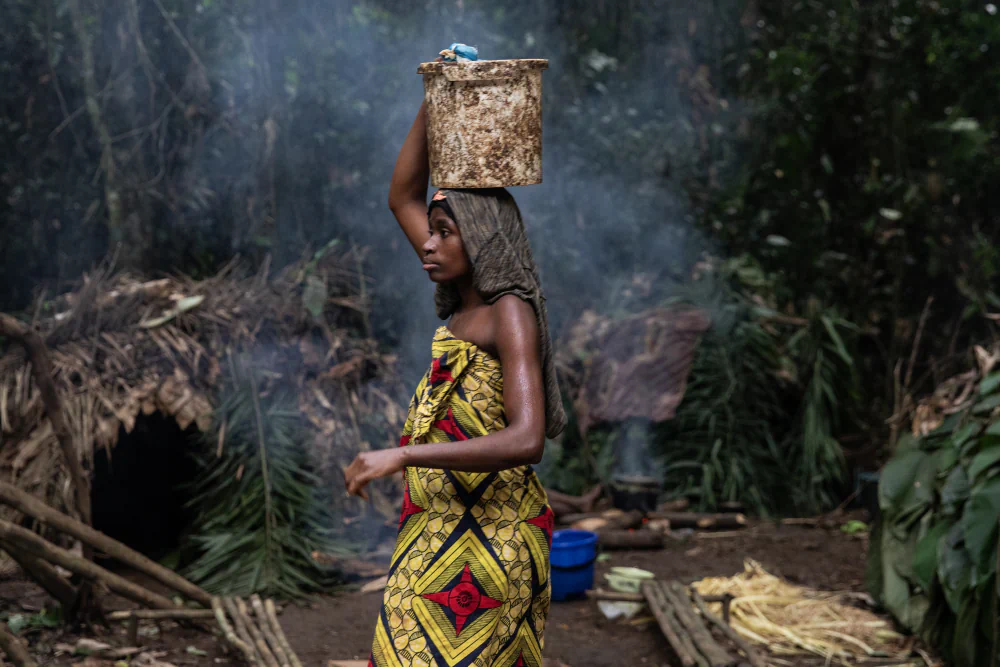
The division of labor is also well defined: women fish, fetch water from streams, and collect firewood, as well as take care of cooking and childcare; men set traps in the forest and collect honey, and when hunting large animals, they leave the village and venture deep into the forest for days at a time.

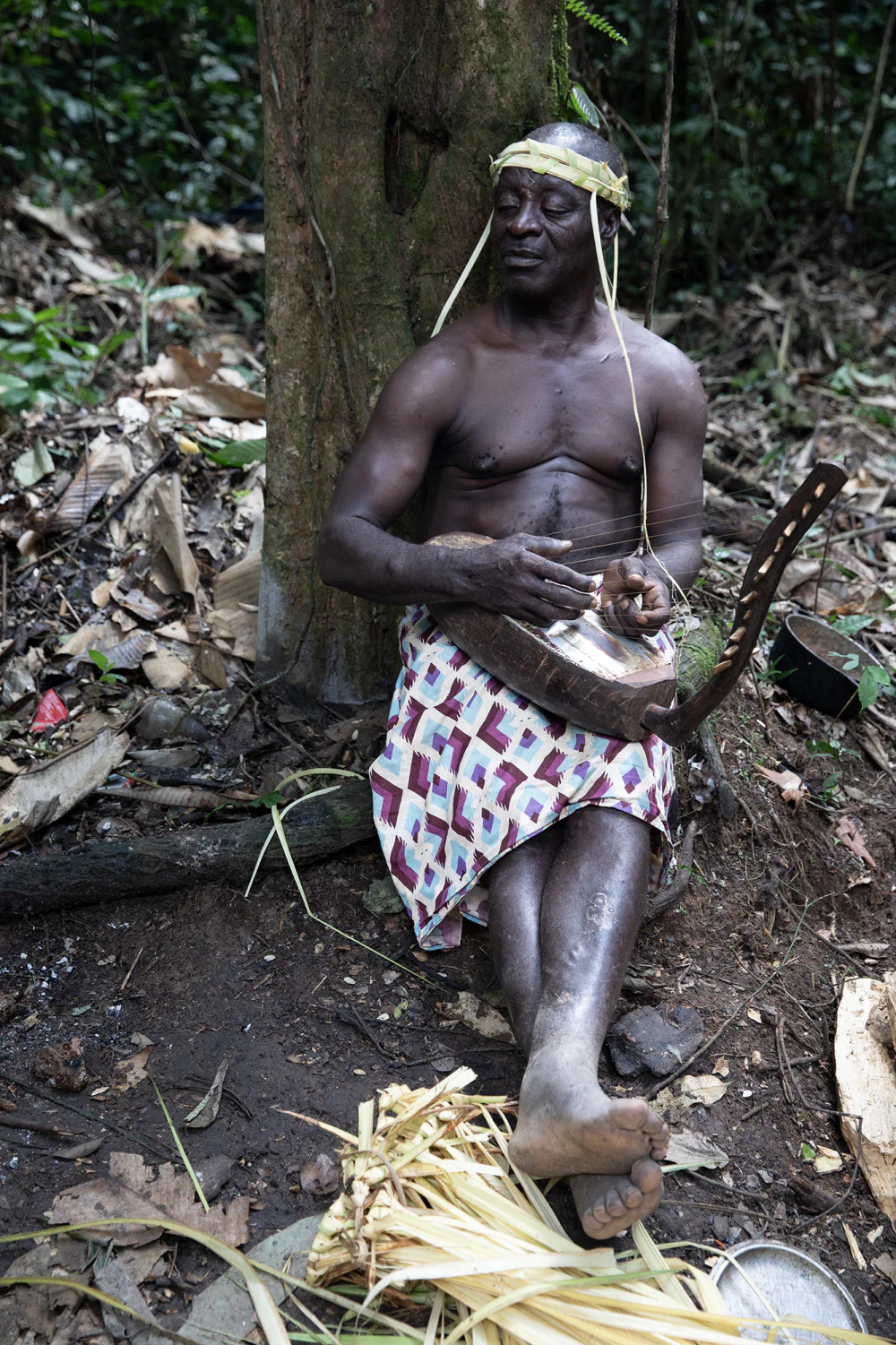
Evenings with them are magical: as lovers of music, they spend their time immersed in sounds, dances, and songs. It is a powerful experience to listen to and observe them.

Singing, music, and dance are part of their history and accompany the rhythm of daily life and its events, from initiation rites to prayers offered to forest spirits, from weddings to funerals.

Their relationship with the forest is one of profound gratitude. It is considered sacred by the Baka and also serves as the burial place of their deceased.

For several decades, due to the industrial exploitation of forests, the expansion of oil palm plantations, and the allocation of land to nature reserves, the survival of the Baka and their traditions has been in serious danger.
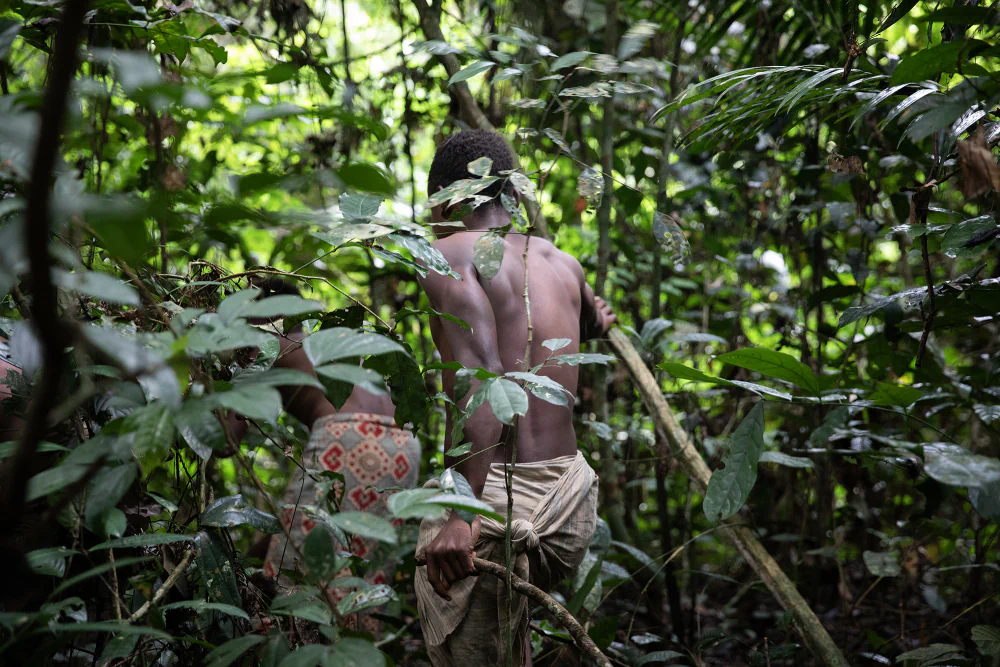
The forest has always been an integral part of Baka identity and has fulfilled all their needs. Forcibly removed from their natural environment, which they understand deeply, and deprived of essential resources such as hunting and gathering, many are reduced to begging or working as laborers for the ruling class.

They lack identity cards, which means they are largely excluded from healthcare and education, and the government does little to protect their rights.

Isolated and discriminated against, they remain victims of intimidation and violence and are forced to adapt to a modern lifestyle that is entirely alien to them.

They are one of Africa’s most marginalized ethnic groups, at risk of extinction.

What has been happening to them for decades can be described as a silent genocide.
About Luciana Trappolino

Luciana Trappolino was born in Orvieto on February 15, 1964. She graduated in Economics and Business from Sapienza University of Rome (Italy) and currently lives in Lecce (Italy).

She discovered her passion for photography at a young age. Her work is primarily a travelogue and an ethnographic testimony to the traditions, customs, and ways of life of communities that, under the influence of the Western world, are gradually disappearing.

In recent years, she has also focused on local traditions and realities, aiming to promote their authenticity and beauty, and above all, their anthropological value beyond stereotypes. Photography plays a fundamental role in this process of knowledge, as it is immediately perceptible, often more so than written text.

She has received several awards and Honorable Mentions, including those from the FIOF International Photographer Awards. She was awarded 1st prize in the competition promoted by Amnesty International Italy (2019), as well as 1st prize at FIIPA-FIOF 2019 in the “People” category. She was named Ambassador of Italian Photography at the International Art Photography Festival Lishui (China) in 2020, and again Ambassador of Italian Photography and finalist at the Fokus Awards in Albania in 2022, 2023, and 2025 in the “Life” and “Land” categories. She received an Honorable Mention at the Tokyo International Photo Awards 2023, as well as at the PX3 Prix de la Photographie Paris in 2023, 2024, and 2025. Her project The Last Guardians of the Forest was selected among the 10 best travel stories at the Travel Tales Award 2024, and The Art of Patachitra among the 10 best travel stories at the Travel Tales Award 2025. She was also a finalist in the Short Story category with the project Script on One’s Skin at Premio Roma Fotografia 2025, and winner of the 2025 Musa National Award for female photographers in the “Portrait” category with the project Tra-me.

Her work has been exhibited in various group and solo exhibitions across several Italian cities. Her photographs have been published in major photography magazines, including National Geographic, FIAF Yearbook, Photo Professional, Il Fotografo, Dodho Magazine, ViaggioFotografico.it, L’Oeil de la Photographie, and Edge of Humanity Magazine.

In 2024, in collaboration with Vidyasagar University’s Centre for Adivasi Studies and Museum in West Bengal, and Professor Urmila Chakraborty, she completed a photographic project on the Chitrakar women of the village of Naya and their Patachitra art. [Official Website]

https://www.dodho.com/wp-content/uploads/2026/03/ban12-copiasss.webp
https://www.dodho.com/wp-content/uploads/2026/01/awardsp.webp