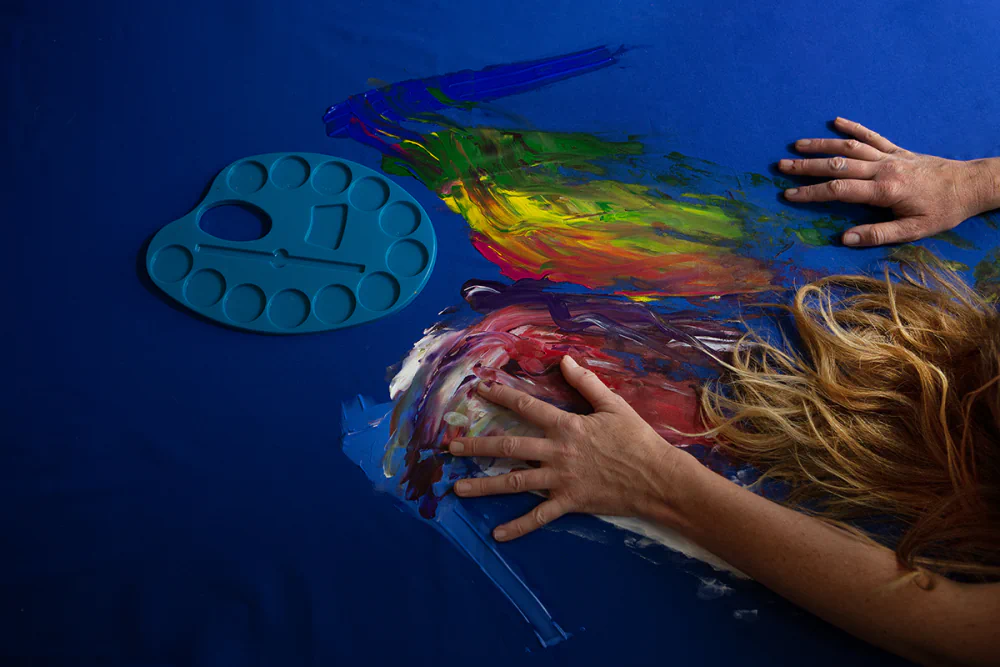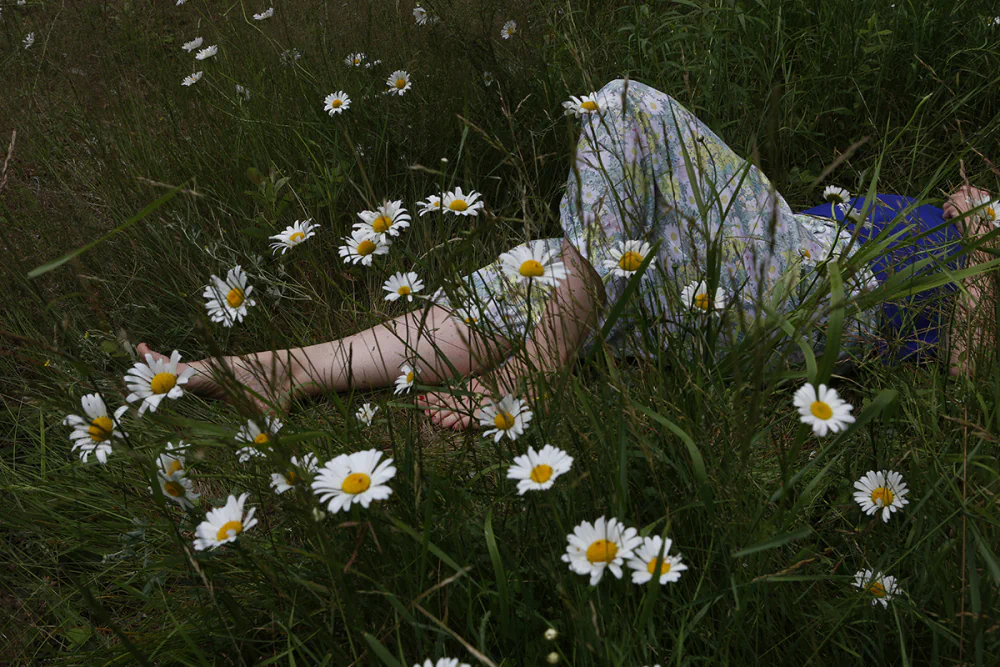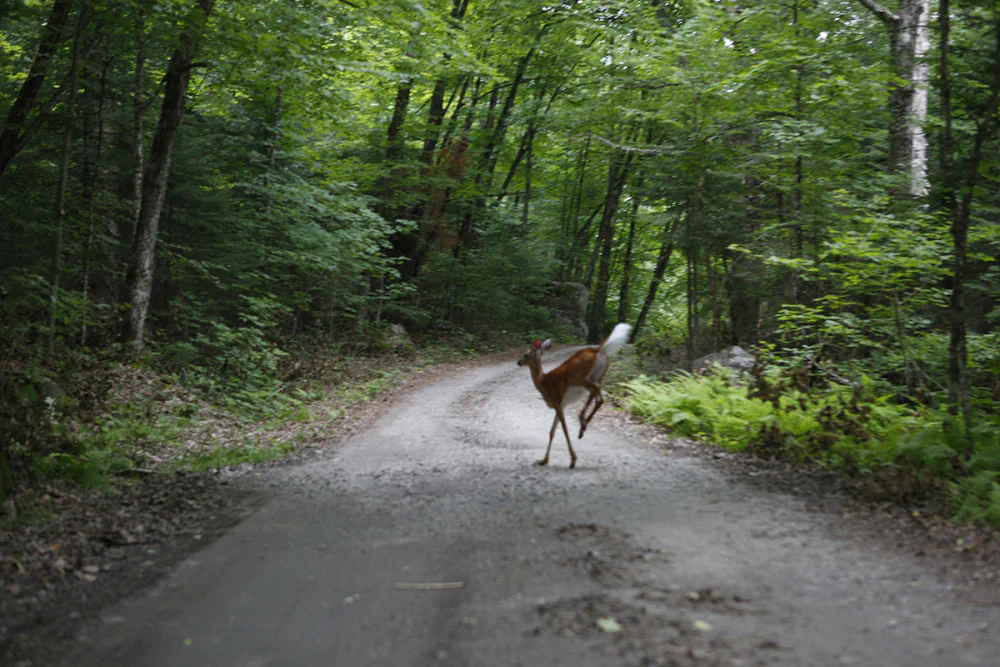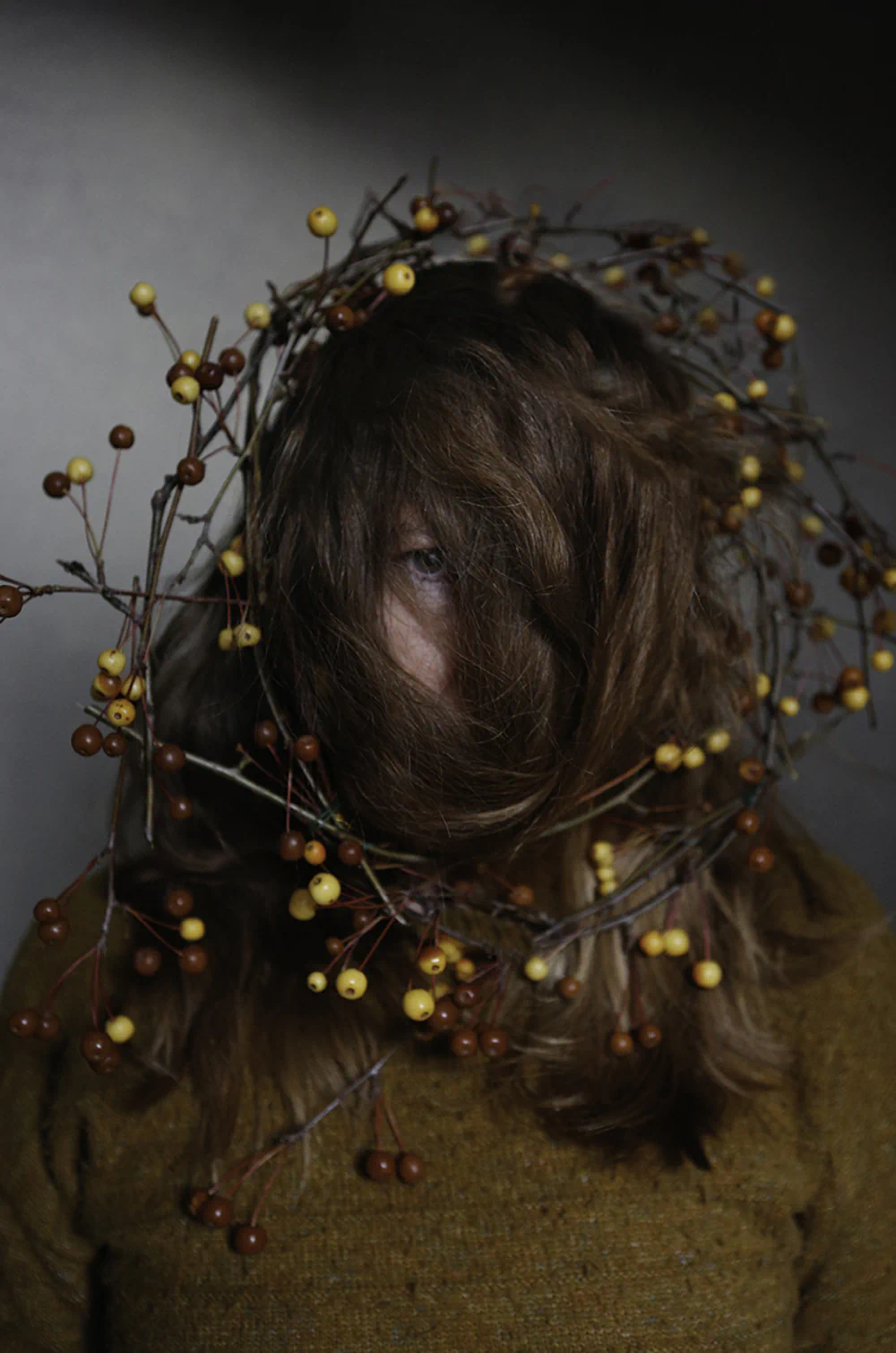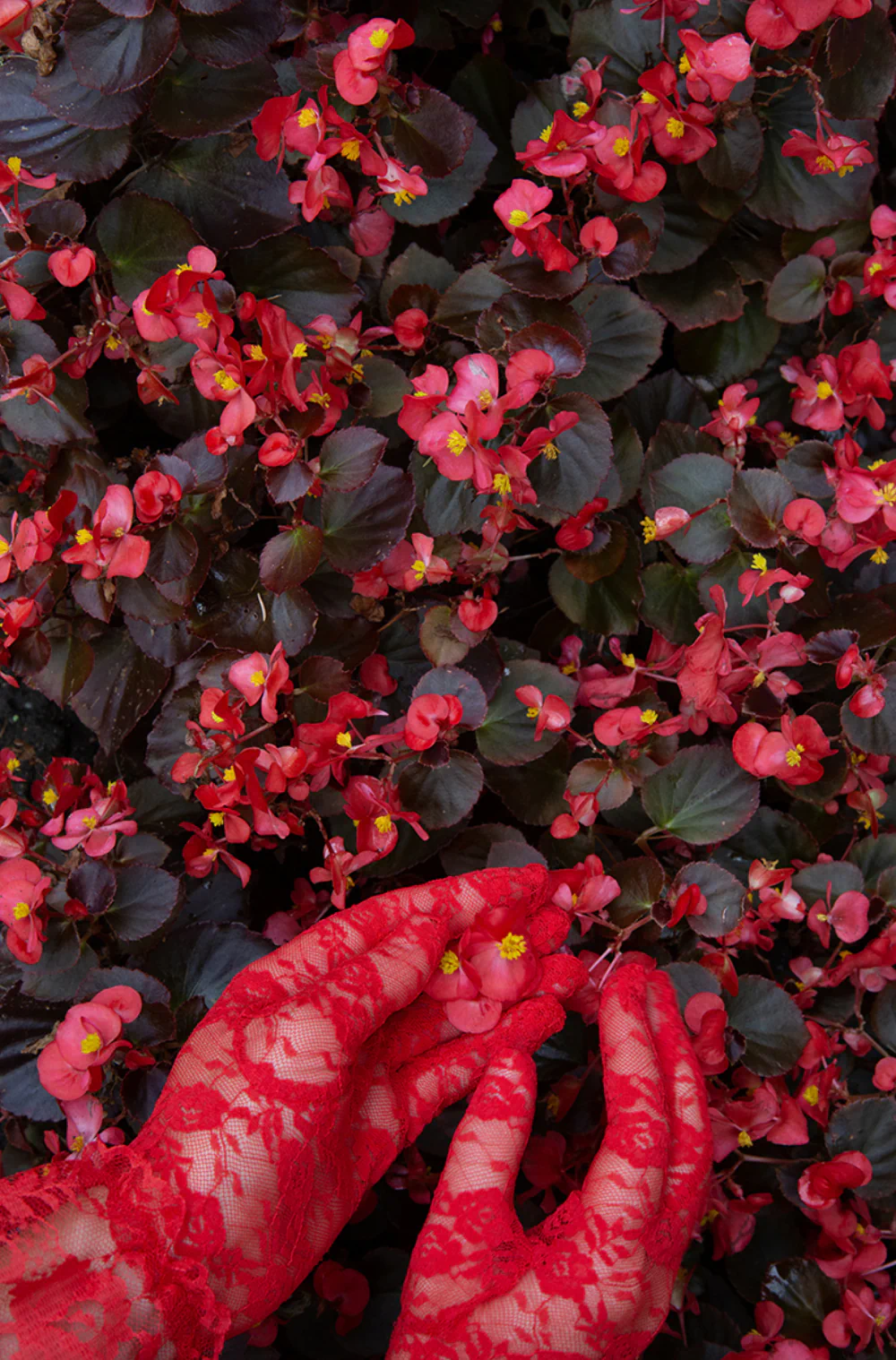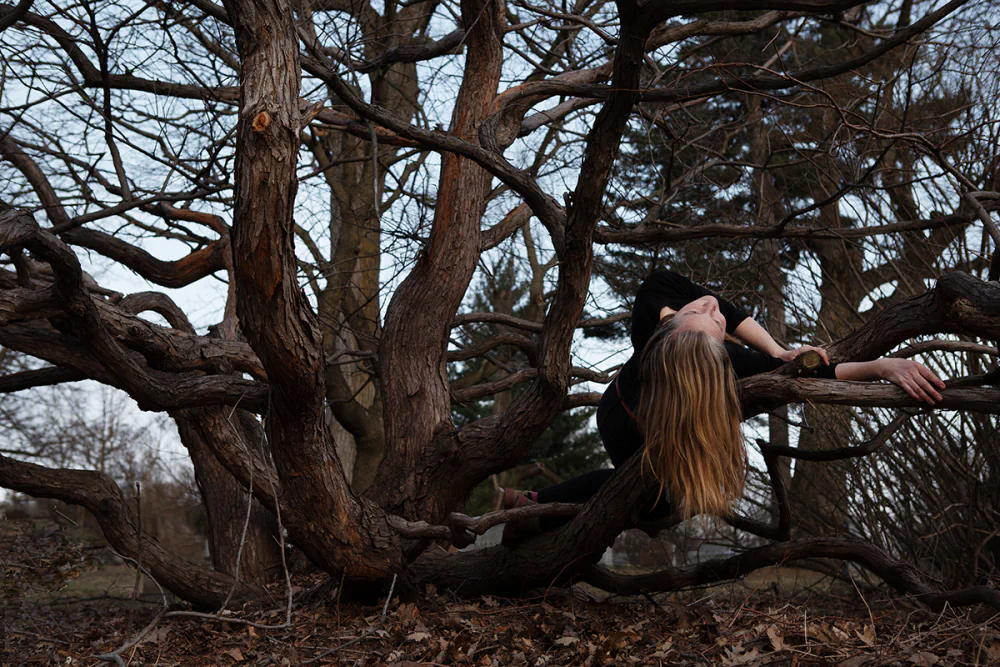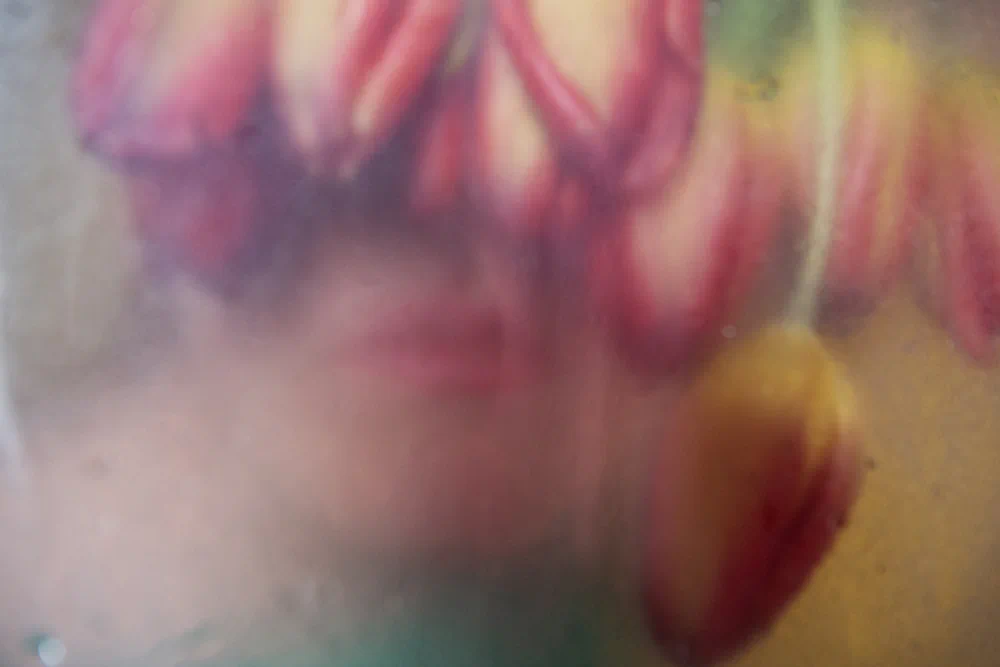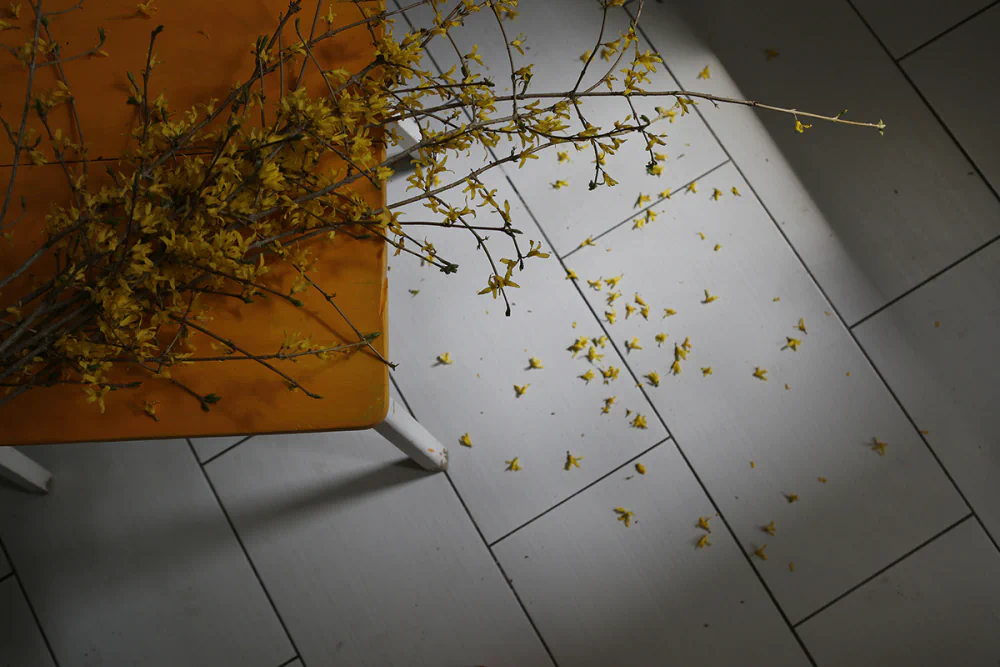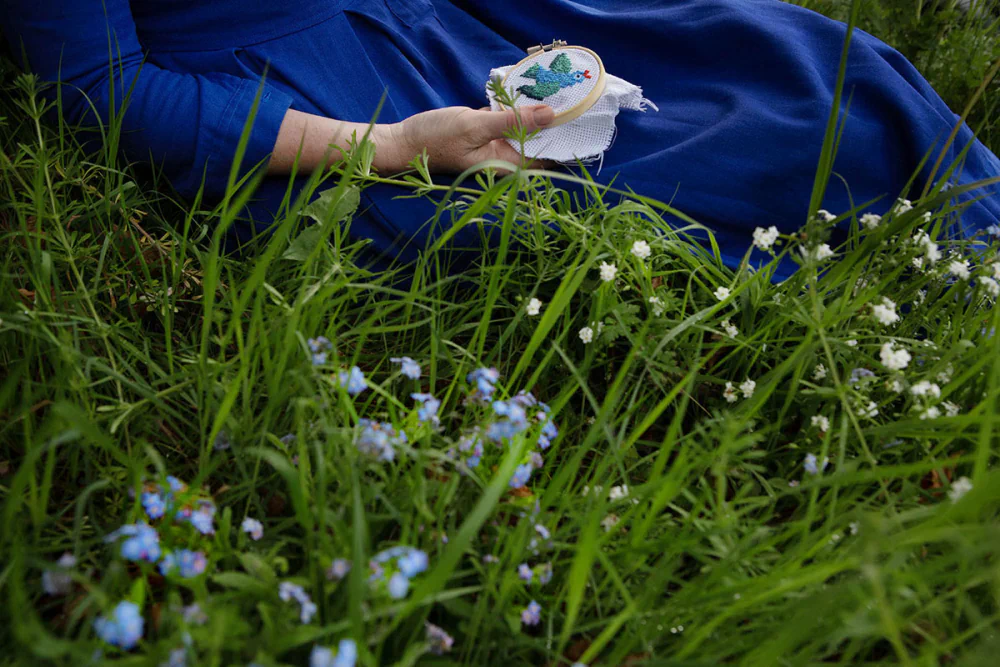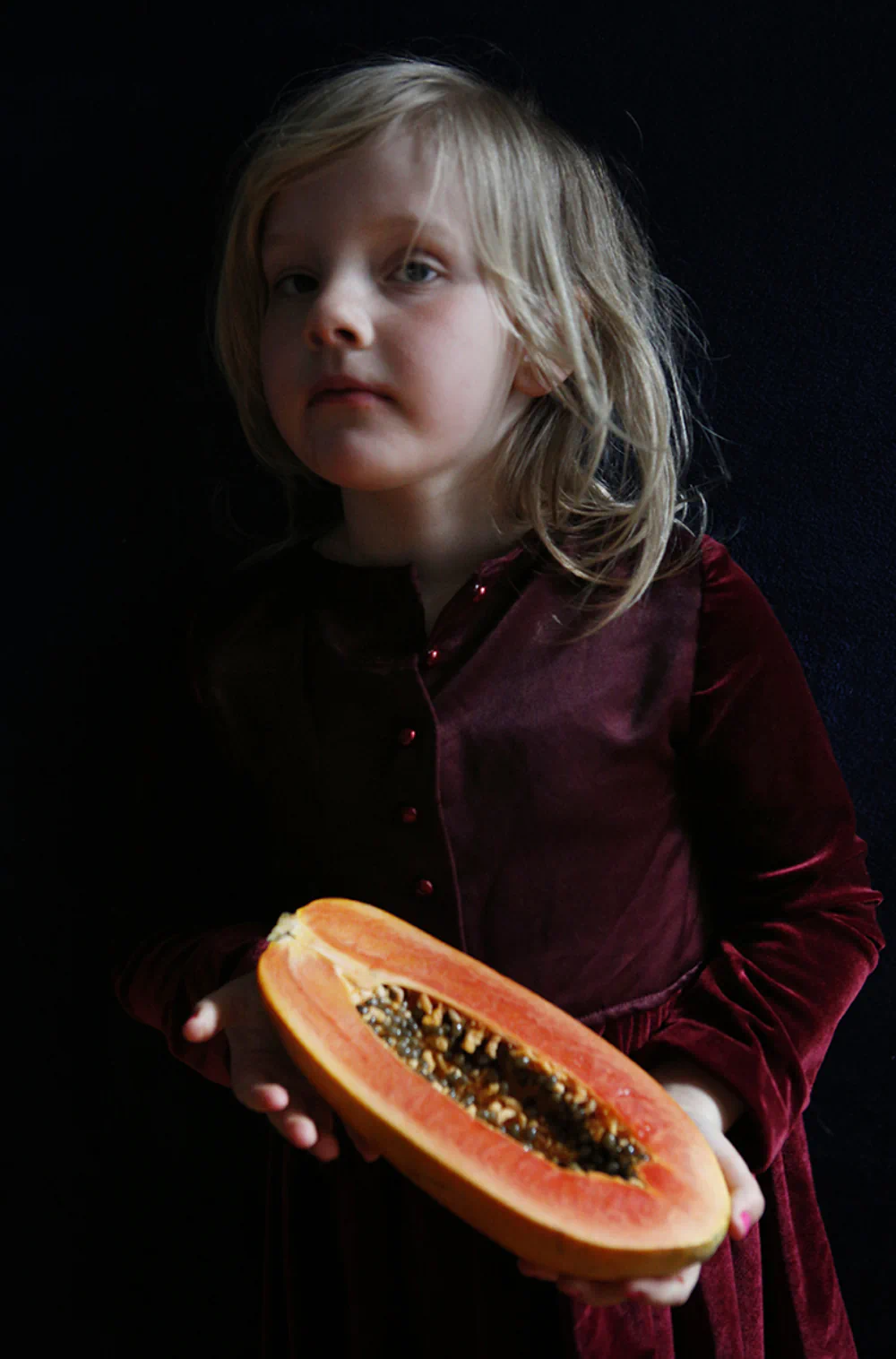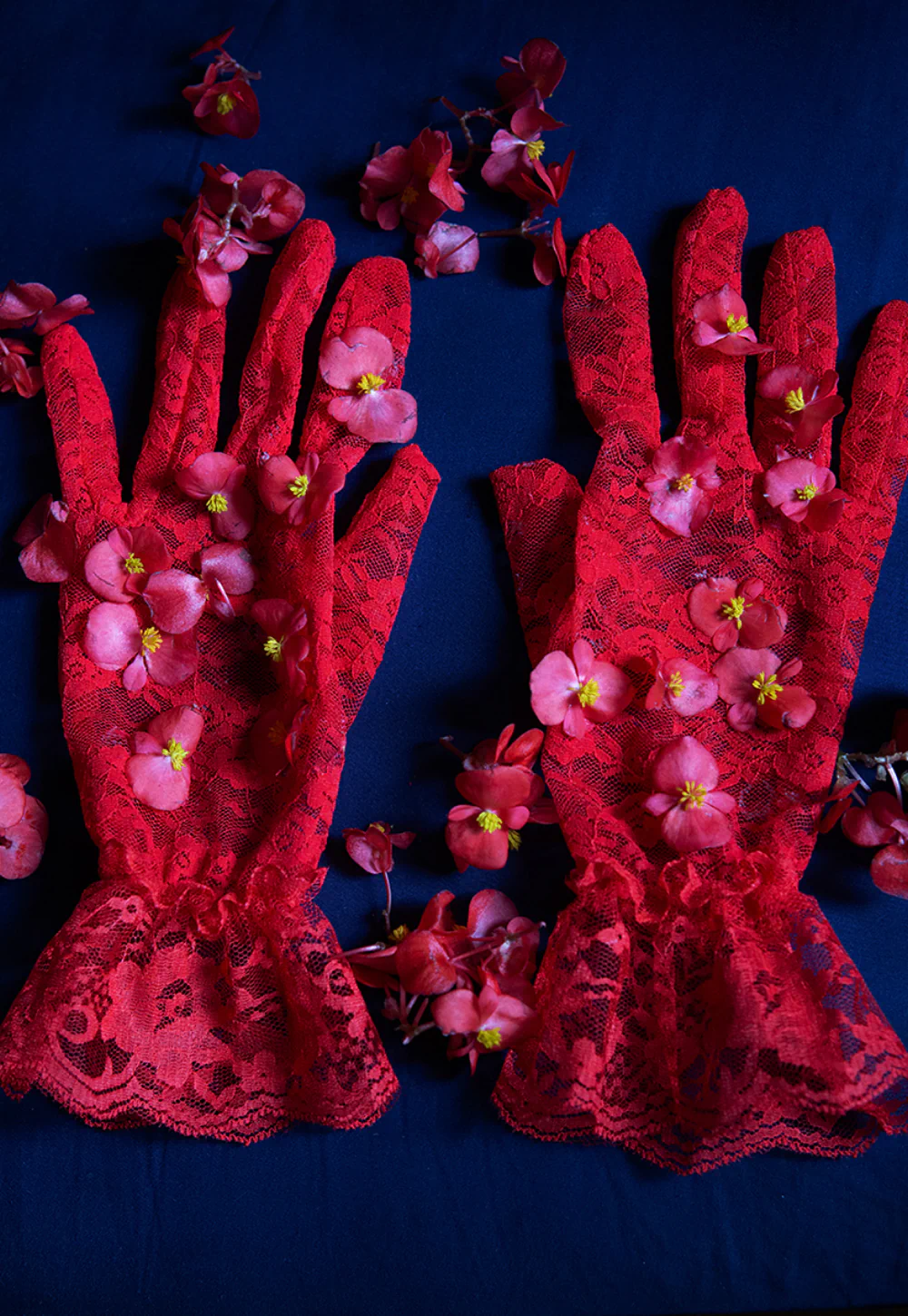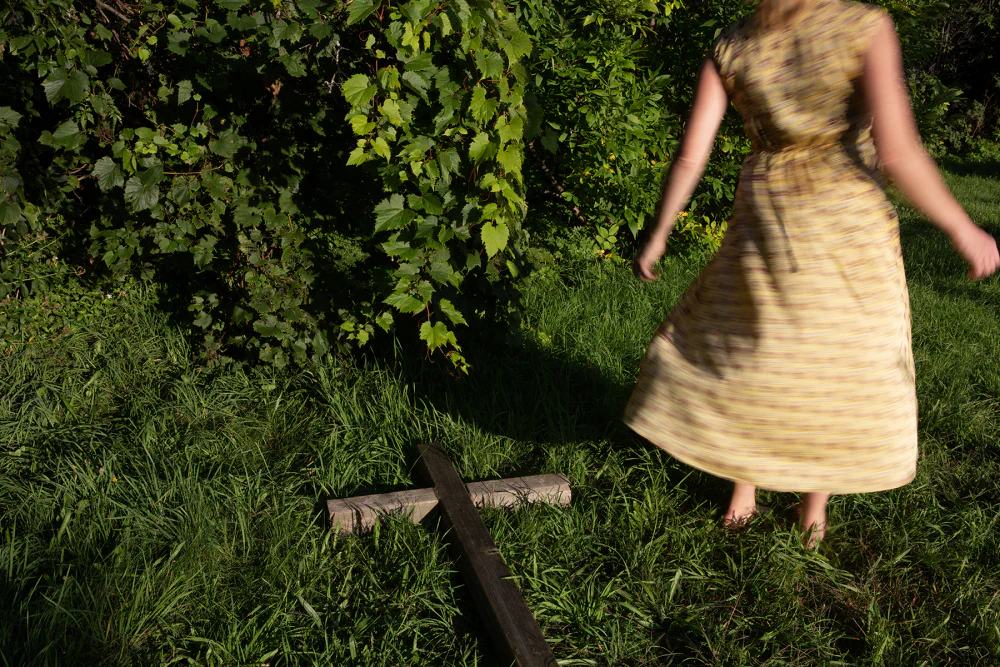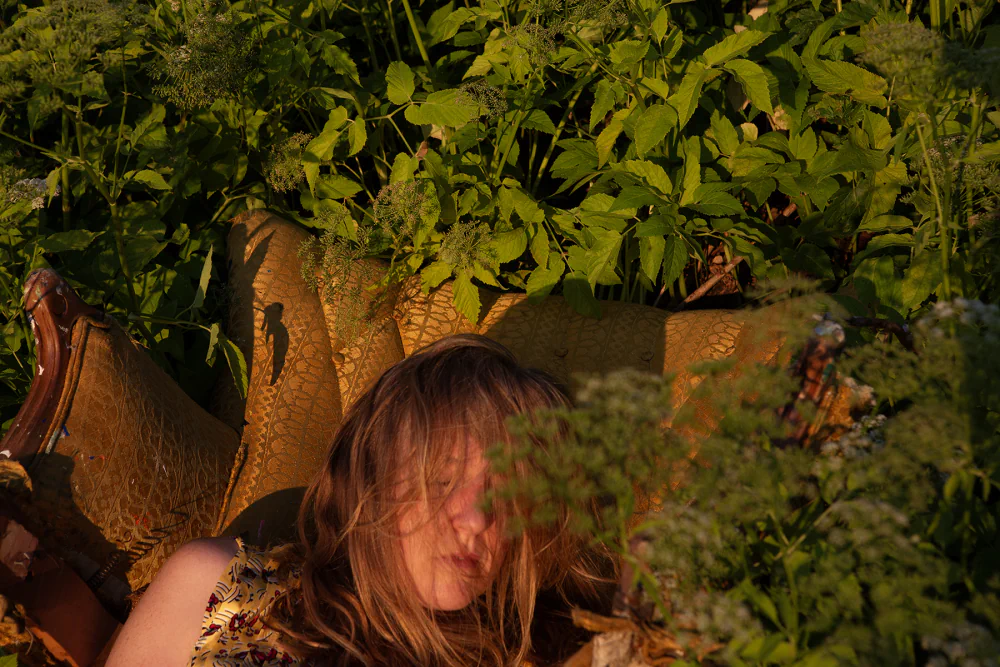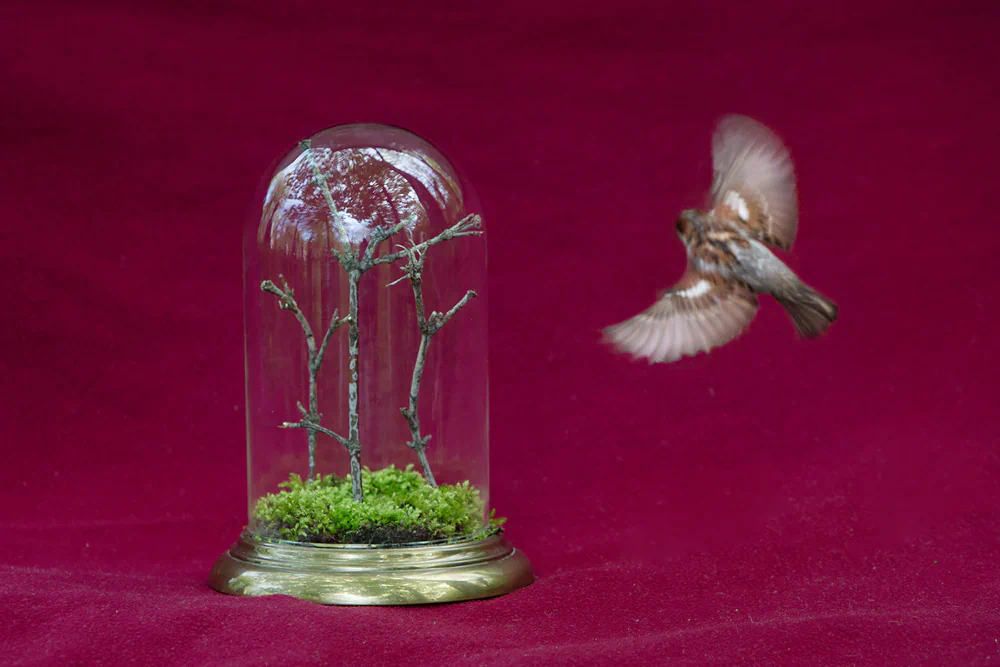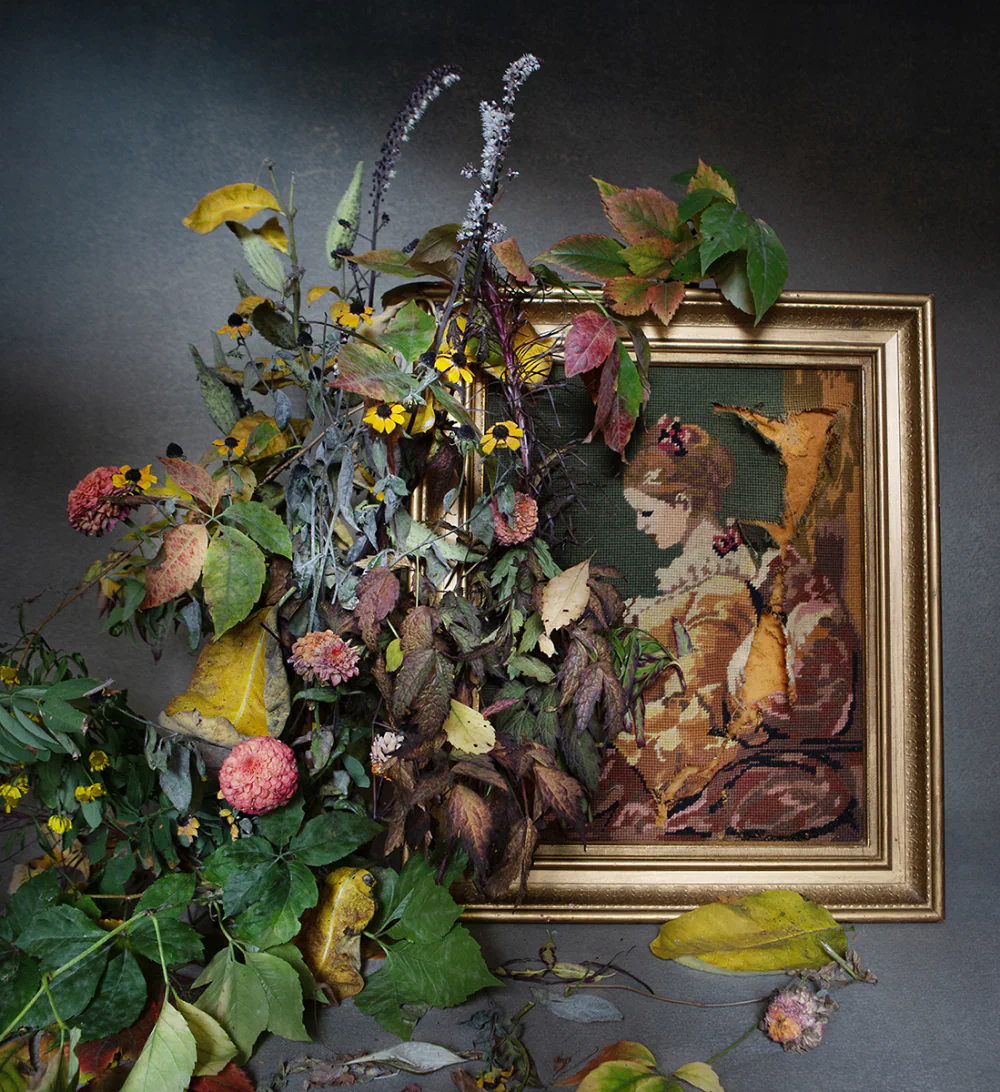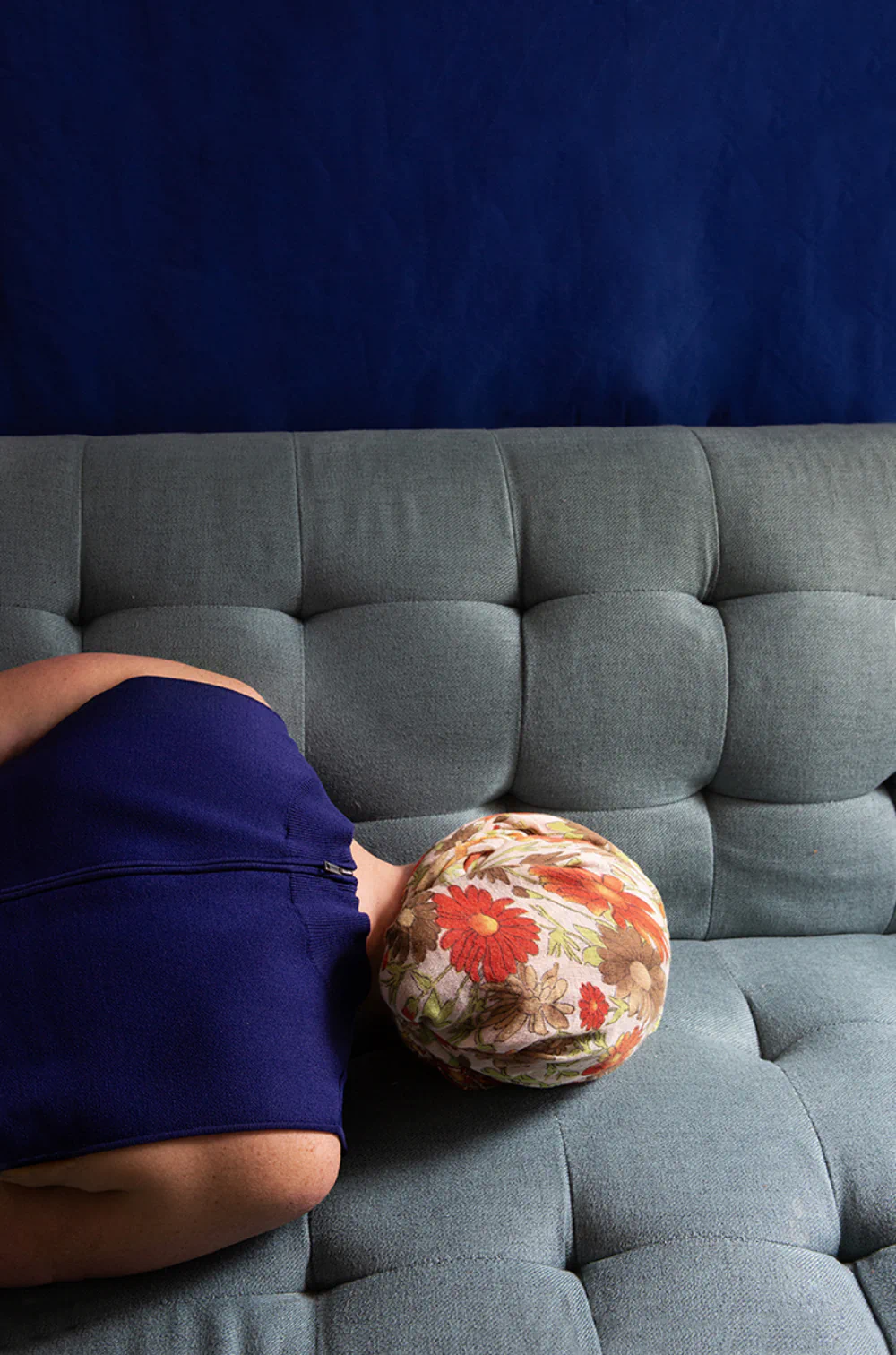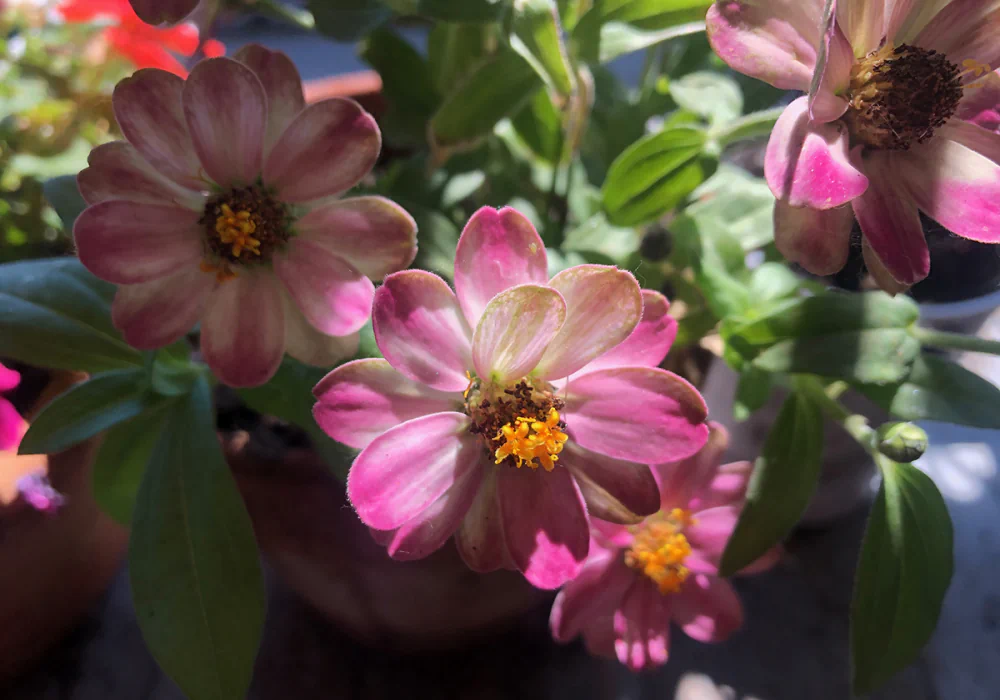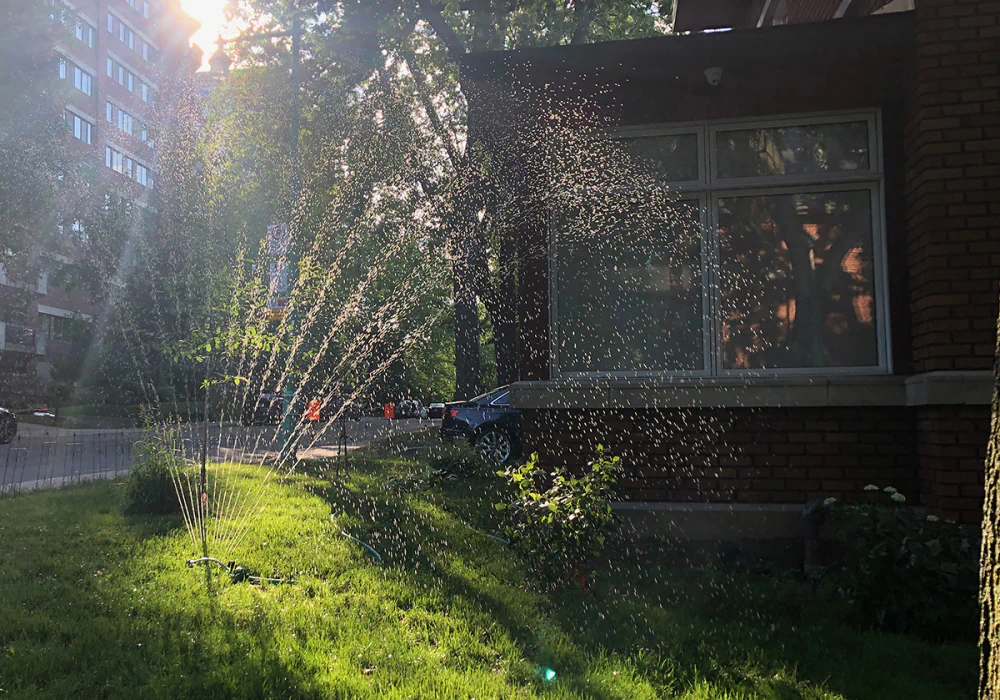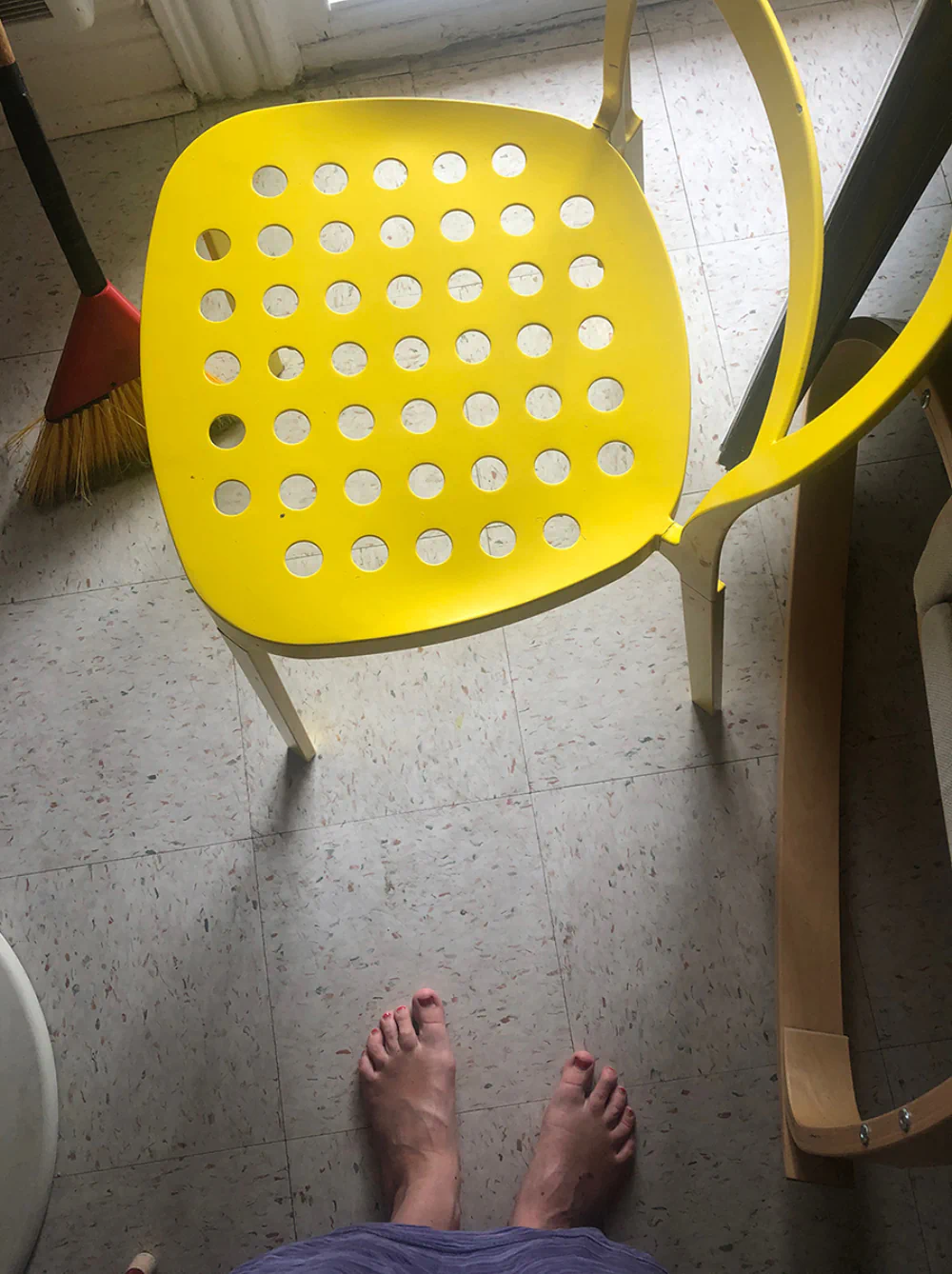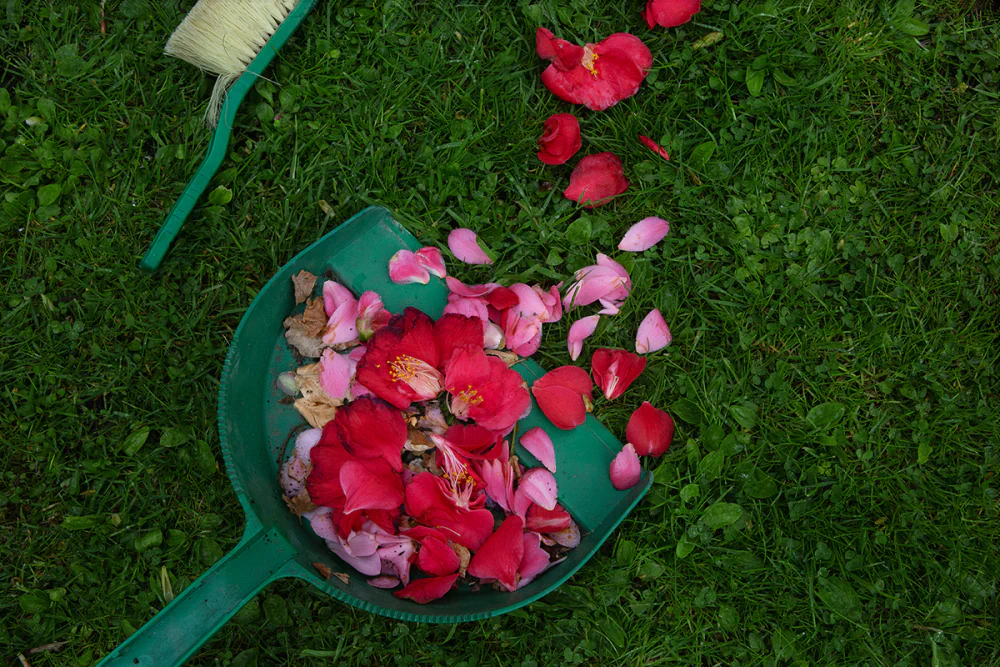
The work questions how culture, domesticity, and religion can create divisions between humans and the natural world, as well as between individuals and their own organic nature.
The series gently reflects on what is considered socially acceptable, both historically and in the present.
It asks how people treat themselves, each other, and the world they inhabit as a result of these norms. Through these images, Liv invites reflection on humanity’s place within the larger ecological web, encouraging a break from convention and a reconnection with a wilder, freer state.
More Than You Could Ever Know expresses a visceral and emotional connection to nature and the self, reminding viewers that addressing environmental destruction begins with recognising that humans are part of a larger organic system. Liv explores her own relationship with nature as a source of strength and inspiration. Her photographs, paired with accompanying poetry, reinforce this idea, taking the viewer beyond the confines of civilisation and back to the earth, the wind, and the wild.
As Laura Beatty writes in Looking for Theophrastus: “Things were separated into neat categories, and it has taken millennia to realise that we live in a web of intricately connected plants, fungi, weather conditions, climate, and terrain… that we are one thing.”
Liv’s work visually conveys what it means to be deeply interconnected with the natural world. The images ask viewers to reconsider their place within it and recognise the urgent need to protect it. In these photographs, nature takes precedence as body and soul merge with the landscape.