I spent the first twenty years of my life in a small farming community in southwest Iowa.
From as early as I can remember, I felt a strange form of spatial dysphoria, as if I had been born in the wrong place.
Even though my hometown and the surrounding communities were all I knew, it never felt like home or like the place where my life was meant to unfold.
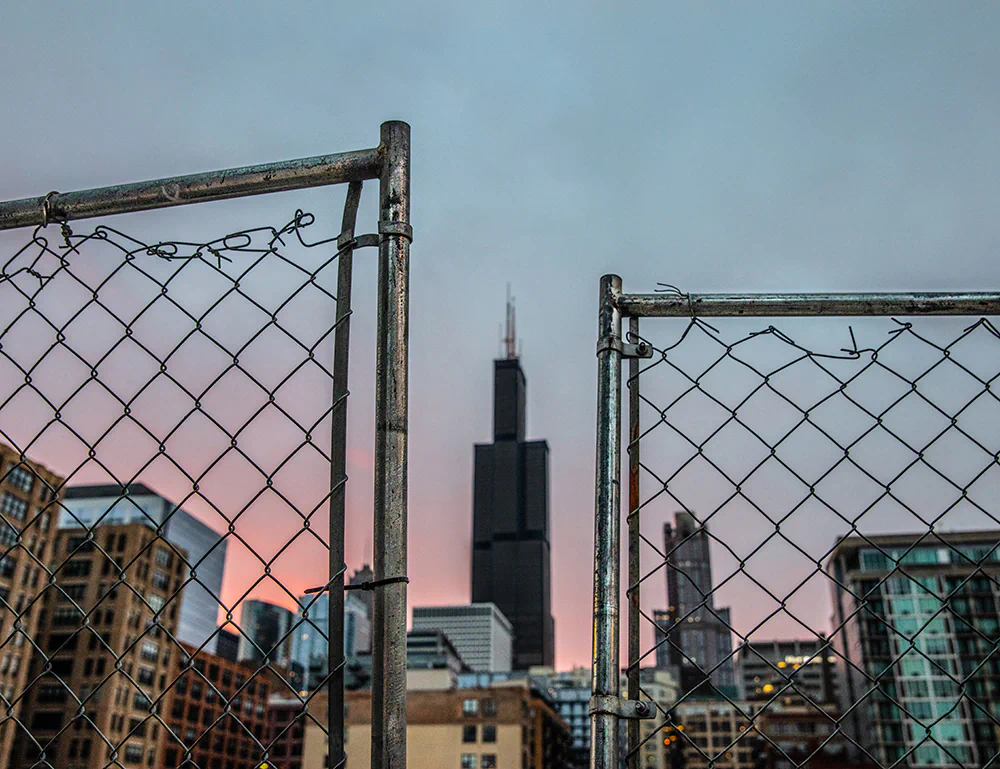
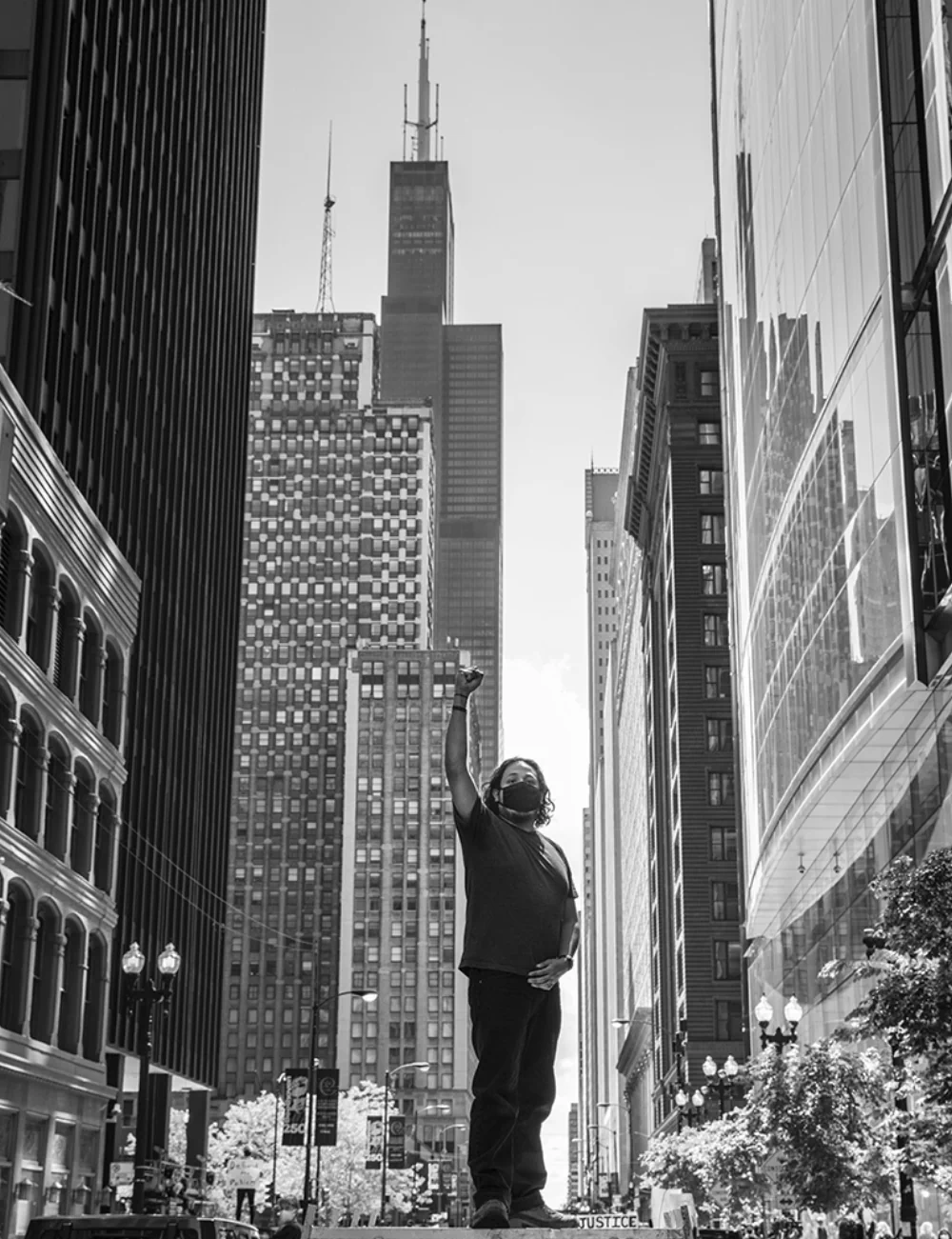
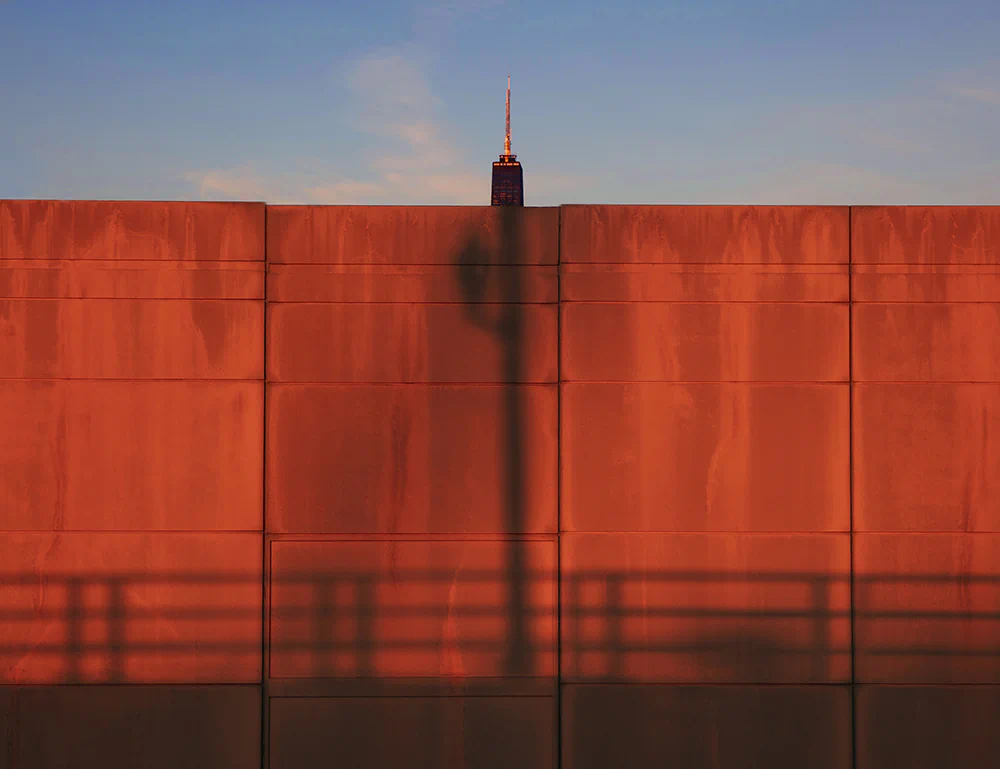
At age twenty, I moved to Chicago. The moment I stepped off the Amtrak train at Union Station and looked up at the skyline towering above me, I felt an immediate and powerful connection to the city. I consider that moment the most pivotal of my life. Over the years, I have often reflected on that first impression and asked myself: how can a place so unfamiliar feel so right within mere seconds?
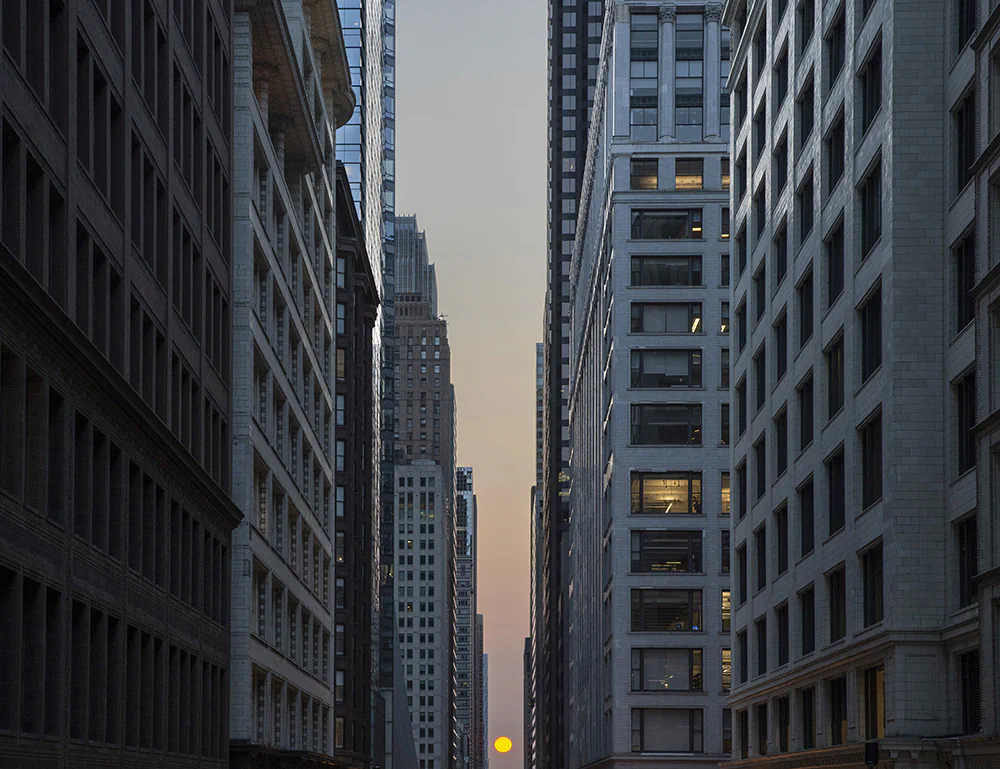
Chicago is a complex city with an equally complex reputation. With seventy seven officially recognized neighborhoods, each with its own personality and identity, the city exists in a series of contradictions. It is friendly and brash, progressive and reserved, cosmopolitan and struggling. The layers of history, culture, and lived experience that define Chicago overwhelmed me in ways I could never fully explain.
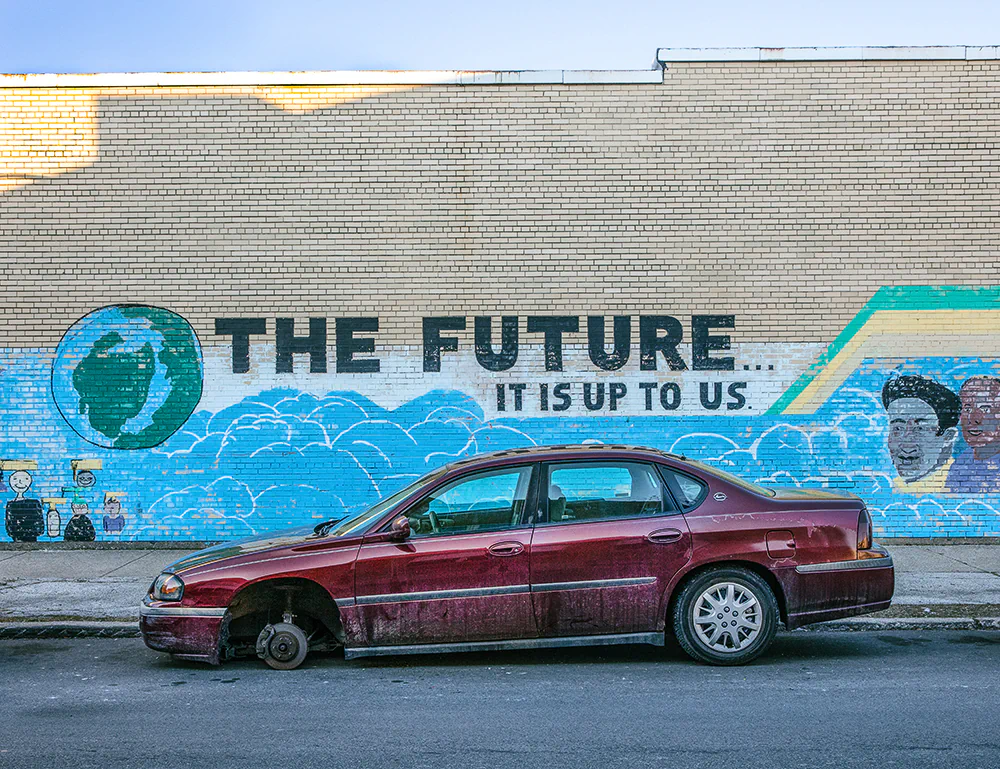
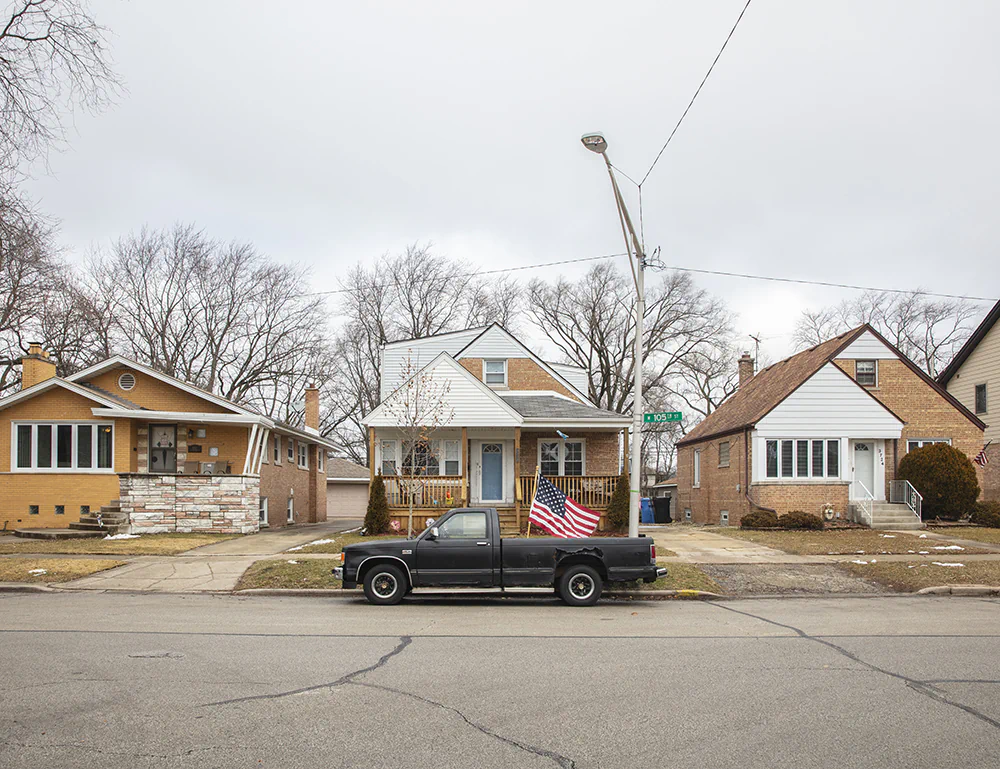
As 2020 approached, I realized I had lived in Chicago for twenty years, the same number of years I had spent in Iowa before moving there. The symmetry of that realization felt personally symbolic. I decided to mark the moment by undertaking a year long photographic project that would take me through all seventy seven of Chicago’s neighborhoods in an effort to better understand my relationship with the city.
This project became an exploration of Chicago as a sense of home, not simply as a physical location, but as the mental and emotional landscape that shaped who I have become as both a person and an artist. Committing to photograph in every neighborhood forced me to venture beyond familiar places and experience the city again with the same curiosity I felt when I first arrived. Establishing a clear beginning and end date gave the project urgency, while the structure of visiting each neighborhood provided the discipline needed to remain focused.
My goal was never to tell the complete story of Chicago, something that would be impossible for any single photographer. Instead, I sought to observe the city’s authentic character and better understand my place within it.
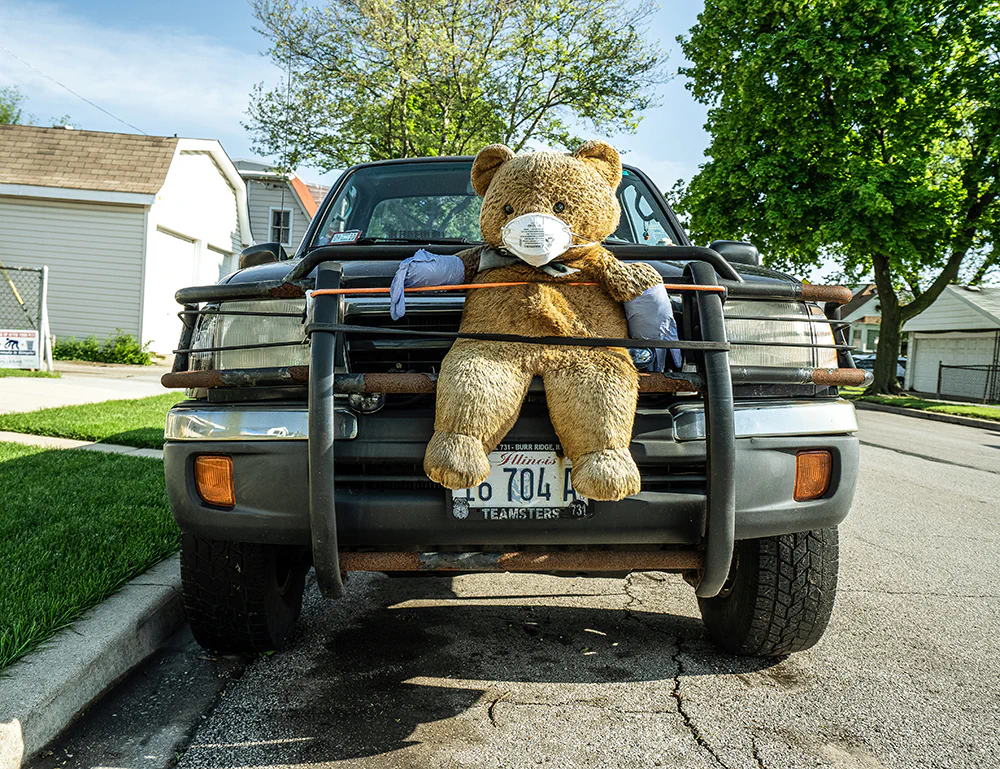
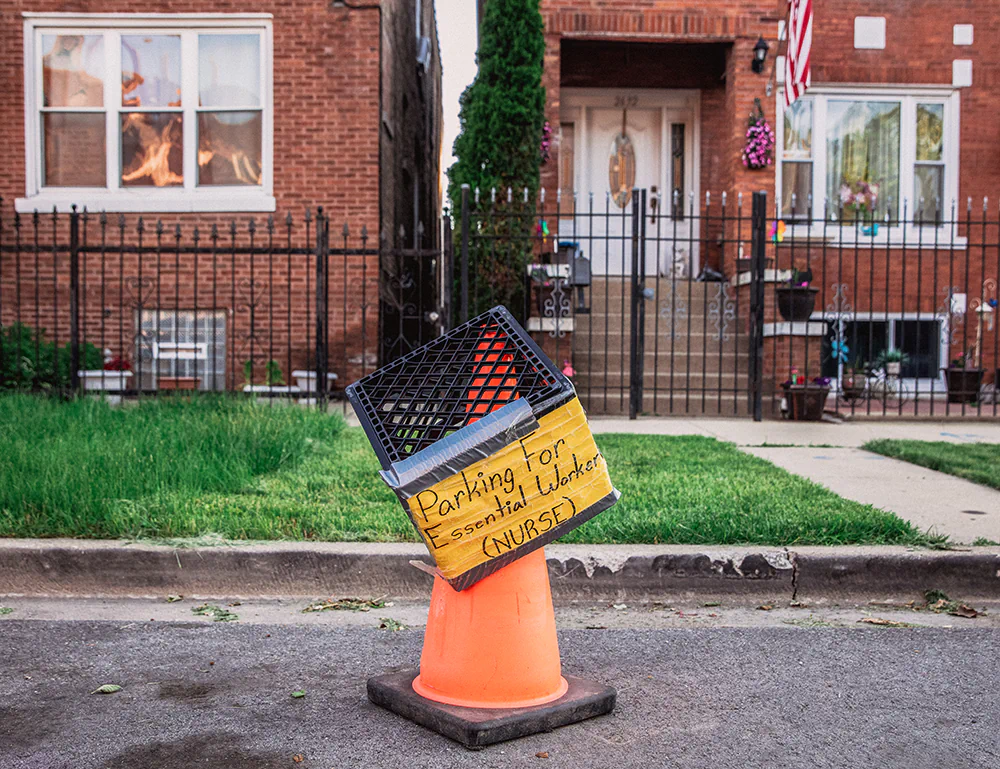
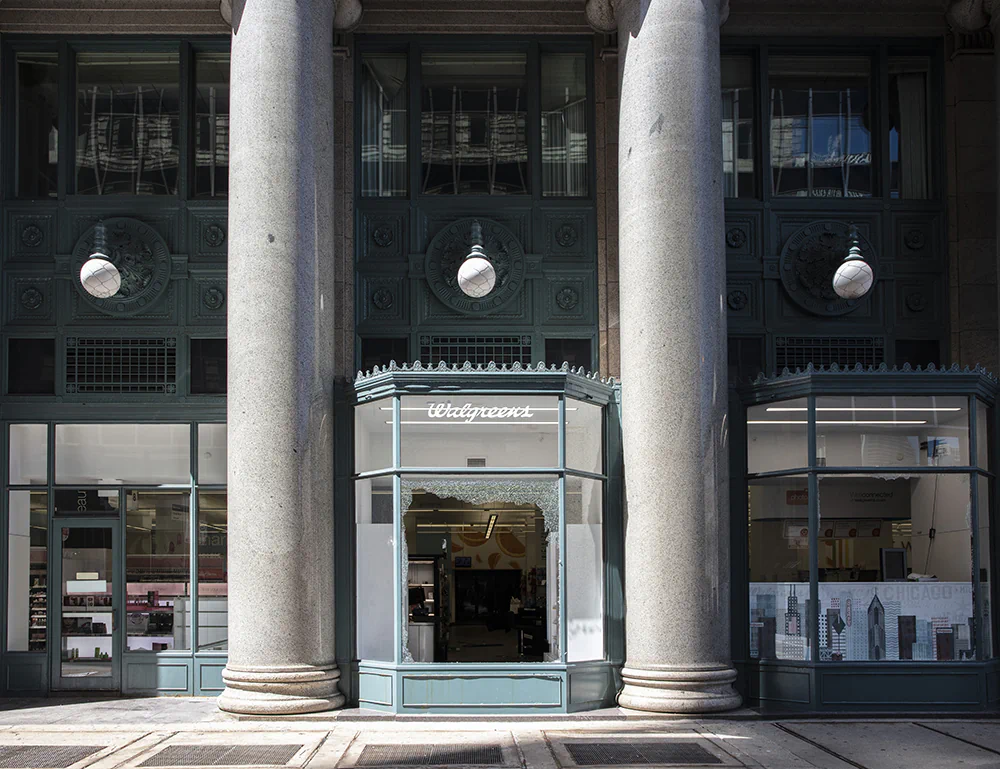
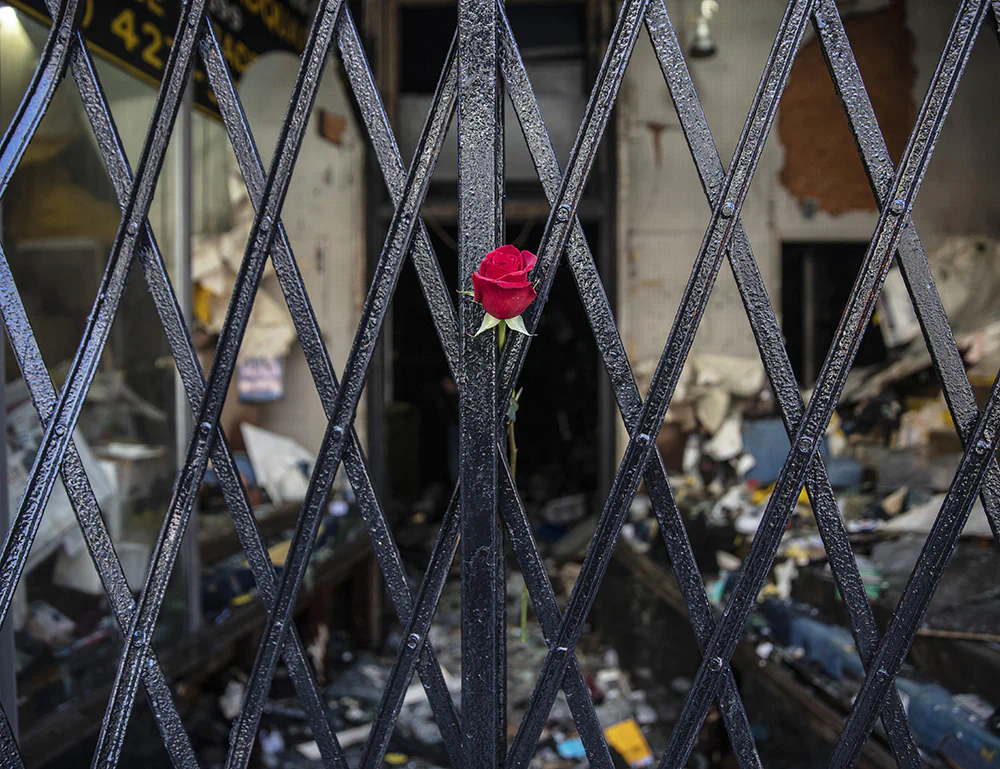
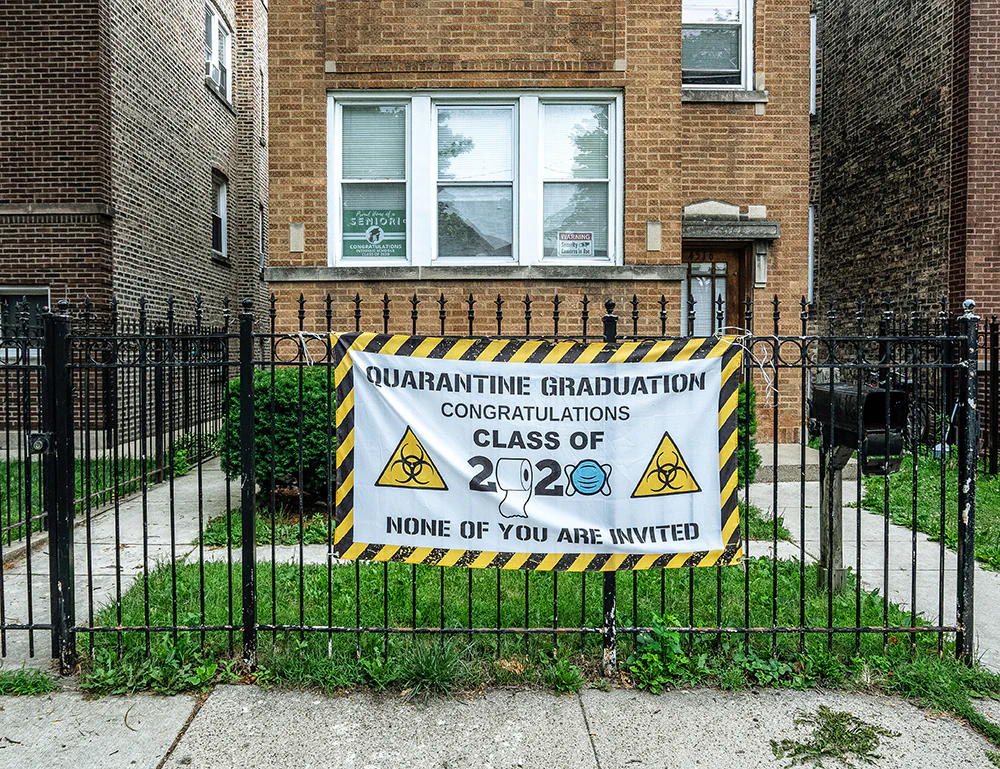
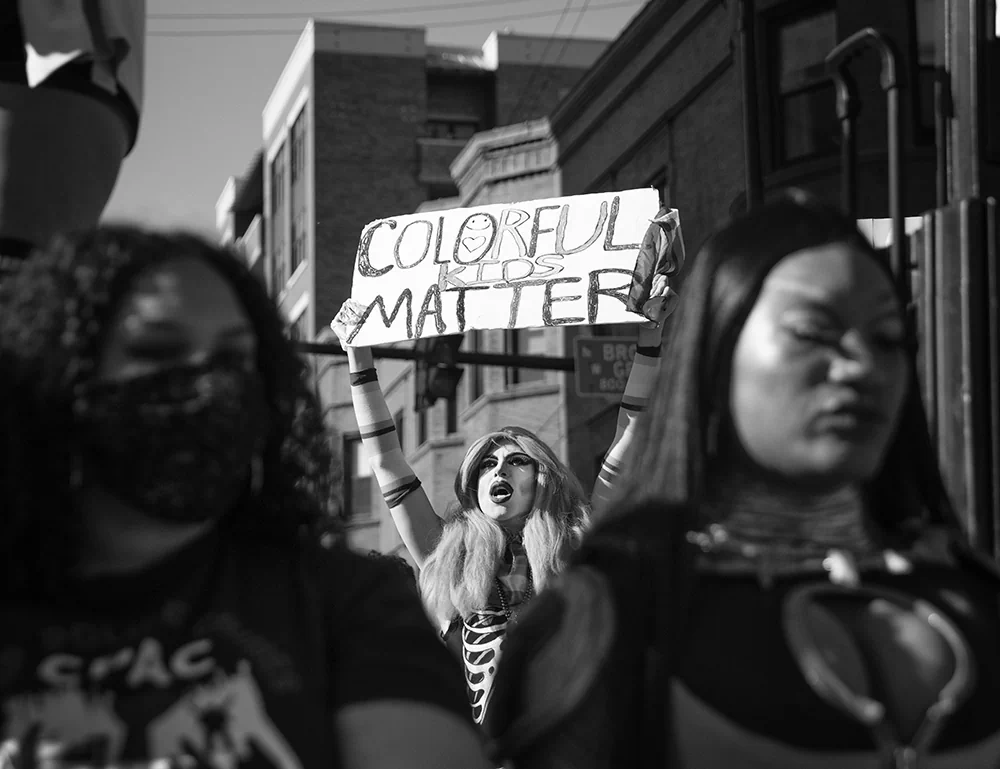
By March, the world changed. The arrival of the COVID 19 pandemic transformed daily life and layered new complexities onto the project. Chicago, normally vibrant and crowded, became quiet and uncertain. I found myself photographing a city that often felt empty while reflecting on the two decades I had spent living within it.
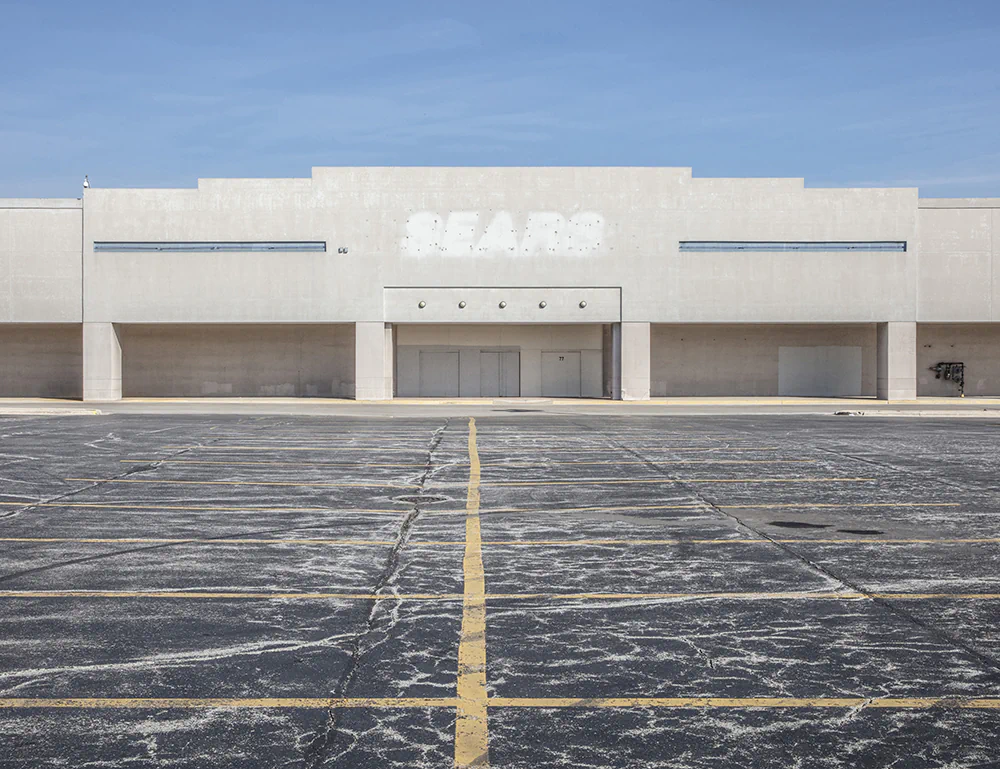
2020 became a year defined by absence, missing friends, family, gatherings, and the rhythms of everyday life. Yet within that absence, I found space to search. I wandered through neighborhoods that felt temporarily suspended in time, exploring a metropolis that often seemed as though it belonged only to me.
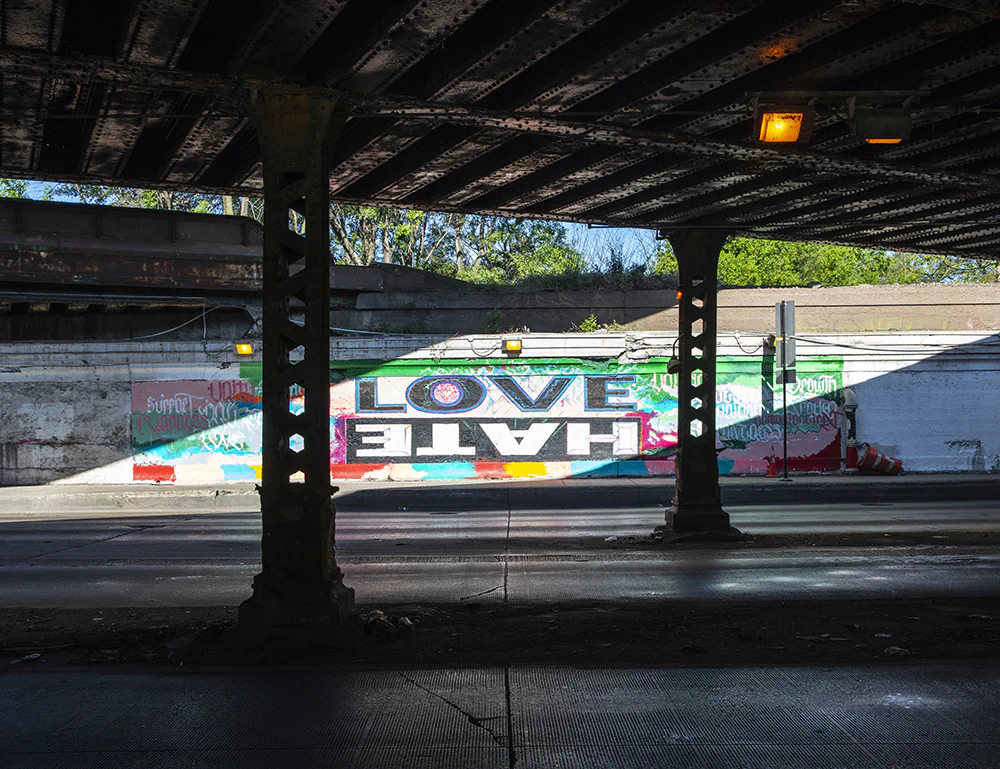
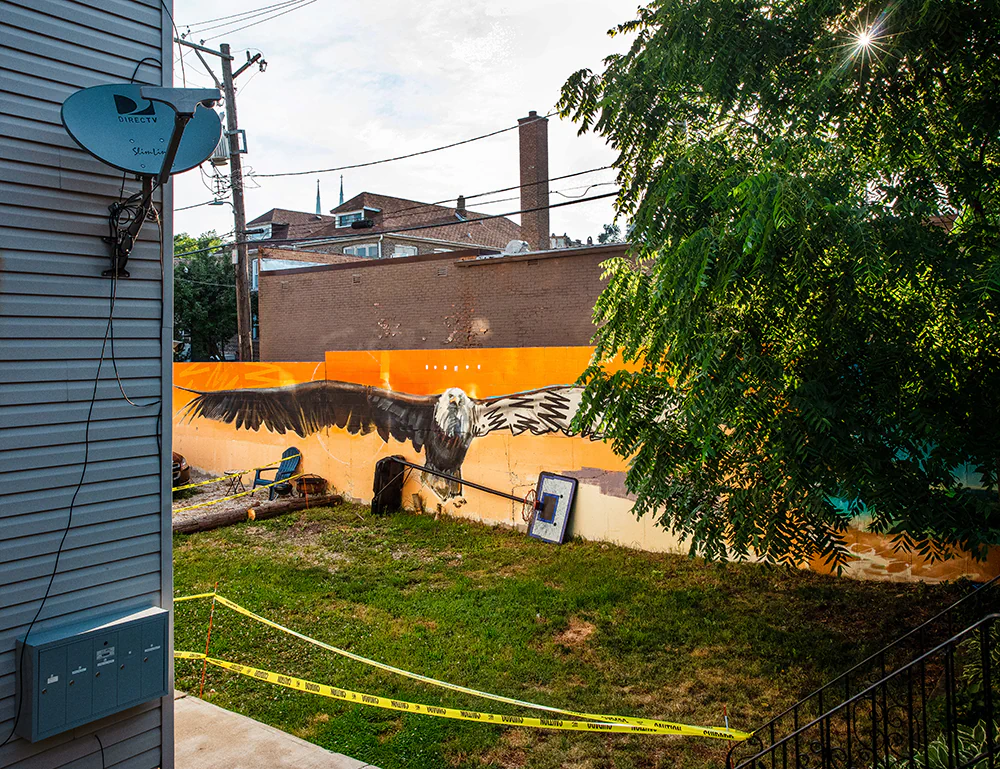
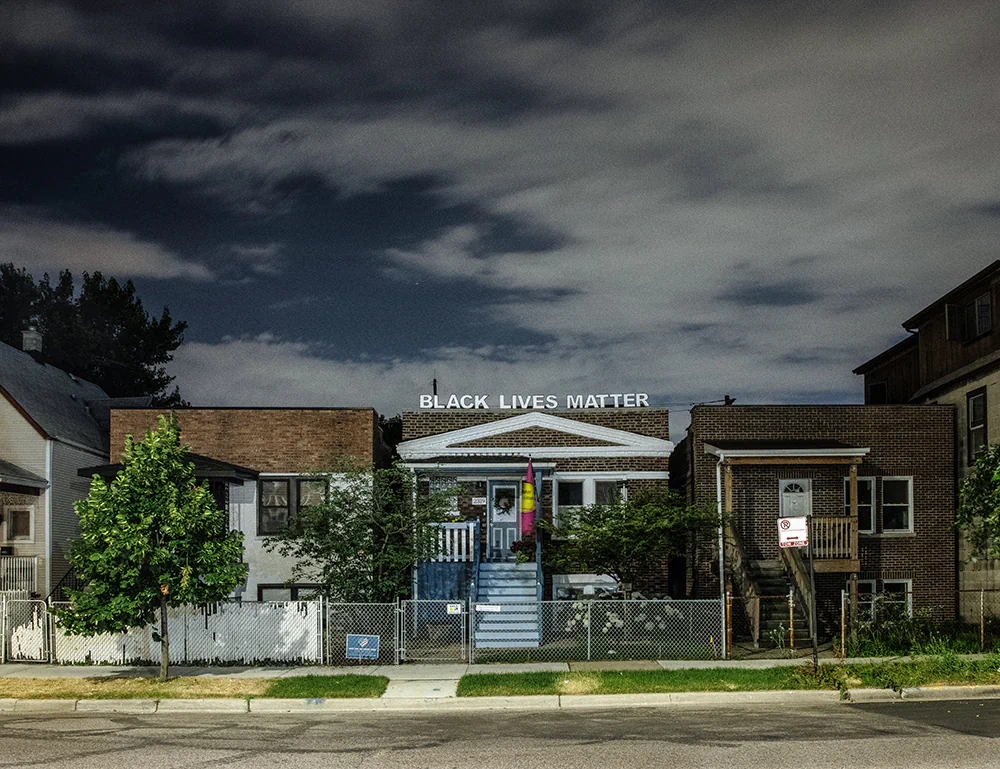
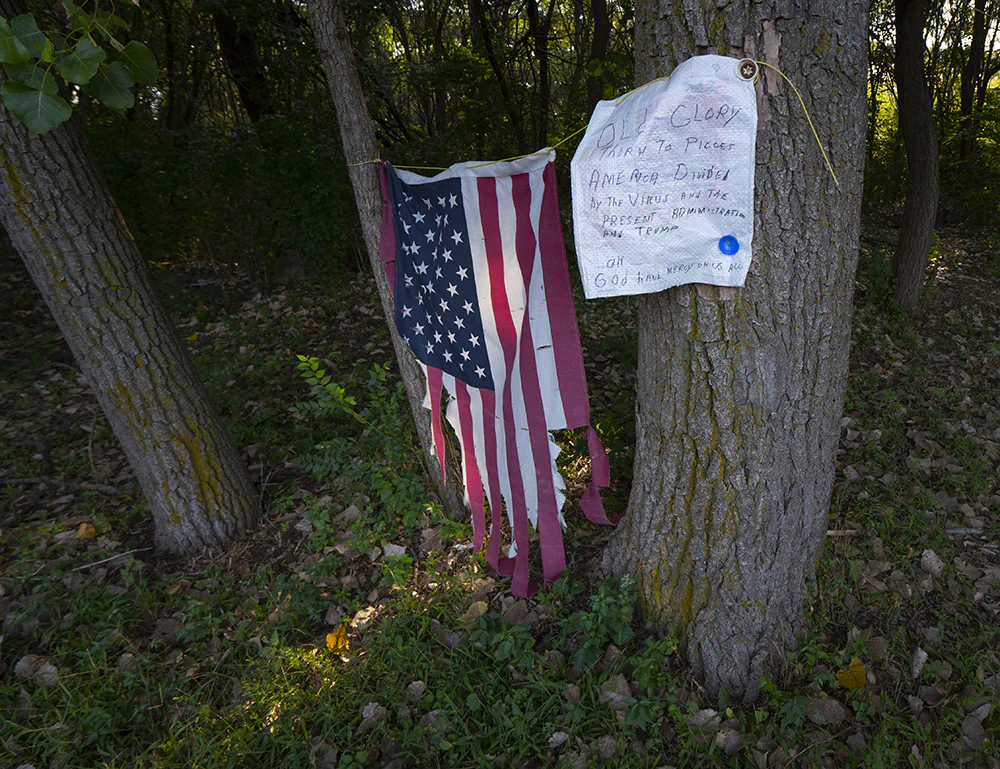
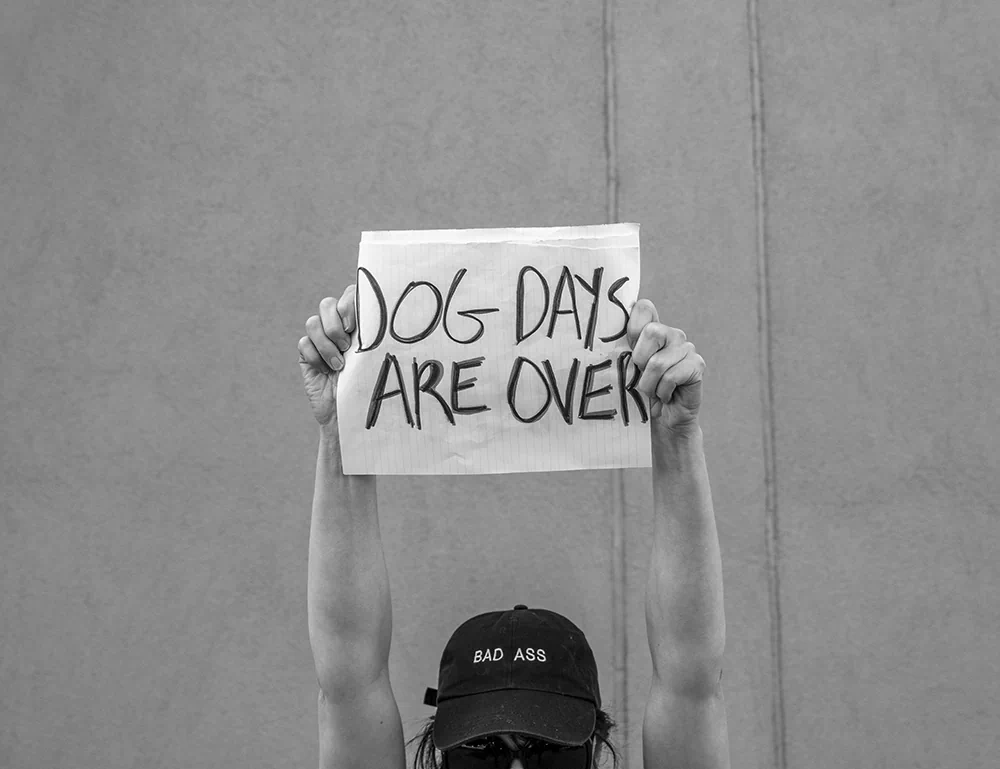
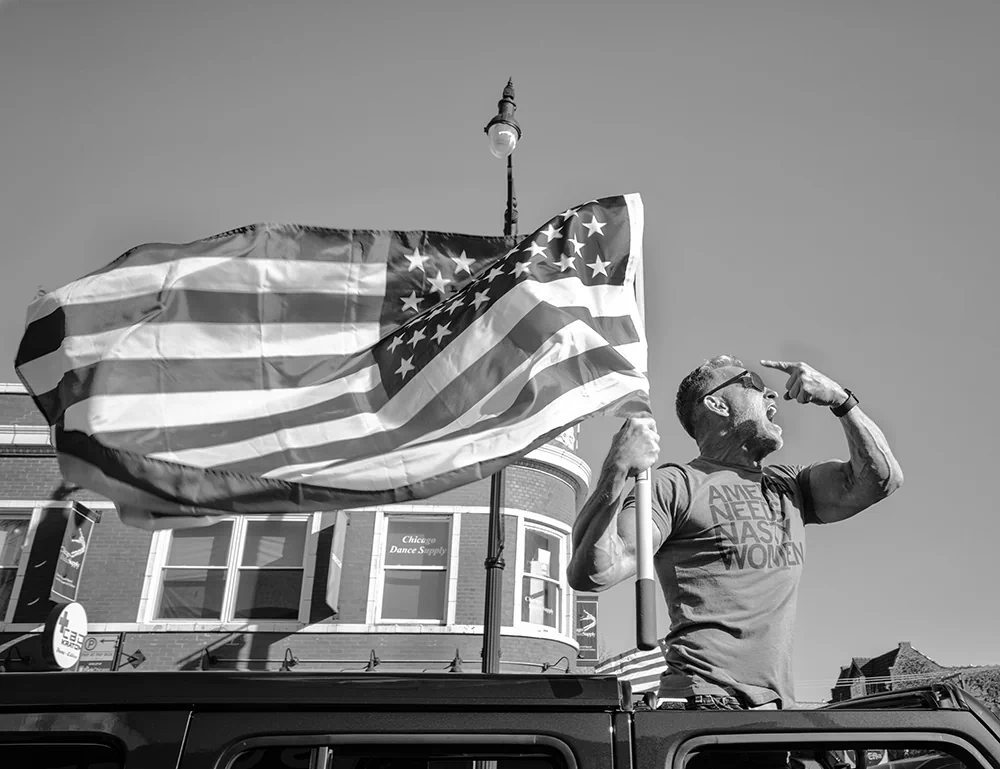
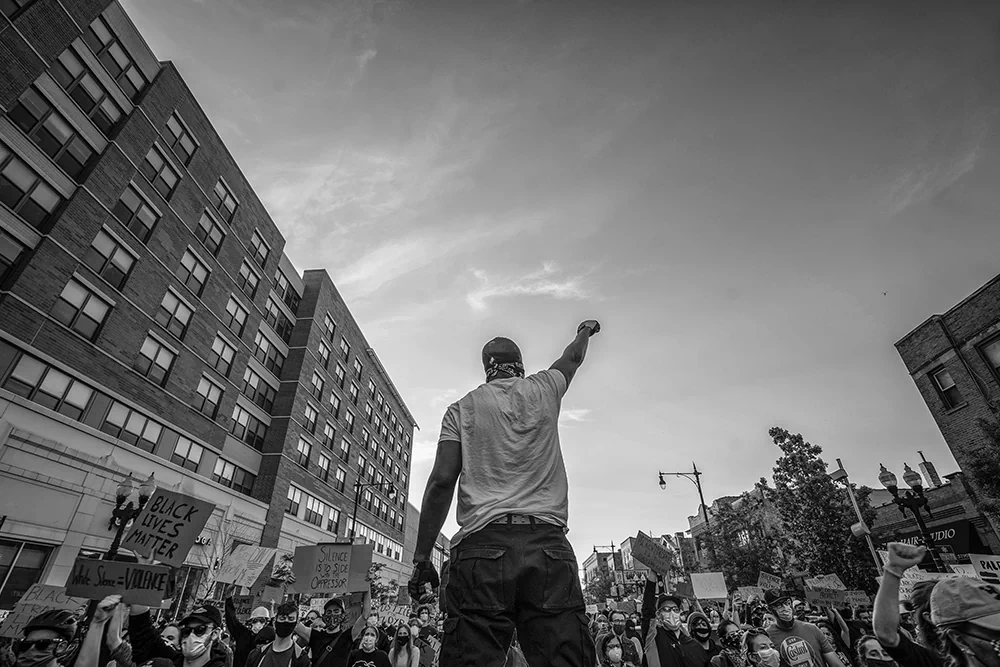
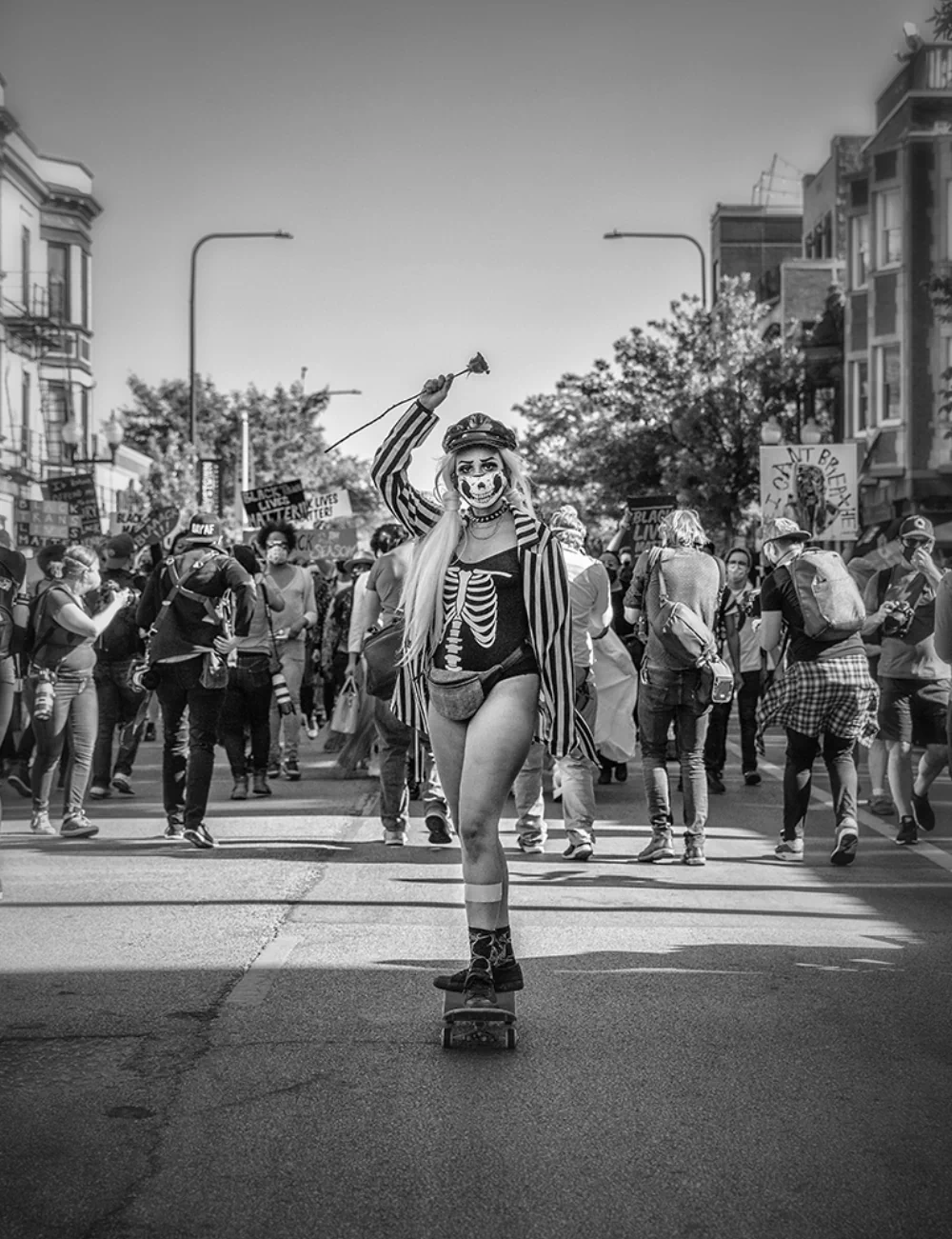
As the year unfolded, the project evolved beyond personal discovery. It became a time capsule of Chicago during a moment of profound upheaval, political unrest, economic instability, social injustice, and a global pandemic. The work became a dialogue between the city, the moment in history, and my own emotional experience.
By June, I was physically and emotionally exhausted. Yet the act of photographing also became a form of therapy. The discipline of continuing the project gave me resilience and purpose during a year that challenged nearly every aspect of daily life. In many ways, the difficulty of 2020 made it the perfect year for this undertaking. The answers I had hoped to find about myself only became clear because of the hardship surrounding them.
Throughout the process, I became increasingly aware that the photographs and the events of the year were engaged in a conversation, one that sometimes required me to step back and listen. There were moments when it felt necessary to intentionally miss images or avoid certain kinds of photographs entirely in order to remain respectful, reflective, and open to learning.
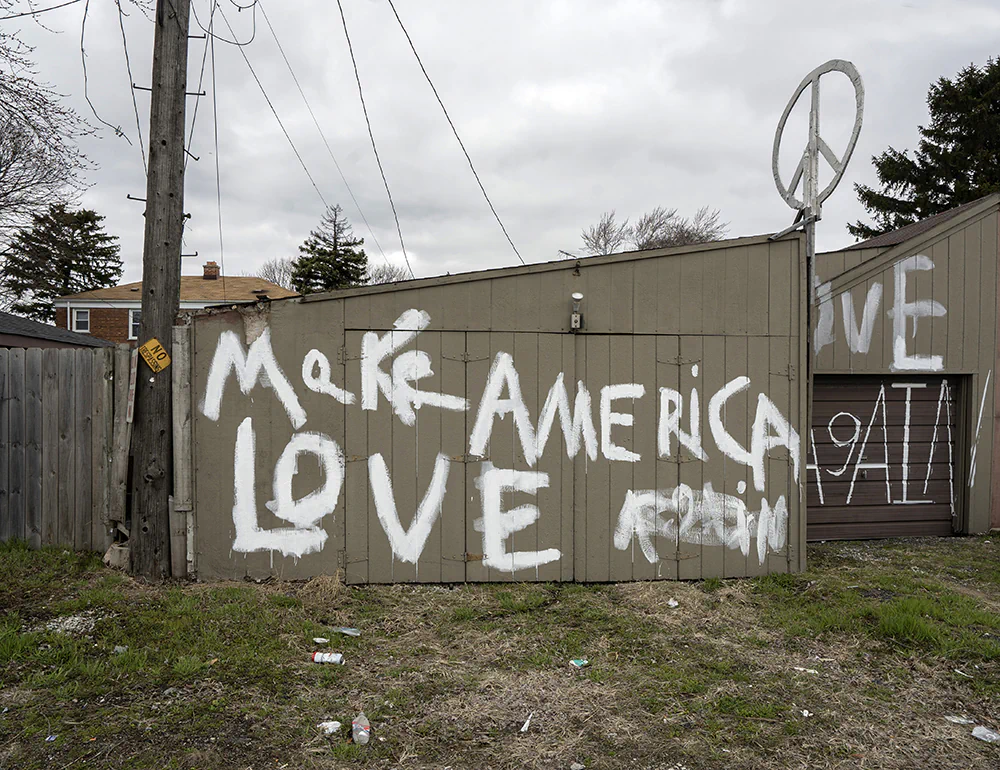
The year forced me to examine my humanity in relation to others and to think deeply about responsibility, how to act ethically, how to use my voice, and how to exist in a way that contributes to the greater good. It also forced me to reconsider what is truly essential in life.
In many ways, 2020 became an awakening. I grew more in that single year than in the previous forty. Confronting anger, fear, grief, and uncertainty also revealed determination, resilience, joy, and acceptance. Through it all, I found myself falling in love with Chicago again and again.
Ultimately, this journey helped me understand something I had questioned since the day I first arrived. That instinctive feeling I experienced when I stepped off the train was not just about discovering a new city, it was about discovering the place where I would eventually become the person I am today.
About Ryan Bakerink
Ryan Bakerink is a photographer in Chicago, IL focusing on social issues and counterculture lifestyle, specifically within the music industry, off the grid communities, travel, and portraiture.
Ryan seeks to stretch his on personal and social boundaries by searching for authenticity in the world around him. Having grown up in a rural farming community in south west Iowa, the fuel for Ryan’s passion is to expand his horizons beyond what was imaginable in his youth. The ultimate goal of Ryan’s work has been to pull the curtain back and expose the general public to lifestyles, communities, and places that have been overlooked to help provide a greater understanding of human nature. [Official Website]