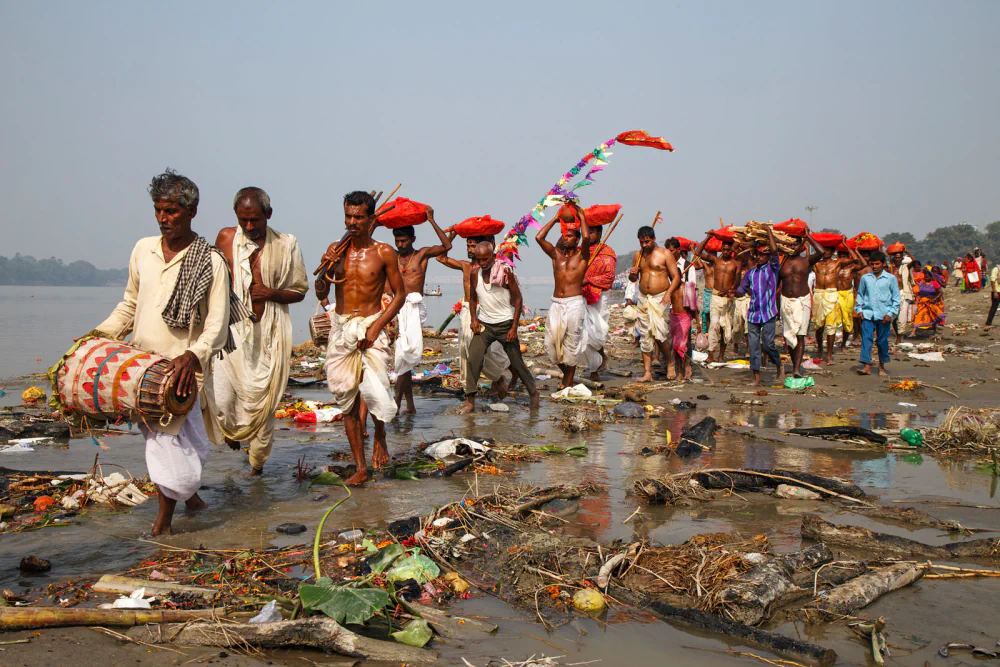


The Sonepur Cattle Fair, also known as the Sonepur Mela, is one of the largest and most famous livestock fairs in Asia.
It takes place every year in the Indian state of Bihar, in the small town of Sonepur (also spelled Sonpur), which lies close to the city of Patna.
The fair is held on the banks of the Gandak River, near its confluence with the Ganges, a location considered sacred by many Hindus.
Traditionally, the fair begins on Kartik Purnima, the full moon day in the Hindu month of Kartik, which usually falls in November. From that day, the celebrations and activities continue for about a month, attracting visitors, traders, pilgrims, and tourists from all across India and even from abroad.
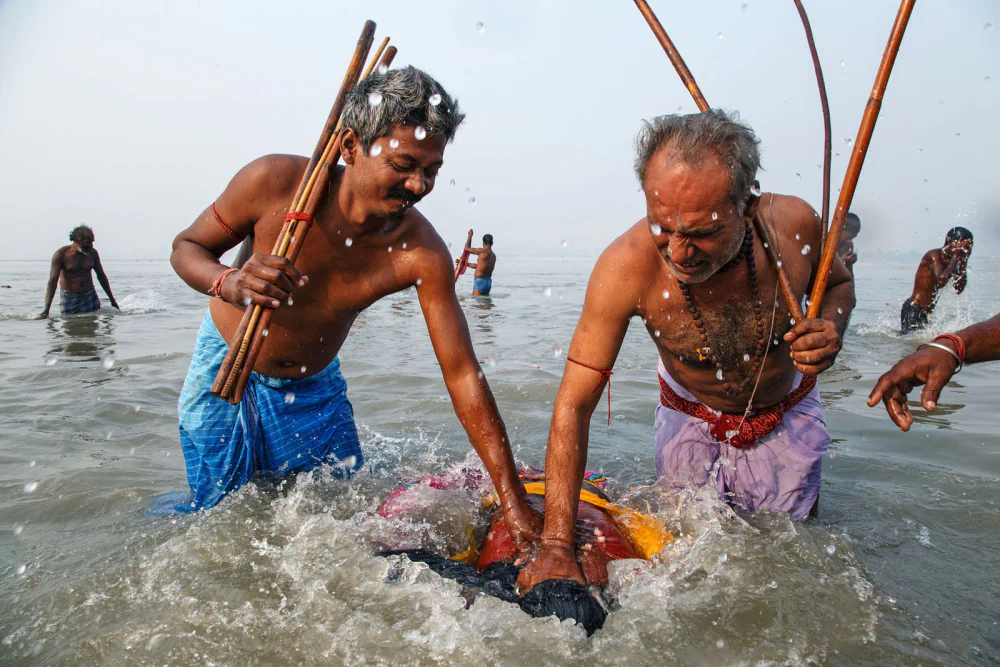
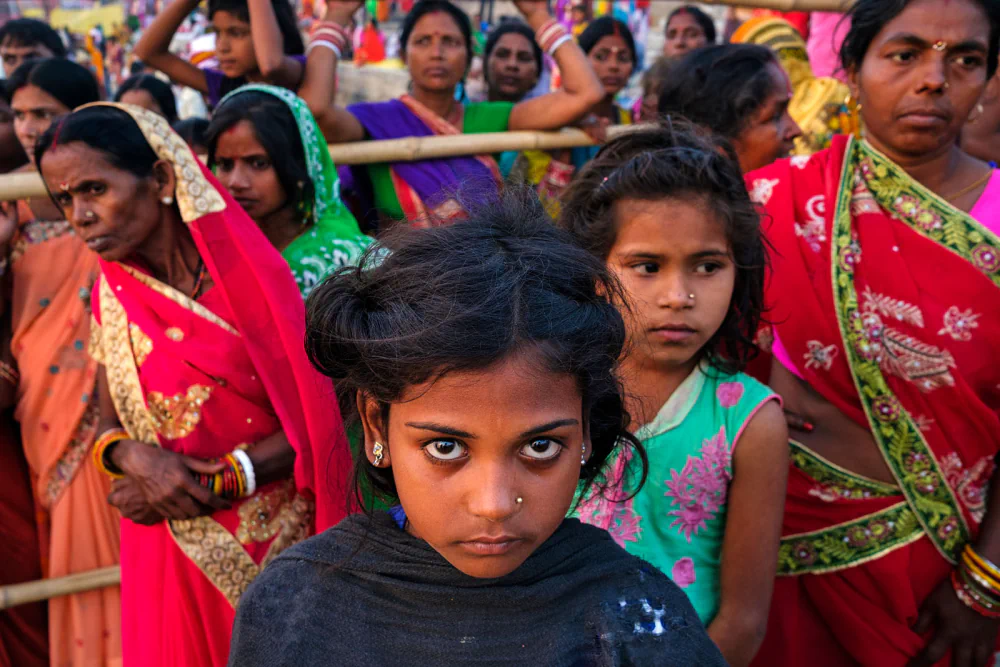
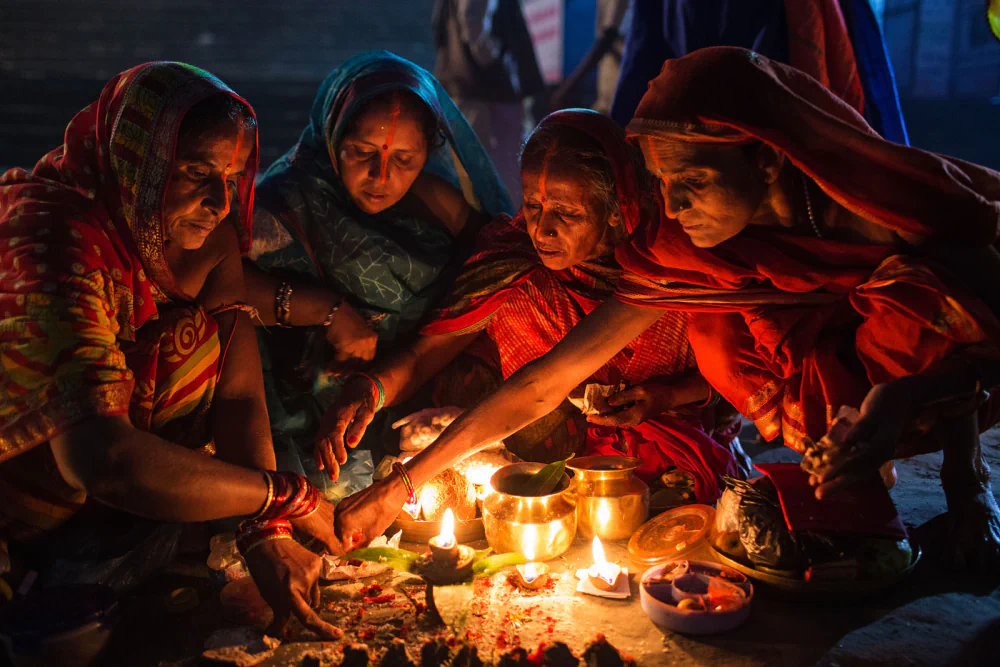
The origins of the Sonepur Mela are deeply connected with religion and mythology. In the first days of the event, the fair functions mainly as a religious festival. Thousands of Hindu pilgrims gather at the riverbanks before sunrise to take a ritual bath in the holy waters where the Gandak meets the Ganges. This act of bathing is believed to cleanse a person of sins and bring spiritual merit. Devotees also visit nearby temples, offer prayers, and take part in various religious ceremonies and rituals. The atmosphere during these days is highly spiritual, with chants, prayers, and devotional music filling the air.
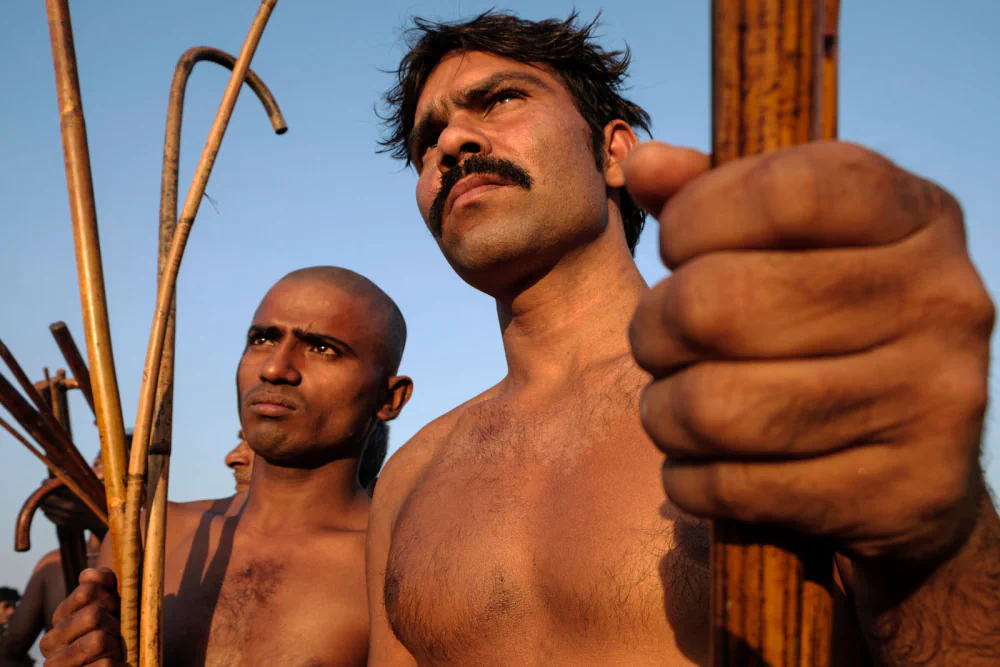
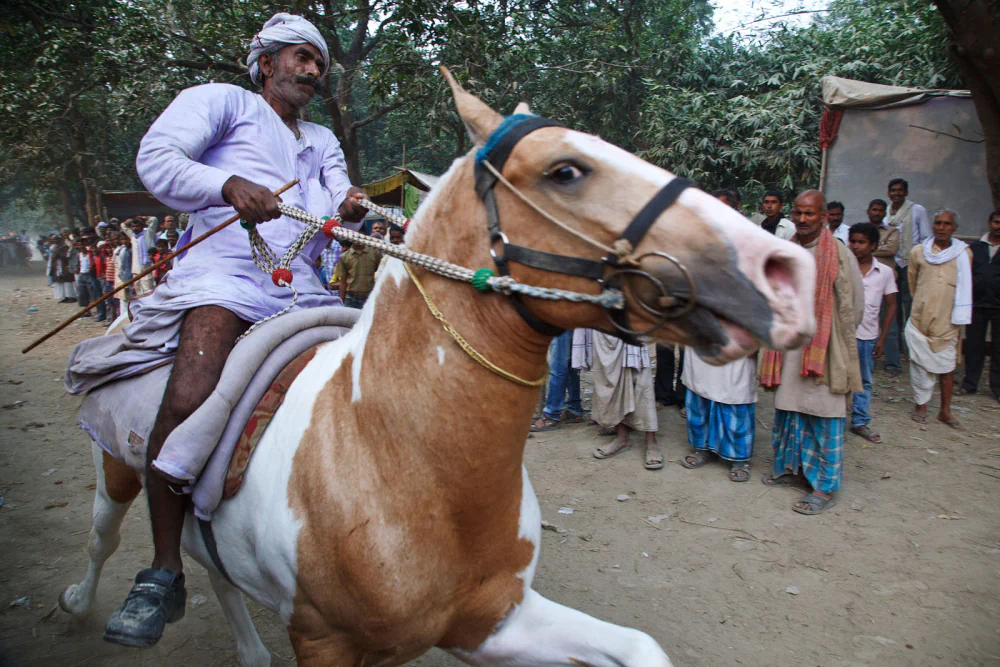
After the initial religious observances, the character of the fair gradually changes. Once many of the pilgrims return to their towns and villages, the event transforms into a massive livestock and agricultural trade fair. Farmers, traders, and buyers gather to buy and sell a wide variety of animals. Nearly all types of domestic animals can be found there, including dogs of many breeds, camels, buffaloes, horses, goats, sheep, and numerous kinds of birds and poultry. For many rural communities, the fair is an important opportunity to trade animals, improve their livestock, and establish business connections.
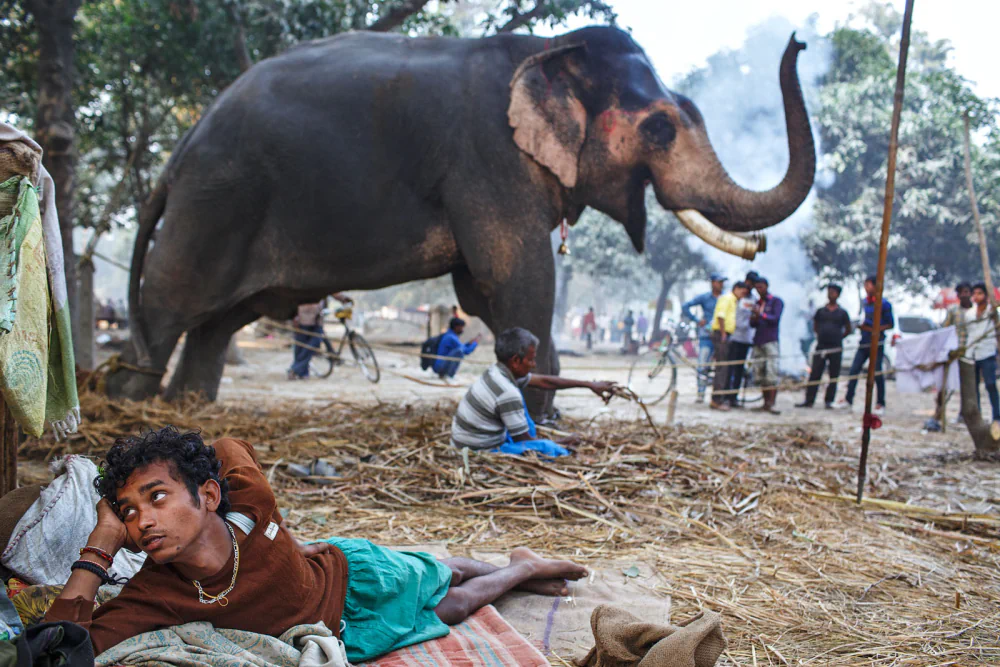
One of the most famous and unique aspects of the Sonepur Mela is the large number of elephants that are traditionally brought for sale. In the past, the fair was well known for being the only place in the world where such a significant number of elephants could be bought and sold in one location. The sight of rows of decorated elephants lined up with their owners attracted huge crowds and became a symbol of the fair itself. Although modern wildlife protection laws have reduced or restricted elephant trading, the historical reputation of the mela as the “largest elephant market” remains an important part of its identity.
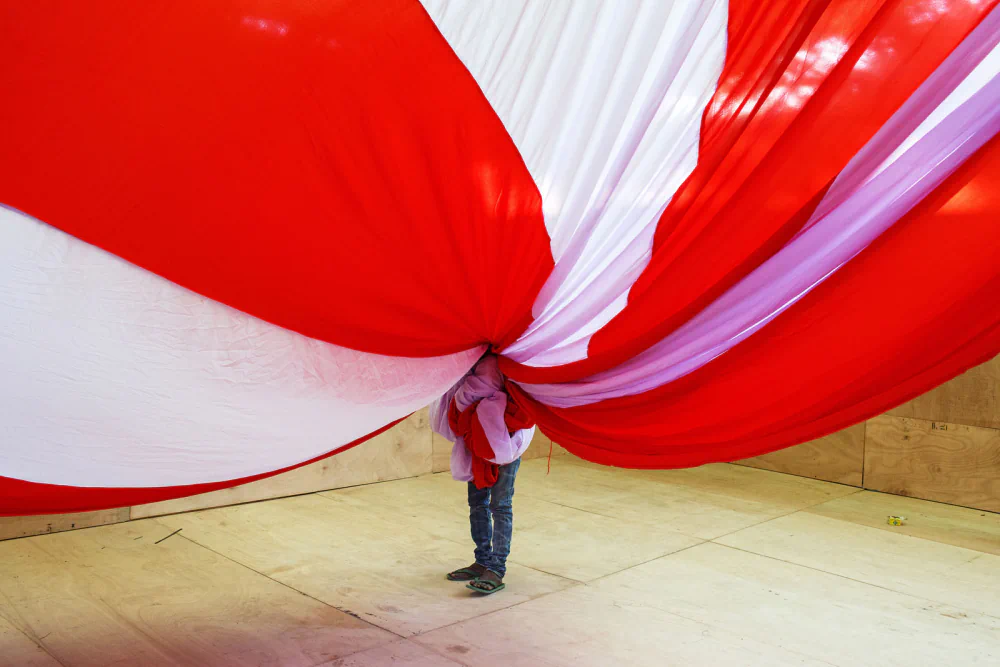
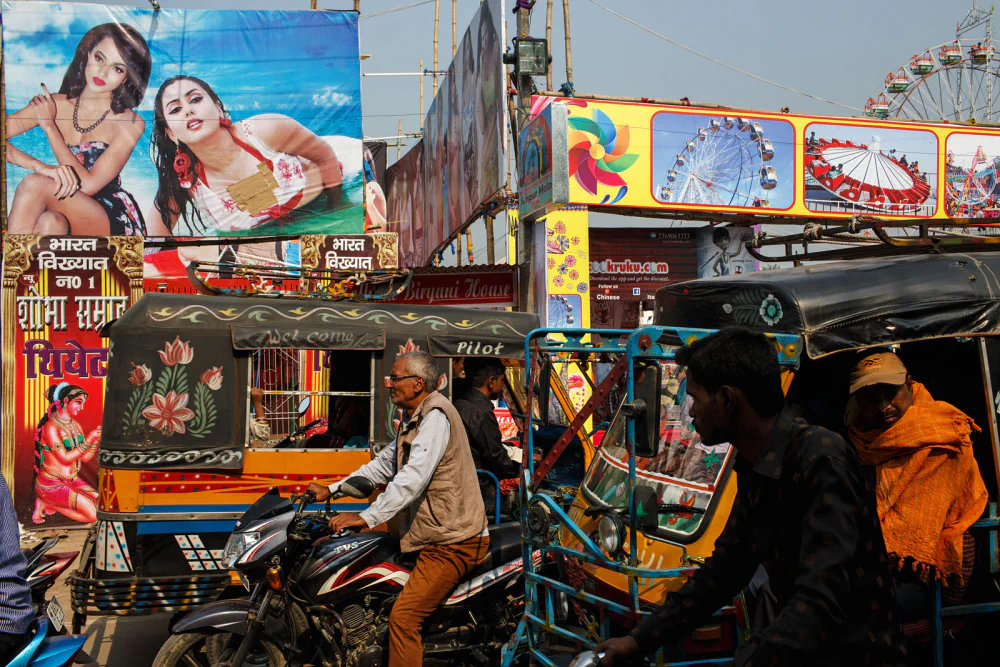
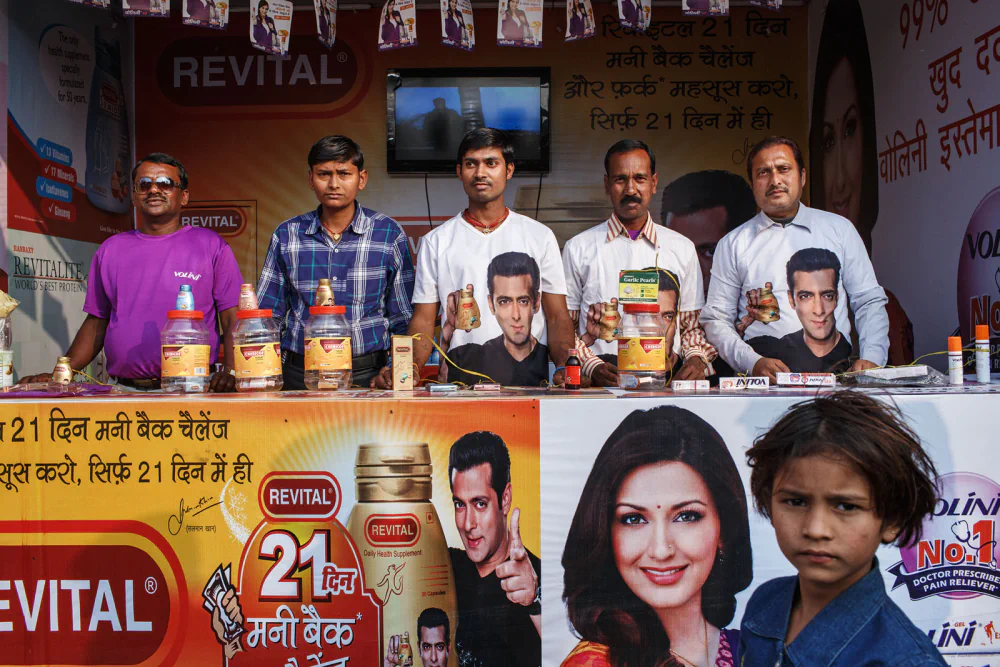
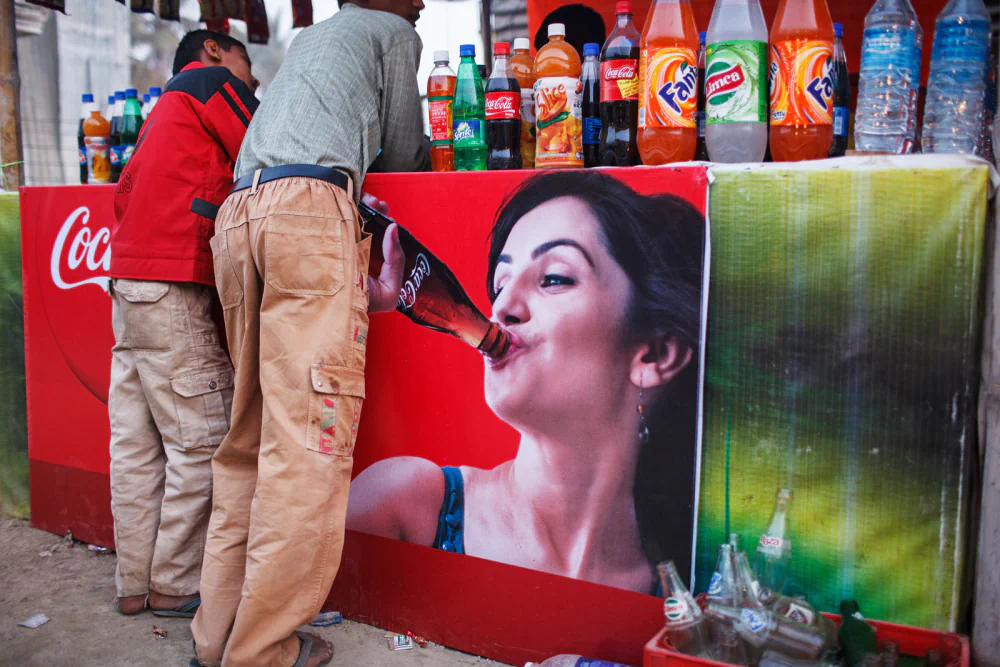
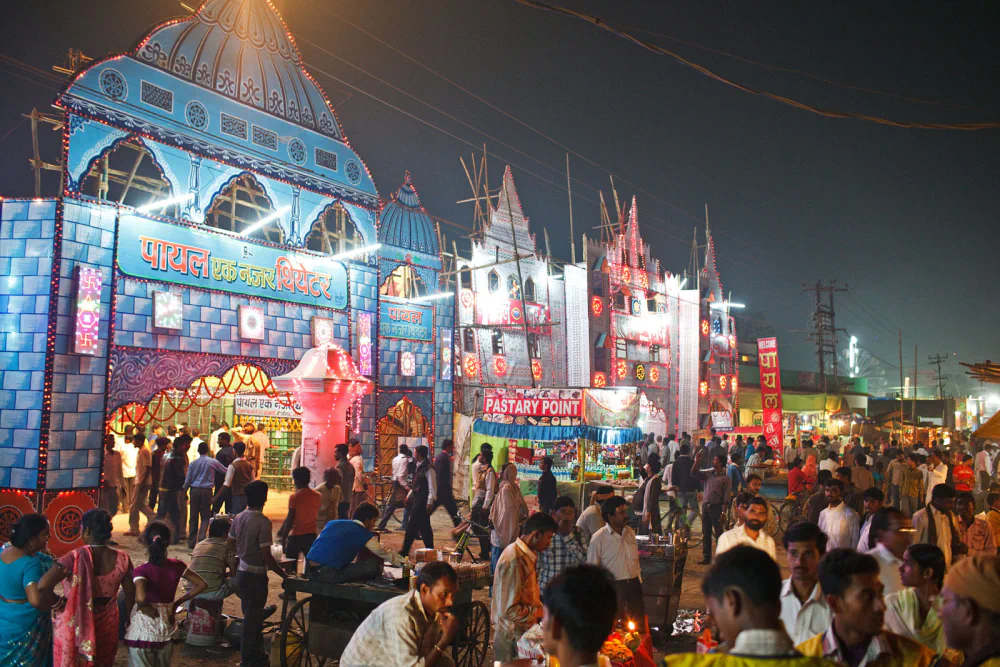
Apart from livestock trading, the fair also serves as a huge marketplace offering a wide range of goods and services. Hundreds of temporary shops and stalls sell clothing, household items, farming tools, handicrafts, beauty products, toys, electronics, and even vehicles such as motorcycles and cars. Local food vendors prepare traditional Indian dishes, sweets, and snacks, allowing visitors to experience the region’s rich culinary culture.
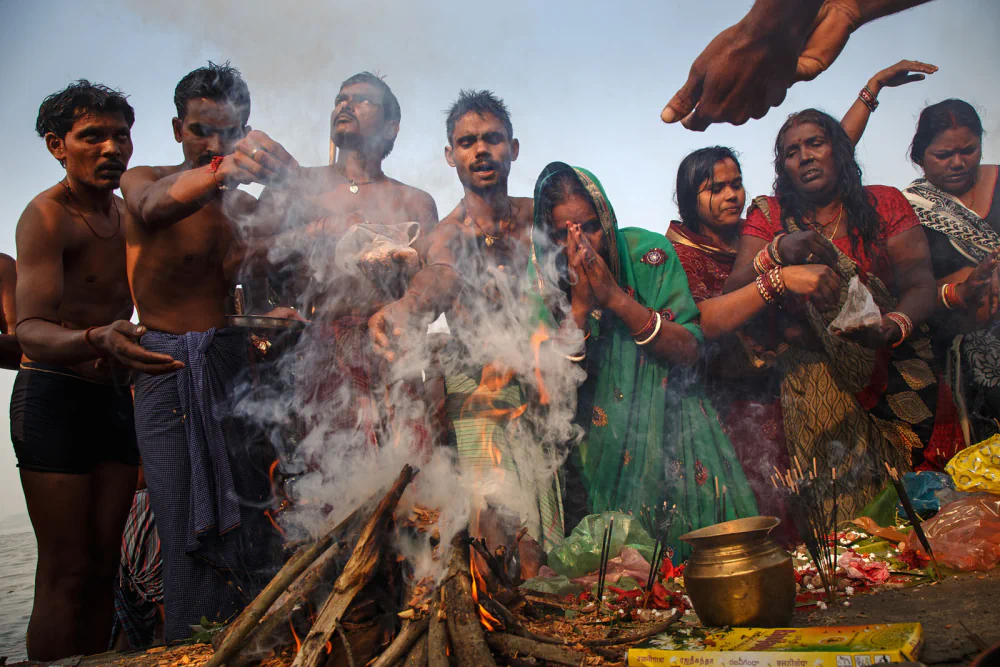
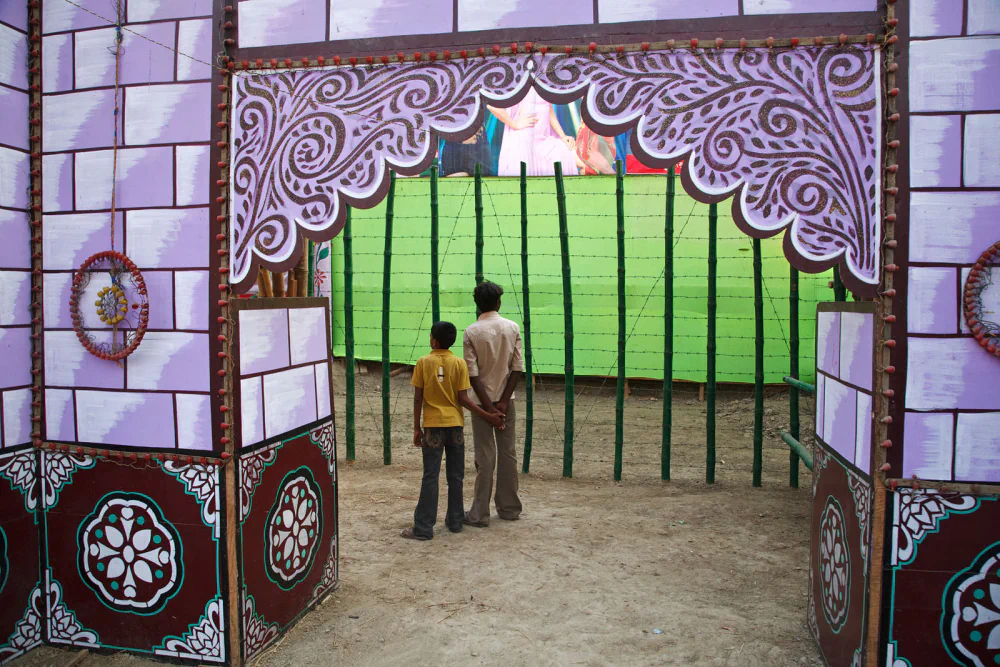
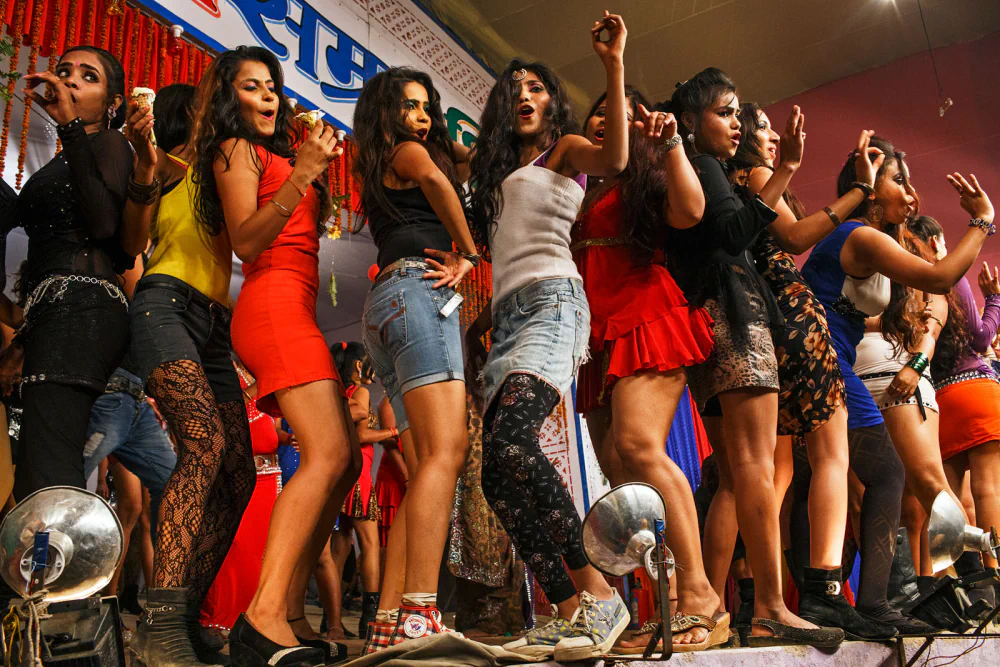
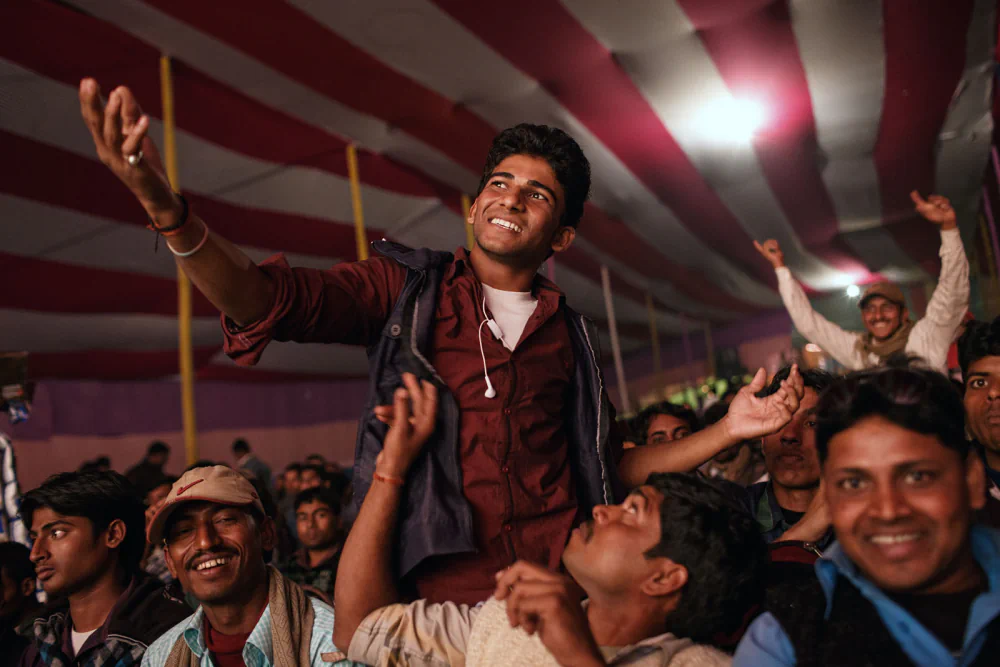
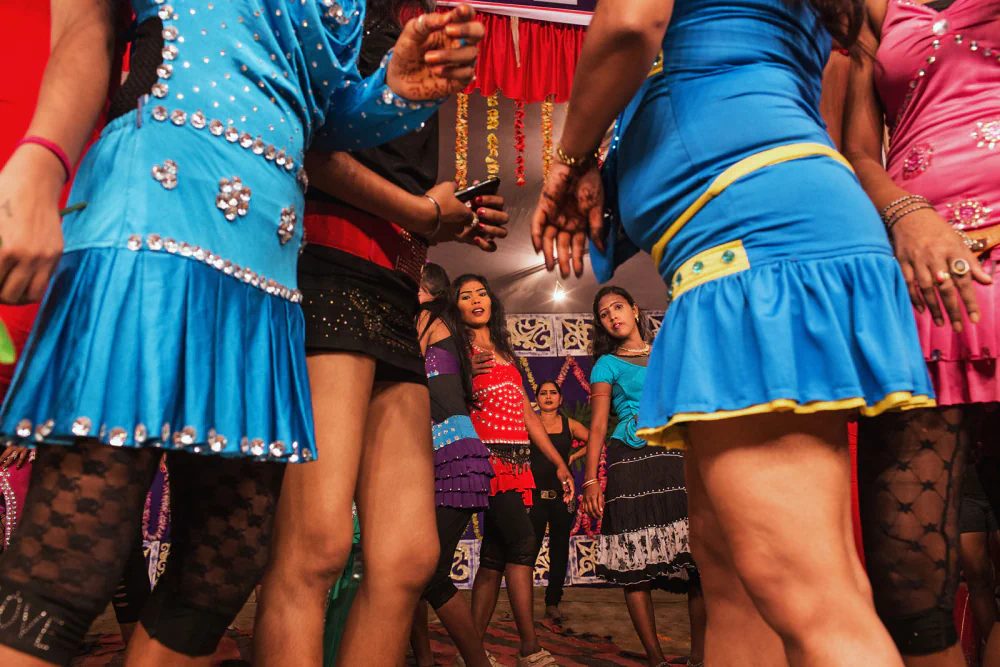
Entertainment is another major feature of the Sonepur Mela. The fairgrounds resemble a large carnival filled with colorful lights, music, and laughter. Visitors can enjoy giant Ferris wheels, merry go rounds, and other amusement rides. There are also circuses, acrobatic performances, folk music and dance shows, puppet theaters, and the famous “Well of Death,” where motorcyclists perform dangerous stunts inside a large wooden cylinder. These attractions make the fair enjoyable not only for traders and farmers but also for families, children, and tourists.
Overall, the Sonepur Cattle Fair lasts for about a month and attracts thousands of visitors every day. It is a unique combination of religious devotion, traditional trade, cultural celebration, and entertainment. Because of its long history and vibrant atmosphere, the Sonepur Mela remains one of the most remarkable and colorful fairs in India.
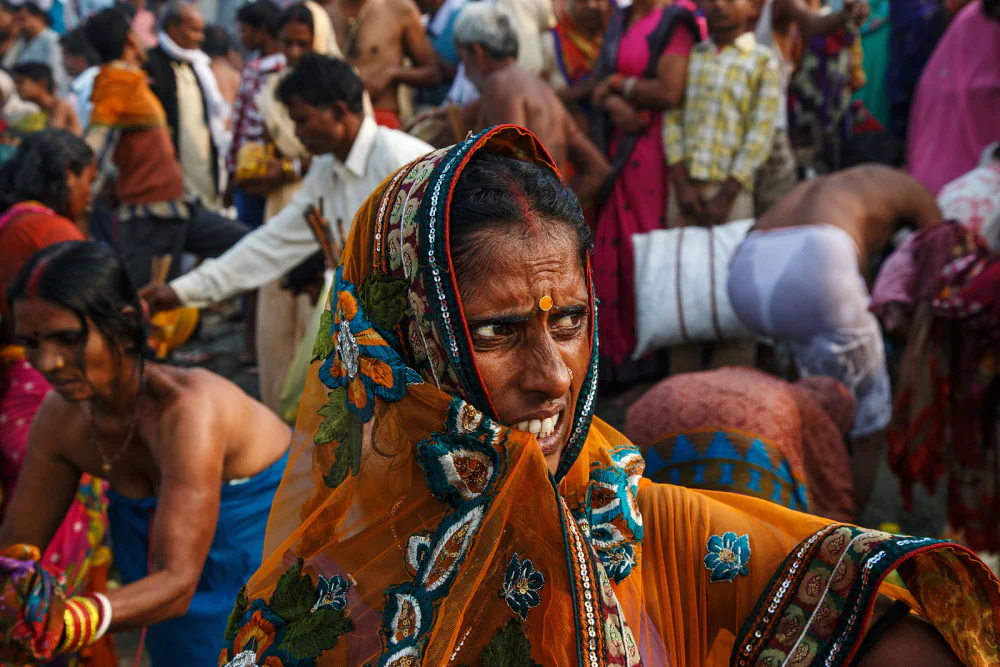
About Maciej Dakowicz
Maciej Dakowicz is a Polish photographer and educator based in Poland. He holds a PhD in Computer Science but left academia to pursue photography full time. He is a member of the international street photography collective UP Photographers and an official Fujifilm X Photographer. His work focuses on documentary, travel, and street photography.
His photographs have been widely published and exhibited internationally. He has received numerous awards and has also served as a judge in many photography competitions. His work has appeared in major street photography books including Street Photography Now, The World Atlas of Street Photography, 100 Great Street Photographs, Street Photography: A History in 100 Iconic Photographs, and Bystander: A History of Street Photography. He is the author of three monographs: Cardiff After Dark (Thames & Hudson, 2012), Sonepur Mela (2021), and Where the Sun Rises: 20 Years of Street Photography in Asia (EyeShot, 2024).
He currently focuses primarily on teaching his popular and highly sought after street photography workshops around the world. [Official Website]