

In 1890 Eritrea became an Italian colony, with Massawa as its capital.
A few years later, because of its cooler climate and its position at around 2,300 meters above sea level, Asmara was chosen as the administrative centre of the colony.
Between 1936 and 1941, during the period of Italian East Africa, the colonial administration invested heavily in infrastructure and urban development.
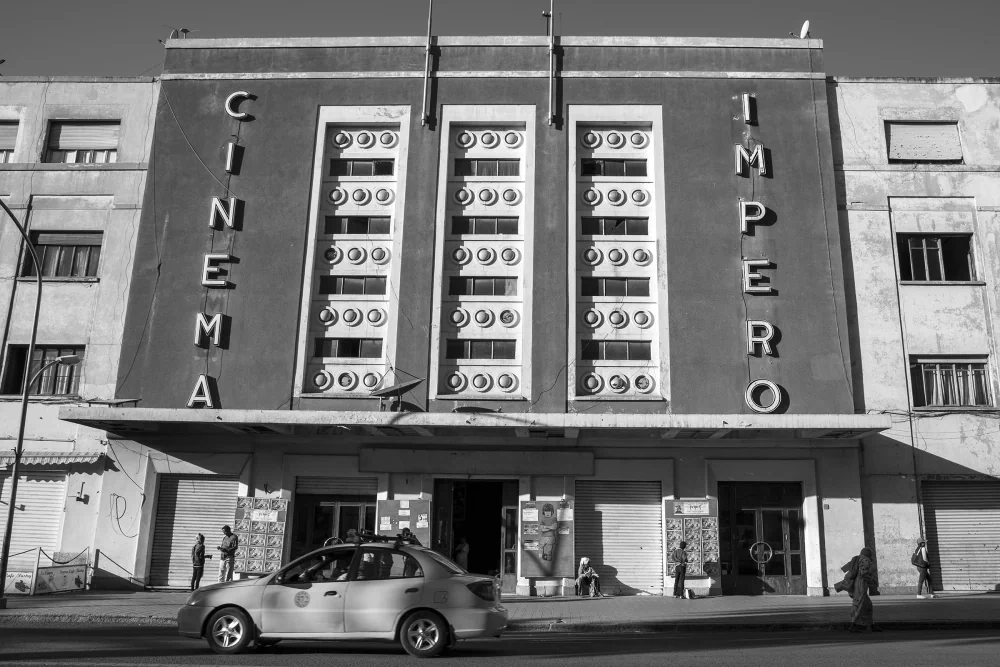
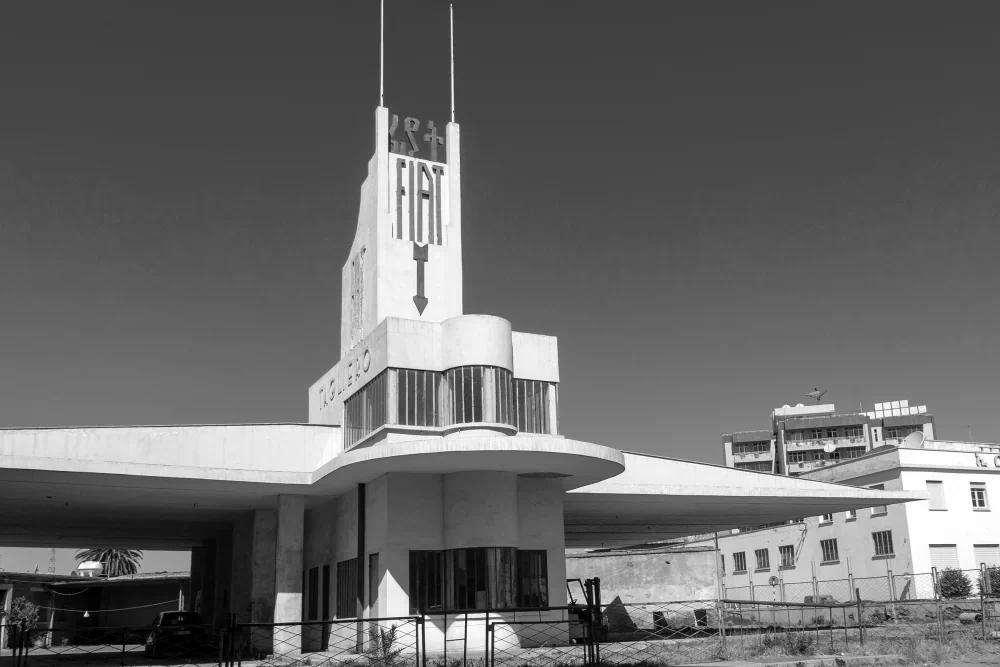
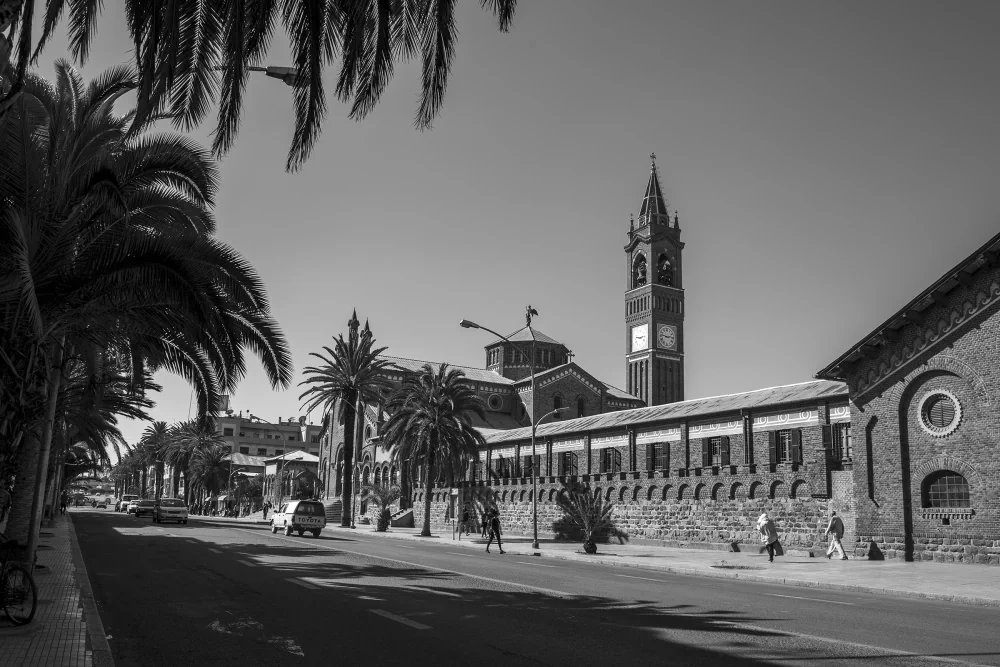
Architects and engineers built cinemas, cafés, churches and government buildings in modernist styles influenced by rationalist architecture. Wide avenues lined with palm trees, public squares and distinctive buildings gave the city a modern urban structure that was unusual in Africa at the time. Today much of this architecture remains remarkably intact. Asmara is often considered one of the best preserved examples of early modernist urban planning in Africa.
This architectural heritage contrasts sharply with the country’s more recent history. Eritrea is today one of the poorest countries in the world and has experienced decades of war and political isolation, particularly during the long conflict with neighbouring Ethiopia. Despite this difficult history, daily life in Asmara continues with a quiet, unusual and unhurried rhythm.
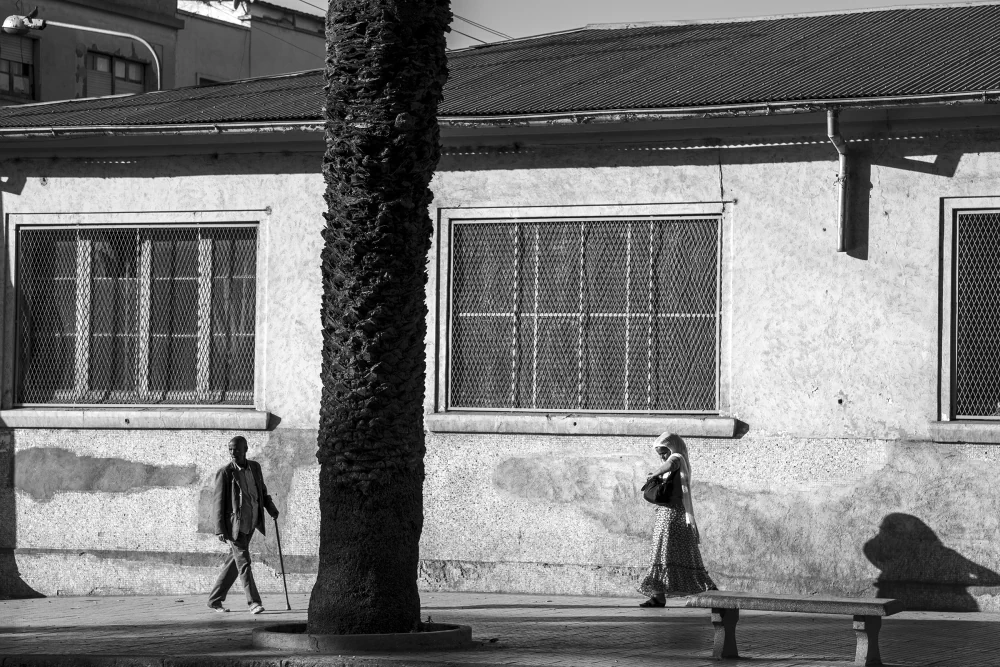
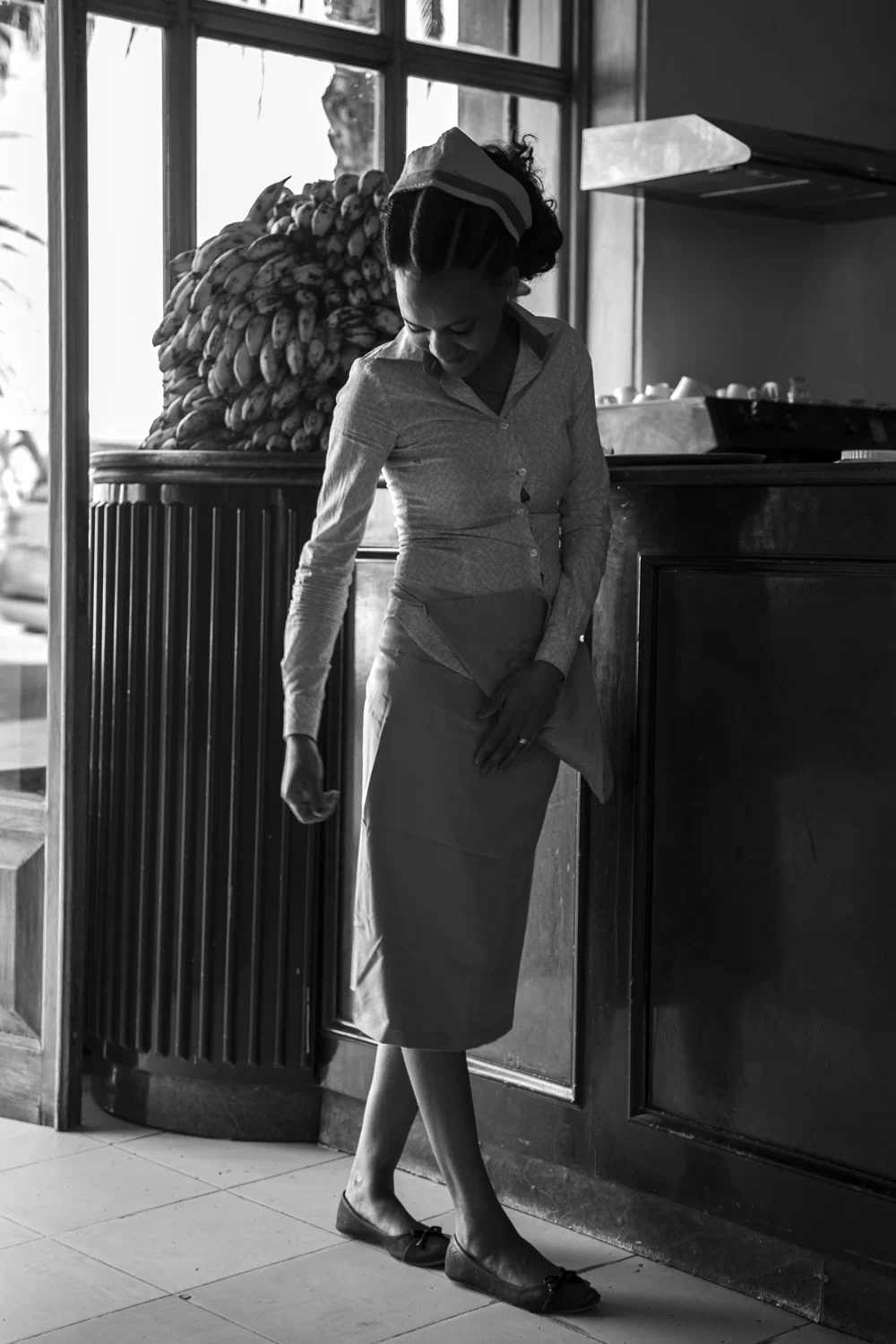
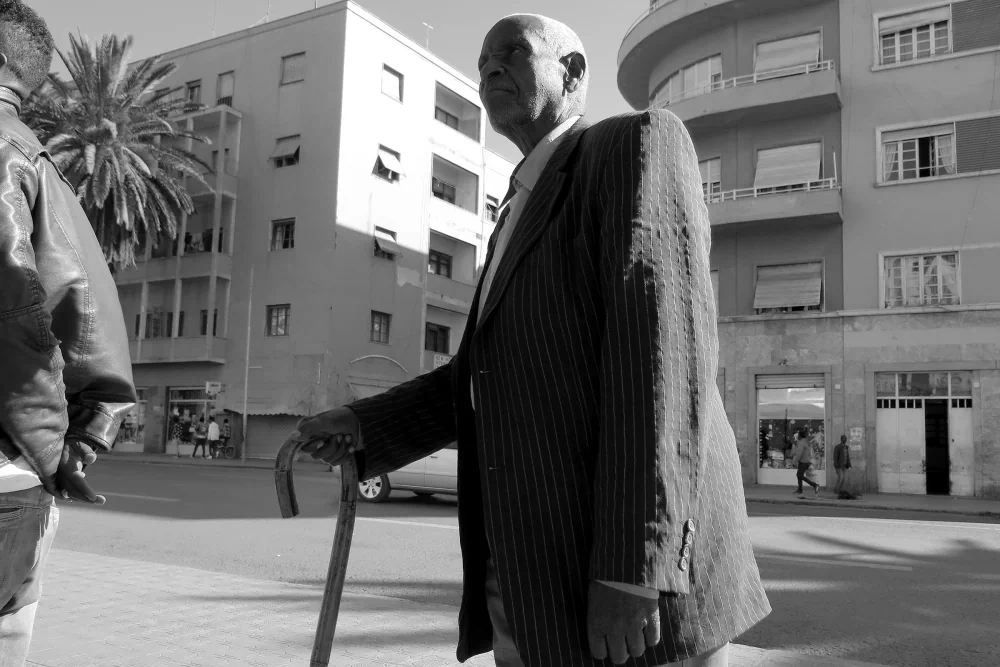
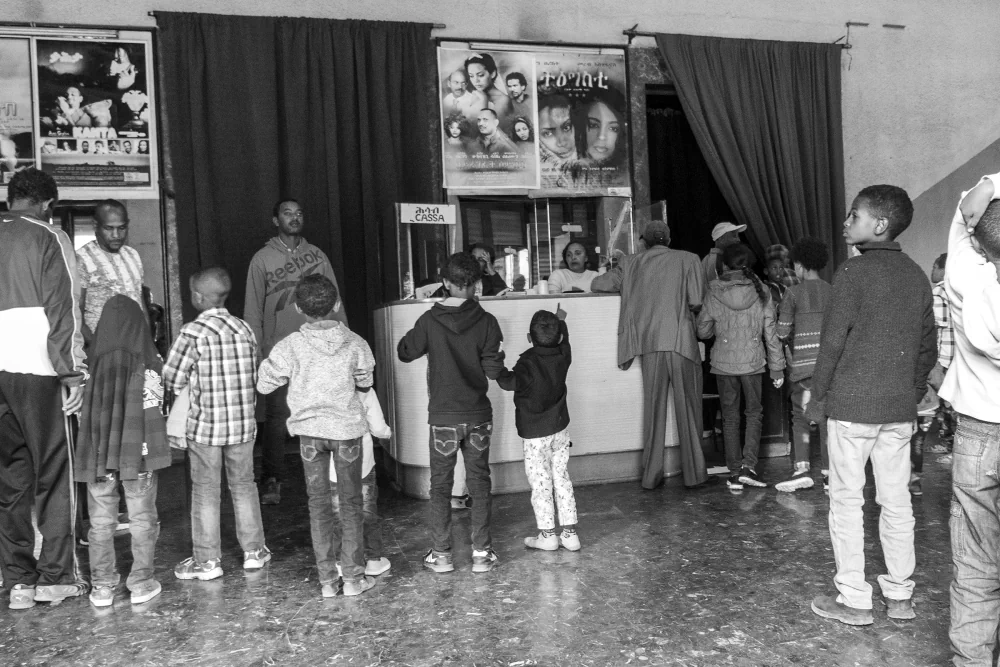
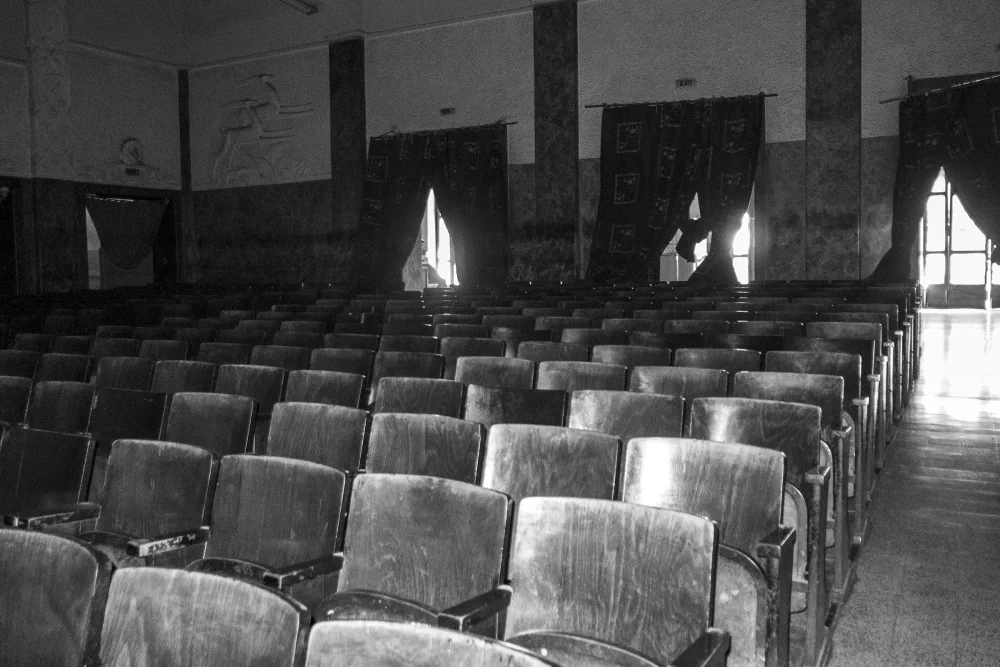
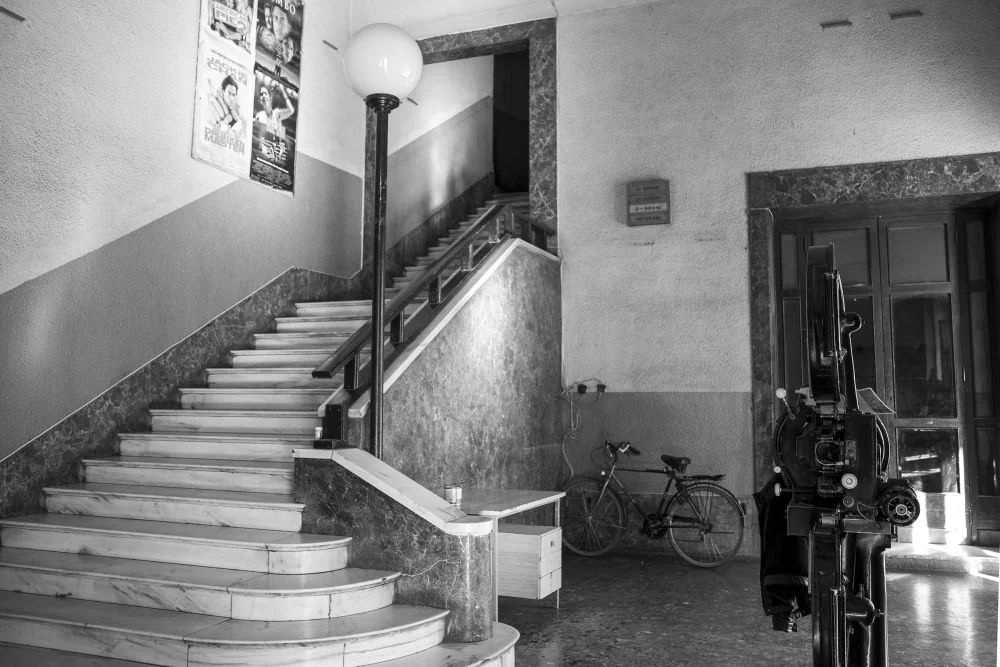
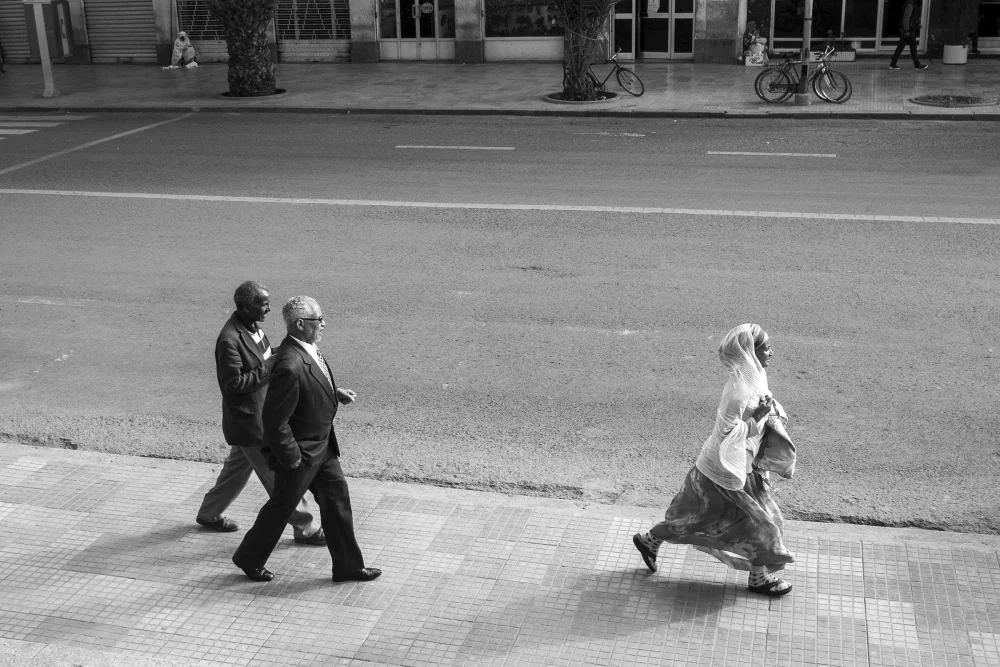
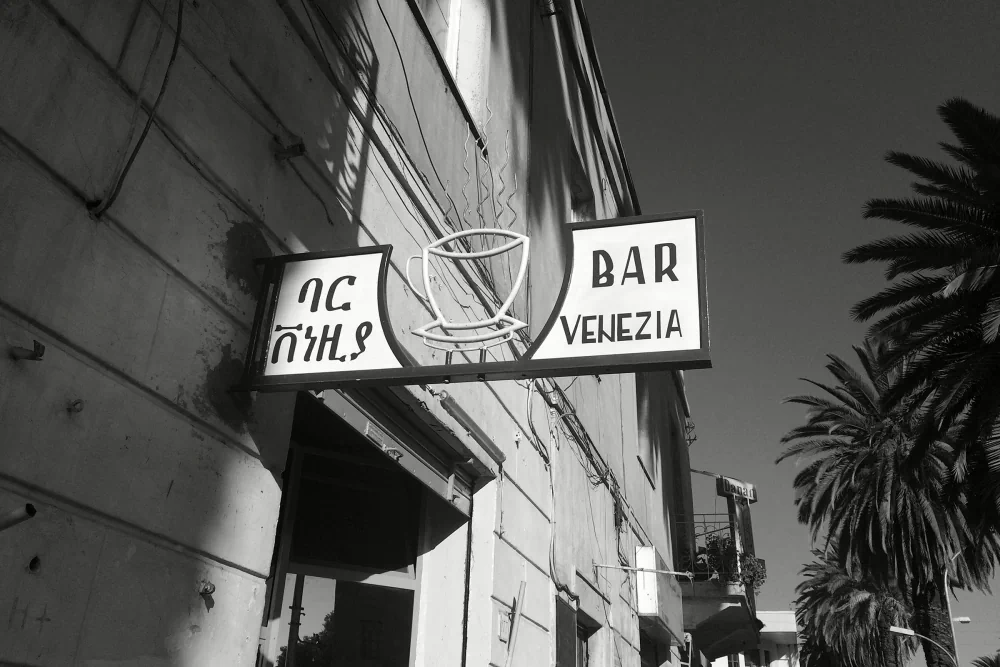
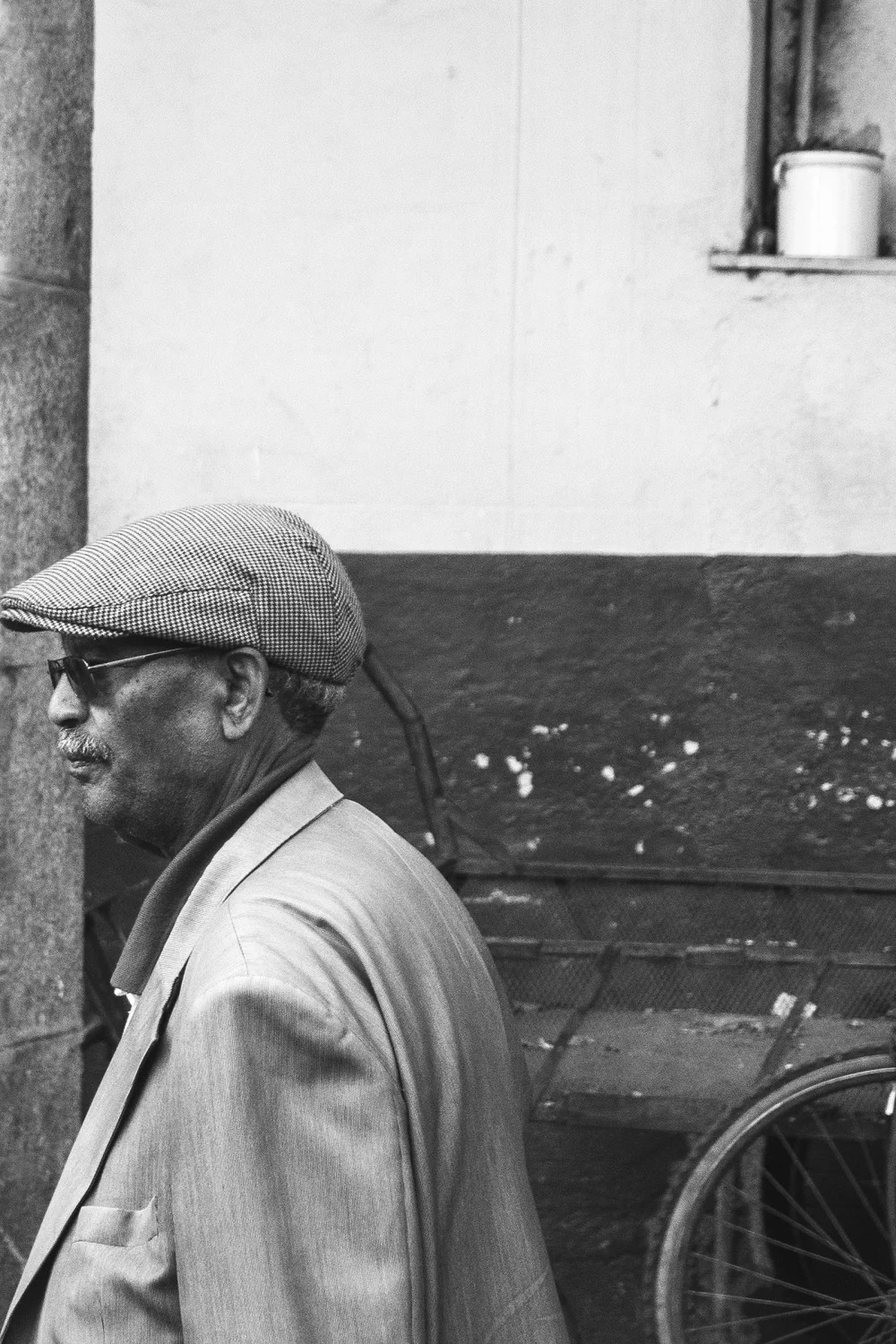
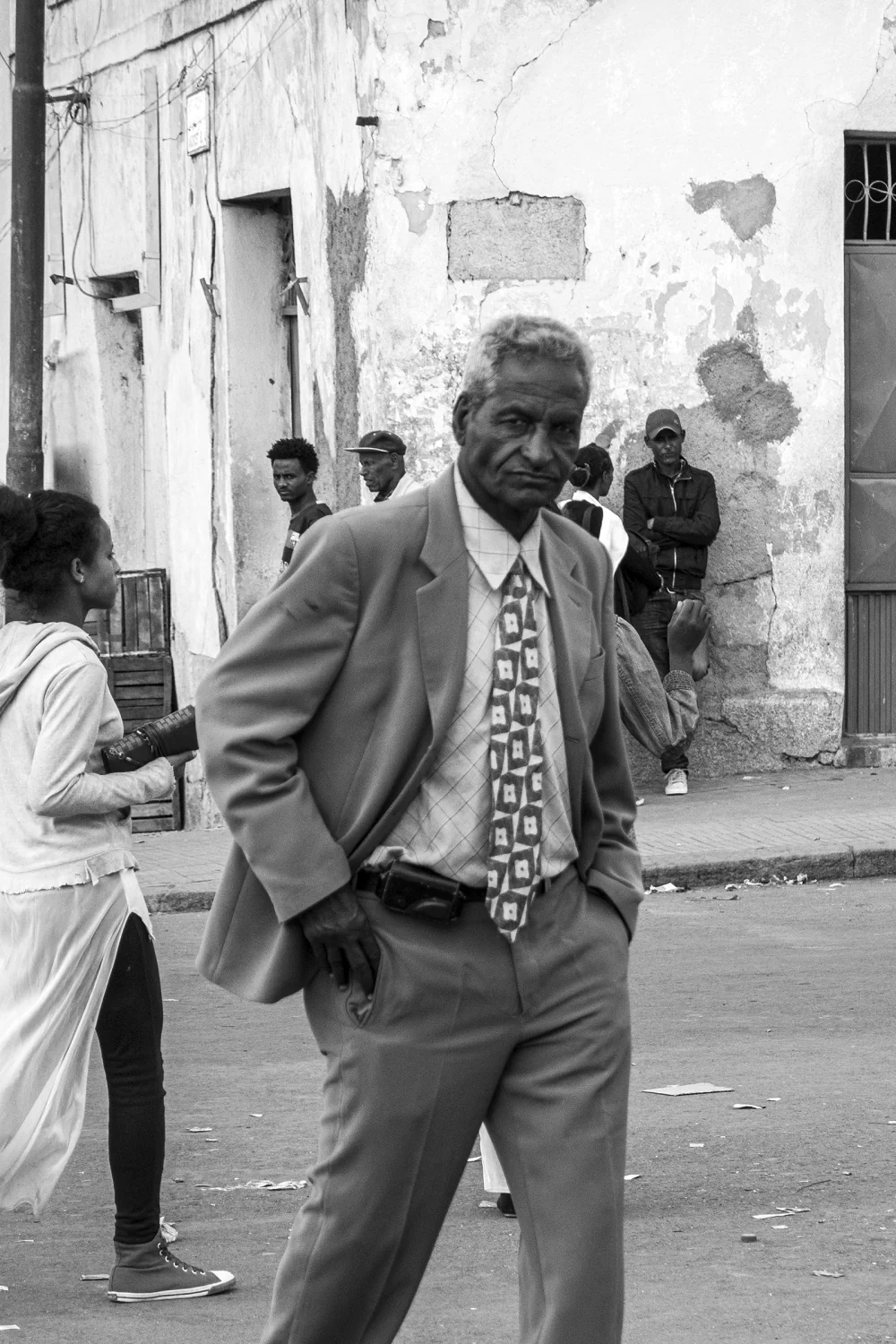
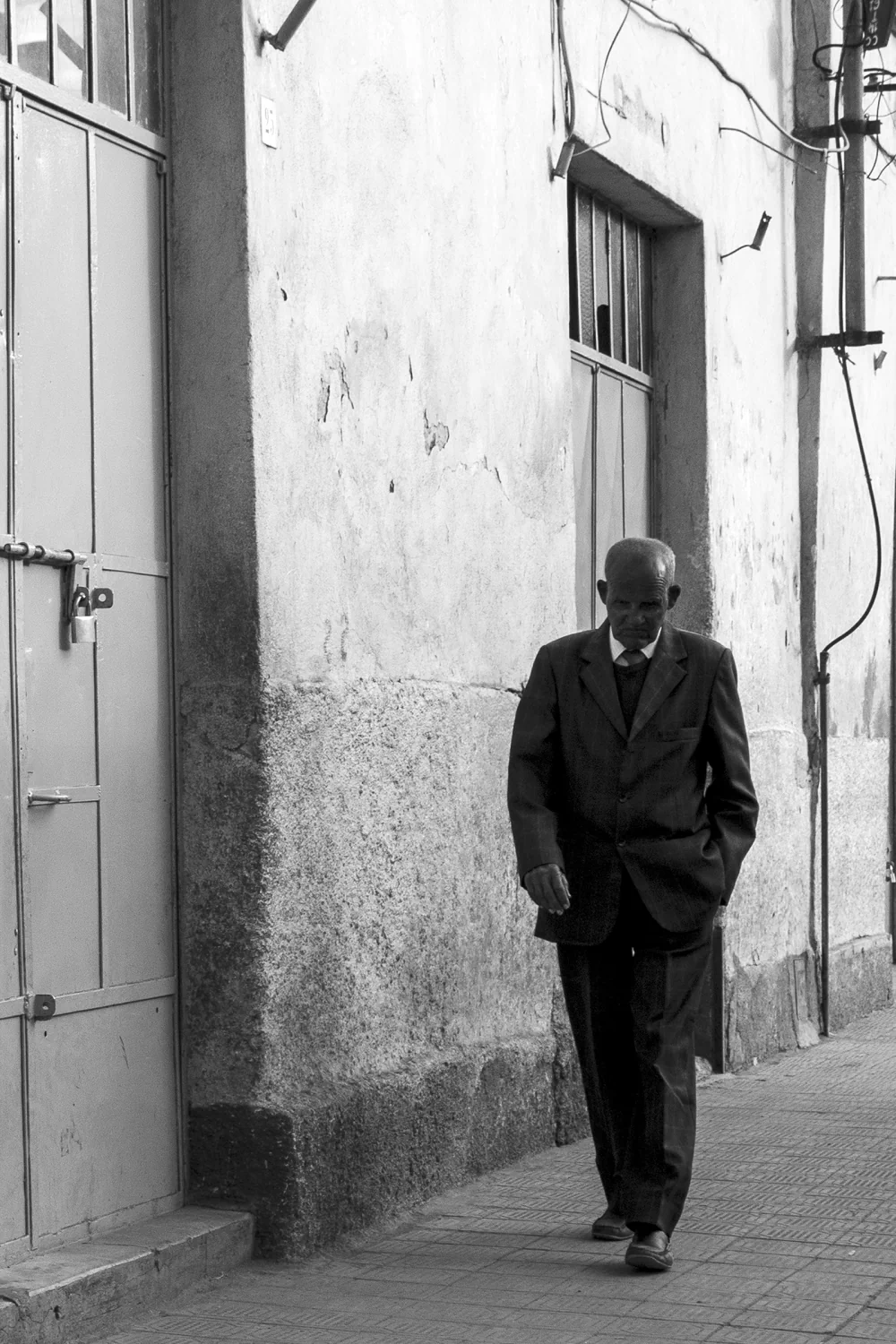
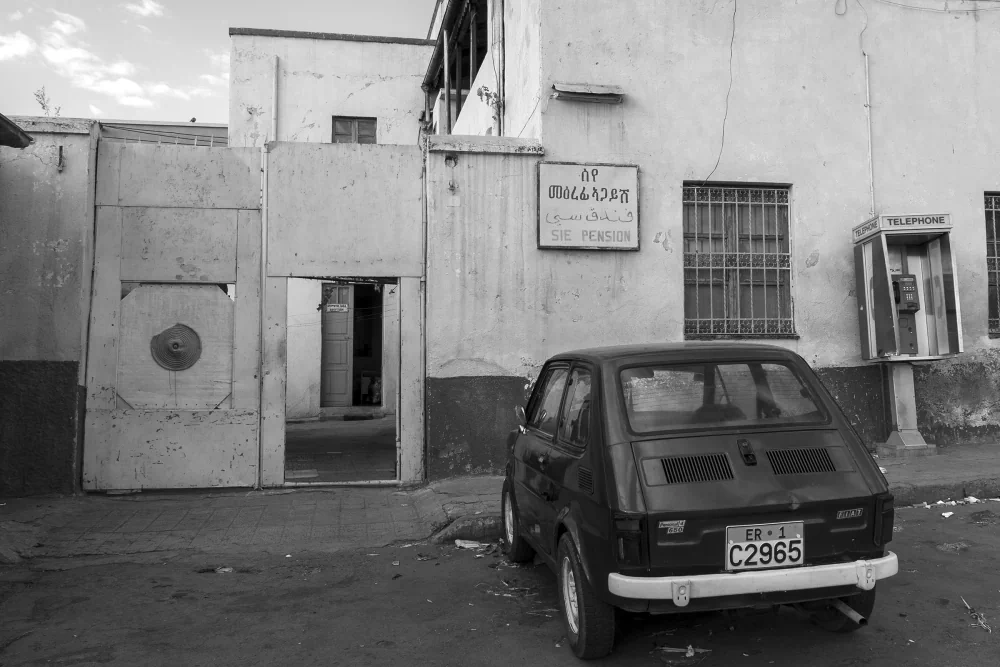
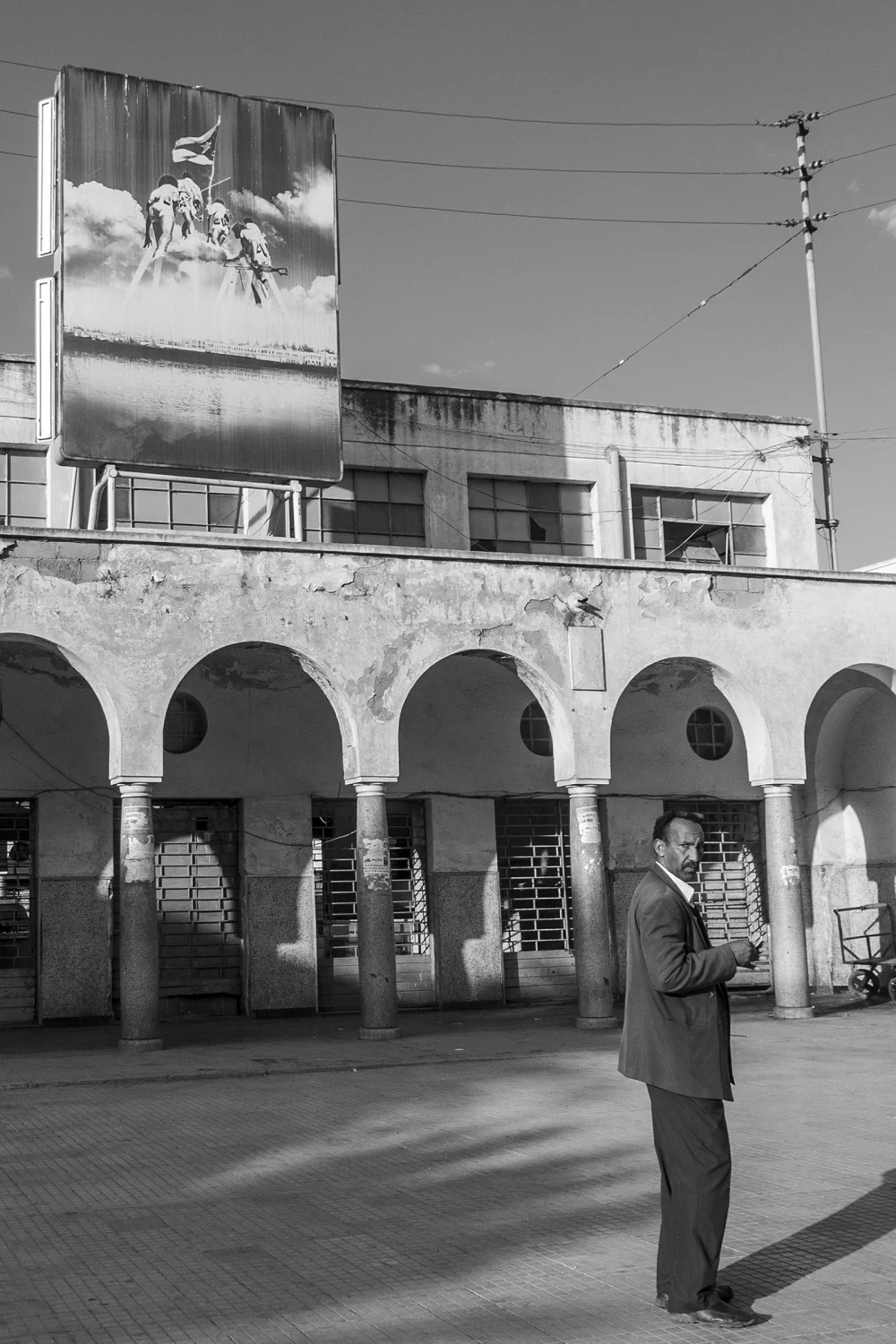
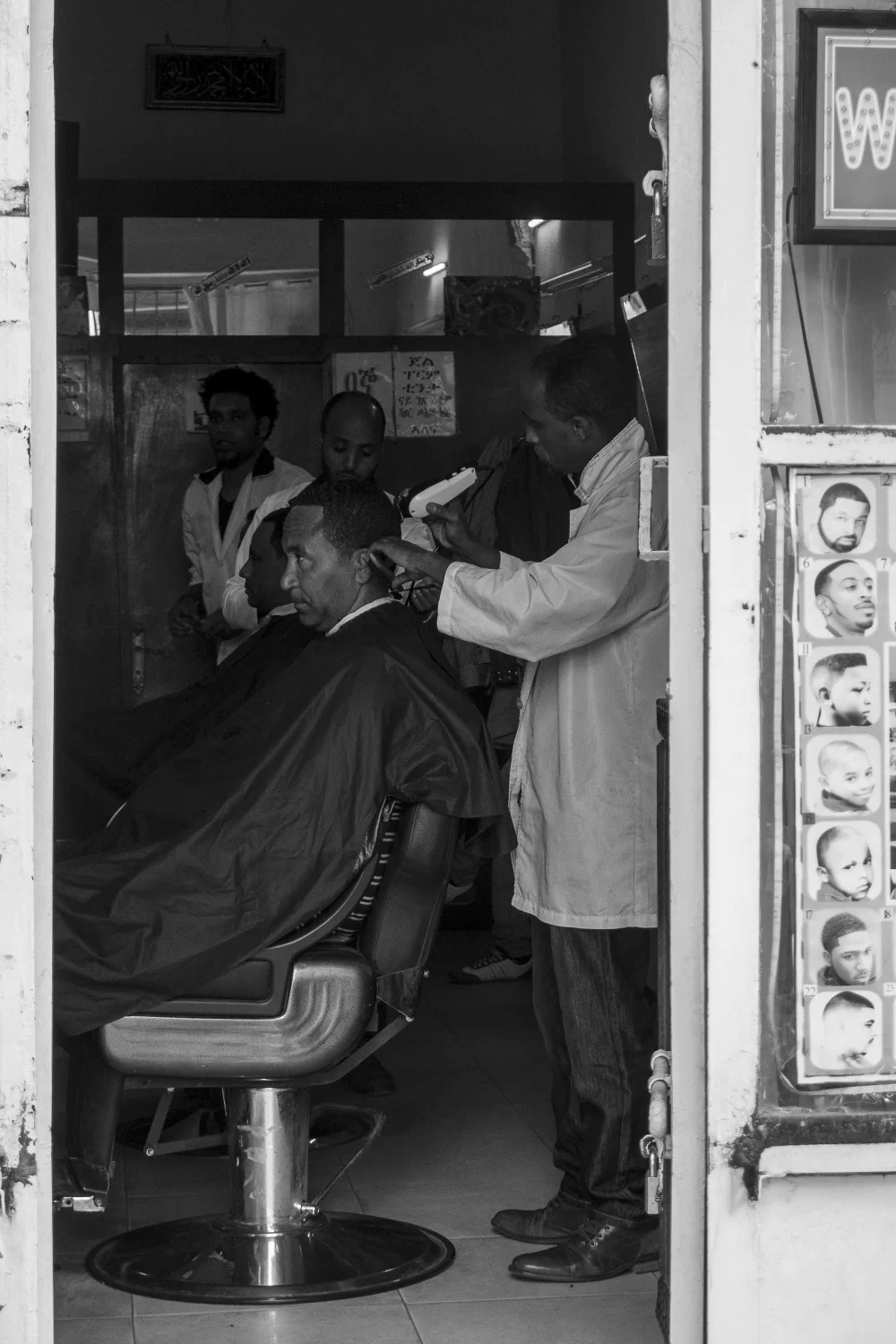
Along Harnet Avenue, once known as Viale della Liberazione, cafés, cinemas and public buildings still reflect the architectural language of the 1930s and 1940s in Italy. The famous Cinema Impero, with its large façade lettering and preserved interiors, remains one of the most recognizable landmarks of the city and still screens films every week. Women often wear traditional Eritrean clothing, while older men still appear in stylish jackets, suits or hats, mostly worn out by time but still carrying a touch of elegant Italian style. In many places the traces of the past appear in ordinary details: the design of a staircase, the shape of a window frame, the lettering of a sign above a door. These fragments of architecture and everyday life form a landscape where memory seems to persist quietly within the present.
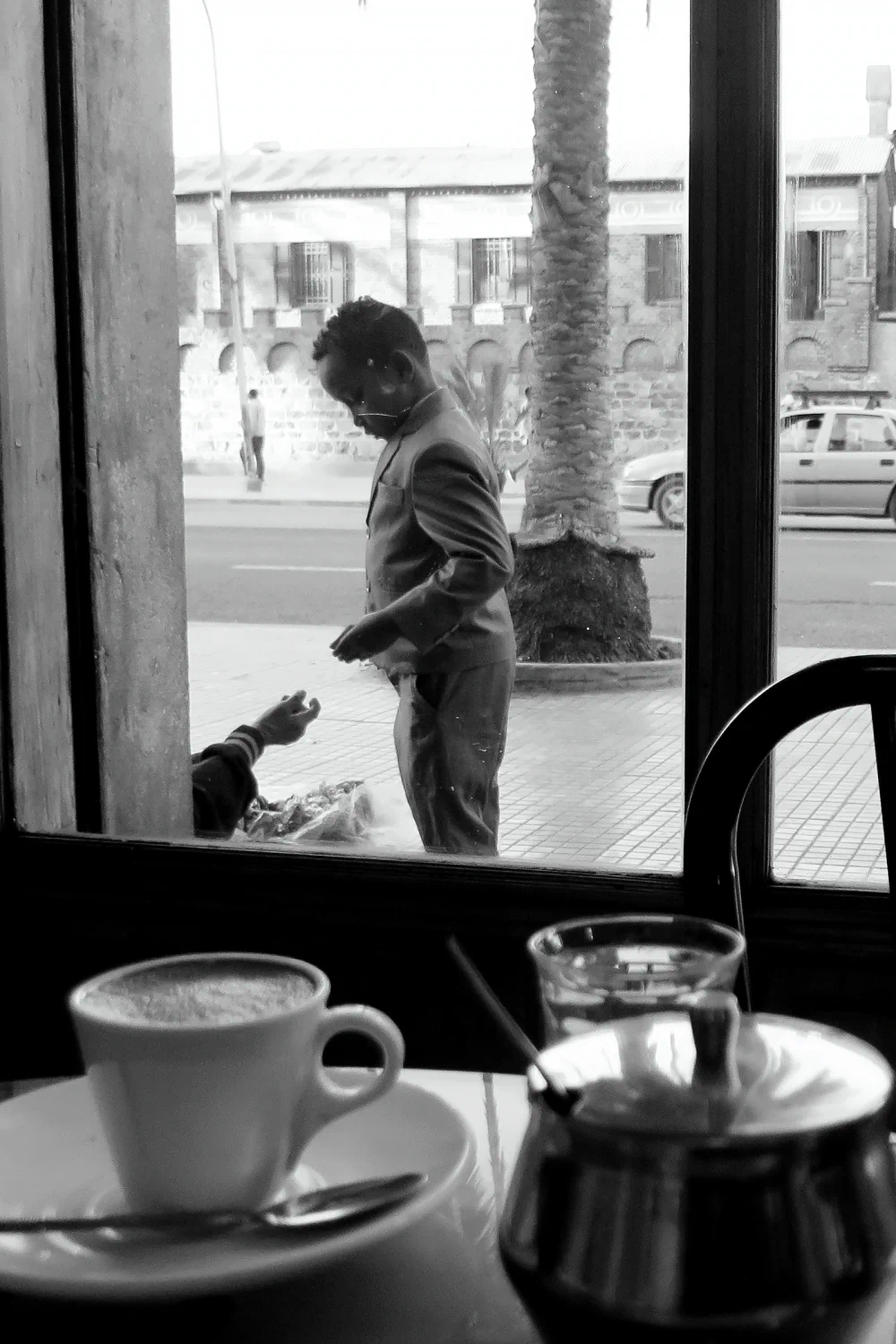
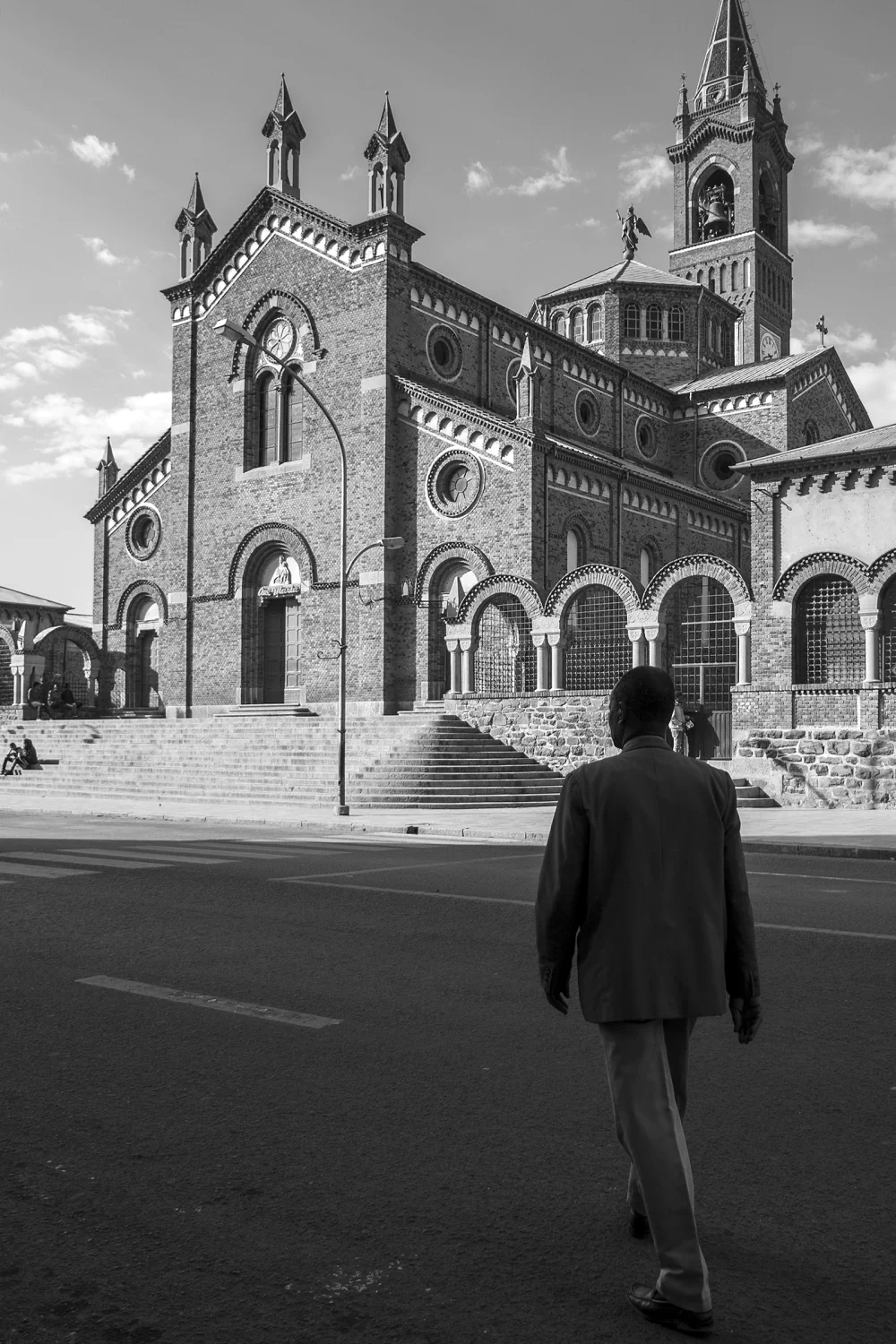
On Sunday mornings, small rituals continue to structure life in the centre of the city. Men gather in cafés to drink espresso, often served with a glass of water on the side, recalling habits from the colonial period. Others walk slowly along the avenue, chatting with friends before attending mass in the Catholic Cathedral. These elements sometimes give the impression of a small Italian provincial town from another era, a place suspended between different histories: African traditions, colonial memories and the quiet resilience of a society that has endured decades of political isolation.
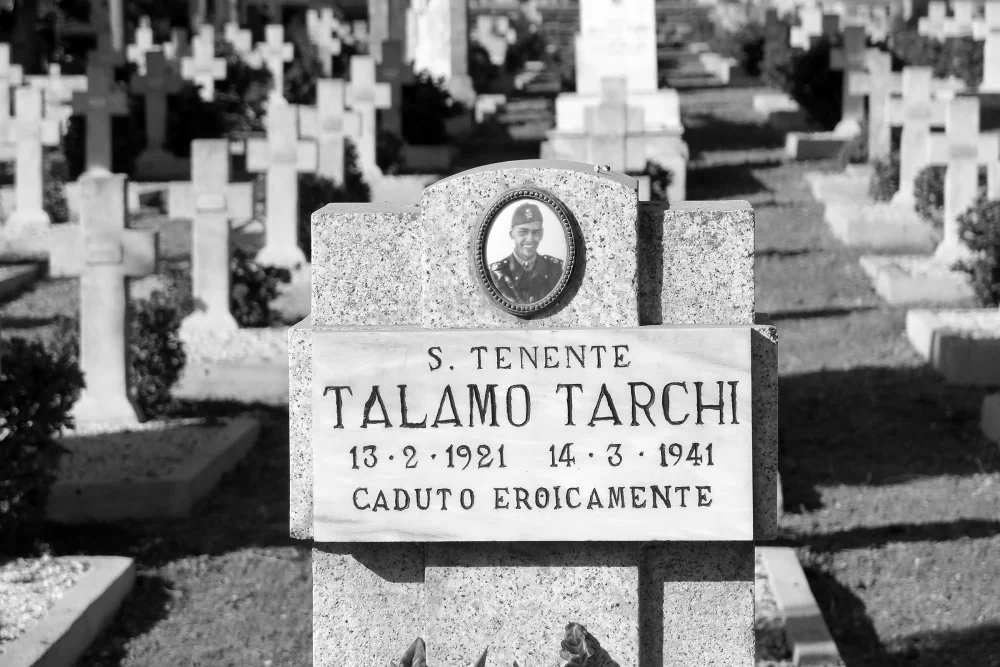
Toward the end of my stay I visited the Italian cemetery on the outskirts of the city. Many of the young soldiers buried there came from Italy to fight during that period and never returned home. Their graves remain a silent and tragic reminder of the human cost of that history. The photographs in this series explore this layered landscape, where colonial architecture, personal memory and contemporary life continue to intersect in the streets of Asmara.
About Sonia Costa
Sonia Costa was born and raised in Italy. With a background in Geography and a life shaped by travel across remote regions of the world, she witnessed the tragic impact of mass tourism and the destruction of natural and cultural heritage since the 1990s.
Her work explores the quiet dignity of people and places far from the spotlight, where everyday life reveals itself without spectacle. Inspired by the humanist photographers of the 20th century, she works between documentary photography and photojournalism, developing long term, series based projects grounded in time, observation, and human connection.
Approaching her subjects with patience and respect, she uses the camera both as a research tool and as a means of connection, capturing intimate portraits and moments that reveal the emotional depth and complexity of communities. Working mostly in black and white, she focuses on subtle gestures that invite a slower and more attentive way of looking, an ongoing exploration of humanity, change, and the fragile balance between preservation and progress.
Her work has received international recognition. Her photographs have been published in books and magazines and exhibited in solo shows in Italy as well as in group exhibitions in the United States, Spain, [Official Website]