
I first learned about Manny Jimenez in a story published in the Los Angeles Times.
The article described his remarkable journey from a former gang member growing up in East Los Angeles to someone who had transformed his life through a deep love for the art of filmmaking.
Rather than allowing his past to define him, Manny channeled that passion into building something constructive and creative. He founded a talent agency called “Suspect Entertainment,” creating opportunities for people whose voices and stories might otherwise go unheard.
The story stayed with me. I have always felt a strong connection to Hispanic culture, and Manny’s experience—and his determination to reshape his life through creativity—resonated deeply with me. After reading the article, I reached out to him and introduced myself, sharing my admiration for his story and my interest in the culture and community he came from.
When we met, our conversation quickly turned toward the possibility of collaboration. I proposed a project in which I would photograph some of the people he knew—individuals whose lives and experiences reflected the streets and neighborhoods of East Los Angeles. Manny was open to the idea, and together we began to shape a plan.

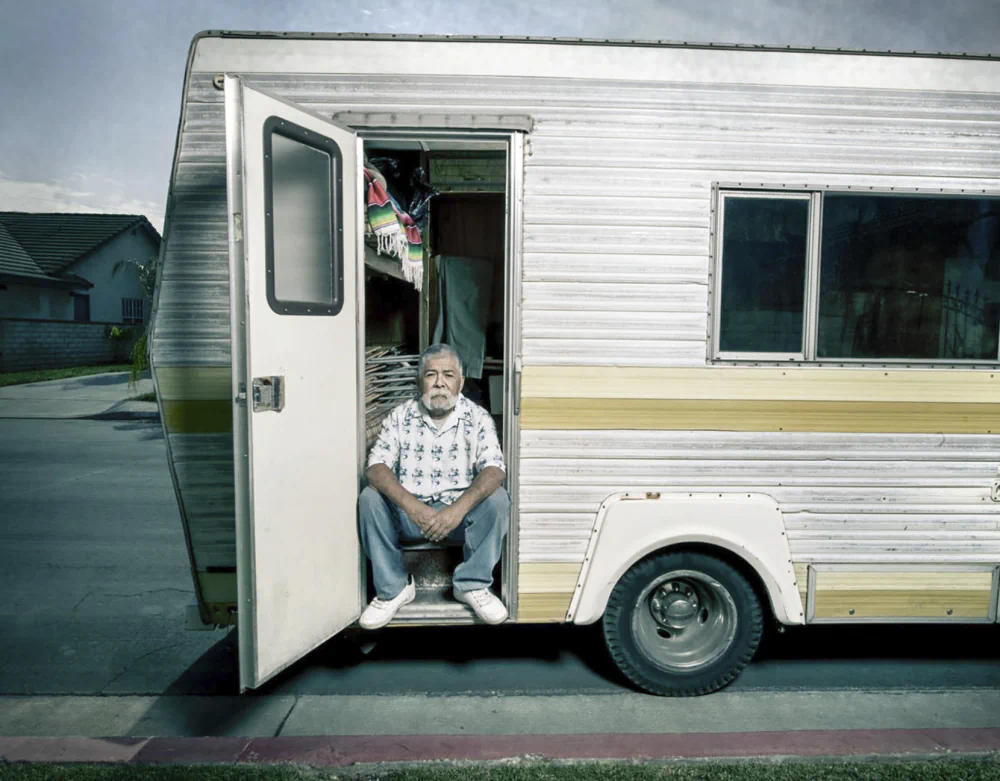
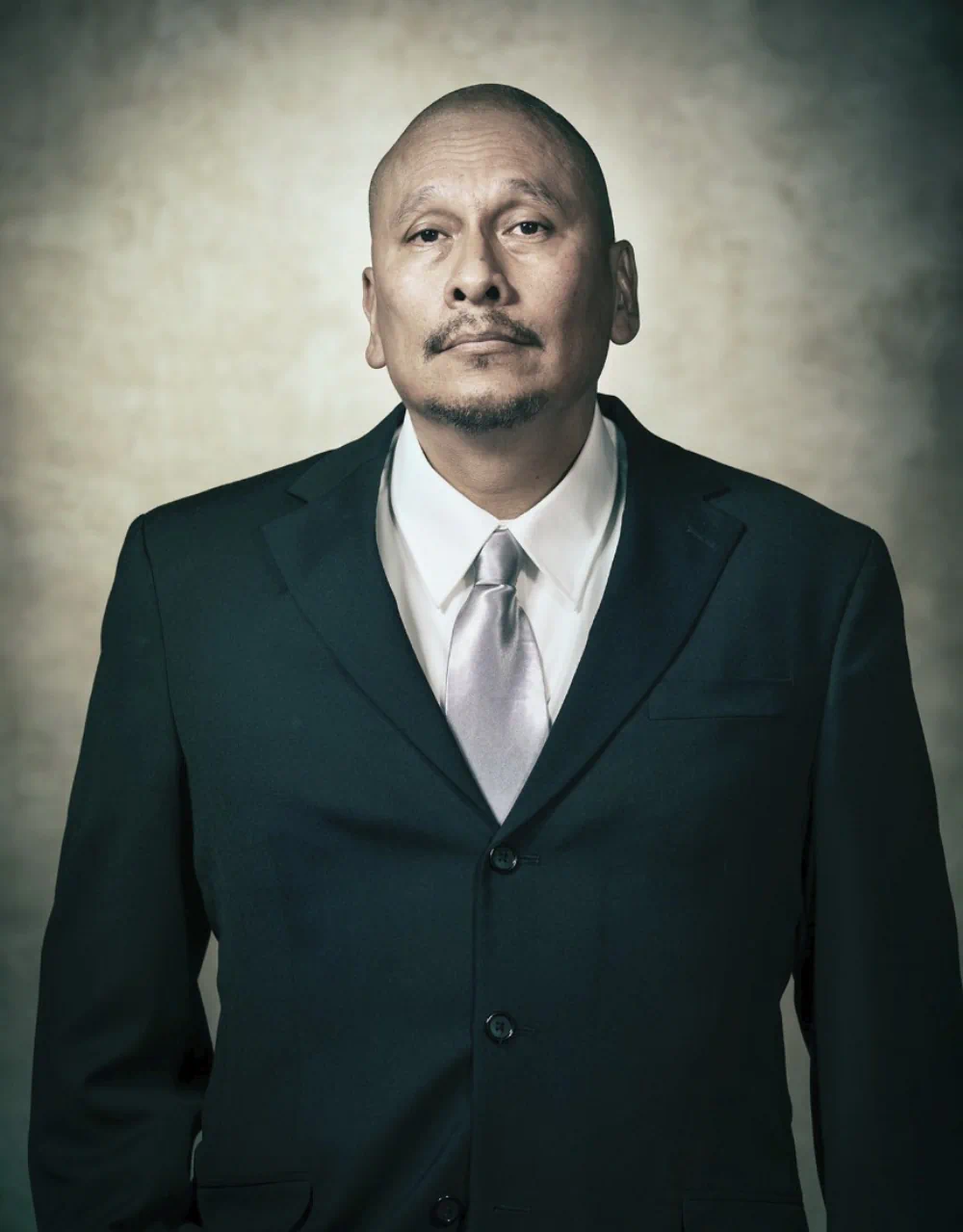
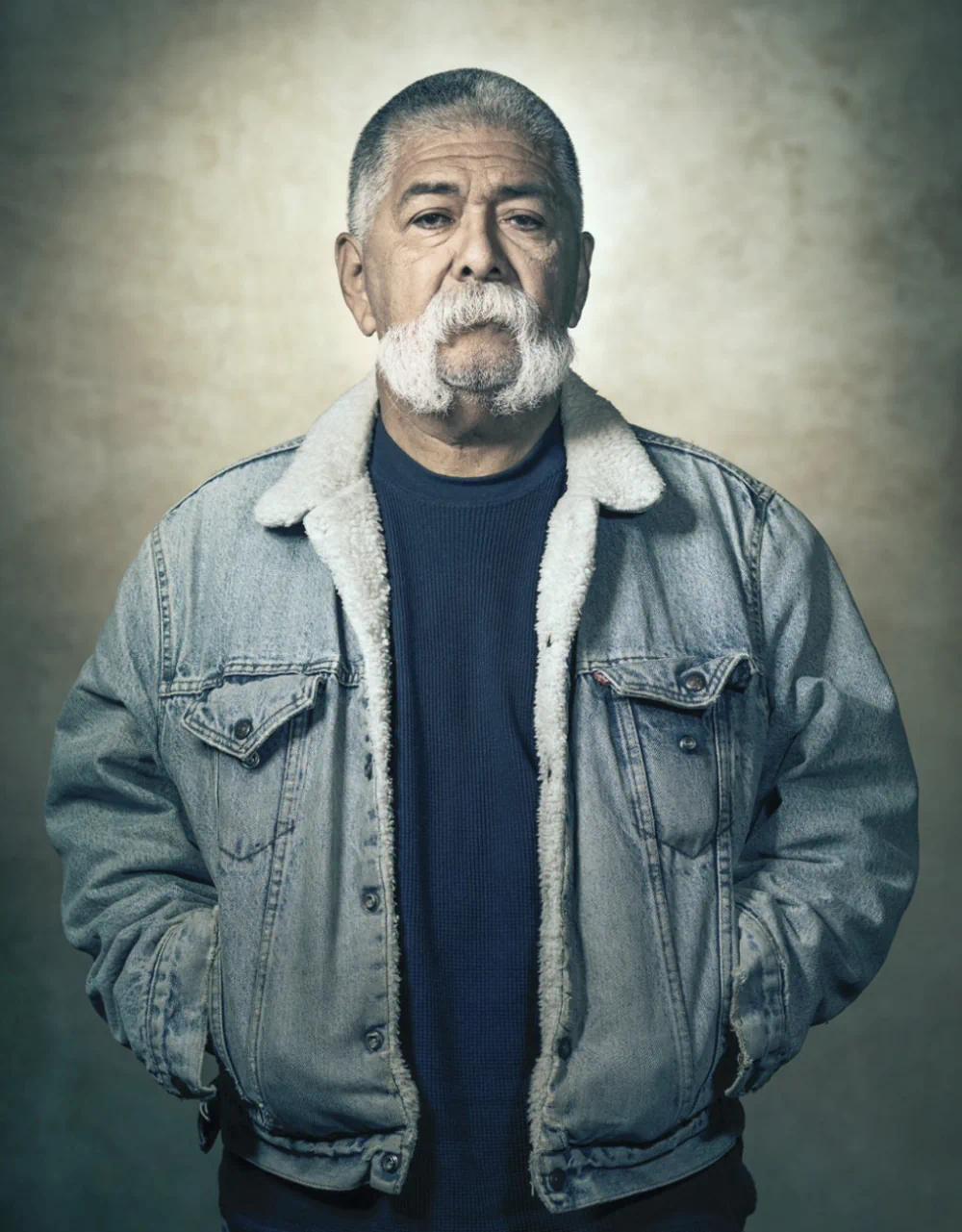
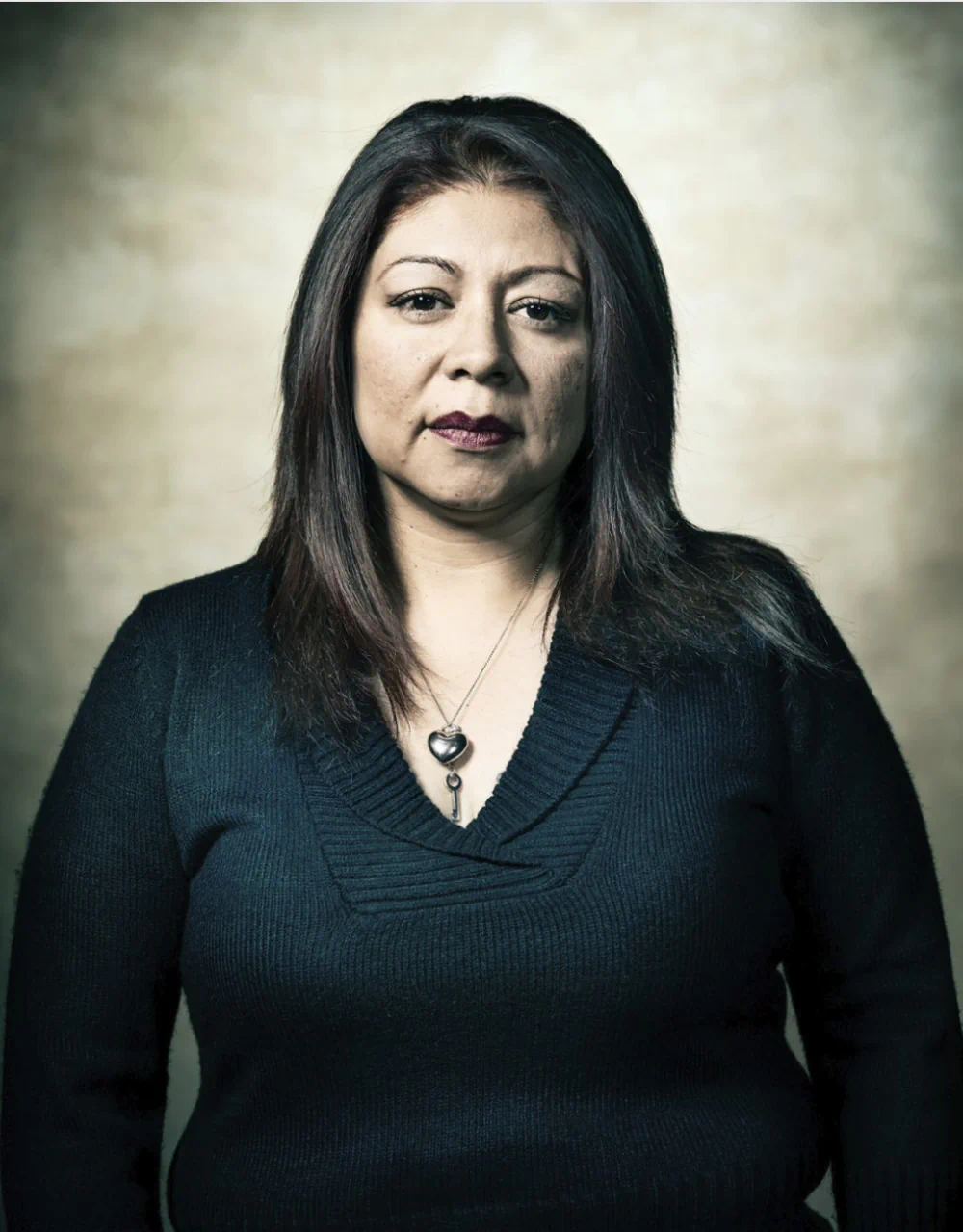
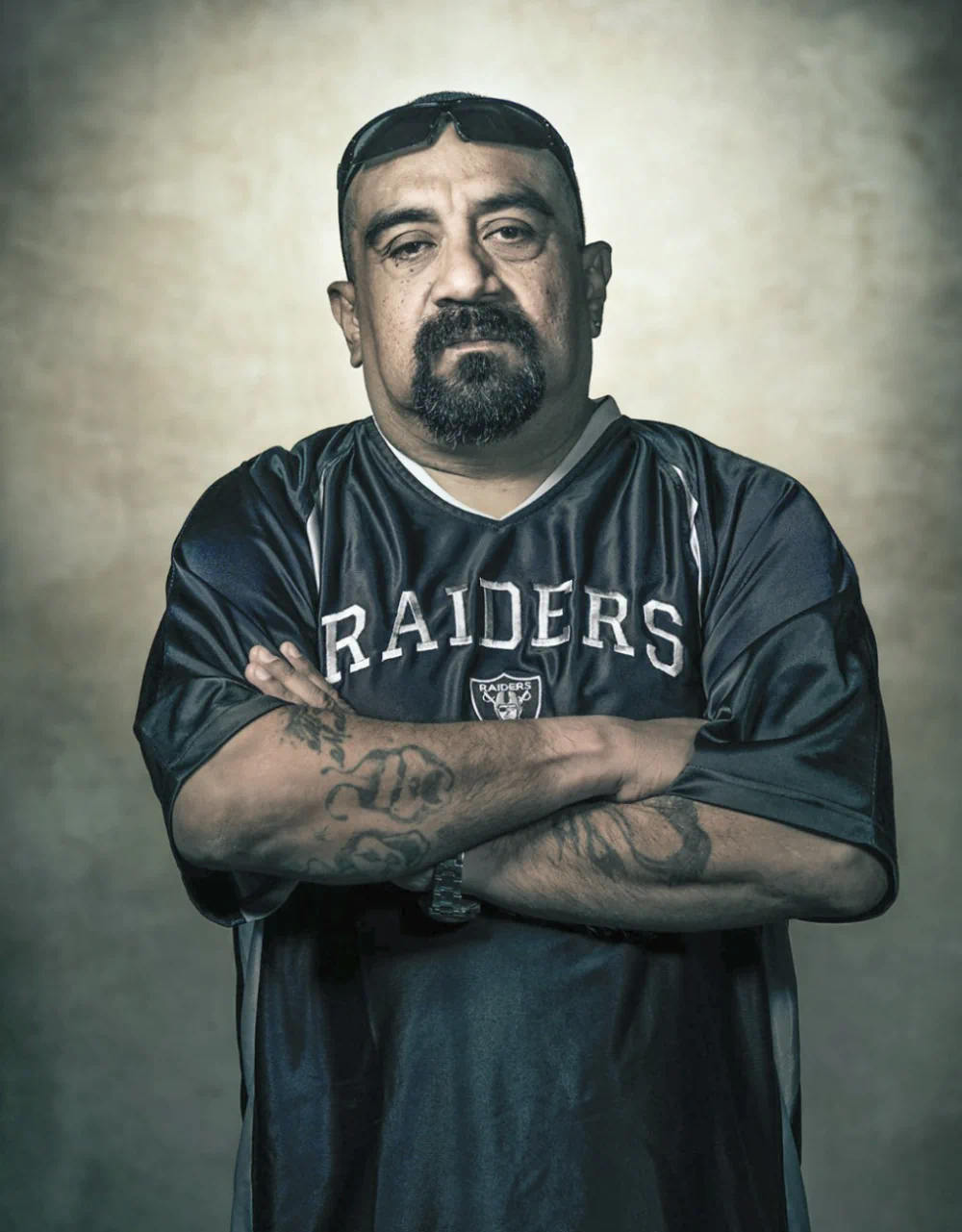
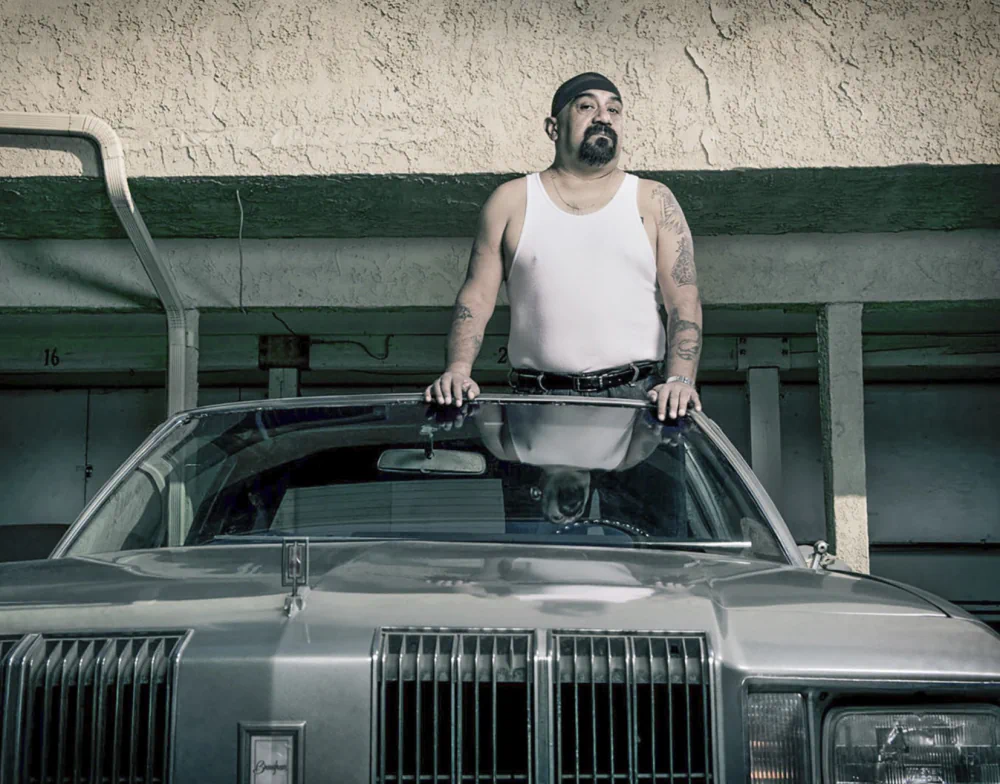
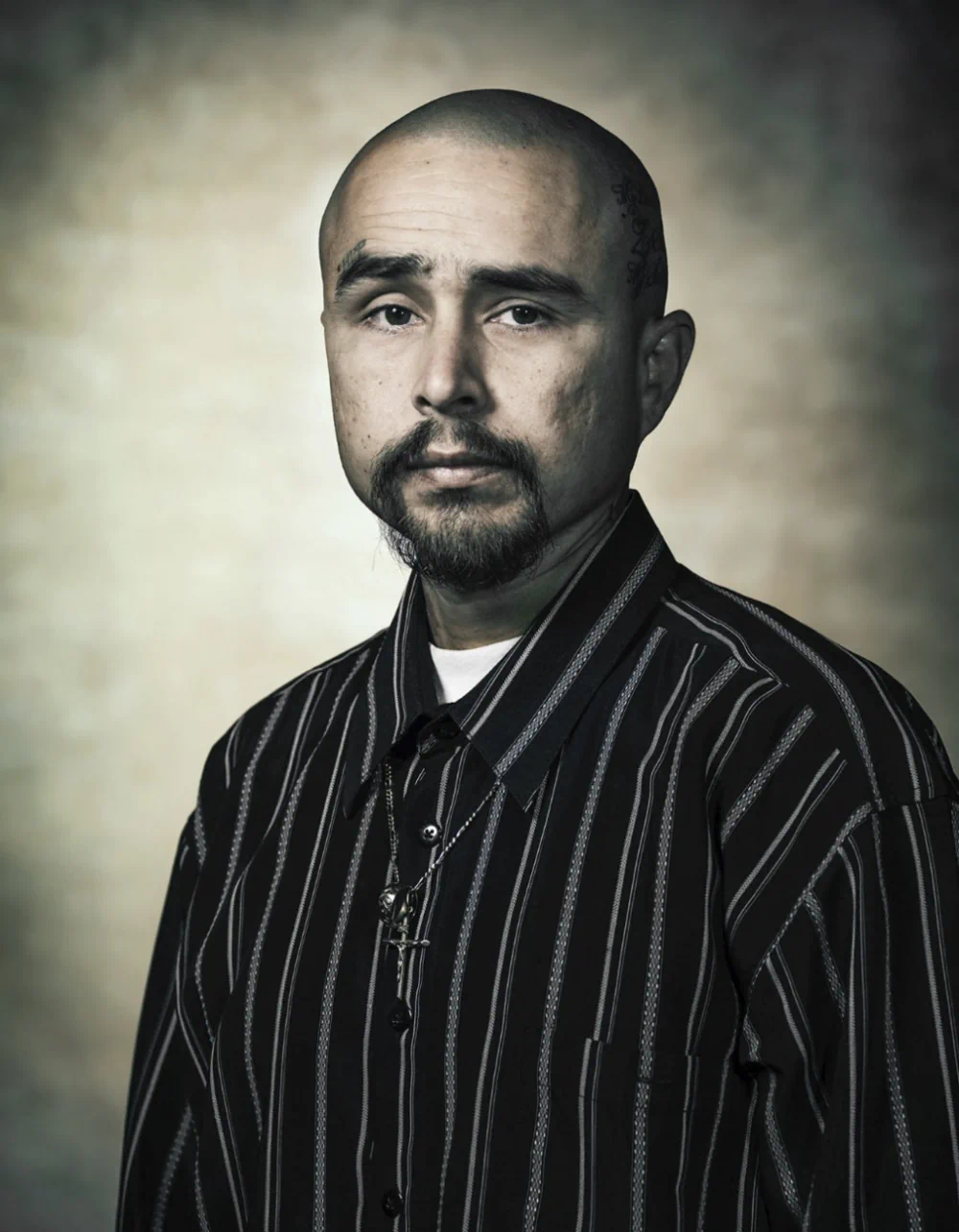
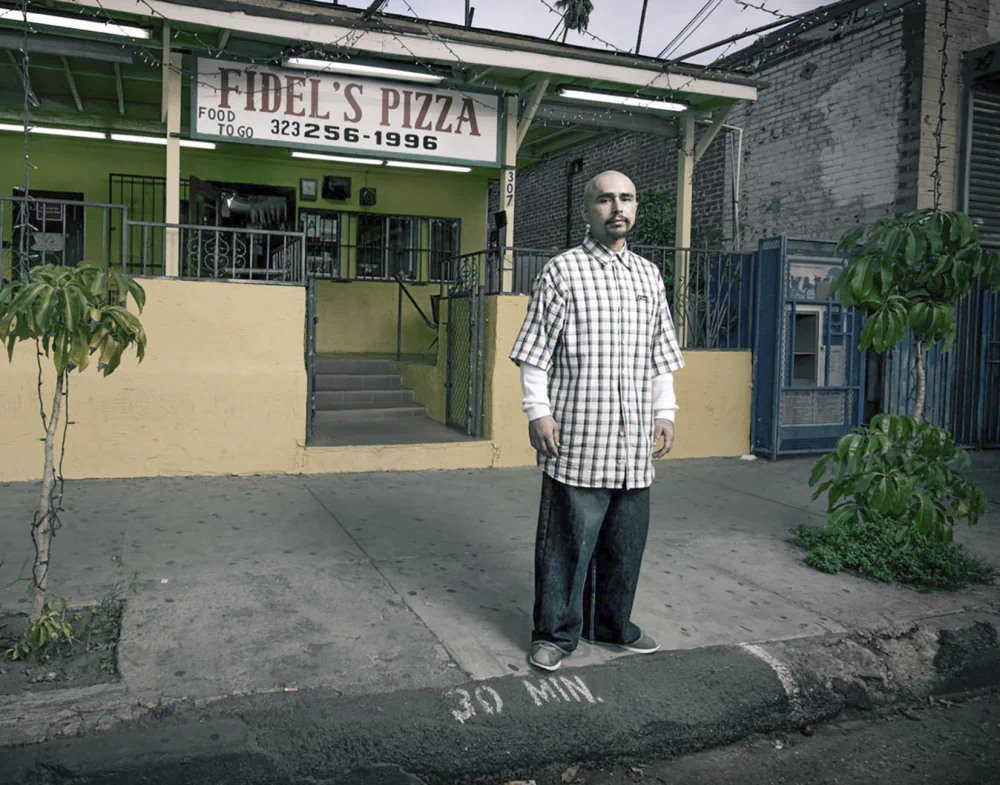
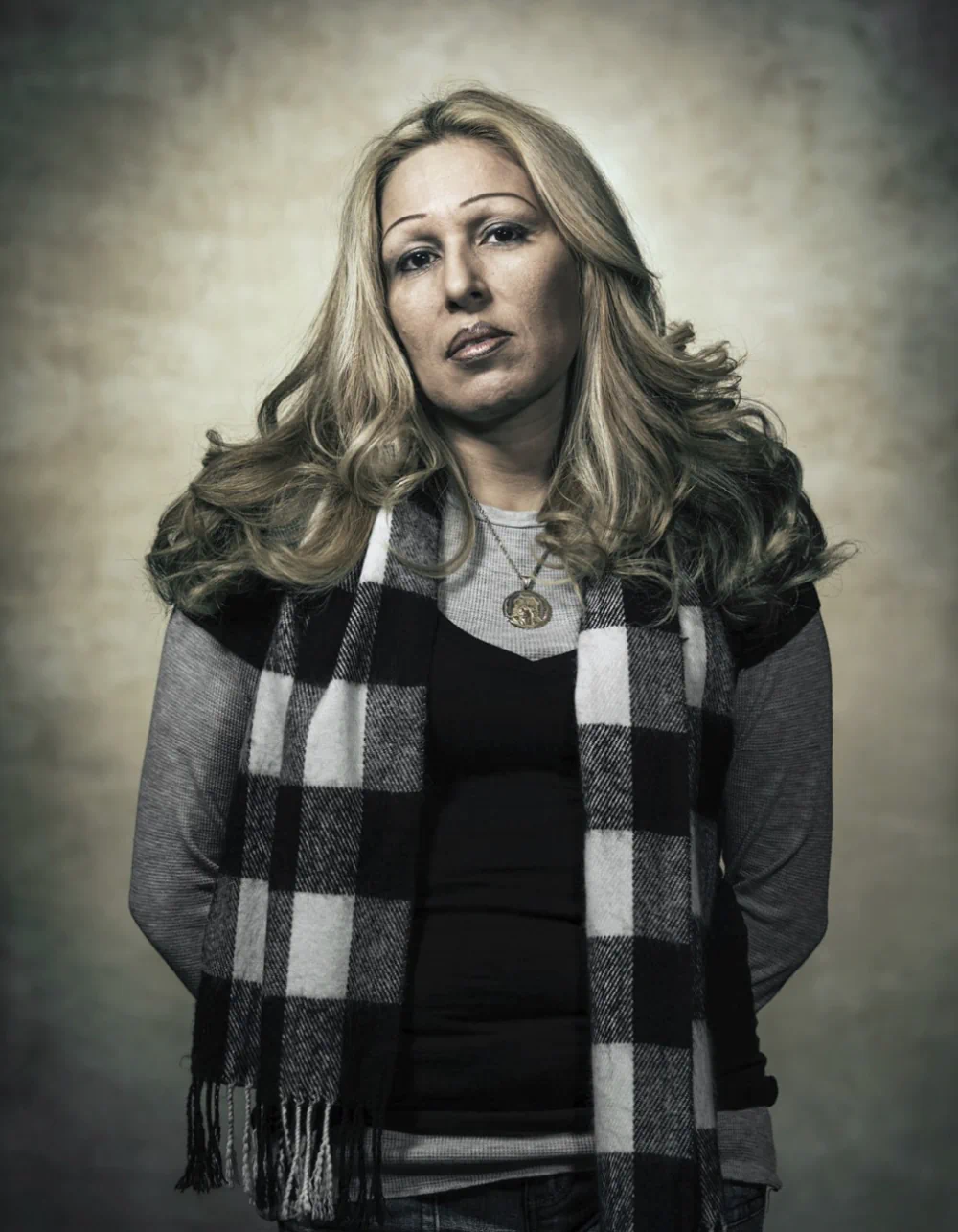
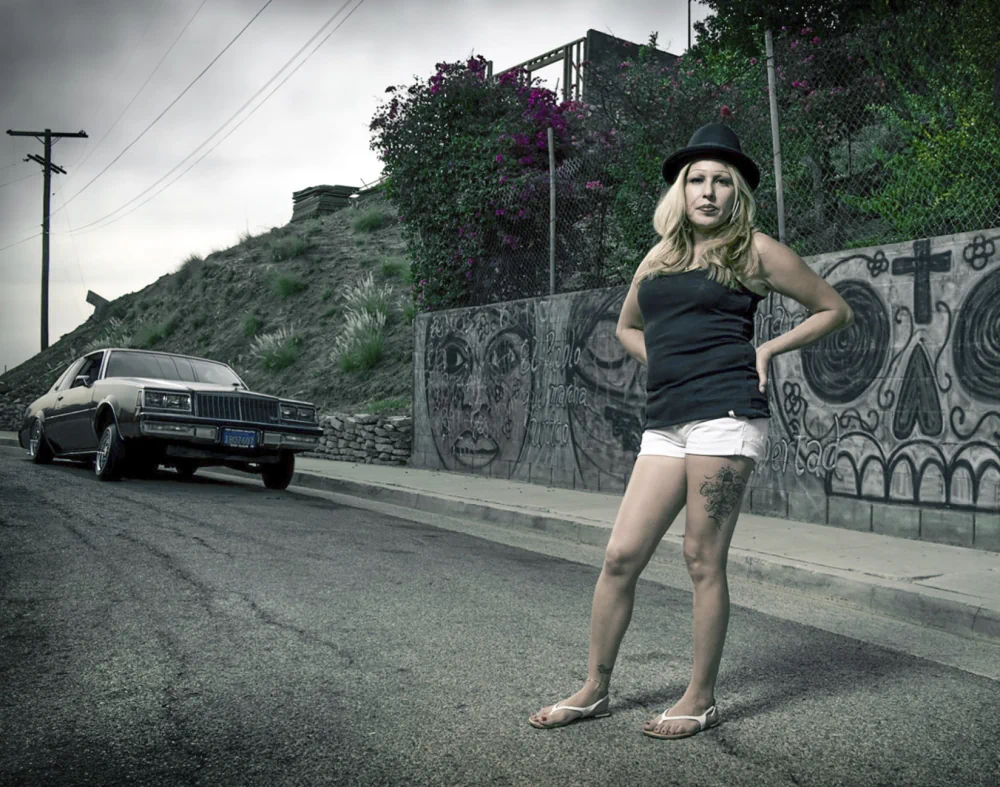
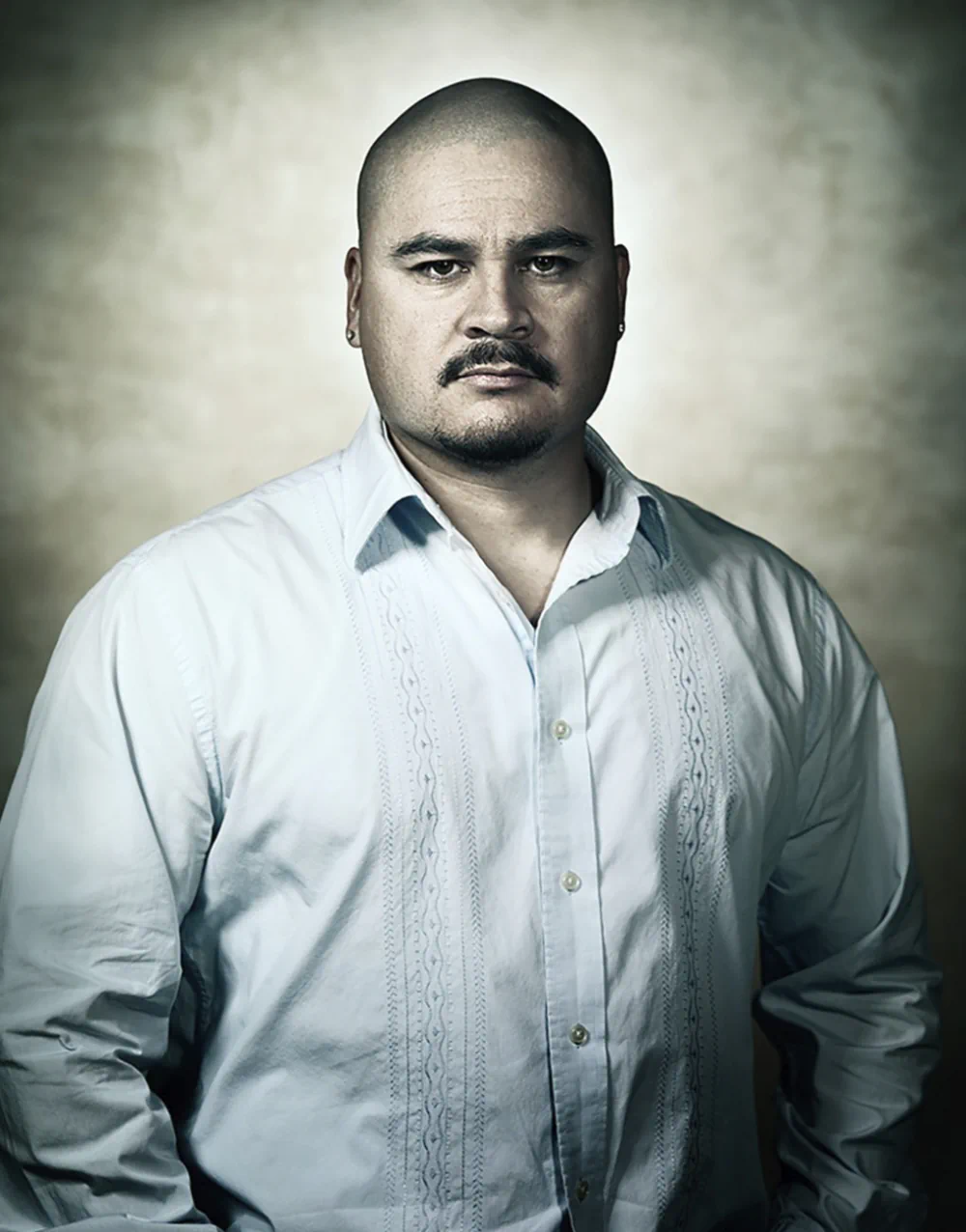
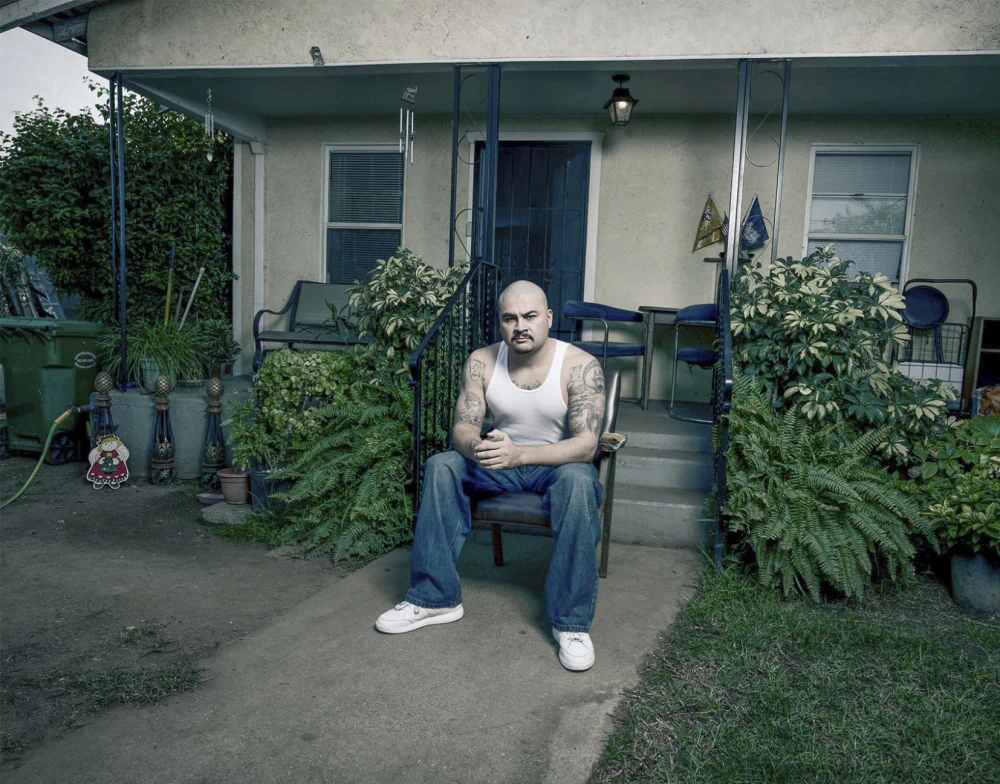
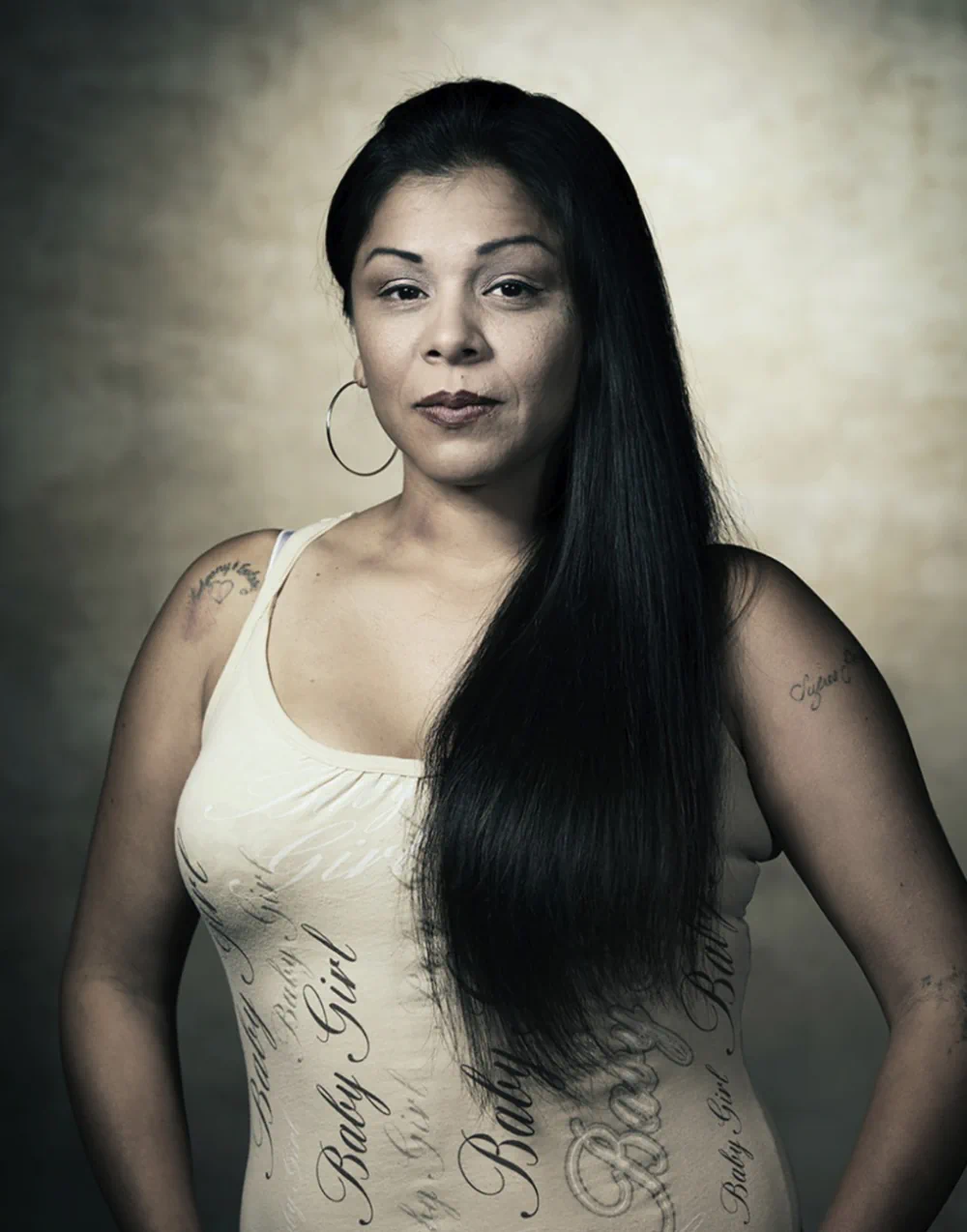
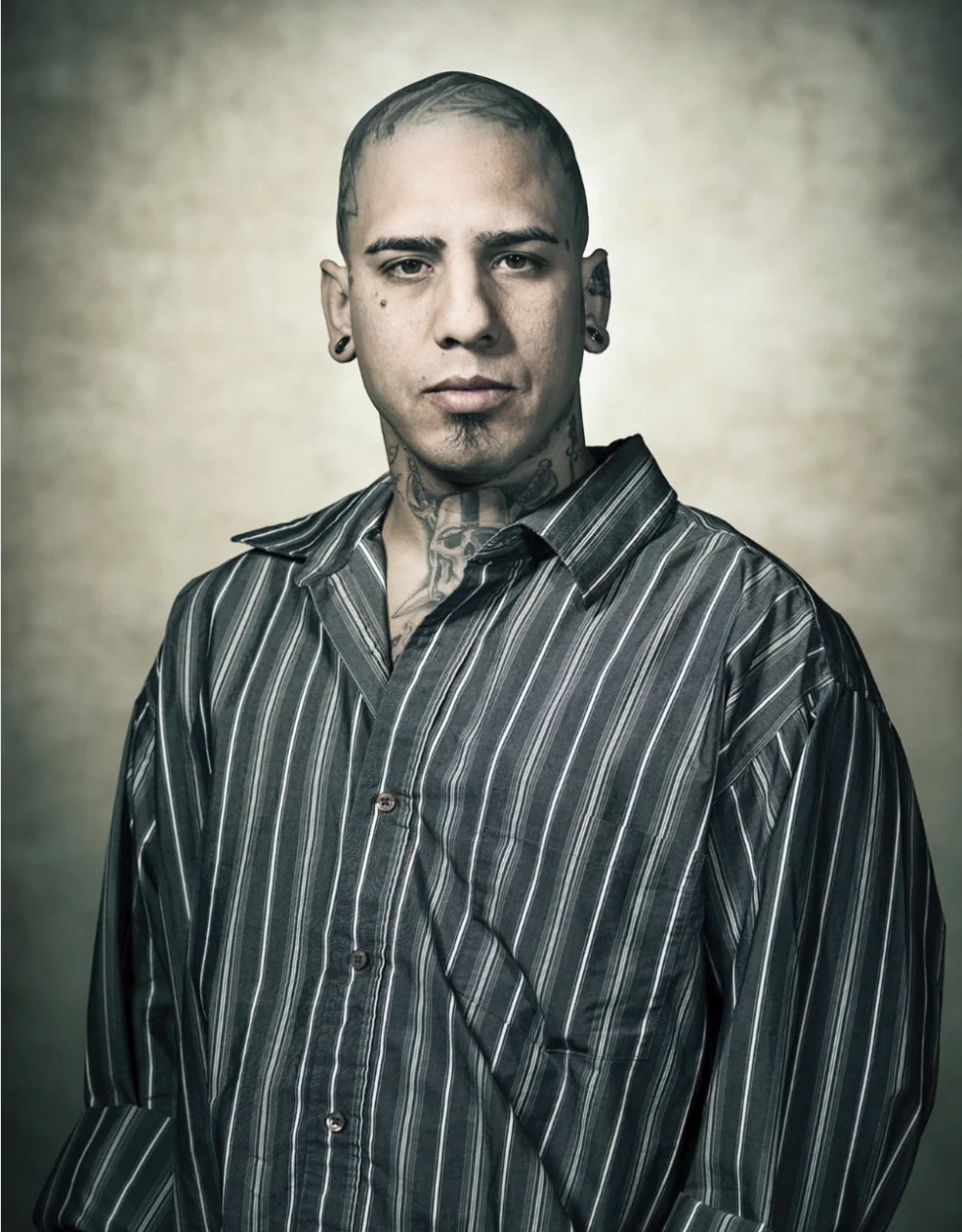
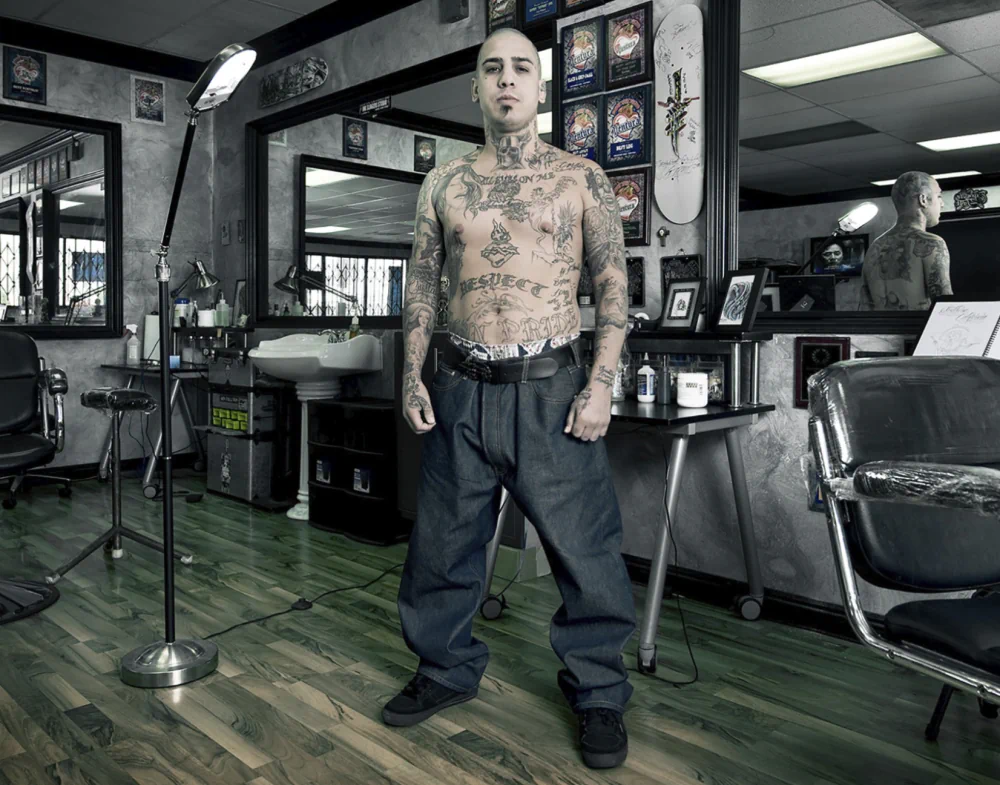
That collaboration ultimately became my photographic series “Los Ojos: Life in the Streets of East Los Angeles.” Through Manny’s introductions and the trust he helped establish, I was able to create portraits that reflected not only the faces of the community, but also the depth, humanity, and spirit behind them.
“Los Ojos: Life on the Streets of East Los Angeles” is a photographic project rooted in the lived experiences of many Hispanic individuals from East LA. Every subject portrayed had been involved with gangs and, at some point, most had been incarcerated.
The visual style and tone of the studio portraits pay homage to Our Lady of Guadalupe, the patron saint of Mexico, whose presence is a powerful cultural and spiritual symbol. Each portrait was taken at a location personally chosen by the subject—places that hold deep meaning in their lives and histories.
One subject, Frank, described it like this: “Growing up in East LA… everybody always says it’s bad… but you don’t know what bad is until you see what good is… so for us, it was just normal.”
For me, what makes these stories especially powerful is that each of these individuals was able to escape the cycle of street violence and go on to lead productive, inspirational lives. What is documented here is not just a reflection of the past, but a testament to transformation, resilience, and the enduring strength of the human spirit.