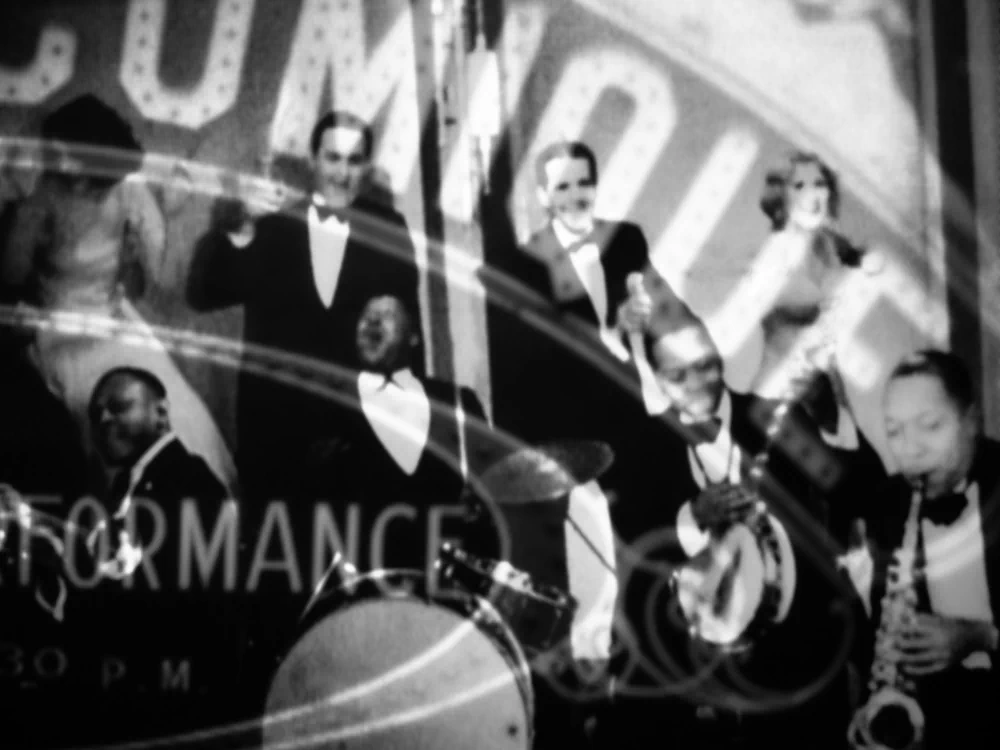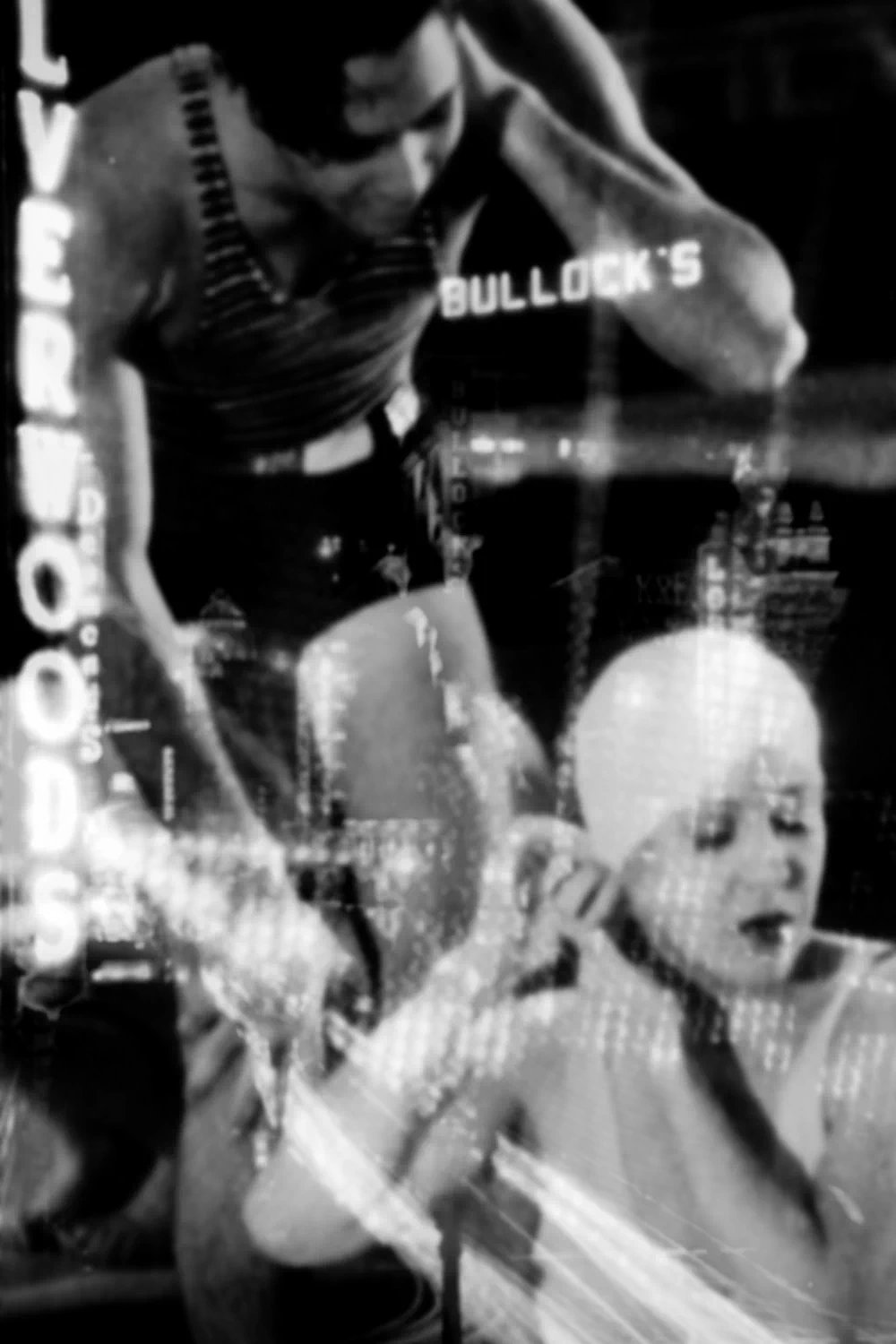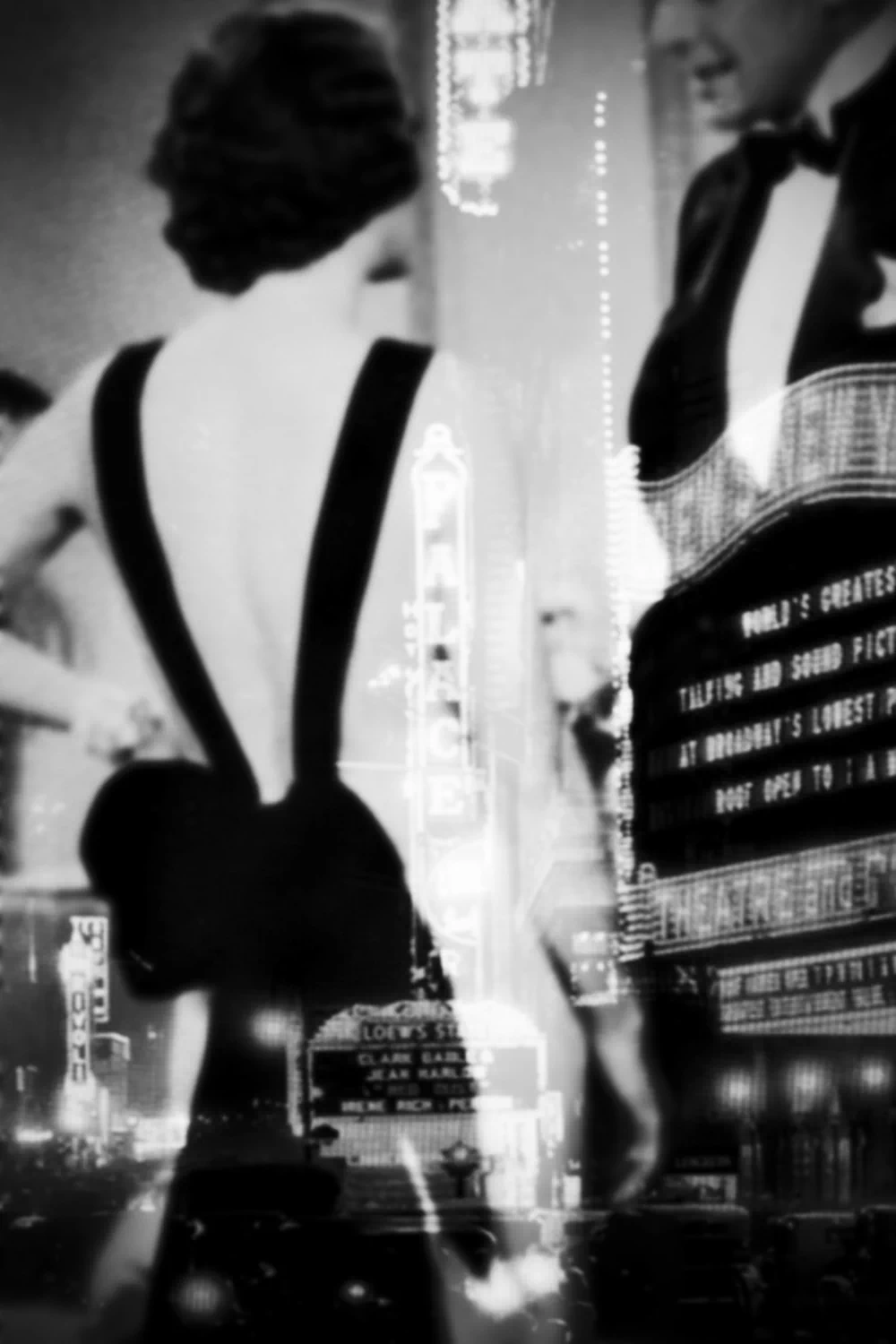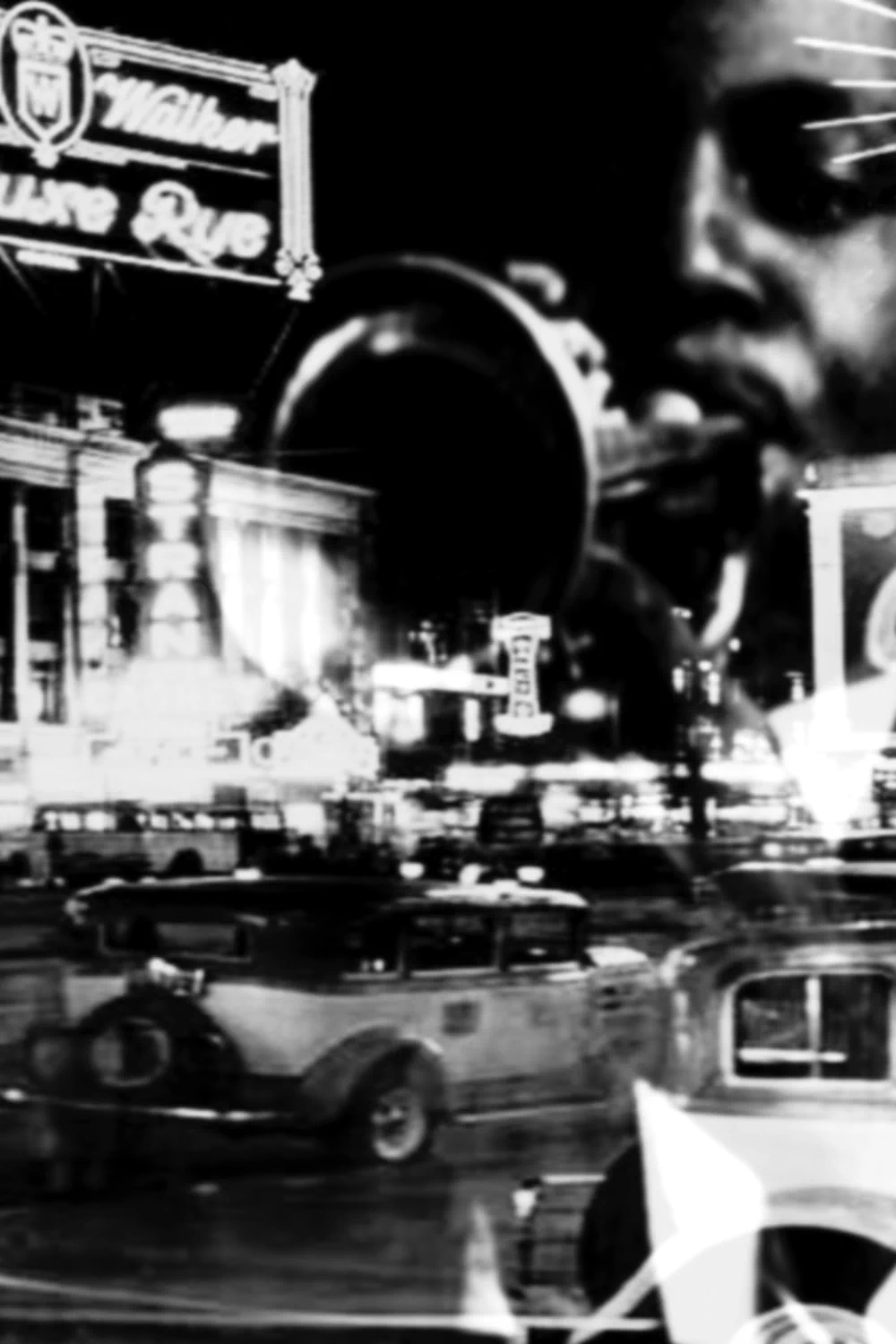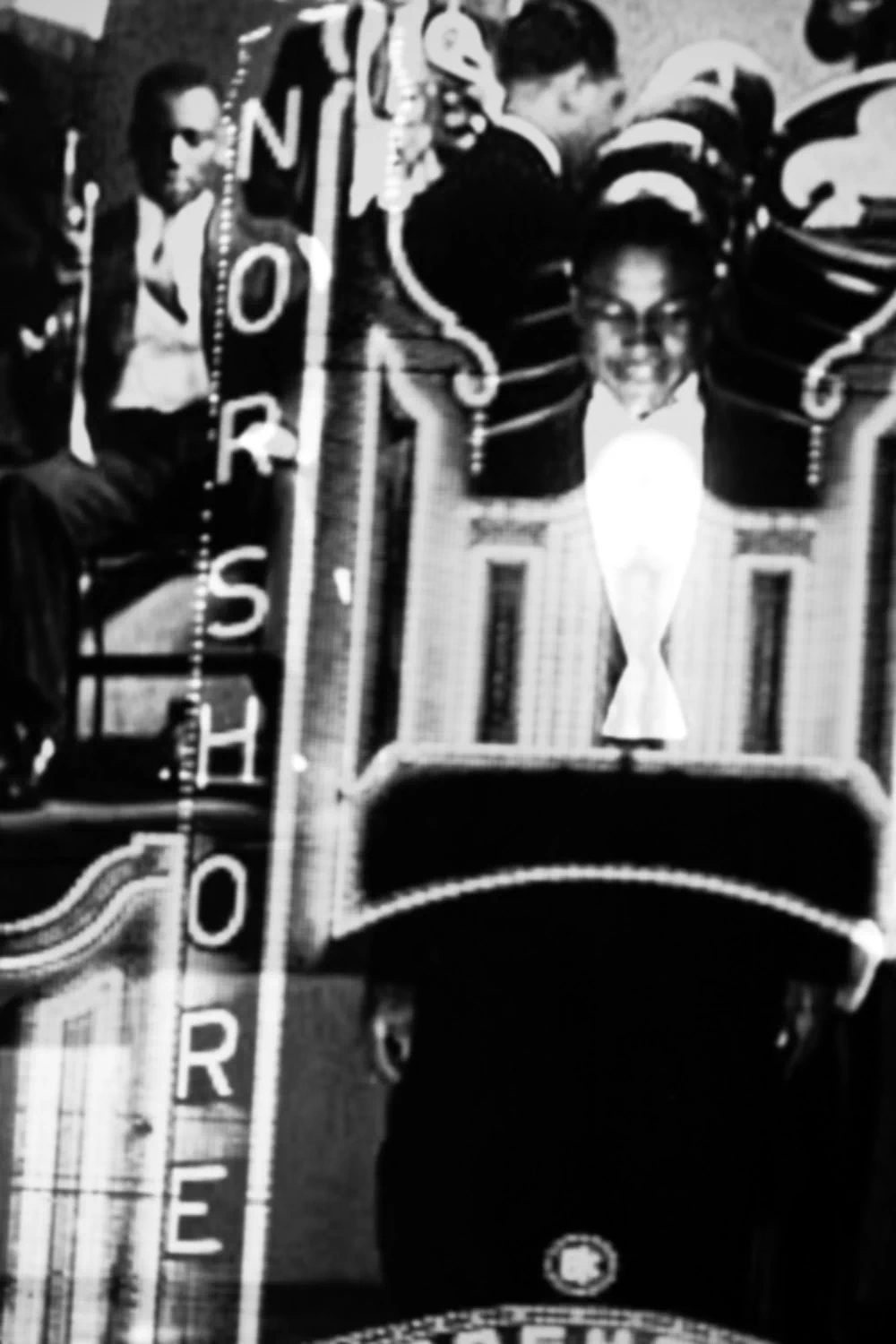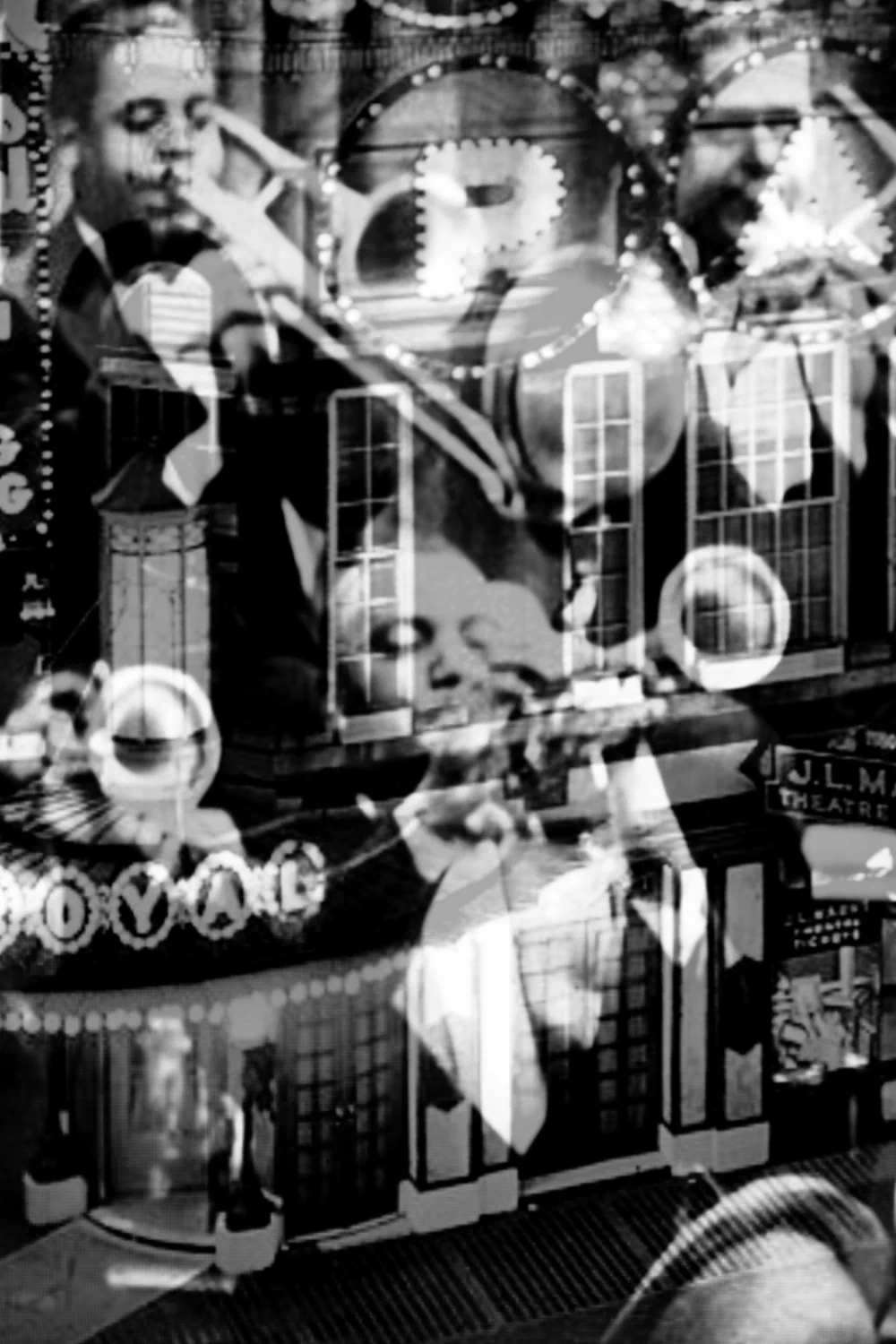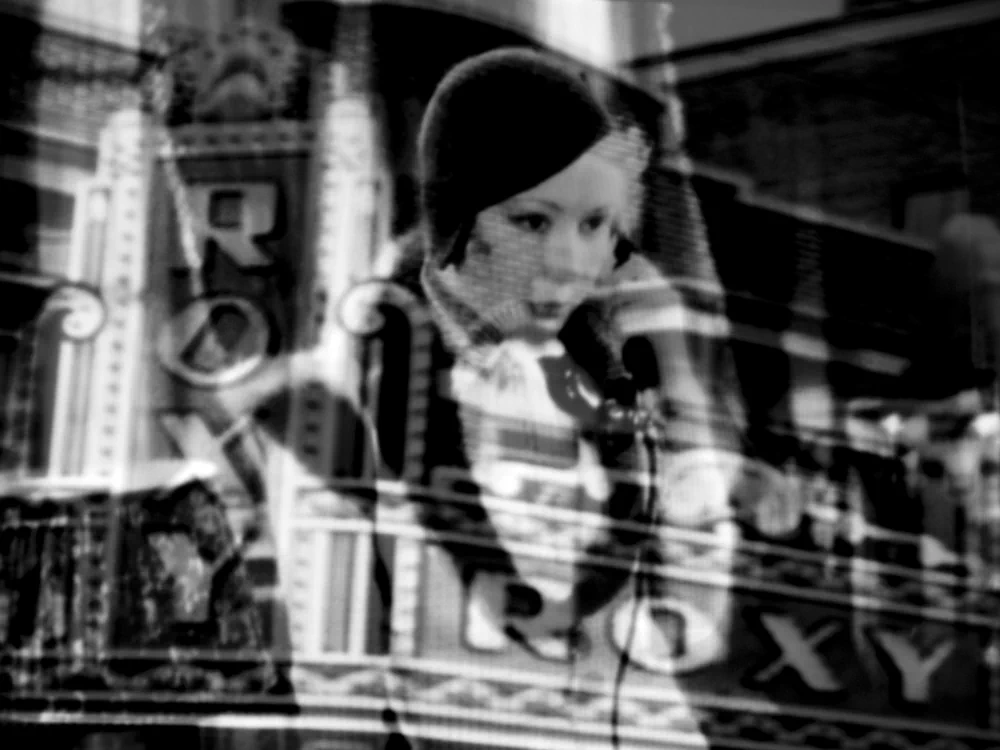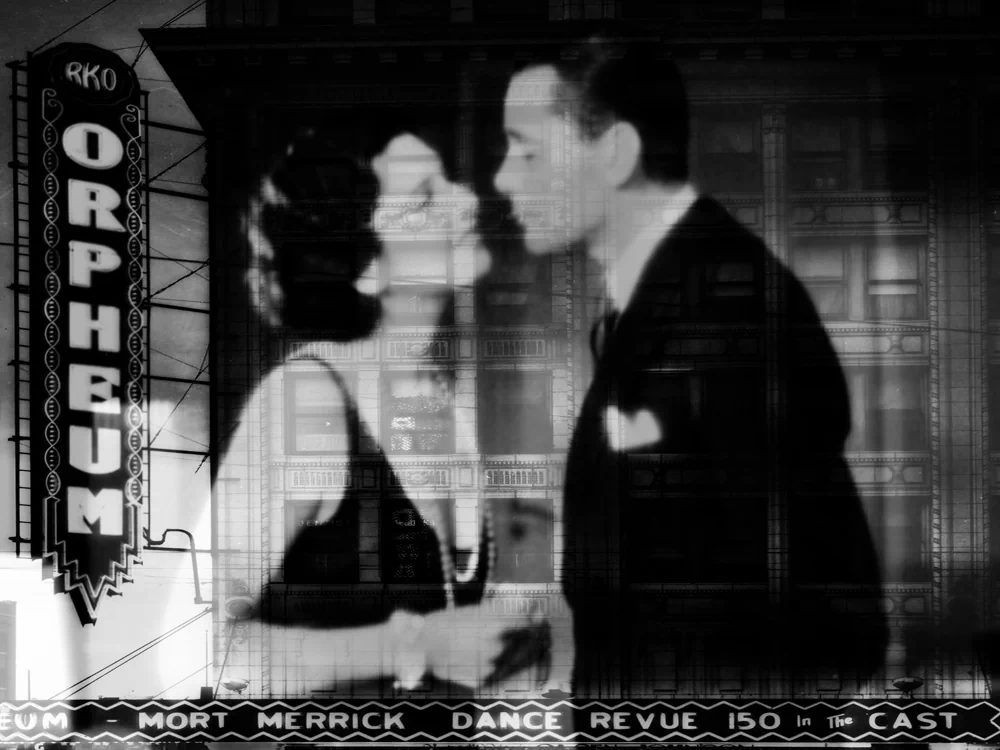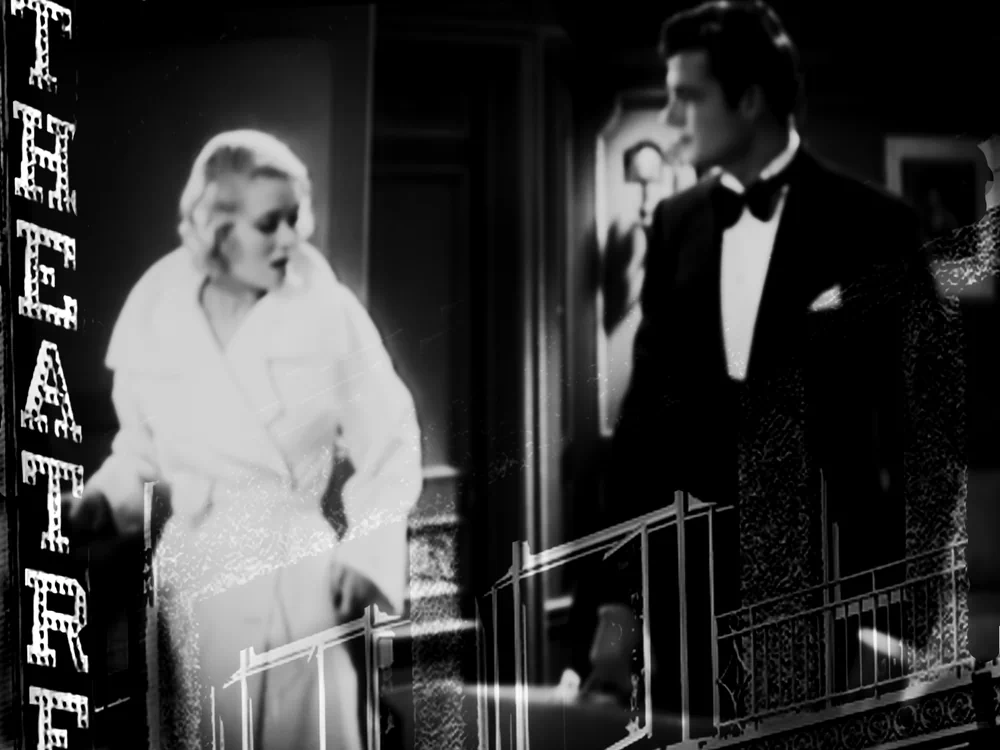


The theater grows quiet as the curtains part, the mechanical clicking turns into a steady hum, and a giant screen crackles to life with light, sound, and movement.
The pure magic of being transported into another exciting reality was the gift of the Golden Age of Hollywood.
Motion pictures produced during this era enchanted the entire world. Millions went to grand movie palaces each week to escape their stressful and mundane lives and watch larger-than-life stars decked out in impeccable tuxedos with top hats, and starlets shimmering with jewels in gorgeous evening gowns who danced the night away and fell in love. The 1930s are referred to as the Golden Age because of the quality and quantity of the films made during this period. Twenty-two films from this era are on the American Film Institute’s list of the 100 greatest movies of the twentieth century. Films produced prior to 1934, or pre-Code films, were especially indulgent because of their suggestions of sex, sin, and sordidness, and sometimes the musical surprises with extravagantly choreographed dance numbers. The principal legacy for Tinseltown from this era was the enduring allure of these films, where, if only for a few hours, audiences could escape their realities.
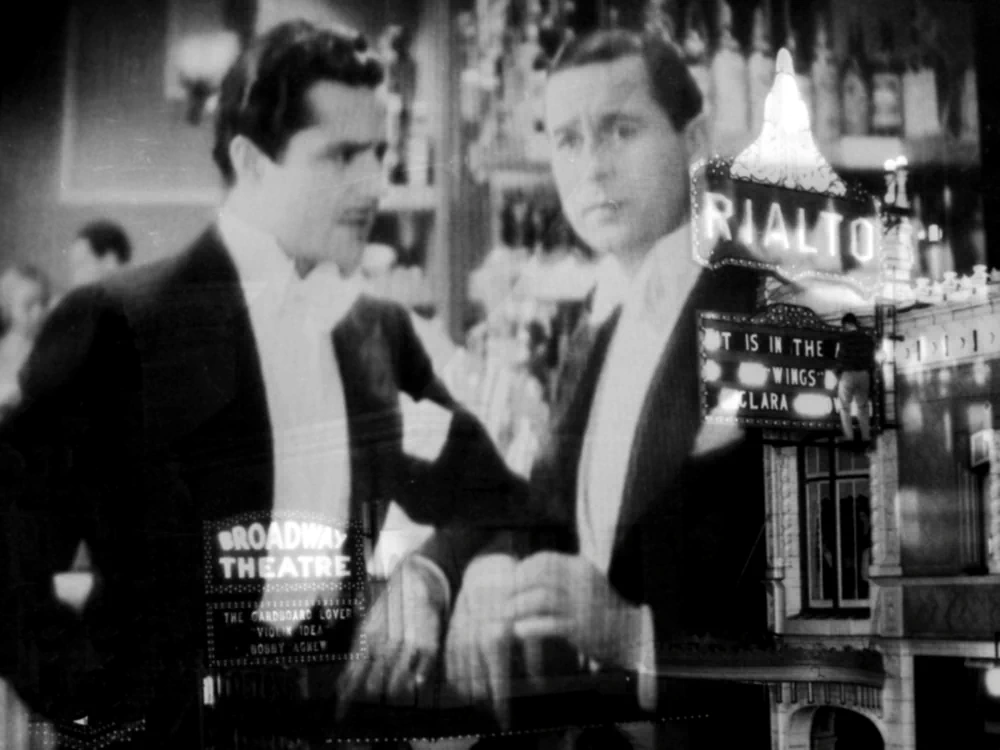
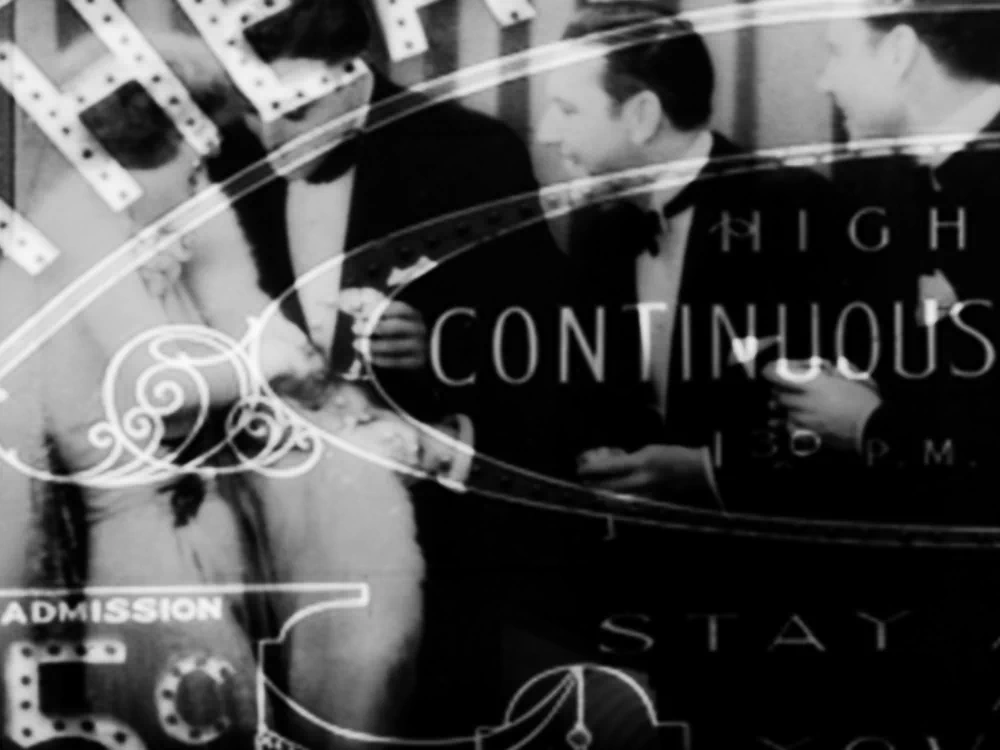
Enhancing the glamour and grandeur of films during the Golden Age, movie palaces were constructed all over the country. These magnificent buildings were a major factor in making the experience of going to the movies magical. Their lavish marquees, blazing with a thousand lights, beckoned people to step inside and forget their troubles for a mere 35¢ per ticket. By the 1930s, an estimated 80 million people a week were watching some of the best movies ever made in the most architecturally amazing buildings of the day. Attending a film at one of these movie palaces, where some could seat over 3,000 people, was a true event. These theaters set new standards for luxury and extravagance, featuring intricate architectural details, plush carpets, and, most importantly, air conditioning. They were also significant sociologically, as they became an equalizer in society, with patrons spanning from the wealthiest to the working class. The creation of movie palaces was equally vital to the popularity of the Golden Age as the movies themselves, creating a grand physical environment from which people could escape everyday life and be transported to a more glamorous reality.
With the stock market crash of 1929, the decade of the Roaring Twenties came to an abrupt end. By 1933, unemployment had reached an all-time high, with an estimated 25% of people out of work. Political strife was extremely high, and life had dramatically changed for a vast majority of the population. With the economic devastation facing many, coupled with an uncertain future, there was a growing need for escape.
With a quarter of the workforce unemployed, leisure time was plentiful, and films provided the perfect solution. Over 90% of the population went to the movies each week during the 1930s. The timeless beauty of the films created during the Golden Age became the antidote to these troubling times. These films transported audiences to worlds filled with glamour, fashion, and elegance. Movies grew and thrived during the Great Depression largely because of everyone’s natural desire to escape the uncertainty, stress, and hardship of their lives. It has been recorded that the need for escapism had never been greater in U.S. history… until possibly now.
About Victoria Björklund
Victoria Björklund is a photographic artist and educator whose work is composed like stills from an unwritten film. Drawing from the transformative spirit of the 1920s, she connects the past to the present, sparking curiosity and dialogue about how history continues to shape modern life. Each work becomes a subtle intersection between historical photographs, archival cinema, typography, and design, offering a reflection on what remains timeless.
Victoria earned her MFA from the Vermont College of Fine Arts. Her work has been exhibited at the Tacoma Art Museum and the Hickory Museum of Art, and she is a recipient of the Tacoma Artists Initiative Grant. [Official Website]