


Between 2012 and 2014, Franky Tsang travelled to Bangkok several times each year to document the work of a small non profit organisation known as The Hub.
Located in one of the city’s densely populated neighbourhoods beside Bangkok’s central train station, the organisation began as a community initiative to support local children growing up in difficult circumstances.
Many of these children lived in homes where alcohol abuse, domestic violence, and unstable family environments were common. After school they often had nowhere safe to go. The Hub was created as a place where they could spend time, receive guidance, and find support outside their homes.
Over time, the staff at The Hub began to notice another group of children spending long hours around the nearby train station. These young people were often between eight and fifteen years old and were not from Bangkok at all. They had travelled alone from rural provinces across Thailand.
For many of them, Bangkok existed only through what they had seen in movies and on television. The city represented excitement, opportunity, and escape. Some would gather whatever small amount of cash they could find and simply jump onto a train heading for the capital.

The journey was often made without tickets or plans. They arrived with little understanding of the city and no real support system waiting for them.
The illusion of the city rarely lasted long.
Within a short time the small amount of money they carried would disappear. Food, small purchases, and the basic cost of surviving in the city quickly exhausted whatever they had brought with them. Soon they found themselves with nowhere to stay.
Days were spent wandering around the train station and the surrounding streets. At night many of them slept inside the station, on benches, or in hidden corners around the platforms.
In this vulnerable situation they quickly became visible to people who were looking for exactly that.
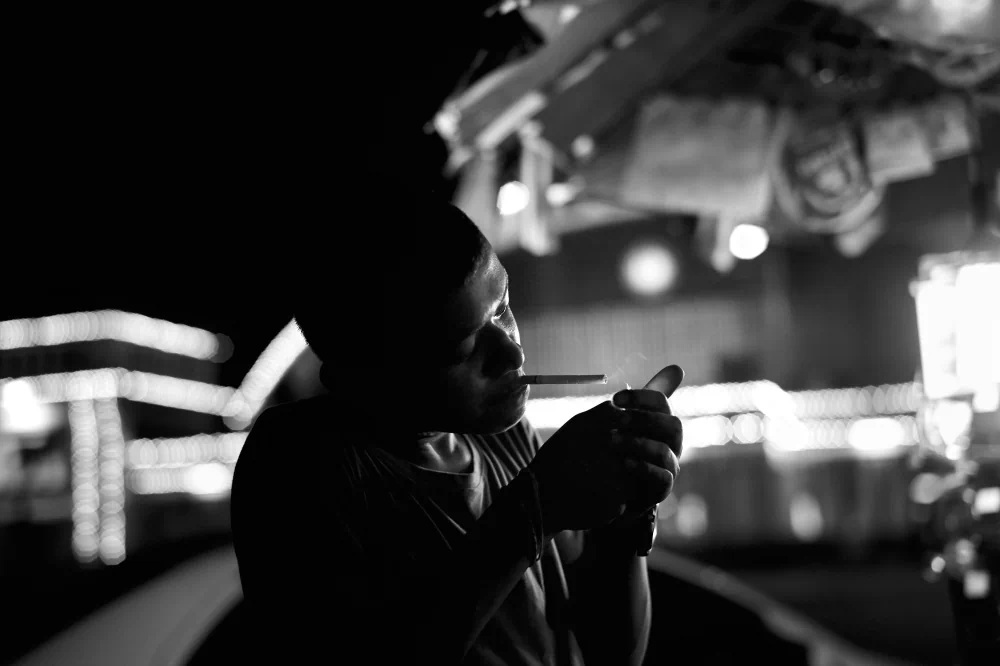
Street gangs often approached these children first with simple offerings such as food, cigarettes, and sometimes drugs. To a child who had not eaten or slept properly, these gestures could feel like help. But they were rarely acts of kindness. Many of these encounters gradually pulled the children into cycles of exploitation, violence, and abuse. Some were eventually drawn into drug use, forced labour, or sexual exploitation.

train station.
The staff and volunteers at The Hub began to spend time around the station, slowly approaching these children and starting conversations. Building trust with them was not immediate. Many had already experienced betrayal from adults and were cautious about anyone offering help.
Due to local regulations, The Hub was not allowed to provide overnight shelter. However, it was able to offer something equally important during the daytime.
The children could come in, rest, wash, change into clean clothes, eat proper meals, and spend time in a space where they felt safe. Some simply slept for hours, exhausted from nights spent outside.
More importantly, the people at The Hub did not judge them. They listened, spoke with them, and treated them with dignity.
Sometimes the best outcome was helping a child return home. In several cases The Hub was able to reconnect children with their families and assist them in travelling back to their hometowns. However, the reality was often complicated. Many of the problems that had driven them to leave in the first place, including poverty, family conflict, or abuse, were still present. Some eventually returned to Bangkok again.
Photographing this environment required patience and sensitivity. Trust could not be rushed. Communication was also challenging, as Tsang and the children did not share a common language. Much of the interaction occurred through gestures, shared time, and observation rather than words.

offering support.
Because of this, the project developed slowly. Tsang returned to Bangkok repeatedly over three years, spending weeks at a time within the community. Gradually the children and young people became comfortable with his presence. The camera became less of an intrusion and more a quiet witness to daily life.
The photographs in this series do not attempt to sensationalise hardship. Instead, they document moments of vulnerability, resilience, and humanity. The images move between the harsh environment of the train station and the fragile sense of refuge found inside The Hub.
What emerges is not a simple story of rescue or tragedy, but something more complex: a portrait of young people navigating difficult circumstances while searching for safety, belonging, and the possibility of a different future.
The Hub itself may be a small place beside one of Bangkok’s busiest transport hubs, but for many children it became a rare space of care within an otherwise uncertain world.
For Tsang as a photographer, the project reinforced the importance of time, patience, and presence. Meaningful documentary work often unfolds slowly, built on trust and the willingness of people to allow their stories to be seen.
About Franky Tsang
Franky Tsang is a Sydney based photographic artist whose work explores social environments, communities, and the relationship between people and place. His practice combines documentary observation with long term engagement, often focusing on vulnerable or overlooked communities.
His work has been exhibited internationally, including in a solo exhibition at the Australian Centre for Photography, and is held in the collection of the State Library of New South Wales. Tsang has also represented Team Australia at the World Photographic Cup (2025–2026). [Official Website]


night.


stability.

day.

work for very little pay.


have his baby.
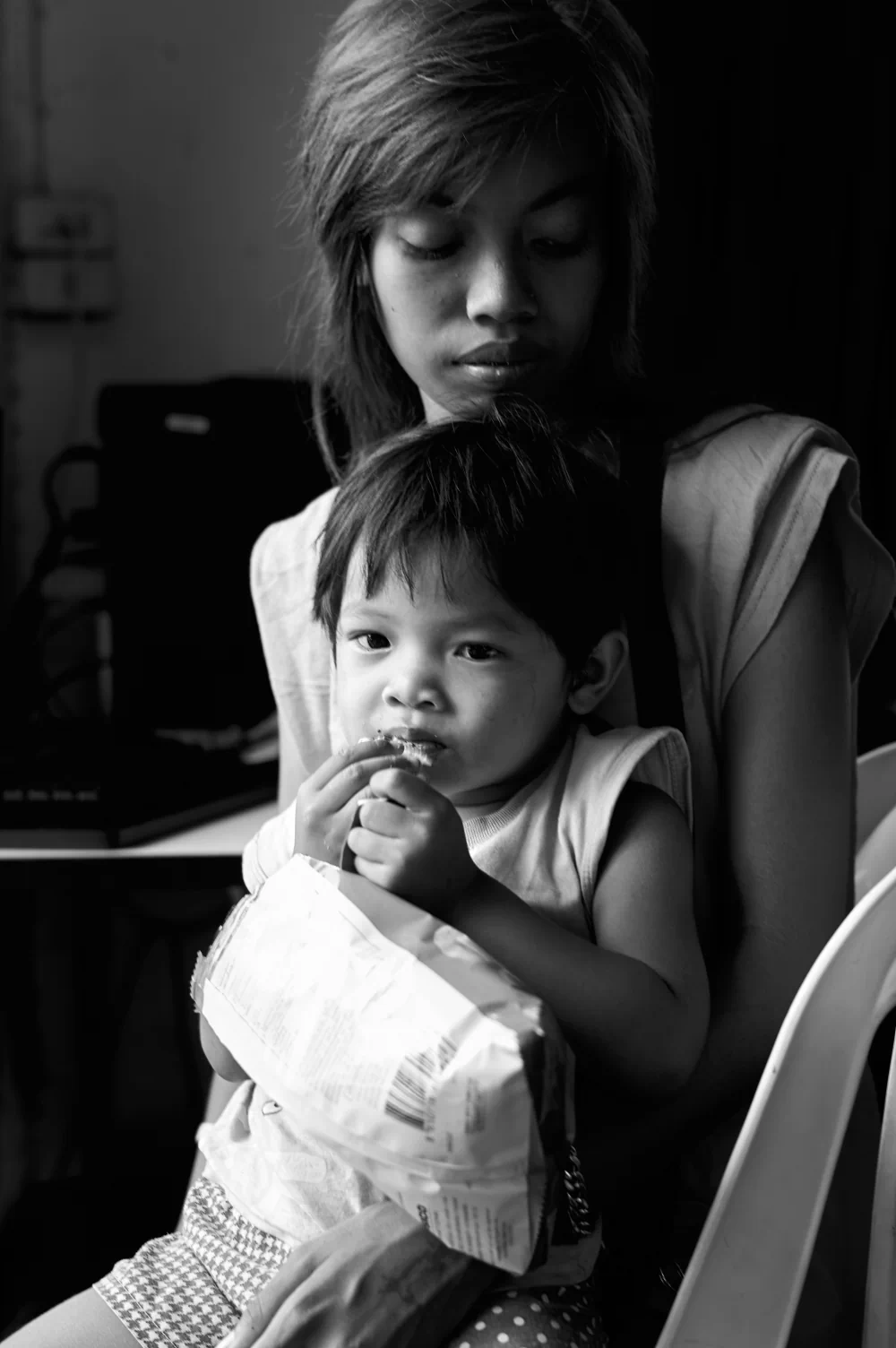
long since disappeared.
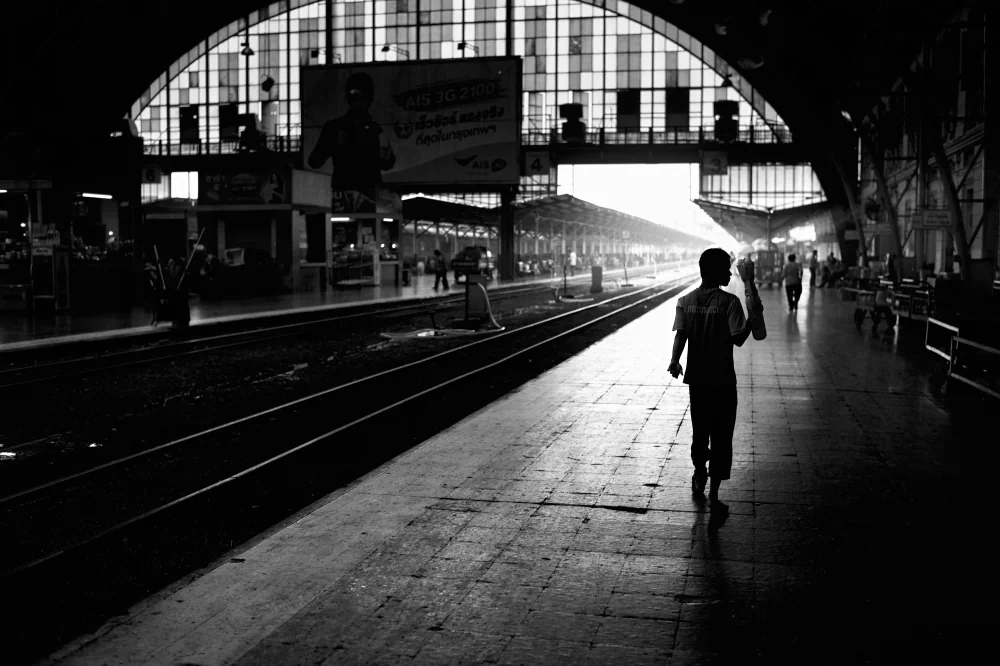
the edges of the city.