Her geography studies sparked her photographic interest in the natural canyon and desert landscapes of the southwestern United States, as well as in the open cast lignite mining landscapes of Germany.
From the late 1980s to the early 1990s, she used a large format camera to create a detailed, comprehensive, and typologically structured portrait series of monumental mining equipment in German open cast lignite mines.
A photograph of a giant bucket wheel, with workers used as a scale of comparison, alongside a microturbine that is as small as a speck of dust and an insect used for scale, marked the beginning of her ten year journey into the microcosm. In this body of work she used a scanning electron microscope to photographically explore and portray tiny natural life forms such as insects, plant seeds, plankton, crystals, and amphibian larvae.
In her following long term series she focused on artistically crafted European and Japanese armor as protective shells for people of bygone eras, which she photographed in detail with a large format camera in museums around the world.
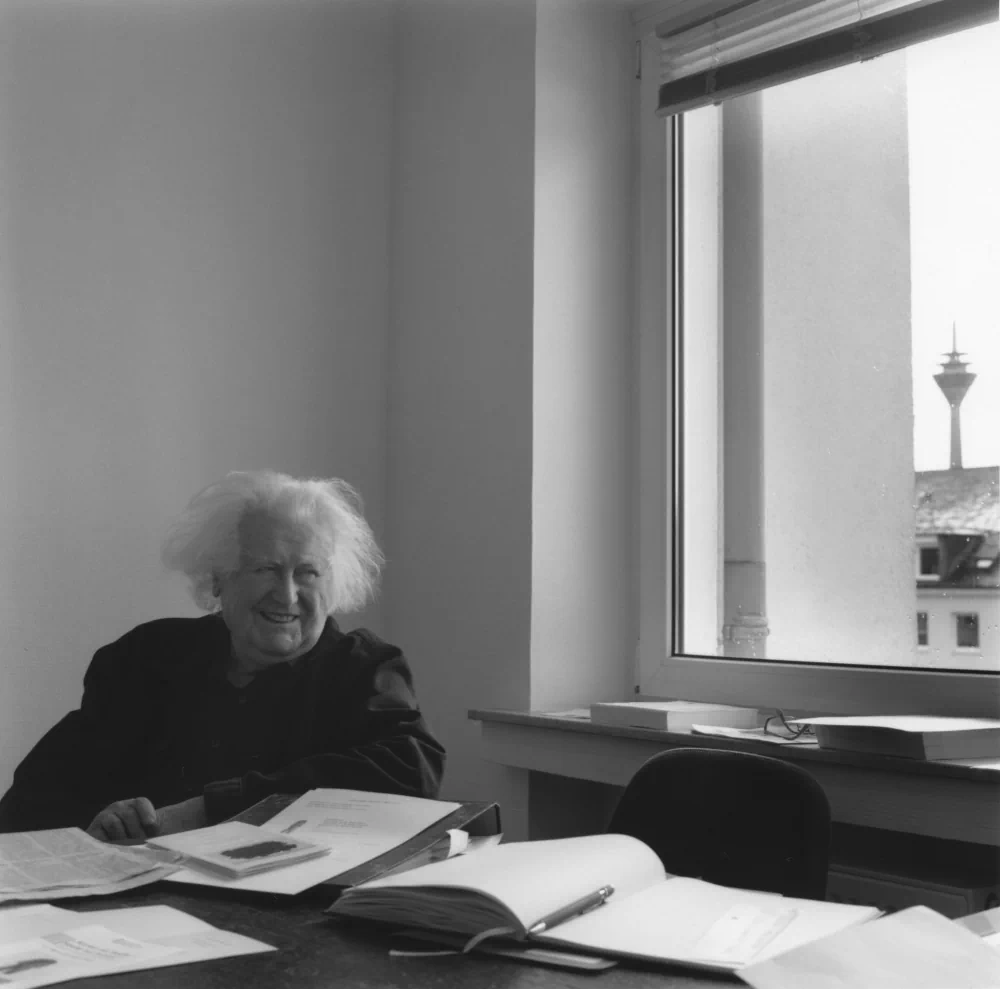
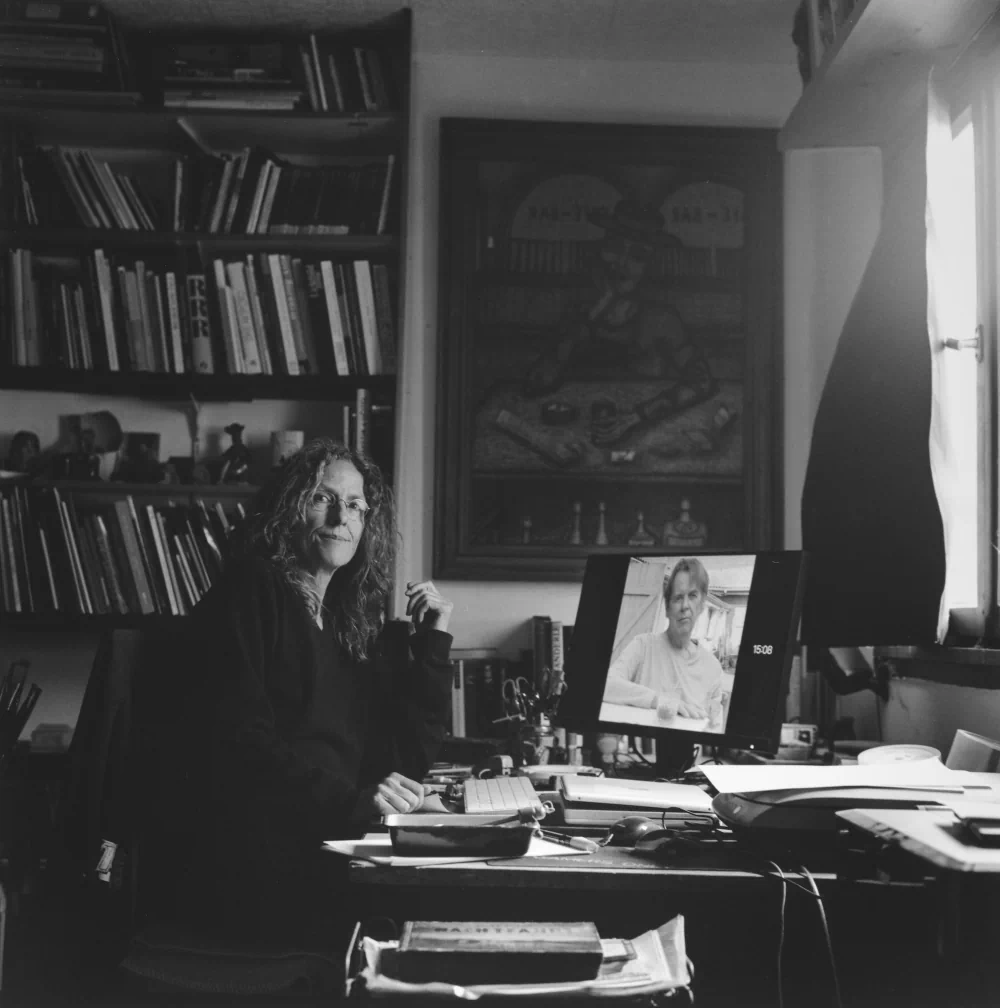
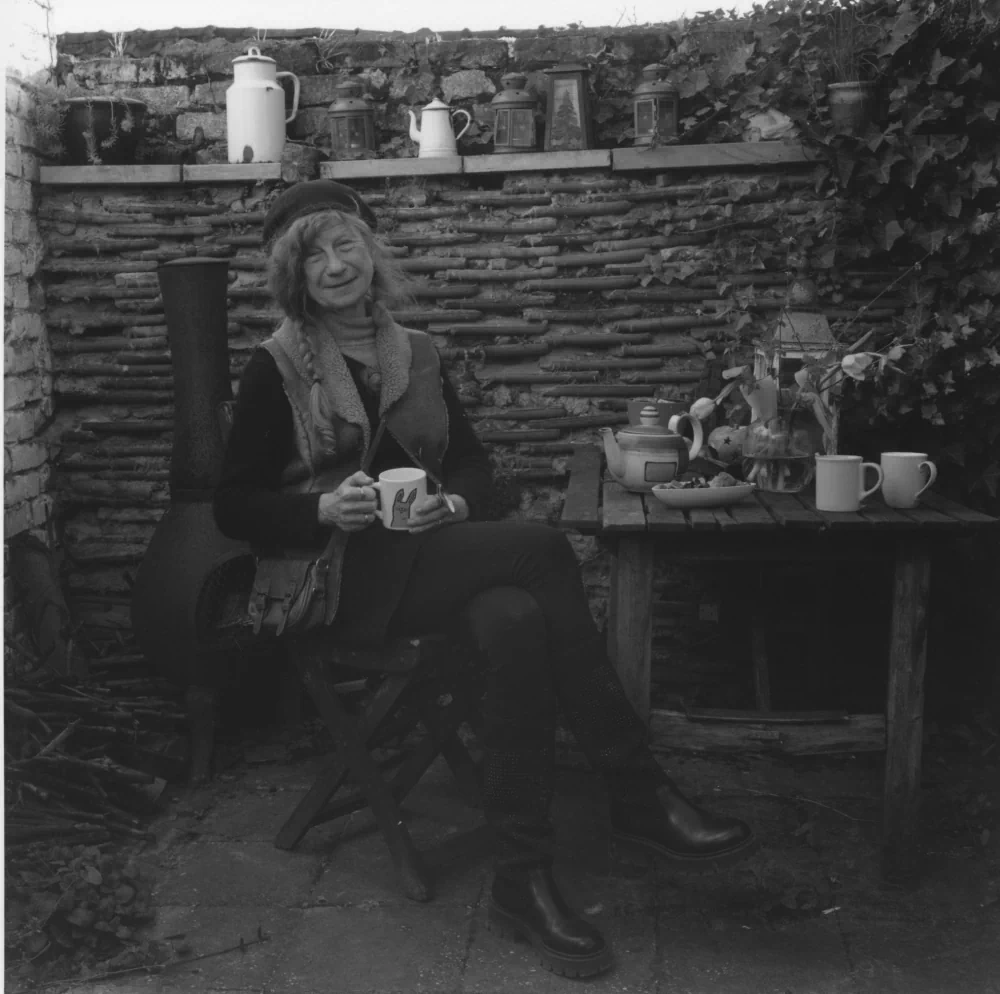
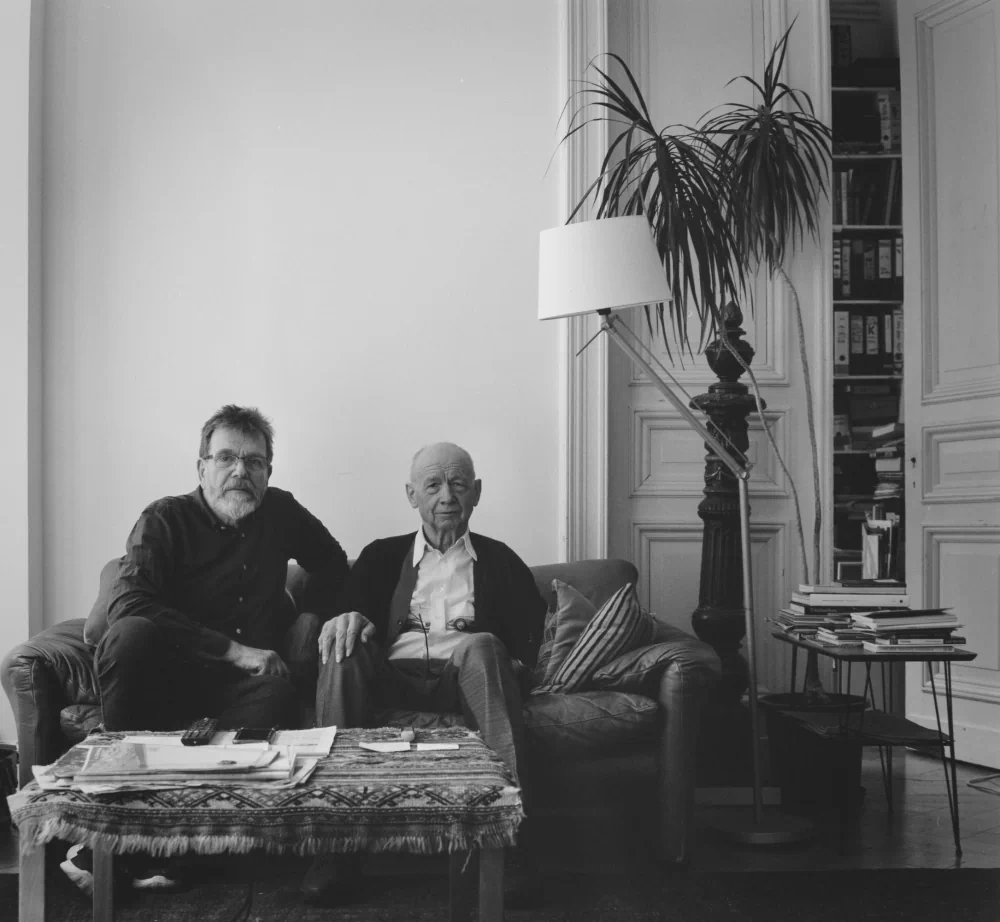
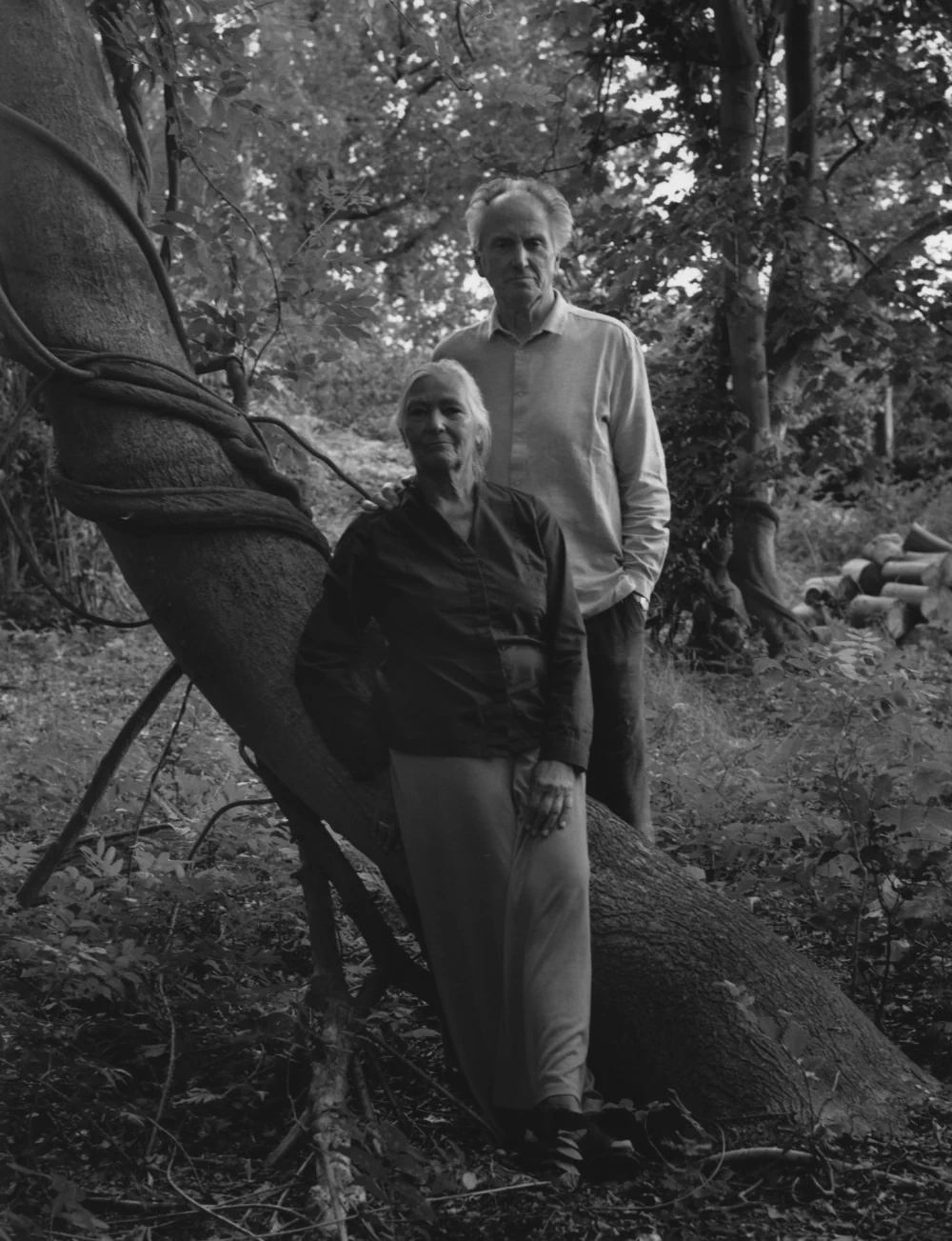
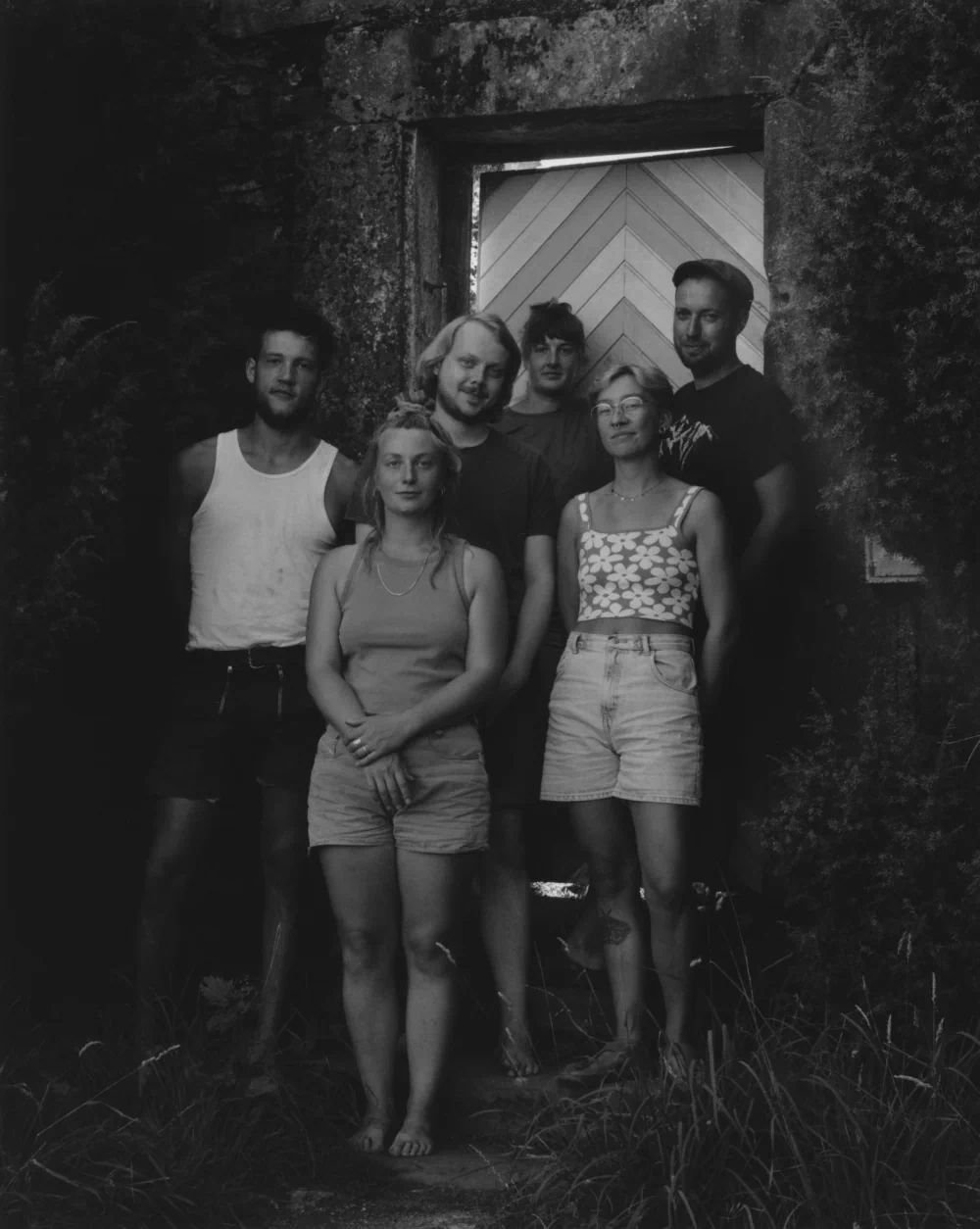
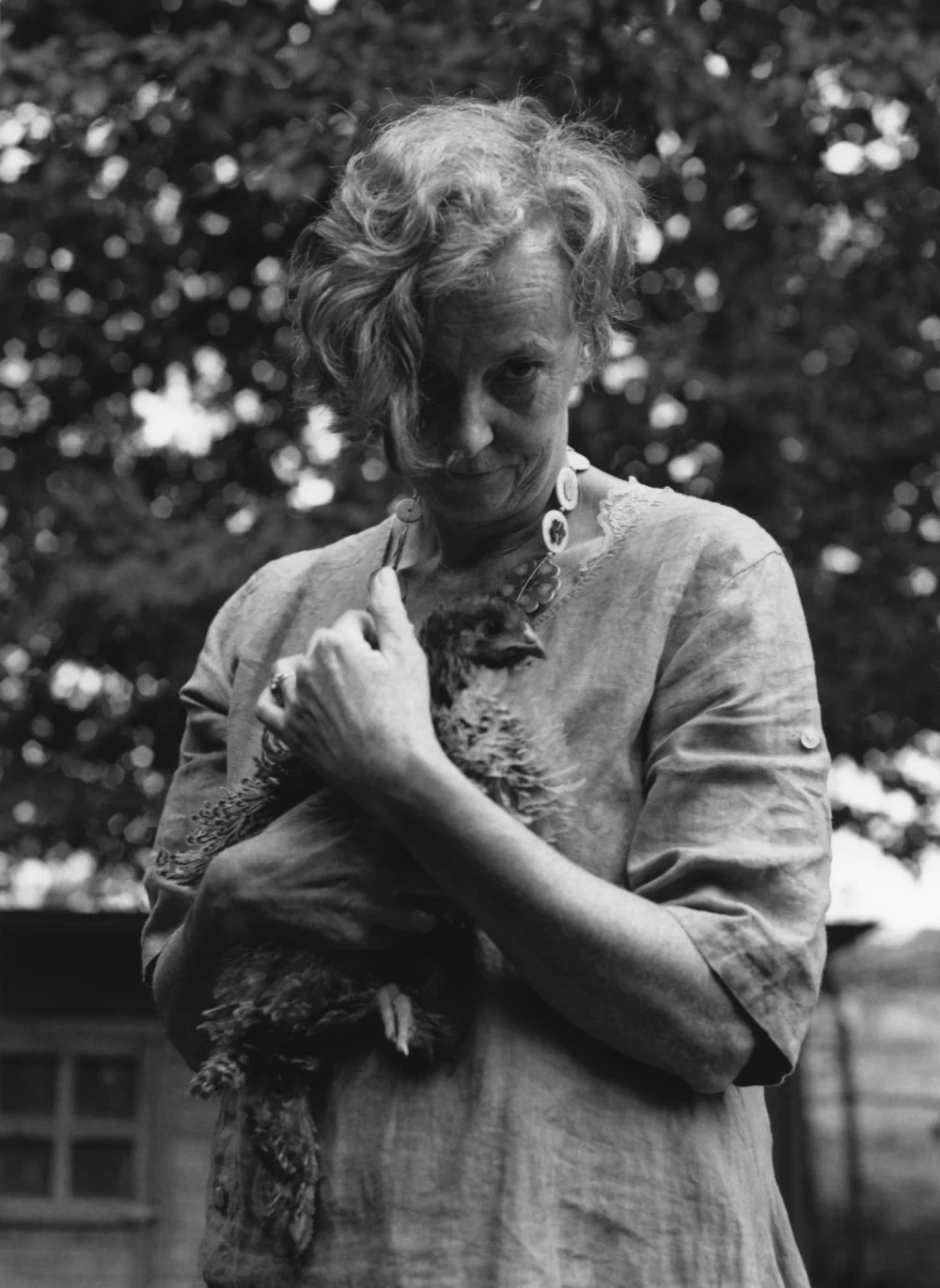
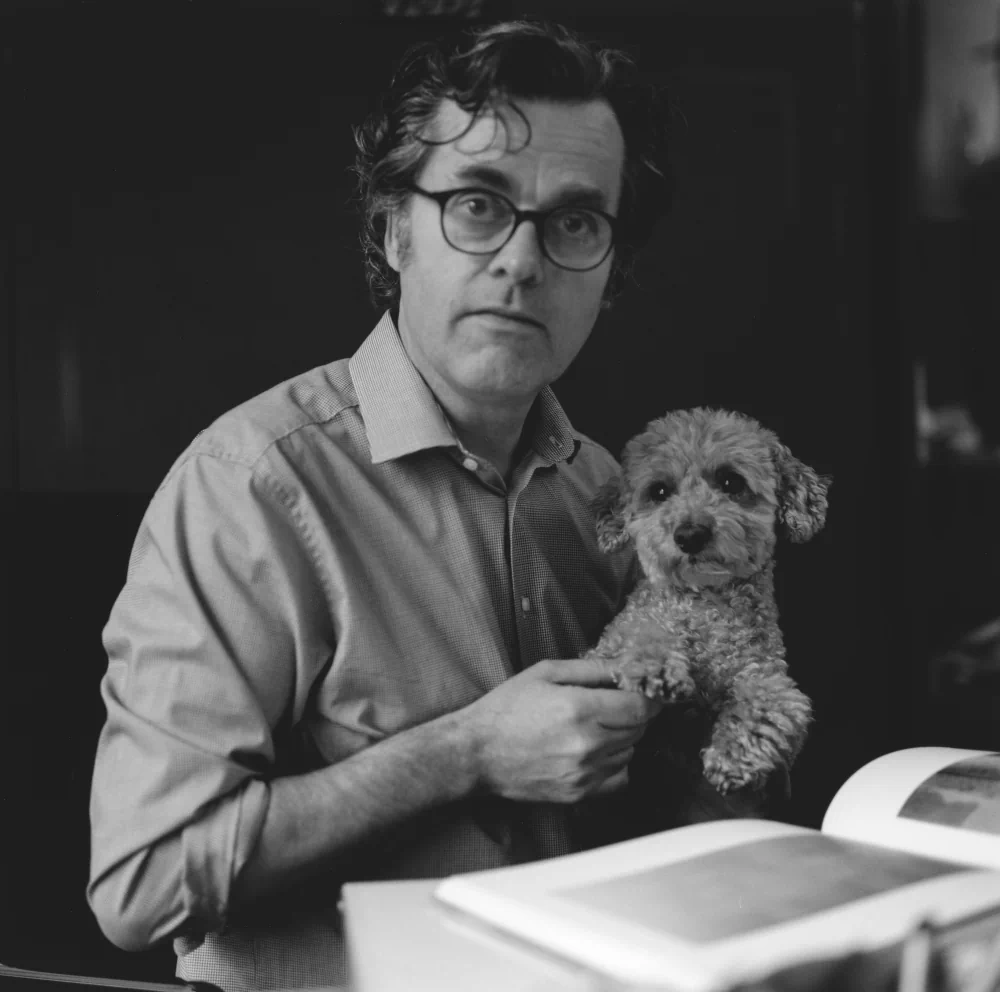
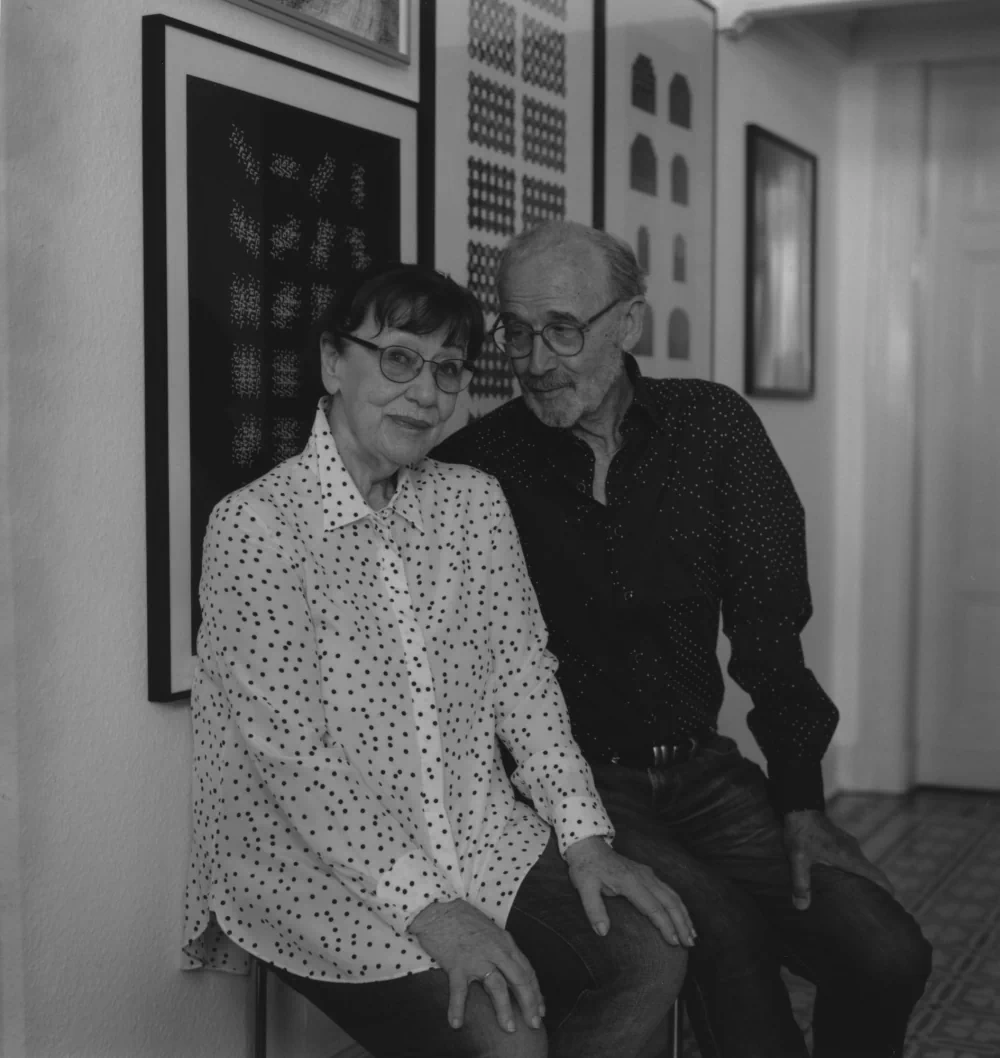
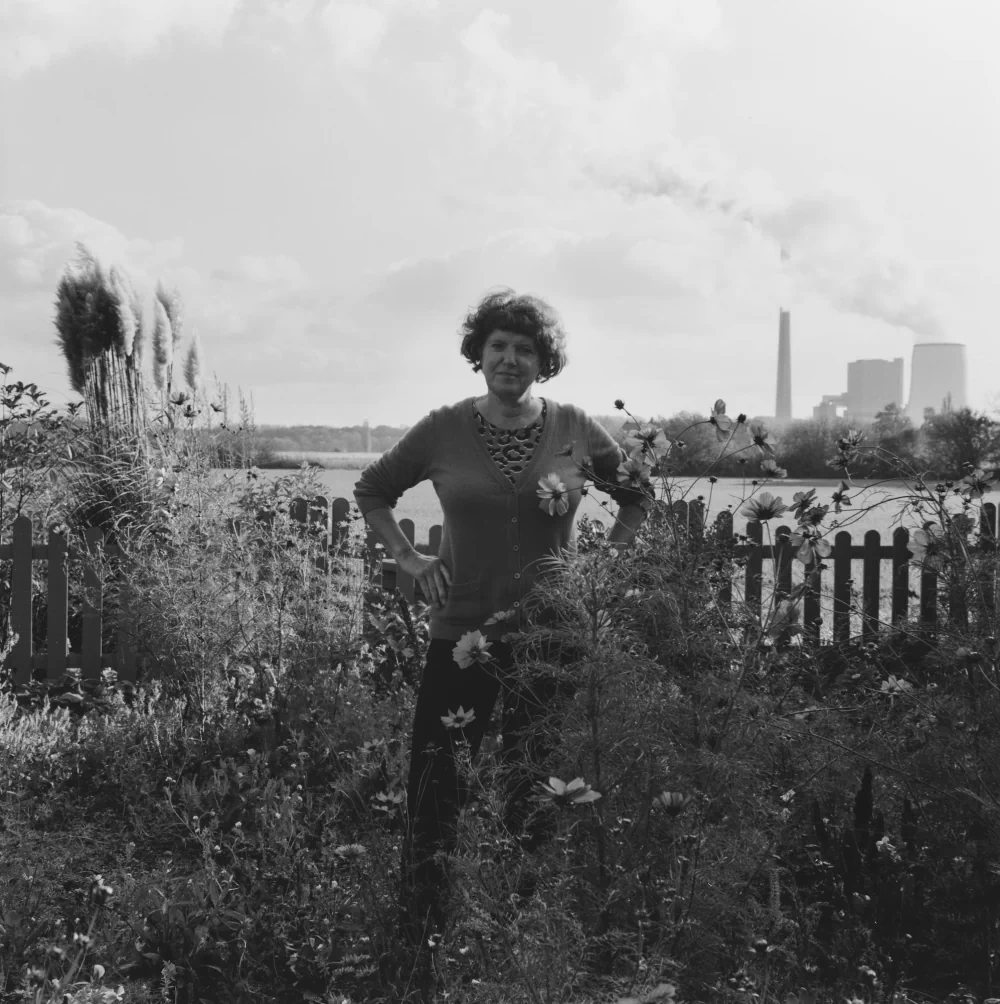
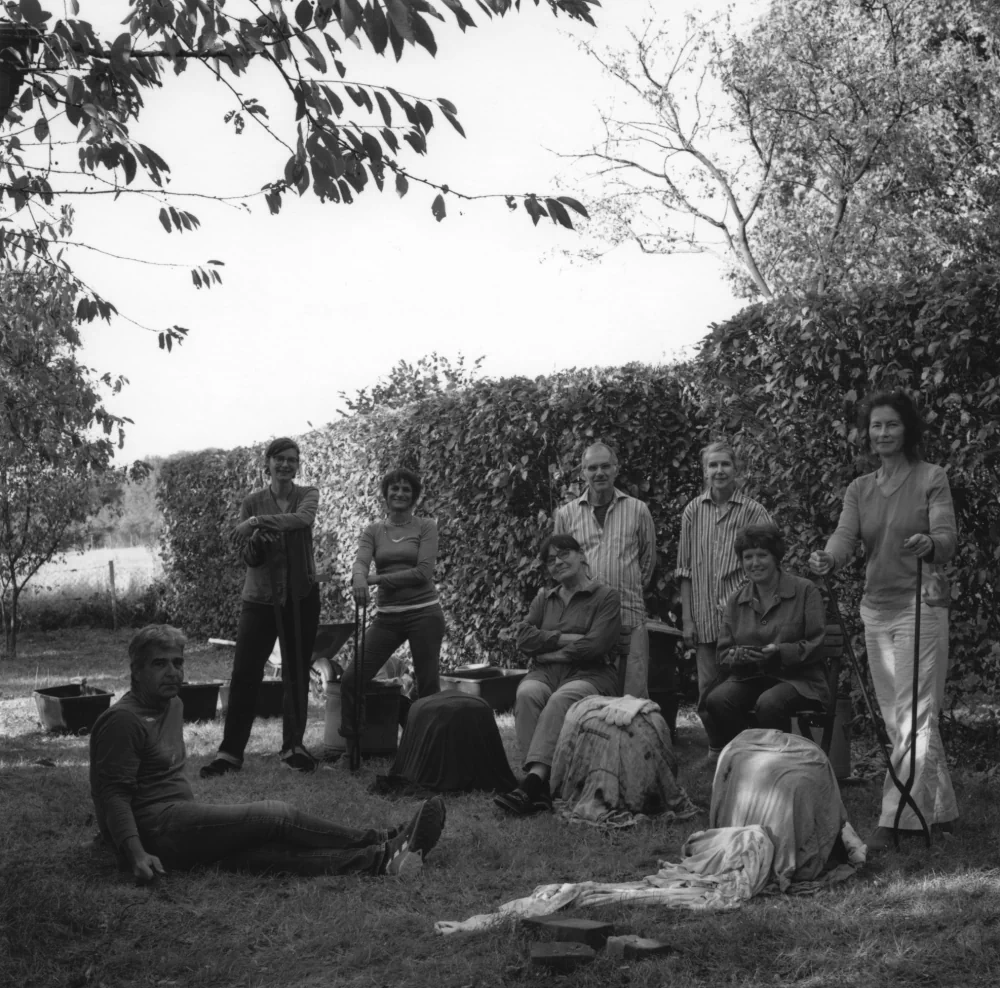
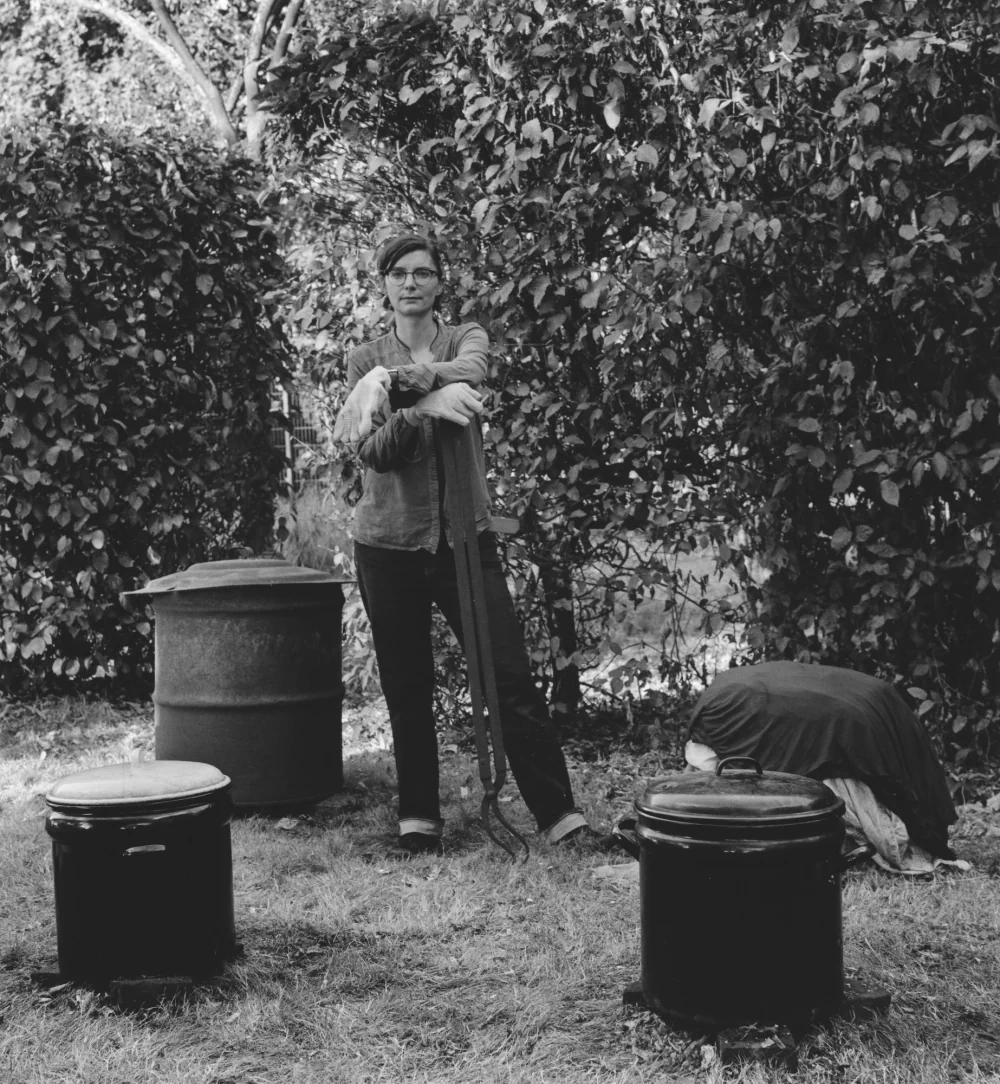
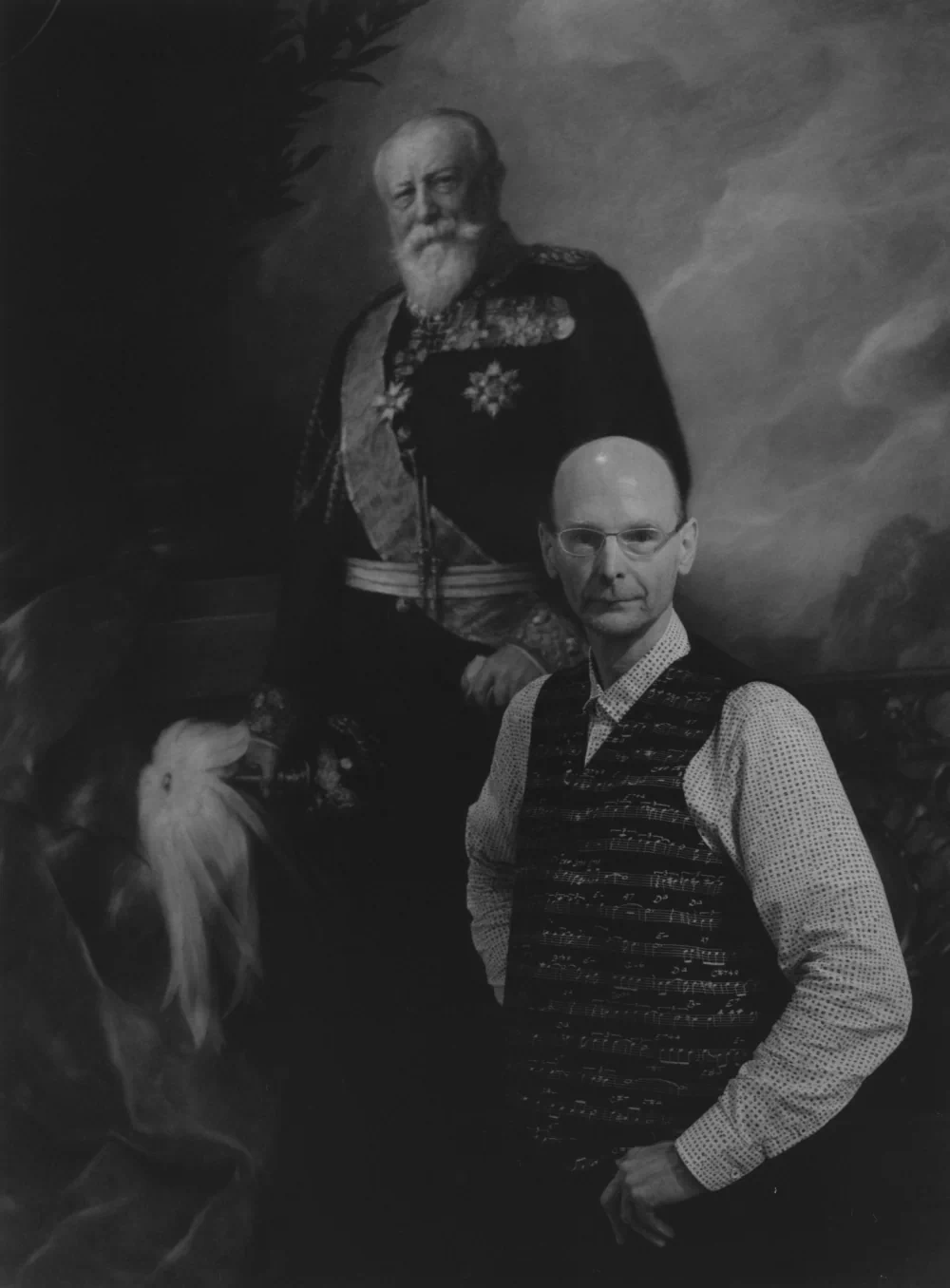
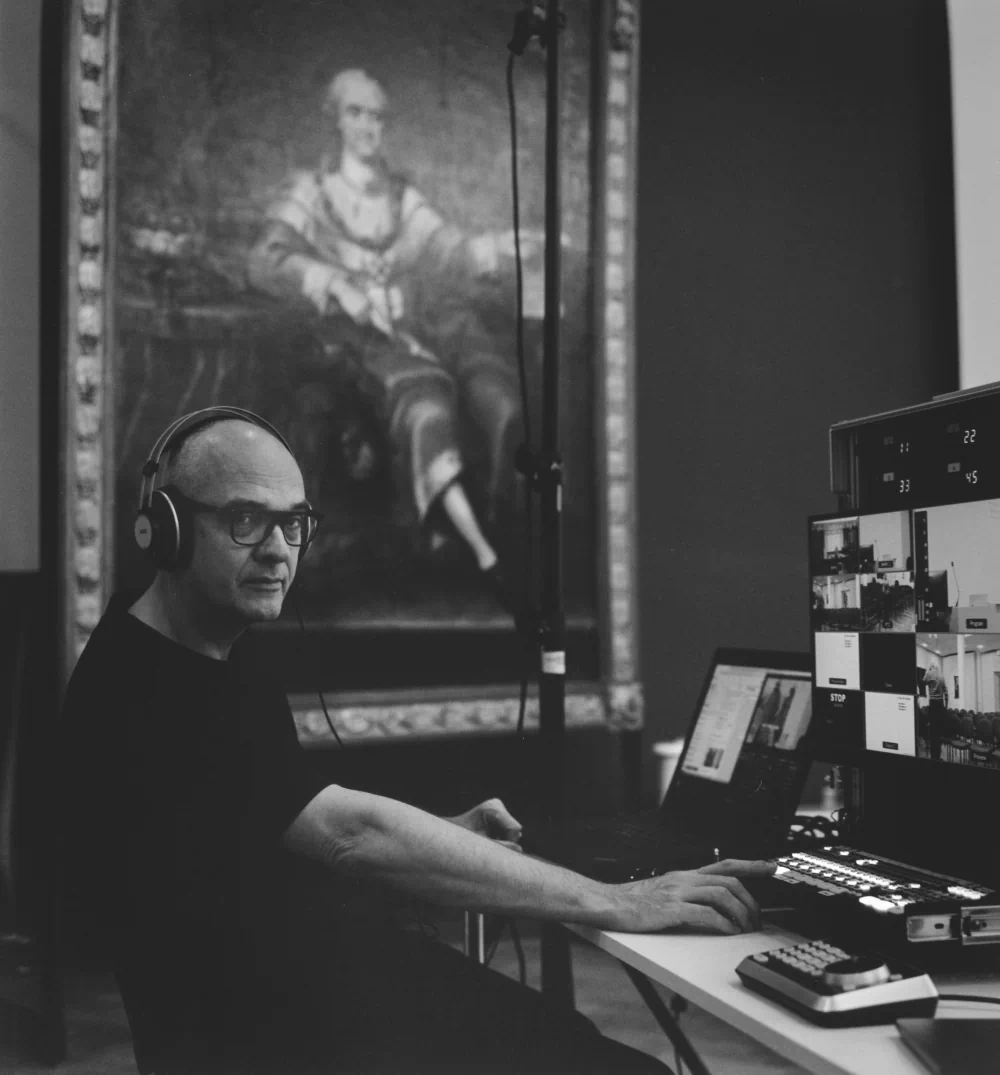
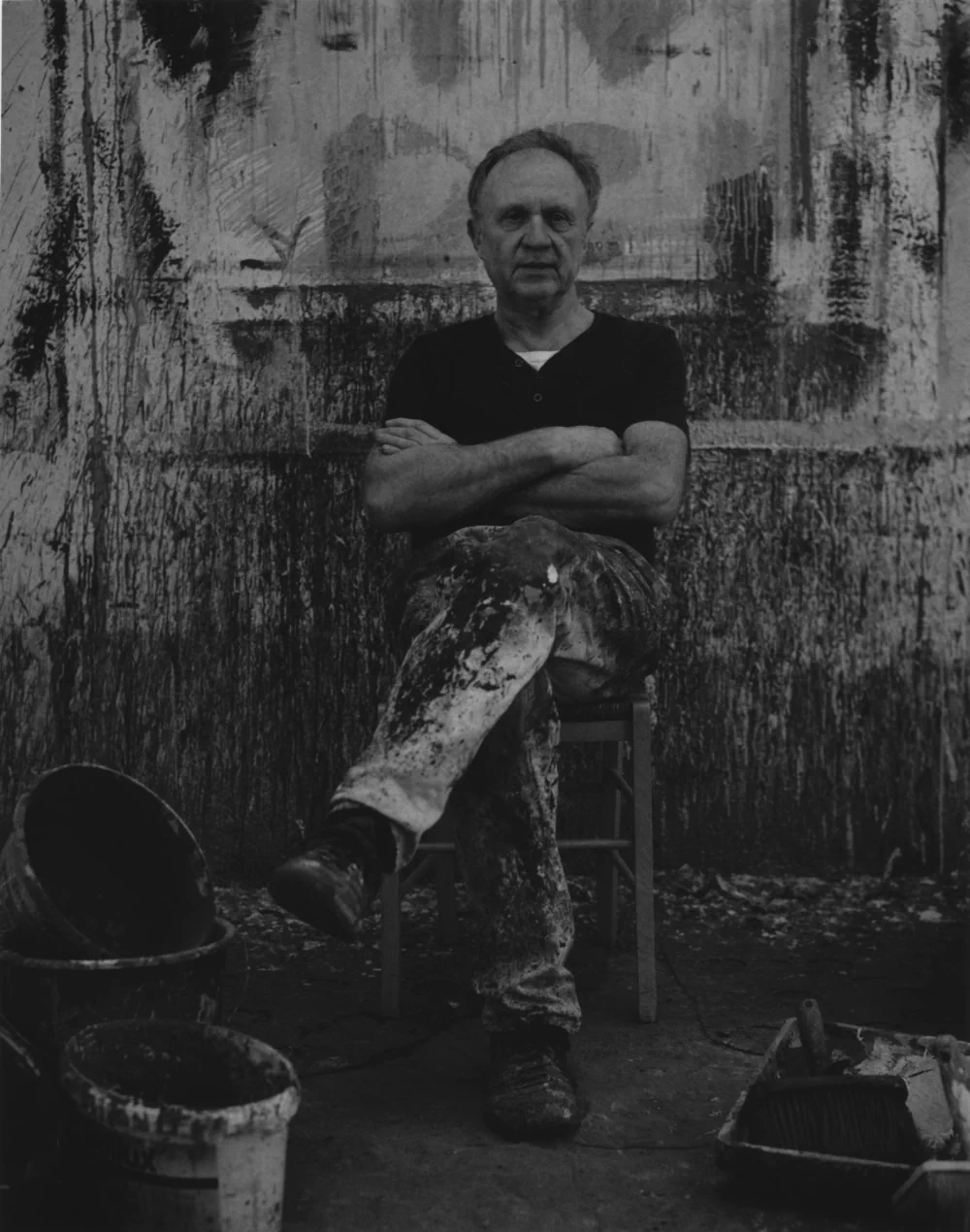
In her current and ongoing series Nexus, she turns her attention to human beings themselves. She deliberately focuses on people with whom she feels connected through empathy and shared experiences. A deep awareness of the finiteness of her own life and the question of what is truly essential became the starting point for this series. Nexus grew out of this reflection and from the desire to make visible the presence, connectedness, and significance of human relationships in a fragile and transient world.
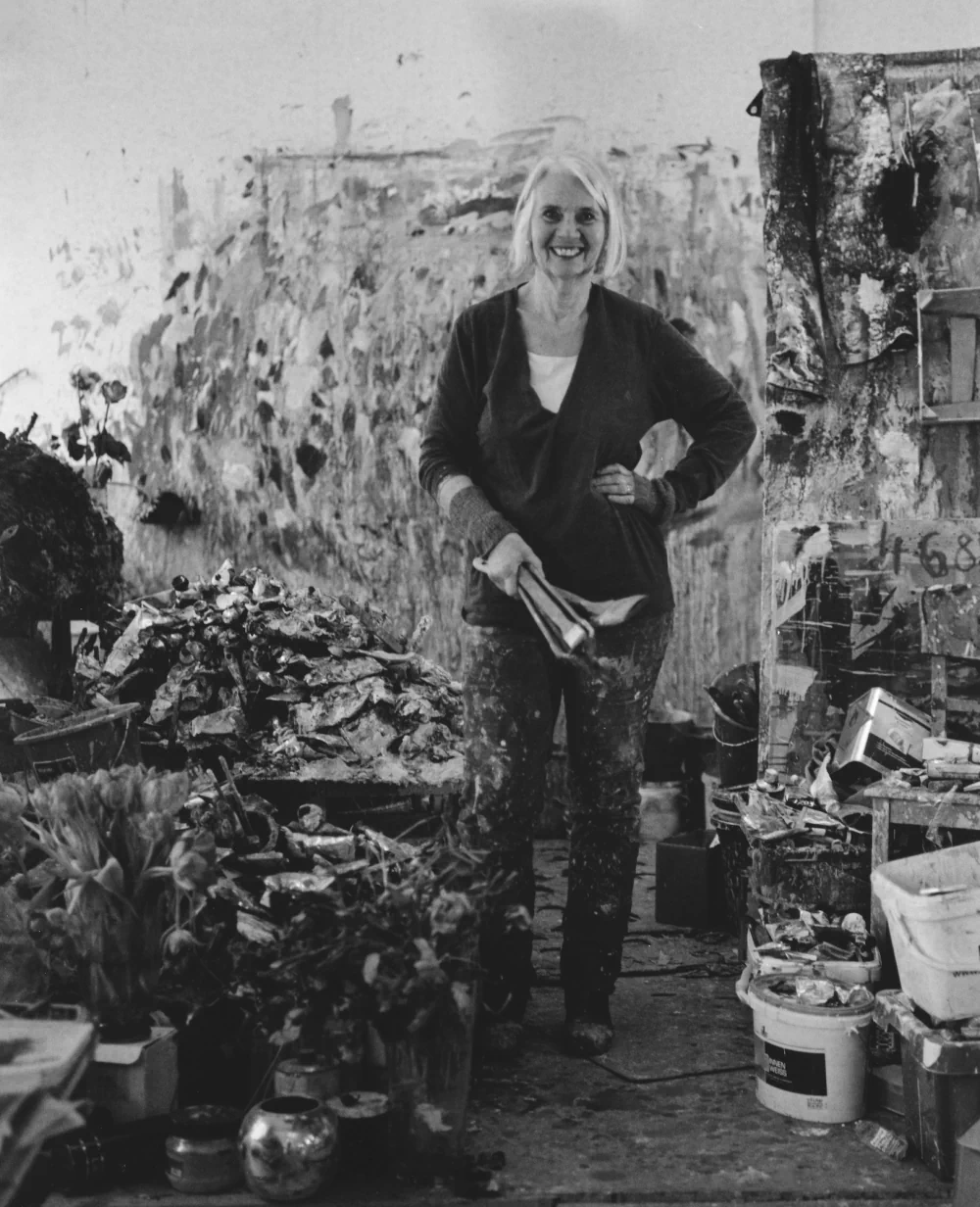
The impulse for this shift was deeply personal. The loss of her sister confronted her directly with her own mortality. Time became tangible, precious, and limited. She began to understand the portrait of a person not merely as the capture of a moment, but as an act of attention and devotion within shared time. In an increasingly accelerated and fragmented world, she seeks to create photographs that arise from calm and mutual trust.
For Nexus, she works with an analog medium format camera and photographs exclusively in black and white. The slow analog process is essential to her practice and requires precision. Every image is deliberately composed, and concentration shapes the atmosphere of the encounter. The portraits are created by prior arrangement, with the subjects choosing the location themselves, whether in nature, urban spaces, or indoors. They also determine the pose or constellation. The image develops through collaboration rather than instruction.
The portrait situations are calm and minimalistic. The harmonious integration of the subjects into their backgrounds is very important to her. The presence of the subject is crucial at the moment of exposure, their gaze, posture, and the tension between vulnerability and strength. Unlike when using a viewfinder camera or a mobile phone, where the photographer’s facial expressions are visible and may influence the subject, when using a twin lens camera she looks down into the camera’s light shaft with her head bowed, concentrating on composing the image. This largely precludes conversation during the shooting process. The subjects usually look directly into the lens and are highly self aware at the moment of capture. This gaze into the camera creates a connection that extends beyond the moment of exposure, linking the portrayed person, the photographer, and the future viewer.
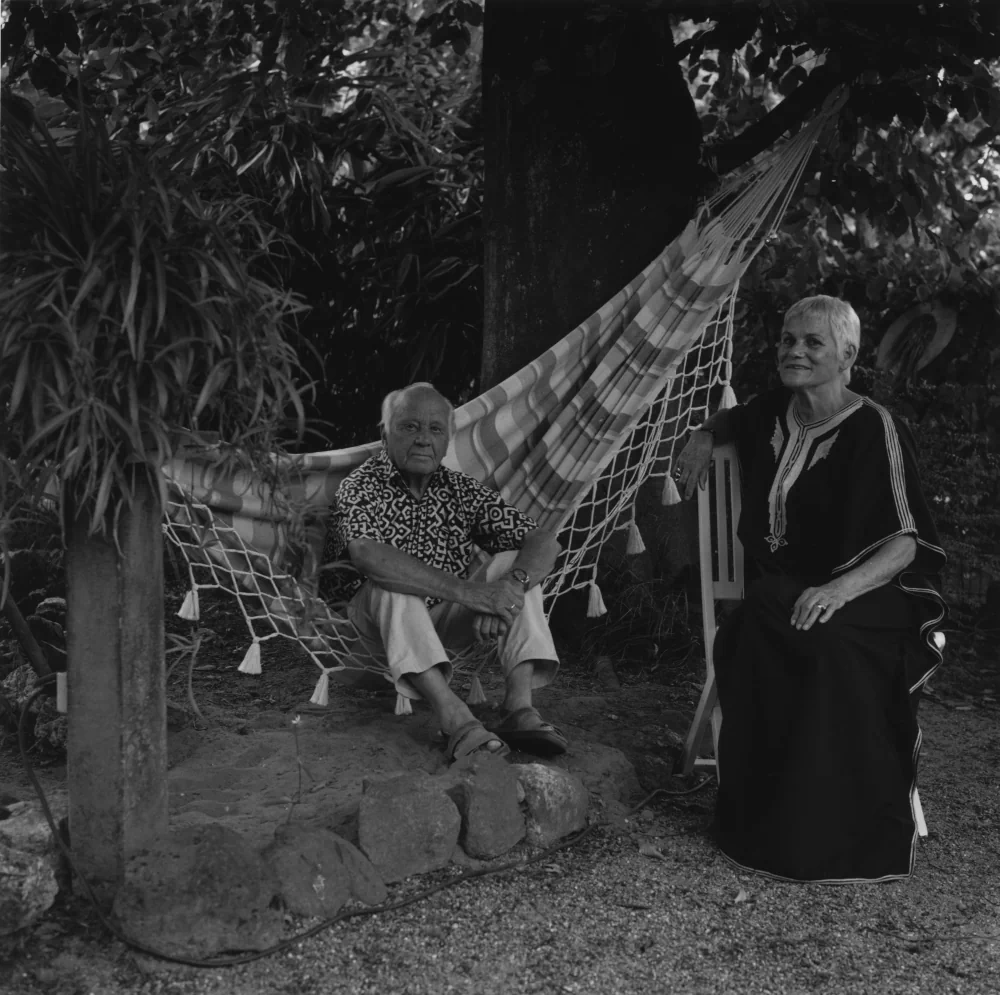
After developing the negatives in her darkroom, she also produces the silver gelatin prints herself. The physical print is an essential part of the work. It embodies time, materiality, and the careful elaboration of the photographic encounter with the subjects. At the same time, she recalls the moment of the photograph and relives it through memory. Both the photographer and the portrayed person receive a print. The photograph thus becomes a tangible document of a consciously shared moment in life, a trace of connection that continues beyond the time of the encounter.
The Nexus series is a logical continuation of her serial practice. As in her earlier projects, the individual images gain meaning in relation to the other images within the series. Each portrait stands on its own, emphasizing the individuality of the subject, while also forming part of a larger structure, a constellation of moments linked together through empathy and memory.
In this sense, Nexus is both intimate and universal. The work is rooted in personal experience and at the same time raises questions that concern everyone: how people confront mortality, what remains when time passes, and what connectedness truly means. The presence of the portraits conveys a quiet certainty that human relationships remain essential as time continues to move forward.