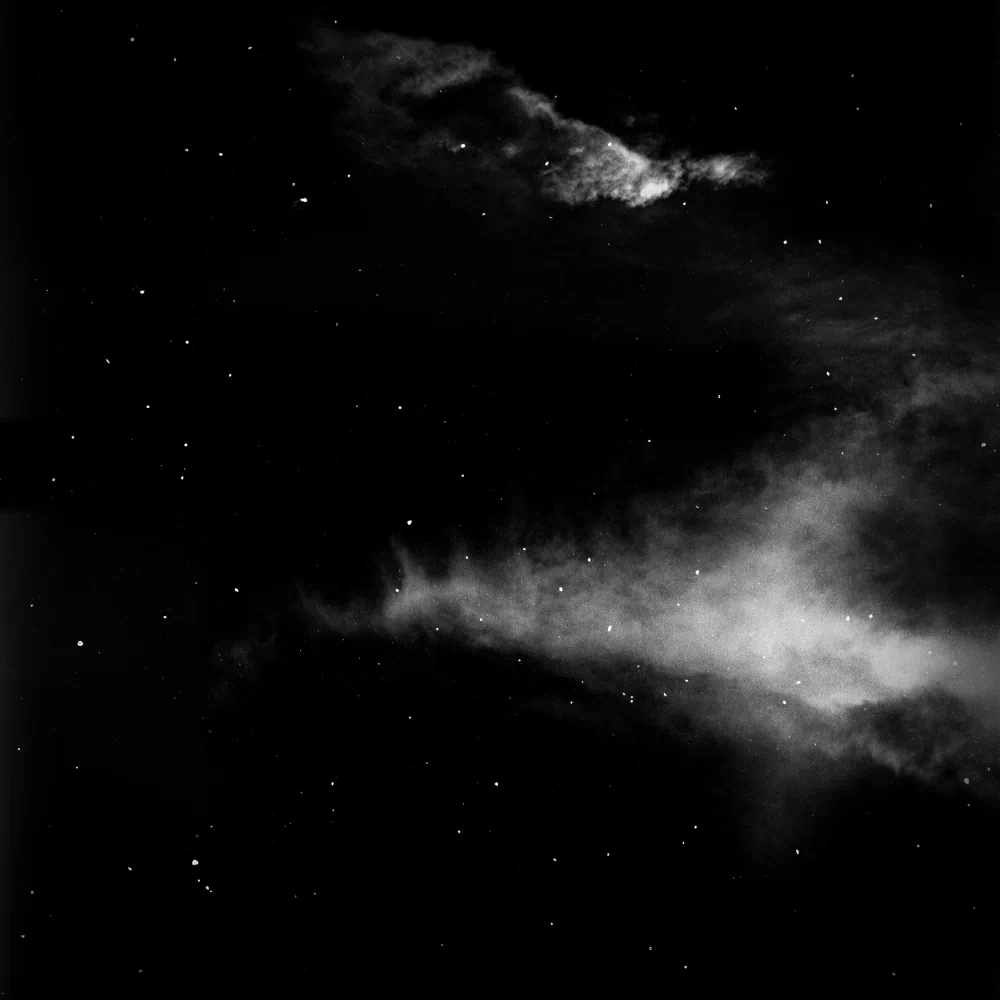

Since ancient times, human beings have shaped the land, building civilizations and inscribing memory into territory.
Yet what appears solid is never stable. Land is constantly weathered, fractured, and reformed. Stability is an illusion sustained by scale.
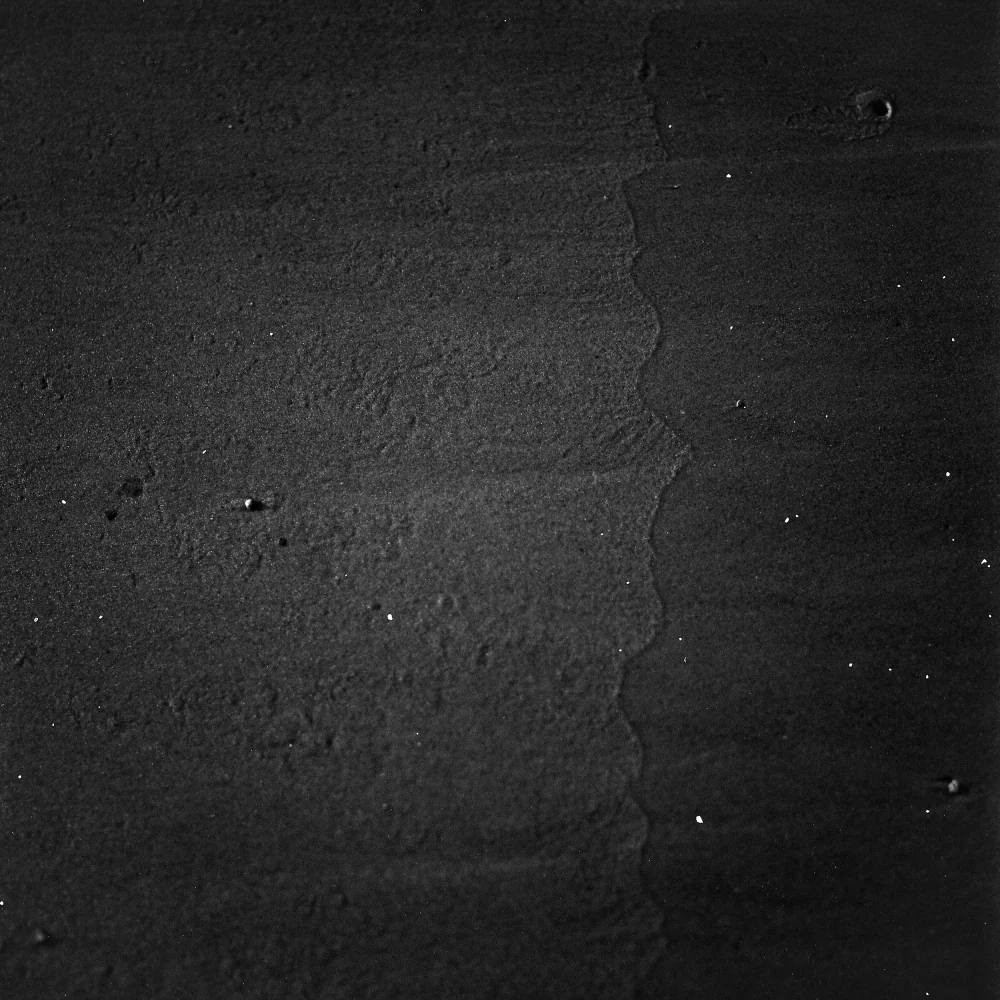
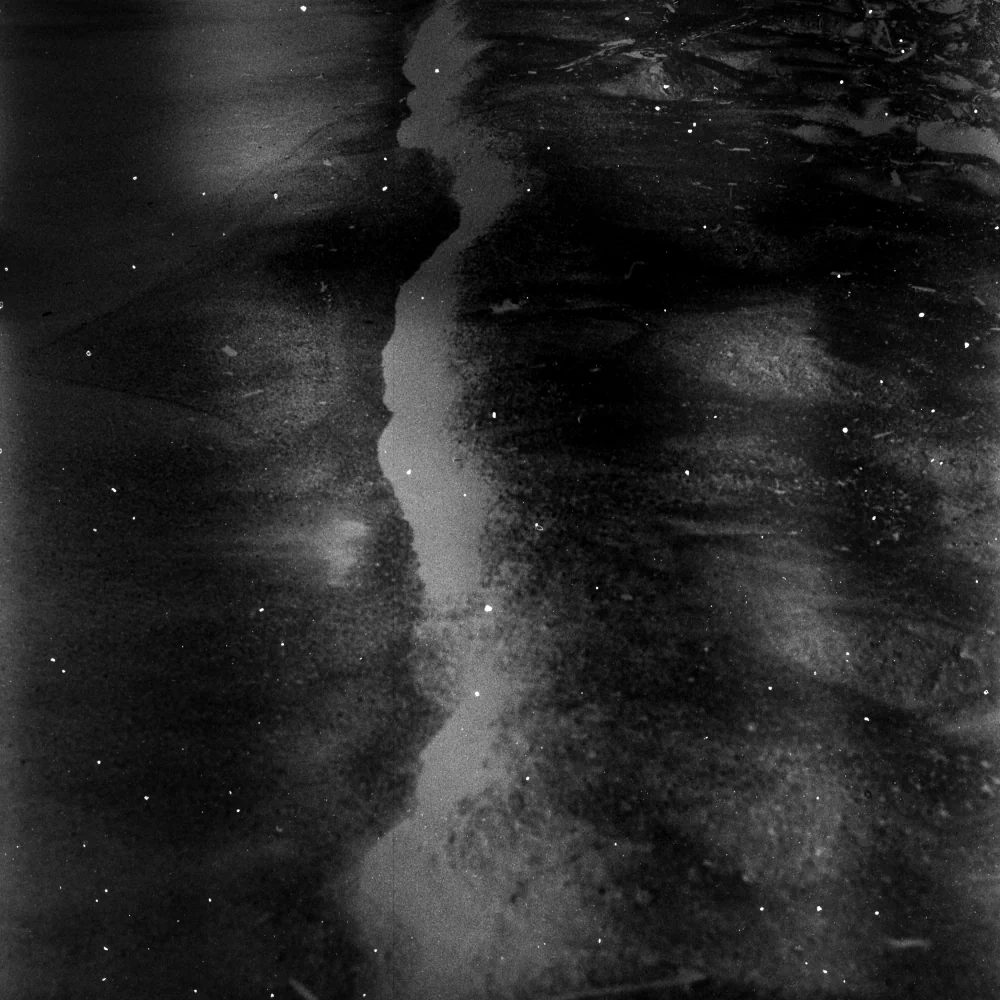
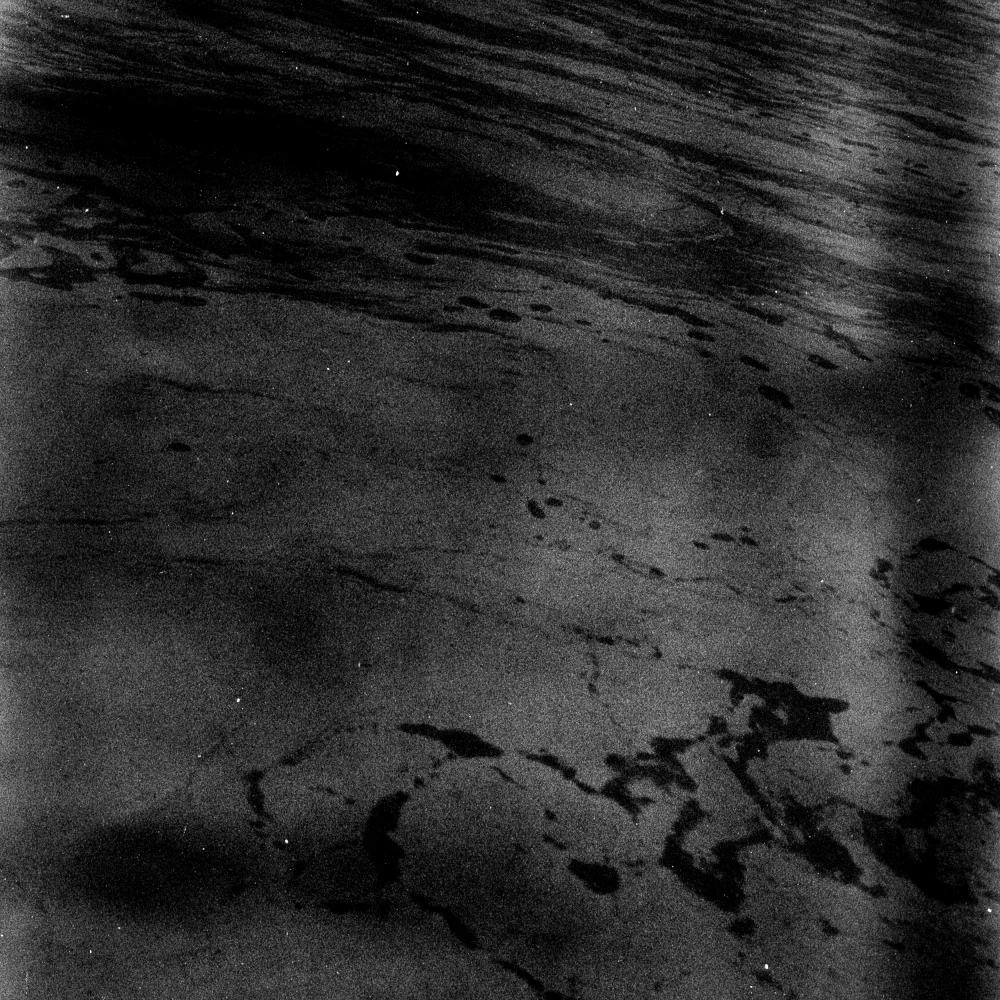
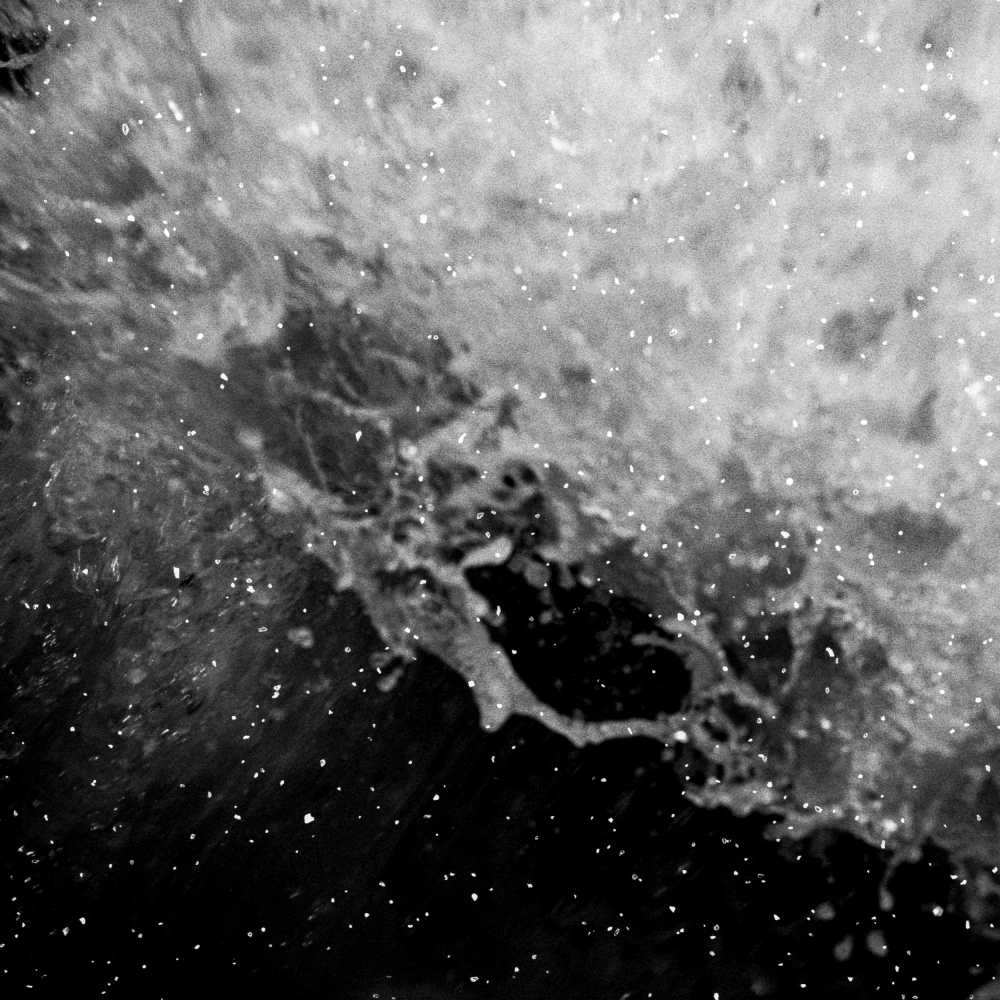
Edge – North Atlantic Ocean begins at the shifting boundary between sea and land. The shoreline is not a fixed line but a site of continual transformation. Stones collide, fragment, and return to the ocean as mineral residue. What dissolves becomes nourishment. The edge is both origin and erasure.
In this project, the coastline functions not only as geography but as a metaphor for memory—where formation and erosion coexist. Photography, often understood as a tool of preservation, is confronted with a landscape defined by change.
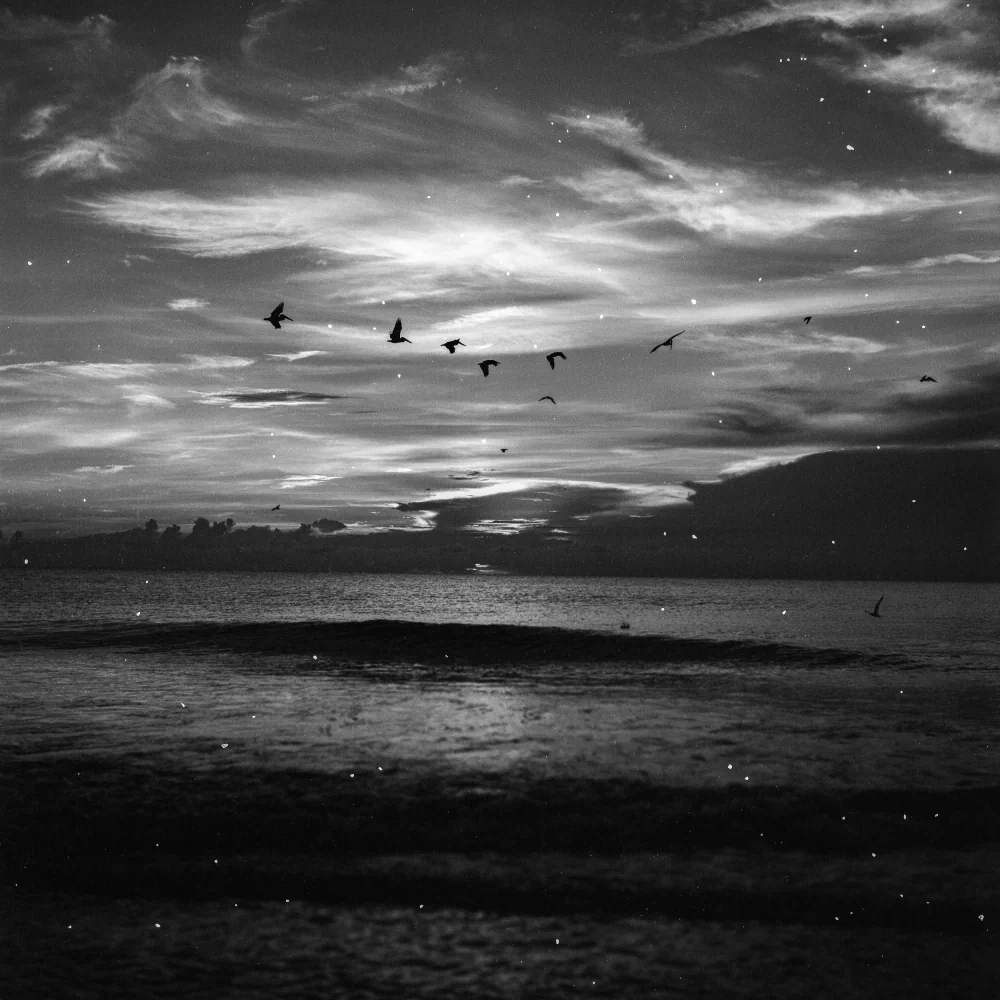
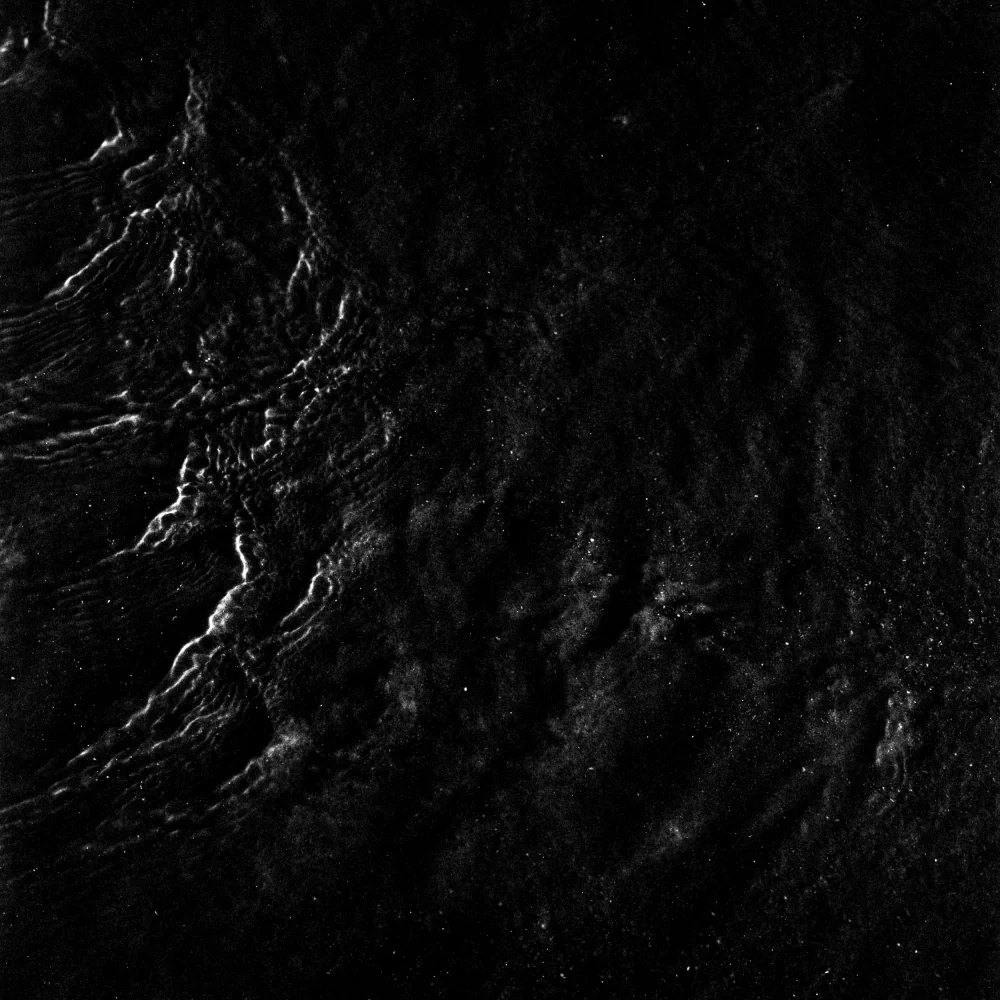
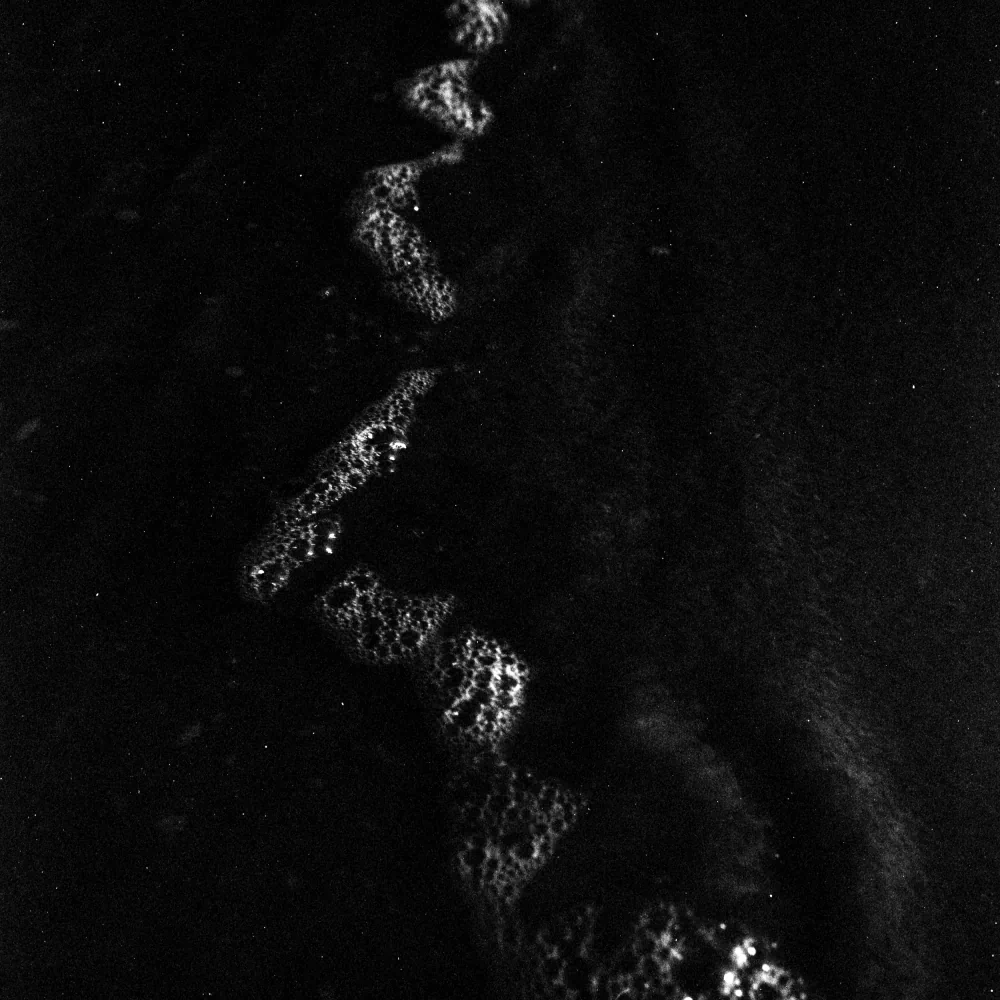
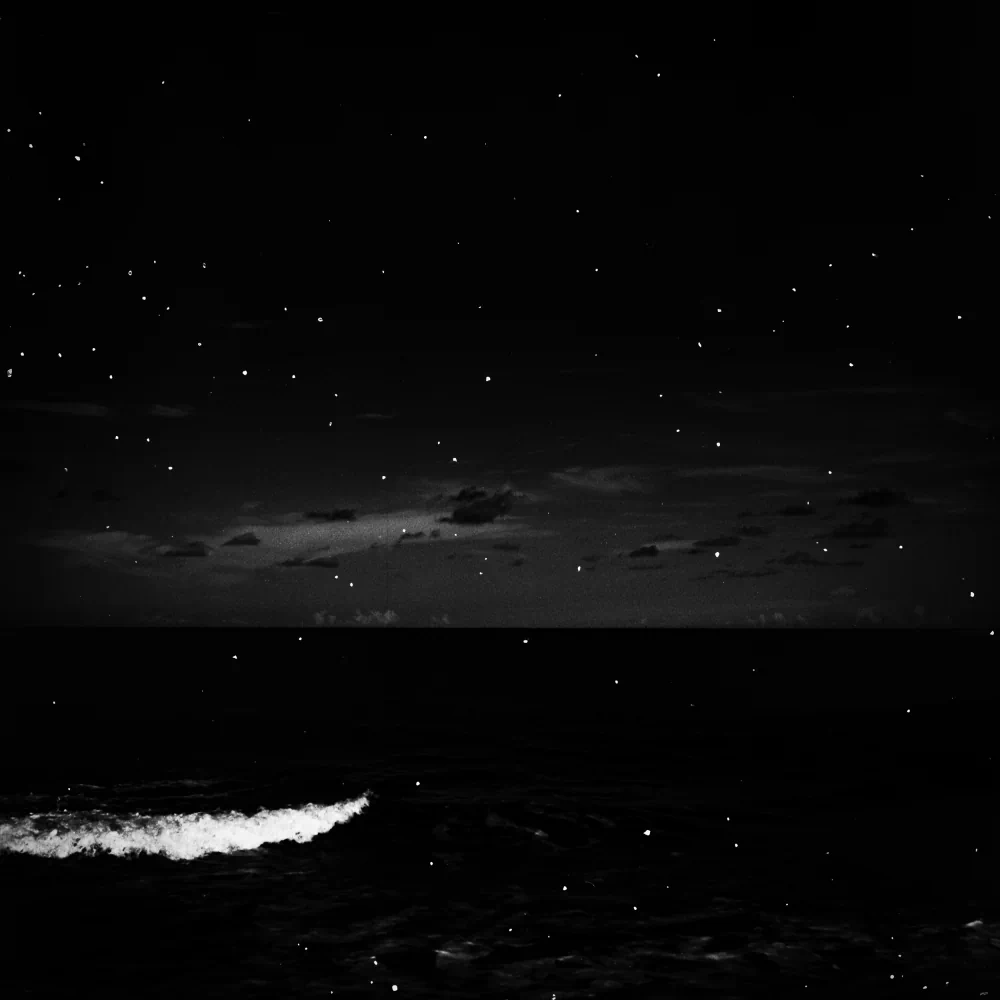
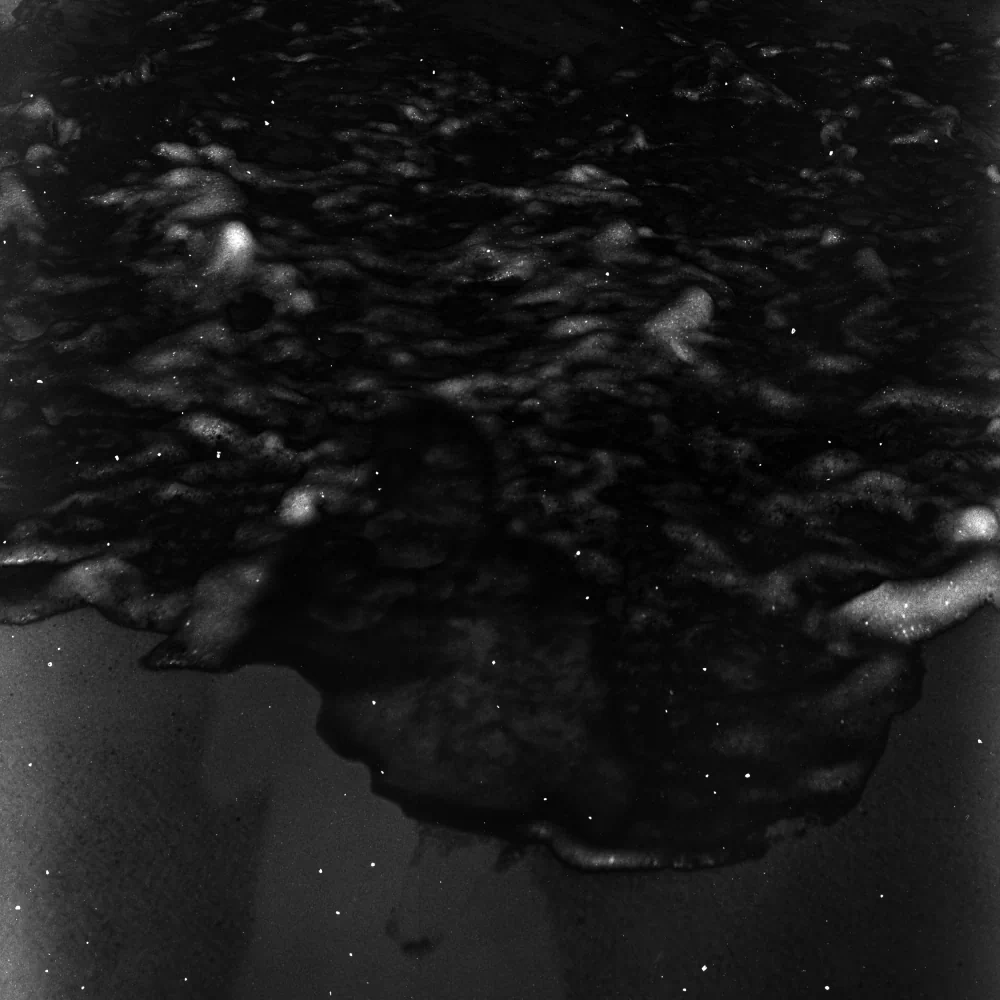
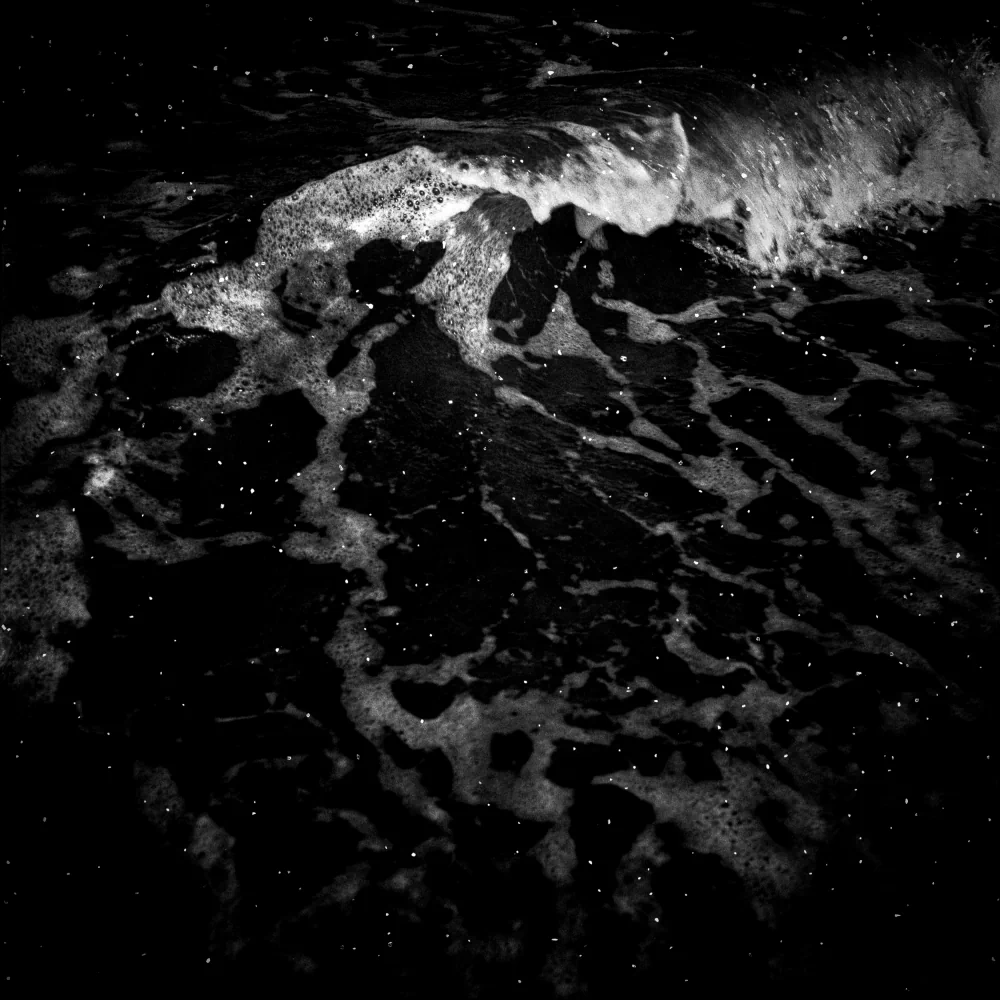
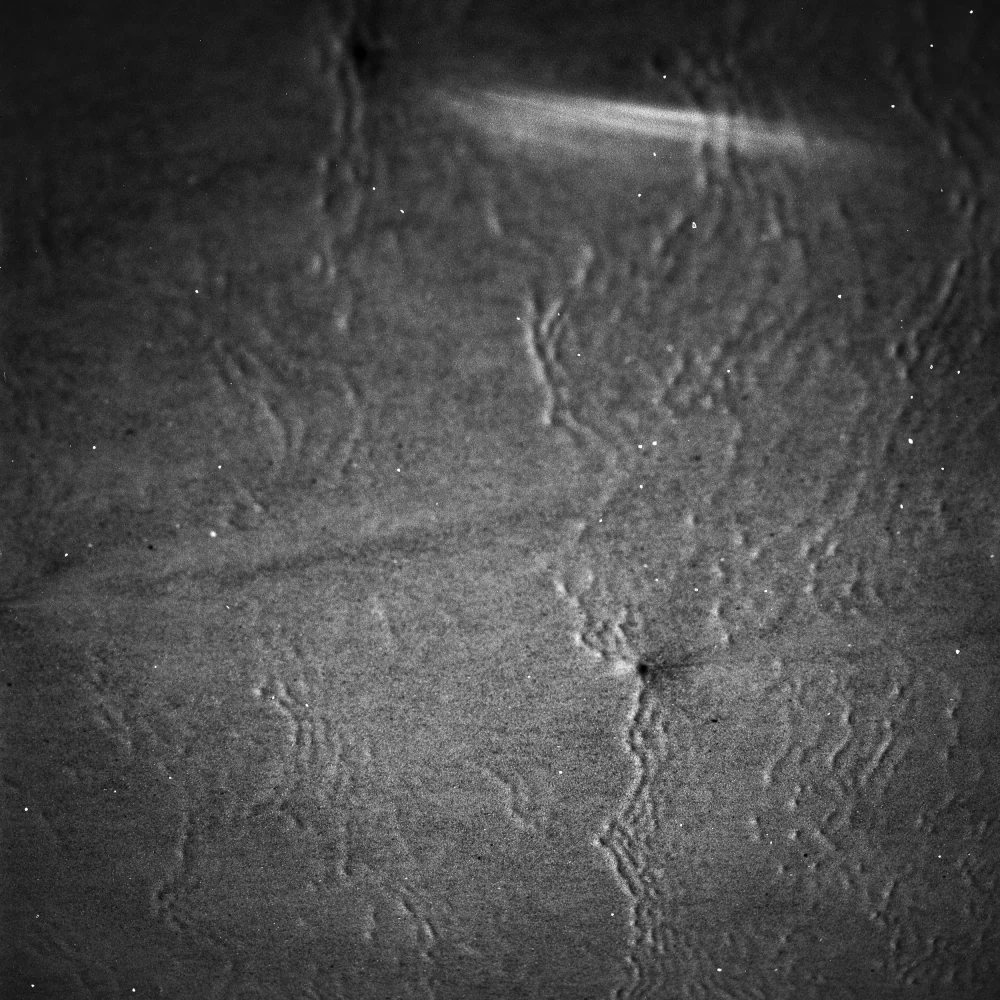
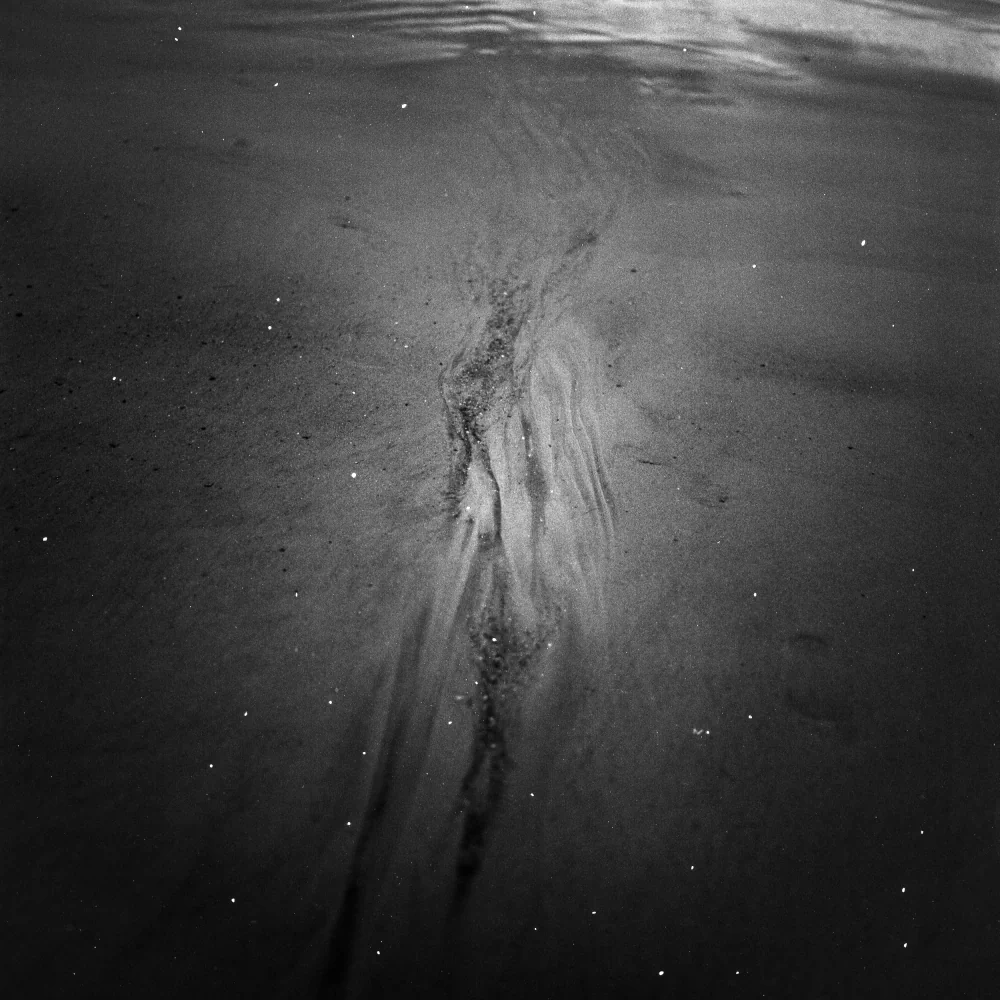
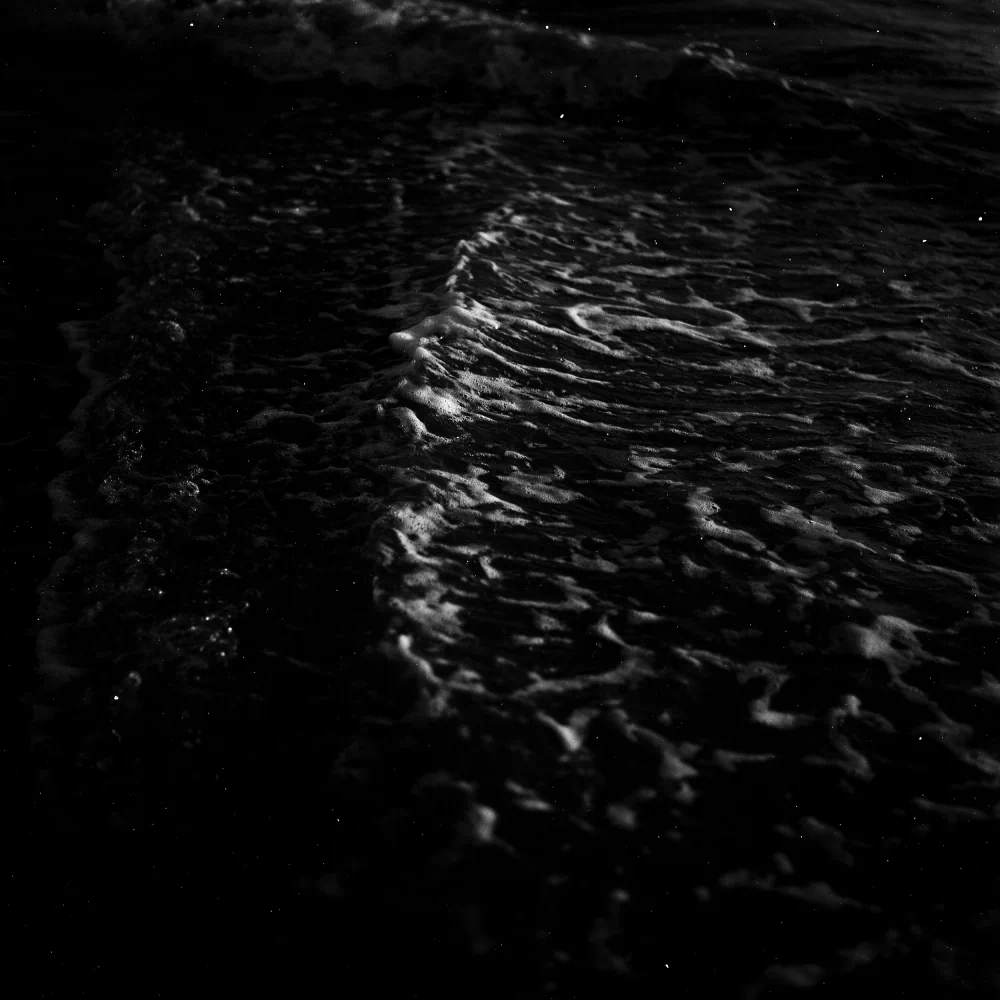
All images were made with a medium-format camera using a square composition. The square frame represents an attempt to impose structure onto duration—a human measure placed against geological time. Each exposure carefully calculates light and movement, framing instability within a rigid geometry.
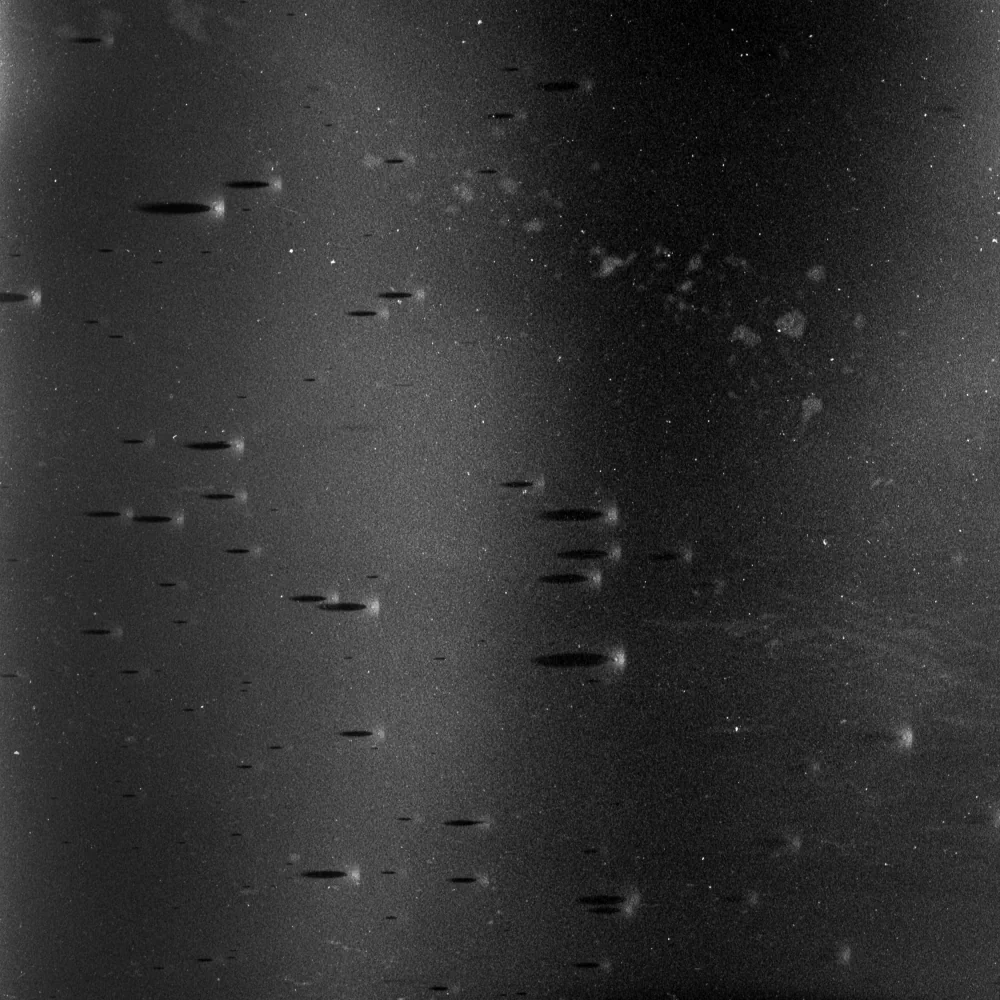
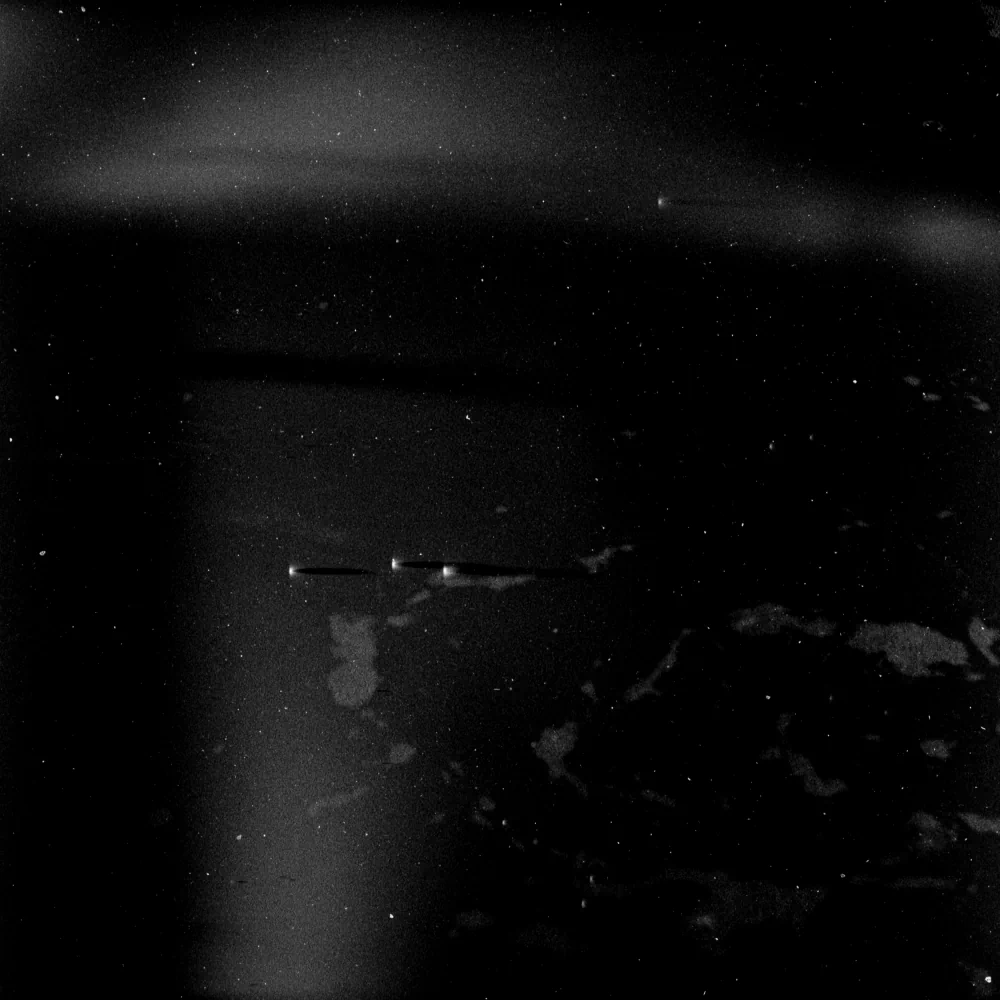
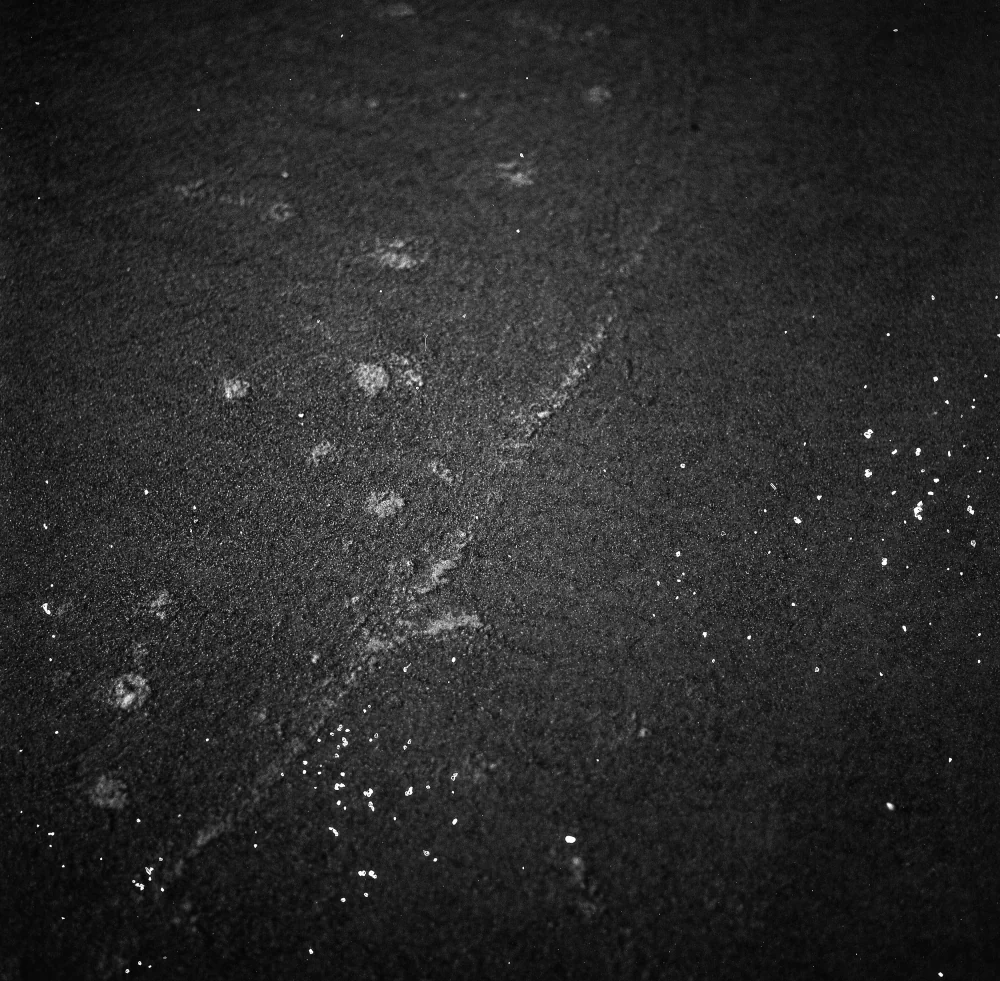
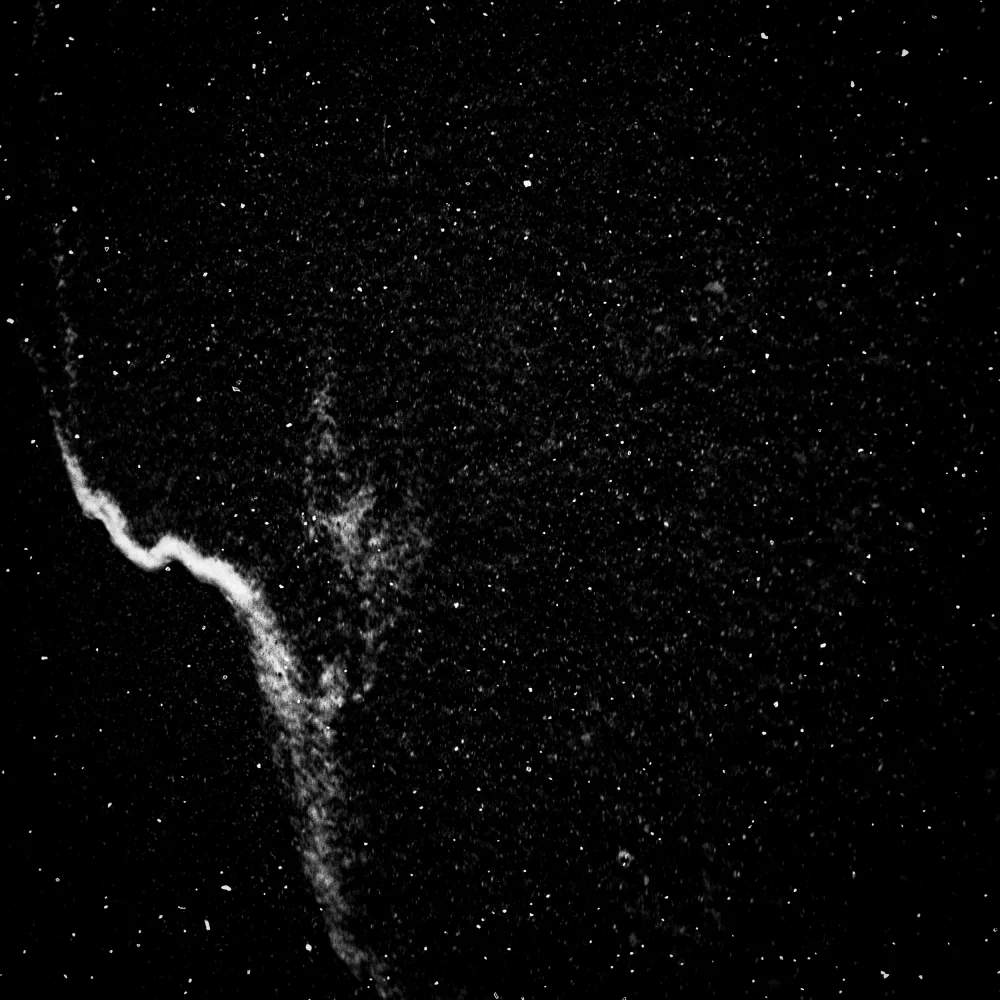
The process, however, extends beyond the shutter. Negatives were submerged in seawater collected from the same location where the images were made. Salt and minerals interacted chemically with the emulsion during development, producing corrosion, density shifts, and ruptures. These marks are not added effects; they are material traces of the ocean’s presence.
Control and unpredictability coexist within each image. Geological time, tidal motion, human perception, and photographic duration intersect on the surface of the negative. The photograph becomes a site where intention meets erosion.
In the final images, memory is neither preserved nor erased—it is transformed. Corrosion does not destroy the landscape; it reconfigures it. Through deliberate intervention and natural reaction, Edge – North Atlantic Ocean reflects on the instability underlying permanence and the fragile surface upon which human history rests.