

One of the least discussed yet most decisive stages of street photography does not happen in the street at all.
It happens afterward, during the process of editing. While the act of photographing is often associated with instinct and immediacy, the construction of meaning depends largely on what is chosen, what is rejected, and how images are organized. Street photography is not only about capturing moments, but about shaping them into a coherent visual statement.
Urban life produces an overwhelming quantity of possible images. A single walk may generate dozens or hundreds of photographs, most of which remain visually unremarkable when isolated. The photographer’s task is therefore not simply to recognize moments, but to evaluate them critically. Editing becomes a process of distillation, separating images that merely describe from those that resonate.
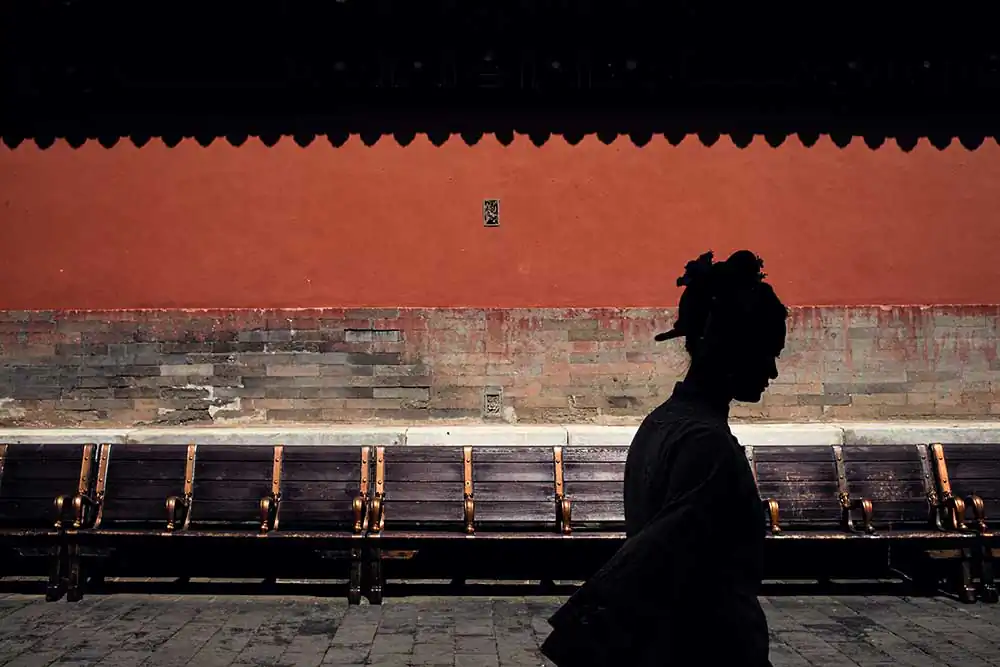
This stage requires distance from the excitement of capture. What felt significant in the moment may lose strength when viewed later, while an overlooked frame may reveal subtle relationships that were not immediately apparent. Editing demands a shift from intuition to reflection, from reaction to analysis. The photographer begins to ask different questions: Does this image sustain attention? Does it contribute to a broader idea? Does it speak to other photographs?
Street photography gains depth when images are considered collectively rather than individually. Sequences, repetitions, and variations create patterns that allow viewers to perceive connections across time and place. A recurring gesture, a similar spatial arrangement, or a shared atmosphere can transform separate photographs into parts of a visual argument. Editing, in this sense, is an act of authorship as significant as photographing itself.
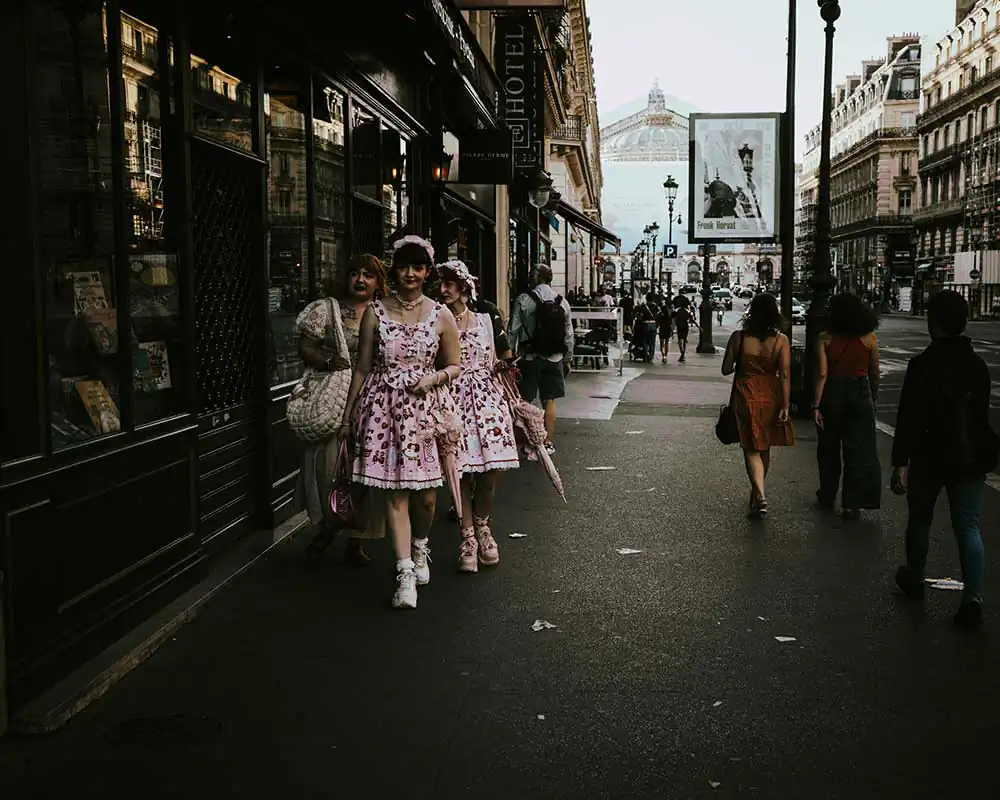
The discipline of elimination is central to this process. Strong bodies of work are often defined less by what they include than by what they exclude. Removing images that are descriptive but redundant allows the remaining photographs to establish tension and clarity. This selective approach resists the tendency to equate productivity with value, emphasizing instead coherence and intention.
Digital technology has intensified the importance of editing by making image production virtually limitless. The ease of capture increases the need for careful selection. Without it, photographs risk dissolving into visual noise. Editing restores deliberation, ensuring that street photography remains a practice of interpretation rather than accumulation.
Ultimately, editing transforms fleeting encounters into structured meaning. It connects moments that were never experienced together and allows them to form a sustained reflection on urban life. The street provides the raw material, but it is through editing that photography becomes language.