

Few photographic practices generate as much persistent debate as street photography.
At the center of that debate lies a question that is at once simple and complex: is it right to photograph strangers without their consent? The genre has always existed in a space of tension between documentation and intrusion, between observation and appropriation. That tension is not accidental. It is intrinsic to the very nature of photographing life as it unfolds in public.
Street photography depends on spontaneity. Its visual strength often comes from moments that cannot be predicted, staged, or negotiated in advance. A gesture, a glance, a fleeting alignment of bodies and light may last less than a second. To interrupt that moment in order to request permission would fundamentally alter its character. The practice therefore relies on a paradox: to remain truthful to lived experience, the photographer must sometimes act without prior agreement.
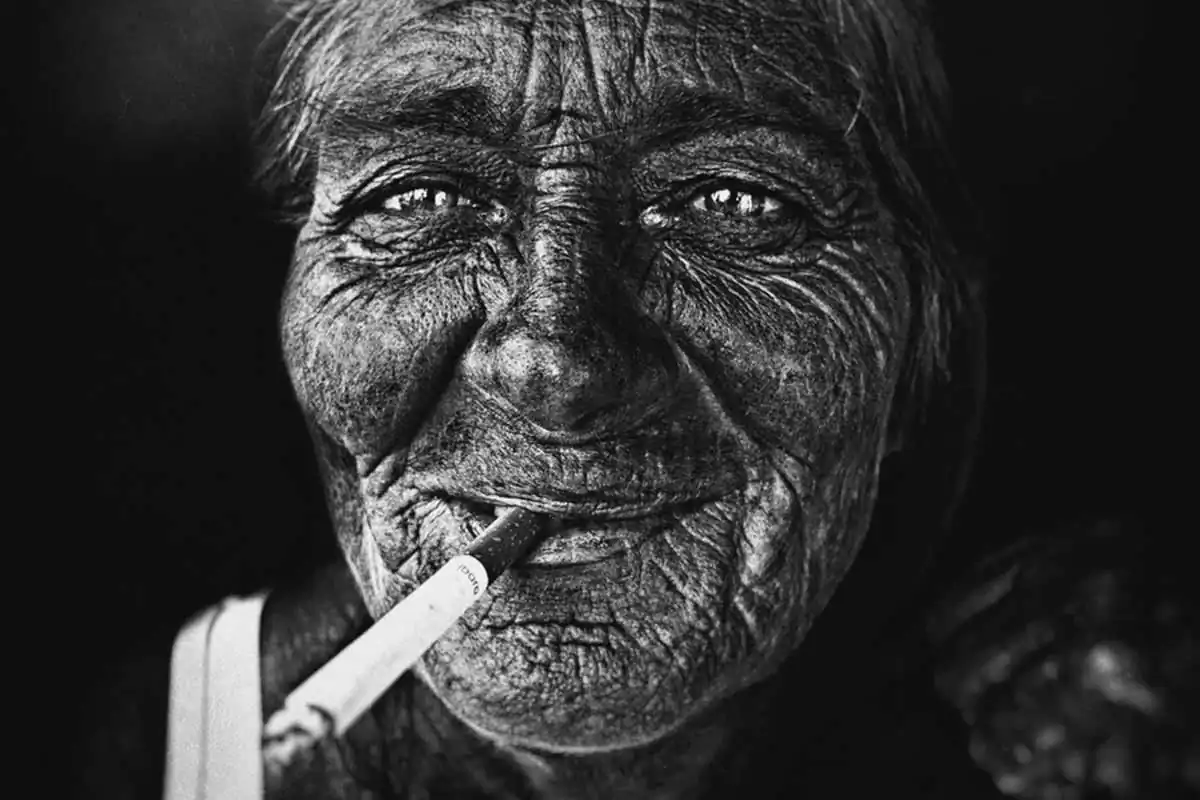
Legally, many societies distinguish between public and private space, allowing photography in areas where there is no reasonable expectation of privacy. Yet legality does not resolve the ethical dimension. What can be done is not always what should be done. Street photography confronts photographers with decisions that must be made instantly, often without the possibility of reflection. The camera becomes not only a recording device, but a moral instrument.
One of the central ethical concerns involves power. The act of photographing someone establishes an asymmetry: the photographer chooses the frame, controls the representation, and determines the context in which the image will circulate. The subject, frequently unaware, has no agency in that process. Historically, this imbalance has been especially visible when photographers documented marginalized communities, raising questions about exploitation, stereotyping, and authorship.
At the same time, street photography has also functioned as a democratic medium. Unlike commissioned portraiture or institutional documentation, it does not require status, wealth, or influence to become visible within its frame. The genre has often revealed everyday lives that would otherwise remain absent from visual history. In this sense, it can be understood not only as an act of taking images, but as an act of acknowledging presence within shared public space.
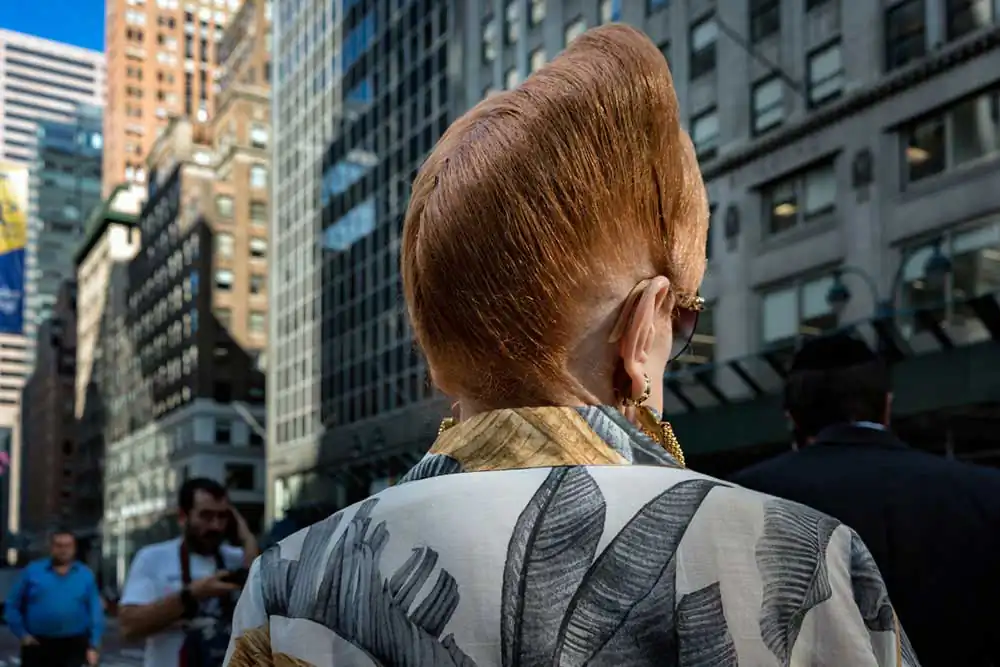
Intent plays a decisive role in navigating this ethical terrain. Photographs driven by curiosity, attentiveness, and respect tend to differ profoundly from those motivated by spectacle or sensationalism. While intention alone cannot guarantee ethical integrity, it shapes the relationship between photographer and environment. Many practitioners describe working with a heightened awareness, recognizing when an image risks crossing from observation into violation.
Context also matters. An image that appears neutral in one cultural setting may carry very different implications in another. Social norms surrounding visibility, dignity, and representation vary widely across societies. As street photography has become increasingly global, photographers must consider not only their own perspective, but also the cultural frameworks within which their images will be interpreted.
Another ethical dimension emerges in the act of editing and dissemination. The decision to publish a photograph extends responsibility beyond the moment of capture. Once an image circulates—whether in exhibitions, books, or digital platforms—it acquires meanings shaped by audiences far removed from the original encounter. The photographer’s obligation therefore includes reflecting on how the image may affect the person depicted, even if that person never sees it.
Contemporary debates have intensified with the rise of digital technology. Cameras are now ubiquitous, and the boundaries between casual documentation and intentional photographic practice have blurred. The normalization of constant image-making has not eliminated ethical questions; it has multiplied them. Street photographers must distinguish their work through deliberation, not only through aesthetic choices but through ethical awareness.
Many practitioners develop personal codes of conduct rather than relying solely on legal frameworks. These may include avoiding images that humiliate or expose vulnerability, engaging with subjects when appropriate, or reconsidering publication if discomfort arises. Such approaches acknowledge that ethics in street photography cannot be standardized. They remain situational, shaped by empathy, judgment, and responsibility.
Ultimately, the ethical complexity of street photography reflects broader questions about life in public space. Cities are environments where individuals are simultaneously anonymous and visible, separate yet constantly observed. Photography makes this condition tangible. It reveals how looking itself is part of social experience, and how representation carries consequences.
The question, then, is not whether street photography can ever be entirely free of ethical tension. It cannot. Its significance lies precisely in navigating that tension. By confronting the responsibilities that accompany the act of seeing, street photography becomes more than documentation. It becomes an ongoing negotiation between freedom, respect, and the shared reality of public life.