

Street photography has always been defined by tension. Between chance and intention, distance and proximity, observation and intervention.
It is often reduced to a genre of quick reactions and decisive moments, yet its most enduring works reveal something more complex: a sustained engagement with the street as a living system. The five photographers gathered here approach street photography not as a formula, but as an open field where persistence, personal history, and visual curiosity reshape what the genre can contain.
Paul Kessel’s Street Scenes starts from a seemingly classical premise. New York City, often described as one of the most fertile grounds for street photography, becomes both subject and testing ground. Kessel does not mythologize the city. Instead, he emphasizes fundamentals: time spent walking, waiting, observing, and returning again and again to the same streets. His work is built on accumulation rather than singular moments. Persistence replaces spectacle. The project is an act of editing as much as of shooting, a careful culling of images where chance encounters slowly crystallize into photographs worth keeping. Here, street photography is not about hunting moments, but about allowing them to surface through patience.
Barbara Jane Levine’s Nod of Recognition introduces a subtle shift in the street photographer’s relationship with strangers. Her images unfold through light, composition, and movement rather than overt drama. Walking through New York, Levine follows the path of light as it cuts through the city, framing subjects within found environments. Many of her photographs are taken when people are unaware of her presence, yet the title points to those brief instants when awareness emerges: a glance, a nod, a shared recognition at the moment of exposure. These images sit at the threshold between anonymity and connection, where the street becomes a space of fleeting mutual acknowledgment rather than pure observation.
Fernando Torres approaches street photography through memory, education, and reflection on the medium itself. His relationship with photography began early, surrounded by cameras that felt almost mythical in their presence. Over time, self-taught practice and formal studies shaped a deep technical understanding, but his work remains anchored in the concept of the decisive moment. For Torres, street photography is not accidental. It is the result of preparation, discipline, and visual training. His images reflect a conscious engagement with photographic tradition, while still responding to the unpredictability of the street. The camera becomes a tool that translates lived experience into visual structure.
In Inner Child Playground, Mister Geez expands street photography into autobiographical territory. His work is inseparable from personal loss and transformation. Photography emerges not as a career choice, but as a response to grief, a way to search for meaning through light and everyday scenes. London’s streets become a stage where childhood memories, vulnerability, and resilience intersect. The street is no longer just a public space; it becomes a psychological landscape. Geez’s images blur the line between street photography and visual storytelling, showing how personal narrative can coexist with observation of the external world.
Mark Zilberman’s journey into street photography begins with an early encounter that borders on the archetypal: a child, a camera, and a moment of fascination that defines a lifelong path. His work, shaped by years of freelance practice in New York City, reflects a deep familiarity with urban rhythm. Zilberman’s street photography is grounded in experience rather than theory. It grows from continuous engagement with the city, learning by doing, by failing, by returning. The street becomes both classroom and subject, a place where visual instincts are sharpened through repetition and immersion.
What connects these five approaches is not a shared aesthetic, but a shared refusal to treat street photography as a closed genre. Each photographer stretches its limits in a different direction. Through patience, light, education, personal history, or emotional necessity, they show that street photography is not defined by speed alone. It can be reflective, narrative, methodical, or deeply personal.
In their work, the street is not merely a backdrop for spontaneous moments. It is an environment shaped by time, memory, and presence. These photographers remind us that expanding the limits of street photography does not require abandoning its foundations. It requires returning to them with attention, commitment, and a willingness to let the street reveal itself slowly.
Taken together, these projects suggest that street photography remains one of the most flexible and demanding photographic practices. Its limits are not set by rules or traditions, but by how deeply a photographer is willing to engage with the world unfolding just beyond their own steps.
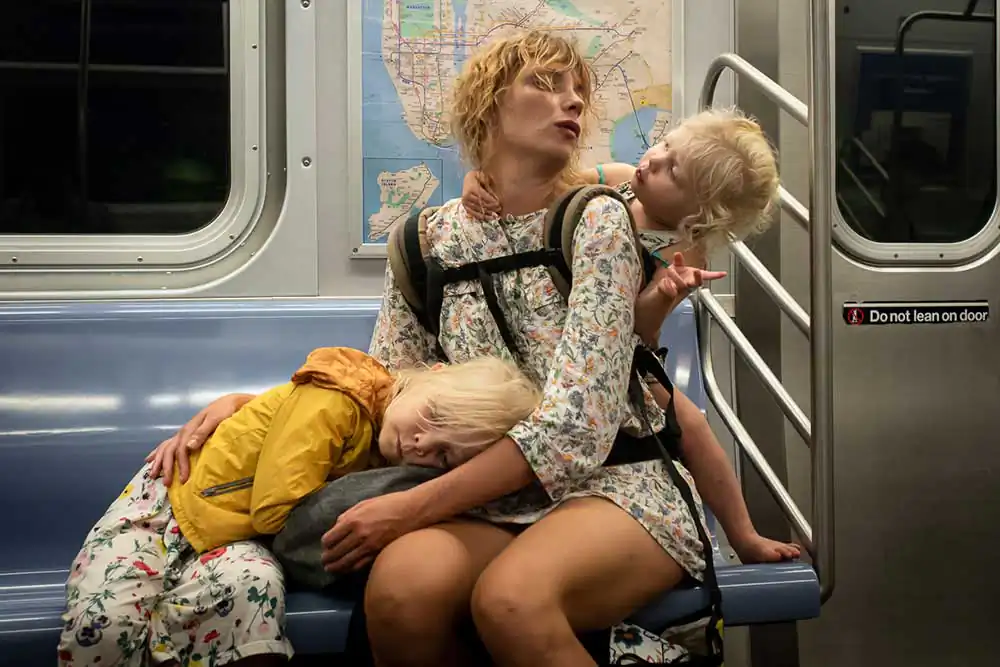
New York City; Street Scenes by Paul Kessel
New York City is considered as one of the best places to practice street photography. It has a history of being the breeding grounds of many of the finest street photographers over the years. If one is proficient with the fundamentals of photography and puts in the time, interesting photographs will emerge. Individual talent and style mean a lot but in addition to this, persistence and patience are necessary. The more one is out with a camera, the greater number of lucky circumstances will happen and result in a few photos worth keeping. The project, “Street Scenes” represents an effort to cull out some of the better photos… Read More
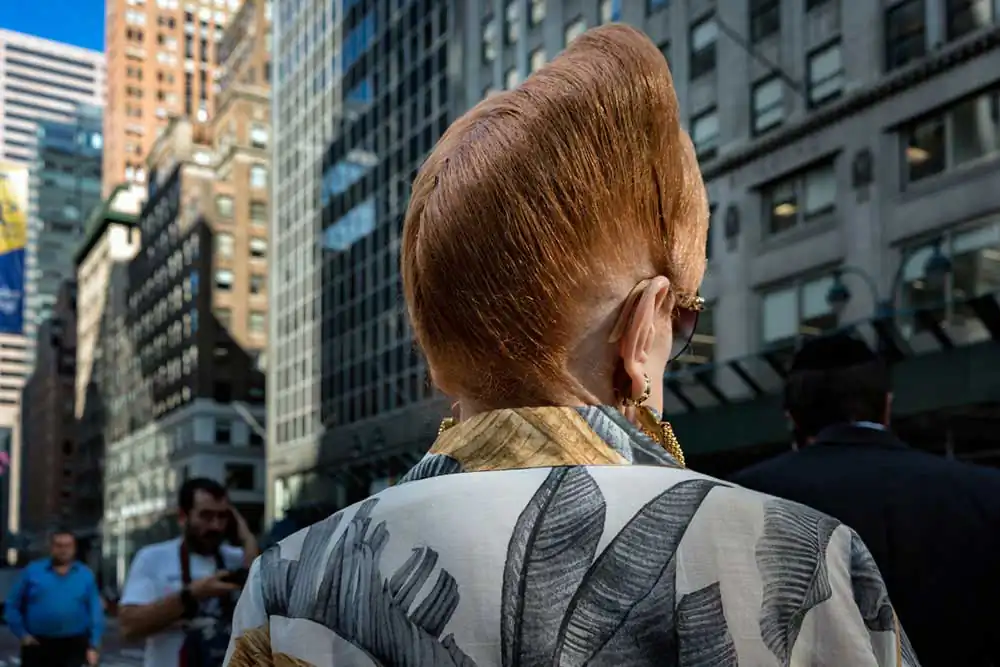
Streets of New York; Nod of recognition by Barbara Jane Levine
Nod of Recognition is a series of portraits and street scenes of strangers captured on the streets of New York. I walk, observe, and photograph people, following the path of light as it moves around the city. I use the light and composition to frame the subject in this found setting. I attempt to capture authentic moments when my subject is unaware of my presence. I see something or someone that grabs my attention and I make a shot and move on my way. A busy street corner is a great space to stop for a while and observe and make images as a scene evolves. Sometimes I get caught and a subject will give me that nod of recognition at the moment of the shot or after I press the shutter… Read More
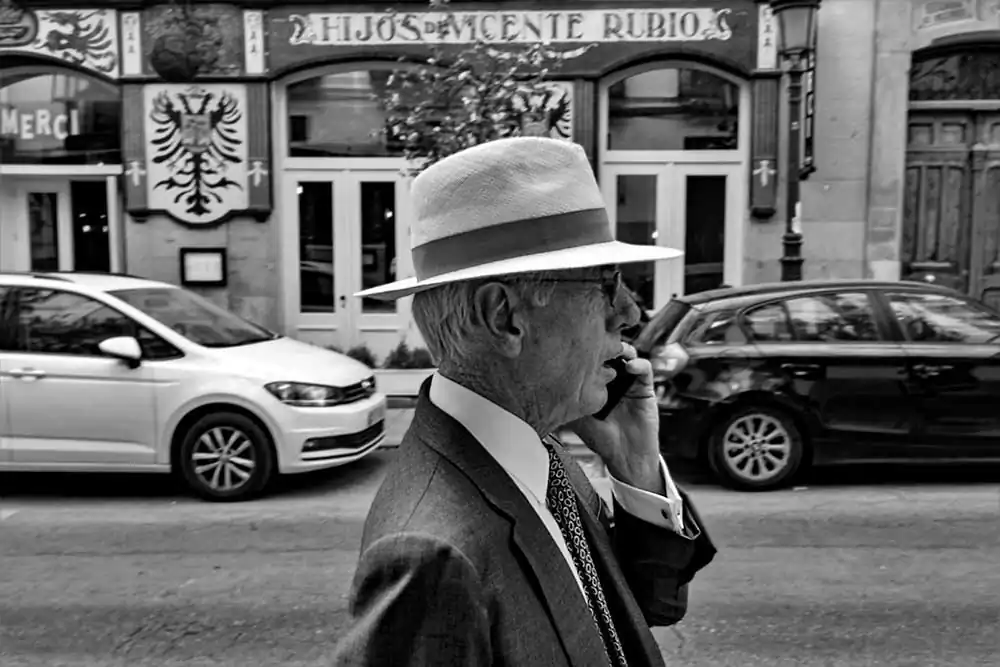
Street photography and decisive moment by Fernando Torres
I remember that when I was a child at home there was a Kodak Brownie and there was also a Polaroid. Already since then the cameras would seem like magical objects reserved for adults. More Years late and in a self-taught way, I would start taking photos as an amateur with what was My first camera, a Mamiya brand reflex. I studied Photographic Production at the Superior School of Image and Sound CES, in Madrid. Over there they instructed me in the treatment of digital images; photographic projects; Taking the shot photographic; Final processes of finishing and conservation of images; Digitize and perform processing of photographs by computer applications; Design, organize and manage photographic projects; Supervise and carry out the scenery, lighting, capture, registration and evaluation of the quality of the photographic images, and Guarantee the processes of delivery, archiving and conservation of images and photographic materials… Read More
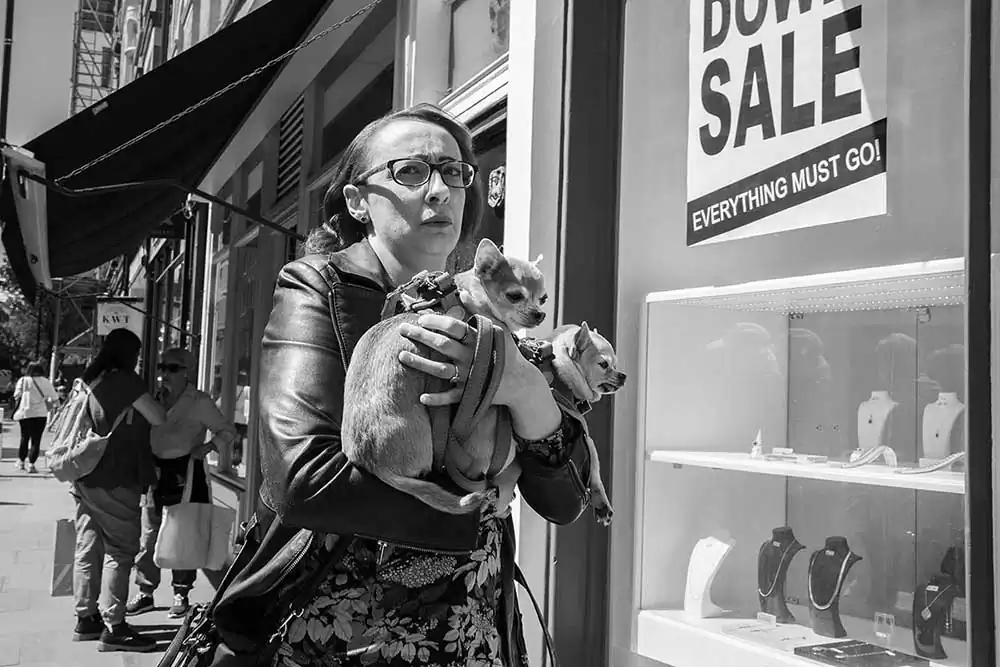
Inner Child Playground: Unveiling Childhood Echoes in London’s Streets by Mister Geez
His artistic journey, deeply intertwined with personal experiences, unfolds as a narrative of unexpected turns, transformative moments, and the power of visual storytelling. His venture into photography was catalyzed unexpectedly in 2011 when the passing of his mother marked a poignant turning point. During the preparations for her funeral, a series of autopsies mandated keeping the coffin closed during the wake. Determined to honor her memory, he embarked on a quest to find a photograph encapsulating her beauty and personality. What began as a brief search unfolded into a six-hour journey, unveiling the profound power of photography. Since that pivotal day, photography has been his means of seizing light and immortalizing moments, guiding him from a dark place to a newfound appreciation for the inherent beauty that surrounds us… Read More
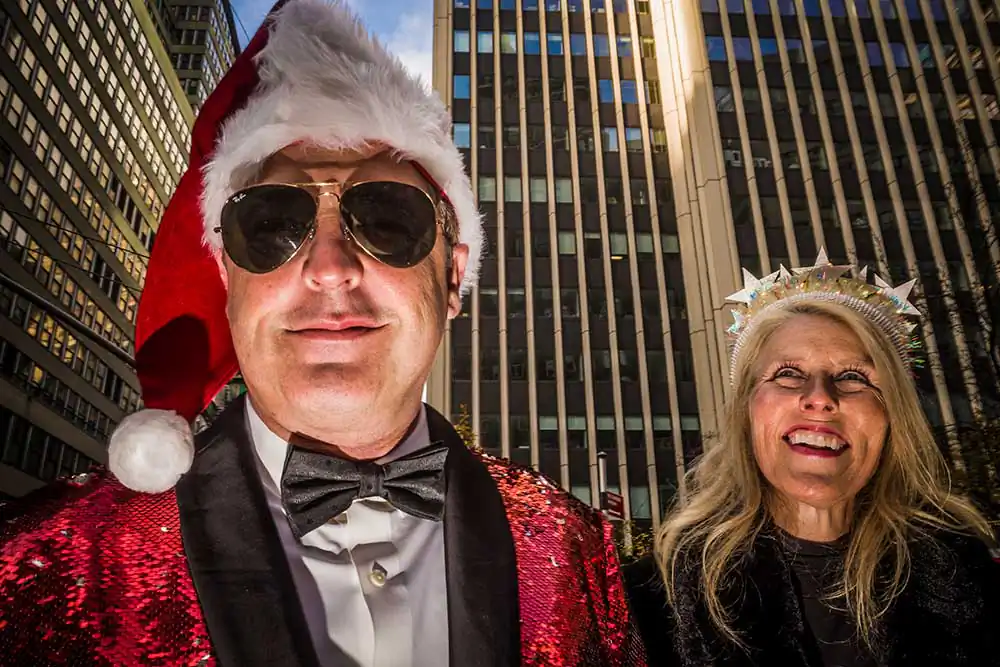
Street Photography by Mark Zilberman
Mark Zilberman’s photography journey began when he was 6 years old. His first experience with photography happened during a trip with his mother and brother to Washington DC to see the Japanese Cherry Trees in bloom. As they walked past a drugstore window, he saw a bright yellow box and said he wanted it. It was a Kodak Instamatic 104 with cartridge film and flash cubes. That was the start of his passion for photography, which he pursued continuously until his early thirties. During this period, he made a living as a freelance photographer in New York City, learning mostly on his own but also while studying for a degree at Arizona State University… Read More