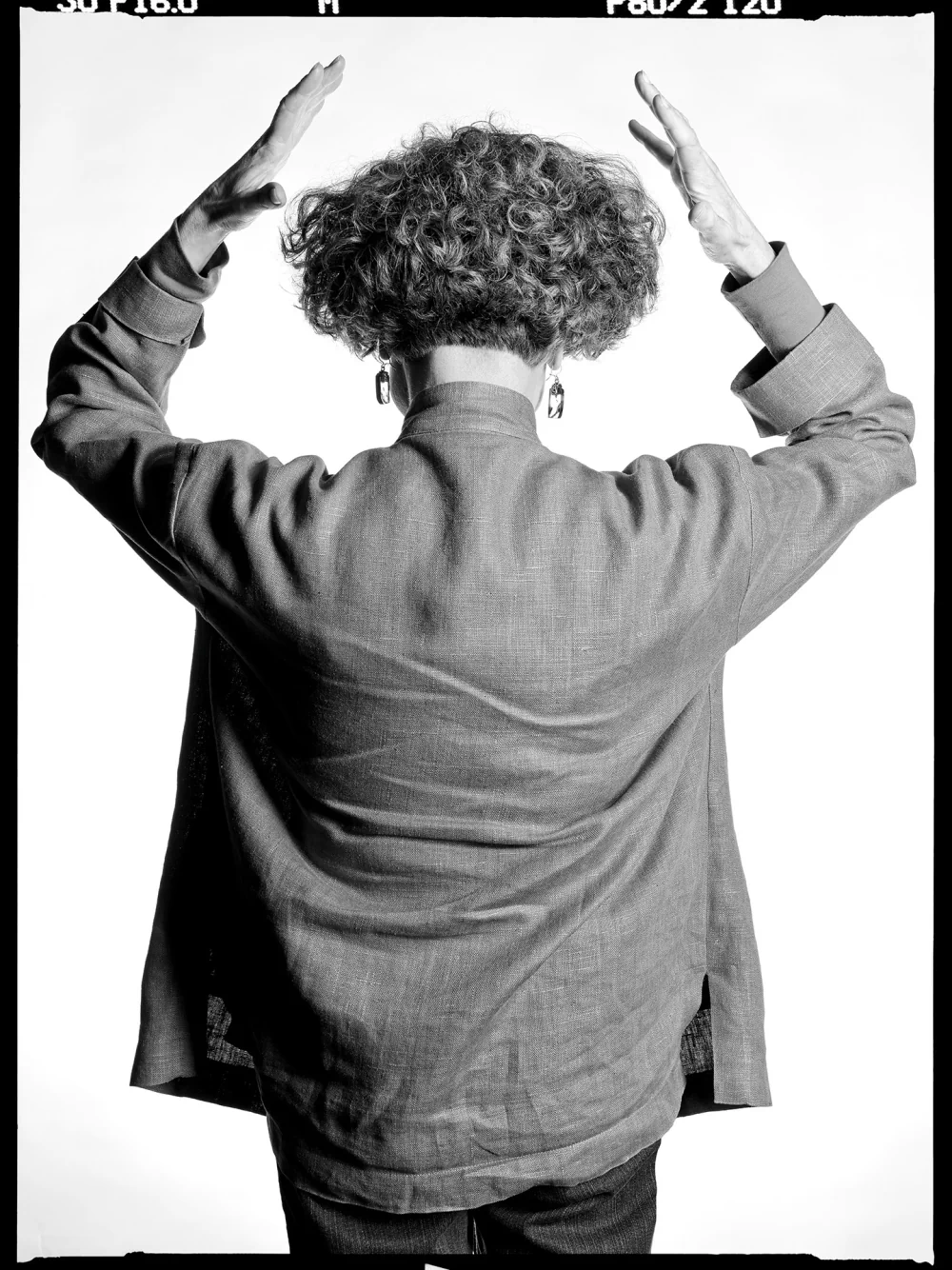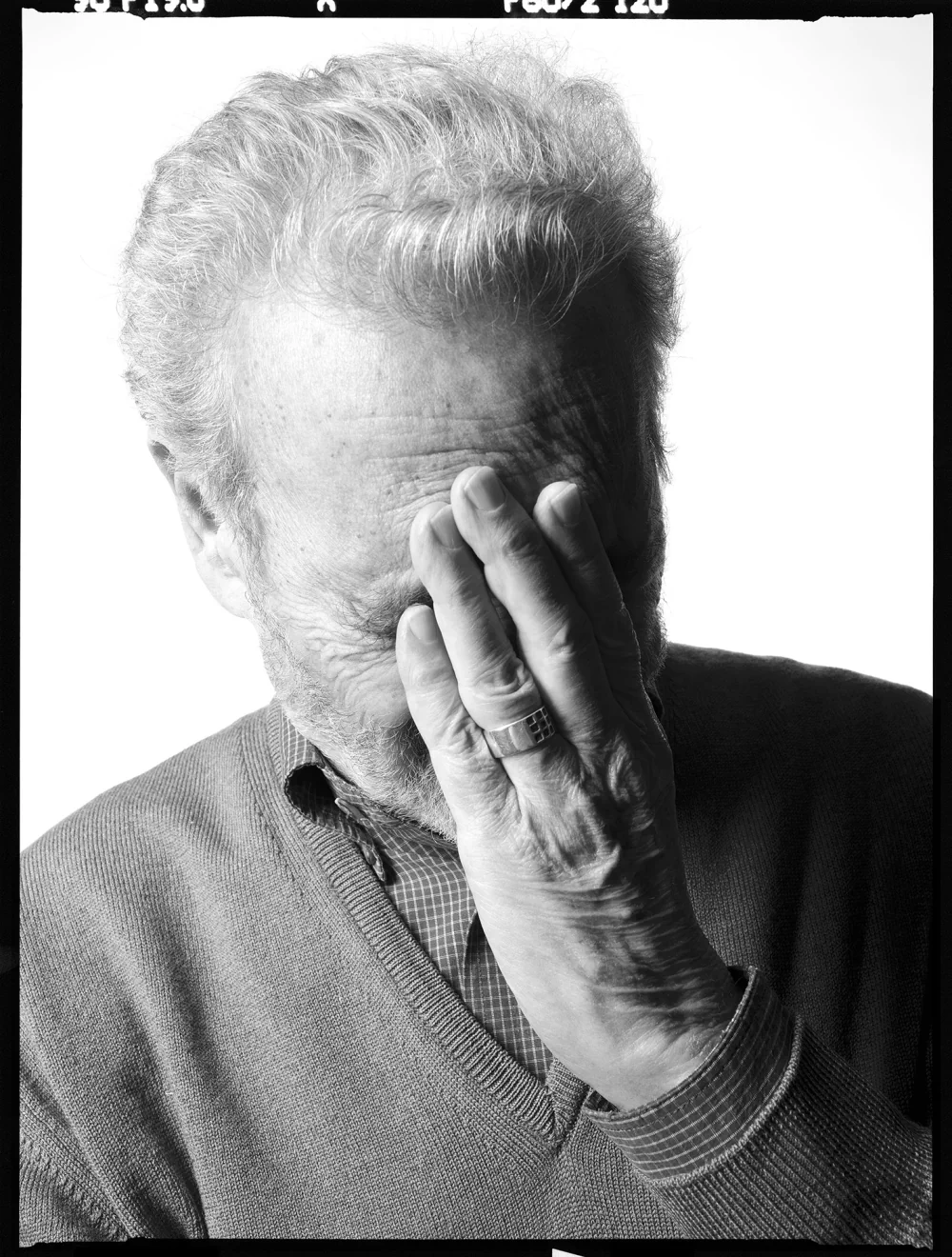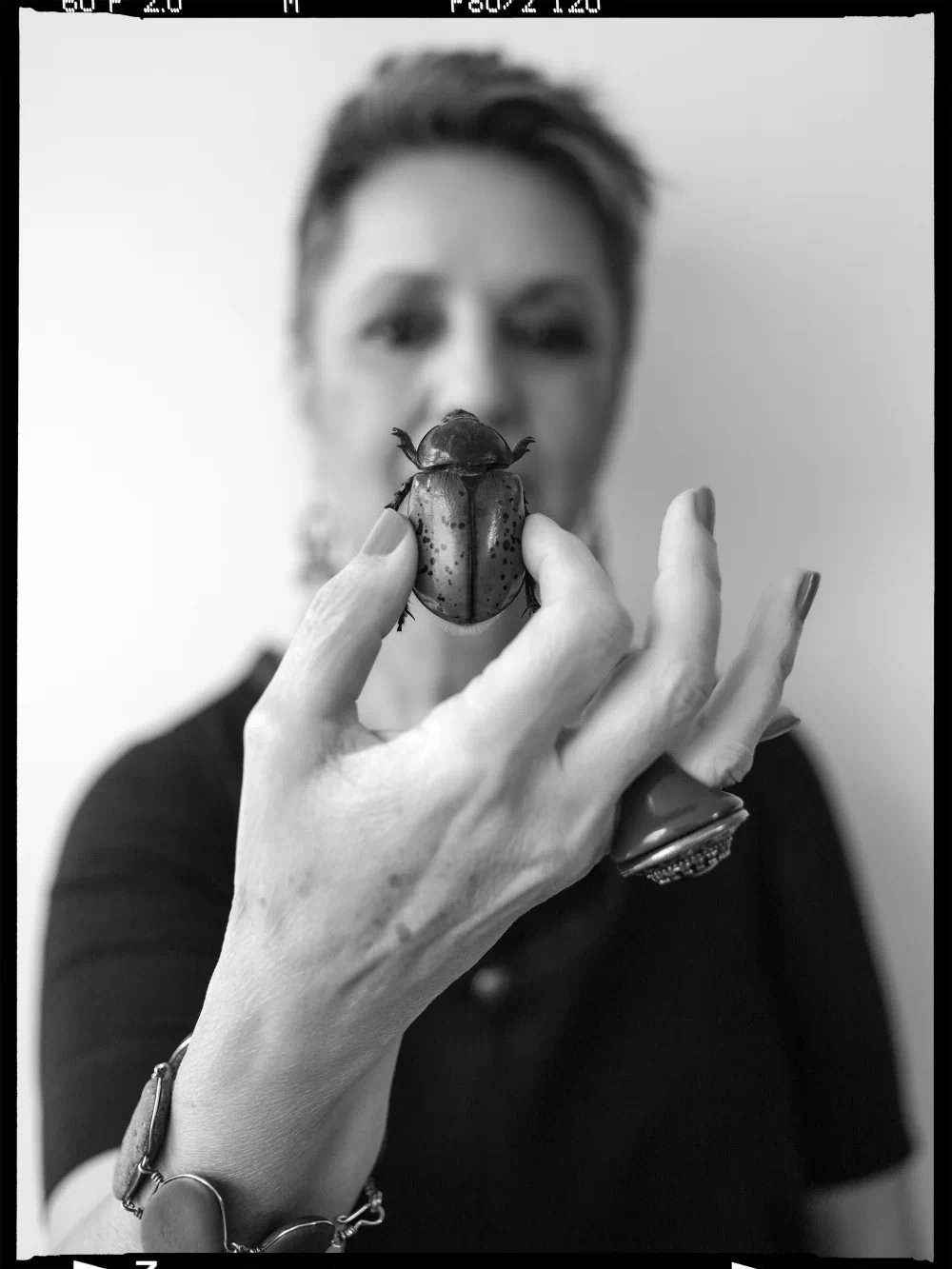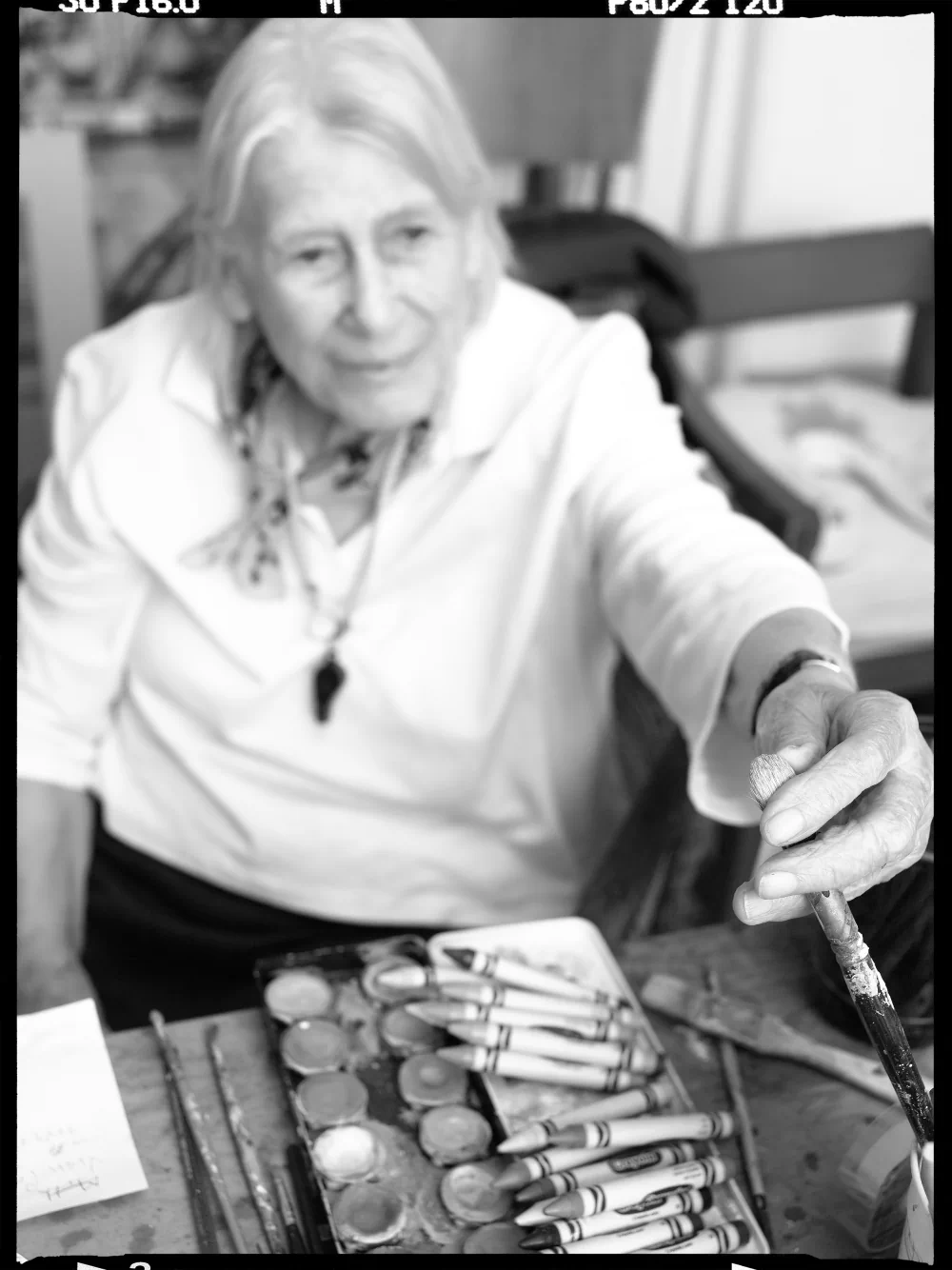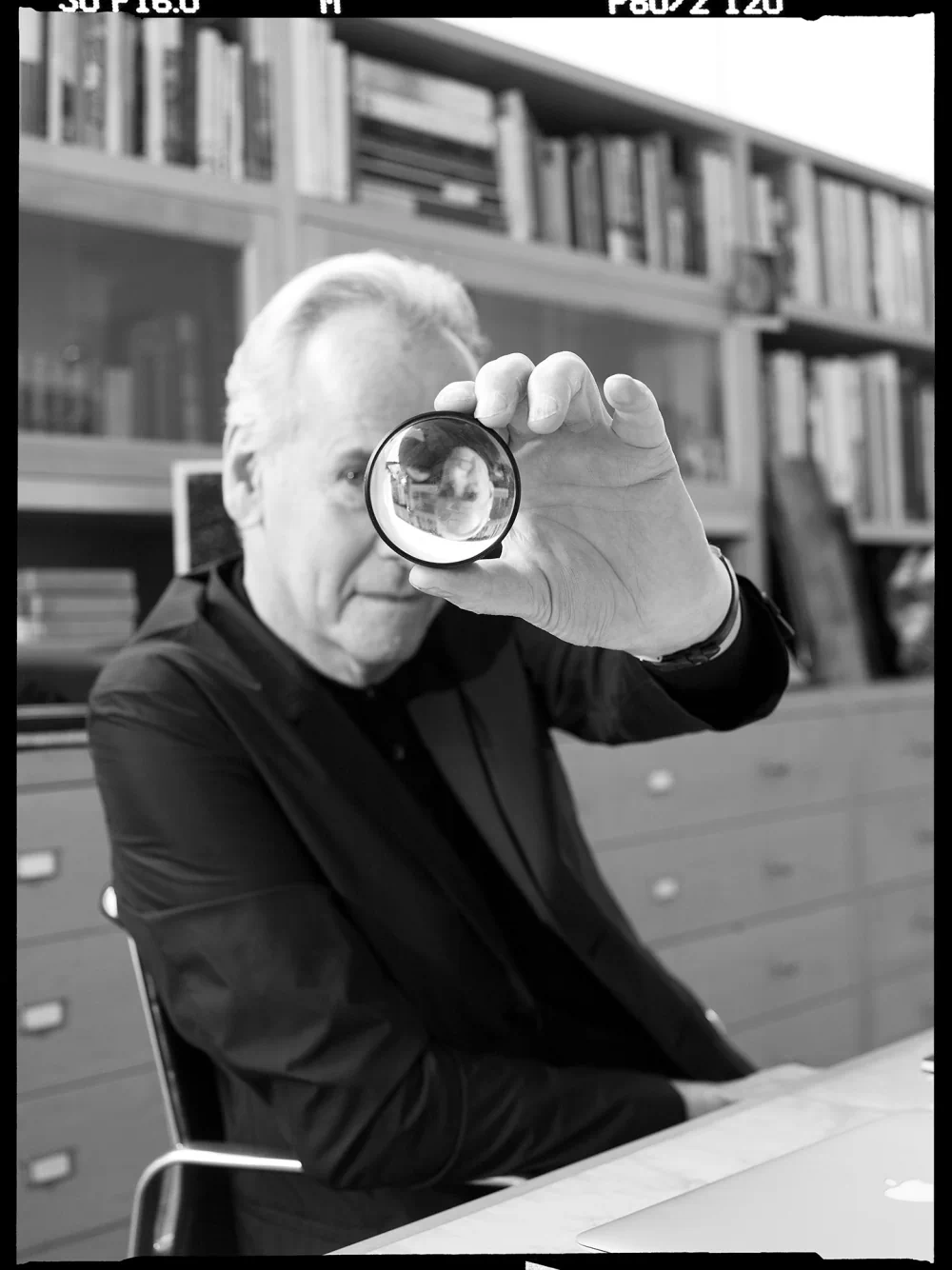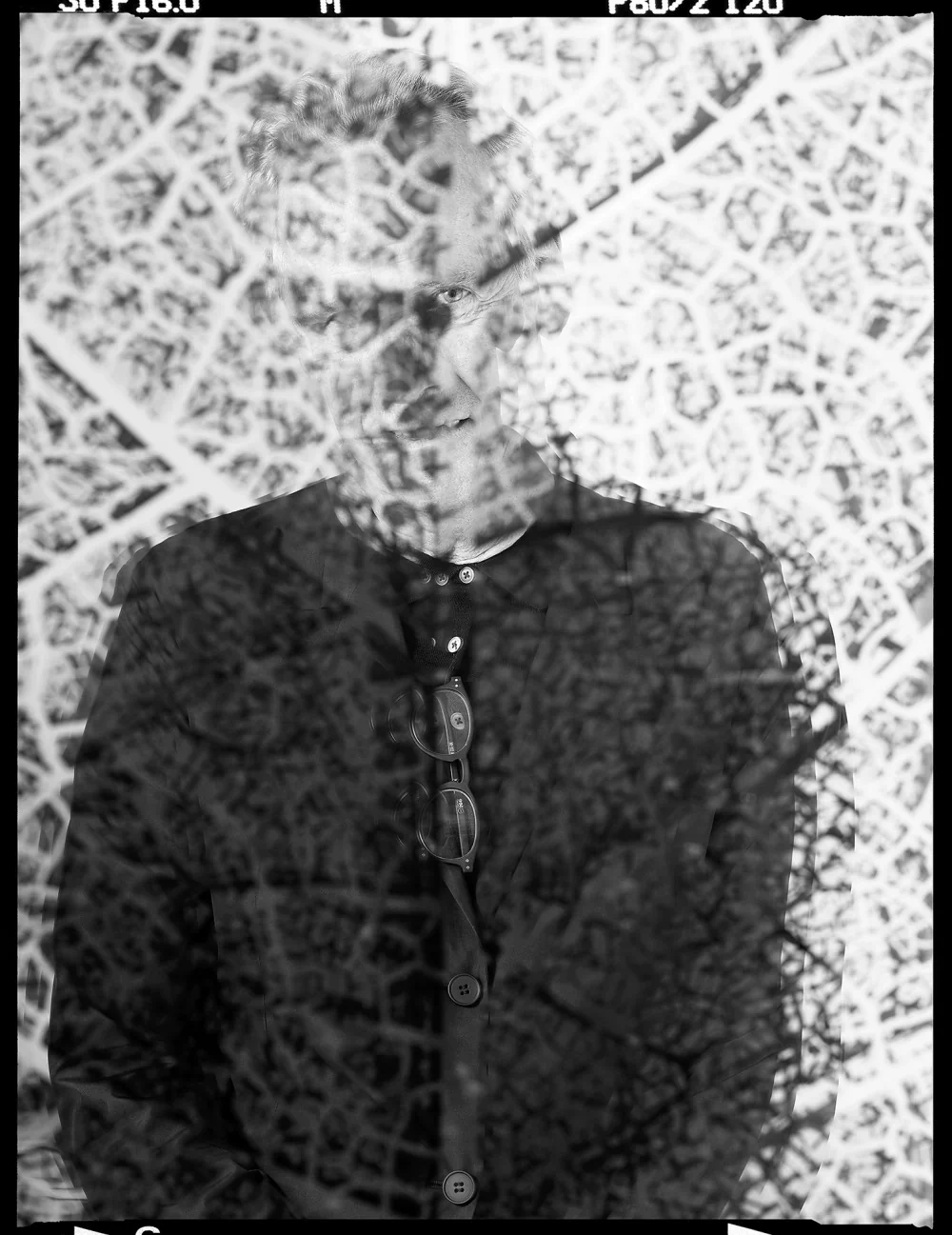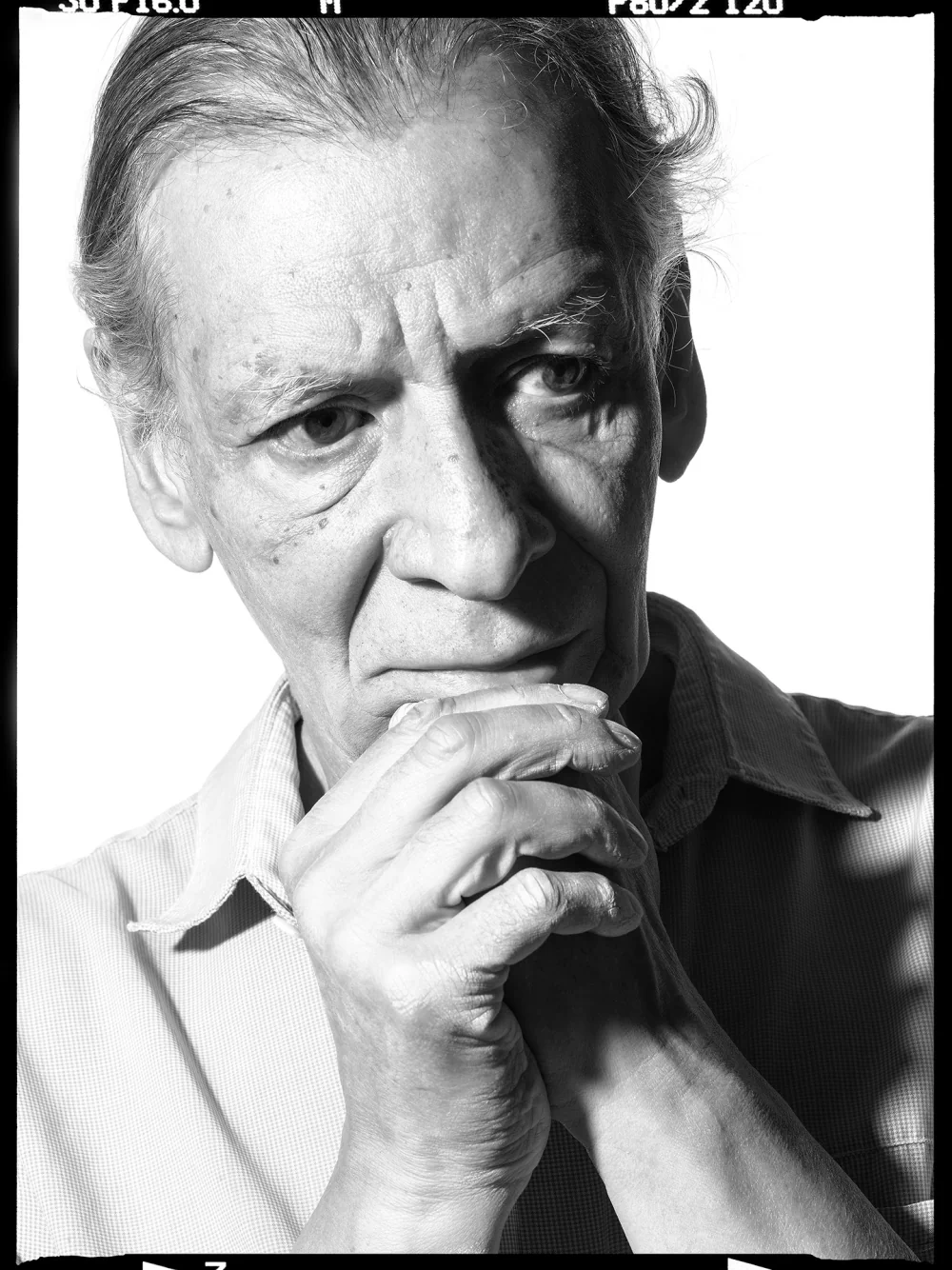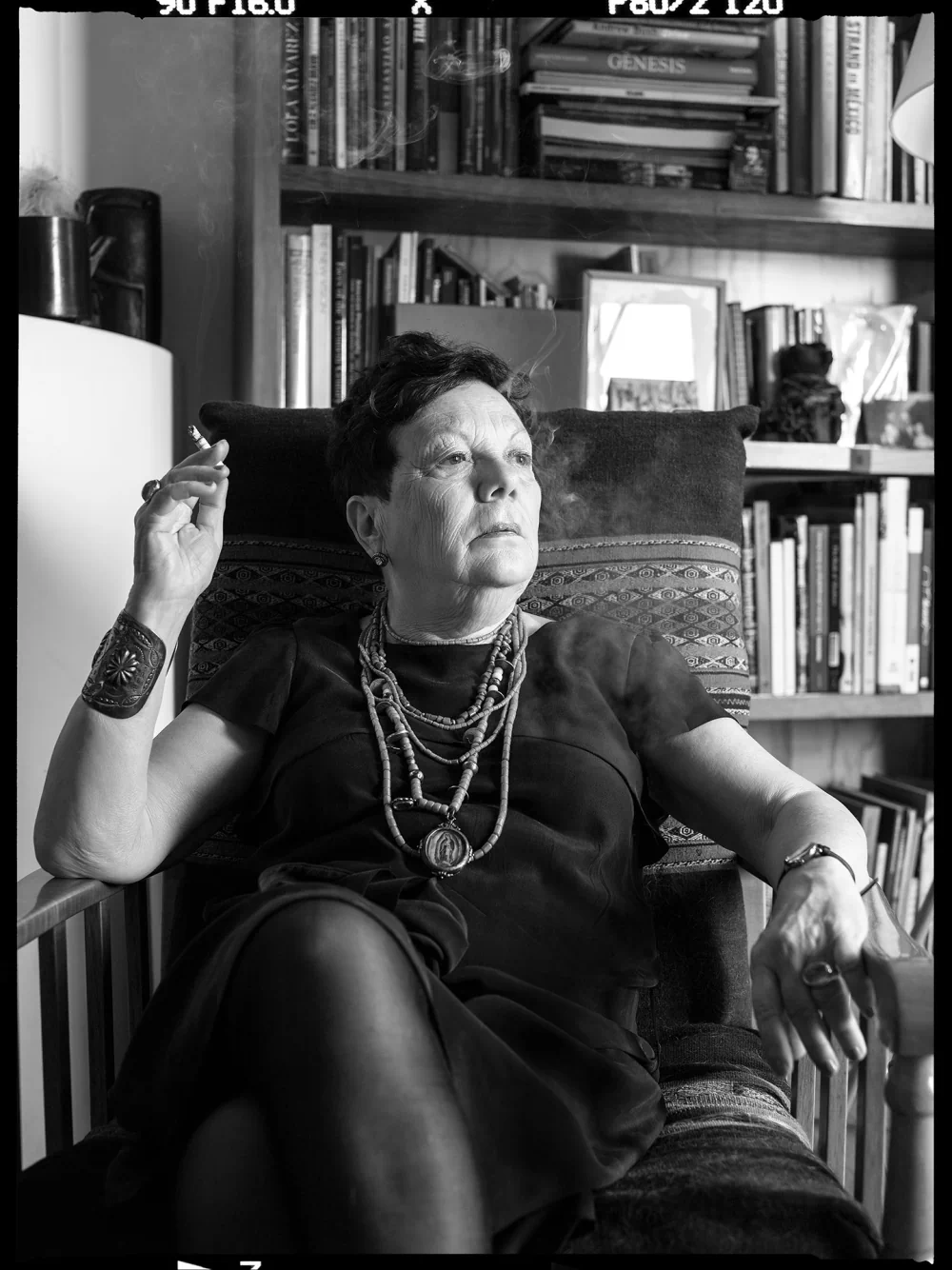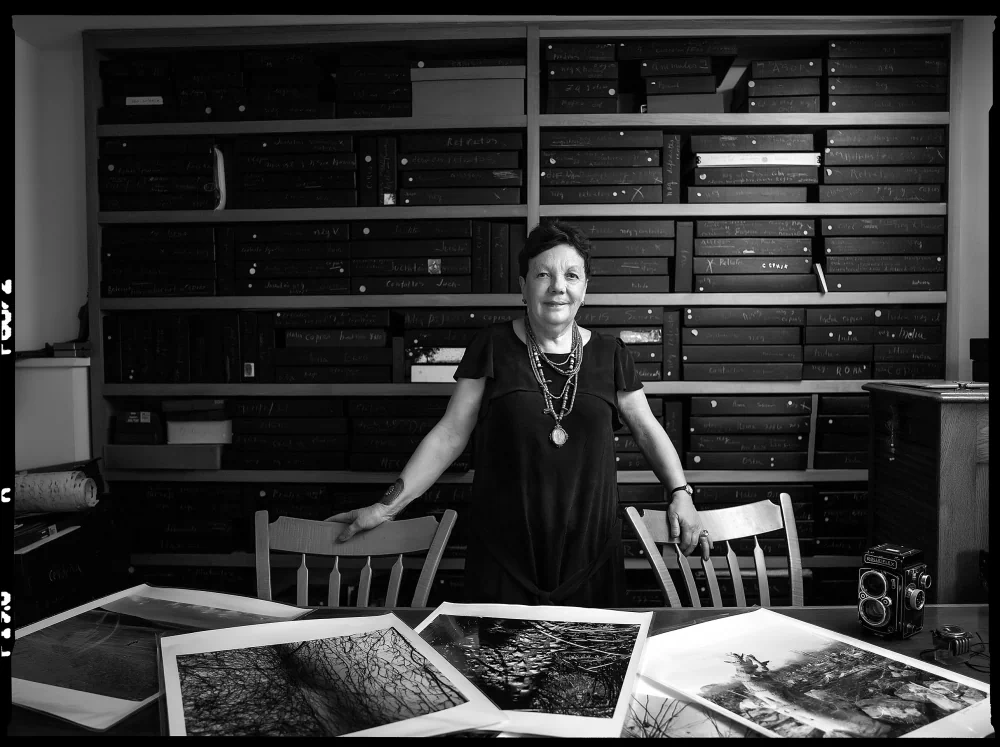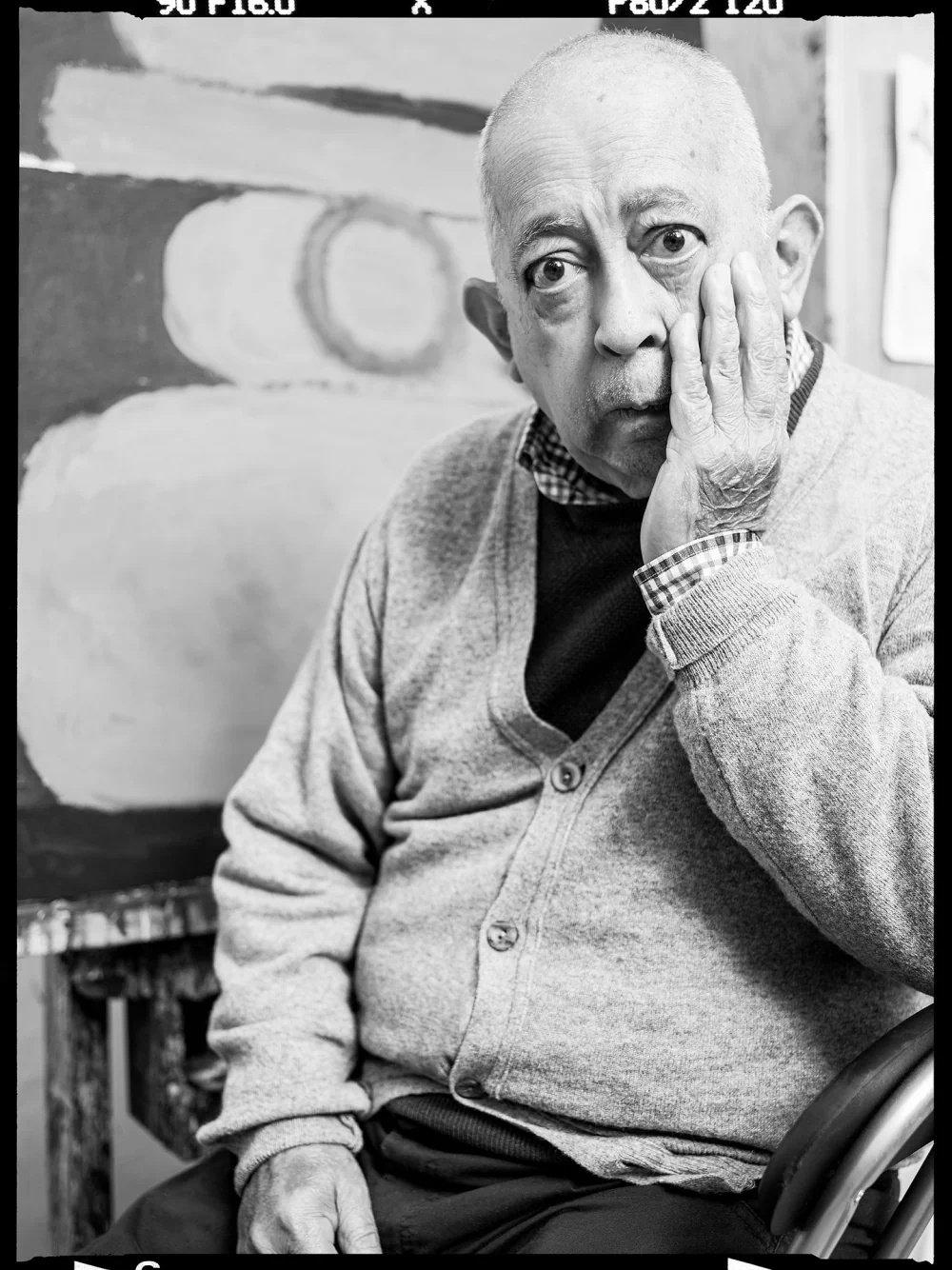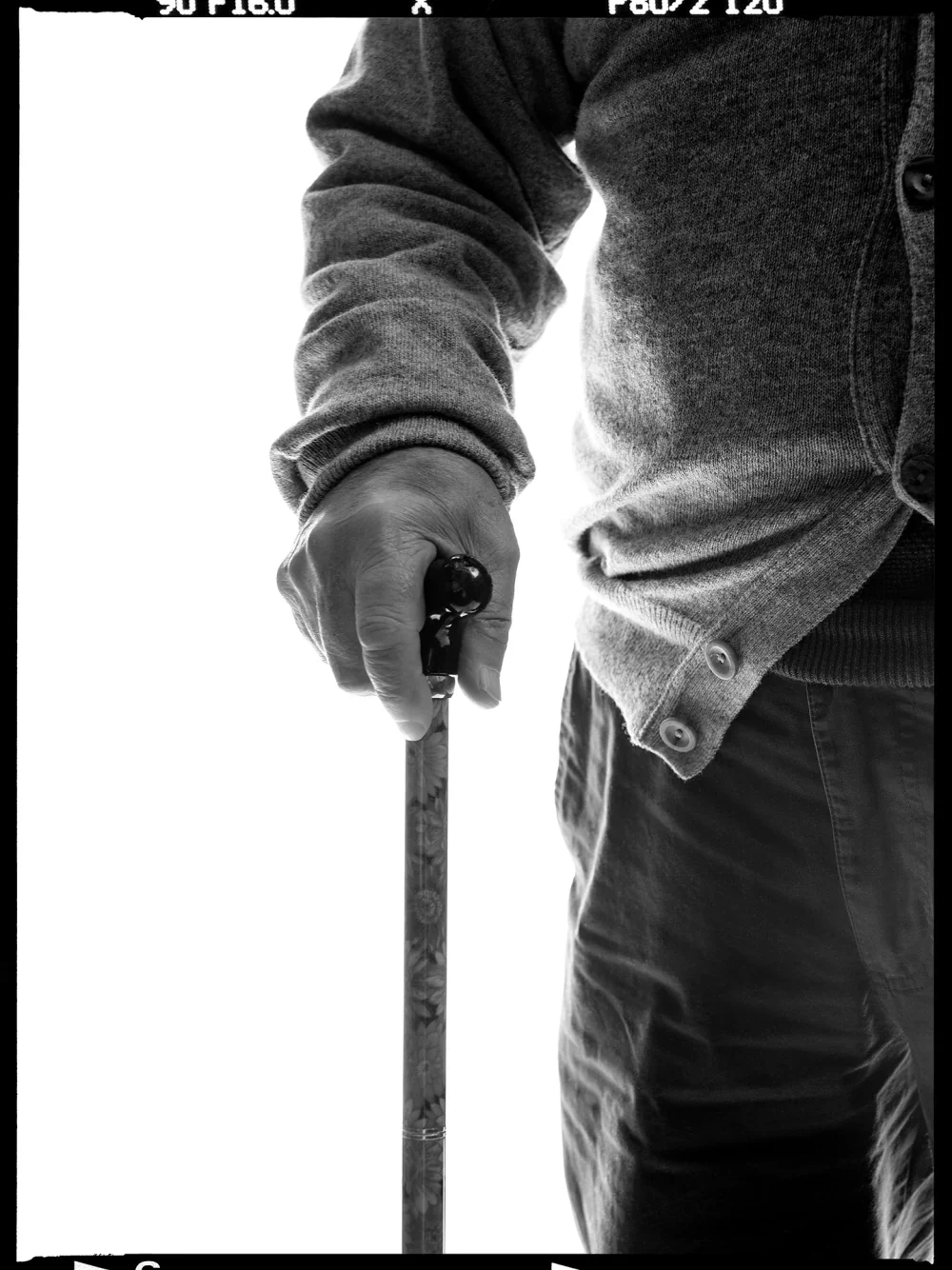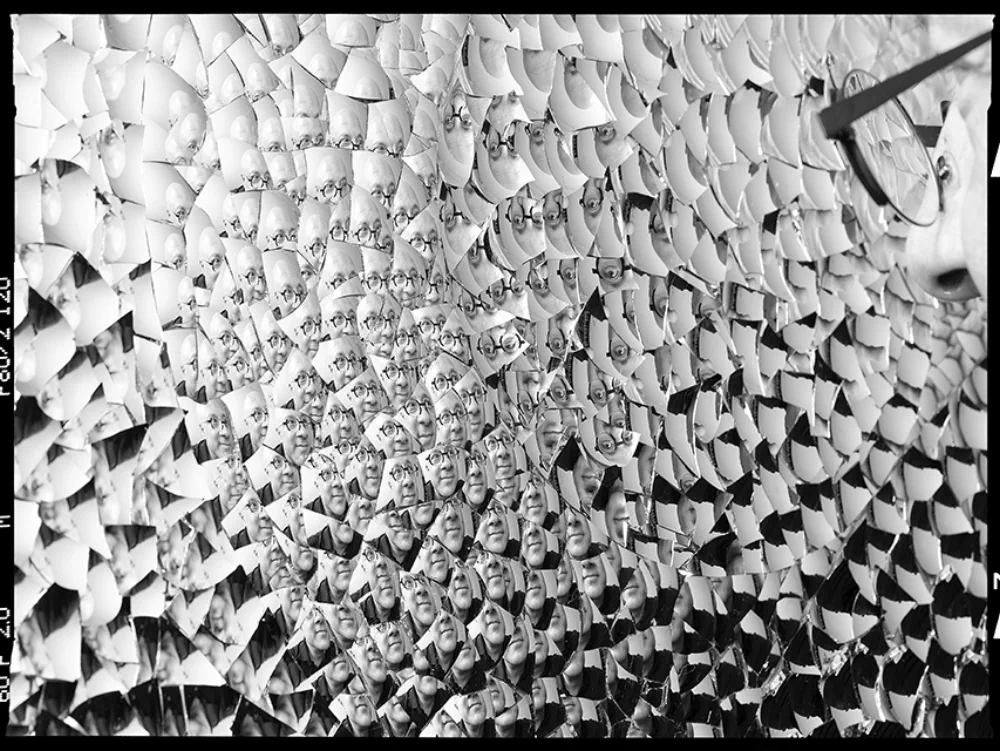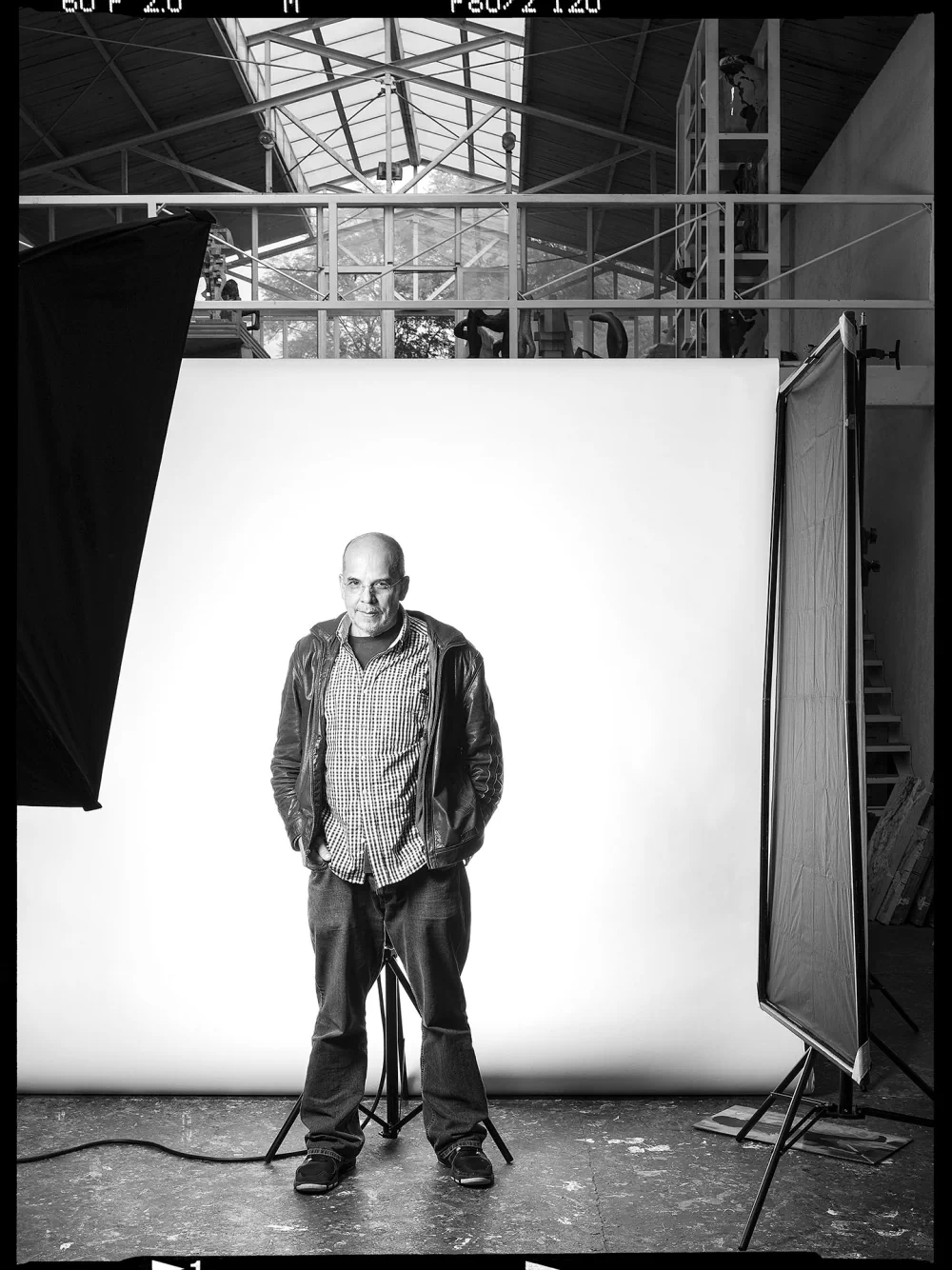


Retrato en Voz Alta, by Allan Fis, is a long-term editorial and photographic project that exists at the intersection of historical document, visual essay, and intimate portraiture.
The result of more than twenty years of sustained work, the project brings together an extensive series of portraits of key figures in Mexican contemporary art, forming a unique visual archive that spans generations, artistic languages, and decisive moments in the country’s cultural history.
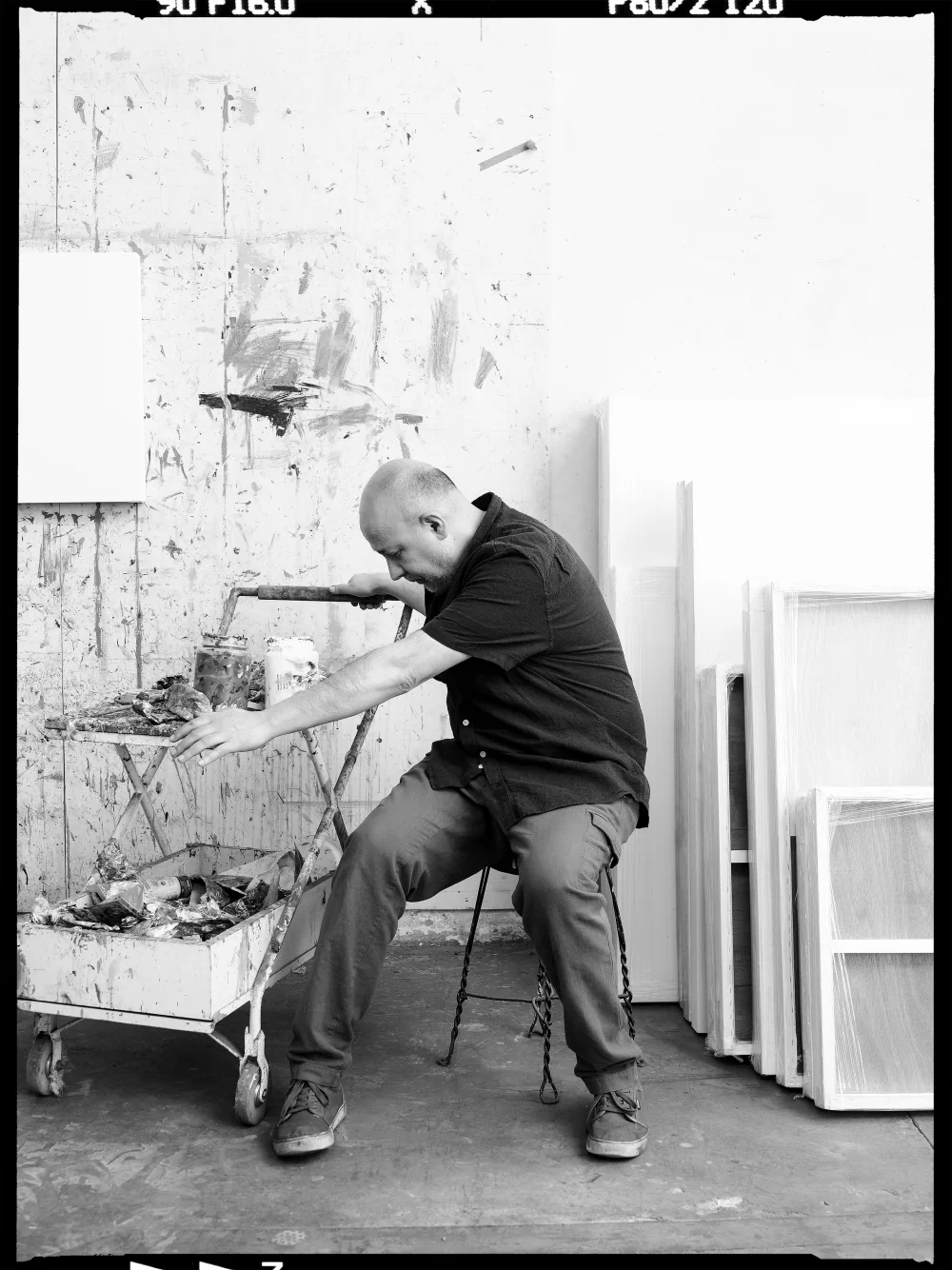
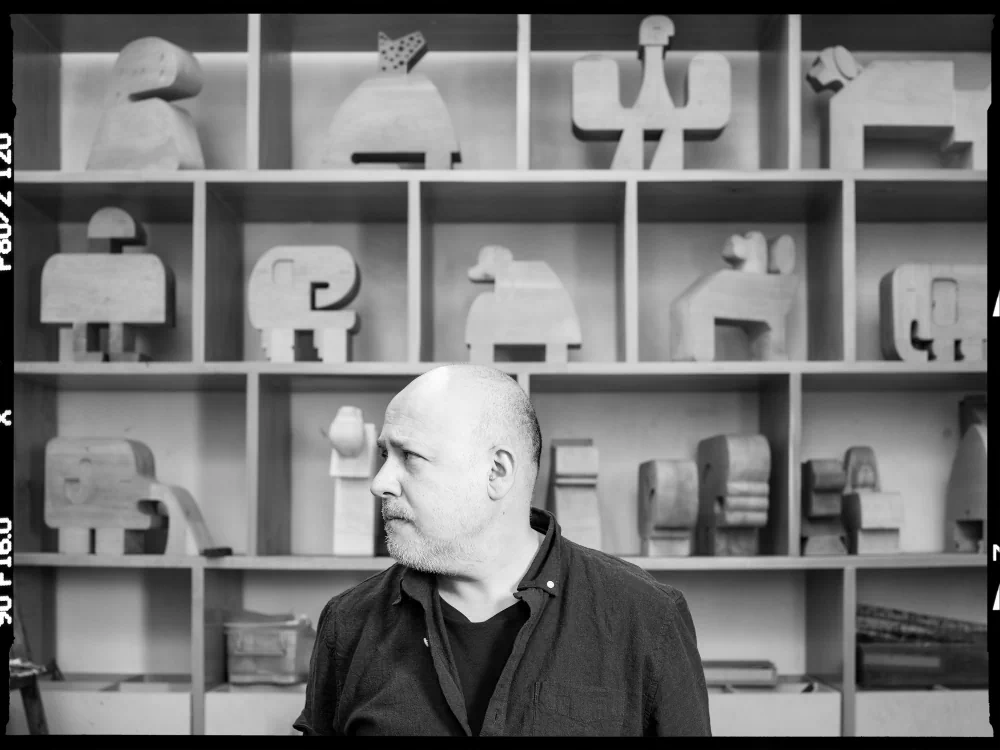
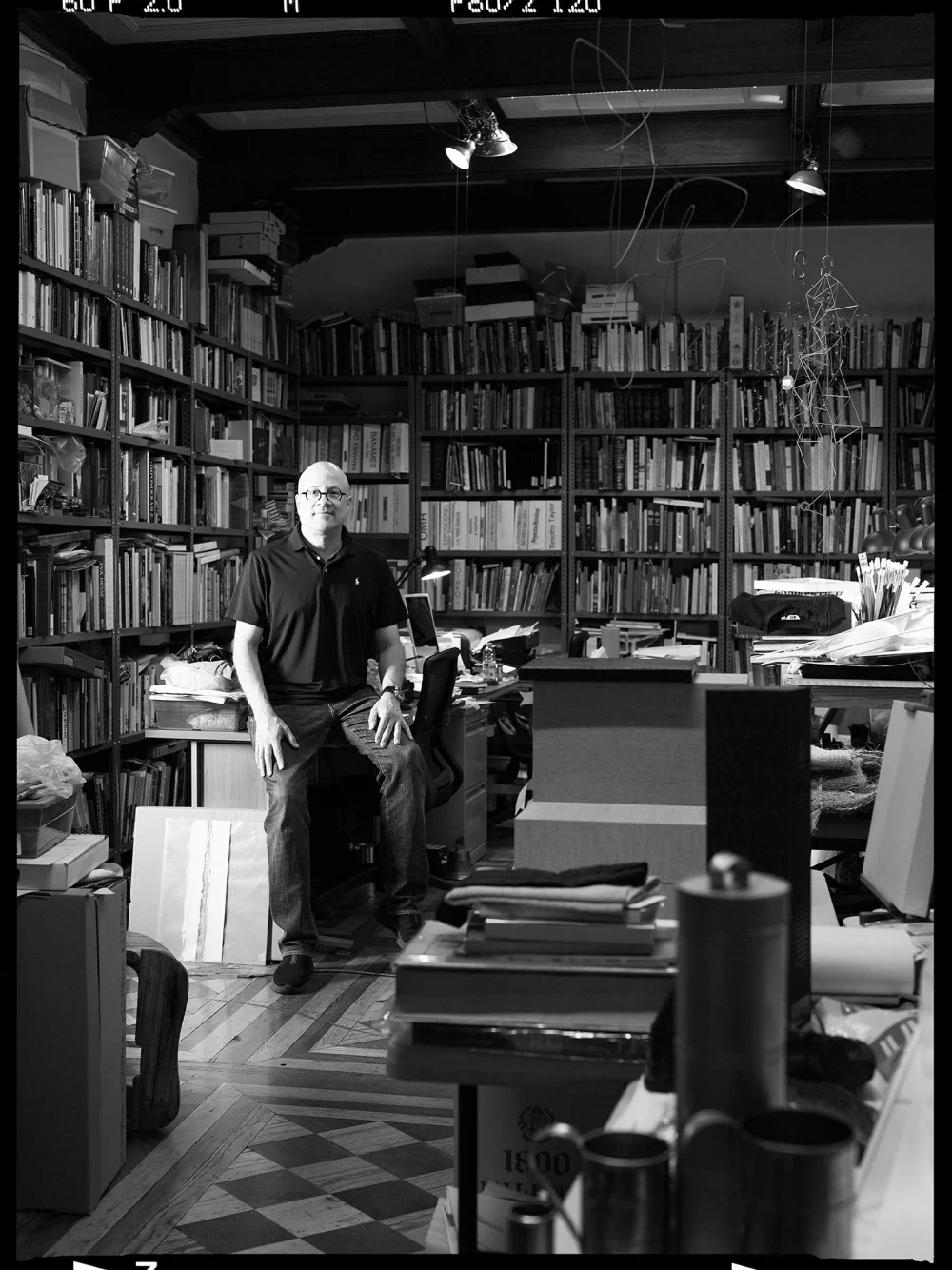
Far removed from the logic of the quick or circumstantial portrait, Fis develops a methodology rooted in long-term relationships and dialogue. Each photograph is the outcome of repeated encounters, of trust built over time, and of a gaze that sharpens as the photographer comes to understand the artist’s environment, work, and life trajectory. The studio, workshop, or domestic space does not function merely as a backdrop, but as an extension of the artist’s creative thinking.
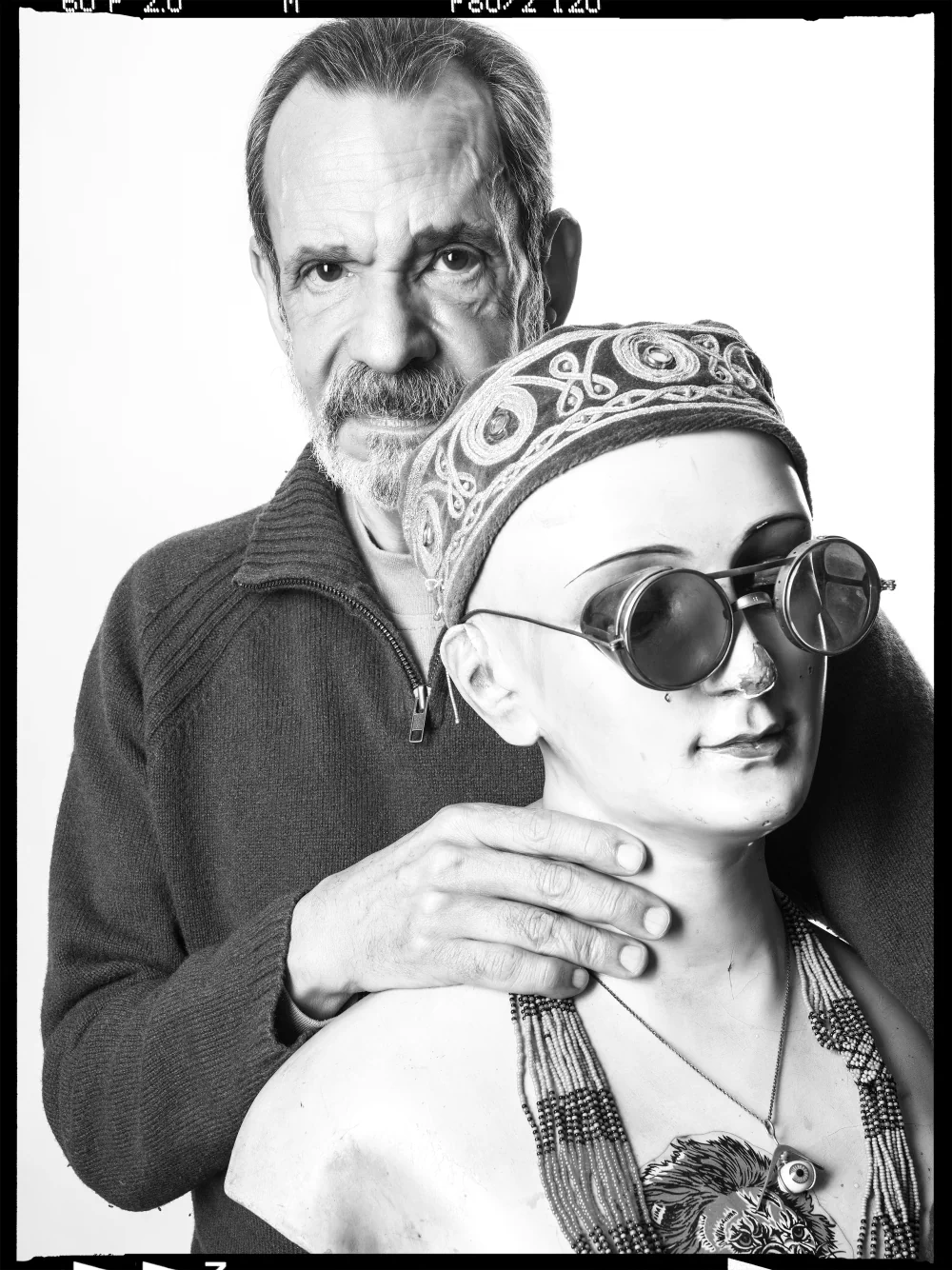
The project is structured in two complementary volumes. Volume I is devoted to masters and historical figures of Mexican art, many of whom have since passed away, giving these images an irreplaceable documentary value. These portraits preserve not only a face, but a presence, an attitude toward the world, and a way of understanding artistic creation at a specific moment in history. In this sense, the book also operates as an archive of cultural memory.
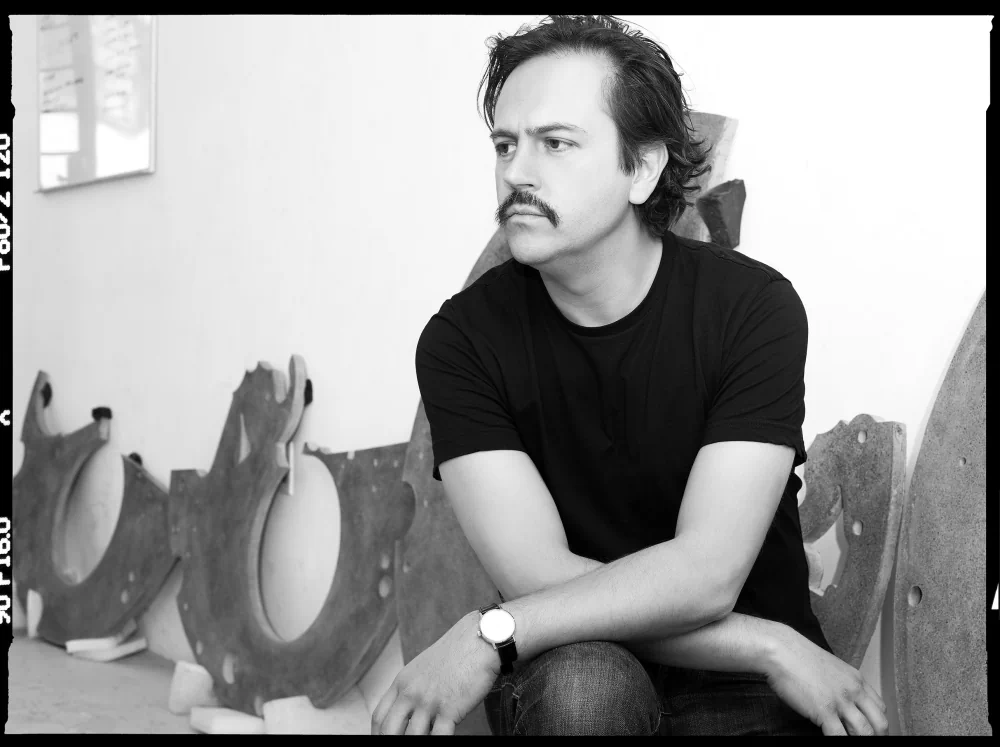
Volume II expands the focus to contemporary artists who have achieved international recognition and who represent the continuation and transformation of that legacy. By placing both volumes in dialogue, Retrato en Voz Alta traces a temporal line that connects past and present, revealing how ideas, concerns, and creative practices evolve without completely severing their roots.
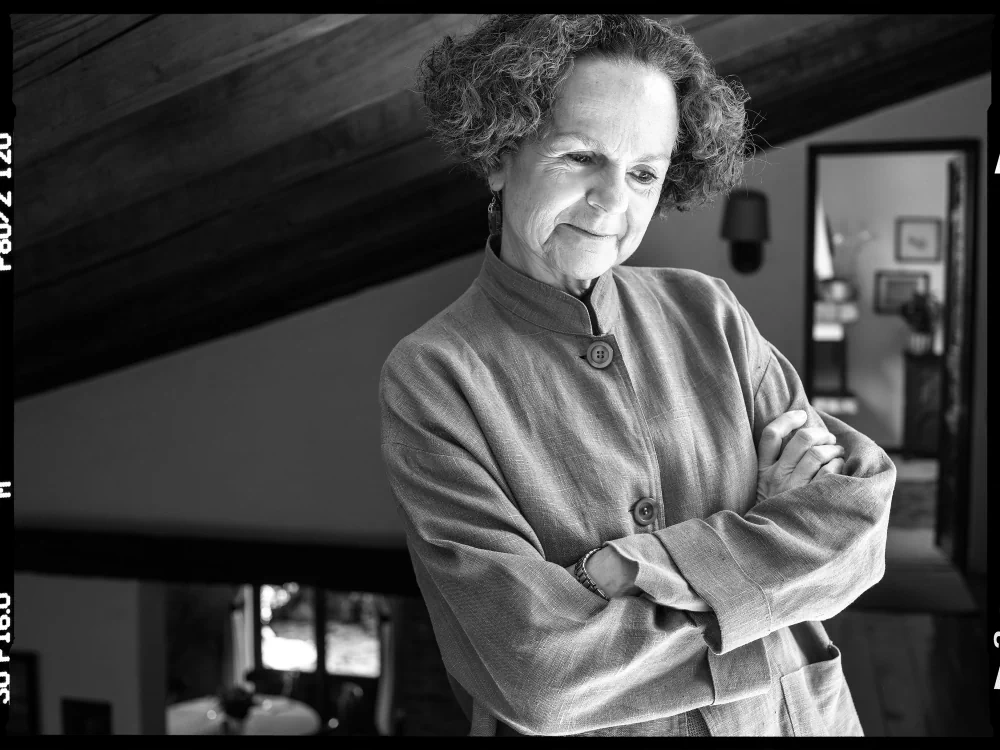
Formally, the project makes a clear commitment to black and white photography and to analog processes, underscoring a conscious relationship with photographic tradition and with the slow time of image-making. This choice is not merely aesthetic, but conceptual: it reinforces notions of permanence, archival value, and resistance to the fleeting nature of contemporary imagery. Each portrait is presented as an autonomous object, dense with symbolic and emotional weight.
Accompanied by texts and interviews that contextualize the work and the thinking of the artists portrayed, Retrato en Voz Alta establishes itself as a reference publication in both editorial and museum contexts. More than a compilation of images, the book is a profound reflection on portraiture as a tool for knowledge, on photography as an act of commitment, and on the need to preserve the visual memory of those who have shaped Mexican contemporary art. [Official Website]