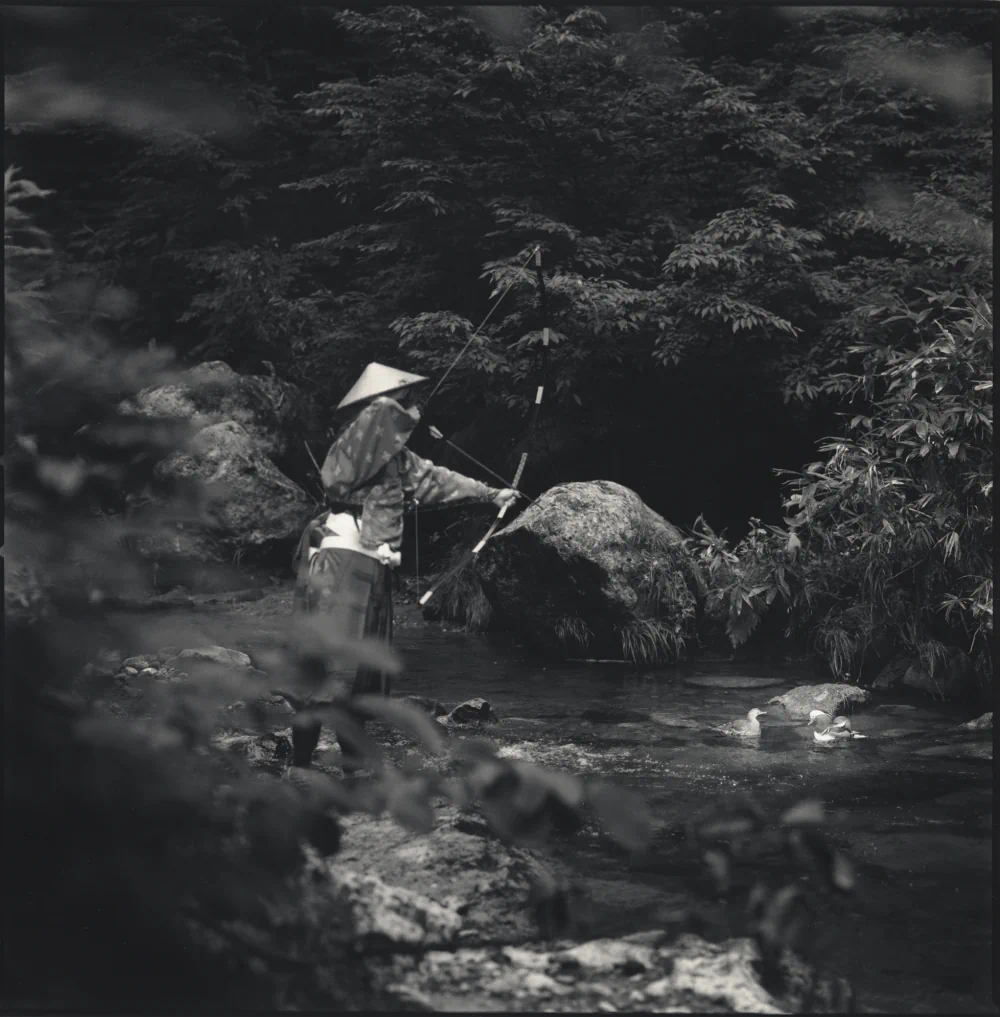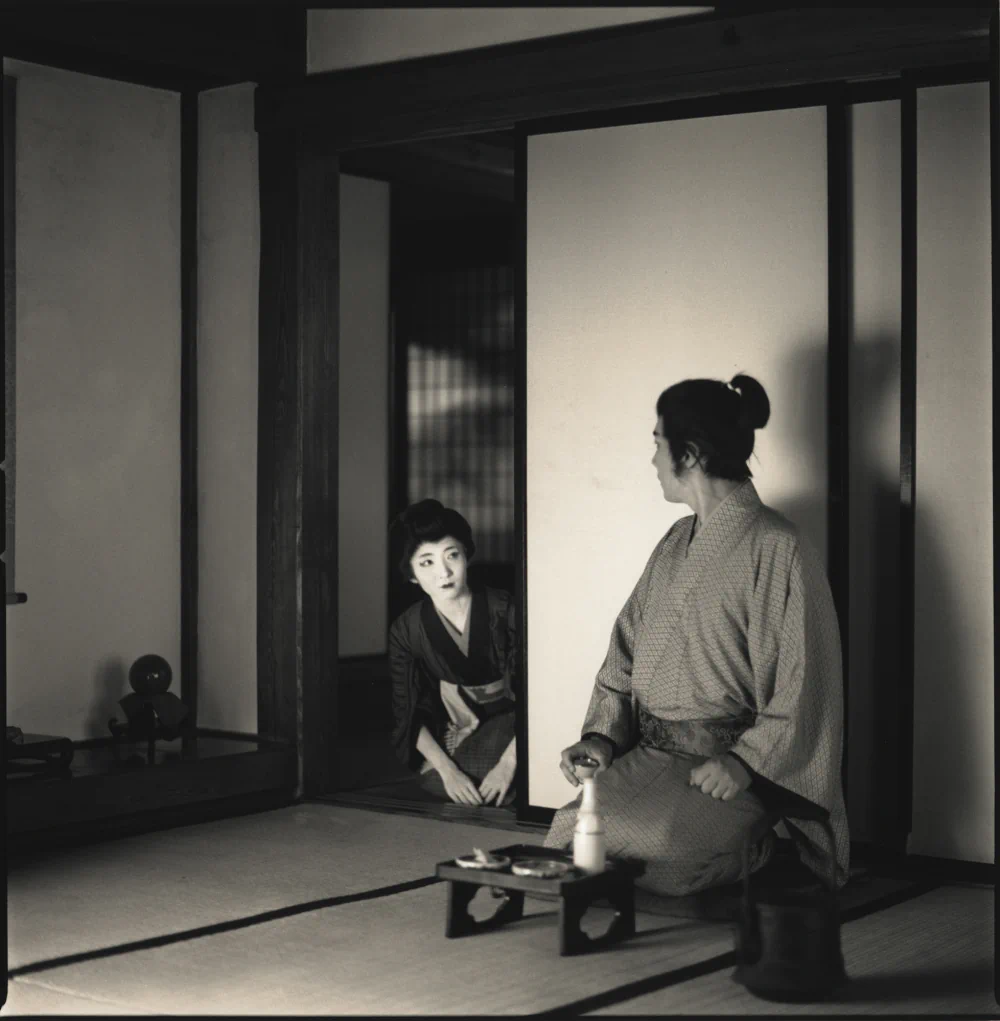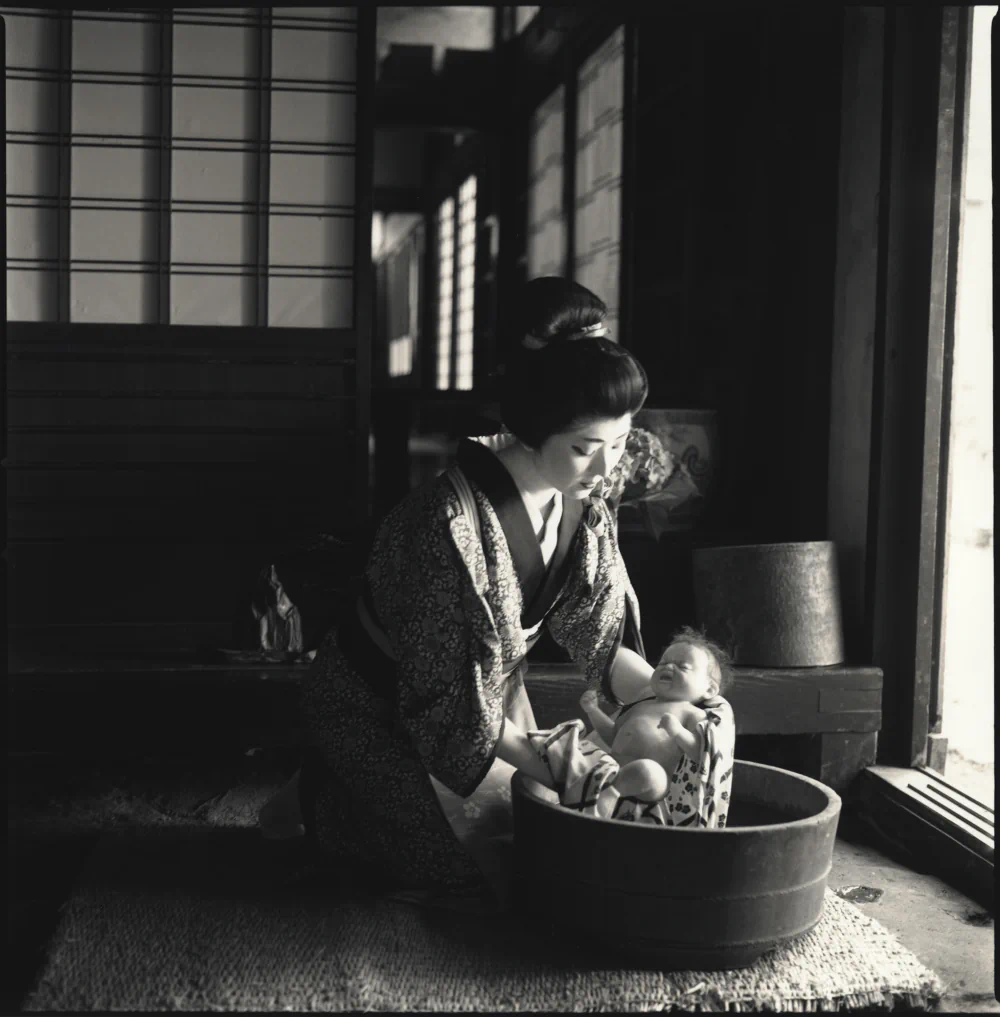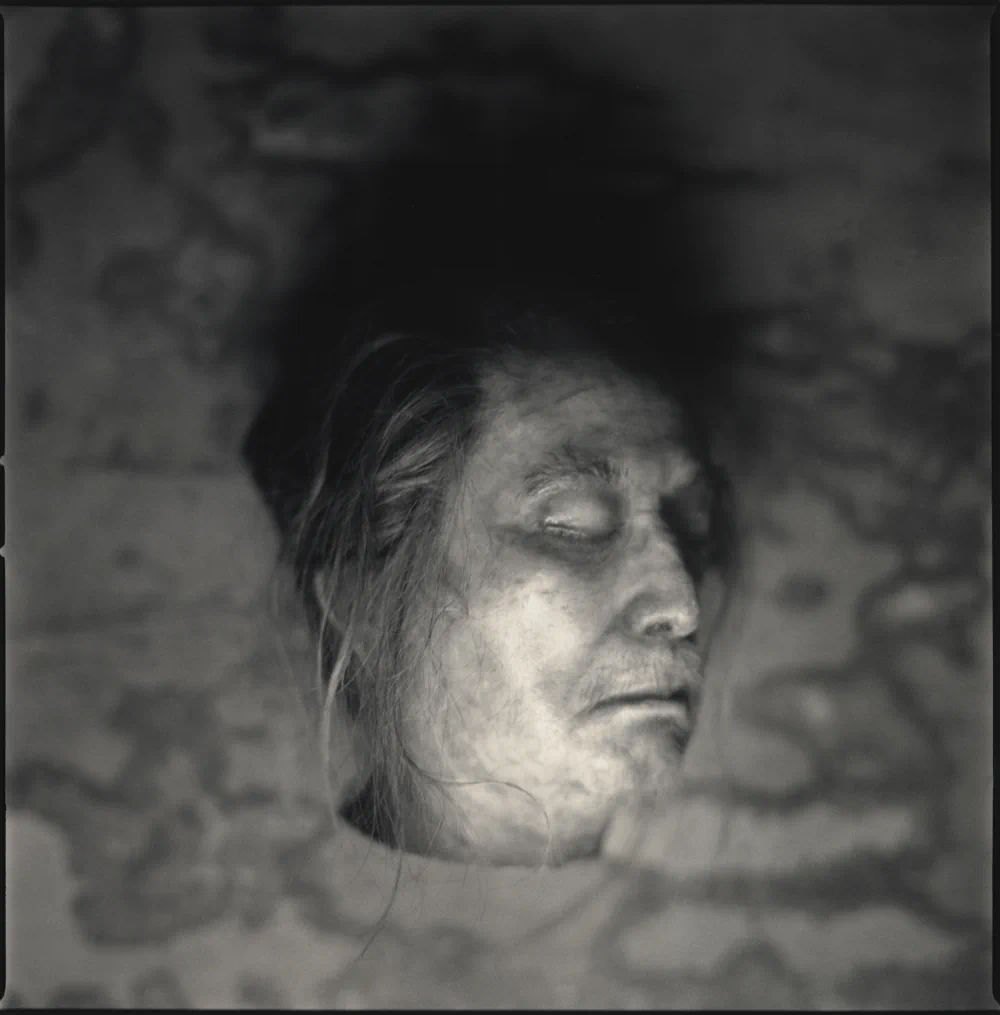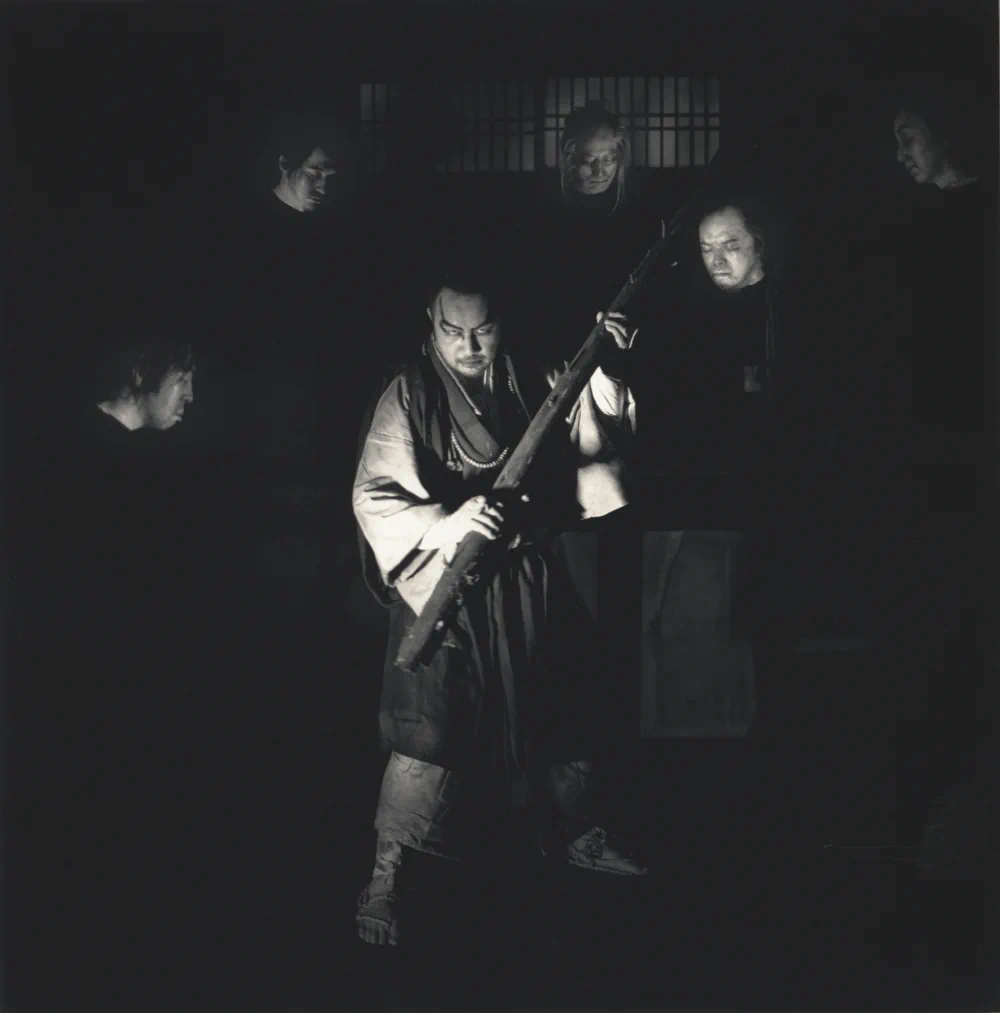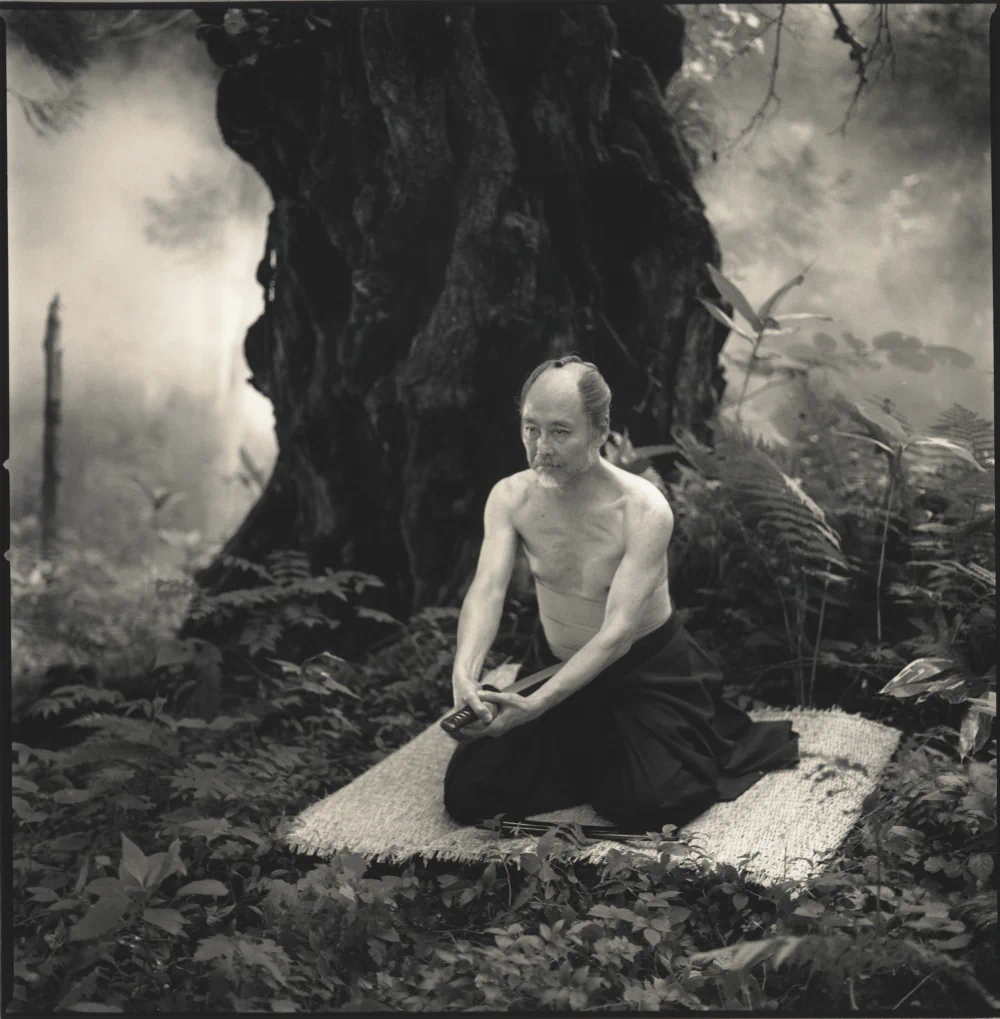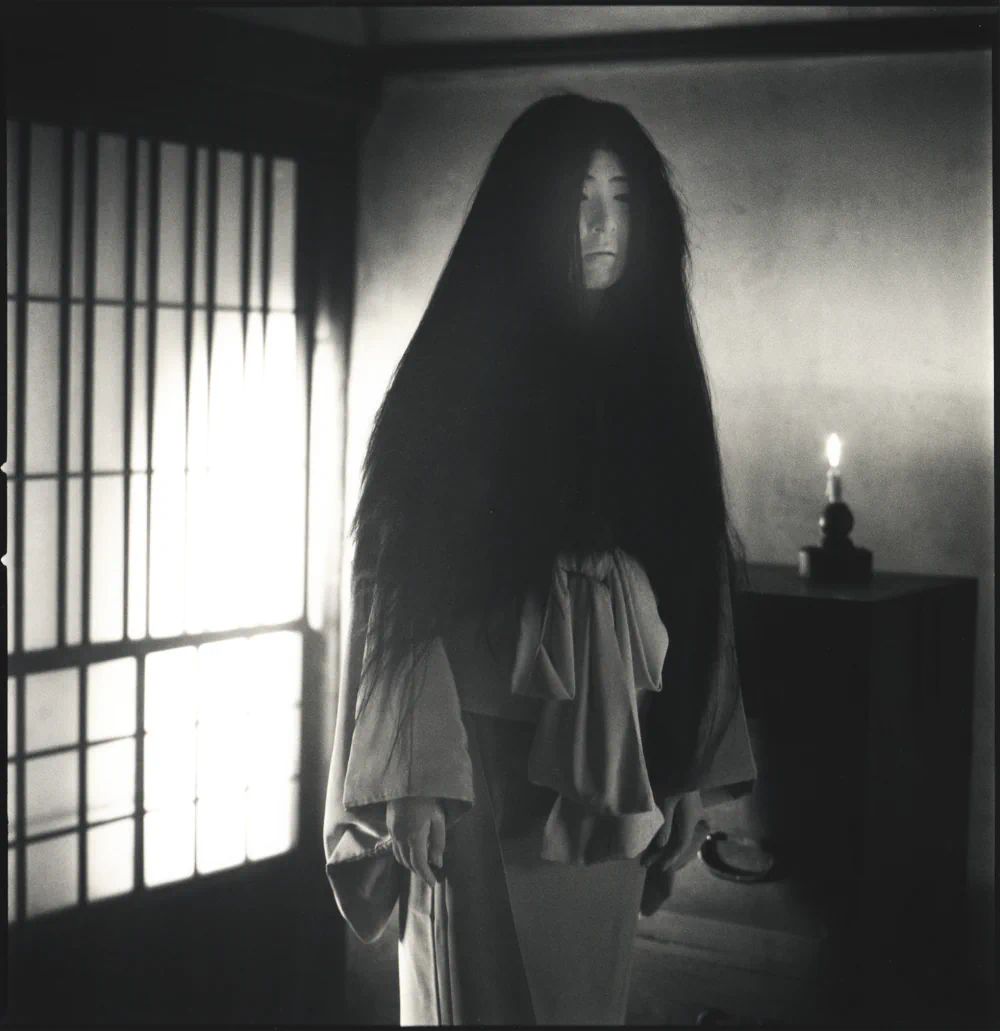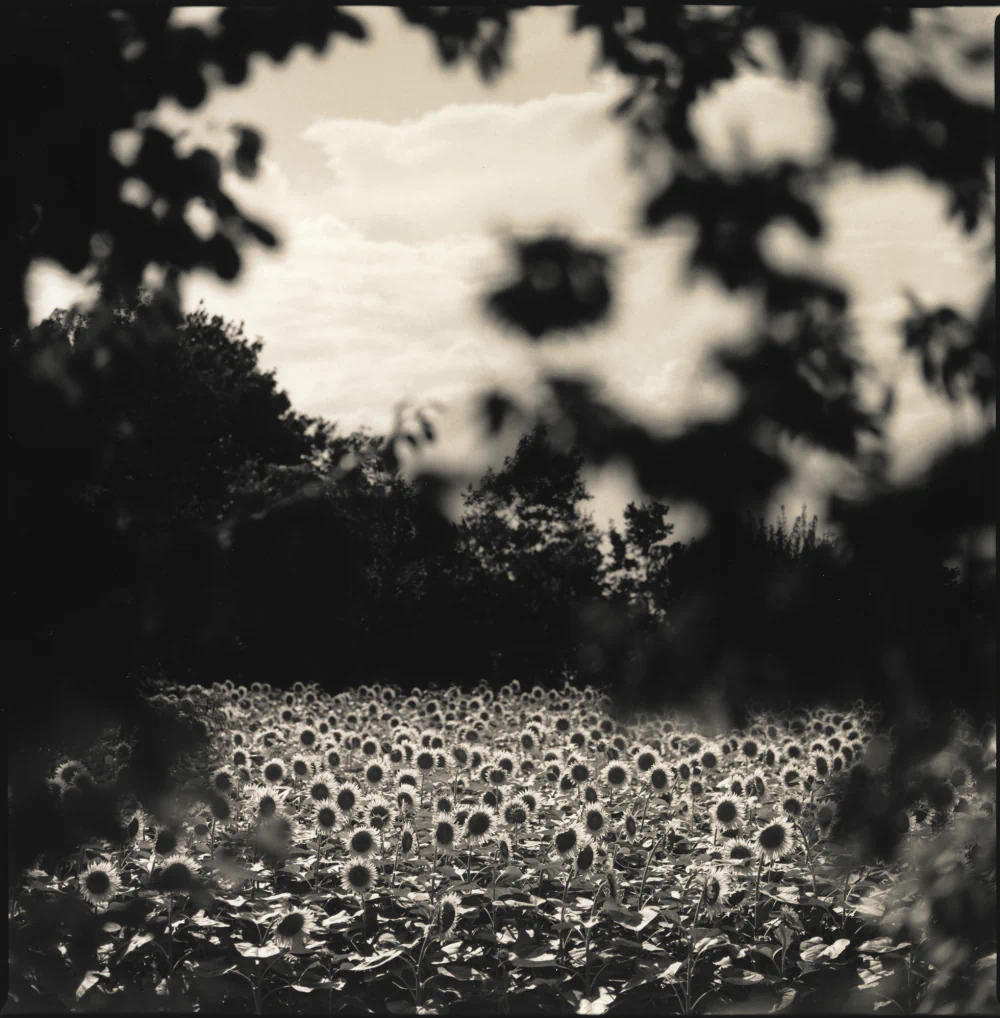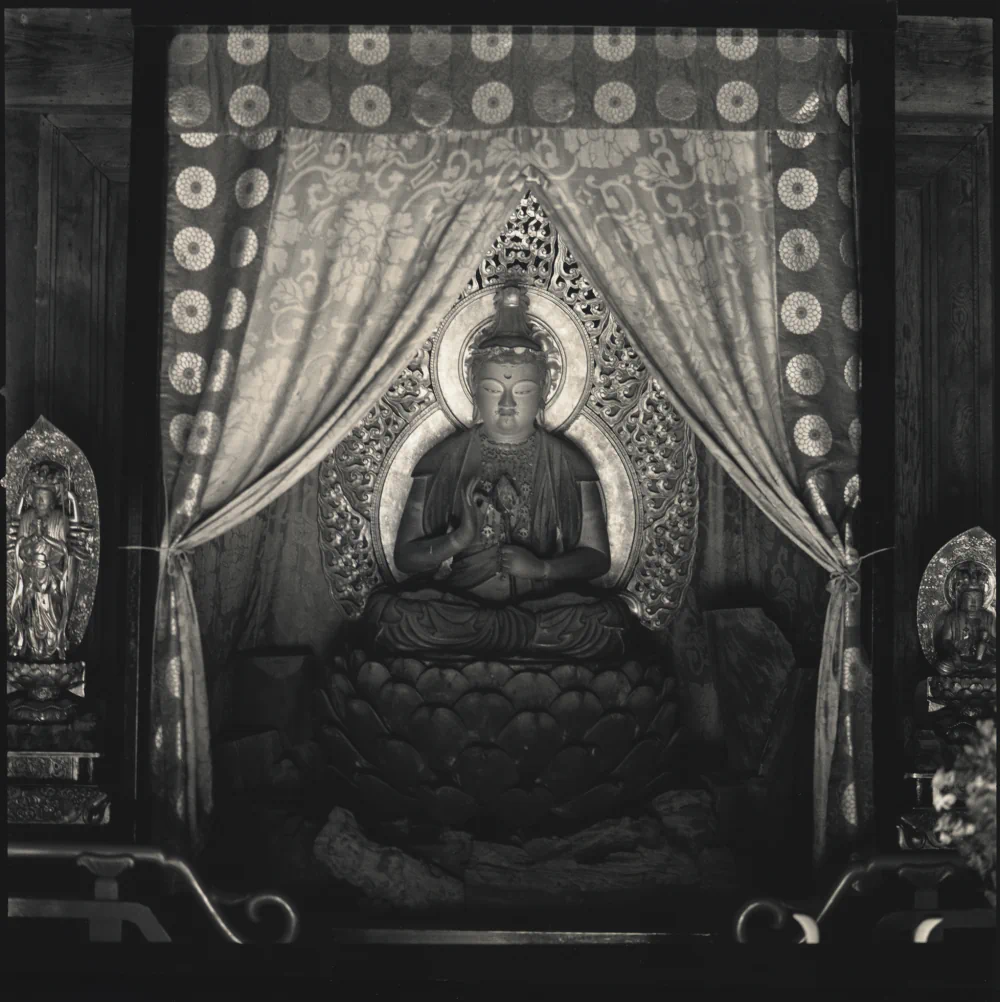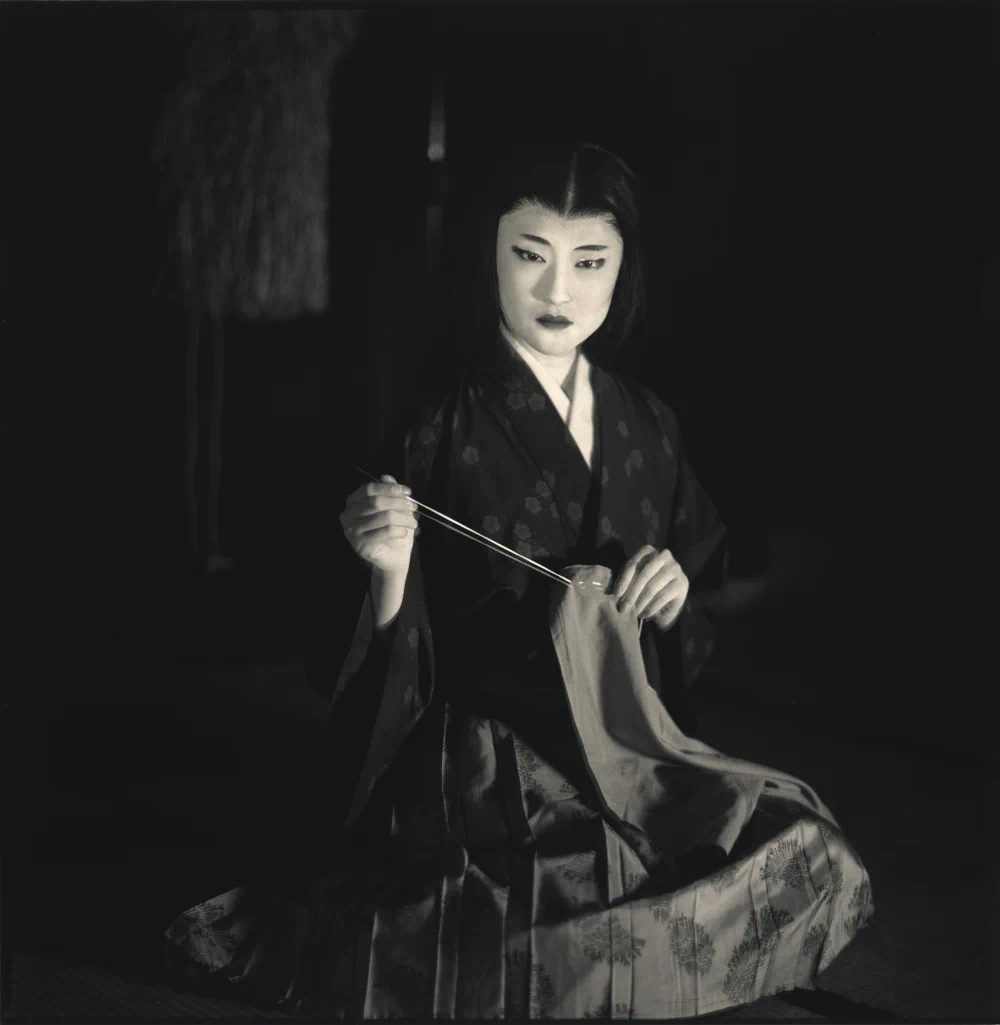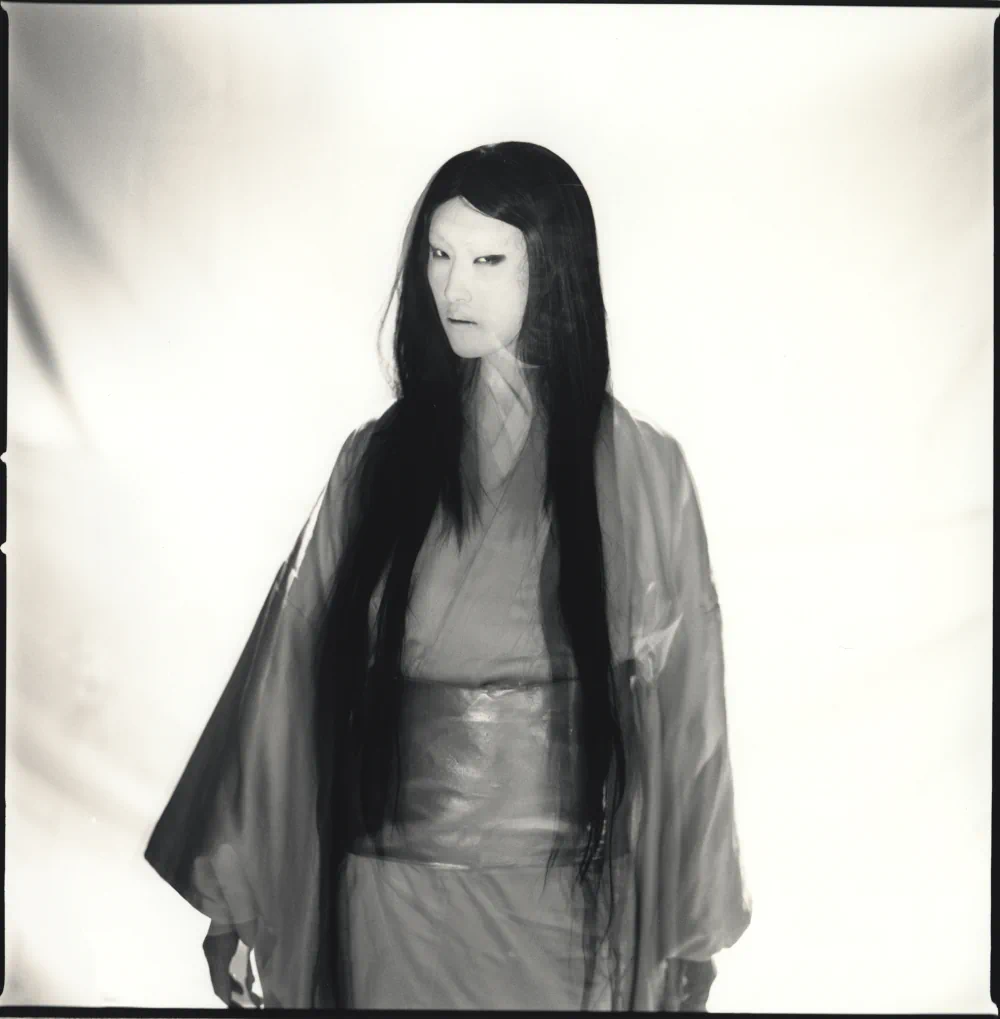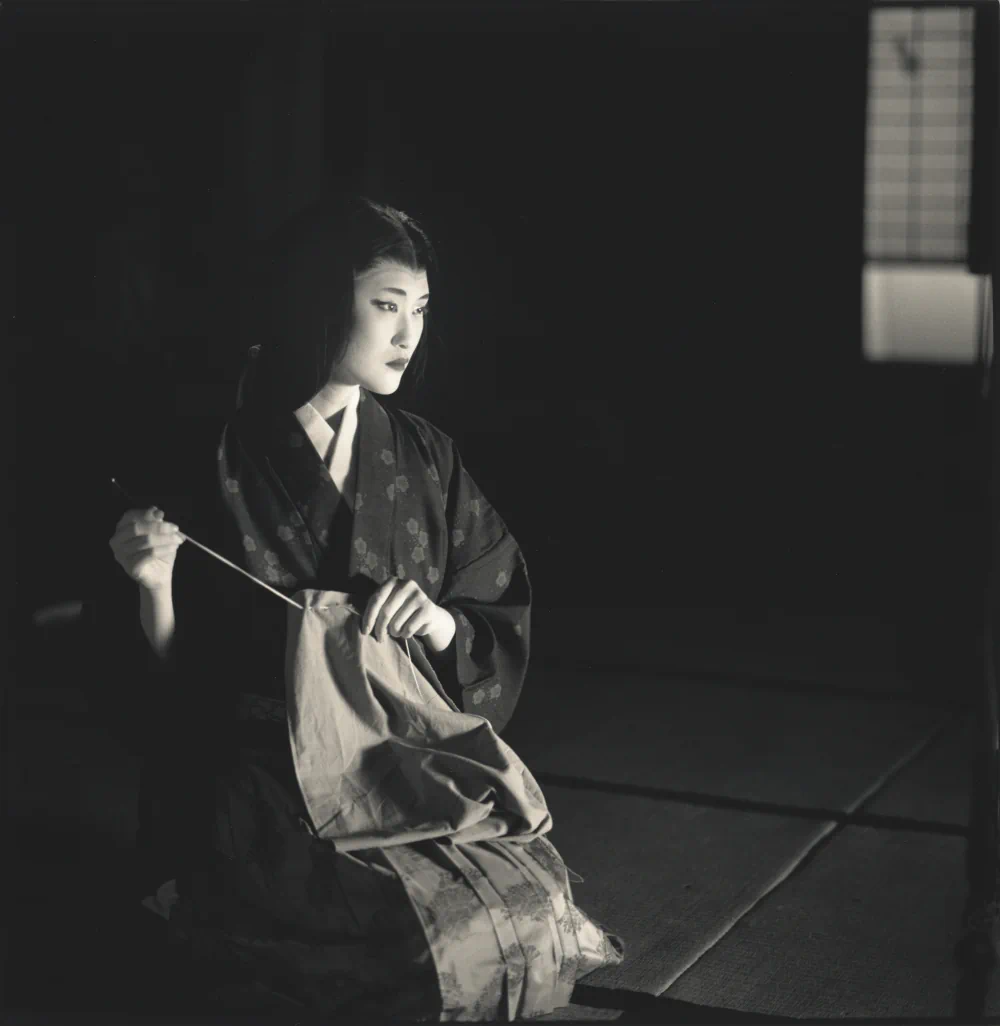
Kaidan is a project that operates at the intersection of literature, photography, and cultural memory, reinterpreting the visual language of Japanese horror through a contemporary lens.
Drawing from the traditional ghost stories collected by Lafcadio Hearn in the early twentieth century, the work engages with a body of texts that first translated into English a universe of apparitions, invisible presences, and psychological unease deeply embedded in Japanese folklore. Rather than treating these stories as material to be illustrated, Kaidan uses them as a conceptual framework from which to depart.
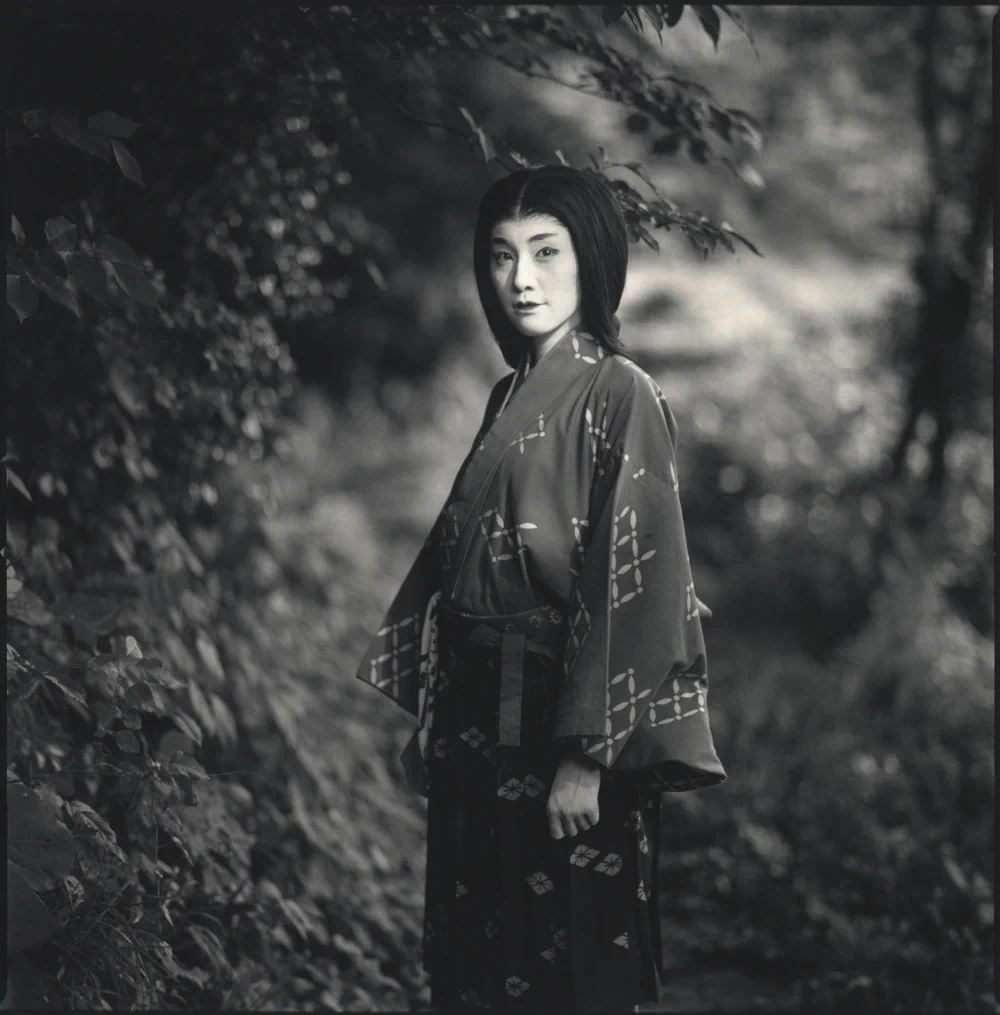
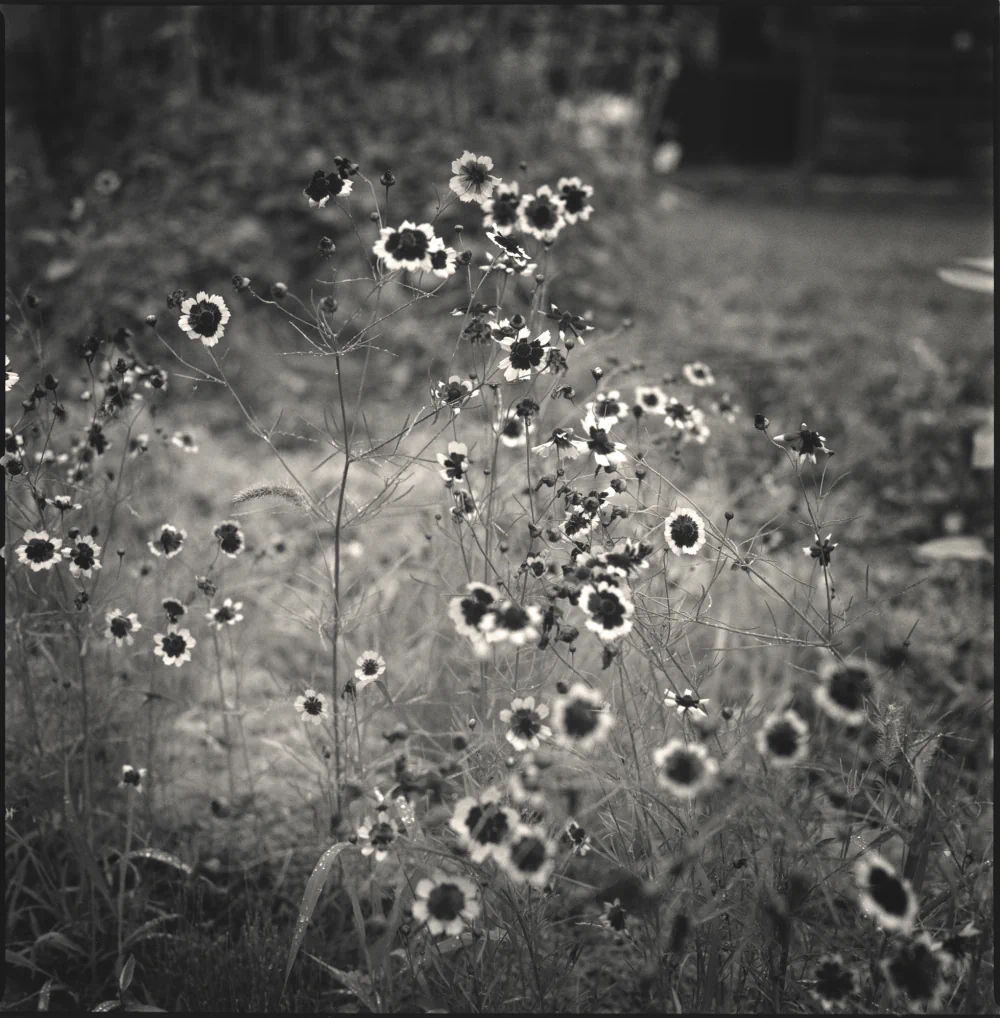
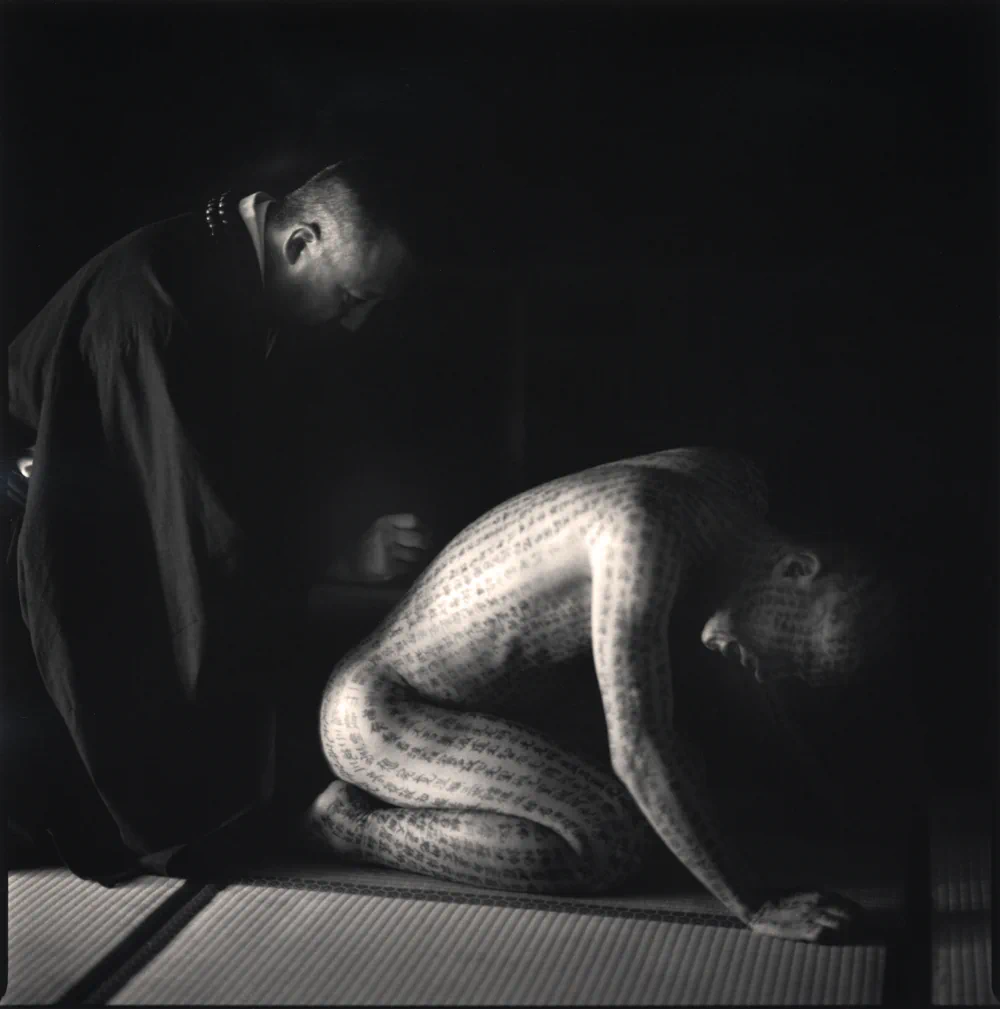
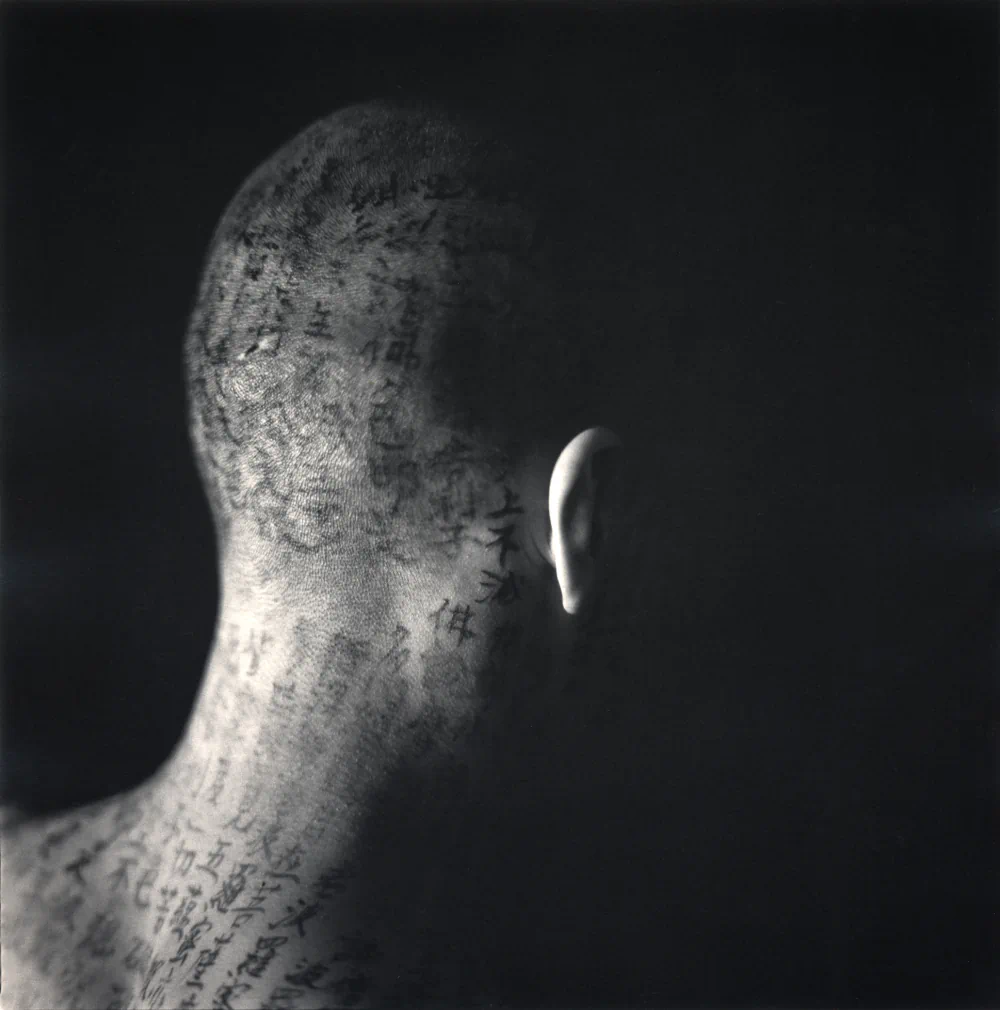
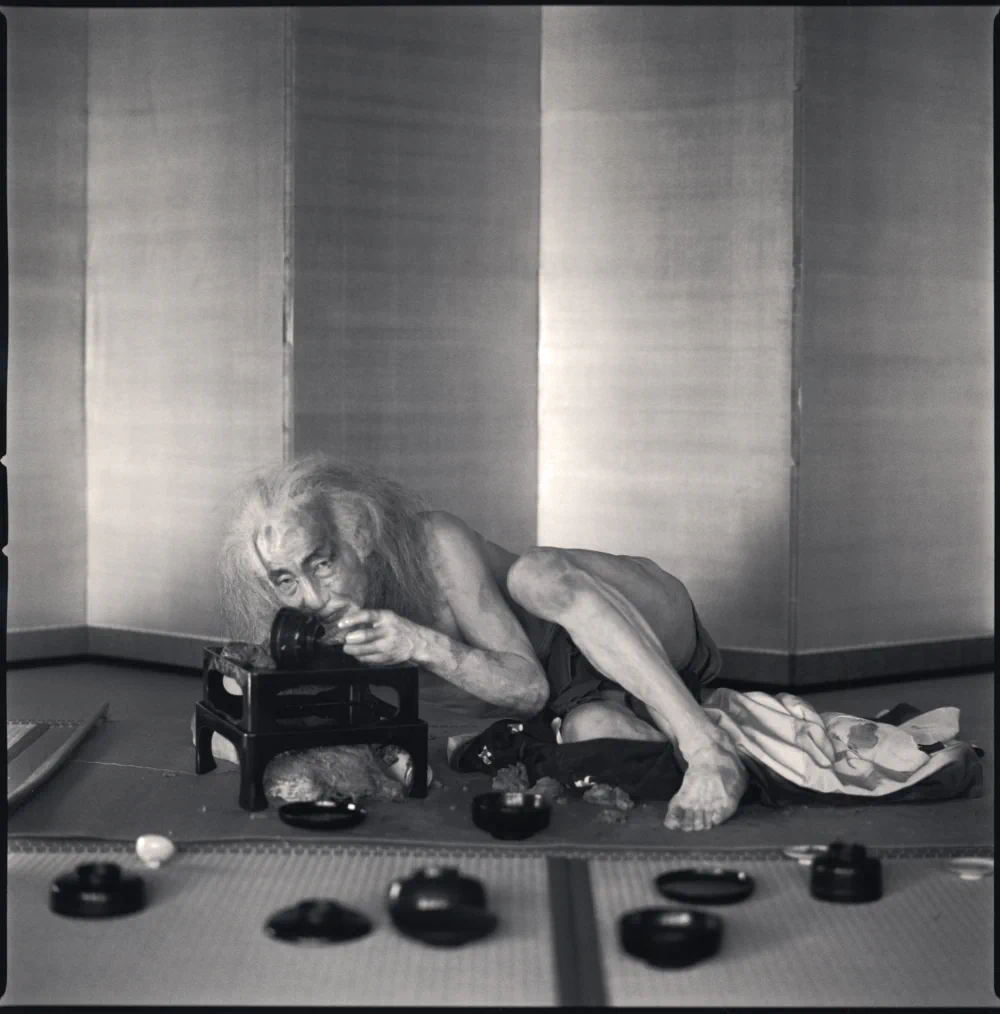
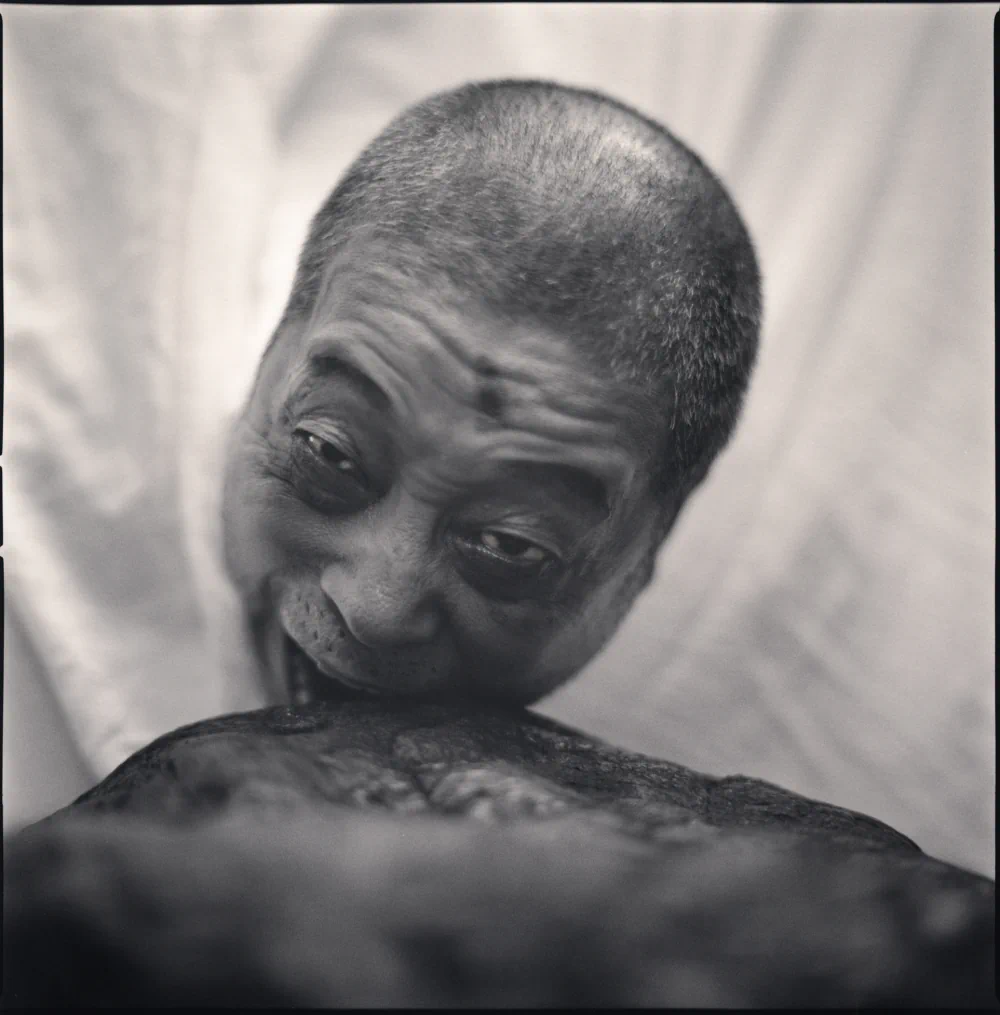
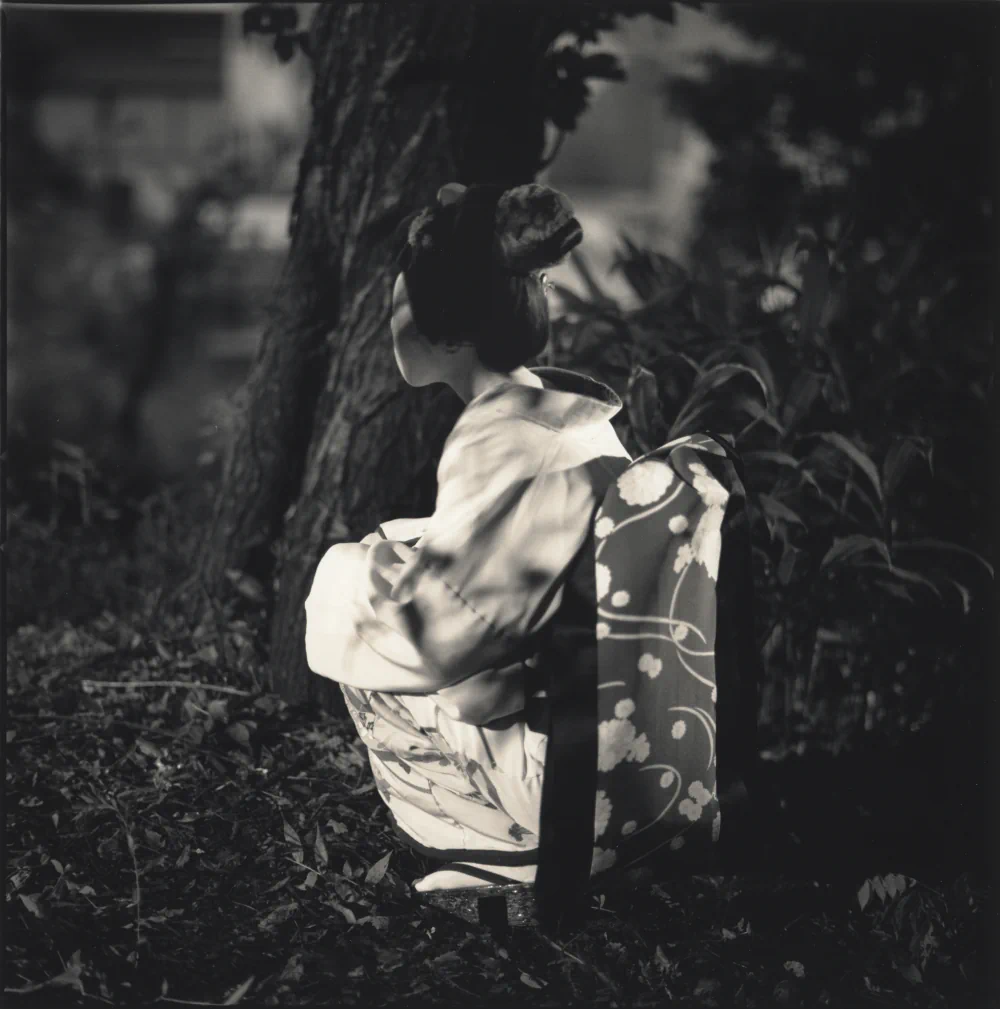
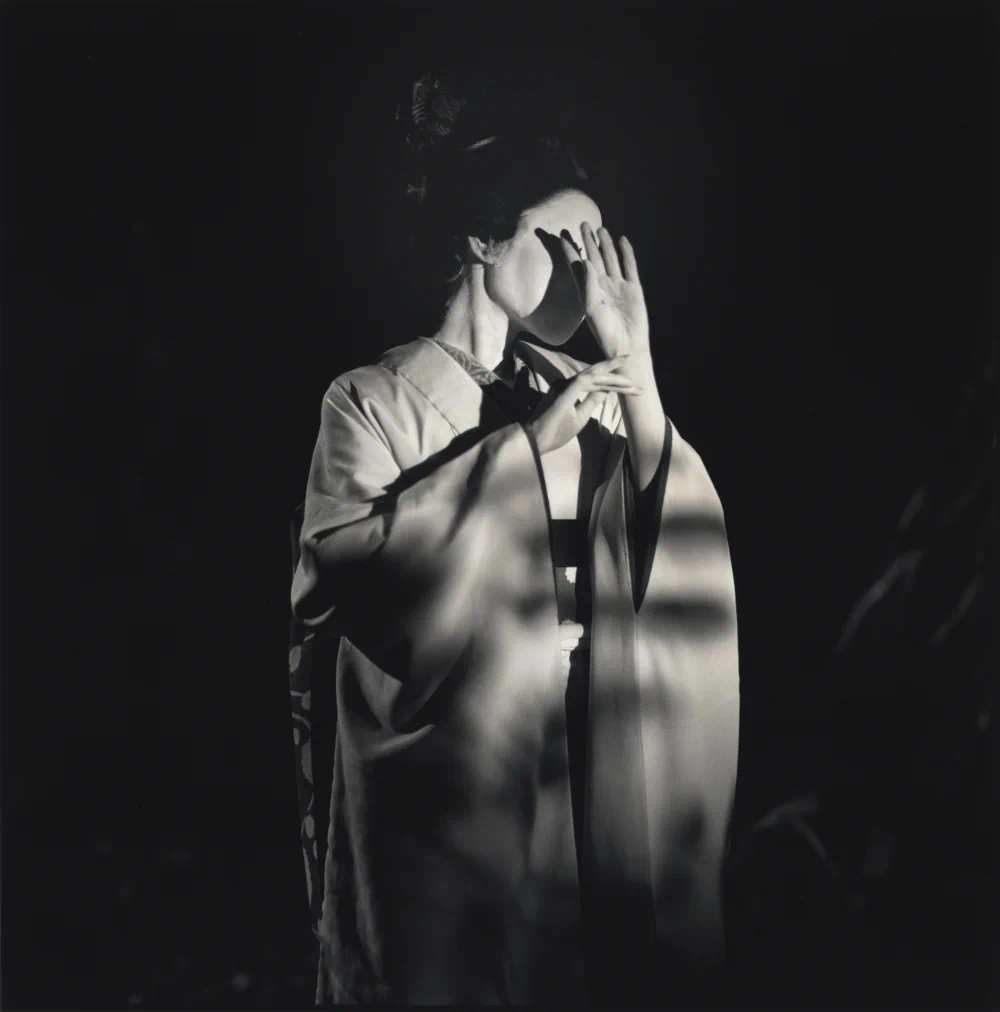
The photographic language of the project is built on suggestion rather than narration. The images do not attempt to recreate specific scenes, but instead construct an atmosphere where the visible and the invisible coexist. Silence, shadow, and ambiguity become central elements, allowing photography to function as a threshold between presence and absence. Landscapes, fragments of space, and barely perceptible traces evoke emotional and mental states, preserving the disturbing, unresolved quality that defines the original tales.
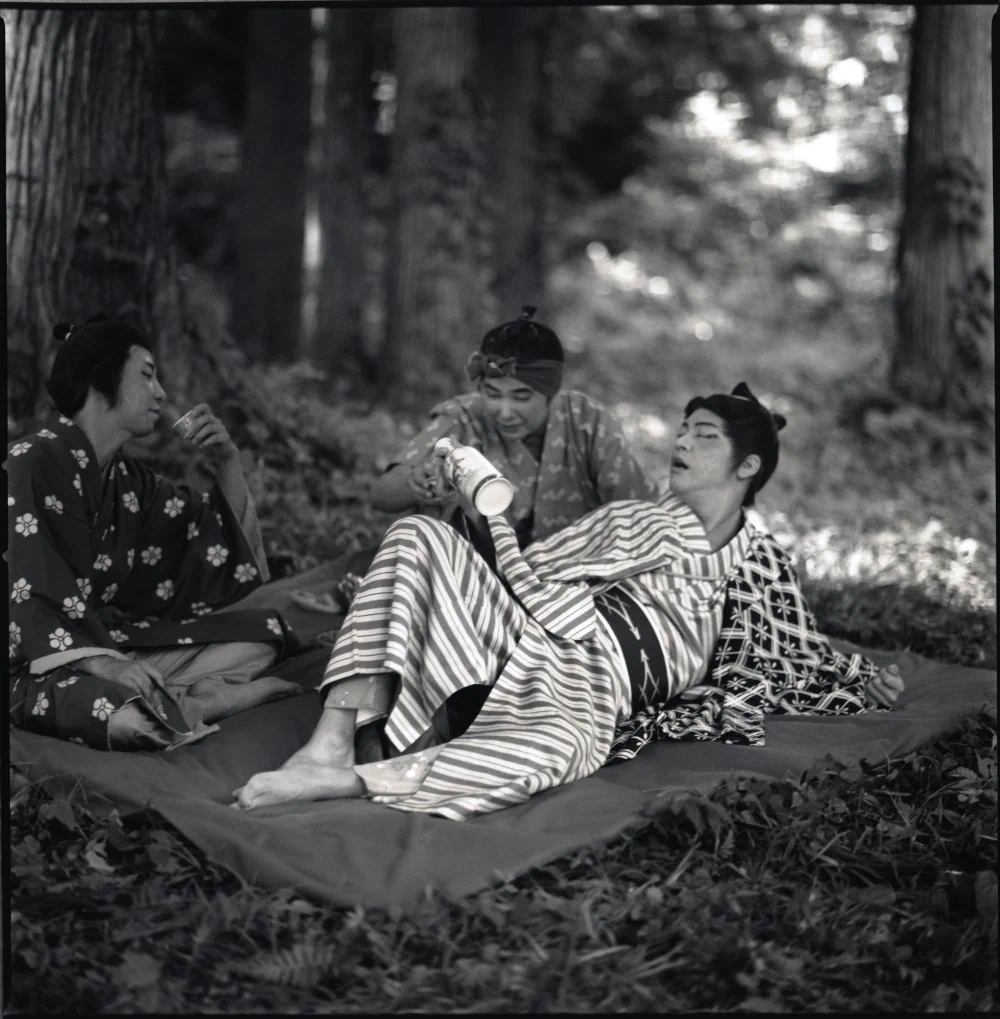
The photographer’s background plays a decisive role in shaping this approach. Educated in Japan and marked by a life of cultural displacement, the work reflects a gaze that moves between documentary awareness and introspection. After years dedicated to other professional paths, photography reemerged as a sustained practice rooted in travel, careful observation, and an interest in spaces charged with psychological and human tension. This trajectory results in a restrained and mature body of work, attentive to context, duration, and the weight of lived experience.
Kaidan resists the spectacle of horror. Instead, it returns to its symbolic and poetic core, where fear functions as a form of knowledge rather than shock. The project opens a space in which themes of death, memory, and unresolved presence surface quietly, without resolution. Through the dialogue between text and image, Kaidan proposes a contemporary rereading of classic narratives, inviting the viewer into an experience that belongs simultaneously to the past and the present, and that privileges intuition over explanation. [Official Website]