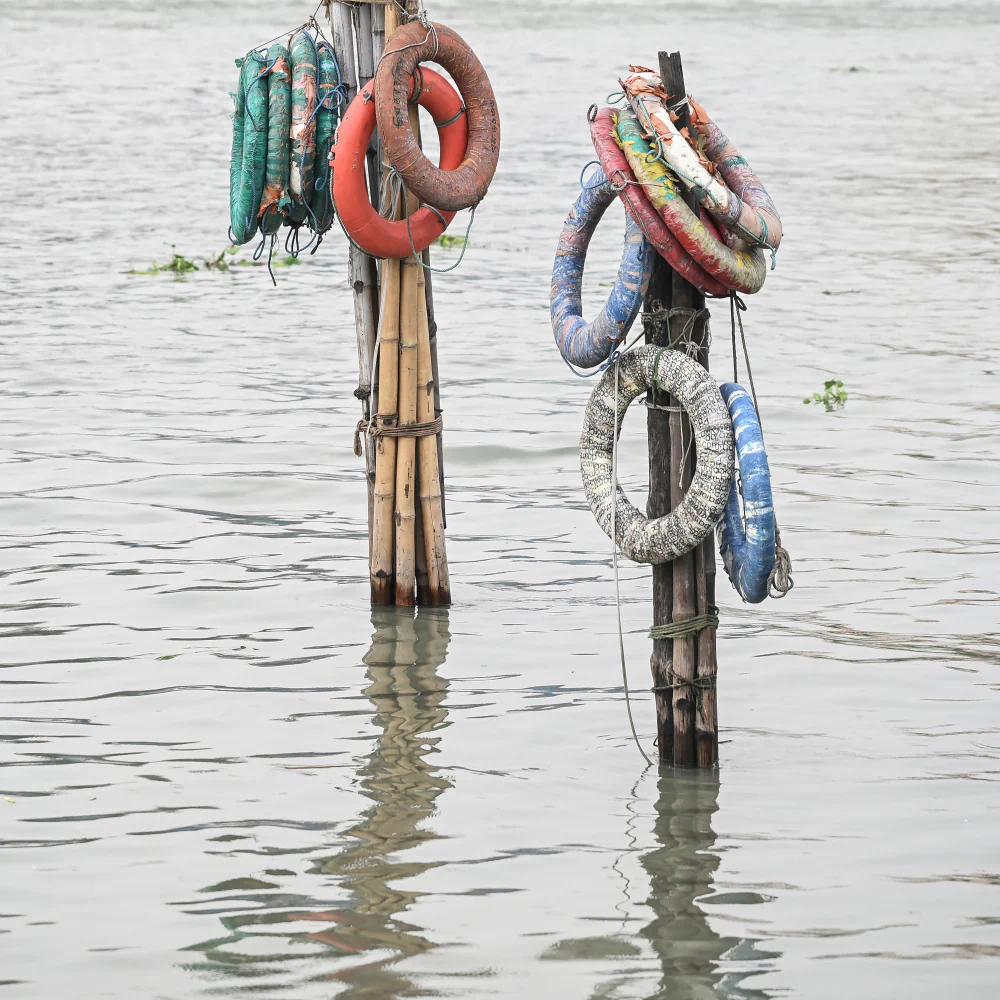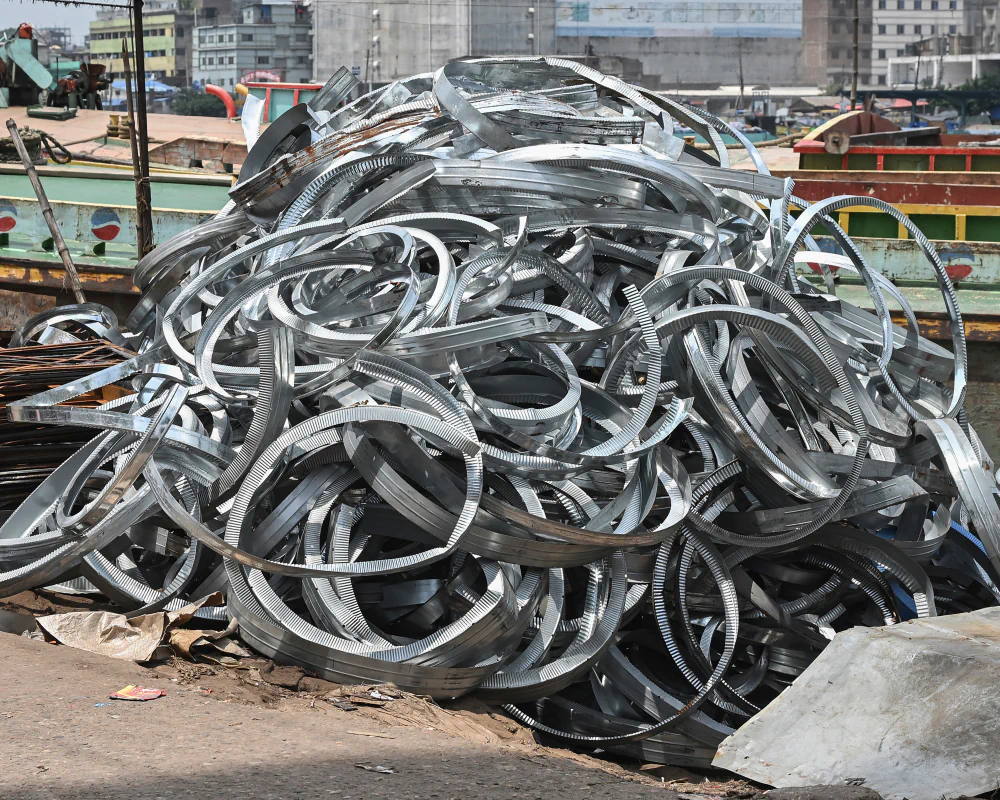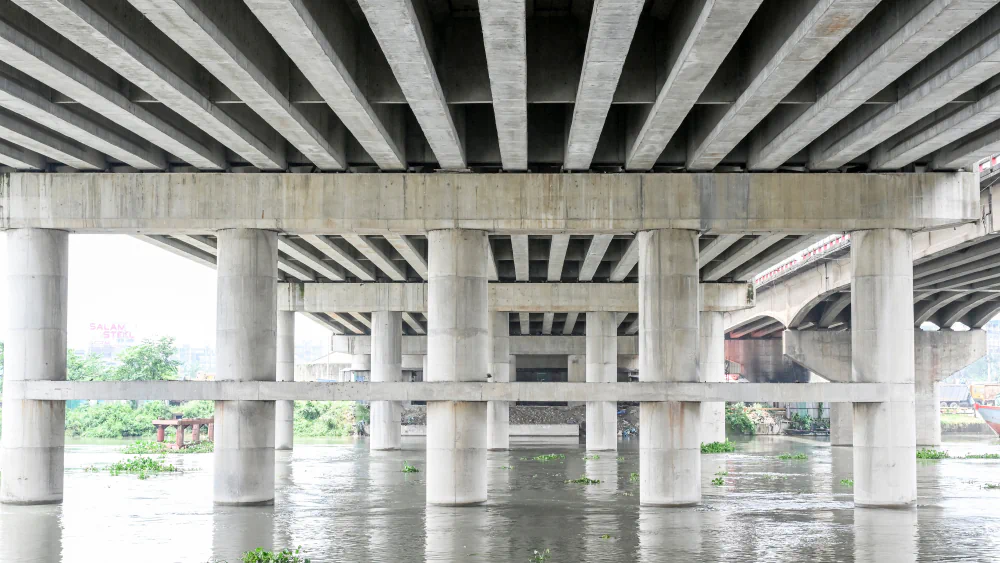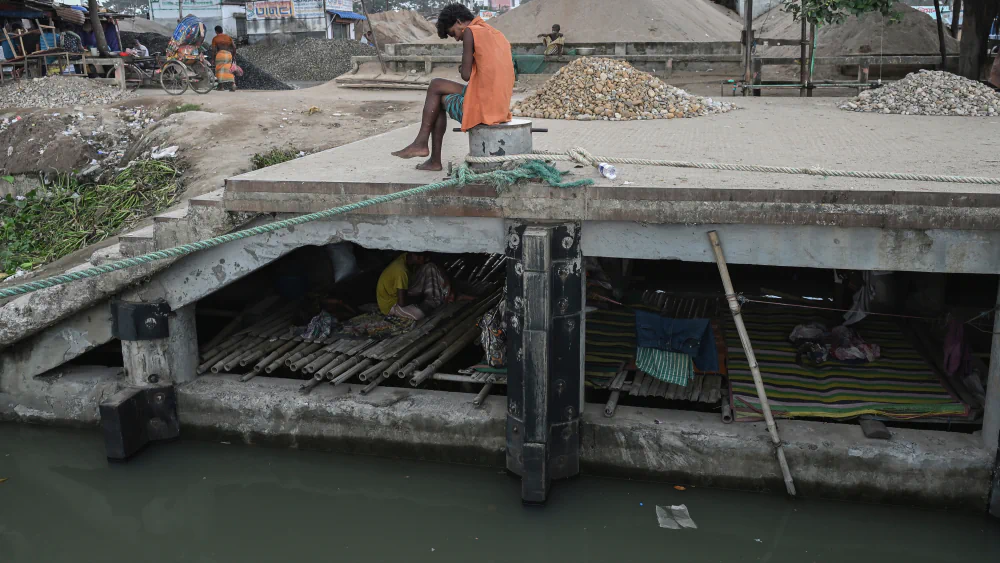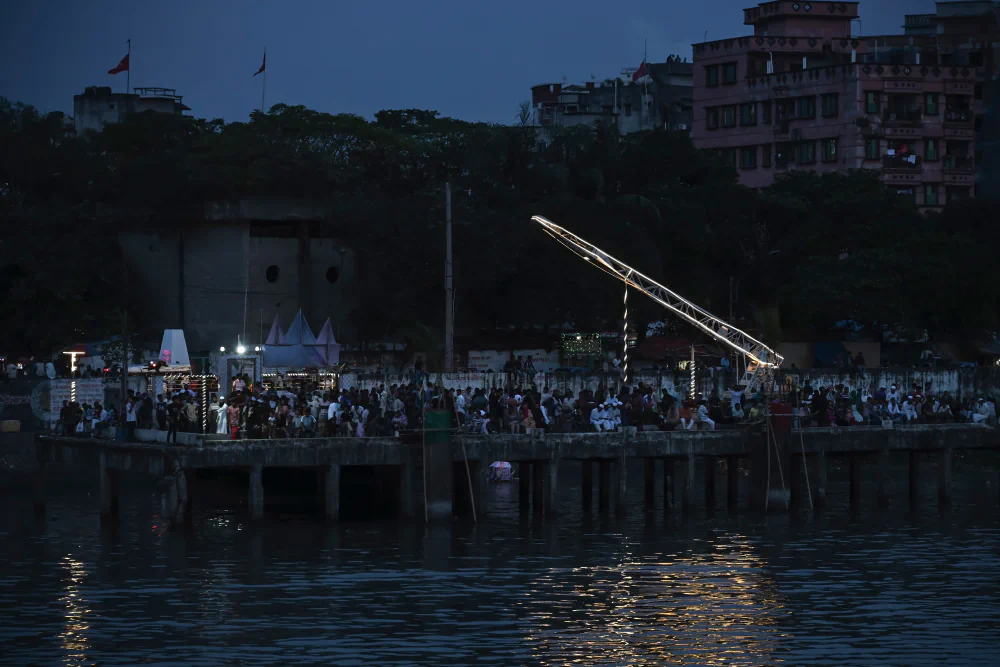

Dhaka was once a city shaped and sustained by water. Long before concrete replaced wetlands and flyovers crossed the sky, rivers defined its rhythm of life.
The Buriganga, Turag, Balu, and Shitalakkha were not merely waterways; they were lifelines—carrying trade, protecting settlements, and shaping cultural memory.
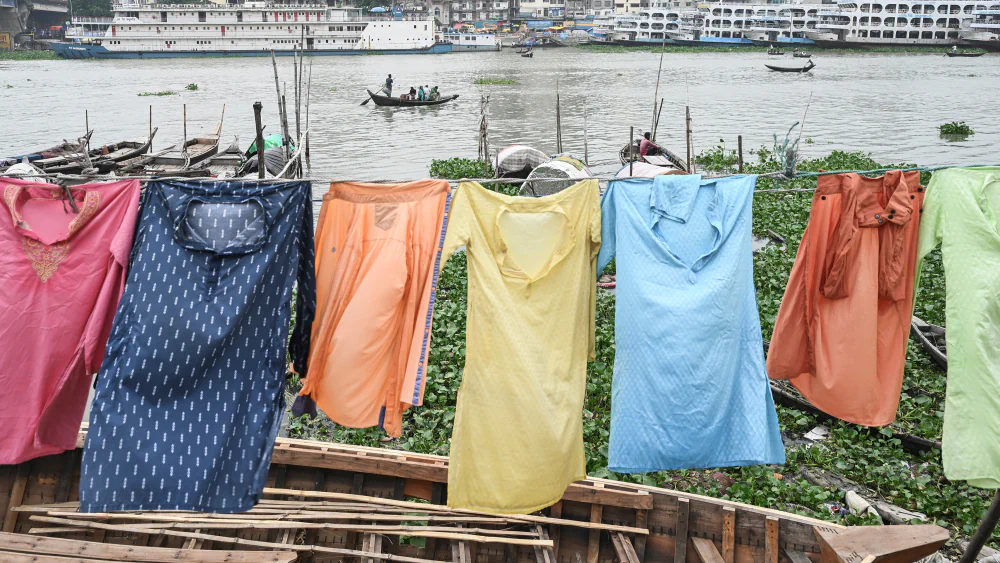
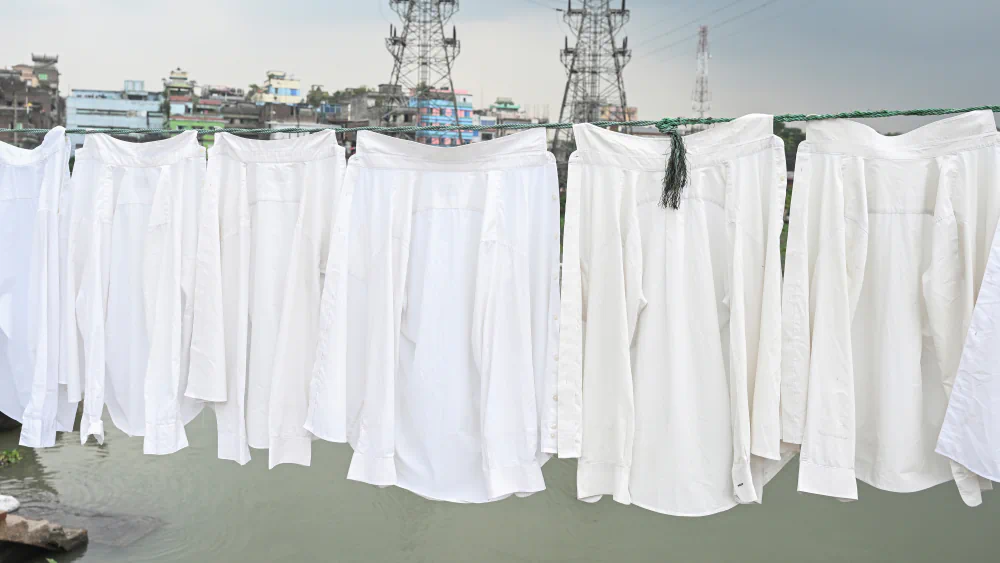
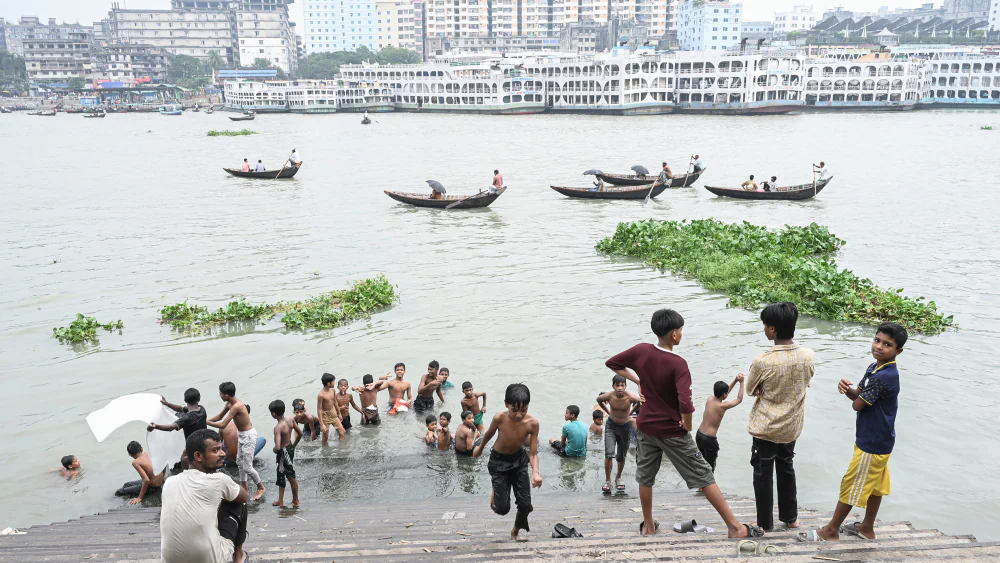
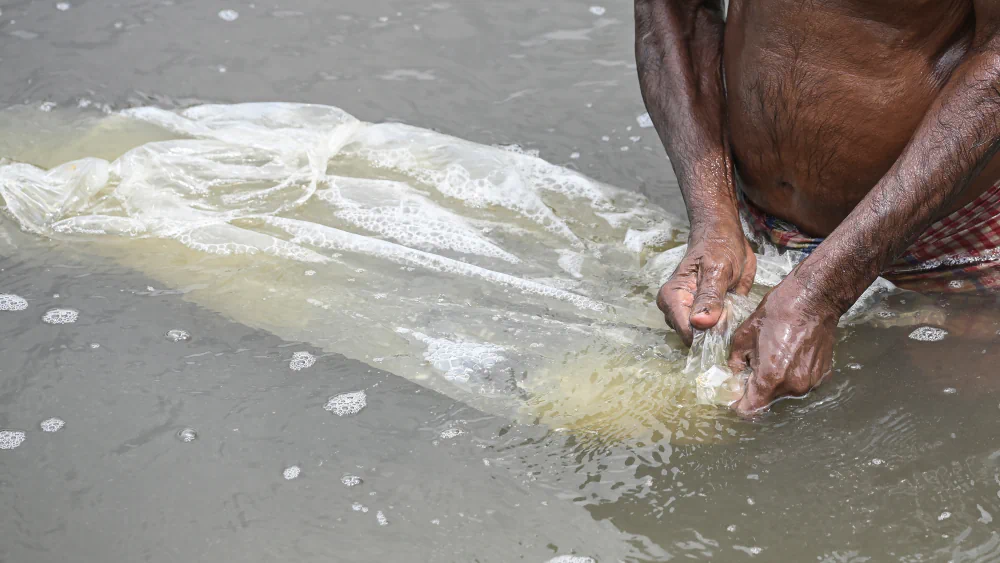
Along their banks, everyday life unfolded through ordinary rituals: washing clothes at the ghats, children swimming, ferries crossing short distances, and boats moving through the heart of Bengal.
Today, those same rivers tell a radically different story.
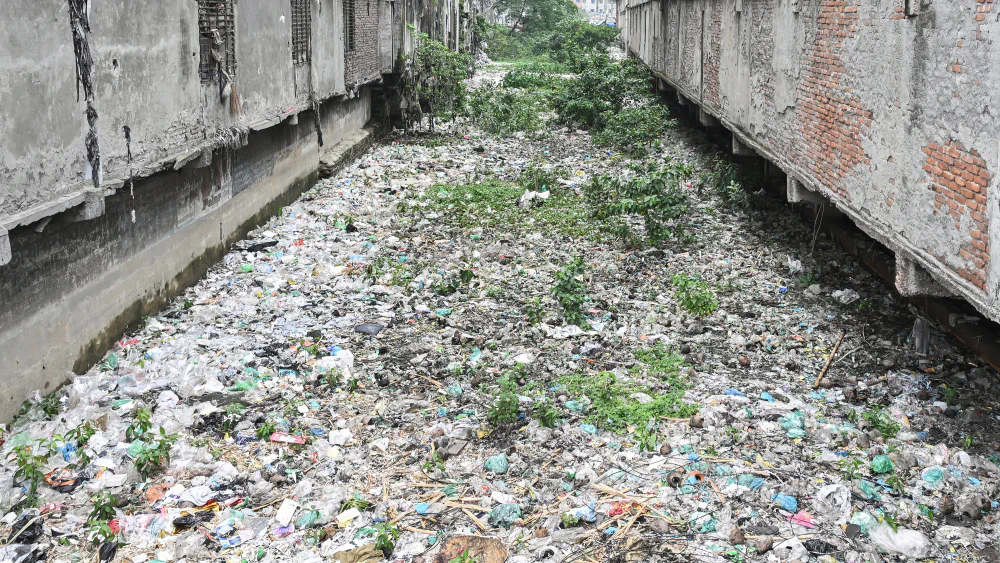
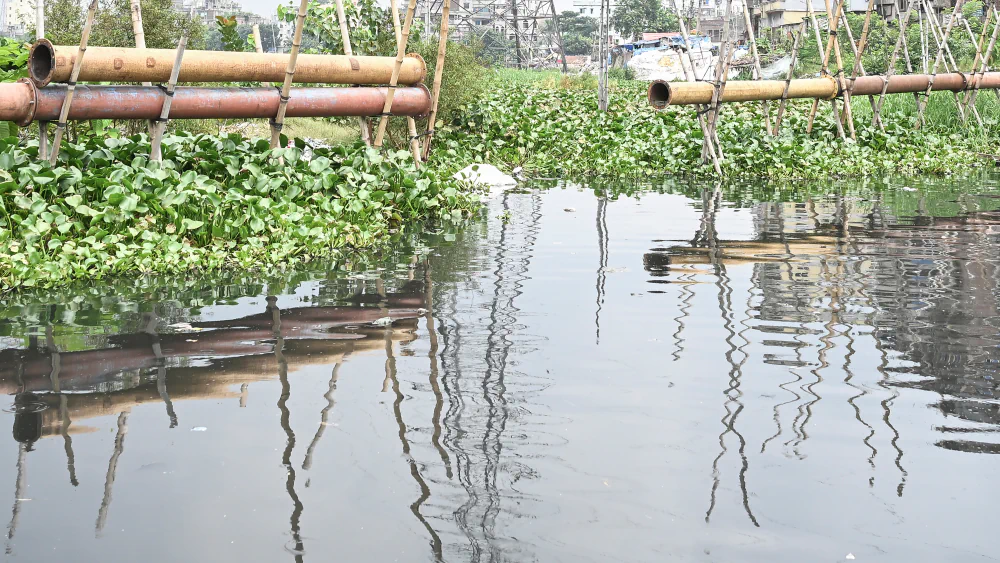
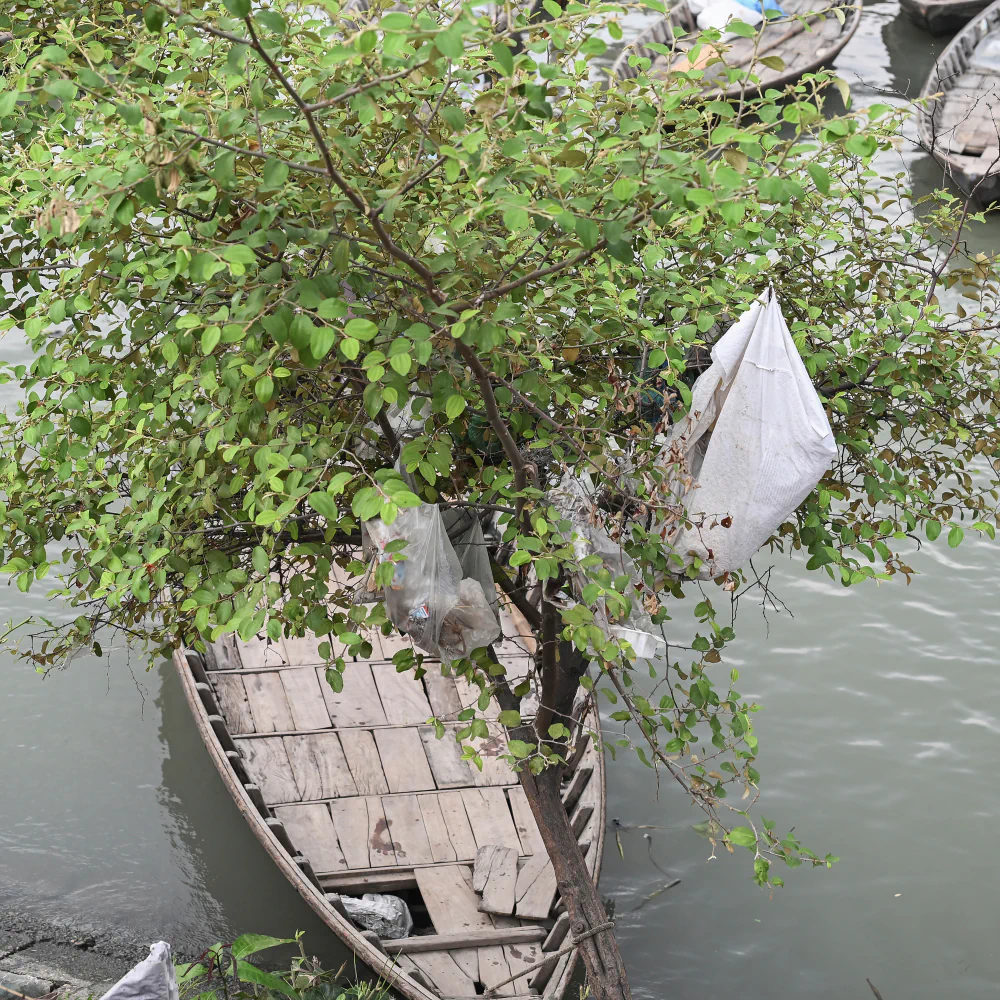
The Buriganga, once the vibrant artery of Dhaka, now resembles a broken aquarium—dark, stagnant, and suffocating. Industrial waste, untreated sewage, chemical runoff, and plastic pollution have transformed the river into a toxic channel. Boats still glide across its surface, but beneath them flows poisoned water. The river has not disappeared; it has been forced to endure.
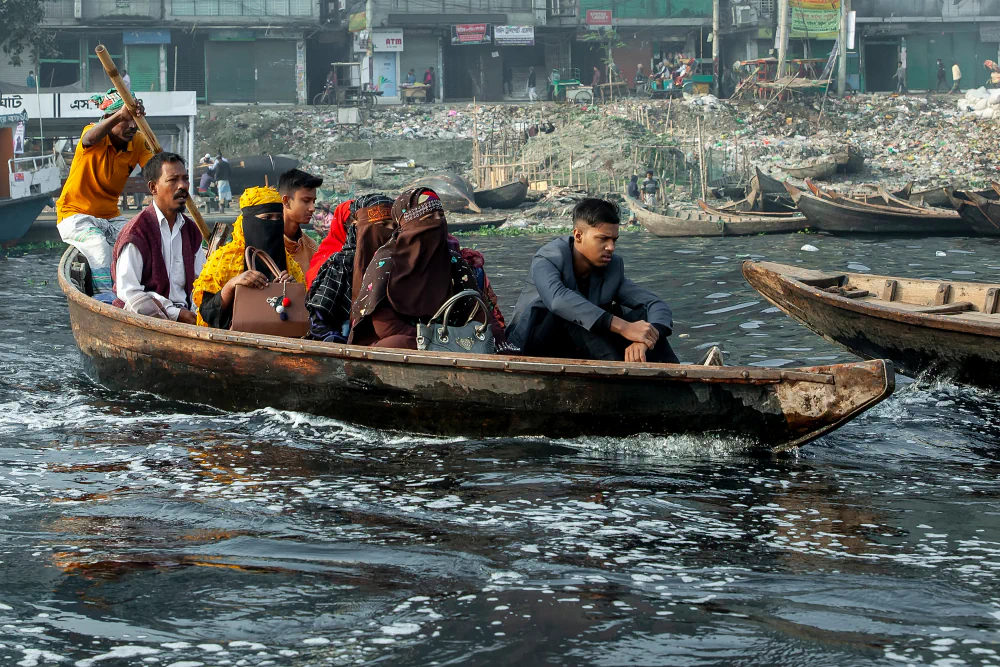
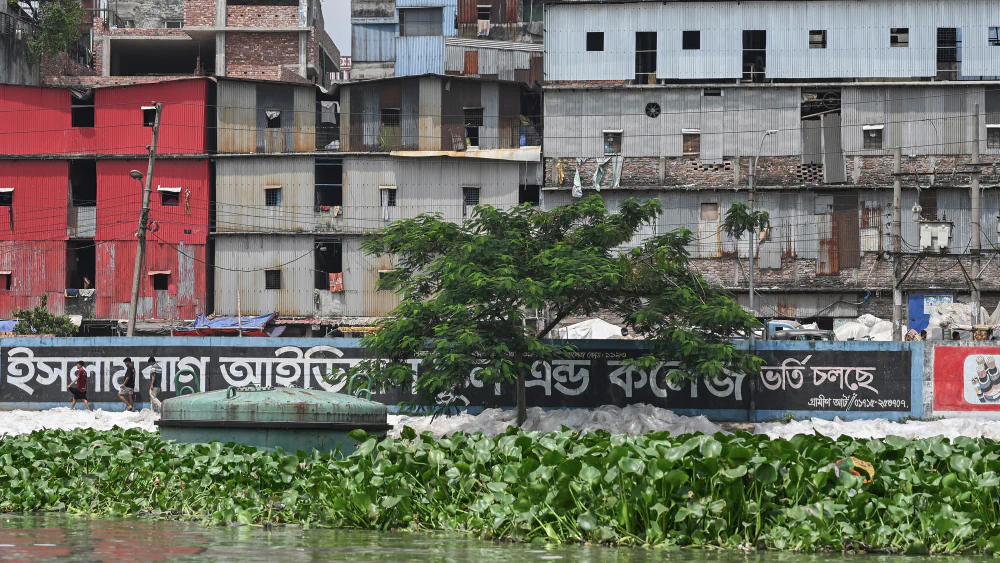
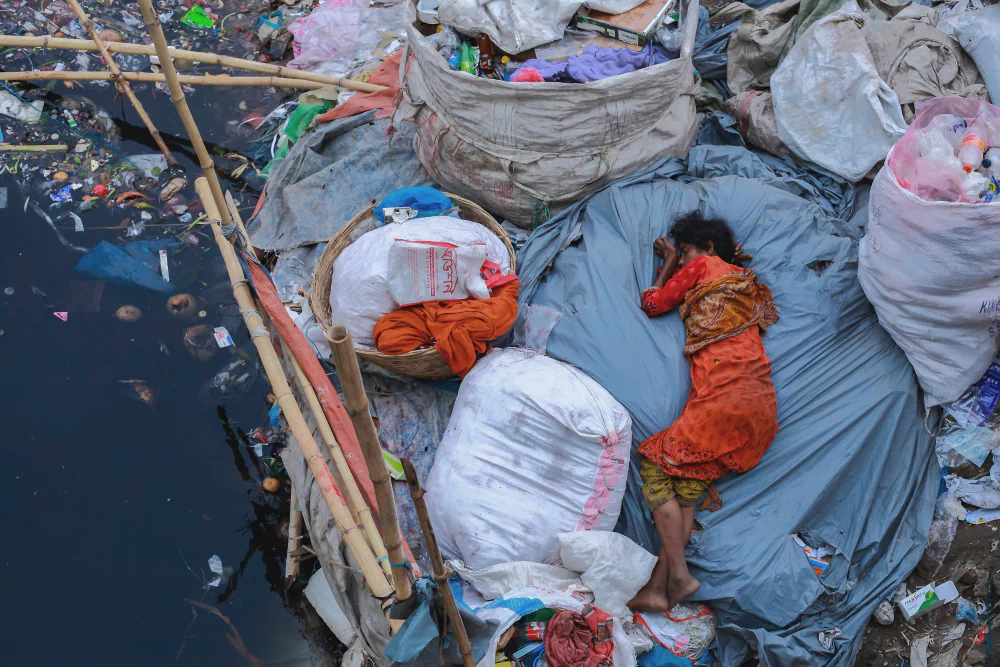
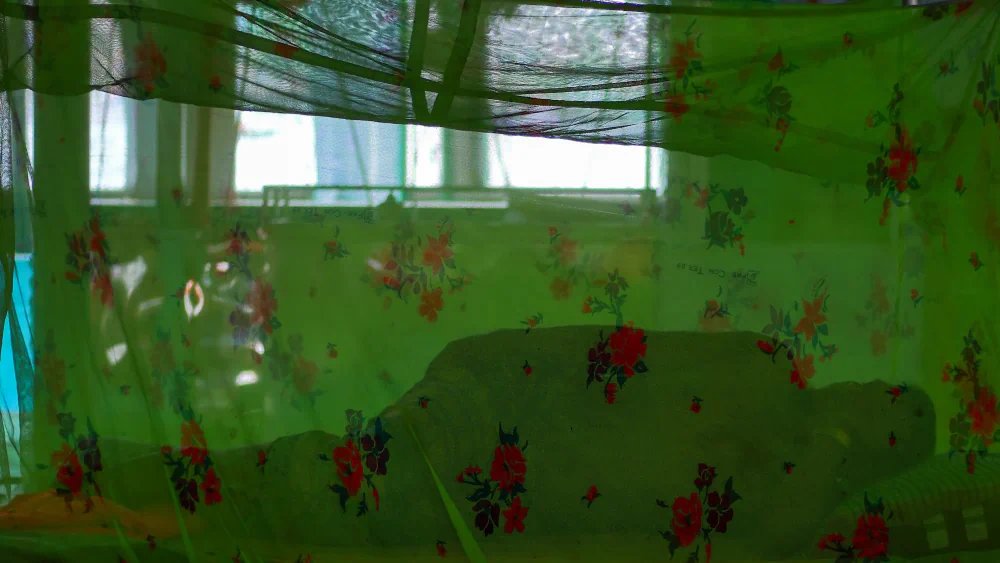
Communities continue to live along its banks because survival leaves them little choice. For many residents, the Buriganga remains woven into daily life, used for washing, bathing, and household chores. Children dive into the river, unaware of the invisible dangers beneath the surface. The ghats, once shared communal spaces, now stand as symbols of neglect, where laundry hangs above floating garbage and oil-slicked water laps against crumbling steps.
This project explores that contradiction: a river that sustains life while simultaneously threatening it.
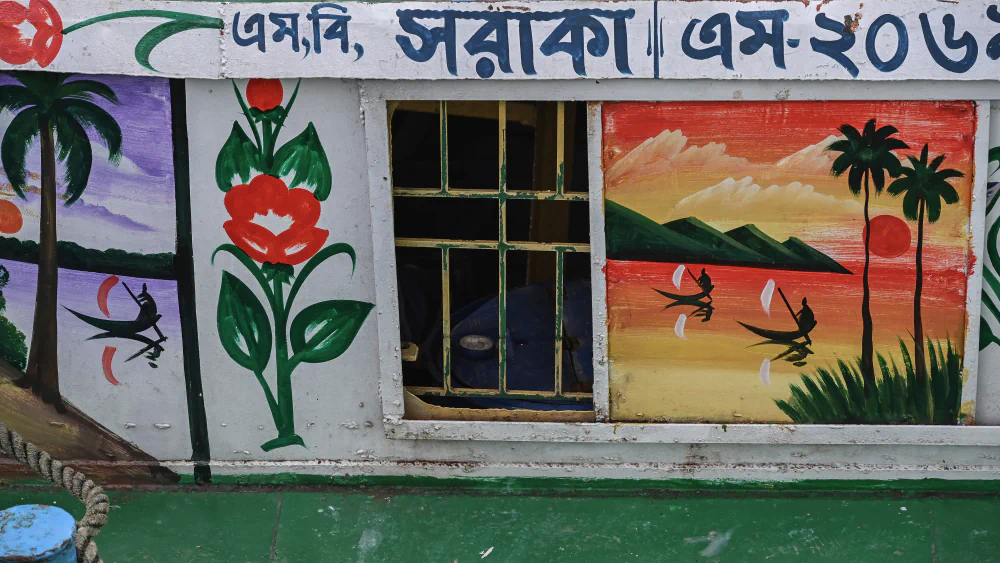
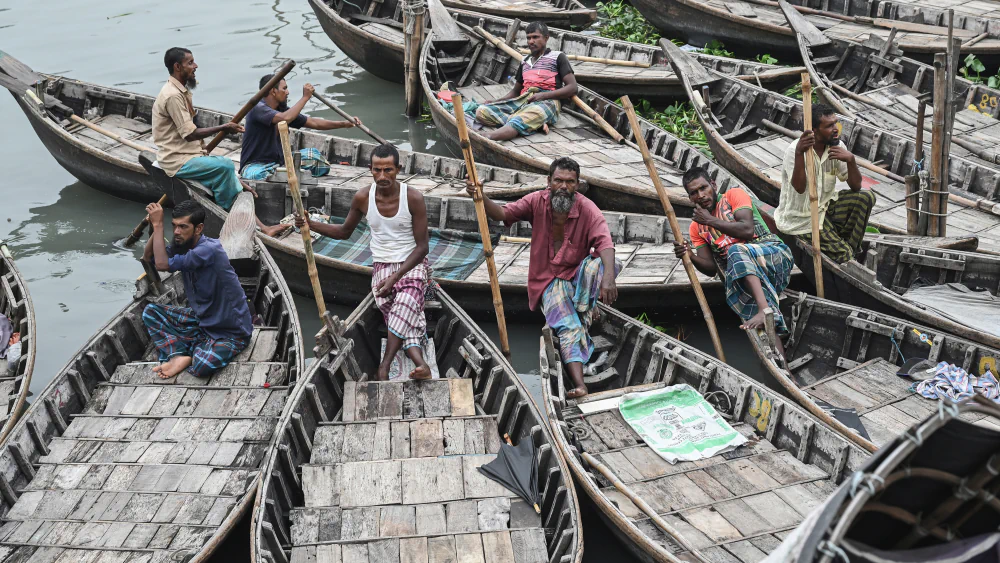
Despite overwhelming pollution, life persists with quiet resilience. Vegetable sellers balance heavy baskets as they cross narrow boats. Boatmen ferry passengers along familiar routes, guided more by habit than safety. Rickshaw pullers rest by the riverbank after long hours navigating Dhaka’s traffic. Murals, posters, and hand-painted signs bring flashes of color to walls overlooking the water. Human endurance stands in sharp contrast to the river’s decline, revealing a paradox—a community that refuses to abandon the water, even as the water is abandoned by the city.
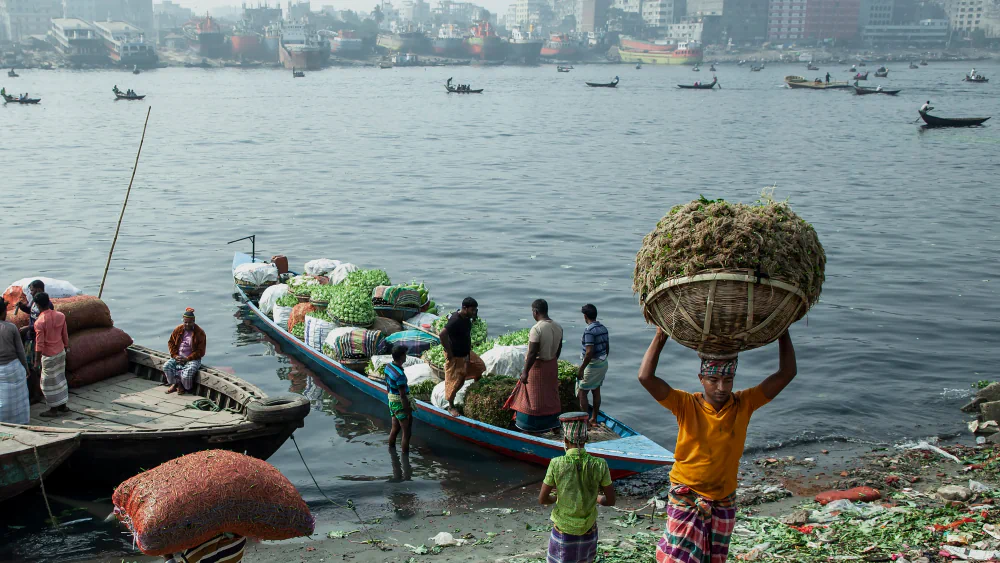
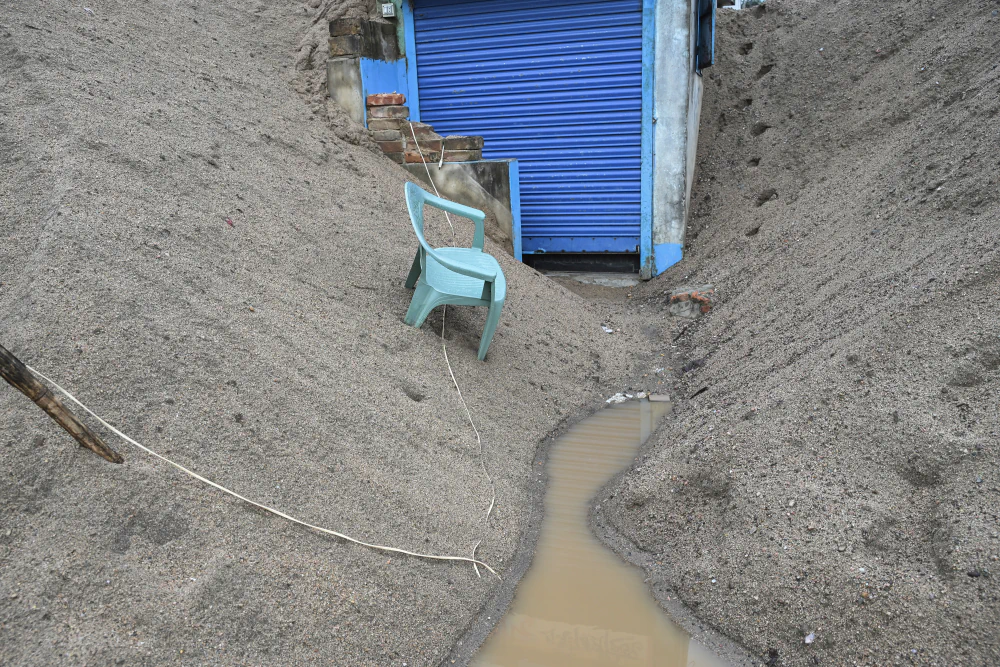
Rapid urbanization has played a central role in this transformation. Wetlands that once filtered pollution and absorbed excess water have been replaced by concrete and brick. Canals feeding the Buriganga have been blocked or filled in. Factories and informal industries line the riverbanks, discharging waste directly into the water. What was once a living ecosystem has been reduced to a drainage system for an expanding metropolis. The river no longer flows as a giver of life but as a warning—of what happens when development erases ecological memory.
River of Death, River of Life documents this slow transformation: the environmental collapse of a river and the lives inseparably bound to its fate. The work asks difficult questions about responsibility and survival. Can a city endure after severing its relationship with water? Can restoration occur once destruction becomes normalized? And what does it mean to call a river “dead” when millions still depend on it?
The Buriganga stands today as both a grave and a mirror. It reflects the cost of unchecked growth and environmental neglect, but it also reflects human resilience—fragile, persistent, and deeply rooted. This project bears witness to that tension: a river on the edge of death and the people who continue to live beside it, refusing to disappear.
About Muhammad Amdad Hossain
Muhammad Amdad Hossain (b. 1999) is a documentary photographer and visual artist from Chattogram, Bangladesh, where he lives and works. His practice focuses on climate change, water crises, displacement, and the everyday resilience of communities living in environmentally vulnerable regions. Working through long-term, socially engaged photography, he combines field-based research, ethical community engagement, and visual storytelling to examine how people adapt to ecological uncertainty.
Hossain holds a master’s degree in Political Science and has received professional documentary photography training at Counter Foto, Bangladesh, along with a six-month mentorship with Agence France-Presse (AFP). His work has been exhibited in more than forty countries, including the United Kingdom, Brazil, Italy, Germany, South Korea, and Australia.
His photographs have been featured in international publications such as The Guardian, National Geographic, Forbes, PetaPixel, and Wikipedia. He has received more than 200 international photography awards and has served as a jury member for several international competitions, including Wiki Loves Earth, the New York Photography Awards, and the MUSE Photography Awards. Through sustained engagement with communities and landscapes, his work reflects on territory, environment, and the human experience of living amid ongoing environmental change. [Official Website]