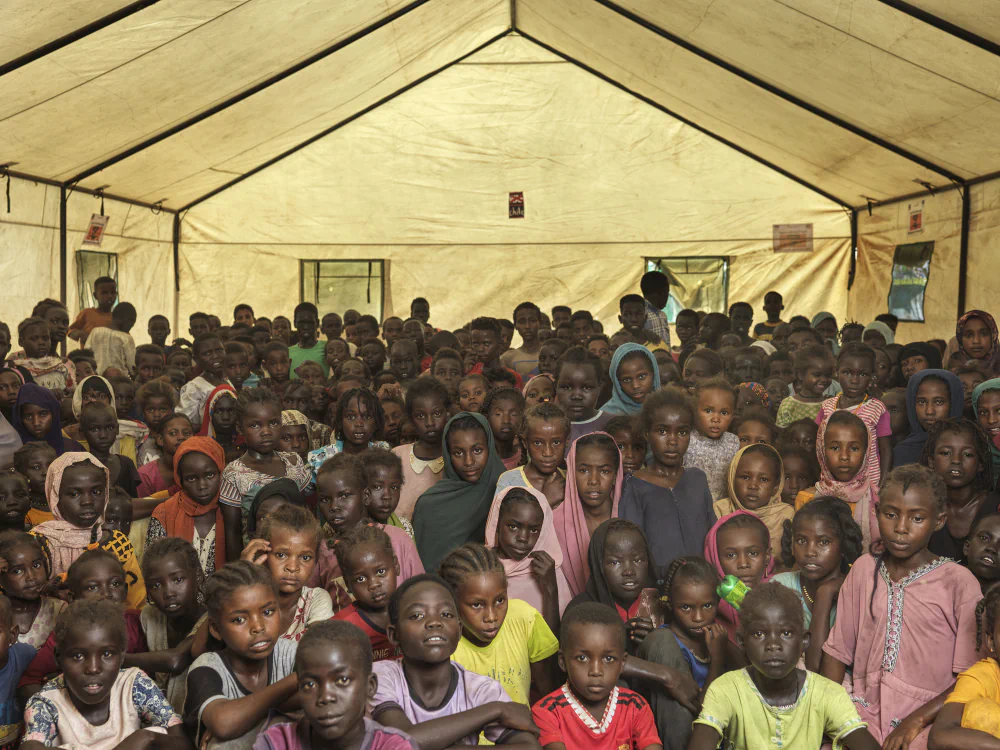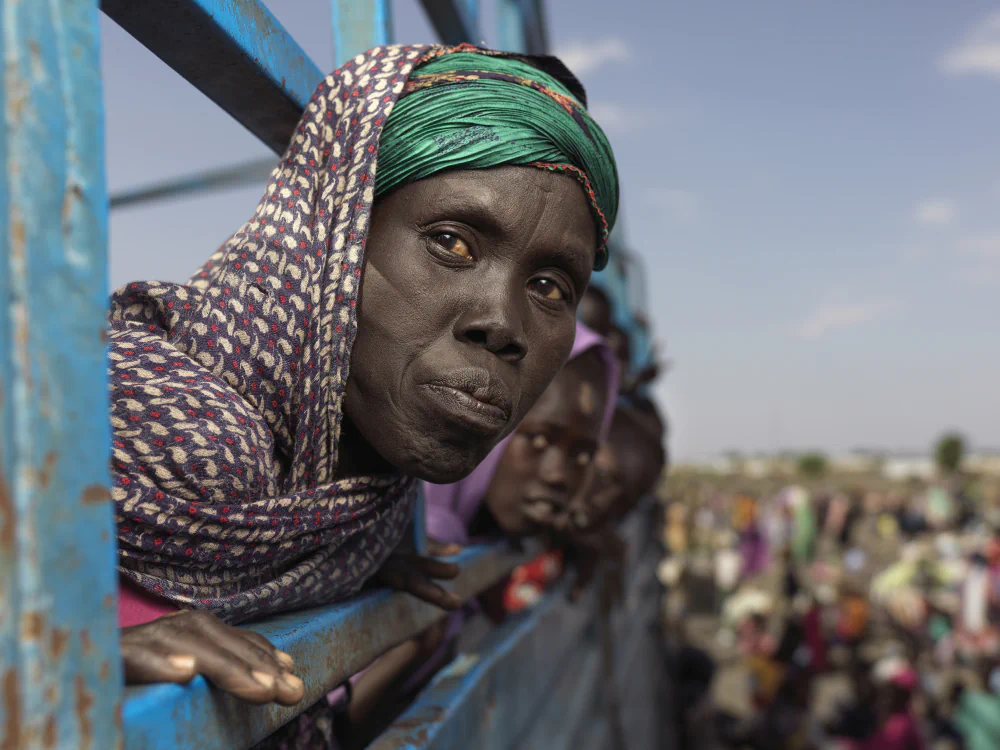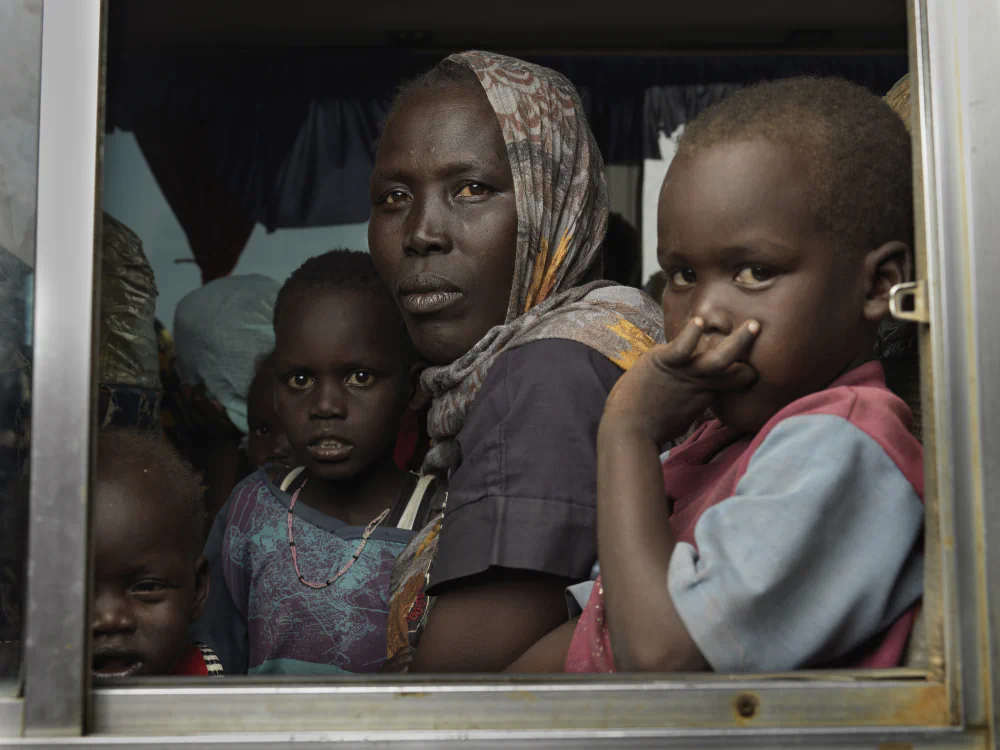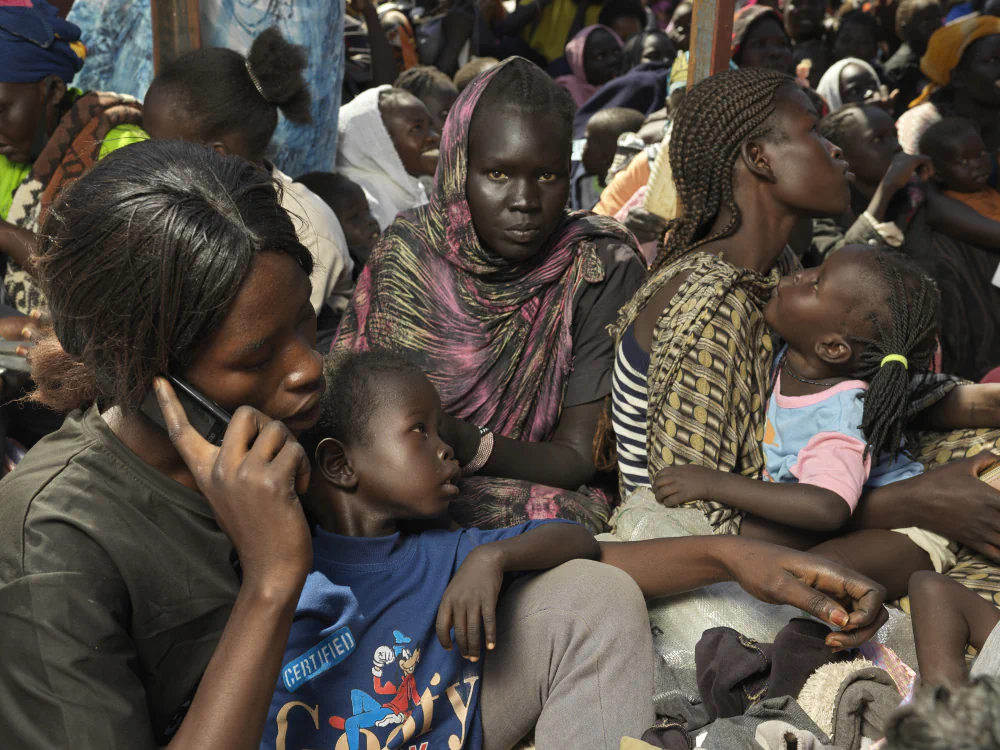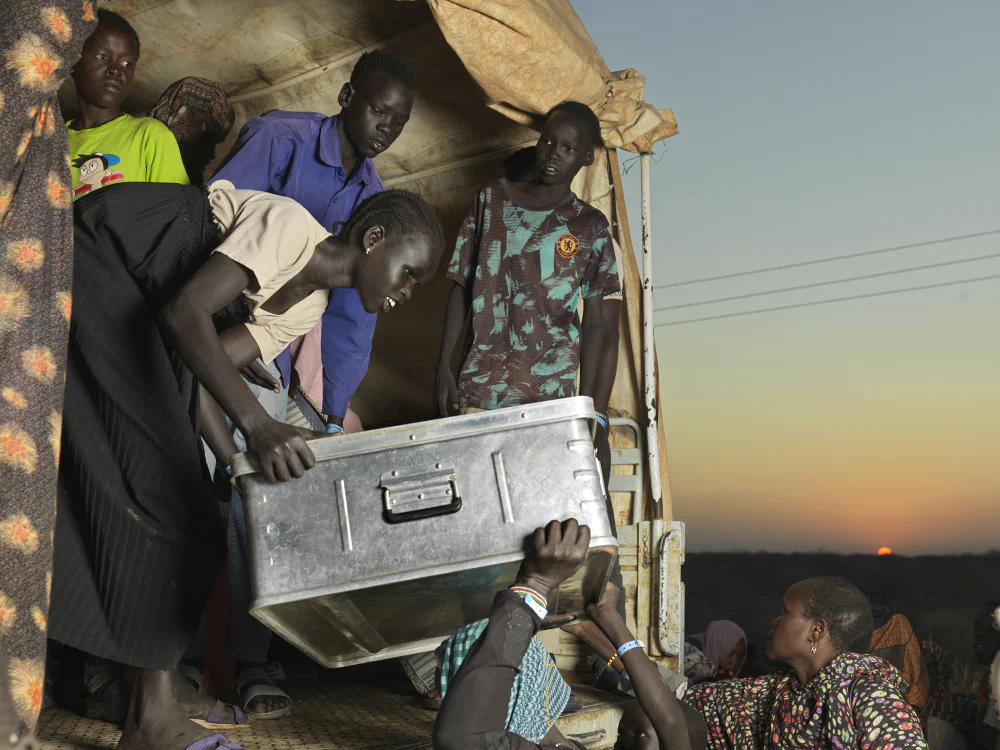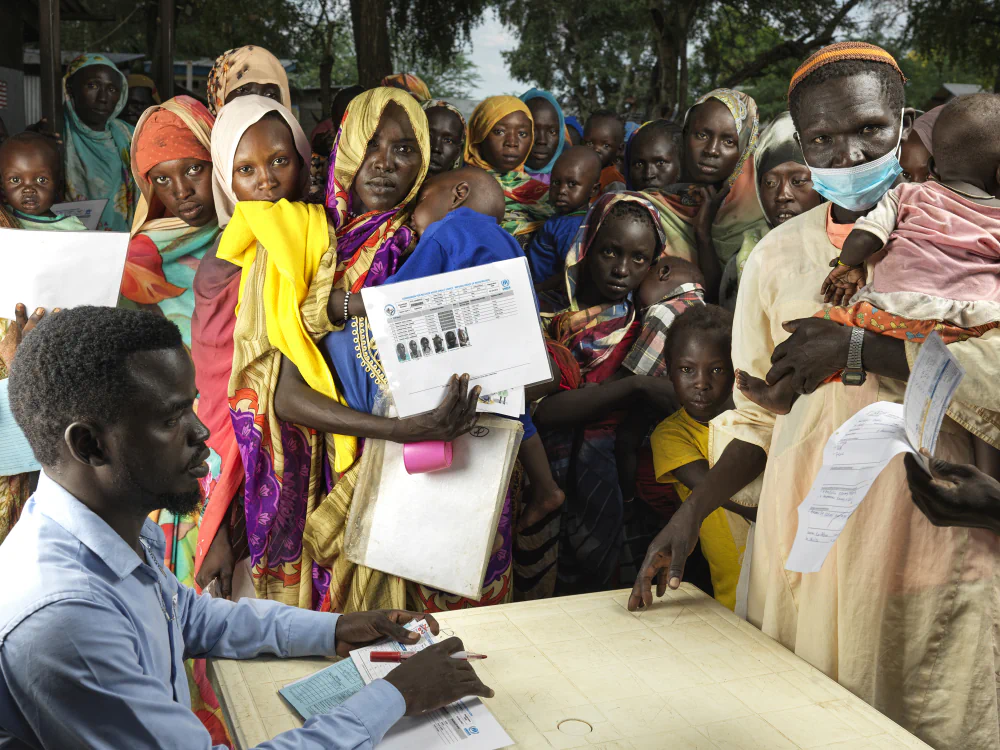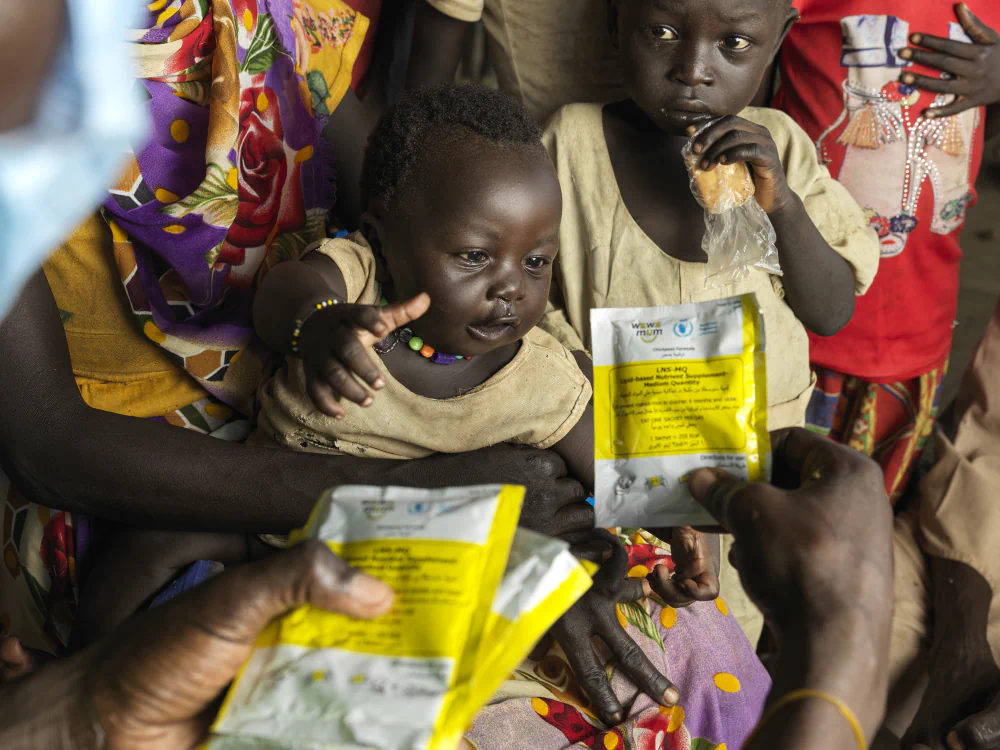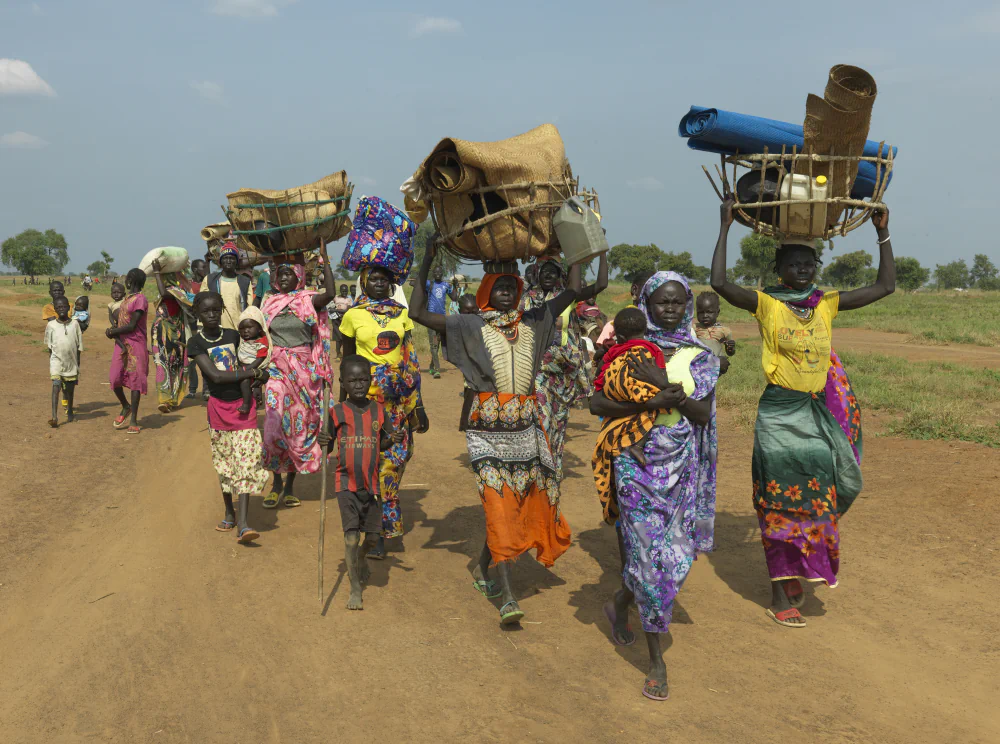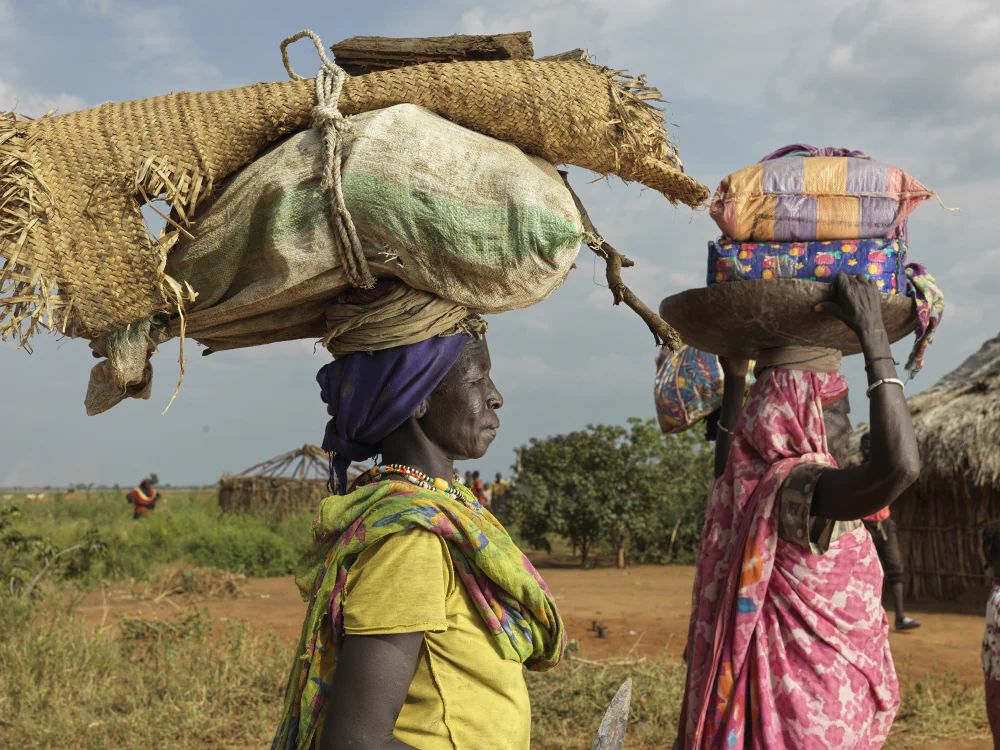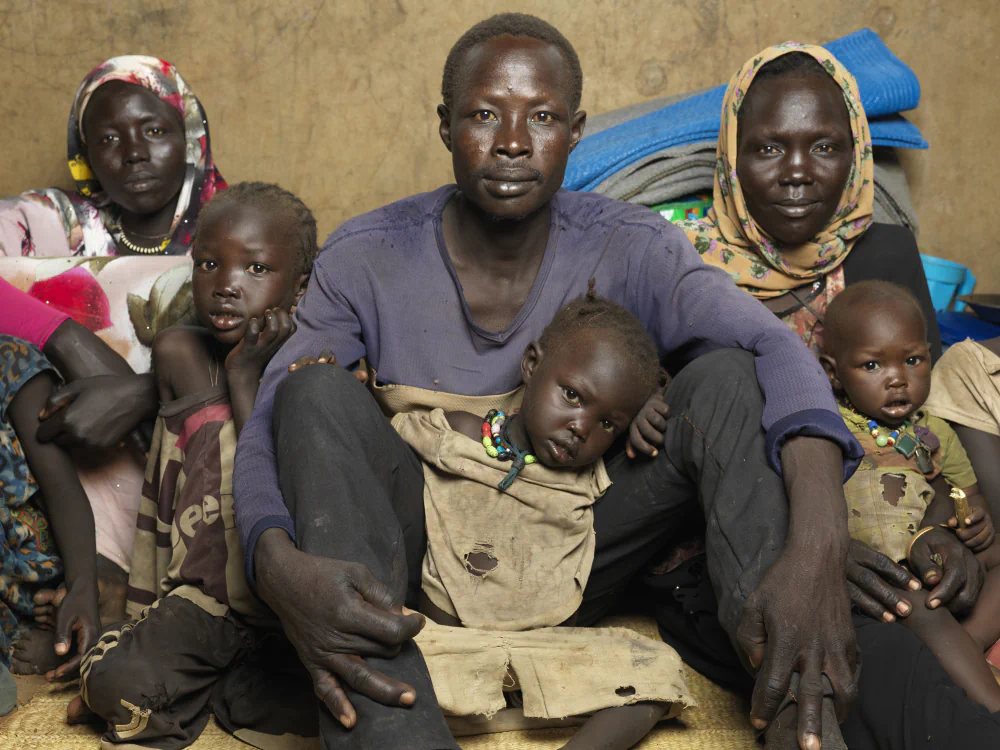

The war in Sudan has created a vast refugee emergency along the border with South Sudan.
As violence, hunger, and the collapse of basic services continue inside Sudan, hundreds of thousands of civilians have fled south in search of safety.
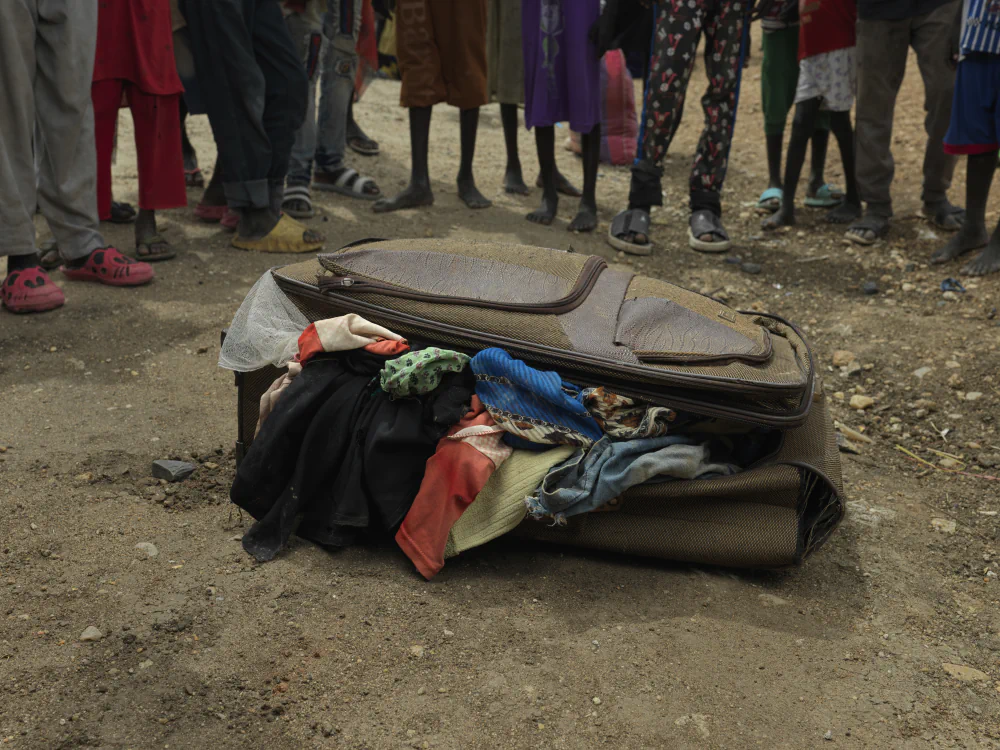
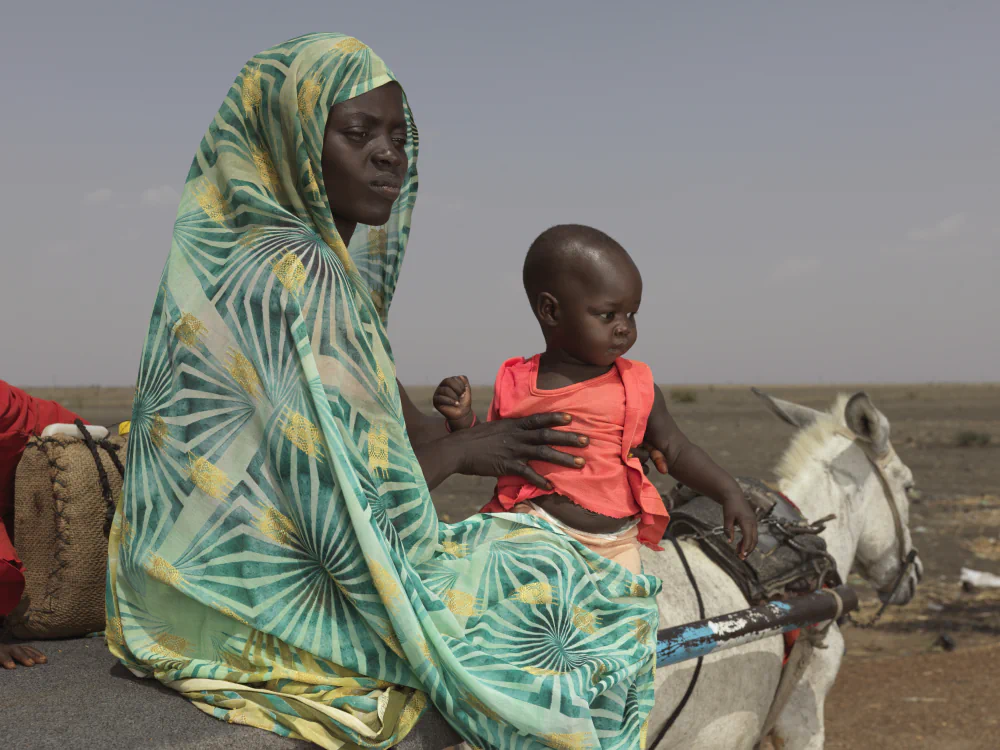
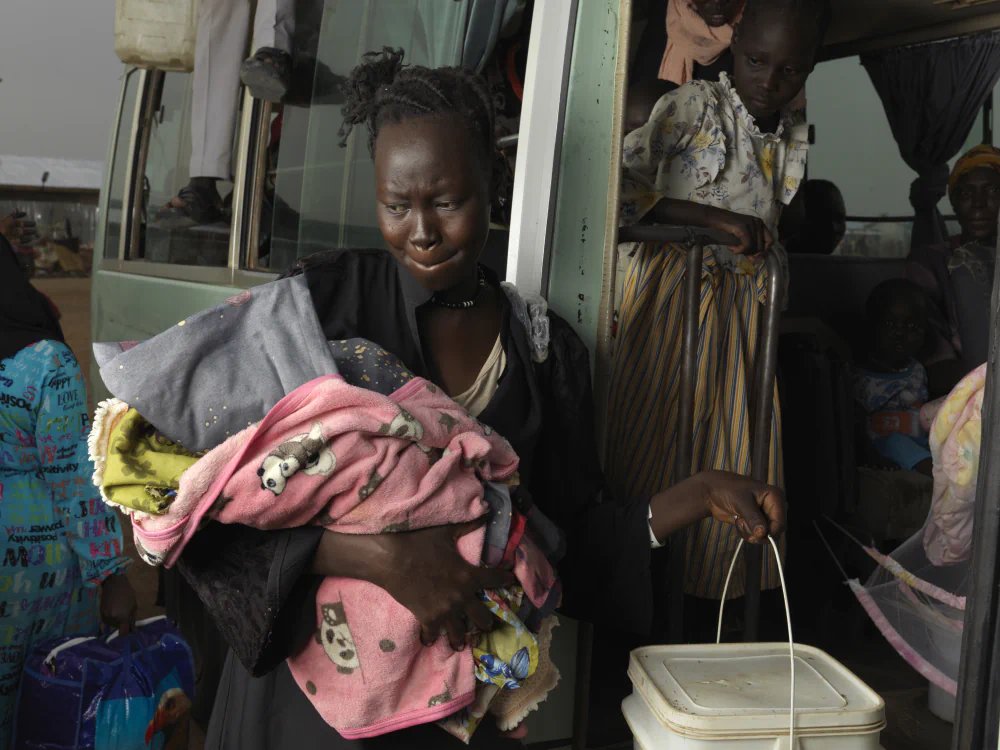
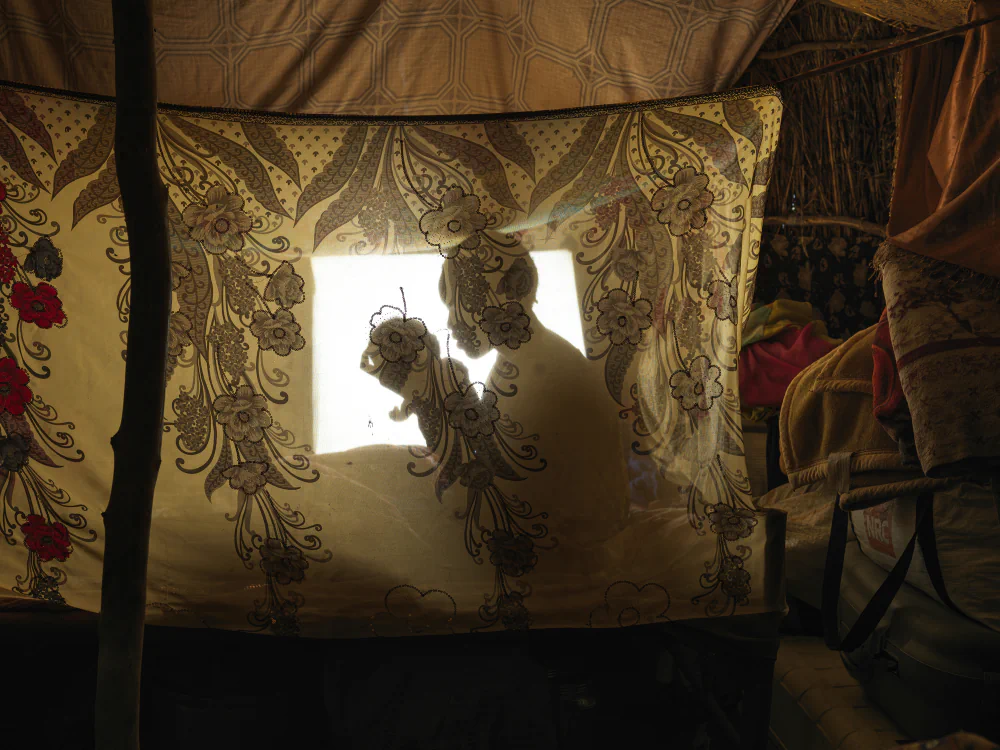
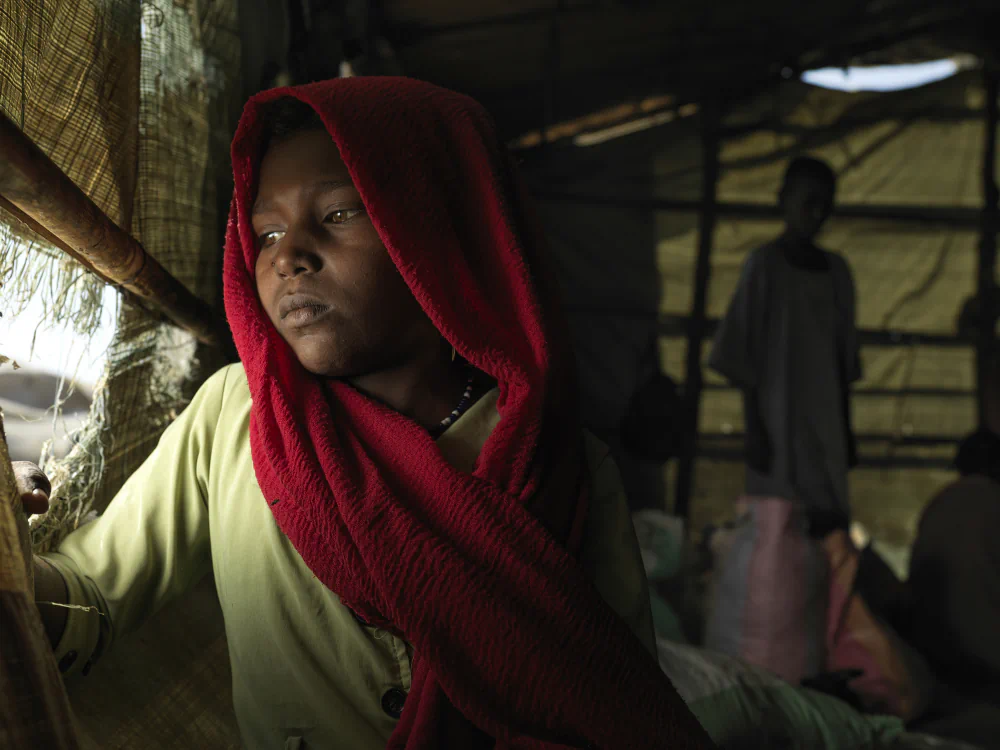
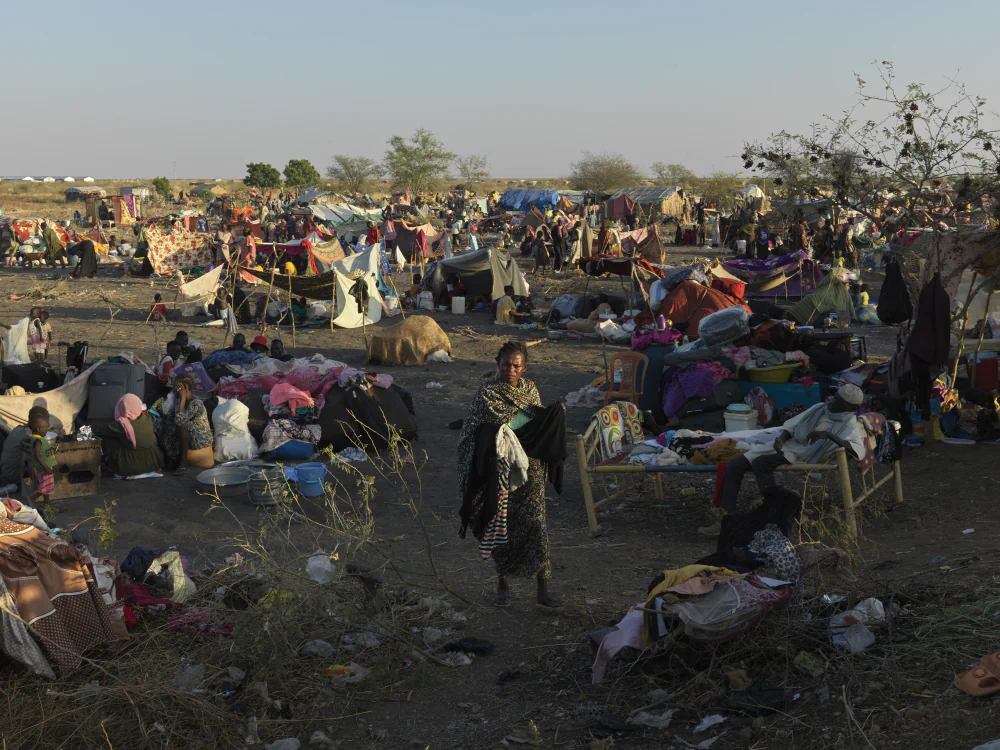
South Sudan has become one of the main escape routes, despite being one of the poorest and most fragile countries in the world. The town of Renk is the primary entry point for Sudanese refugees. Each day, families arrive exhausted after long journeys on foot, by truck, or by boat across the White Nile. Many have been separated from relatives or exposed to extreme violence. Most arrive with nothing but the clothes they are wearing, uncertain about where they will be taken next or how long they will remain in limbo.
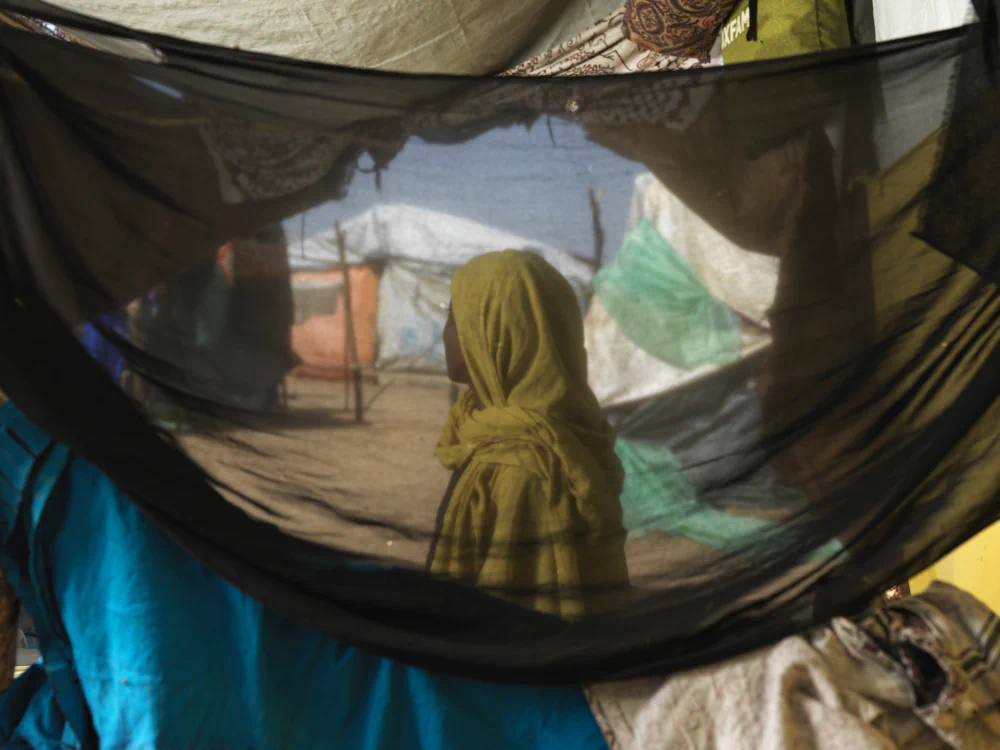
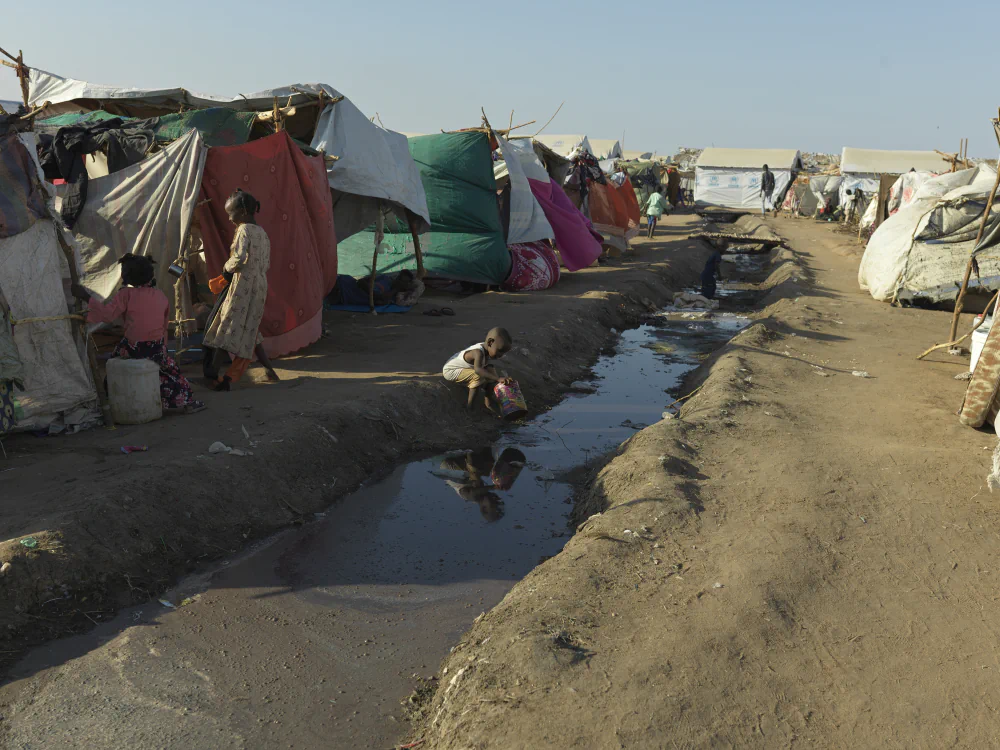
From Renk, many refugees are transported onward to Maban, home to several long-established refugee camps. These camps were already hosting tens of thousands of Sudanese refugees from earlier conflicts. The new influx has placed enormous strain on facilities that were never designed to cope with such numbers. Shelters are overcrowded, water sources are overstretched, and access to healthcare is dangerously limited.
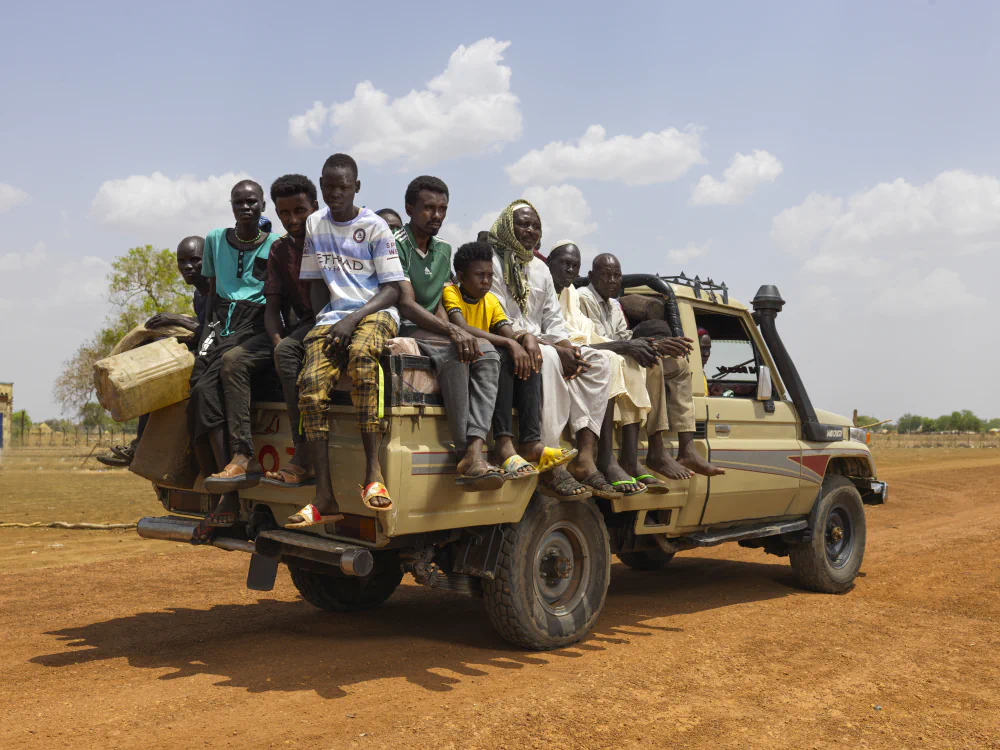
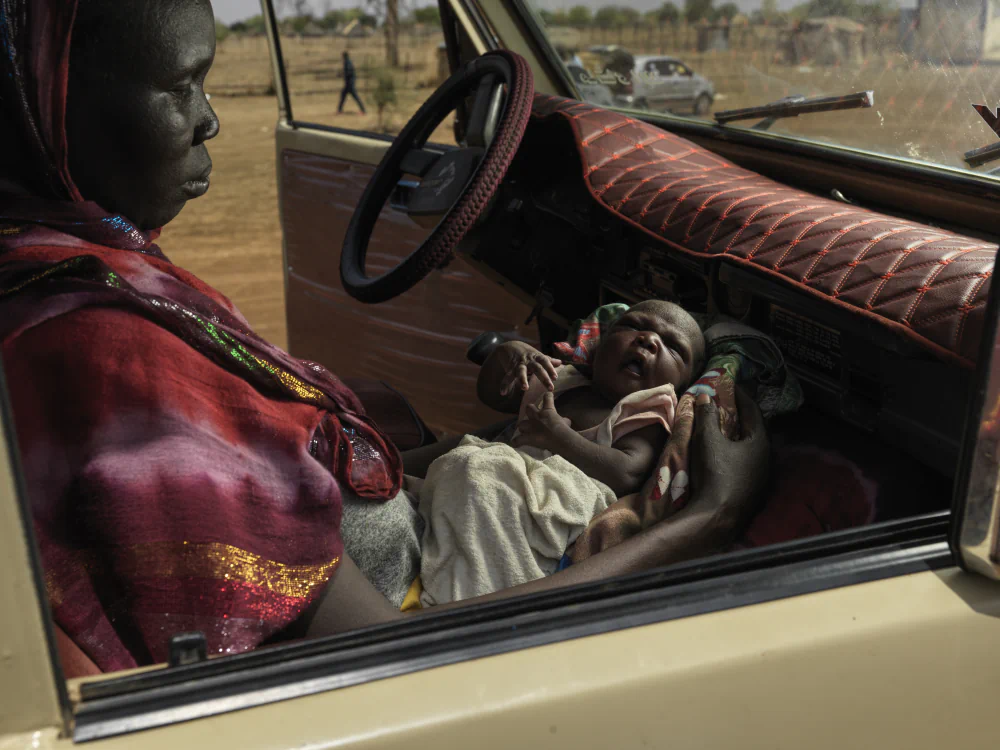
Conditions in both Renk and Maban raise serious protection and health concerns. Poor sanitation and unsafe water increase the risk of disease outbreaks, while food shortages have pushed malnutrition rates higher, particularly among children and pregnant women. Many refugees show signs of trauma after months of violence, displacement, and loss.
This crisis is unfolding in a country already battered by conflict and climate shocks. South Sudan continues to face widespread flooding and internal displacement, leaving host communities with very little capacity to absorb new arrivals. Humanitarian agencies are responding with food, medical care, and protection services, but funding shortfalls mean assistance reaches only a fraction of those in need.
The Sudan refugee crisis on South Sudan’s border is not only a national emergency but a regional one. Without sustained international support and urgent political action to end the war in Sudan, thousands more will continue to arrive seeking refuge, safety, and the chance to survive.
About Peter Caton
Peter Caton is an award-winning British documentary photographer whose work explores humanitarian crises, climate change, and long-term social and environmental change. Working primarily across Africa, Asia, and Latin America, his practice is grounded in sustained engagement with communities living at the intersection of conflict, displacement, and environmental stress.
Caton is known for long-term projects that resist the immediacy of news-driven photography. He returns to the same places over many years, allowing stories to unfold slowly and with depth. This approach enables a visual language that is both rigorous and reflective, combining documentary ethics with a strong formal sensibility. Often working with medium-format cameras and controlled lighting, his portraits and landscapes occupy a space between reportage and fine art, emphasizing dignity, presence, and human resilience.
His most significant recent work is Unyielding Floods, a multi-year photographic project documenting the consequences of prolonged flooding in South Sudan. The work examines how climate change, political neglect, and protracted conflict intersect, forcing entire communities into permanent displacement. Villages, farmland, and grazing areas have disappeared beneath floodwaters, reshaping both the physical landscape and the social fabric of everyday life. The project has received international recognition and has been widely exhibited, with the book bringing together several years of sustained visual research into a coherent narrative.
Alongside his personal work, Caton collaborates extensively with international NGOs, UN agencies, and editorial clients. His photographs are used in advocacy campaigns, policy communication, and long-form editorial contexts, helping translate complex humanitarian issues for global audiences. His work has been published internationally and exhibited at festivals, galleries, and institutions, and is held in both private and institutional collections.
Caton’s practice is defined by patience, respect, and collaboration. His work avoids spectacle, focusing instead on duration and attention, with the aim of creating images that endure beyond the news cycle and contribute to deeper understanding. [About Peter Caton]