Portuguese colonization and the Atlantic slave trade are the historical reasons underlying the presence of Black African people in Brazil.
Although the law abolishing slavery dates back to 1888, Brazil still suffers from institutional and societal racism today.
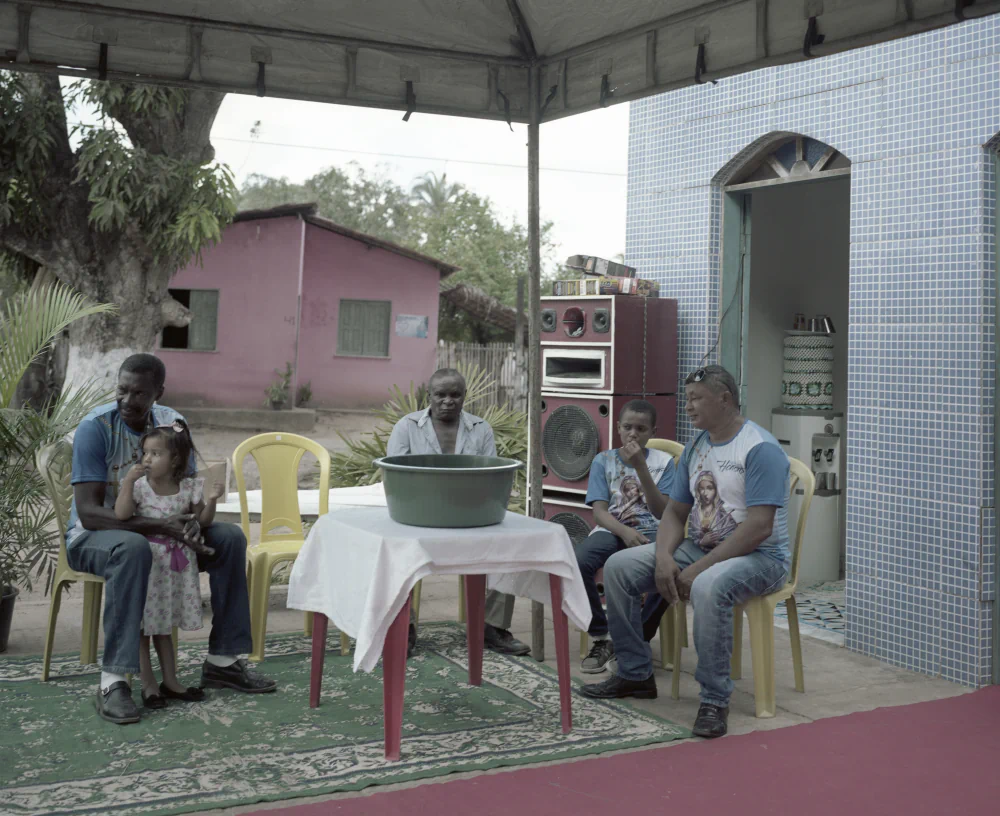
Quilombos are Brazilian settlements founded by people of African origin; most of their founders were escaped slaves. After years of struggle, Quilombola communities throughout Brazil were able to obtain recognition of their land rights and of their status as communities with their own cultural identities.
However, the land ownership recognition process can take years and often encounters resistance and opposition from federal and local authorities. Meanwhile, Quilombola communities continue to be threatened by farmers, industrial landowners, and sometimes even by individuals who represent the State. As a consequence, the Quilombo of Santa Rosa dos Pretos has seen its territory reduced because an electric company and a mining company have restricted the presence of Quilombolas near their facilities. The Quilombo of Boca do Rio has been encircled by a commercial port and a petrochemical company, making it difficult for residents to access their homes. Similarly, near Januária, members of a Quilombola community are threatened by a local farmer, while local authorities fail to guarantee basic conditions such as access to tap water, school transportation, and roads.
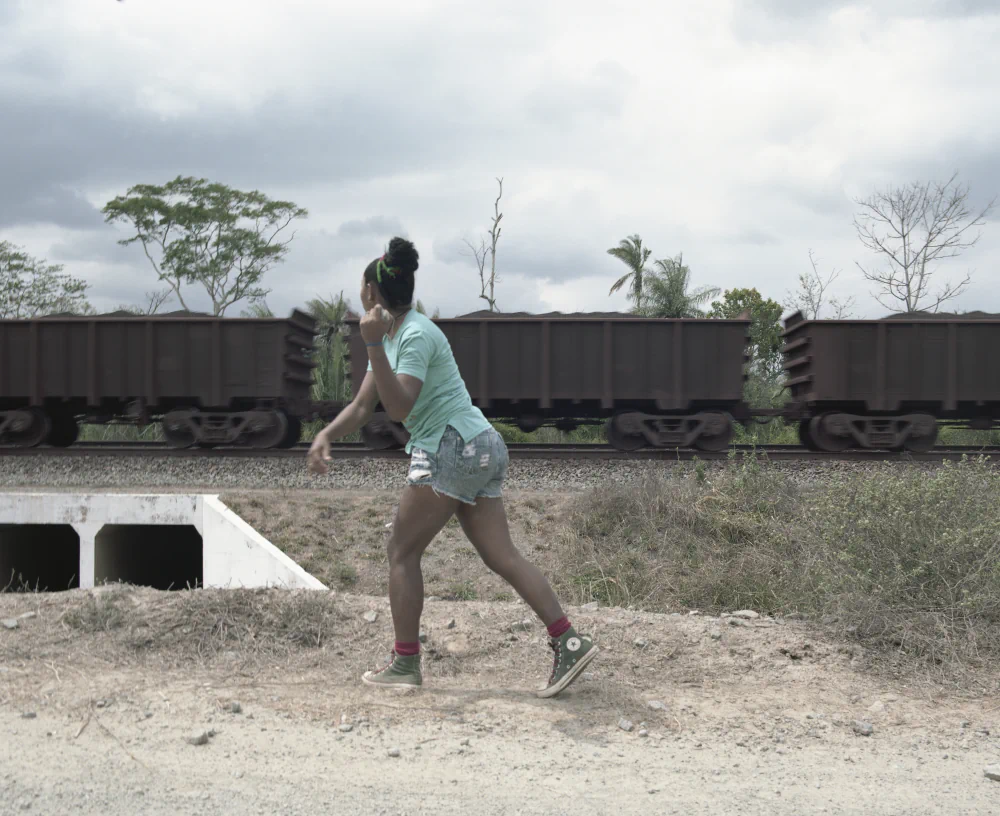
This constant violence and institutional denial of rights is known as systemic racism: discrimination or unequal treatment based on membership in a particular ethnic group, typically one that is marginalized or a minority, arising from systems, structures, or expectations that have become established within a society or an institution. Quilombola communities are among those who suffer most from systemic racism.
Despite the victory of President Lula in the most recent election, right-wing parties continue to promote legal actions aimed at expropriating Quilombola lands. The recognition, valorization, and defense of these communities therefore remain part of an ongoing, peaceful struggle. Furthermore, the defense of farming and mining interests by certain political parties and lobbying groups, along with the use of language that diminishes the importance of Quilombos, contributes to an even more severe form of racism by local farmers, companies, and developers against Quilombola communities.
Estamos na Luta means “we are in the fight”: a fight for their rights, against the injustices they endure, and a way to honor the struggle for freedom of their enslaved ancestors.
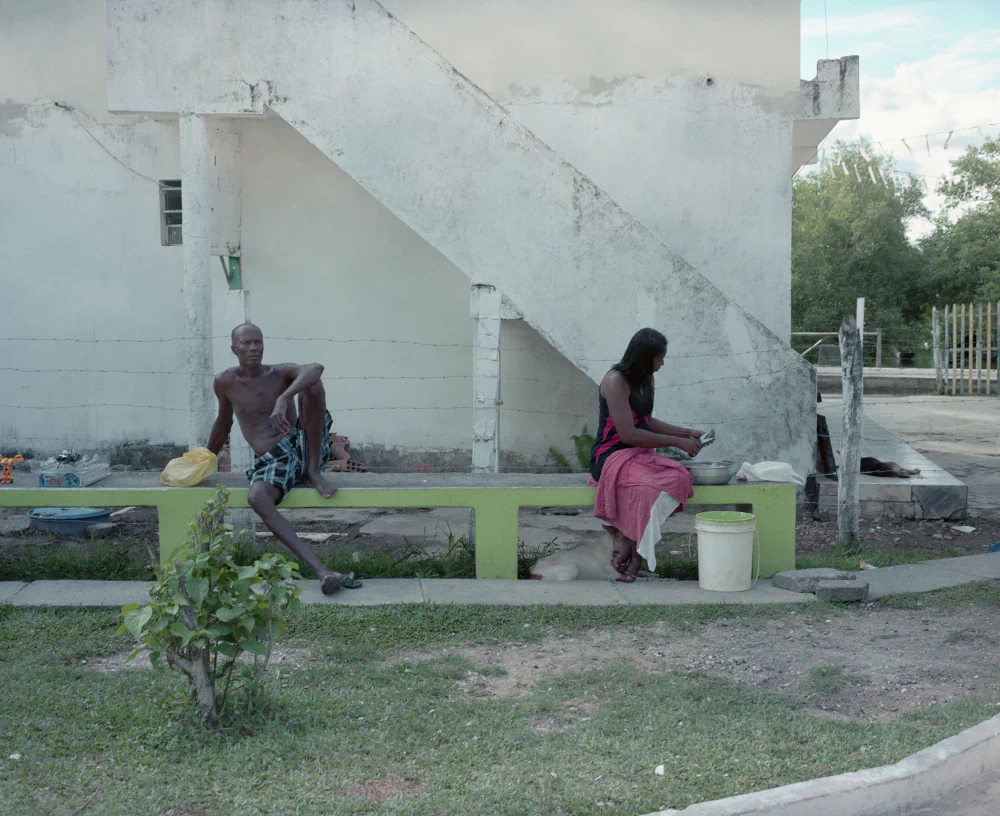
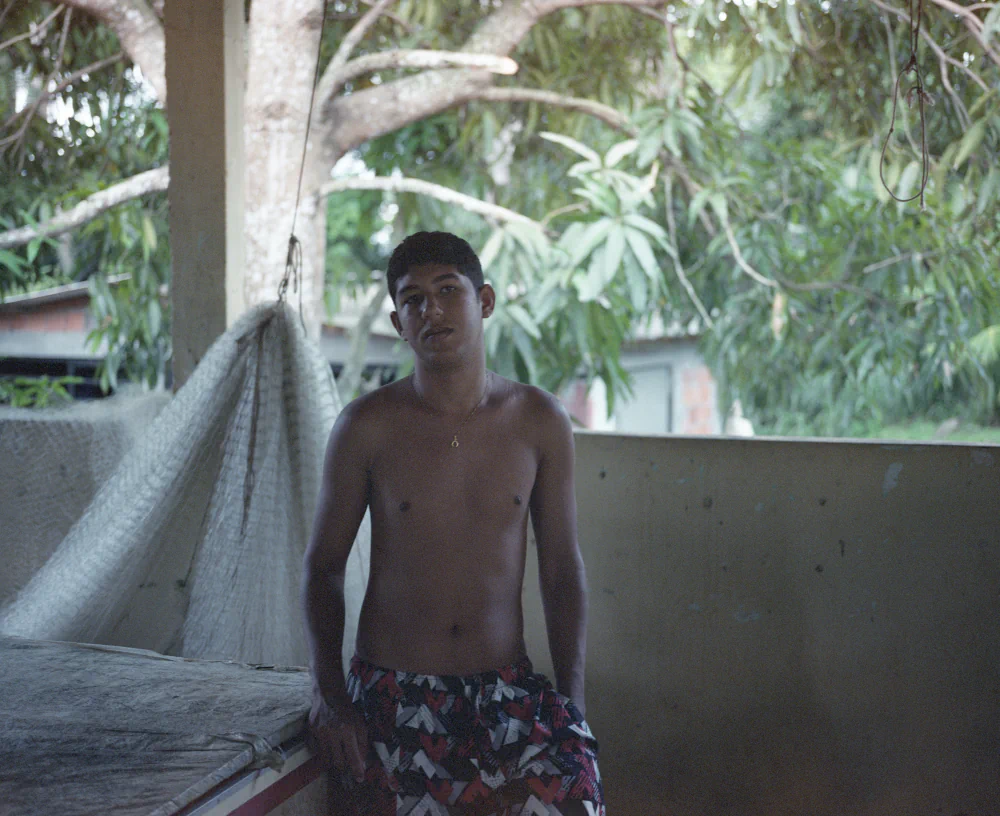
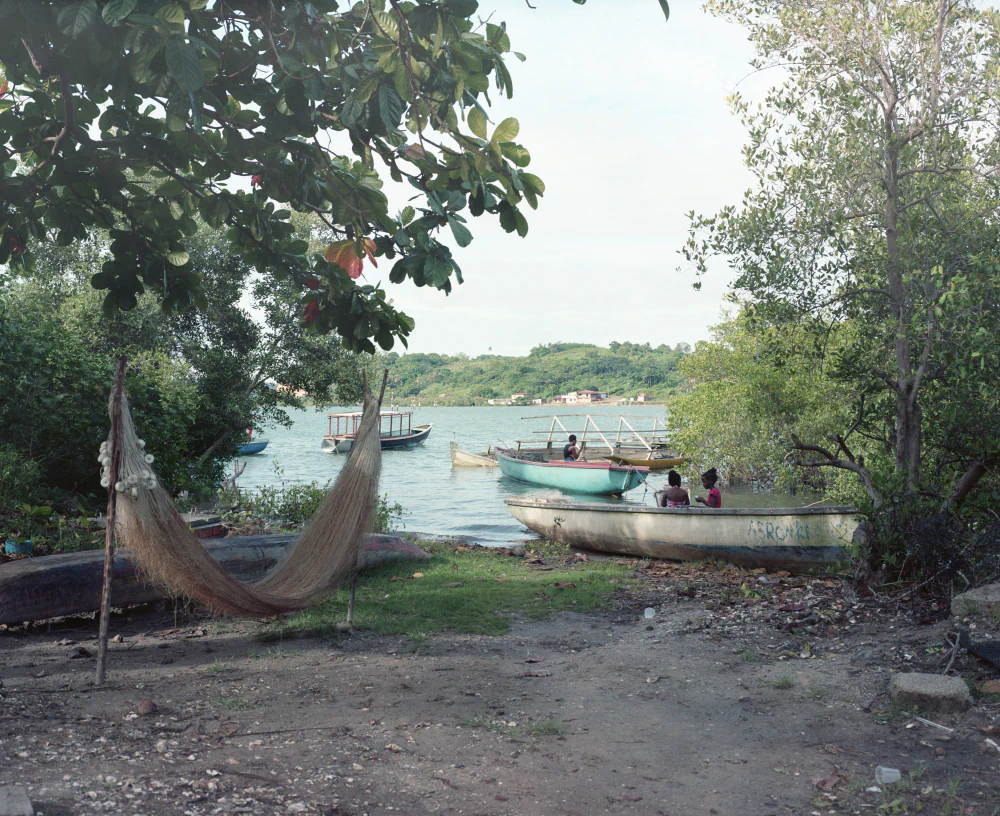
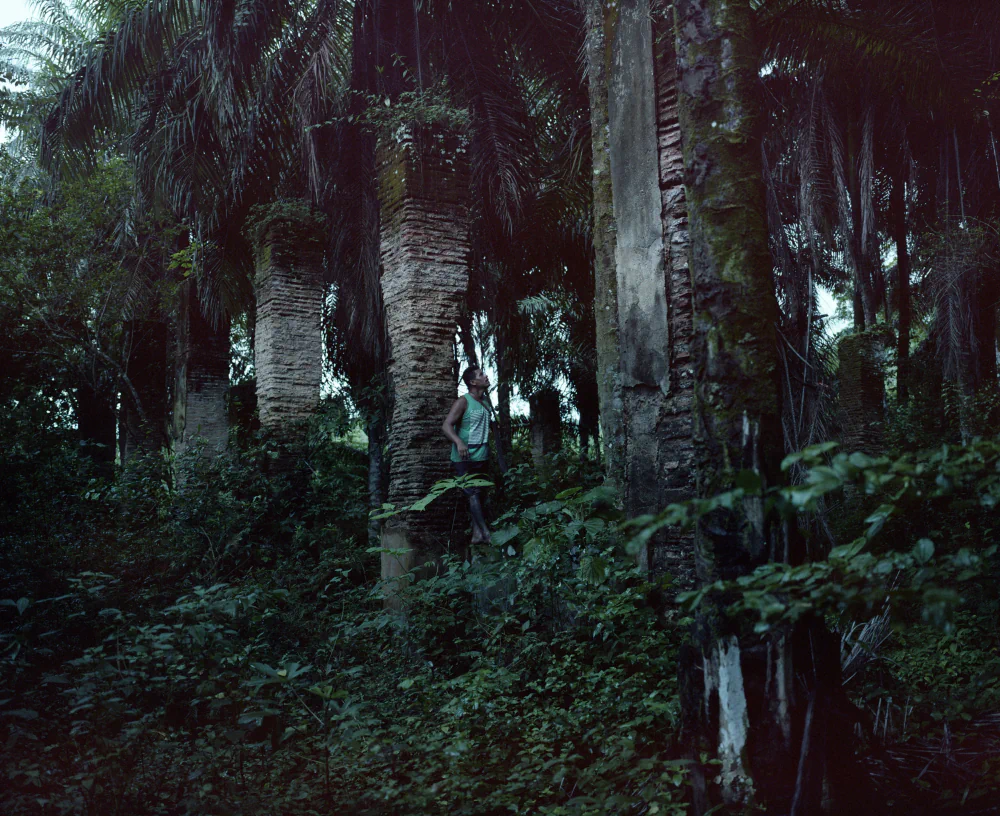
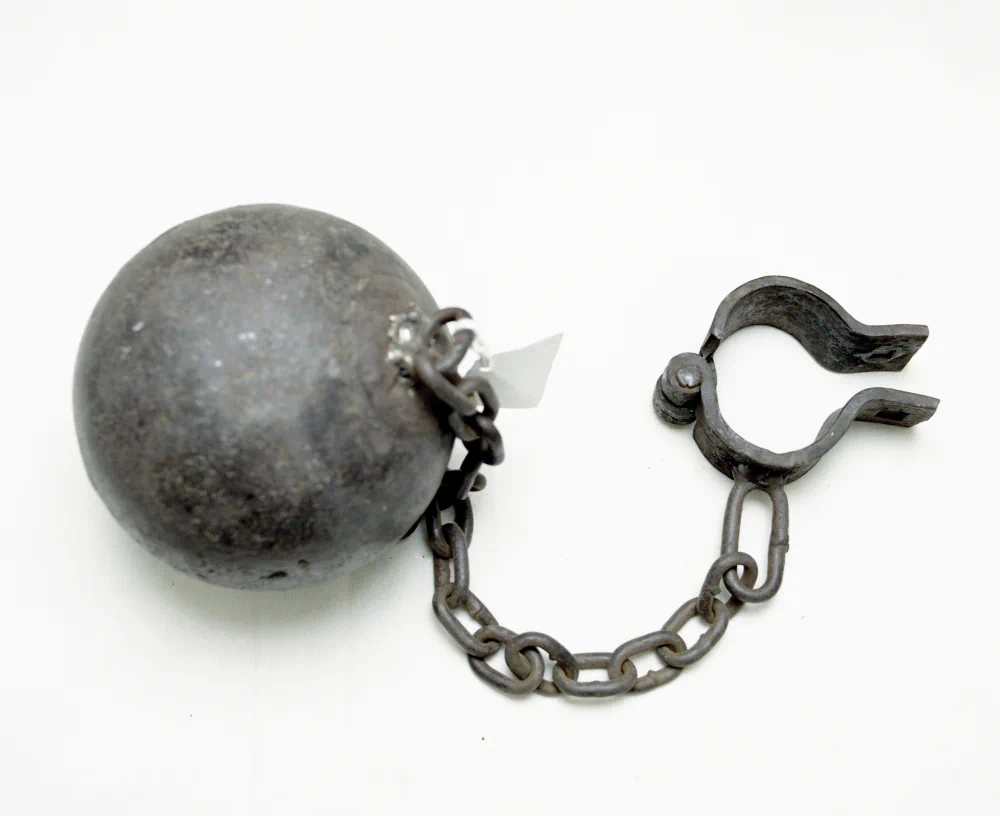
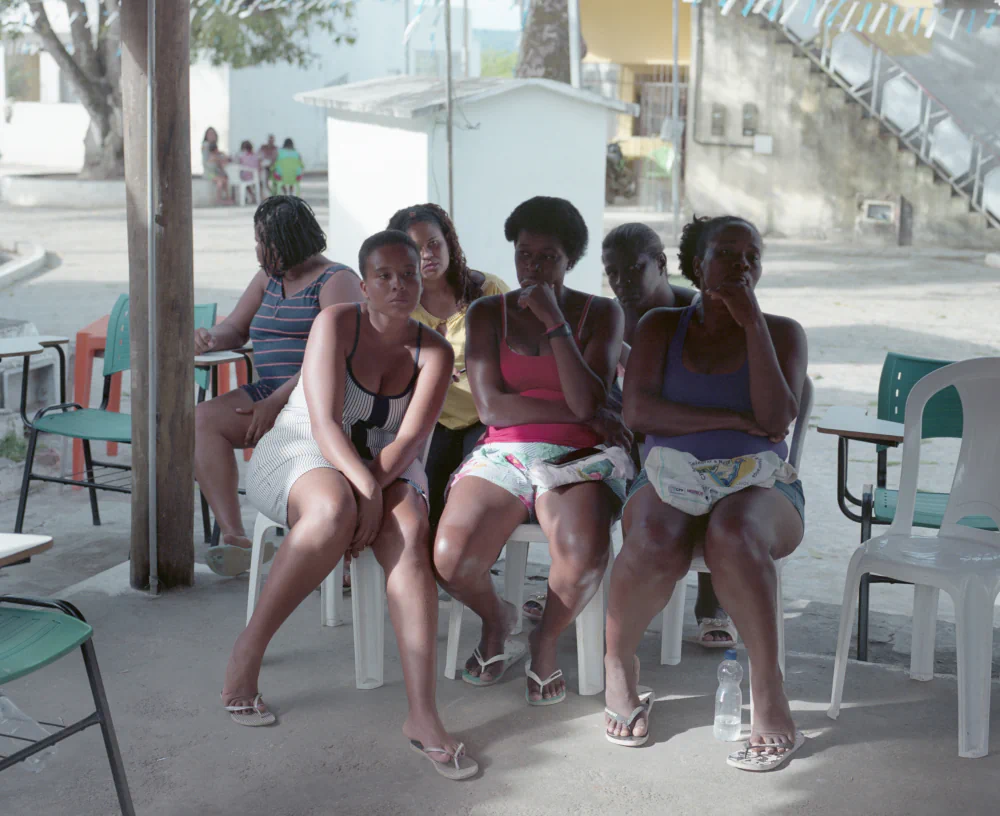
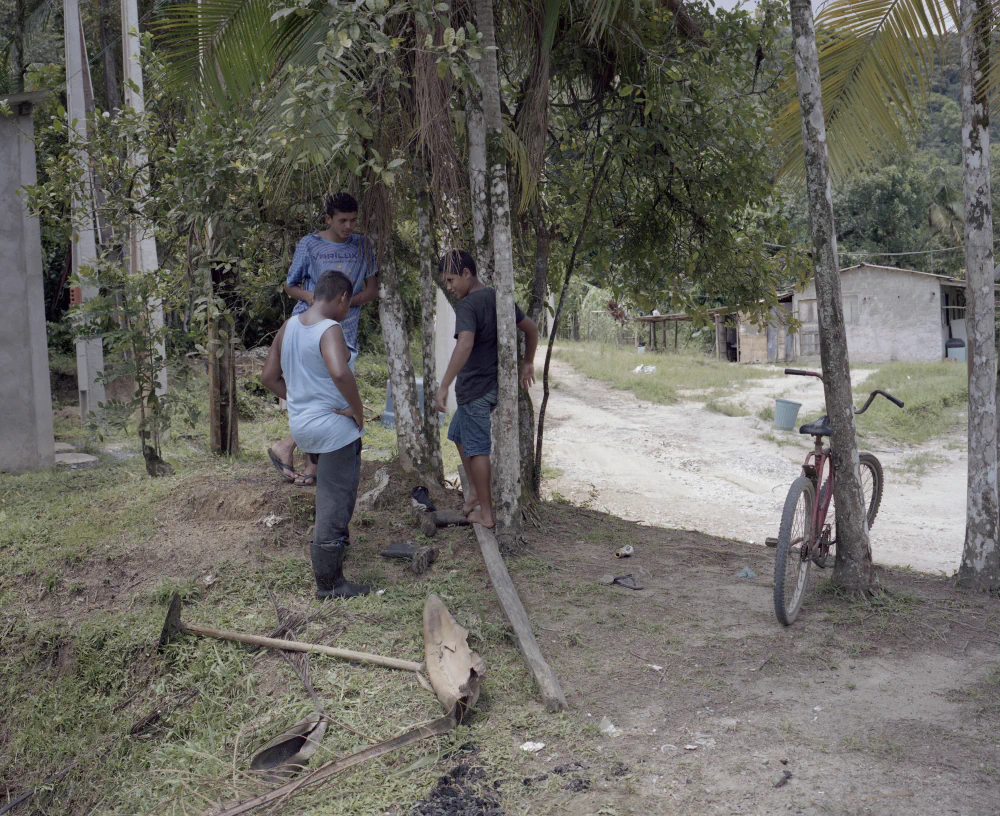
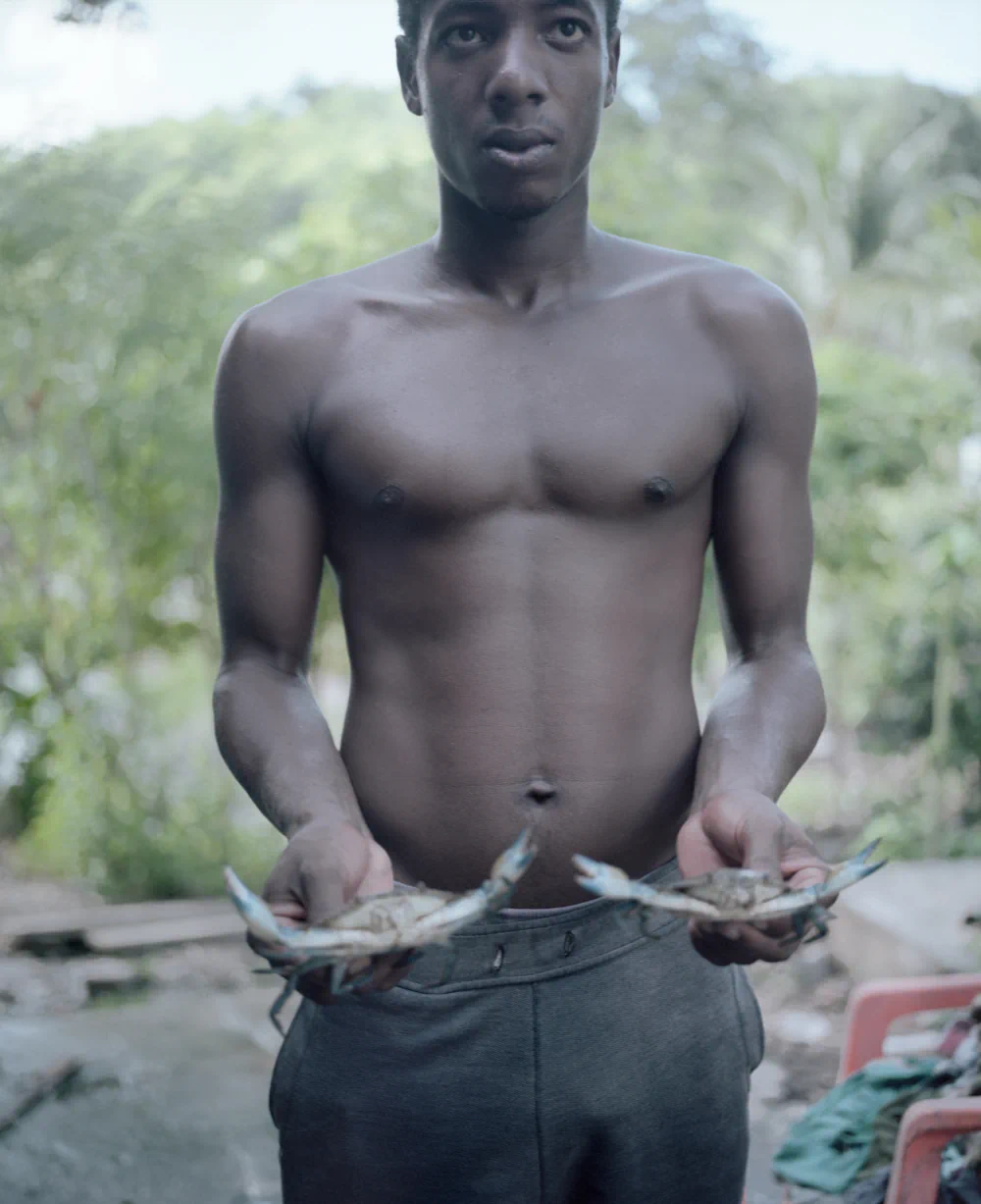
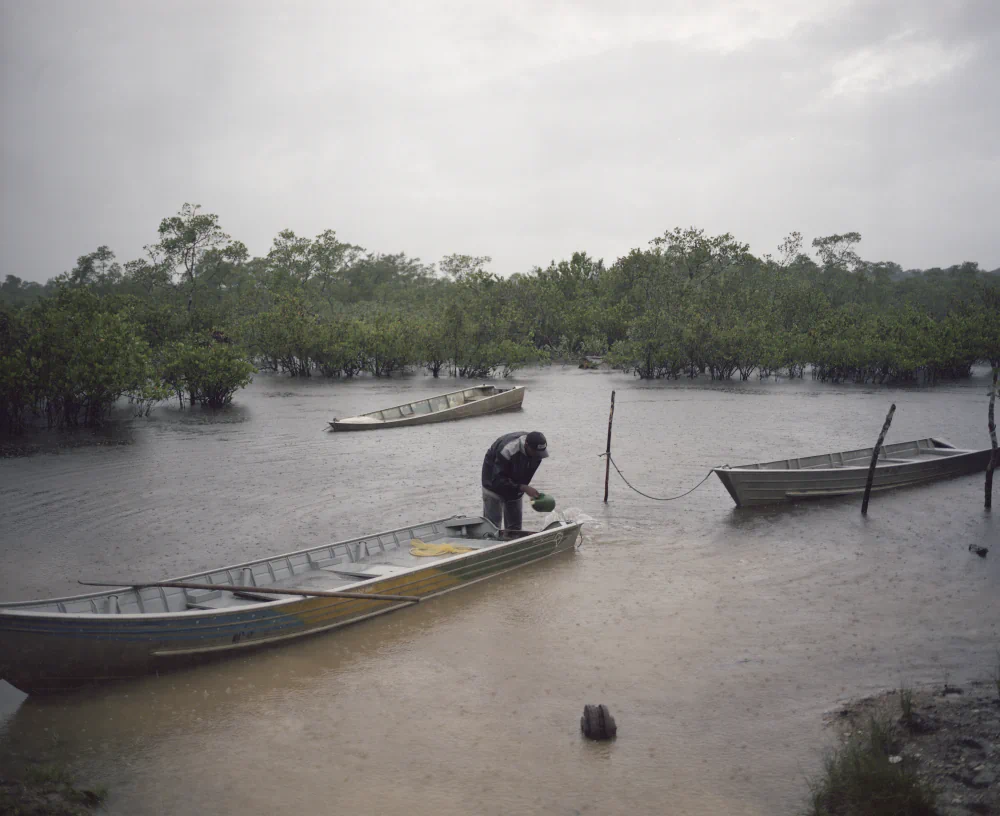
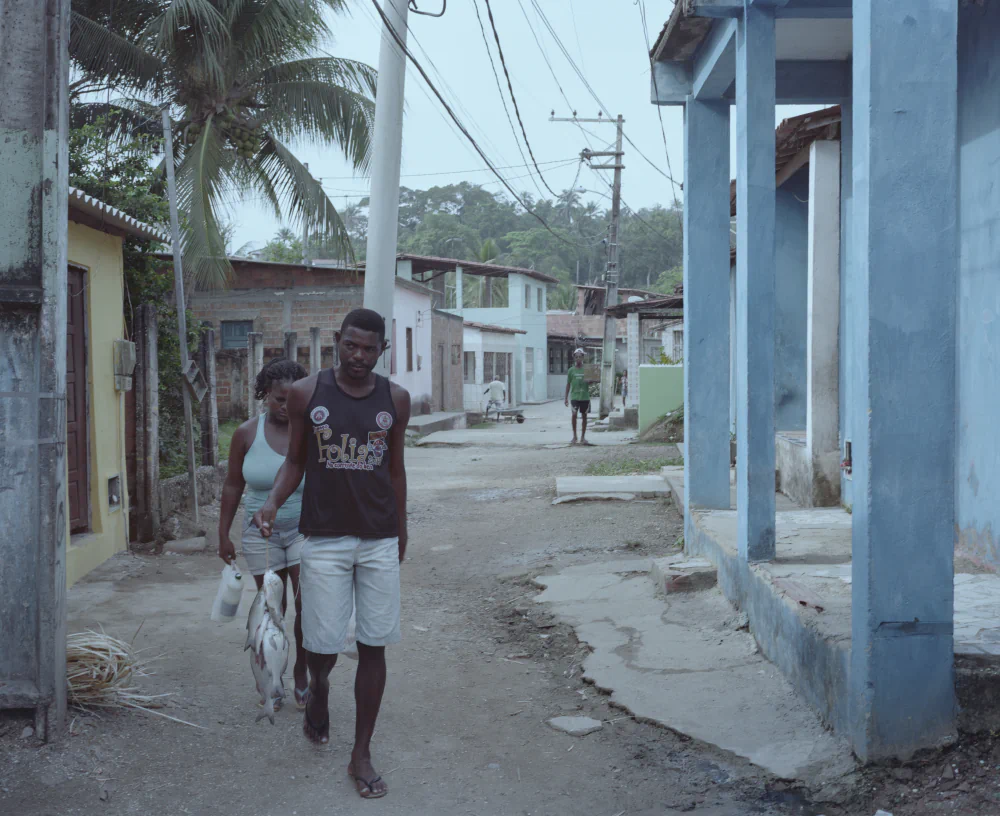
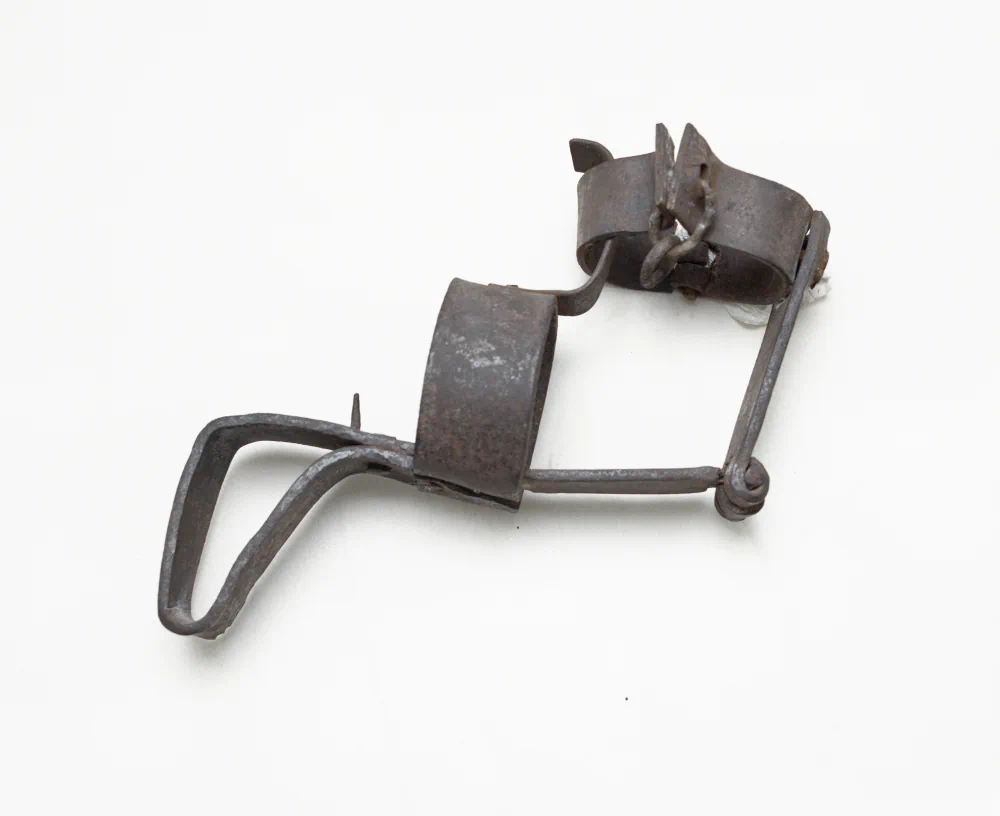
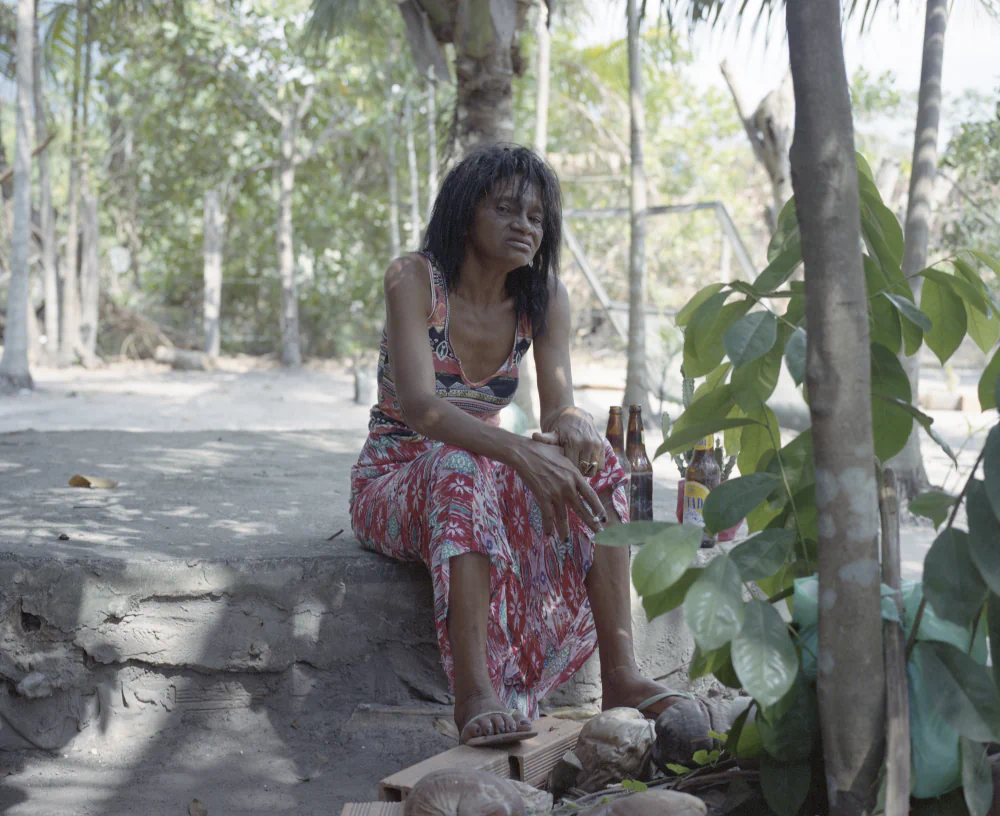
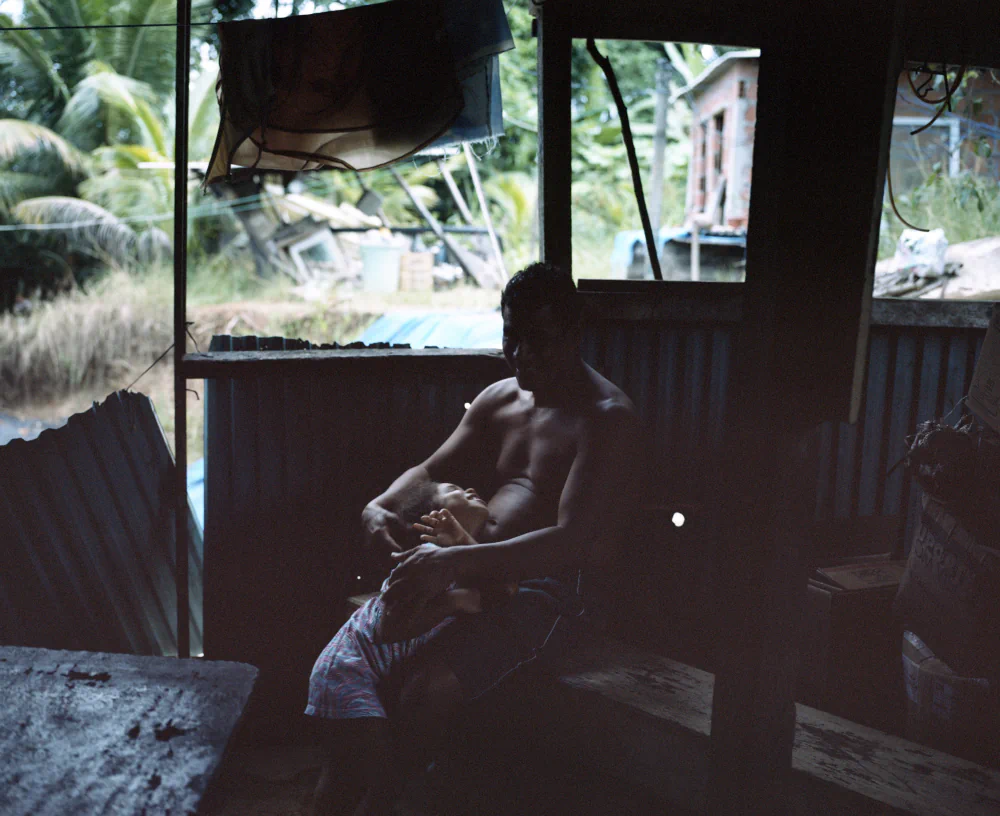
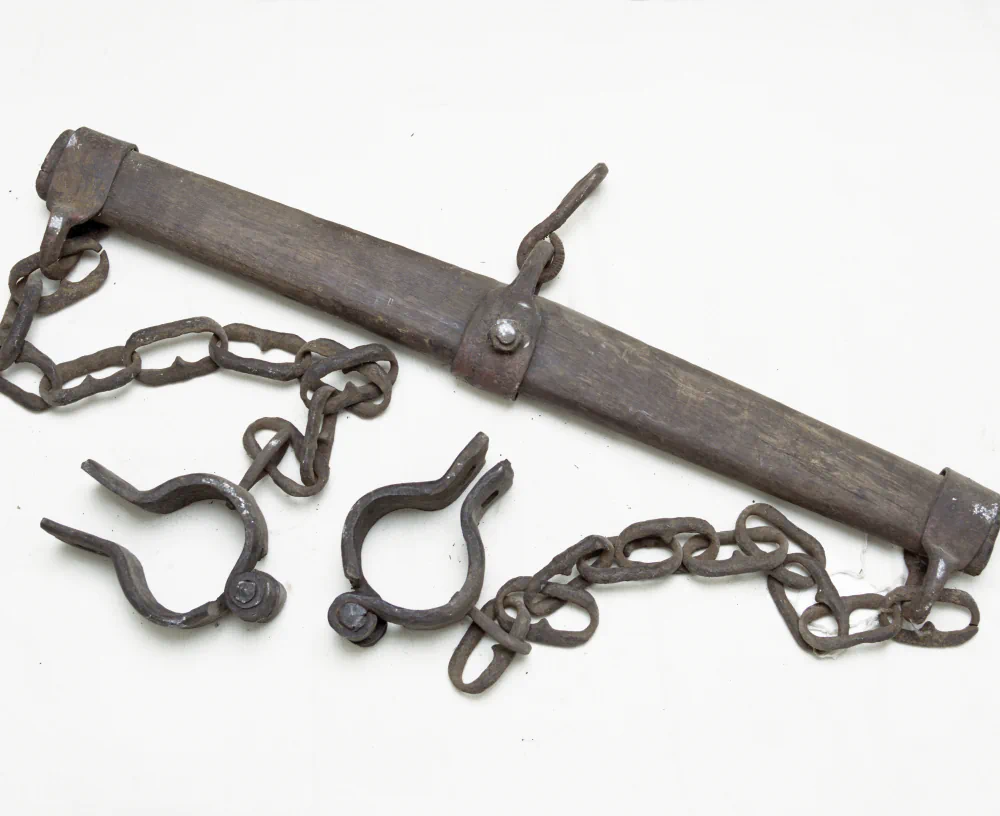
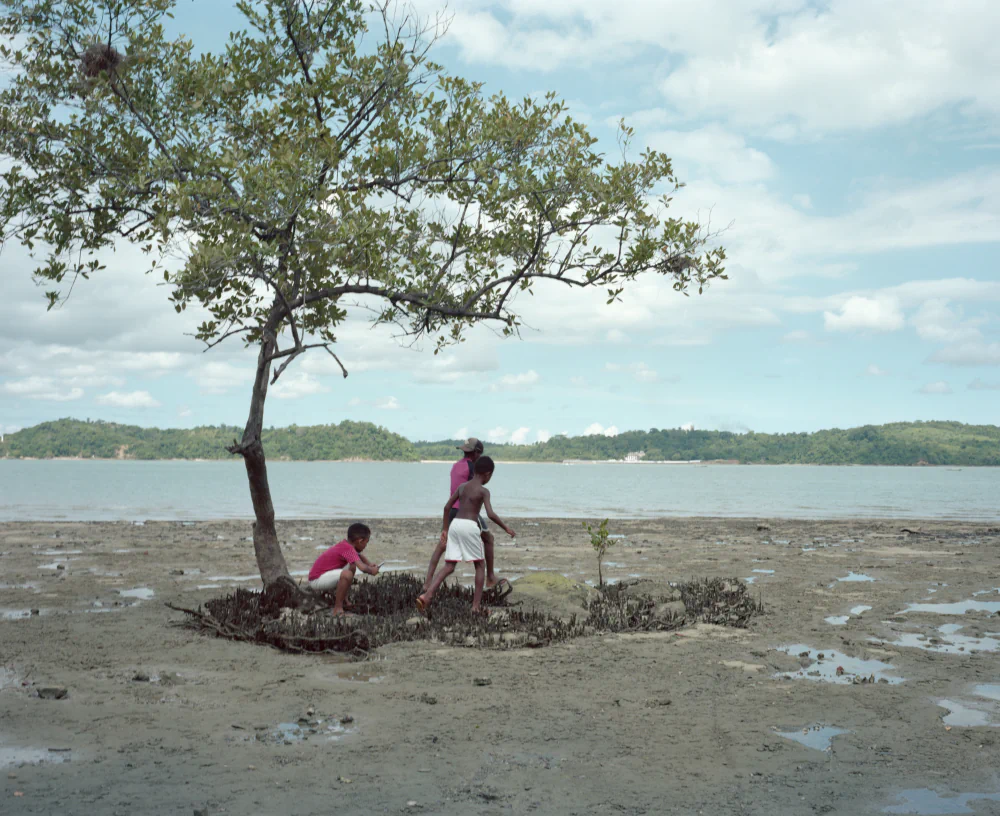
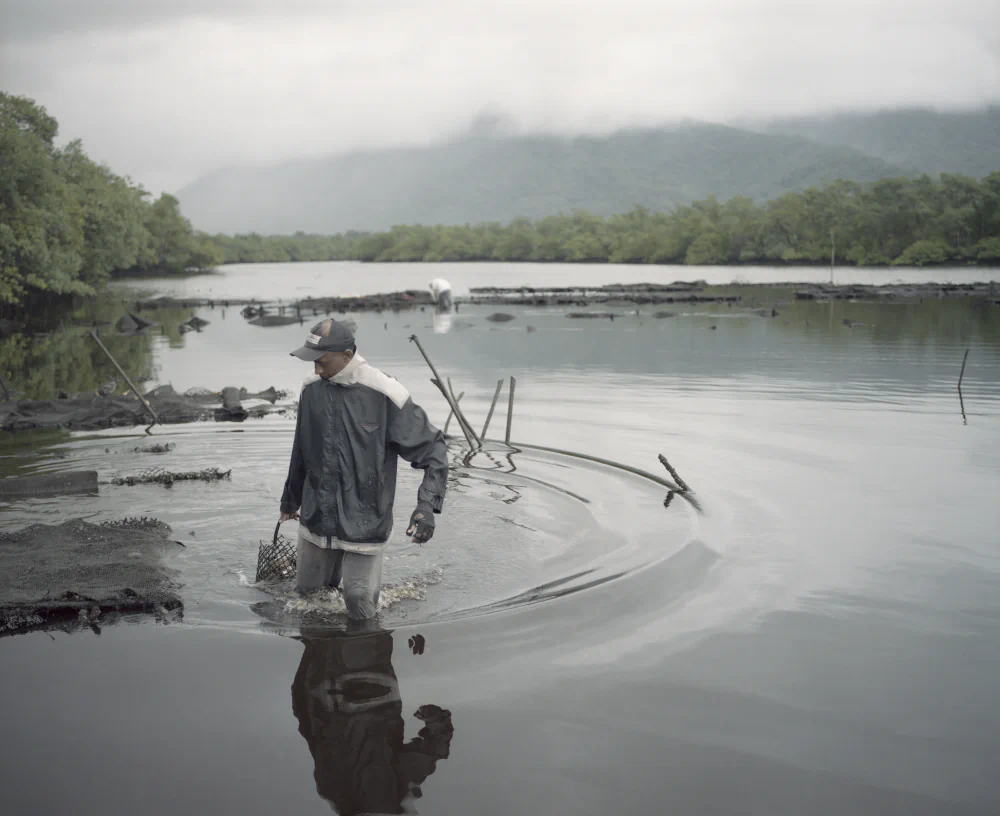
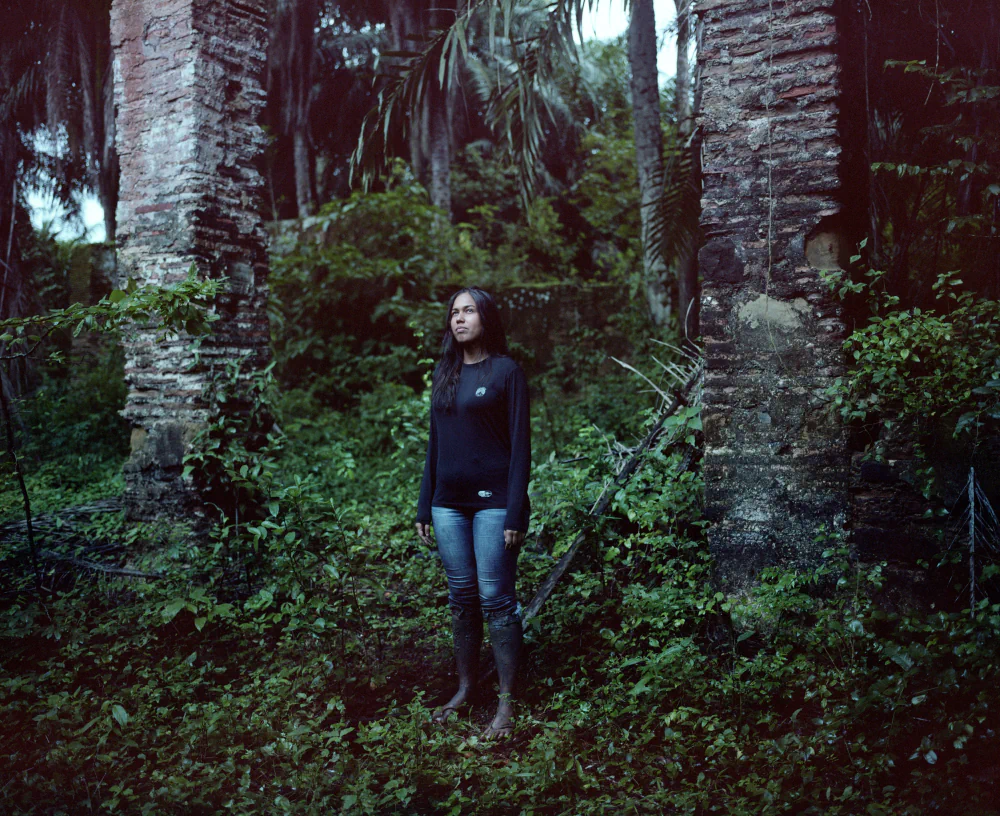
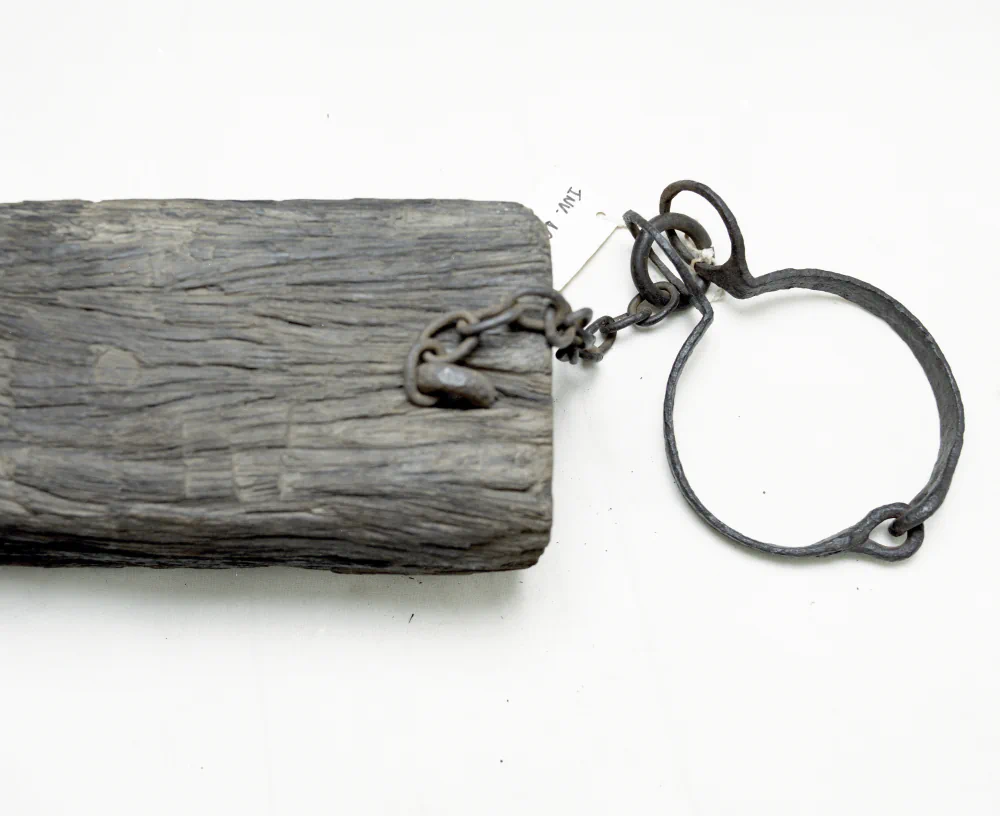
Estamos na Luta contrasts historical representations of African slavery with images of activism and resistance by Afro-Brazilian Quilombolas. Objects historically associated with oppression and violence are juxtaposed with photographs of activists from several Quilombola communities across Brazil. The project seeks to construct a new narrative and visual history of the Afro-Brazilian experience.
As a documentary photographer, there is a question I always ask myself before beginning a project: what kind of society do I live in? And, above all, what kind of society would I like to live in?
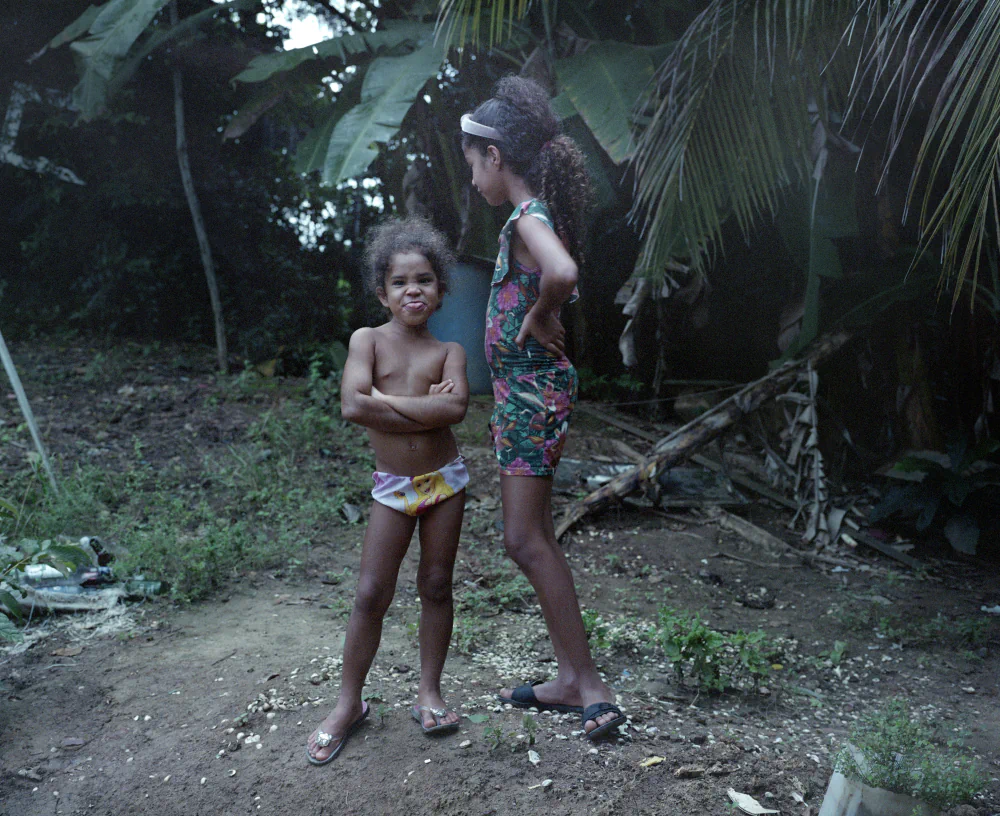
In 2016, a few months after permanently moving to Brazil, I began a photographic project on Quilombola communities whose rights were being violated. The project, Estamos na Luta, was developed between 2017 and 2022. During these five years, I lived alongside and documented the daily life and challenges faced by different Quilombos throughout Brazilian territory. Throughout this process, I often questioned the legitimacy with which I was developing work on a subject that was not part of my personal history and did not directly affect my life. The answer, in the form of a question, was always the same: what kind of society would I like to live in?
The violation of human and civil rights and, more specifically, structural racism, in my view, should not concern only the groups and individuals who suffer its consequences daily and directly. A truly democratic society is measured by its ability to eradicate injustices, especially racial ones; it is also measured by the valuing of diversity, the promotion of equal conditions and opportunities, and, finally, by the creation of policies, institutional instruments, and laws that guarantee the rights of discriminated individuals and groups.
For Quilombola communities, this would mean the formal recognition of their land titles, the valorization of their cultures and products, and the inclusion of their leaders in political decisions and choices at the state and governmental levels. The state and governments play a decisive role in this process, but I also believe that each person, in different ways, can do their part. As for me personally, I have no doubt: a society in which Quilombola communities and their rights are respected and guaranteed would certainly be the society in which I would like to live.
Estamos na Luta contrasts historical representations of African slavery with images of activism and resistance by Afro-Brazilian Quilombolas. Objects historically associated with oppression and violence are juxtaposed with photographs of activists from several Quilombola communities across Brazil. The project seeks to construct a new narrative and visual history of the Afro-Brazilian experience.
About Tommaso Rada
Tommaso Rada is an Italian photographer currently living in São Paulo, Brazil. He is a documentary photographer focused on socio-economic issues. His projects, which portray the societies around him, aim to raise questions rather than provide answers. His work has been published in numerous magazines and newspapers, including the Financial Times, Der Spiegel, Monocle, Popoli, Popoli e Missioni, Private (online edition), Expresso, Helsingin Sanomat, Courrier International, Le Pèlerin, The Washington Post, and Forbes Brazil. He has collaborated with UNICEF Mozambique, the Comunità di Sant’Egidio, and Habitat for Humanity Portugal. Tommaso Rada is a member of Inland Stories. [Official Website]