

When I first saw some of the photos from Attilio’s Regina Viarium series on Instagram, I was overcome by a strong nostalgia for the places depicted. I know those places: they live inside me because I always promised myself I would photograph them, but I never managed to.
They are places in Basilicata, a region in southern Italy where both Attilio and I were born.
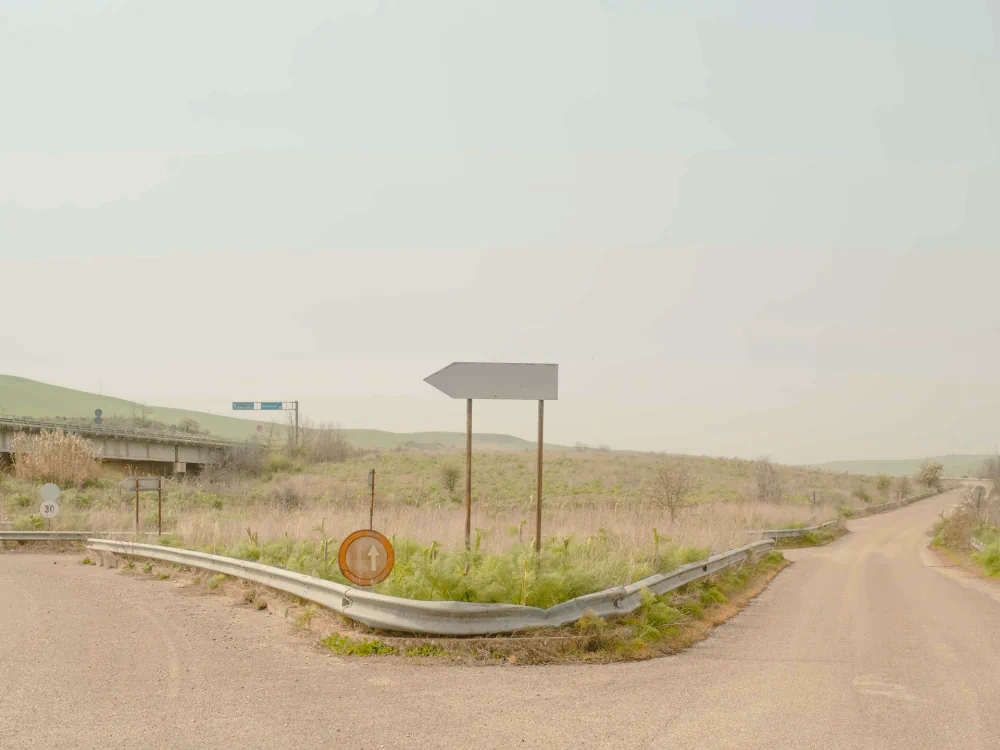
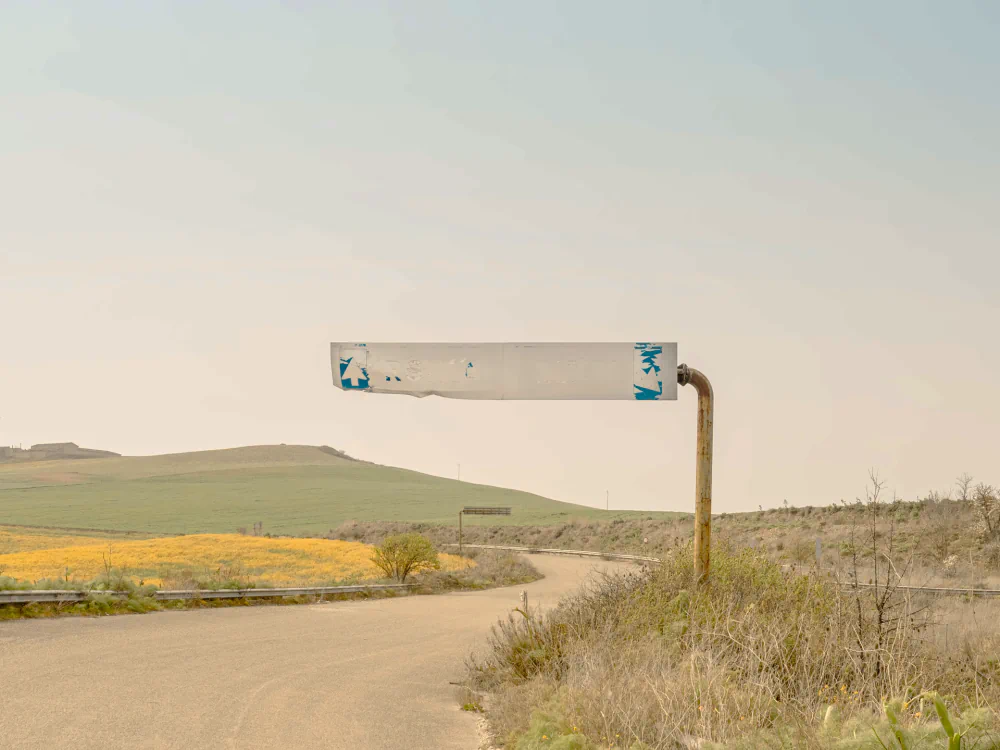
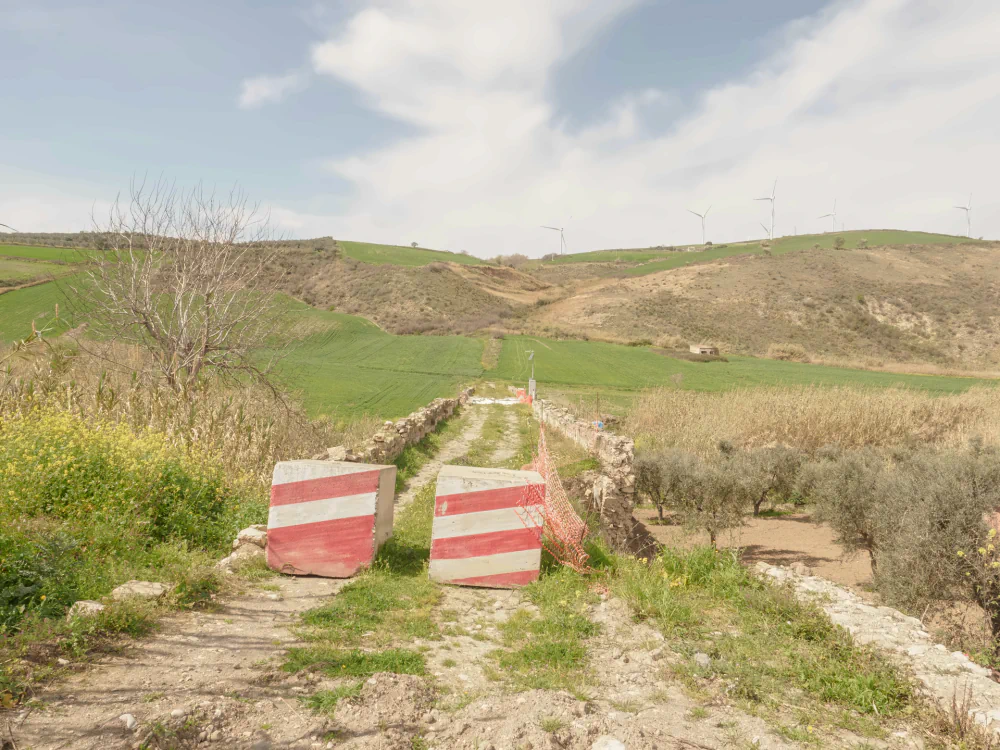
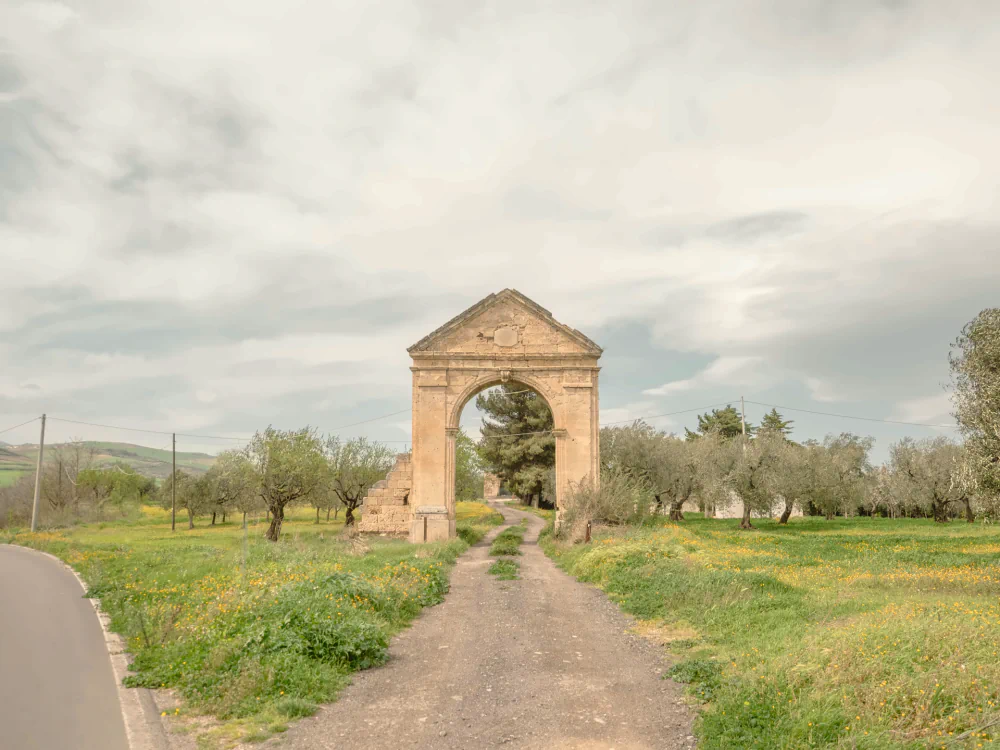
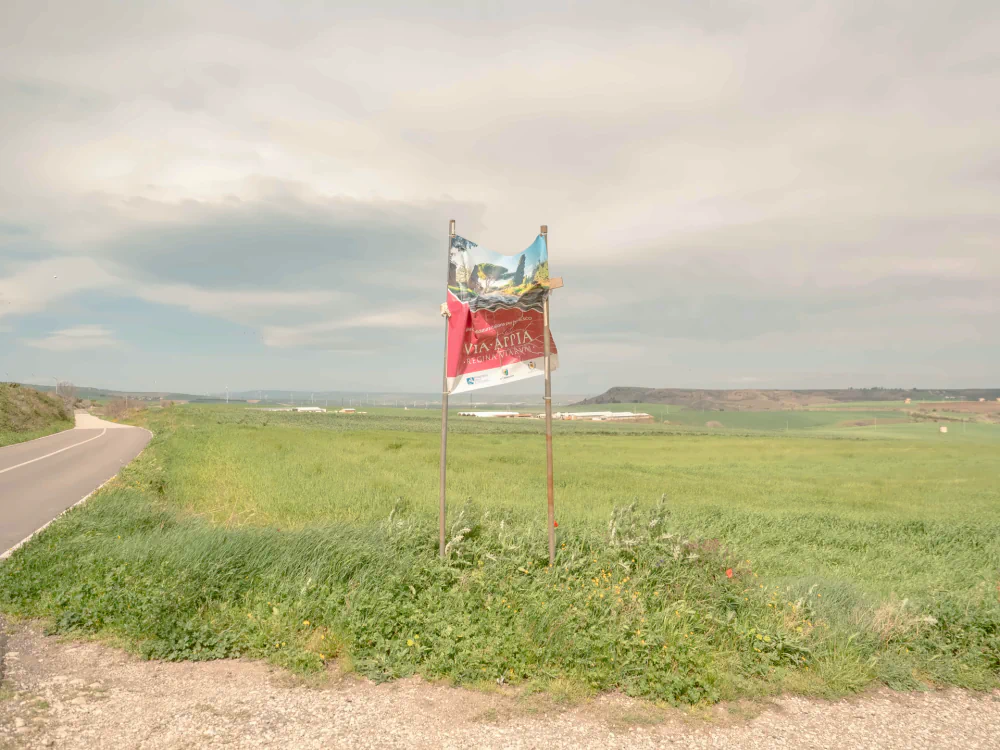
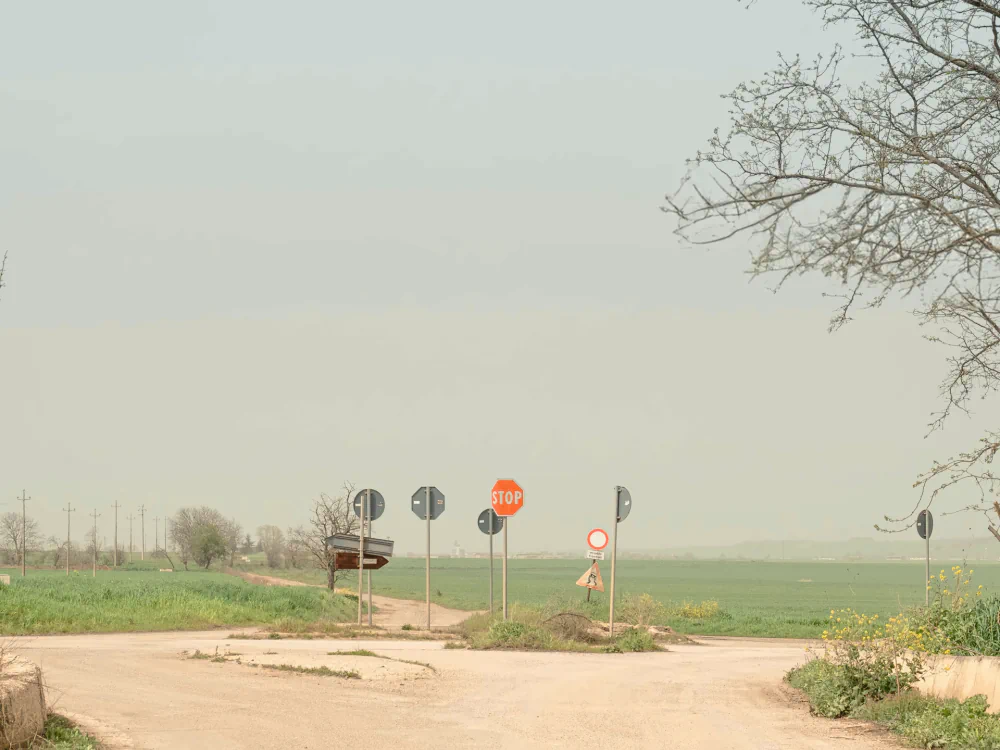
What struck me most about Attilio’s visual interpretation was the soft, diffused, low-contrast quality of light and tones that dominates the series. It’s a light that completely reinterprets the reality of those places, because I know that when the sun shines there it does so with a ruthless intensity that forces you to defend yourself rather than linger. The atmosphere Attilio created, however, invites reflection: it generates nostalgia, prompts thought, echoes the solitude of those places, and makes you imagine the lives they once held.
Attilio told me that this choice came from the atmospheric conditions he encountered the first time he went to photograph there; it was a sirocco day, when the sunlight was veiled by desert sand that filled the air. He liked that light and found it the most fitting way to convey the message he wanted, so he adopted it for all the images in the series.
Those sensations that Regina Viarium stirred in me pushed me to contact Attilio in order to interview him and learn more about what lay behind those images. This article therefore aims to share with Dodho’s readers the way Attilio Bixio conceives and practices the art of photography—a way of making photographs that is very close to the concept of slow food, and which I have therefore chosen to call “slow photography.”
For Attilio, a photographic project is a long-term endeavor: it begins and then generates unexpected offshoots that enrich it rather than bring it to a close. It is like savoring a dish with all the senses and finding a way to make that pleasure last.
Attilio is a civil engineer with a creative drive (in the past he also drew and wrote), who discovered a passion for photography when, as a child, his parents gave him a Kodak Instamatic. He carried it everywhere, photographing places—never people, as his father used to point out. From there, he later appropriated his father’s Voigtländer, which accompanied him throughout his adolescence.
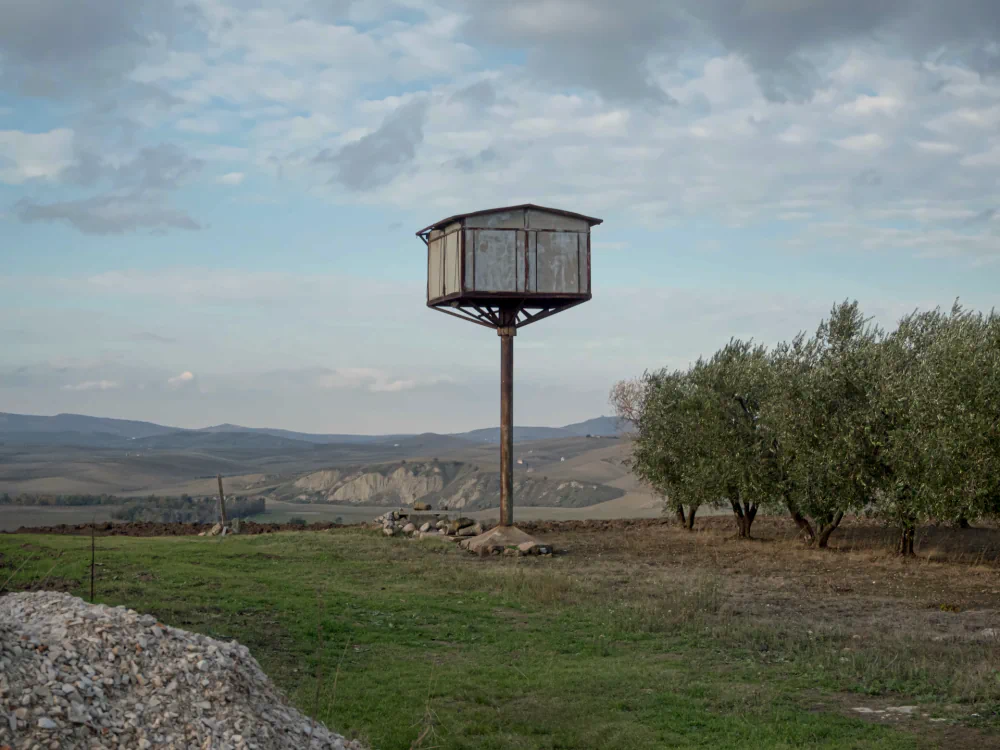
Then studies, work, and family life pulled him away from photography for quite some time, until Attilio returned to it around 2010. He did so inspired by photographers such as Guido Guidi and Luigi Ghirri, as well as by the New Topographics movement (primarily Stephen Shore). His gaze turned toward landscapes altered by human intervention. An engineer whose very task is to transform the landscape, he directs his attention there in order to tell what has happened, through images of the present.
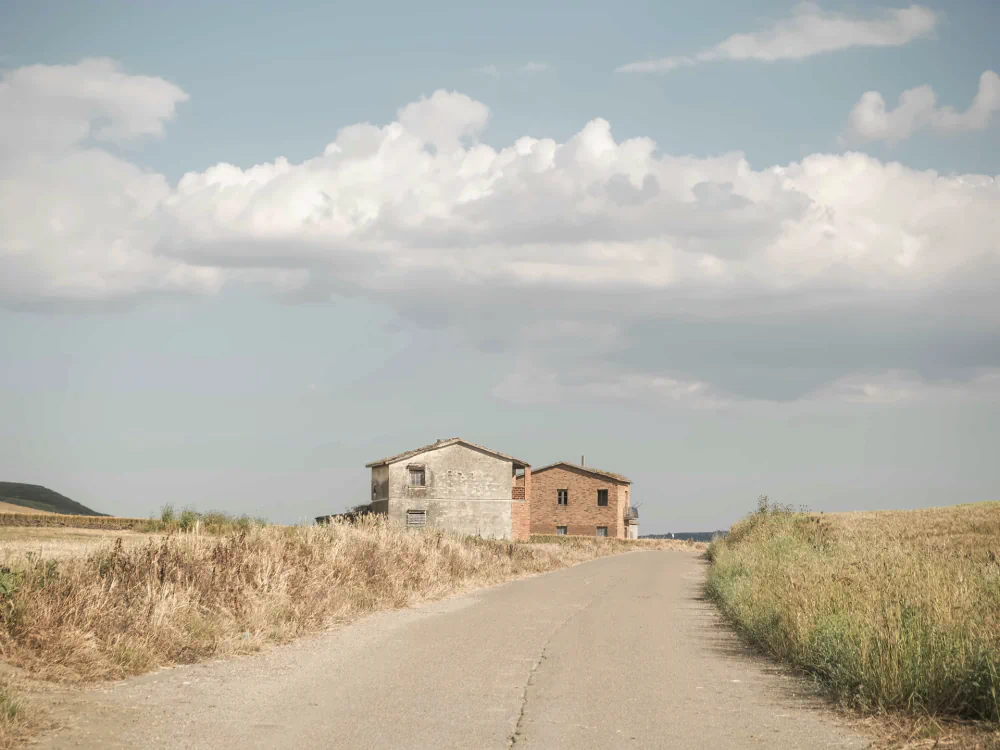
He began working on the project Utopía in order to tell, through landscape, the story of a broken dream that took shape in the 1950s with the “Great Land Reform.” This initiative was meant to allow farm laborers living in agricultural areas to make a living from their own work. To achieve this, small “self-sufficient” villages were built from scratch in the countryside, based on the idea that people would live there, close to their place of work. Things did not unfold as planned, and little by little these villages emptied out and were abandoned, as people preferred to live in the nearby towns.
The project began when Attilio was drawn to the aesthetic beauty of certain landscapes characteristic of a specific area of Basilicata. He then began to wonder why those landscapes appeared the way they did—seemingly natural, yet heavily shaped by human intervention. Through this inquiry, he discovered the history behind the Great Land Reform, and by observing the present-day landscape, he began to understand what had happened in the past. The aim of his project is to represent, through images, the stories that landscapes reveal.
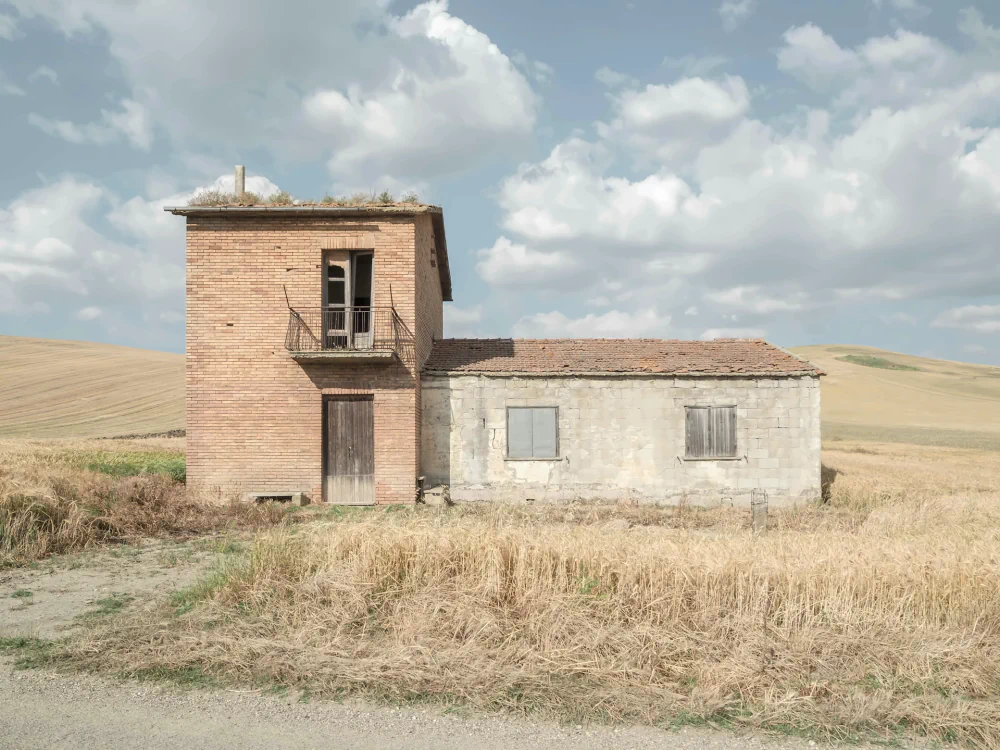
Through Attilio’s images, by observing the present-day abandonment, the silences, and the solitude, one can sense the presence of life; the hope of those who believed in that utopia, the desire to build something good for the community. A contrast emerges between the outward appearance, which carries a certain aesthetic quality, and the harshness of the history that lies beneath it.
One might ask why there are no people in these photographs. The answer is that it would be very difficult to portray people in places that are now almost completely deserted. Moreover, many of those who once lived there have largely emigrated, scattered across different locations, often without leaving traces that would make them possible to find again.
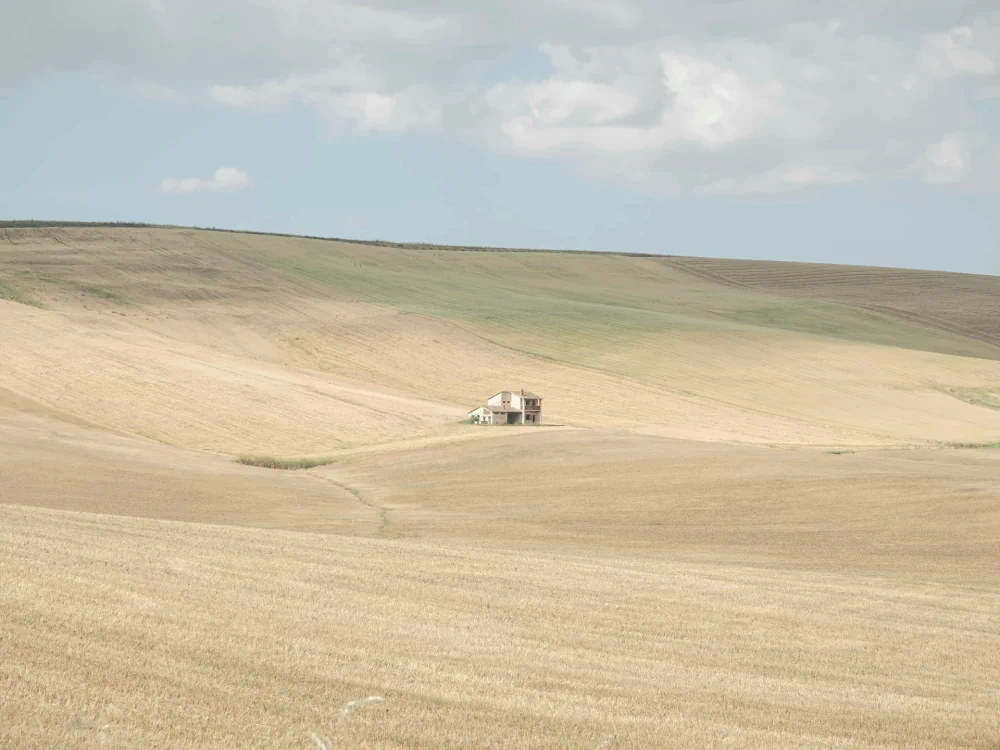
While working on the Utopía project, Attilio also encountered the setting that gave rise to the Regina Viarium series. Between the Lucanian towns of Melfi and Genzano runs the ancient Via Appia, the most important route of communication—and therefore of prosperity—during the Roman Empire. Taking advantage of a workshop with photographer Silvia Camporesi, and after reading Appia by Paolo Rumiz, who walked this ancient Roman road on foot, Attilio began to develop this second project, initially focusing on the Lucanian stretch of the Via Appia (a UNESCO World Heritage Site since 2024).
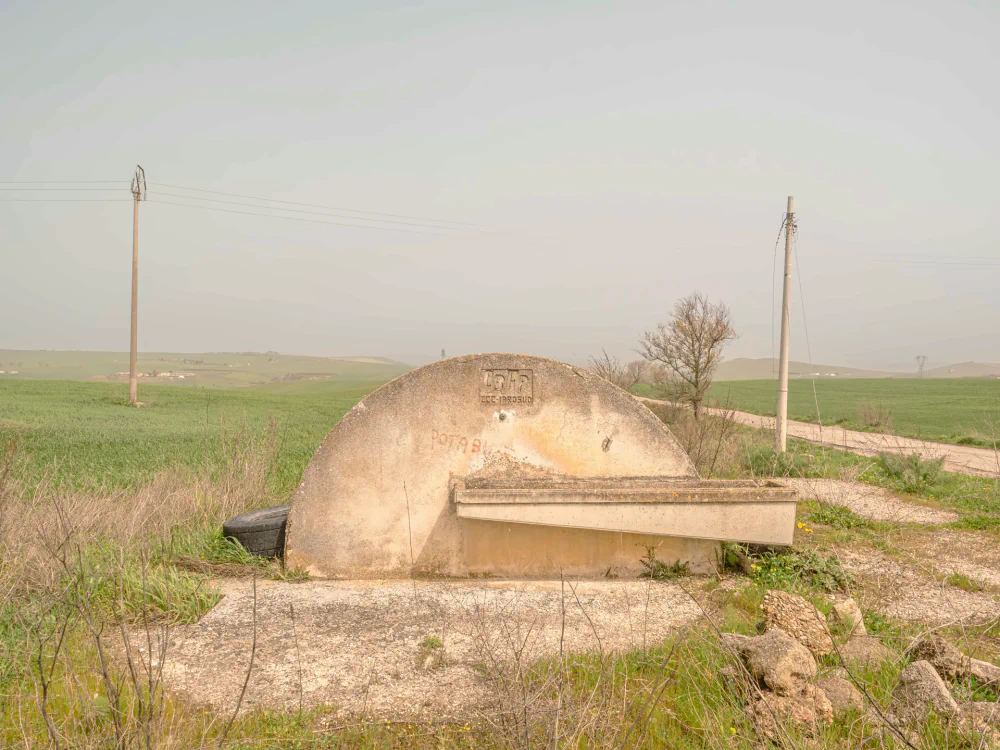
Today, of what was once one of the most important roads built by the Romans two thousand years ago, only traces remain — in a kind of “harmony” with the abandonment of the surrounding territory.
The series is made up of images of places that appear to be without value, yet they tell a story; they bear the imprint of a once-lived importance and of lives that have passed.
Attilio needs to return again and again to the places he photographs, because, as he says, only by making those places part of everyday experience is it possible to notice details and discover perspectives that are impossible to see on a first visit. Only when calm prevails does the invisible reveal itself. Slow photography!
Both projects are still very much alive. Regina Viarium and Utopía should not be considered finished, as Attilio’s intention is to continue working on them, exploring new locations or developing other aspects of each project.
The editorial team at Dodho will closely follow the evolution of these works, with the aim of sharing them again with readers in the future.

Giuseppe Satriani
Giuseppe Satriani is a conceptual photographer and visual artist based in Bilbao, working under the name Umbra Mentis. His practice combines photography and AI not to generate beautiful images, but to introduce into photographs what does not exist or cannot be photographed, recovering what images exclude: disorder, the impossible, and the deliberately suppressed. His work is held in public and private collections, including Tecnalia Foundation, Espacio RAW, Centro de Fotografía Isla de Tenerife and Médecins Sans Frontières in Madrid. He has exhibited in Spain and internationally, and received recognition from MUSE Awards, Fotonostrum and IGPOTY. [Website]